Online Dating Safety: What You Need to Know to Avoid Scams
🤔 Protect yourself from heartache and financial loss with our essential online dating scam prevention tips. Learn how to spot red flags,…
Read article
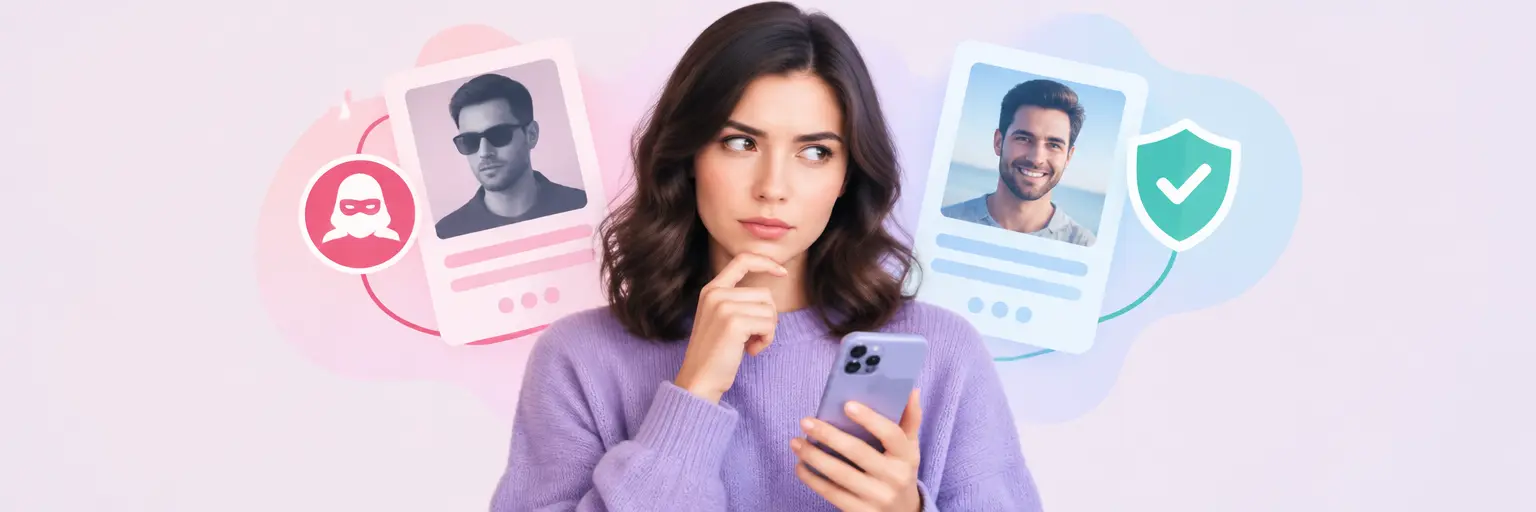
Spotting online dating scammers before they break your heart—or your bank account—is a critical skill in today’s digital romance landscape. 🚨 Our expert-backed guide reveals the red flags of catfishing, romance fraud, and phishing attempts, from too-good-to-be-true profiles and rapid declarations of love to urgent money requests and excuses for avoiding video calls. Learn how to verify photos, cross-check stories, and trust your instincts while keeping your personal and financial information locked down. Whether you’re new to dating apps or a seasoned swiper, these actionable strategies empower you to date confidently and safely, ensuring your quest for love doesn’t turn into a scammer’s payday. Stay one step ahead with proven tactics designed to protect your identity, your wallet, and your emotional well-being. 💔➡️💪
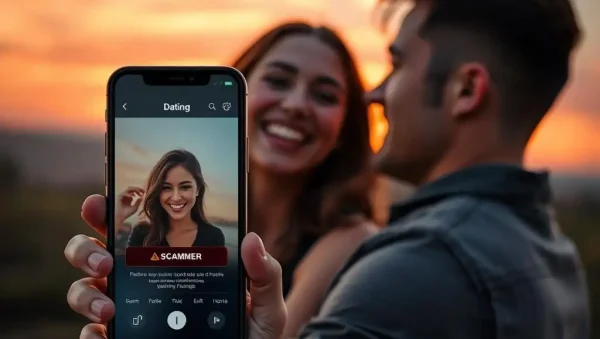
🤔 Protect yourself from heartache and financial loss with our essential online dating scam prevention tips. Learn how to spot red flags,…
Read article
🤔 Unmask the manipulative tactics employed by online dating scammers. Learn to identify red flags and protect yourself from emotional and financial…
Read article
🤔 Protect yourself from heartbreak and financial loss! Learn to identify online dating scammer red flags like inconsistent profiles, pressure for quick…
Read article
🤔 Unmask online dating deception! Learn proven online dating scammer detection tips beyond superficial profiles. This article reveals subtle red flags and…
Read article
🤔 Dating app financial scams are increasingly common. Protect yourself by verifying profiles, avoiding rushed financial requests, and reporting suspicious activity immediately.…
Read article
🤔 Protect yourself from heartbreak and financial loss! Learn proven online dating scam avoidance techniques to identify red flags and build safer,…
Read article
🤔 Dating app identity theft protection is crucial. Never share sensitive personal details early on, verify profiles, and be wary of suspicious…
Read article
🤔 Navigating the world of online dating requires vigilance. This article delivers crucial dating app scam prevention tips, empowering you to identify…
Read article
🤔 Protect yourself in the exciting world of online dating! Learn essential online dating scammer detection tips to identify red flags and…
Read article
🤔 Online dating offers exciting possibilities, but beware! This article arms you with essential online dating scam prevention strategies to safeguard your…
Read article
🤔 Navigate the world of online dating safely! This excerpt provides crucial dating app profile safety tips to help you spot fake…
Read article
🤔 Protect yourself from heartbreak and financial loss! Learn how to spot red flags and avoid online dating scams. This guide provides…
Read articleWhen you step into the world of online dating, your excitement to meet someone special can sometimes cloud your judgment. Scammers exploit this optimism, crafting elaborate personas to steal your money, identity, or heart. This subcategory is your practical toolkit for spotting red flags early, so you can date with confidence and protect your emotional and financial well-being. Here, you’ll learn to recognize the subtle tactics fraudsters use, from too-good-to-be-true profiles to urgent pleas for help, empowering you to walk away before any damage is done.
Photos are the first thing you see, and scammers know that. They often steal images from models, influencers, or even unsuspecting social media users. Look for inconsistencies: the photo may have a strange resolution, odd lighting, or mismatched background details. Do a reverse image search with Google or TinEye—if the same photo appears on multiple profiles under different names, it’s a clear warning sign. Additionally, scammers rarely have more than a few photos, often all in similar settings, and avoid showing full-body shots or candid moments.
Trust your instincts about image quality and emotional response. If a profile feels overly polished, like a catalog shoot, it may be fabricated. Real users have unflattering angles, messy rooms, or casual outings. Also, beware of photos that look too glamorous or professionally edited—especially if their bio claims a modest lifestyle. When a mismatch between photos and stated occupation or lifestyle appears, treat it as a serious red flag. Your attention to these details can save you from a deep emotional investment built on a lie.
Scammers rush intimacy. Within days, they may declare you their soulmate, use pet names, and make grand future plans. This “love bombing” is designed to bypass your rational thinking and create urgency. They will often push to move from the dating app to private messaging, like WhatsApp or Telegram, claiming the app’s chat is glitchy. This removes moderation and evidence trails. Normal people take time to build trust; a scammer’s timeline is accelerated because they want to exploit you before you notice inconsistencies.
Another hallmark is their repetitive and vague communication. They rarely answer specific questions about their day, job, or location, instead steering conversations back to you. Their messages may contain odd grammar, excessive flattery, or generic compliments that could apply to anyone. If they claim to be in the military, an offshore oil rig worker, or a doctor abroad, they’ll often cite poor internet or secretive missions to avoid video calls. Pay attention to how they react when you ask for a live video chat—evasion or excuses are a top indicator of a scam.
This is the ultimate red flag. Once trust is established, scammers invent emergencies: a sick relative, a stolen wallet, a business deal gone wrong, or travel expenses to finally meet you. They will ask for money via untraceable methods—gift cards, wire transfers, or cryptocurrency—never credit cards that offer fraud protection. They may also request your bank details, social security number, or even your home address under the guise of sending you gifts or a plane ticket. Legitimate matches will never need your financial information.
Beyond money, they might ask for intimate photos or videos, which they later use for blackmail. This is a growing “sextortion” scheme. Never send compromising material to someone you haven’t met in person. Also, be wary of requests to invest in a “sure thing” like cryptocurrency or stocks—scammers pose as financial advisors to drain your savings. The moment any financial request surfaces, end communication immediately and report the profile. Your safety and assets are worth more than any story they can weave.
Scammers rely on you not doing your homework. To verify someone, start with a simple voice or video call. Most legitimate daters will agree within a few days of chatting; scammers will have endless excuses. If they do video call, note if the lighting matches their photos and if their voice and mannerisms align. Search their name, email, and phone number online—check social media platforms for a consistent digital footprint. A real person usually has years of history, friends, and tagged posts. A scammer’s digital trail is sparse or newly created.
Another trick is to ask for a specific, current photo—like them holding up a piece of paper with today’s date. Scammers cannot easily generate this on demand. Also, reverse-search their phone number and email address, which may appear on scam-reporting forums. If you find complaints, copy the details and compare them to your situation. Read their profile language for unrepeatable phrases—scammers reuse scripts. Finally, trust your gut: if something feels “off” but you can’t articulate why, it’s often because your subconscious noticed a deception. Take a step back and investigate further.
Once you’ve identified a scammer, act swiftly. Do not confront them—they will deny everything and possibly escalate to aggression. Instead, block them on all platforms immediately. Then, report the profile to the dating app’s support team directly. Use their “Report” feature, and if available, upload screenshots of the conversation, especially any financial requests or threats. This helps the app ban their IP address and prevents them from targeting new users. Also, report to local authorities if money or sensitive data was shared; many countries have cybercrime units.
Beyond the app, warn your social circles and online communities—post on scam-baiting forums or Facebook groups dedicated to “dating scam victims” to alert others. If you shared personal info, like your full name or address, consider placing a fraud alert on your credit report and monitoring your bank statements. Clear your browser history and delete any downloaded files they sent. Remember, your primary goal is to disengage and protect your identity. Staying silent only emboldens them; reporting creates a safer ecosystem for all daters.
The most common sign is a quick escalation to love and commitment, paired with an immediate request to move off the dating app to private messaging. Scammers also frequently have vague profiles, limited photos, and make excuses to avoid video calls. If they ask for money or gifts within the first few weeks, it’s almost certainly a scam.
Download the photo to your computer or phone, then go to Google Images (images.google.com) and click the camera icon. Upload the photo or paste its URL. You can also use TinEye.com for a more thorough search. If the image appears on other profiles or unrelated websites, it’s a scammer using stolen or stock photos.
It’s generally safer to wait until after a video call and several weeks of consistent chats. Use a Google Voice number or a secondary SIM card initially, not your personal number. Scammers can use your number for phishing or SIM-swap attacks. Always keep communication on the dating app until you’ve verified their identity thoroughly.
Contact your bank or credit card company immediately to attempt a chargeback or freeze the transaction. Report the incident to the FTC (in the US) or your local cybercrime unit, and file a complaint with the dating app. Change all your passwords, monitor your accounts, and place a fraud alert on your credit. Do not send more money hoping to recover the lost amount—scammers will exploit that hope.
They use this cover to explain why they can’t video call, meet in person, or provide consistent proof of identity. Military or offshore roles imply remote locations, strict rules, and limited internet access, which conveniently excuses their behavior. In reality, these are tactics to avoid detection while extracting money and data from victims.