
Protect Your Finances: Identifying Financial Scams on Dating Apps

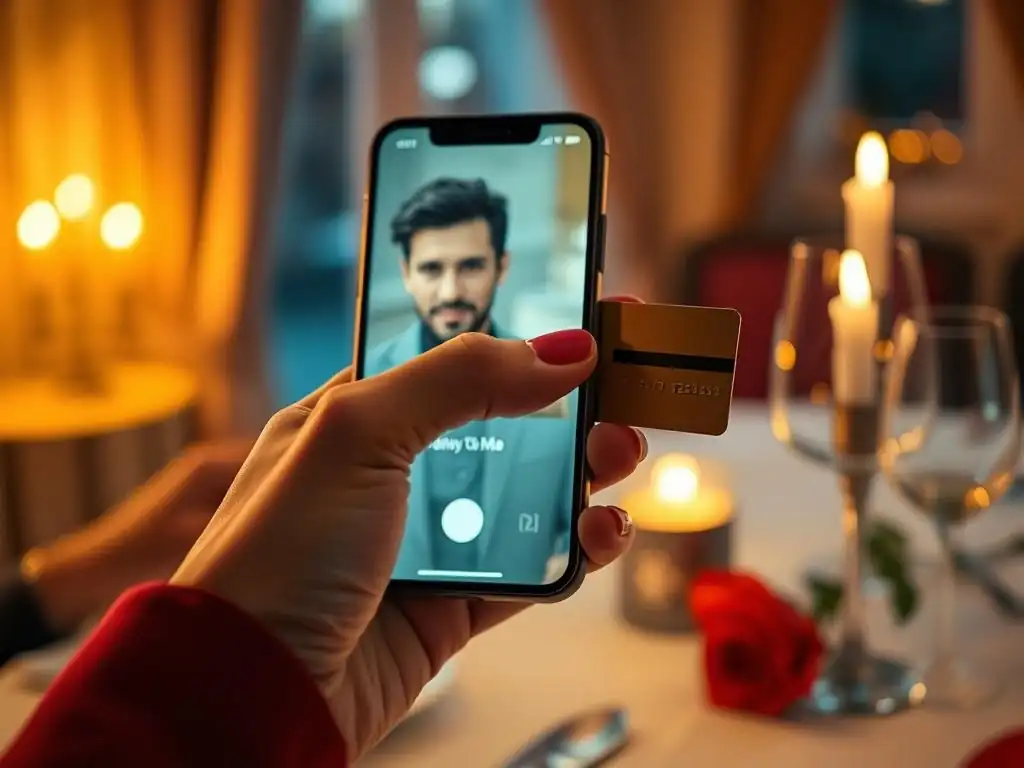
Welcome to OnlineDatingSuccess.org, your guide to navigating the exciting – and sometimes treacherous – world of online dating. We're dedicated to helping you find genuine connections and build meaningful relationships. But first, let's address a crucial aspect of online dating safety: financial scams. Are you aware of the subtle tactics used to exploit vulnerable daters? Discover how to protect yourself and your finances from dating app financial scams in our latest article – your journey to online dating success starts with knowing the risks. Read on to learn more and embark on a safer, more rewarding dating experience.
-
Understanding Dating App Financial Scams: A Growing Threat
- Recognizing Red Flags: Early Warning Signs of Financial Exploitation on Dating Apps
- Common Tactics Used in Dating App Financial Scams: Examples of Scam Tactics
- Types of Dating App Financial Scams: Investment Scams, Loan Scams, and More
- The Psychology Behind Dating App Financial Scams: How Scammers Manipulate Their Victims
-
Protecting Yourself from Dating App Financial Scams: Practical Prevention Strategies
- Verify Profiles and Backgrounds: Due Diligence on Dating Apps
- Avoid Sharing Financial Information: Protecting Your Bank Details and Personal Finances
- Be Wary of Urgent Requests for Money: Identifying Pressure Tactics
- Slow Down and Think: Avoiding Impulsive Financial Decisions
- Trust Your Instincts: Recognizing Suspicious Behavior and Red Flags
- What to Do If You've Been a Victim of a Dating App Financial Scam
- Staying Safe on Dating Apps: Beyond Financial Scams
- Frequently Asked Questions
- Final Reflection: Navigating Love and Finances in the Digital Age
- Secure Your Love & Finances: Take Charge Now!
Understanding Dating App Financial Scams: A Growing Threat
Online dating has revolutionized how people connect, offering exciting opportunities to meet potential partners. However, this digital landscape also presents a growing threat: financial scams targeting unsuspecting users. This article aims to equip you with the knowledge and awareness needed to protect yourself from these increasingly sophisticated schemes. We'll explore common tactics used by scammers, identify key red flags, and delve into various types of financial scams prevalent on dating apps.
Learning to recognize these dangers is crucial for safeguarding your financial well-being while navigating the world of online dating. Remember, staying safe online should never compromise your personal happiness, so let's delve into the strategies to protect your finances and ensure a positive online dating experience. 💖
Recognizing Red Flags: Early Warning Signs of Financial Exploitation on Dating Apps
Navigating the world of online dating requires vigilance. Scammers often employ subtle tactics to manipulate their victims, making early detection crucial. Several red flags can signal potential financial exploitation. Pay close attention to inconsistencies in their profile, overly lavish promises, and a persistent push for financial assistance. For example, an individual who professes deep feelings within days of connecting and then urgently requests money for a supposed emergency should raise immediate suspicion.
Similarly, be wary of profiles lacking sufficient personal information or those containing stock photos. Remember, genuine connections develop gradually, not instantaneously. Always trust your instincts – if something feels off, it probably is. Here's a table summarizing key red flags:
| Red Flag | Description | Example |
|---|---|---|
| Urgent Financial Requests | Sudden and pressing requests for money, often involving fabricated emergencies. | "My grandmother is in the hospital and I need money for her medical bills." |
| Inconsistent Information | Discrepancies in their profile, story, or communication style. | Profile claims to be a doctor, but their grammar and communication are poor. |
| Lavish Promises | Unrealistic promises of wealth, luxury, or a quick path to financial success. | Promises of quick riches through a "secret" investment opportunity. |
| Pressure & Manipulation | Attempts to pressure you into making financial decisions quickly. | "You need to send the money now, or it will be too late." |
| Avoids Video Calls | Reluctance to engage in video calls or share personal details. | Consistently makes excuses to avoid a video chat. |
Common Tactics Used in Dating App Financial Scams: Examples of Scam Tactics
Dating app scammers employ a range of manipulative tactics to gain your trust and exploit your finances. These tactics often involve creating a false sense of urgency, intimacy, and need. One common tactic is the "romance scam," where the scammer builds a relationship, often rapidly, to gain your confidence before requesting financial help. Another prevalent method is the "investment scam," where the scammer lures you into a fake investment opportunity promising high returns, but ultimately leading to significant losses.
They might also use the guise of needing a loan, claiming temporary financial hardship. Furthermore, scammers might try to manipulate you into sending gift cards or making payments through untraceable methods like cryptocurrency. Always be skeptical of financial requests, regardless of how genuine the relationship might seem. Remember, legitimate relationships don't require financial transactions.
Types of Dating App Financial Scams: Investment Scams, Loan Scams, and More
Financial scams on dating apps manifest in various forms. Investment scams are particularly common, where victims are lured into non-existent or fraudulent investment opportunities with promises of high returns. Loan scams involve the scammer posing as someone in need of a loan, often promising repayment with inflated interest. Another type is the "emergency scam," where the scammer fabricates a crisis (medical emergency, car trouble, etc.) to pressure you into sending money quickly. Additionally, scammers might employ gift card scams, asking for gift cards as payment for various reasons.
Finally, cryptocurrency scams are becoming increasingly prevalent, exploiting the anonymity and complexity of cryptocurrency transactions. Understanding these different types of scams helps you better identify and avoid them. Always verify any financial opportunity independently before committing any funds. Remember, if a deal seems too good to be true, it probably is. ⚠️
The Psychology Behind Dating App Financial Scams: How Scammers Manipulate Their Victims
Dating app financial scams thrive on exploiting human vulnerabilities. Scammers are masters of manipulation, leveraging psychological principles to gain their victims' trust and ultimately, their money. A key element is the creation of a seemingly genuine connection. Scammers invest significant time and effort in building rapport, often mirroring their victims' interests and creating a false sense of intimacy. This carefully cultivated relationship makes victims more susceptible to requests for financial assistance, as they've developed an emotional bond and feel obligated to help someone they believe they know and care about.
The process frequently involves "love bombing," an overwhelming display of affection and attention in the early stages of the online interaction. This intense emotional surge can cloud judgment and make victims less likely to question suspicious behavior or requests for money. The scammer might create a compelling backstory, often involving a fabricated crisis or emergency – a sick relative needing urgent medical care, a business venture requiring immediate funding, or unexpected travel expenses. These fabricated scenarios prey on the victim's empathy and desire to help, making it difficult to discern the deception.
Another crucial aspect is the gradual escalation of requests. Scammers rarely ask for large sums of money upfront. Instead, they begin with smaller amounts, building trust and normalizing financial transactions. This slow progression makes it harder for victims to recognize the scam, as they've already willingly participated in several seemingly innocuous financial exchanges.
The scammer might also employ guilt trips or emotional manipulation to pressure the victim into providing more money. They might subtly suggest that refusing to help demonstrates a lack of care or commitment, further strengthening the emotional bond and making the victim feel responsible for the scammer's fabricated financial difficulties. Understanding these psychological tactics is crucial in recognizing and avoiding dating app financial scams. The emotional manipulation involved is often subtle and insidious, making it vital to maintain a healthy skepticism and prioritize your own financial well-being.
Protecting Yourself from Dating App Financial Scams: Practical Prevention Strategies
This section focuses on proactive steps you can take to minimize your risk of becoming a victim of financial scams on dating apps. Remember, prevention is always the best defense. Being vigilant and aware is key to protecting your financial well-being while navigating the online dating world. We'll explore several crucial strategies to safeguard your finances. The prevalence of "dating app financial scams" is unfortunately on the rise, making these preventative measures even more important.
Verify Profiles and Backgrounds: Due Diligence on Dating Apps
Before engaging deeply with anyone you meet on a dating app, take steps to verify their profile and background. While complete verification is impossible, a few simple checks can significantly reduce your risk. Don't rely solely on the information presented on their profile; treat it as a starting point, not a definitive truth.
A thorough approach involves:
- Reverse image searching: Use a reverse image search engine (like Google Images) to check if the profile pictures are authentic and haven't been lifted from another source. Inconsistent or suspiciously perfect photos should raise a red flag. This simple step can often expose fake profiles.
- Checking social media: If the profile provides links to social media accounts, investigate them. Look for inconsistencies between their online presence and their dating profile. Are their social media accounts active and consistent with their stated profession and lifestyle?
- Scrutinizing profile details: Look for inconsistencies or red flags in their profile information. Vague or contradictory details can be a sign of deception. Be wary of profiles with limited information or those that seem too good to be true.
- Slow and steady wins the race: Don't rush into a relationship. Take your time getting to know someone before sharing personal information or sending money. A genuine connection develops gradually.
Avoid Sharing Financial Information: Protecting Your Bank Details and Personal Finances
Never, under any circumstances, share your banking details, credit card information, social security number, or any other sensitive financial information with someone you've met online, regardless of how well you think you know them. This is paramount to avoiding "dating app financial scams". Legitimate relationships don't require the exchange of such sensitive data.
Remember these crucial points:
- No early financial disclosures: A genuine connection doesn't necessitate immediate financial discussions. Avoid discussing your finances until you've met in person and built a strong foundation of trust.
- Suspicious requests for loans: Be extremely cautious of anyone who requests money, regardless of the reason. This is a major red flag for potential scams. There are always other ways to resolve financial issues than asking strangers for loans.
- Protect your banking apps: Ensure your banking apps are secured with strong passwords and two-factor authentication. Regularly check your bank statements for any unauthorized transactions.
Be Wary of Urgent Requests for Money: Identifying Pressure Tactics
Scammers often use pressure tactics to manipulate their victims into sending money quickly. They may create urgent situations, such as claiming a family emergency, a medical crisis, or a sudden financial hardship. These are common tactics used in "dating app financial scams".
Here's how to identify these manipulative techniques:
- Unexpected emergencies: Be suspicious of sudden, urgent requests for money, especially those with unclear details or flimsy explanations. Genuine emergencies rarely unfold with such short notice and limited information.
- High-pressure situations: Scammers often create a sense of urgency to prevent you from taking the time to think rationally and verify their claims. Resist this pressure; take your time to assess the situation.
- Emotional manipulation: Scammers often prey on empathy and compassion, using emotional appeals to elicit a quick financial response. Don't let your emotions cloud your judgment; rely on logic and critical thinking.
By implementing these strategies, you significantly reduce your vulnerability to financial scams on dating apps. Remember, trust your instincts; if something feels wrong, it probably is. Prioritize your safety and financial security.
Slow Down and Think: Avoiding Impulsive Financial Decisions
Online dating can be exhilarating, fostering a sense of connection and excitement. This rush of positive emotions can sometimes cloud judgment, making individuals more susceptible to impulsive financial decisions. Scammers prey on this vulnerability, creating a sense of urgency to pressure victims into acting quickly. They might claim an unexpected emergency, a sudden opportunity requiring immediate investment, or a fabricated business venture needing urgent funding. Remember, legitimate relationships and opportunities rarely demand immediate financial commitments. A consistent pattern of requests for money, especially without a well-established, in-person relationship, should be a major red flag.
Take your time. Don't feel pressured to send money, no matter how convincing the story may sound. If someone is truly in need, they will understand the need for you to verify their situation before sending any funds. Legitimate financial transactions, such as joint investments or business ventures, require thorough due diligence and careful consideration.
Always take the time to research the opportunity, consult with trusted friends or family members, and sleep on it before making any decisions. This pause allows emotions to settle, enabling clearer, more rational thinking. Remember, a genuine connection should never involve financial pressure.
Prioritize building trust and rapport through consistent communication and in-person meetings before considering any financial entanglement. Your financial security is paramount; never compromise it for what might seem like a fleeting romance. Financial scams related to dating apps often exploit the emotional vulnerability of individuals seeking connection, so safeguarding your finances is crucial for maintaining your well-being.
Trust Your Instincts: Recognizing Suspicious Behavior and Red Flags
Your intuition is a powerful tool in identifying potential scams. If something feels off, it probably is. Pay close attention to red flags, even seemingly minor ones. These could include inconsistencies in their stories, a reluctance to video chat or meet in person, overly elaborate or unbelievable tales of misfortune, and pressure to make quick financial decisions. Many scammers create elaborate, emotional backstories to manipulate their victims, often involving sudden emergencies requiring immediate financial assistance.
Be wary of individuals who consistently avoid meeting face-to-face. While some initial hesitation is understandable, a persistent refusal to meet, especially after a period of online communication, should raise suspicion. Similarly, be cautious of those who are overly eager to discuss financial matters early in the relationship. Genuine connections prioritize building trust and rapport before delving into financial discussions.
Look for inconsistencies in their profile or their communication; do their stories align? Do their photos appear genuine, or are they possibly stock images? Scrutinize their online presence for any inconsistencies or red flags. Always cross-reference information they provide with publicly available resources, if possible.
If you notice any discrepancies or inconsistencies, it's crucial to exercise caution and prioritize your safety and financial well-being. Remember, trusting your gut feeling is often the best defense against dating app financial scams. If something feels wrong, it's perfectly acceptable to end the conversation and move on. Your safety and financial security are always worth prioritizing.
What to Do If You've Been a Victim of a Dating App Financial Scam
Being the victim of a dating app financial scam can be incredibly distressing. It's crucial to act quickly and decisively to mitigate further losses and begin the recovery process. Remember, you're not alone, and help is available. The first step is to take control of the situation. This involves a multi-pronged approach focusing on immediate actions, reporting, and seeking support.
Reporting the scam is vital for several reasons. It helps law enforcement track down perpetrators, prevents others from falling victim, and can potentially lead to the recovery of some funds. Different agencies handle these reports depending on the nature of the scam and the location. Here's a list of relevant authorities you should consider contacting:
- Your Local Police Department: This is the first point of contact for most scams. They can file a report, investigate the matter, and potentially connect you with other resources.
- The Federal Trade Commission (FTC): The FTC is a federal agency that handles consumer complaints, including those related to online fraud. Reporting to the FTC helps build a larger picture of the scam's scope and can assist in future investigations. They also offer resources and advice.
- The Internet Crime Complaint Center (IC3): The IC3 is a partnership between the FBI and the National White Collar Crime Center. They specialize in internet-related crimes and are a valuable resource for reporting online scams.
- Your Bank or Financial Institution: Immediately contact your bank or credit card company to report the fraudulent transaction. They can freeze your accounts, investigate the activity, and potentially reverse the charges, depending on the specifics of the situation. Keep detailed records of all communication.
- The Dating App Itself: Report the scammer's profile to the dating app's customer support. While they may not be able to recover your funds, they can remove the scammer's profile, preventing further victims.
Recovering Lost Funds: Steps to Take After a Scam
Recovering lost funds after a dating app financial scam is challenging but not impossible. The success rate depends on various factors, including how quickly you act and the type of scam involved. Here are some steps you can take:
- Document Everything: Gather all evidence: screenshots of conversations, transaction records, email exchanges, and any other relevant information. This documentation is crucial for reporting to authorities and potentially pursuing legal action.
- Dispute the Charges: If the scam involved credit card or bank transactions, immediately dispute the charges with your financial institution. Provide them with all the supporting documentation you've collected.
- Consider Legal Action: In some cases, legal action may be an option. Consult with a lawyer specializing in fraud cases to explore your legal avenues and assess the potential for recovering your losses. This step often requires substantial documentation and may involve significant costs.
- Monitor Your Accounts: Closely monitor your bank accounts, credit reports, and other financial accounts for any further unauthorized activity. Consider placing a fraud alert or security freeze on your credit reports.
Seeking Emotional Support After a Scam
Experiencing a financial scam can be emotionally devastating. Feeling betrayed, embarrassed, or even angry is completely normal. Don't hesitate to seek support to navigate these challenging emotions.
- Talk to Someone You Trust: Sharing your experience with a trusted friend, family member, or therapist can provide emotional relief and perspective. Talking it through can help you process your emotions and begin healing.
- Support Groups: Consider joining online or in-person support groups for victims of fraud or scams. Connecting with others who have gone through similar experiences can provide a sense of community and shared understanding.
- Mental Health Professionals: If you're struggling to cope with the emotional fallout, don't hesitate to seek professional help from a therapist or counselor. They can provide guidance and support to help you heal and move forward. Remember that seeking help is a sign of strength, not weakness. Prioritizing your mental well-being is crucial during this difficult time. There are numerous resources available to help you cope with the emotional impact of this experience.
Staying Safe on Dating Apps: Beyond Financial Scams
This section focuses on expanding your safety awareness beyond the immediate threat of financial scams. While financial scams are a significant concern, it's crucial to understand the broader context of online safety within the dating app environment. Protecting your well-being encompasses much more than just your bank account.
Building Healthy Online Relationships: Safe Communication Practices
Establishing healthy communication from the outset is paramount in mitigating risks. Avoid sharing overly personal information too early in the process. This includes details like your exact address, workplace, or children's names and schools. Remember, building trust takes time. A scammer will often try to rush this process.
Instead, focus on building rapport through engaging conversations, shared interests, and gradual disclosure of personal details. Be wary of individuals who seem overly interested too quickly or who pressure you to move communication off the dating app platform prematurely. Always maintain control over the pace of the relationship and prioritize your comfort level. If something feels off or makes you uncomfortable, trust your instincts and disengage. A healthy relationship is built on mutual respect and trust, not pressure or manipulation.
Consider these communication best practices:
- Video calls: Propose a video call relatively early in the interaction. This helps verify the person's identity and build a more authentic connection. The visual confirmation can help prevent catfishing.
- Gradual disclosure: Share personal information incrementally, allowing yourself time to assess the other person's trustworthiness.
- Public spaces for initial meetings: If you decide to meet in person, always choose a public, well-lit location for your first date. Let a friend or family member know where you're going and when you expect to return.
- Trust your gut: If something feels wrong, it probably is. Don't hesitate to end the conversation or interaction.
Maintaining Privacy on Dating Apps: Protecting Your Personal Information
Protecting your personal information is crucial to preventing various forms of online harassment and scams, extending far beyond financial risks. Dating apps often request access to various personal data, such as your location, contact lists, and photos. Be mindful of the permissions you grant and regularly review your app settings. Avoid oversharing personal details in your profile or during conversations.
Remember, anything you post online can potentially be used against you. Consider using a separate email address specifically for online dating to prevent unwanted spam and maintain a clear separation between your personal and online dating communications. Never share sensitive information like your Social Security number, bank account details, or passport information with anyone you meet online. Report suspicious profiles or behavior immediately to the dating app's customer support team.
Using Dating Apps Responsibly: Safe Dating Habits
Responsible dating app usage goes beyond just avoiding scams. It involves creating a safe and positive experience for yourself and others. This includes being mindful of your online presence, understanding the app's terms of service, and reporting inappropriate behavior. Remember, online dating is a numbers game. Don't get discouraged if you don't find a match immediately. Be patient, persistent, and prioritize your safety and well-being throughout the process.
Take breaks when needed and don't feel pressured to engage with anyone who makes you uncomfortable. Utilize the reporting features provided by the dating app to flag suspicious profiles or inappropriate behavior. This helps maintain a safer environment for all users. Remember, responsible app usage contributes to a healthier online dating community. By following these guidelines, you significantly reduce your risk of encountering scams and other negative experiences. Prioritize your safety, be discerning, and enjoy the process of finding meaningful connections.
Frequently Asked Questions
How can I spot a financial scam on a dating app?
Be wary of anyone who asks for financial assistance quickly, especially if you've only interacted online for a short time. Look for inconsistencies in their story and red flags like pressure to send money urgently. Never send money to someone you've only met online.
What are some common tactics used in dating app financial scams?
Scammers often create fake profiles with stolen photos. They might feign an emergency or invest in a get-rich-quick scheme, needing your help. They'll build trust before asking for money, often via gift cards or wire transfers.
What should I do if I think I'm being scammed?
Immediately stop all communication with the suspect. Report the profile to the dating app and consider reporting it to the relevant authorities like the Federal Trade Commission (FTC). Document all communication and financial transactions.
How can I protect myself from dating app financial scams?
Never share your personal financial information with anyone you've only met online. Verify their identity through independent means if possible. Trust your instincts; if something feels off, it probably is.
Are there specific dating apps more prone to financial scams than others?
While no app is entirely immune, all dating platforms are susceptible to scams. Being vigilant and practicing safe online dating habits is crucial regardless of the app you use. Report suspicious activity immediately to the app and the authorities.
The rise of online dating has undeniably revolutionized romance, but it has also created fertile ground for sophisticated financial scams. These aren't just isolated incidents; they represent a significant threat to vulnerable individuals across all demographics, demanding our collective attention and proactive strategies to combat them.
The insidious nature of these scams lies in their ability to exploit the emotional vulnerability inherent in seeking connection. They prey on our desire for love and companionship, blurring the lines between genuine affection and calculated deception. The impact extends far beyond monetary loss; it erodes trust and leaves lasting emotional scars. The heart wants what it wants, but the mind needs to be equally engaged in protecting itself.
This quote underscores the crucial balance we must strike between embracing the possibilities of online dating and safeguarding our financial well-being.
Now, more than ever, it's crucial to approach online dating with a healthy dose of skepticism and a strong understanding of financial security. Don't let the allure of romance blind you to potential red flags. Take the time to educate yourself, share this information with your friends and family, and remember that genuine connections are built on trust, respect, and transparency – not financial transactions. You deserve to find love without compromising your financial security. Let's work together to create a safer online dating environment for everyone.
Secure Your Love & Finances: Take Charge Now!
Thank you for learning about protecting yourself from financial scams on dating apps. You've gained valuable knowledge to navigate online dating safely. Now, let's put that knowledge into action!
- Review your online dating profiles immediately: Make sure you haven't accidentally shared sensitive financial information. This simple step can prevent future problems.
- Share this article with your friends and family: Protecting your loved ones is as important as protecting yourself. Help spread awareness and prevent others from falling victim to similar scams.
- Test your scam-spotting skills: Think back to the examples in this article. Can you identify any warning signs in your own online interactions? Share your insights in the comments below!
Ready to proactively protect your financial well-being while dating online?