
The Power of Saying No: Setting Boundaries in Online Dating


Tired of frustrating online dating experiences? At OnlineDatingSuccess.org, we empower you to take control of your dating journey. Discover how to navigate the digital world of romance with confidence and create meaningful connections. This starts with knowing your limits. Learn essential online dating boundary setting tips in our latest article, "The Power of Saying No," and unlock the secret to safer, more fulfilling online dating. Dive in and transform your dating life!
- Understanding the Importance of Setting Boundaries in Online Dating
- Identifying Your Personal Boundaries in Online Dating
- Communicating Your Boundaries Effectively in Online Dating
-
Practical Online Dating Boundary Setting Tips
- Creating a Safe Online Dating Profile: Privacy Settings and Information Sharing
- Screening Potential Dates: Red Flags and Warning Signs to Watch Out For
- Managing Online Communication: Avoiding Oversharing and Unhealthy Exchanges
- Protecting Your Personal Information: Avoiding Phishing and Scams
- Utilizing Online Dating Platforms' Safety Features
- Maintaining Boundaries After Meeting Offline
- Seeking Support and Resources for Online Dating Boundary Setting
-
Frequently Asked Questions
- How can I set boundaries regarding sharing personal information online?
- What are some healthy boundaries to set around communication frequency?
- How do I politely decline a date or further contact?
- How do I handle unwanted or inappropriate advances online?
- What if I'm struggling to enforce my boundaries?
- Final Reflection: Reclaiming Your Power in the Digital Dating World
- Reclaim Your Time: Take Control of Your Online Dating Journey
Understanding the Importance of Setting Boundaries in Online Dating
Navigating the world of online dating can be exhilarating, but it also presents unique challenges. The ease of connection, while offering exciting possibilities, can also lead to situations that compromise your well-being and personal safety. This article focuses on a critical, often overlooked, aspect of online dating success: setting healthy boundaries.
Establishing clear boundaries isn't just about protecting yourself from potential harm; it's about fostering healthy relationships built on respect, mutual understanding, and emotional safety. Learning to say "no" effectively and confidently is a powerful tool that empowers you to control your online dating experience and attract partners who value your needs and limits. This guide provides practical, empathetic advice and actionable strategies to help you navigate the complexities of online dating while prioritizing your mental health and safety.
We'll explore why boundaries are crucial, how to identify unhealthy behaviors, and the strong link between boundary setting and your overall mental well-being in the online dating sphere. Mastering the art of boundary setting in online dating is key to finding genuine connections and avoiding potentially damaging experiences. Let's dive in!
Why Boundaries are Crucial for Online Dating Success
Setting healthy boundaries in online dating is paramount for several reasons. Firstly, it helps you attract compatible partners who respect your values and limits. Individuals who readily disregard your boundaries early on are unlikely to be good long-term partners. By establishing these limits from the outset, you filter out those who are incompatible with your needs and expectations.
Secondly, boundaries protect your emotional well-being. Online dating can be emotionally taxing; setting boundaries helps to manage expectations and prevent emotional exhaustion. For example, setting a limit on the amount of time you spend messaging someone before meeting in person, or defining your comfort levels with sharing personal information, can significantly reduce stress and prevent emotional manipulation. Thirdly, and perhaps most importantly, boundaries enhance your safety.
Clear boundaries provide a protective layer against potential scams, harassment, or unsafe encounters. Knowing your limits and communicating them confidently helps you avoid risky situations and protect yourself from harm. Think of boundaries as a crucial element of your online dating self-care strategy – they are essential for both your emotional and physical safety.
Recognizing Unhealthy Dating Behaviors Online
Identifying unhealthy dating behaviors online requires vigilance and self-awareness. Some red flags to watch out for include excessive pressure to meet in person too quickly, constant demands for your attention, ignoring your stated boundaries, attempts to control your behavior, aggressive or disrespectful communication, and a persistent push to share intimate details before you feel comfortable. Another significant sign is a lack of reciprocation – if the interaction is one-sided, with the other person consistently dominating the conversation and ignoring your input, this is a major warning sign.
Remember, a healthy relationship is built on mutual respect and consideration, not manipulation or control. Early recognition of these unhealthy behaviors is crucial; it allows you to disengage from the interaction and protect yourself from further potential harm.
Trust your instincts: if something feels off or unsafe, it likely is. Don't hesitate to end communication with someone who consistently disregards your boundaries or makes you feel uncomfortable.
The Link Between Boundaries and Mental Wellbeing in Online Dating
The connection between setting boundaries and mental well-being in online dating is undeniable. When you consistently uphold your boundaries, you experience a greater sense of control and autonomy over your dating experience. This increased control directly contributes to reduced stress and anxiety, leading to a more positive and empowering online dating journey. Conversely, failing to set boundaries can lead to feelings of frustration, resentment, and even depression. Constantly compromising your needs and values to appease others can be emotionally draining and negatively impact your self-esteem.
Prioritizing your mental health by setting clear boundaries is not selfish; it's a crucial step towards a more fulfilling and healthy dating experience. Remember, your emotional well-being is paramount, and setting boundaries is a powerful tool to protect and nurture it. Prioritizing your mental health is not a luxury, but a necessity in the often-challenging landscape of online dating. 💪
Identifying Your Personal Boundaries in Online Dating

Setting healthy boundaries is crucial for a positive and safe online dating experience. It's about protecting your physical, emotional, and mental well-being while navigating the complexities of virtual interactions. This section focuses on identifying your personal boundaries and translating them into actionable strategies for online dating. Understanding your limits empowers you to attract respectful partners and avoid potentially harmful situations. Remember, your comfort and safety are paramount. This isn't about being rigid; it's about self-respect and creating a healthy dating environment. The ability to confidently say "no" is a powerful tool in online dating boundary setting.
Defining Your Non-Negotiables: Physical Boundaries
Physical boundaries in online dating might seem less relevant than in in-person interactions, but they're equally important. They establish your comfort level regarding physical intimacy and contact. Defining these boundaries early prevents misunderstandings and potential exploitation. Consider these points:
- First Meeting Location: Do you prefer a public place for your first date? Do you feel comfortable meeting someone at their home or inviting them to yours? Having a clear preference and communicating it proactively is key. Many women prefer a well-lit, public space for initial meetings.
- Physical Contact: At what point in the relationship, if ever, are you comfortable with physical intimacy? This includes hand-holding, kissing, or more intimate acts. Establishing these boundaries helps to avoid pressure and ensures your comfort throughout the dating process.
- Sharing Personal Information: What personal information are you comfortable sharing? This might include your address, workplace, or details about your family. Protecting your personal safety often involves withholding sensitive information until you've built trust and rapport.
Remember, it's perfectly acceptable to decline a date or end contact if someone pressures you to cross your physical boundaries.
Defining Your Non-Negotiables: Emotional Boundaries
Emotional boundaries protect your feelings and mental well-being. In online dating, this involves setting limits on how much emotional energy you invest in someone and how you allow them to treat you. This is about self-respect and recognizing your worth.
- Respectful Communication: Do you tolerate disrespectful or demeaning language? What are your dealbreakers regarding communication style? Setting clear expectations about how you expect to be treated is fundamental to a healthy online dating experience. Many find that rude or aggressive language is an immediate red flag.
- Emotional Investment: How quickly are you comfortable becoming emotionally invested in someone you've only met online? Avoid rushing into deep emotional commitments before you've established a solid foundation of trust and mutual respect. This prevents heartbreak and potential manipulation.
- Time Commitment: How much time are you willing to dedicate to getting to know someone online? Setting limits on your time investment prevents you from becoming overwhelmed or neglecting other important areas of your life. Prioritizing your well-being is essential.
| Boundary Type | Example |
|---|---|
| Respectful Communication | No tolerance for insults or belittling remarks |
| Emotional Investment | Limiting emotional disclosure in early stages |
| Time Commitment | Setting a time limit for daily messaging |
Defining Your Non-Negotiables: Communication Boundaries
Communication boundaries dictate how, when, and where you interact with potential partners online. This includes managing expectations regarding response times, communication methods, and the frequency of contact.
- Response Time: Do you expect immediate responses? Or are you comfortable with people having lives outside of the dating app? Setting realistic expectations about response times prevents unnecessary frustration and anxiety. Many people have busy schedules and may not be able to respond immediately.
- Communication Channels: Are you comfortable with various communication channels (text, calls, video chats)? Or do you prefer to stick to a single method? Clearly defining your preferences prevents misunderstandings and ensures you feel comfortable throughout the interaction.
- Frequency of Contact: How much contact is too much? What level of communication feels comfortable for you? Setting boundaries regarding communication frequency prevents feeling overwhelmed or pressured.
It's okay to say 'I need some space' or 'I'm not comfortable with this level of contact' if a match crosses your boundaries.
Remember, setting boundaries isn't about being unfriendly; it's about protecting yourself and ensuring you have a positive and safe online dating experience. By clearly defining your limits, you create a healthier and more respectful environment for yourself and your potential partners. This is a vital aspect of online dating boundary setting tips.
Defining Your Non-Negotiables: Time Boundaries
Setting healthy time boundaries is crucial for your well-being and the success of your online dating journey. It's easy to get swept up in the excitement of connecting with new people, but neglecting your own needs can lead to burnout and frustration. Think about how much time you realistically have to dedicate to online dating each week. Are you juggling a demanding job, family commitments, or other personal responsibilities?
Honesty is key here. If you only have an hour or two free each evening, acknowledge that limitation. Don't overcommit yourself by agreeing to multiple dates or lengthy conversations if you know you can't handle it.
This isn't about being unfriendly; it's about self-preservation. For example, if you're consistently spending three hours a night chatting with someone online, and it's impacting your sleep or other crucial activities, it's time to reassess. Maybe you can suggest shifting to shorter, more focused conversations, or scheduling calls instead of lengthy text exchanges. Remember, setting boundaries doesn't mean you're rejecting someone; it means you're prioritizing your own well-being. This approach fosters healthier, more sustainable relationships, both online and offline. It also helps you attract individuals who respect your time and energy.
Consider creating a schedule for your online dating activities. Allocate specific time slots for checking messages, responding to matches, and scheduling dates. Sticking to this schedule will help you avoid feeling overwhelmed and ensure you're not constantly checking your dating apps. This structured approach helps maintain a healthy balance between your online dating life and other aspects of your life.
Think of it as managing your time like you would any other important commitment. Scheduling time for self-care, hobbies, and social interactions outside of online dating is equally important and should be prioritized. You'll find that a balanced approach makes the whole process more enjoyable and less stressful. This will naturally improve your dating experience and increase the likelihood of finding a compatible partner who respects your time and boundaries.
Communicating Your Boundaries Effectively in Online Dating
Setting boundaries in online dating is crucial for your safety and well-being. It's about protecting your emotional, physical, and mental health while navigating the often-unpredictable world of virtual connections. Effectively communicating these boundaries requires clarity, confidence, and a willingness to stand your ground. Remember, your comfort and safety are paramount.
This section offers practical strategies to help you confidently communicate your limits and maintain healthy online dating interactions. Mastering these skills will contribute significantly to a positive and safe online dating experience. This is key to achieving your online dating goals. The right approach to boundary-setting can transform your online dating journey.
Assertive Communication Techniques for Online Daters
Assertive communication is key to setting and maintaining healthy boundaries. It involves expressing your needs and opinions respectfully but firmly, without being aggressive or passive. Here are some techniques to implement:
- "I" statements: Instead of blaming ("You always…"), use "I" statements to express your feelings ("I feel uncomfortable when…"). For example, "I feel uncomfortable sharing my full address before we've met in person." This approach focuses on your feelings and avoids accusatory language.
- Direct and clear language: Avoid ambiguity. Be specific about your boundaries. Instead of saying "I'm busy," say, "I'm not available for a date this week, but I'm free next weekend."
- Practice: Rehearsing how you'll express your boundaries can boost your confidence. Try practicing in front of a mirror or with a trusted friend.
- Nonverbal cues: Your body language and tone of voice can reinforce your message. Maintain eye contact (if video chatting), use a calm and steady tone, and avoid fidgeting.
- Consequences: It's important to communicate the consequences of boundary violations. For example, "If you continue to pressure me, I will end our conversation." This clarifies the seriousness of your boundaries.
Setting Expectations Early in Online Interactions
Proactive boundary setting prevents misunderstandings and potential problems down the line. Establishing clear expectations from the outset is crucial for a respectful and safe online dating experience.
- Profile clarity: Your dating profile should reflect your values and boundaries. For instance, if you're not interested in casual relationships, state that clearly. If you're looking for a specific age range or relationship type, mention it.
- Initial communication: In your first few messages, subtly communicate your boundaries. For example, if you're uncomfortable with explicit photos or conversations, let them know you prefer to keep things respectful and appropriate.
- Pace yourself: Don't rush into meeting in person or sharing personal information. Take your time to get to know someone before escalating the relationship. This allows you to assess compatibility and trustworthiness. Remember, safety first!
- Time limits: Set reasonable time limits for conversations or video calls, especially in the early stages. This prevents you from feeling overwhelmed or pressured.
- Location transparency: If you're meeting in person, always share your location with a trusted friend or family member. Let them know where you're going, who you're meeting, and when you expect to be back.
Handling Disagreements and Disrespectful Behavior Online
Even with clear communication, disagreements or disrespectful behavior can occur. Knowing how to handle these situations effectively is crucial for your safety and well-being.
- Address the behavior directly: If someone is violating your boundaries, address it calmly but firmly. For example, “I asked you not to share my personal information, and I’m disappointed you did so. I’m ending this conversation.”
- Don't engage in arguments: Avoid getting drawn into lengthy arguments or debates. Simply reiterate your boundaries and end the conversation if necessary.
- Block and report: If someone is being persistently disrespectful or harassing, don’t hesitate to block them and report them to the dating platform. Many platforms have robust reporting mechanisms to deal with such behavior.
- Seek support: If you're struggling to handle a difficult situation, reach out to a trusted friend, family member, or therapist for support. Don't feel like you have to handle everything alone. Remember, your mental health is important.
- Document everything: Keep records of any harassing or disrespectful messages. This evidence can be helpful if you need to report the behavior to the platform or law enforcement. This is particularly important if you are considering legal action.
The successful implementation of these online dating boundary setting tips will significantly improve your online dating experience. Remember, prioritizing your well-being is not selfish; it's essential for a healthy and fulfilling online dating journey.
Saying "No" Gracefully and Confidently in Online Dating
Saying "no" is a fundamental aspect of setting healthy boundaries in online dating. It's crucial for protecting your emotional well-being and ensuring you're only engaging with individuals who respect your limits. However, many find it challenging to decline dates or requests without feeling guilty or awkward. The key is to practice assertive communication, conveying your "no" with confidence and grace. This doesn't mean being rude or dismissive; rather, it involves clearly expressing your needs while respecting the other person's feelings.
One effective technique is to use the "broken record" method. This involves politely but firmly repeating your refusal, regardless of the other person's attempts to persuade you. For example, if someone persistently asks you out despite your initial declination, you could respond with something like, "I appreciate the invitation, but I'm not available to meet at this time. I'm focusing on other priorities right now." Repeating this phrase calmly and consistently helps establish your boundary without getting drawn into a lengthy debate.
It's also important to avoid making excuses or over-explaining your decision. While you can offer a brief, polite explanation if you feel comfortable, lengthy justifications can open the door for further persuasion. A simple, direct "no" is often sufficient. Remember, you don't owe anyone an explanation for your choices. Your time and energy are valuable, and you have the right to choose how you spend them.
Moreover, consider the context of your refusal. If you're declining a date because of scheduling conflicts, a simple, "I'm unavailable that day" is perfectly acceptable. If you're not interested in meeting someone, a more direct approach might be more suitable, such as, "Thank you for your interest, but I don't feel a romantic connection." Tailoring your response to the specific situation demonstrates respect and clarity, making your "no" more effective and less likely to be misinterpreted.
Remember, setting boundaries is a sign of self-respect and maturity, and it attracts individuals who value those qualities. Practicing this skill will not only improve your online dating experience but also enhance your overall well-being and relationships. Learning to say "no" confidently is a valuable life skill that extends far beyond the realm of online dating.
Practical Online Dating Boundary Setting Tips
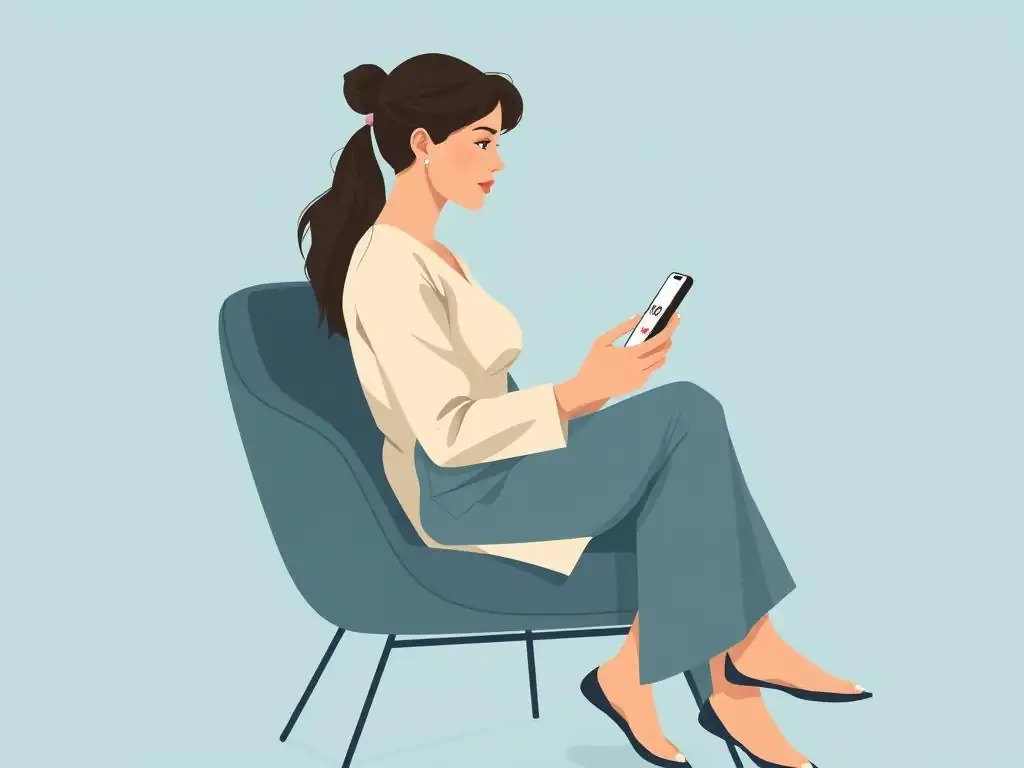
This section delves into actionable strategies for establishing and maintaining healthy boundaries within the online dating landscape. Navigating the digital world of romance requires a proactive approach to personal safety and emotional well-being. Remember, setting boundaries isn't about being unfriendly; it's about prioritizing your own mental health and security. Effective boundary setting empowers you to attract genuine connections while protecting yourself from potential harm. This is crucial for achieving successful online dating experiences.
Creating a Safe Online Dating Profile: Privacy Settings and Information Sharing
Creating a profile that attracts genuine interest while safeguarding your personal information is a delicate balance. Many online dating platforms offer robust privacy settings; understanding and utilizing these is paramount. Avoid oversharing personal details like your exact address, workplace, or children's names and schools. These details can be exploited by malicious individuals. Instead, focus on showcasing your personality and interests in a way that's intriguing without revealing sensitive information.
Consider these strategies for a safer profile:
- Privacy Settings: Maximize your privacy settings on the dating app. Control who can see your profile, message you, and view your photos. Many platforms allow you to filter potential matches based on factors like age, location, or relationship status, further enhancing your safety.
- Photo Selection: Choose photos carefully. Avoid images that reveal too much information about your location or lifestyle. Focus on clear, well-lit pictures that showcase your personality.
- Profile Information: Be selective about the information you share. While honesty is important, avoid revealing sensitive personal details. Focus on your hobbies, interests, and what you're looking for in a partner.
- Location Information: Instead of explicitly stating your city and neighborhood, consider specifying a broader region. You can always share more precise location details with someone you've gotten to know and trust offline.
Remember, your online dating profile is a representation of yourself, and you have complete control over how much information you share. Prioritizing your privacy is an essential aspect of online dating boundary setting.
Screening Potential Dates: Red Flags and Warning Signs to Watch Out For
Before meeting anyone you've connected with online, it's crucial to engage in thorough screening. This involves carefully assessing their communication style, identifying potential red flags, and recognizing warning signs that might indicate a dangerous or manipulative individual. Trust your instincts; if something feels off, it probably is.
Some key red flags to watch out for include:
- Inconsistent Information: Discrepancies in their profile information or stories should raise concerns. Do their words match their actions?
- Excessive Pressure: If they push for an in-person meeting too quickly or pressure you into sharing personal details prematurely, exercise caution. Healthy relationships develop gradually.
- Negative or Aggressive Communication: Rude, disrespectful, or controlling behavior online is a major red flag. Respectful communication is essential for healthy relationships.
- Financial Requests: Be wary of anyone who asks for money or financial assistance, particularly early in the relationship. This is a common tactic used by scammers.
- Lack of Transparency: If they avoid answering direct questions or are evasive about their personal life, it might be a sign that they're hiding something.
By carefully assessing these aspects and trusting your intuition, you can effectively screen potential dates and reduce your risk of encountering harmful individuals.
Managing Online Communication: Avoiding Oversharing and Unhealthy Exchanges
Online communication plays a significant role in online dating. Setting healthy boundaries around communication ensures your emotional well-being and safety. Avoid oversharing personal information, especially sensitive details, until you've established trust and met in person.
Here are some crucial tips for managing online communication:
- Limit Personal Information Sharing: Avoid revealing sensitive details like your full name, address, financial information, or workplace until you have met the person in a safe, public place and feel comfortable doing so.
- Maintain Control of the Conversation: You have the right to end conversations that make you uncomfortable. Don't feel obligated to respond to every message or engage in lengthy exchanges if you feel uneasy.
- Be Mindful of Your Emotional Investment: Avoid getting overly emotionally invested in someone you've only interacted with online. Remember that online profiles can be misleading.
- Verify Information: If something seems suspicious, verify the information they've provided through independent means. A reverse image search can be helpful in verifying photos.
- Use Safe Communication Channels: Stick to the dating app's messaging system initially, and avoid sharing personal contact information, like your email address or phone number, until you've met and feel safe.
Remember, building healthy communication patterns is a vital aspect of establishing and maintaining safe and respectful boundaries in online dating. Prioritizing your emotional well-being is key to a positive online dating experience.
Protecting Your Personal Information: Avoiding Phishing and Scams
Online dating boundary setting extends far beyond just the interactions you have with potential partners. A crucial aspect, often overlooked, is protecting your personal information. The anonymity offered by online platforms can unfortunately attract those with malicious intent. Phishing and scams are prevalent, so understanding how to safeguard yourself is paramount for a safe and positive online dating experience.
One of the most common tactics is phishing. This involves deceptive emails, messages, or even fake websites designed to trick you into revealing sensitive data like your passwords, credit card numbers, or home address. These messages often mimic legitimate dating sites or even impersonate potential matches.
They might claim to need your information to verify your profile, offer enticing deals, or create a sense of urgency to pressure you into acting quickly. Never click on links from unknown sources or provide personal details unless you're absolutely certain of the legitimacy of the request. Always check the sender's email address carefully and be wary of emails that are poorly written or contain grammatical errors.
Another significant threat is the advance-fee scam, where a scammer promises a significant reward—a large sum of money, expensive gifts, or a lucrative business opportunity—in exchange for an upfront payment. These scams often prey on vulnerability and hope. They might start with charming conversations and build a sense of trust before requesting money for various fabricated reasons. Remember, legitimate relationships don't require financial transactions at the initial stages. If someone asks for money, regardless of the reason, it's a major red flag.
Protecting yourself involves vigilance and a healthy dose of skepticism. Never share sensitive details like your full address, workplace, or financial information until you've met someone in person and built considerable trust. Even then, proceed with caution. Regularly review your privacy settings on dating platforms and be mindful of the information you share publicly on your profile.
Educating yourself about common scams is also crucial in staying ahead of these malicious actors. Consider using strong, unique passwords for your online dating accounts and enabling two-factor authentication wherever possible. This layered approach significantly reduces the risk of unauthorized access and potential harm. Remember, your safety is non-negotiable.
Utilizing Online Dating Platforms' Safety Features
Most reputable online dating platforms incorporate various safety features designed to protect users. Understanding and utilizing these features is a critical aspect of setting healthy boundaries and mitigating risks. These features are not just for emergencies; they are proactive tools that contribute to a safer online dating experience. Failing to use them is essentially leaving yourself vulnerable.
Many platforms offer features like blocking and reporting functionality. If you encounter someone who makes you uncomfortable, you can block them immediately, preventing further contact. Reporting inappropriate behavior is equally important. This allows the platform's moderators to investigate and take action against users who violate their terms of service. These actions, while seemingly simple, are powerful deterrents and contribute to a more secure environment for everyone.
Another valuable feature often overlooked is the verification process. While not all platforms offer it, many allow users to verify their identities through various means, such as phone number verification or linking social media accounts. Verified profiles reduce the likelihood of encountering fake profiles and catfishing attempts. While this doesn't guarantee complete safety, it significantly improves the overall safety of the platform.
Furthermore, many platforms provide tools for managing privacy settings. You can control who can see your profile, what information is visible, and who can contact you. Taking advantage of these options allows you to curate your online presence and limit exposure to unwanted attention. Regularly reviewing and adjusting these settings is essential as platforms often update their features and options.
Finally, remember to trust your instincts. If something feels off, it probably is. Don't hesitate to utilize any safety features available to you. The platform's security team is there to help, and reporting inappropriate behavior is not only protecting yourself but also contributing to the safety of the entire online dating community. Utilizing these features empowers you to take control of your online dating experience and prioritize your safety and well-being. Remember, your safety is paramount, and proactively using the available safety features is a crucial part of setting healthy boundaries online.
Maintaining Boundaries After Meeting Offline

Online dating boundary setting tips extend far beyond the digital realm. Once you've met someone offline, maintaining healthy boundaries is crucial for your safety and well-being. This involves consistently communicating your needs and limits, regardless of how well you think you know the person. Remember, even seemingly harmless actions can escalate, so proactive boundary setting is key. This isn't about being unfriendly; it's about protecting yourself and ensuring healthy relationship dynamics from the start.
Setting Boundaries on First Dates and Subsequent Meetings
The first date is a crucial testing ground for compatibility and respect. Before you even meet, establish some ground rules for yourself. Will you share your exact location? Will you accept a ride from your date? These seemingly small decisions significantly impact your safety and comfort. For example, instead of agreeing to a secluded location for a first date, suggest a public place where you feel safe and in control.
If your date pressures you to go somewhere else, it's a red flag. Subsequent meetings should also be approached with the same cautious optimism. Always let a friend or family member know where you're going and who you're with. Consider sharing your location in real-time using a location-sharing app. Remember, it’s okay to decline invitations that make you uncomfortable, regardless of how much you might like the person.
During the date itself, pay attention to your gut feeling. If something feels off, trust your instincts. It's perfectly acceptable to cut the date short if you feel uneasy or unsafe. Don't feel obligated to continue a date just because you've already invested time. Your safety and comfort are paramount. This also applies to subsequent meetings. If the relationship isn't progressing in a way that feels right for you, or if your boundaries are consistently disregarded, it's okay to distance yourself.
Here's a helpful table summarizing key considerations for setting boundaries on dates:
| Date Stage | Key Boundary Considerations | Example |
|---|---|---|
| Before the Date | Location, transportation, sharing personal information | Suggest a public place; arrange your own transportation; share only limited details |
| During the Date | Physical touch, conversation topics, alcohol consumption | Establish limits on physical contact; steer conversations away from discomforting topics; control your alcohol intake |
| After the Date | Communication frequency, expectations, future meetings | Set clear expectations for communication; be upfront about your feelings and needs; decline future meetings if needed |
Handling Unwanted Advances or Pressure
Unwanted advances or pressure are serious breaches of boundaries. These situations can range from subtle coercion to overt harassment. It's essential to recognize these behaviors and respond assertively. Remember, you have the right to say no without feeling guilty or obligated to justify your decision. If someone is ignoring your boundaries, it’s a significant red flag indicating a lack of respect.
Several strategies can be used to address unwanted advances:
- Directly communicate your discomfort: Clearly and firmly state that the behavior is unacceptable. For example, "I'm uncomfortable with this," or "Please stop."
- Change the subject: If a direct approach feels too confrontational, redirect the conversation to a different topic.
- Remove yourself from the situation: If the behavior persists, leave the situation immediately. This might involve ending the date or even calling for help.
- Document the incident: Keep records of any unwanted advances or pressure, including dates, times, and descriptions of the events. This documentation can be valuable if you need to report the incident later.
- Seek support: Talk to a trusted friend, family member, or therapist about what happened. Sharing your experience can help you process your emotions and develop coping strategies.
Knowing When to End a Date or Relationship
Knowing when to end a date or relationship is a crucial aspect of online dating boundary setting. It's not always easy, but recognizing the signs is essential for your well-being. Consistent disregard for your boundaries, controlling behavior, or feeling consistently unsafe are all significant indicators that it's time to move on. Ending a relationship doesn't have to be dramatic or confrontational. A calm and clear explanation of your reasons is often sufficient.
Remember, ending a relationship is not a failure. It's a healthy choice when the relationship is no longer serving your needs or is compromising your well-being. Prioritizing your safety and mental health is always the right decision. Online dating should be a positive experience, and establishing and maintaining strong boundaries is key to ensuring that it is. 💔 Don't hesitate to prioritize your emotional and physical safety. Your well-being is paramount.
Seeking Support and Resources for Online Dating Boundary Setting
Navigating the complexities of online dating can be emotionally taxing. Setting and maintaining healthy boundaries is crucial for protecting your mental well-being and fostering positive experiences. Sometimes, however, you might need extra support. This section explores avenues for obtaining assistance in establishing and upholding your online dating boundaries. Remember, seeking help is a sign of strength, not weakness. It shows self-awareness and a commitment to your emotional health. The process of online dating boundary setting tips can be challenging, and having support can make all the difference.
Online Resources and Support Groups for Healthy Dating
Numerous online platforms offer valuable resources and communities dedicated to healthy dating practices. These resources can provide guidance, support, and a sense of community for individuals facing similar challenges. Many websites and forums offer advice on setting boundaries, identifying red flags, and navigating difficult conversations. Participation in online support groups allows you to connect with others who understand the unique pressures of online dating, fostering a sense of shared experience and reducing feelings of isolation.
The anonymity often afforded by online forums can be particularly helpful for individuals who feel uncomfortable discussing these issues in their personal lives. Remember to be discerning about the information you find online and prioritize reputable sources. Look for resources that emphasize evidence-based advice and prioritize your safety and well-being. For example, some websites offer articles and guides specifically focused on the topic of "online dating boundary setting tips," providing practical strategies and examples.
Professional Help for Setting and Maintaining Boundaries
While online resources are beneficial, some situations may require professional intervention. A therapist or counselor specializing in relationship dynamics can provide personalized guidance tailored to your specific needs and experiences. They can help you identify unhealthy patterns in your online dating behavior, develop effective communication strategies for setting boundaries, and address underlying emotional issues that might be contributing to difficulties in establishing healthy limits.
Professional help can be invaluable in navigating complex situations, such as dealing with persistent harassment or overcoming past trauma that impacts your ability to set boundaries. Therapy offers a safe and confidential space to explore your experiences, gain insights into your behavior, and develop coping mechanisms for managing challenging interactions. Consider seeking professional guidance if you find yourself consistently struggling to enforce your boundaries, experiencing significant emotional distress related to online dating, or if you're unsure how to effectively address specific situations.
Recognizing When to Seek External Help for Online Dating Issues
Recognizing when to seek external help is a crucial step in prioritizing your well-being. Several warning signs might indicate a need for professional support:
- Persistent feelings of anxiety, depression, or low self-esteem related to online dating: If your online dating experiences consistently negatively impact your mental health, professional help can provide valuable support and strategies for coping.
- Difficulty setting or maintaining boundaries despite repeated attempts: If you find yourself repeatedly compromising your boundaries or feeling manipulated, a therapist can help you develop effective strategies for asserting yourself and protecting your well-being.
- Experiencing harassment, abuse, or threats online: If you're facing online harassment, abuse, or threats, seeking professional help is crucial for your safety and emotional recovery. These situations require immediate attention and support.
- Feeling overwhelmed or unable to cope with the challenges of online dating: Online dating can be emotionally draining. If you feel overwhelmed or unable to manage the challenges, seeking support can help you regain control and navigate the process more effectively.
Remember, seeking support is not a sign of weakness; it’s a proactive step towards protecting your mental health and fostering positive experiences in online dating. Prioritizing your well-being is essential for creating healthy and fulfilling relationships, both online and offline.
Frequently Asked Questions
How can I set boundaries regarding sharing personal information online?
Never share sensitive personal details like your full address, workplace, or financial information early on. Start with general information and only reveal more as you build trust and feel comfortable. Proceed slowly and cautiously.
What are some healthy boundaries to set around communication frequency?
It's okay to set limits on how often you communicate. You're not obligated to respond instantly or engage in constant messaging. Establish a communication rhythm that works for you and communicate that to your date.
How do I politely decline a date or further contact?
A simple, polite, and direct message is best. You don't owe anyone a lengthy explanation. For example: "I'm not feeling a romantic connection, but I wish you all the best." Be assertive and respectful.
How do I handle unwanted or inappropriate advances online?
Immediately block and report any user exhibiting inappropriate behavior. Don't engage with them further. Your safety and comfort are paramount. Trust your instincts.
What if I'm struggling to enforce my boundaries?
Consider seeking advice from friends or a therapist. Practice self-care and remind yourself that your feelings and needs are valid. Setting boundaries is a skill that improves with practice.
Final Reflection: Reclaiming Your Power in the Digital Dating World
The ability to say "no" is not just a polite refusal; it's a fundamental act of self-preservation, particularly crucial in the often-unpredictable landscape of online dating. Navigating the digital world of romance requires a strong sense of self and clear boundaries, a skill increasingly vital in our hyper-connected society. The ease of connection online can sometimes overshadow the importance of protecting your emotional and physical well-being.
The impact of setting healthy boundaries extends far beyond the realm of online dating; it shapes our overall relationships and self-esteem. Learning to prioritize your needs and comfort levels translates into healthier interactions in all aspects of life. As the poet Maya Angelou wisely stated, When people show you who they are, believe them the first time.
This holds true whether you're meeting someone online or in person; recognizing and respecting your own limits empowers you to identify red flags and make choices that align with your values. This self-awareness, cultivated through mindful boundary setting, fosters genuine connections built on mutual respect and understanding.
You now possess the tools to navigate the complexities of online dating with confidence and self-respect. Consider the ways you can implement these strategies in your own life. Reflect on your past experiences and identify instances where setting clearer boundaries could have improved the outcome. Remember, saying "no" is not selfish; it's an act of self-care, a declaration of your worth, and a crucial step towards finding healthy, fulfilling connections. Embrace your power to choose, and build a dating experience that truly reflects your needs and desires.
Reclaim Your Time: Take Control of Your Online Dating Journey
Thanks for exploring how to set healthy boundaries in online dating! We hope you've gained valuable insights into protecting your energy and finding fulfilling connections. Ready to put this into practice?
- Prioritize your well-being: This week, focus on implementing one new boundary. This could be anything from limiting your time spent messaging, to more effectively screening potential dates, or simply saying "no" to dates that don't feel right. Make it achievable.
- Share your experiences: Let us know in the comments what boundaries you're already successfully using, and which ones you're still working on. Sharing your journey can be incredibly helpful for others!
- Take a break: Consider a "digital detox weekend"—a time to disconnect from dating apps and focus on yourself. You might be surprised how beneficial this is for your dating life!
What small step can you take today to empower yourself and create the dating experience you deserve?