
Fight Back Against Harassment: A StepbyStep Guide for Dating Apps

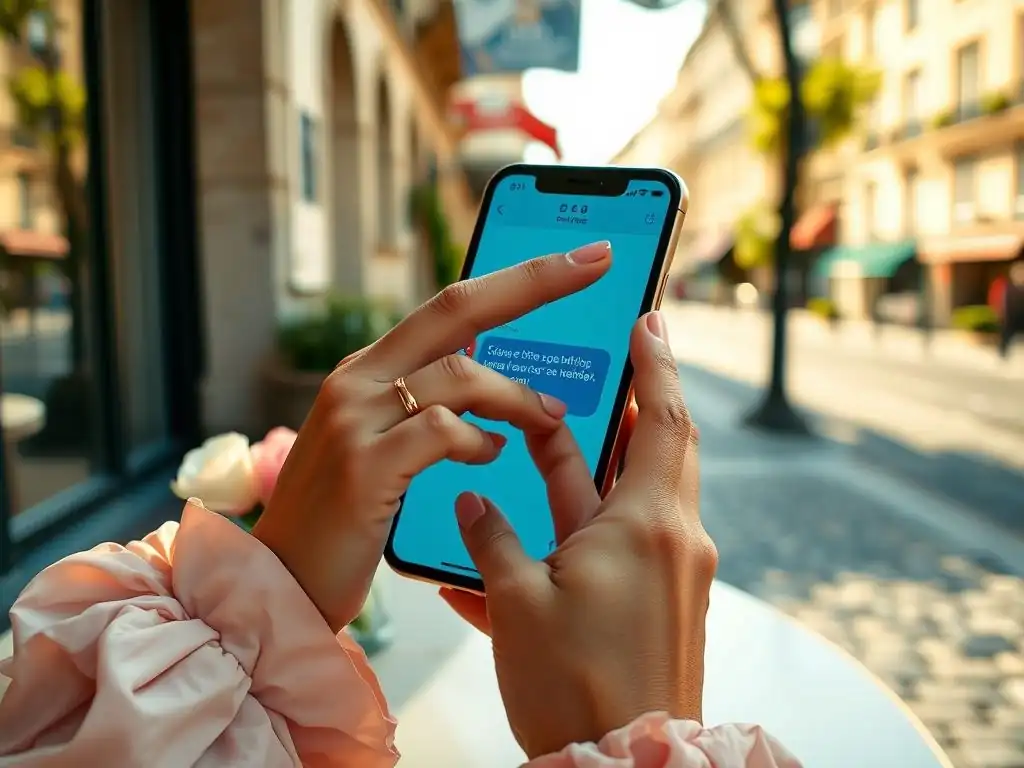
Dive into the world of online dating with confidence! At OnlineDatingSuccess.org, we're dedicated to helping you navigate the exciting, yet sometimes challenging, landscape of finding love online. But what happens when the experience turns sour? Our comprehensive Dating app harassment prevention guide provides a crucial step-by-step plan to protect yourself and reclaim your online dating experience. Learn how to identify and avoid potentially harmful situations, and discover strategies to build a safer and more fulfilling journey towards meaningful connections. Ready to take control? Let's get started.
- Understanding Online Dating Harassment: Recognizing the Signs
- Protecting Yourself: Proactive Strategies for Dating App Safety
- Responding to Harassment: Reporting and Blocking
- Seeking Support: Resources and Help for Victims of Online Harassment
- Moving Forward: Building Resilience and Maintaining Online Safety
-
Frequently Asked Questions
- What should I do if I experience harassment on a dating app?
- How can I create a safer online dating profile?
- What are some red flags to watch out for in online dating conversations?
- Are there any apps specifically designed with safety features for online daters?
- How can I protect my personal information while using dating apps?
- Final Reflection: Reclaiming Online Dating Spaces
- Take Charge: Create Your Safer Dating Experience
Understanding Online Dating Harassment: Recognizing the Signs
Online dating, while offering exciting possibilities for connection and romance, unfortunately also presents a significant risk of harassment. This comprehensive guide provides a step-by-step approach to identifying, preventing, and reporting harassment on dating apps. We'll explore various forms of harassment, help you spot red flags, and understand the impact these negative experiences can have on your mental well-being.
Learning to proactively protect yourself is crucial for a safe and positive online dating experience. This guide aims to empower you to take control and build resilience against online harassment, allowing you to focus on finding genuine connections instead of navigating negativity. Remember, you deserve a safe and respectful online dating journey, and this guide is here to help you achieve just that.
Identifying Different Forms of Dating App Harassment
Online dating harassment manifests in many ways, and recognizing these diverse forms is the first step towards effective prevention. It's not always overt; sometimes, it's subtle and insidious. Here are some common examples:
- Verbal Abuse: This includes insults, threats, name-calling, and persistent negativity. It can range from casual rudeness to targeted, hateful attacks. The frequency and intensity of these attacks can significantly impact your emotional well-being.
- Sexual Harassment: This involves unwanted sexual advances, explicit or suggestive messages, and requests for inappropriate photos or videos. This is a serious form of harassment and should never be tolerated.
- Stalking: This can involve repeated unwanted contact, tracking your location, or monitoring your online activity. It can escalate to offline threats and actions, making it particularly dangerous.
- Catfishing: This is the creation of a fake profile to deceive someone into a relationship. While not always overtly harassing, it can cause significant emotional distress when the deception is revealed.
- DoXing: This involves sharing someone's private information online without their consent, often with malicious intent. This can lead to serious consequences, including identity theft and safety risks.
- Cyberbullying: This encompasses the repeated harassment, humiliation, and intimidation of someone online. It can include spreading rumors, sharing embarrassing photos, or creating fake profiles to impersonate the victim.
Understanding these diverse forms of harassment is vital in recognizing and addressing them effectively. The next steps involve learning to identify red flags and protecting yourself.
Recognizing Red Flags in Profiles and Messages
Preventing harassment begins with vigilance. Learning to identify red flags in profiles and messages can significantly reduce your risk. Pay close attention to the following:
- Incomplete or Vague Profiles: Profiles lacking personal details or containing inconsistencies should raise suspicion. Be wary of profiles with overly generic photos or limited information.
- Aggressive or Demanding Messages: Messages that are overly sexualized, demanding, or controlling are major red flags. Pay attention to the tone and language used.
- Excessive Compliments or Flattery: While genuine compliments are nice, excessive flattery can be a tactic used to manipulate or groom someone.
- Pressure to Meet Offline Quickly: Be cautious of individuals who pressure you to meet offline before you feel comfortable. Take your time to get to know someone online first.
- Inconsistencies in Stories or Information: If information provided in messages contradicts what's on their profile, or if their story seems unbelievable, it could be a sign of deception.
- Requests for Financial Assistance: Never send money to someone you’ve only met online. This is a common tactic used in scams and can lead to significant financial loss.
Remember, your safety and comfort are paramount. Trust your instincts; if something feels off, it probably is.
Understanding the Impact of Online Harassment on Mental Health
The effects of online harassment on mental health can be profound and long-lasting. Experiencing harassment can lead to:
- Anxiety and Depression: Constant fear, stress, and negativity can trigger or worsen anxiety and depression. The emotional toll can be substantial.
- Low Self-Esteem: Harassment can severely damage self-worth and confidence. It can lead to feelings of shame, inadequacy, and self-blame.
- Sleep Disturbances: The stress and anxiety associated with harassment can significantly impact sleep patterns, leading to insomnia or other sleep disorders.
- Social Isolation: Victims may withdraw from social activities and relationships due to fear and shame, further exacerbating their mental health challenges.
- Post-Traumatic Stress Disorder (PTSD): In severe cases, online harassment can trigger PTSD, characterized by flashbacks, nightmares, and avoidance behaviors.
It’s crucial to remember that you are not alone. If you’ve experienced online harassment, seeking support from friends, family, or mental health professionals is essential for recovery and healing. Remember that seeking help is a sign of strength, not weakness. Taking care of your mental well-being is crucial after facing online harassment.
Protecting Yourself: Proactive Strategies for Dating App Safety
This section focuses on proactive measures you can take to minimize the risk of harassment on dating apps. Remember, your safety is paramount. Taking these steps empowers you to control your online dating experience and create a safer environment. This isn't about living in fear, but about being smart and informed. We'll delve into specific techniques to help you navigate the world of online dating with confidence. Effective harassment prevention starts with you.
Choosing Safe Dating Apps and Features: Privacy Settings and Verification
Selecting the right dating app is the first step in your safety strategy. Not all apps are created equal when it comes to safety features. Look for apps that offer robust verification processes, such as photo verification or phone number verification. These measures help weed out fake profiles and bots, a significant source of harassment. Furthermore, carefully examine the app's privacy settings. Understanding and utilizing these settings is crucial. For example, some apps allow you to control who can see your profile, message you, or access your location data.
Consider these factors when choosing an app:
- Verification Systems: Prioritize apps with robust verification processes for profiles and photos. This significantly reduces the risk of encountering fake profiles created for malicious purposes.
- Privacy Settings: Actively manage your privacy settings. Limit who can see your profile, message you, and access your location information. This provides a crucial layer of protection.
- Reporting Mechanisms: Ensure the app provides clear and easy-to-use reporting mechanisms for harassment or suspicious behavior. A quick and effective reporting system is vital for addressing incidents promptly.
- Community Guidelines: Review the app's community guidelines to understand their approach to safety and harassment. A well-defined policy demonstrates a commitment to user safety.
Remember, a secure app is only part of the solution. Even on the safest platforms, proactive measures are essential.
Creating a Safe Profile: Protecting Personal Information
Your profile is your digital first impression. While you want to present yourself authentically, avoid revealing too much personal information that could compromise your safety. Oversharing can inadvertently invite unwanted attention. Protecting your personal information is key to preventing harassment.
Here's how to create a safer profile:
- Avoid Specific Location Details: Don't mention your exact address, workplace, or other easily identifiable location markers. Vague descriptions are better for your privacy.
- Careful Photo Selection: Avoid photos that reveal too much personal information, such as license plates, house numbers, or easily identifiable landmarks.
- Limit Personal Information: Refrain from sharing sensitive details like your full name, phone number, or email address until you've established trust with someone.
- Use a Nickname: Consider using a nickname or username instead of your real name to maintain a degree of anonymity.
This careful approach helps maintain a balance between showcasing your personality and prioritizing your safety. Think of your profile as a carefully curated introduction — revealing enough to spark interest, but not so much as to compromise your security.
Setting Boundaries: Communicating Your Limits and Expectations
Setting clear boundaries is a crucial aspect of online dating safety. This involves communicating your limits and expectations early and directly, both in your profile and in your interactions. Don't be afraid to be assertive. Your comfort and safety are paramount.
Strategies for setting boundaries:
- Profile Statement: Include a clear statement in your profile about your expectations for respectful communication and behavior. This sets the tone from the start.
- Direct Communication: If someone crosses your boundaries, address it directly and firmly. Don't be afraid to block or report them.
- Uncomfortable Situations: If a situation feels uncomfortable or unsafe, trust your instincts and disengage. Your safety always comes first.
- Consistent Enforcement: Consistently enforce your boundaries. Don't hesitate to block or report anyone who disregards your limits.
Remember, setting boundaries is not rude; it's essential for your safety and well-being. By communicating your limits clearly, you create a safer and more respectful online dating experience for yourself. 🤝 This proactive approach is essential for preventing harassment and fostering positive interactions.
Avoiding Suspicious Profiles and Interactions: Spotting Scammers and Predators
Identifying potentially harmful profiles and interactions is crucial for preventing harassment on dating apps. Scammers and predators often employ similar tactics, making it essential to be vigilant. Understanding their methods empowers you to protect yourself effectively.
One common tactic is the use of overly flattering or unrealistic photos. Be wary of profiles showcasing only highly polished, professional-looking images, or those with an abundance of pictures that seem too good to be true. Authentic profiles often include a mix of casual and formal photos, reflecting a more realistic portrayal of the individual. Also, look out for photos that appear to be stolen from stock image websites or other online sources; a reverse image search can quickly verify this.
Another red flag is inconsistent or vague information in the profile. A profile lacking detail, or containing contradictory information, should raise concerns. Be cautious of profiles that provide minimal personal information, avoid specific details about their life, or contradict themselves in their descriptions. Genuine profiles usually offer a balanced amount of personal details, allowing you to get a sense of their personality and interests. Look for inconsistencies between their written profile and their photos, as well as inconsistencies in their stated age, location, or occupation.
Pay close attention to communication style. Scammers and predators often employ overly enthusiastic or overly romantic language early in the conversation, attempting to rush the relationship. They might shower you with compliments excessively, express strong feelings prematurely, or pressure you into meeting in person quickly. Genuine connections develop gradually, built on mutual respect and trust. Be wary of anyone who seems too eager to meet offline before you've established a comfortable level of online communication.
Furthermore, be suspicious of requests for money or financial assistance. This is a classic hallmark of many scams. Legitimate users would never ask for money under the guise of a blossoming online relationship. Any requests for financial help, regardless of the reason provided, should be considered a major red flag and reported immediately to the dating app. Never send money to someone you've only met online, no matter how convincing their story may seem. Remember, genuine connections do not involve financial transactions.
Finally, trust your instincts. If something feels off or makes you uncomfortable, it probably is. Don't hesitate to block and report any user who makes you feel uneasy, regardless of whether they've explicitly violated any app rules. Your safety and comfort are paramount. Learning to recognize these red flags and trusting your intuition is a powerful defense against harassment and scams on dating apps. Remember, it's always better to err on the side of caution.
Responding to Harassment: Reporting and Blocking
Online dating should be a positive experience, but unfortunately, harassment is a reality for many users. This section provides actionable steps to combat harassment, focusing on reporting mechanisms and blocking abusive individuals. Remember, your safety and well-being are paramount. Taking proactive steps to protect yourself is crucial. This guide provides a framework for dealing with harassment on dating apps, helping you reclaim your online dating experience. We'll explore reporting procedures, blocking techniques, and evidence preservation strategies to empower you to fight back against online harassment. This empowers you to navigate the dating world with greater confidence and safety.
Reporting Harassment on Different Dating Apps: Step-by-Step Instructions for Popular Platforms
Dealing with harassment requires swift and decisive action. Reporting the incident is the first crucial step. The specific reporting process varies across different dating apps. Below, we outline general steps and highlight platform-specific differences where applicable. Remember to always remain calm and factual when reporting.
General Steps for Reporting Harassment:
- Locate the Report Button: Most dating apps have a report button readily accessible within the user's profile or message thread. Look for icons like a flag 🚩, an exclamation point (! ), or a shield 🛡️.
- Select the Appropriate Category: Choose the category that best describes the harassment you experienced. Options may include "Harassment," "Abuse," "Spam," "Scamming," or similar.
- Provide Detailed Information: Be as specific as possible when describing the incident. Include screenshots, dates, times, and the exact nature of the harassment. The more details you provide, the better the app's moderators can investigate.
- Submit the Report: Once you've completed the form, submit your report. You may receive an automated acknowledgment, but response times vary depending on the platform.
Platform-Specific Differences: While the general steps are similar, specific instructions and features may differ. For example, some apps offer the option to report directly to law enforcement. For more precise instructions, always consult the help center or FAQ section of the specific dating app you are using.
| Dating App | Report Button Location (General) | Additional Features |
|---|---|---|
| App Name Example 1 | Profile Settings | Direct Law Enforcement Reporting Option |
| App Name Example 2 | Message Thread | Option to Block and Mute Simultaneously |
| App Name Example 3 | Three-Dot Menu in Message Thread | Ability to Report Multiple Messages at Once |
Blocking Abusive Users: Effective Blocking Techniques and Tips
Blocking abusive users is a proactive measure to prevent further harassment. This prevents them from contacting you, seeing your profile, or interacting with you in any way. It's a vital tool in protecting your online safety and mental well-being.
- Immediate Action: Don't hesitate to block someone as soon as you feel uncomfortable or harassed. Your safety is paramount, and immediate action prevents escalation.
- Blocking Methods: The exact method for blocking a user varies from app to app, but it typically involves accessing their profile and selecting a "Block" or "Report and Block" option.
- Post-Block Actions: After blocking someone, consider reviewing your privacy settings to further enhance your safety. This might involve limiting the visibility of your profile or adjusting your message settings.
- Multiple Blocking Methods: Some platforms offer the option to block multiple users simultaneously, which is a helpful feature when dealing with persistent harassment.
- Unblocking (Caution): While you can usually unblock users, carefully consider the implications before doing so. Only unblock if you are certain there will be no further harassment.
Saving Evidence: Documenting Harassment for Reporting Purposes
Preserving evidence is crucial for successful reporting. Detailed documentation strengthens your report and increases the chances of effective action being taken by the dating app or law enforcement.
- Screenshots: Take screenshots of all harassing messages, including timestamps and user profiles. Screenshots provide irrefutable evidence of the harassment.
- Detailed Notes: Write down the date, time, and context of each harassing incident. Include any details that might be relevant to the investigation, such as the user's profile information or any other interactions.
- Organize Your Evidence: Keep all your evidence organized in a single, easily accessible location. This makes it easy to access and submit when filing a report.
- Consider Legal Advice: If the harassment is severe or persistent, consider consulting with a legal professional. They can advise you on the best course of action and assist with documenting the evidence for potential legal proceedings.
Remember, reporting and blocking are essential tools in protecting yourself from online harassment. By utilizing these strategies, you can create a safer and more positive online dating experience. Don't suffer in silence; take control and fight back against harassment.
Seeking Support: Resources and Help for Victims of Online Harassment


Experiencing harassment on dating apps can be incredibly isolating and distressing. Remember, you are not alone, and there are resources available to help you navigate this difficult situation. This section outlines avenues for obtaining support, from reporting mechanisms within apps to external organizations specializing in online safety and abuse. Taking these steps can significantly contribute to your healing process and help prevent future incidents.
Determining when to involve law enforcement in cases of online dating harassment can be challenging. While many instances can be handled through app reporting mechanisms or online safety resources, escalating to the authorities becomes crucial when the harassment crosses legal boundaries. This includes but isn't limited to:
- Threats of violence: Any explicit threat to your physical safety, including threats against you, your family, or your property, requires immediate reporting to law enforcement. Document all threats with screenshots and timestamps.
- Stalking: Persistent unwanted contact, tracking your location, or appearing unexpectedly in your vicinity constitutes stalking and is a serious crime. Collect evidence of this persistent behavior, such as messages, emails, or social media interactions.
- Sharing of intimate images without consent (revenge porn): The non-consensual distribution of private, intimate images or videos is illegal in many jurisdictions. Preserve any evidence of the distribution and report it immediately.
- Extortion or blackmail: If someone is threatening to reveal personal information or images unless you comply with their demands, this is a criminal offense that requires immediate reporting.
Remember, even if you feel hesitant, reporting to the police can be a vital step in holding perpetrators accountable and protecting yourself and others from further harm. Law enforcement agencies are trained to handle these sensitive situations and can provide support and guidance. They can also help gather evidence and potentially pursue legal action against the perpetrator. The process might seem daunting, but seeking their assistance is a powerful step towards reclaiming your safety and well-being.
Utilizing Online Safety Resources: Websites and Hotlines
Beyond reporting directly to the dating app or law enforcement, several online resources offer valuable support and guidance for victims of online harassment. These resources provide a safe space to discuss your experiences, access information on legal options, and learn strategies for protecting yourself online. Many offer hotlines with trained counselors available 24/7 to provide immediate support and crisis intervention.
Some examples of resources you can explore include specialized websites dedicated to online safety and combating cyberbullying. These often offer comprehensive guides, tips, and tools to help users manage their online presence and mitigate risks. Additionally, many national and international organizations focused on domestic violence and abuse provide information and resources that are relevant to online harassment. These organizations may offer support groups, legal assistance, and counseling services. Remember to research reputable organizations and choose those that align with your specific needs and preferences. Seeking assistance from these trusted resources can provide invaluable support during a challenging time.
Connecting with Support Groups: Finding Community and Understanding
Feeling isolated and alone after experiencing online harassment is common. Connecting with others who have faced similar situations can offer invaluable support and validation. Support groups, both online and in-person, provide a safe space to share your experiences, learn coping mechanisms, and build a sense of community. This shared experience can be incredibly empowering and help you feel less alone in your journey.
Finding a support group tailored to your needs is crucial. Some groups focus specifically on victims of online harassment, while others address broader issues of online safety or relationship abuse. Consider your specific needs and preferences when searching for a group that feels like a good fit. Online support groups offer anonymity and flexibility, allowing you to connect with others from the comfort of your own home.
In-person groups offer the added benefit of face-to-face interaction and the opportunity to build stronger connections. Remember, seeking support is a sign of strength, not weakness. Connecting with others who understand what you're going through can be a significant step towards healing and moving forward.
Moving Forward: Building Resilience and Maintaining Online Safety
After experiencing harassment on a dating app, it's crucial to prioritize your well-being and learn from the experience to enhance your online safety. This section focuses on practical strategies for moving forward, fostering resilience, and continuing to navigate the online dating world safely. Remember, you are not alone, and seeking support is a sign of strength, not weakness. This guide offers actionable steps to reclaim your online space and build confidence in your future interactions.
Maintaining Mental Wellness After Online Harassment
Online harassment can significantly impact mental health. It's essential to acknowledge the emotional toll and actively work towards recovery. Experiencing feelings of anger, sadness, frustration, or anxiety is completely normal. Consider these steps to support your mental wellness:
- Reach out for support: Talk to a trusted friend, family member, therapist, or counselor. Sharing your experience can be incredibly cathartic and help you process your emotions. Many online support groups also exist specifically for victims of online harassment.
- Practice self-compassion: Avoid self-blame. Remember that you are not responsible for the actions of the harasser. Treat yourself with kindness and understanding during this difficult time.
- Limit exposure to triggering content: Take a break from social media and dating apps if needed. Give yourself time and space to heal before re-engaging with these platforms.
- Engage in self-soothing activities: Find healthy coping mechanisms to manage stress and anxiety. This could include exercise, meditation, spending time in nature, listening to calming music, or engaging in hobbies you enjoy.
- Document the harassment: Keeping a record of the harassment incidents can be helpful, both for your own emotional processing and for potential legal action if necessary.
Practicing Self-Care: Prioritizing Your Emotional and Mental Health
Self-care is paramount after experiencing online harassment. It's not selfish; it's essential for your emotional and mental recovery. Prioritizing your well-being allows you to rebuild your confidence and resilience. Here are some practical self-care strategies:
- Set healthy boundaries: Learn to recognize and establish boundaries in your online interactions. This includes knowing when to block users, mute notifications, or take breaks from dating apps.
- Focus on positive self-talk: Challenge negative thoughts and replace them with positive affirmations. Remind yourself of your strengths and worth.
- Maintain a healthy lifestyle: Prioritize sleep, nutrition, and physical activity. These basic self-care practices can significantly impact your overall well-being.
- Seek professional help: Don't hesitate to seek professional support from a therapist or counselor if you're struggling to cope with the emotional impact of the harassment. They can provide guidance and support tailored to your specific needs.
- Celebrate small victories: Acknowledge and celebrate your progress throughout your recovery journey. Every step you take towards healing is a significant accomplishment.
Continuing to Use Dating Apps Safely: Tips for Future Interactions
While the experience of harassment can be deeply upsetting, it shouldn't deter you from using dating apps if you choose to continue. By implementing the following safety measures, you can significantly reduce your risk of future harassment:
- Review your privacy settings: Regularly review and adjust your privacy settings on all dating apps to minimize the information you share publicly.
- Be cautious about sharing personal information: Avoid sharing sensitive information, such as your full address, workplace, or financial details, with anyone you meet online until you've established trust.
- Report inappropriate behavior immediately: Dating apps usually have robust reporting mechanisms. Use them! Report any harassing or abusive behavior promptly.
- Trust your instincts: If something feels off or makes you uncomfortable, don't hesitate to end the conversation or block the user. Your safety and comfort are paramount.
- Use the buddy system: Let a friend or family member know when you're going on a date or meeting someone you met online. Sharing your location and plans can provide an added layer of safety. Consider using a safety app that allows you to share your location in real-time.
Remember, your safety and well-being are the top priorities. By taking proactive steps to protect yourself and prioritizing your mental health, you can navigate the online dating world with greater confidence and resilience. This "Dating app harassment prevention guide" aims to empower you to take control of your online safety.
Reviewing and Updating Safety Measures Regularly
Regularly reviewing and updating your safety measures is crucial for ongoing protection against harassment on dating apps. This isn't a one-time fix; online threats evolve, and so should your defenses. Think of it like regularly updating the software on your phone – it's essential for security patches and improved functionality. Similarly, your online dating safety strategy requires consistent attention.
Consider scheduling a monthly review of your app settings and privacy preferences. Check for any new features or updates that might enhance your security. Many apps now offer enhanced privacy options, such as blocking specific users or controlling who can see your profile information. Take advantage of these features. Don't be afraid to experiment with different settings to find the optimal balance between visibility and safety. Remember that even small adjustments can significantly impact your online safety.
Beyond app settings, review your personal habits. Are you still sharing too much personal information in your profile? Are you meeting strangers in secluded locations? Are you consistently verifying the identities of people you meet online before arranging in-person meetings? These are vital questions to ask yourself during your regular safety review. If you've noticed any lapses in your judgment or if you've encountered any concerning interactions, use this time to adjust your approach and strengthen your boundaries. This proactive approach significantly reduces your vulnerability to harassment.
Furthermore, staying informed about emerging online threats is paramount. Read articles and follow experts in online safety to learn about new scams and harassment tactics. Understanding these trends allows you to anticipate potential dangers and adapt your safety measures accordingly. Many reputable organizations offer resources and advice on safe online dating practices; making use of these resources demonstrates a commitment to your online safety and well-being. It's a continuous learning process, and staying updated is key to staying safe. Remember, your safety is an ongoing investment, not a one-time purchase.
Frequently Asked Questions
What should I do if I experience harassment on a dating app?
First, block and report the user immediately through the app's reporting mechanisms. Then, save all evidence (screenshots, messages) and consider contacting the app's support team directly. If the harassment continues or escalates, involve law enforcement.
How can I create a safer online dating profile?
Avoid sharing personally identifiable information like your full address or workplace in your profile. Use caution with sharing photos – avoid those that reveal your location or show you in compromising situations. Keep your profile information concise and factual.
What are some red flags to watch out for in online dating conversations?
Be wary of users who are excessively complimentary early on, pressure you to meet quickly, or make you feel uncomfortable. Avoid those who are evasive about personal details or are overly secretive. Trust your gut instincts.
Are there any apps specifically designed with safety features for online daters?
Many apps now incorporate safety features like photo verification, background checks (sometimes), and in-app safety reporting tools. Research apps before signing up and compare their safety features to find one that best suits your needs.
How can I protect my personal information while using dating apps?
Never share sensitive information like your bank details, social security number, or passwords. Be mindful of the information you share publicly on your profile. Use strong, unique passwords for each app and enable two-factor authentication where possible.
Final Reflection: Reclaiming Online Dating Spaces
The fight against harassment on dating apps isn't just a battle for individual safety; it's a fight for the future of online connection. We've explored practical steps to navigate the digital dating landscape with increased confidence and security, but the underlying issue demands a broader, more sustained effort. The tools and strategies outlined in this guide are vital, but they are only part of the solution.
The pervasiveness of harassment on dating apps profoundly shapes our online interactions, impacting not only individual experiences but also the collective culture of digital romance. It fosters a climate of fear and distrust, discouraging genuine connection and limiting the potential for positive relationships. The internet can be a powerful tool for connection, but it can also be a breeding ground for negativity. We must actively work to create safer spaces online.
This quote underscores the urgent need for ongoing dialogue and collective action to address this pervasive issue. We must challenge the normalization of harassment and create a culture of accountability.
You, the reader, hold the power to shift this narrative. By actively implementing the strategies discussed, by reporting inappropriate behavior, and by speaking out against harassment, you become a vital part of the solution. Don't let fear silence you; your voice matters. Take control of your online dating experience, and help build a safer, more respectful digital community for everyone. Let's work together to reclaim online dating spaces as places of genuine connection and positive interaction.
Take Charge: Create Your Safer Dating Experience
Thank you for taking the time to learn about creating a safer online dating experience. We hope you feel empowered and confident in navigating the world of dating apps. Ready to put your knowledge into practice?
- Implement discussed safety strategies: Review your profile settings, adjust your privacy controls, and utilize the reporting features. This is crucial for your online safety.
- Share this guide: Let's build a safer online dating community! Forward this article to anyone who might find these tips helpful.
- Explore additional resources: Consider searching for local support groups or online forums dedicated to online dating safety and healthy relationships.
What safety measure from this guide will you implement first? Share your experiences in the comments below!