Meeting in Public: Why Choosing a Public Place is Crucial for First Dates
🤔 Prioritize safety on your first date! Choosing a safe first date public place is crucial. This ensures a comfortable, controlled environment,…
Read article

Meeting someone from an online dating site for the first time? Your safety comes first, always. Safe meeting practices are your frontline defense against scams and uncomfortable situations, turning a promising connection into a secure, positive experience. From choosing a public, well-lit venue to telling a trusted friend your exact plans, these simple habits can dramatically reduce risk. Always arrange your own transportation and keep your phone fully charged—never rely on a stranger for a ride. Trust your instincts: if something feels off, leave immediately without guilt. Remember, you’re not being paranoid; you’re being smart. By setting clear boundaries, keeping your drink in sight, and avoiding sharing your home address or financial details too soon, you protect not just your wallet but your emotional well-being. These proactive steps empower you to focus on what really matters—building a genuine connection—without compromising your peace of mind. Stay vigilant, stay confident, and make every date a safe, enjoyable step toward meaningful love. Your future self will thank you for prioritizing safety over convenience.

🤔 Prioritize safety on your first date! Choosing a safe first date public place is crucial. This ensures a comfortable, controlled environment,…
Read article
😊 Learn how to skillfully deflect unwanted advances and steer clear of uncomfortable situations. This guide helps you avoid online dating pressure…
Read article
🤔 Feeling unsafe on an online date? Prioritize your well-being. This article addresses common online dating safety threats and provides actionable steps…
Read article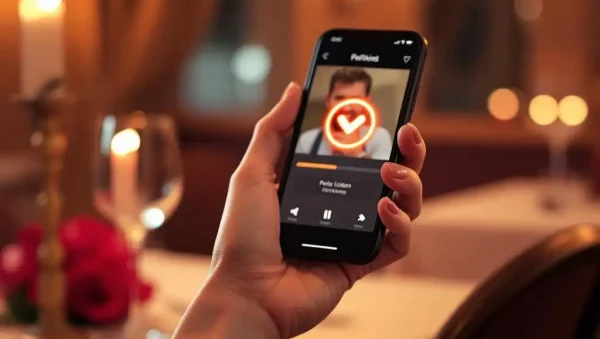
🤔 Online dating safety verification tips are crucial before meeting anyone offline. Cross-reference profile details across multiple platforms, video chat beforehand, and…
Read article
🤔 Boost your online dating safety: sharing your date plans with trusted friends is crucial. This simple step provides an extra layer…
Read article
🤔 Online dating gaslighting can be insidious. This excerpt offers crucial safety tips to recognize manipulative behaviors and protect yourself while navigating…
Read article
🤔 Navigate online dating safely! Learn to spot online dating safety red flags like inconsistent profiles, pressure for rapid commitment, or overly…
Read article
🤔 Before that first date, protect yourself! This article highlights ten crucial online dating safety red flags to watch out for, ensuring…
Read article
🤔 Planning your first online dating meetup? Our comprehensive online dating safety checklist ensures a worry-free experience. From choosing safe public locations…
Read article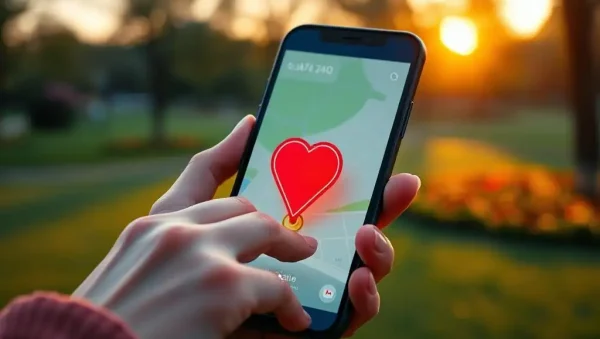
🤔 Enhance your online dating safety with location tracking apps. Smartly utilize these tools to verify date locations, share your whereabouts with…
Read article
🤔 Before meeting your online date, safeguard your privacy. Share only essential information, avoiding sensitive details. Prioritize your online dating safety; remember,…
Read article
😊 Transforming online connections into safe, real-world encounters? Our step-by-step safe online dating meetup guide helps you plan a first meeting that…
Read articleTransitioning from chatting online to meeting face-to-face is one of the most exciting—and vulnerable—steps in online dating. At OnlineDatingSuccess.org, we understand that your safety is the foundation for any meaningful connection. This subcategory, Safe Meeting Practices, is dedicated to helping you navigate that first in-person encounter with confidence and caution. From choosing the right venue to having a backup plan, you’ll find actionable, real-world strategies to protect yourself while still leaving room for romance. Learn how to spot red flags, communicate boundaries, and ensure your well-being never takes a backseat to chemistry.
Your choice of location is your first line of defense. Always opt for a busy, well-lit public space like a coffee shop, bookstore, or popular restaurant—never a private residence, secluded park, or your date’s car. The goal is to have witnesses nearby and easy exits. Avoid venues that are overly loud or crowded, as you need to hear each other and assess the vibe. Also, reach the spot independently—do not accept a ride to or from the date. This simple maneuver ensures you have control over your own transportation and can leave anytime.
Before committing, do a quick Google Maps recon of the area. Look for alternative exits, nearby transit stops, and whether the parking is well-lit. Share your live location with a trusted friend via your phone’s built-in features. A venue that is “Instagram-worthy” or trendsetting isn’t worth compromising your safety. If your date suggests moving to a second, quieter location, firmly decline and set the boundary early. Remember, you are not being rude—you are being smart. Consistent adherence to this rule will make you a harder target for anyone with bad intentions.
Even before you pick a location, your online conversations are a goldmine of safety intelligence. A genuine person will happily engage in video calls before meeting—this is a non-negotiable step in safe meeting practices. It confirms they look like their photos and gives you a feel for their communication style. Be wary of anyone who deflects video chats, uses only professional headshots, or has inconsistent stories. Additionally, run a reverse image search on their photos to see if they’re stolen from another profile. Red flags include refusing to give a last name, having a nearly blank social media presence, or pushing to meet in a private setting immediately.
Trust your gut—if something feels off, it usually is. Don’t let loneliness or excitement override your logic. Check for inconsistencies in their job, hometown, or life details across messages. A common scammer tactic is to be overly complimentary and rush the meeting, often claiming they’ll be out of town soon. Use this period to establish three key things: their real first name, a verifiable job or school, and a mutual interest. If they evade these basic questions, end the conversation. Remember, a respectful person will understand your need for caution and will not pressure you.
Never go on a first date without a designated safety buddy. Choose a friend or family member who knows you’re meeting someone new. Share the following details with them: the date’s full name, phone number, and screenshot of their profile, as well as the exact venue and time. Establish a check-in protocol: agree that you’ll text them at a specific time (e.g., 45 minutes after the date starts) with a code word. For example, you could text “I’m having a great time” to signal all is well, or “I think I left my keys at home” to signal you need an emergency fake phone call to exit.
During the date, keep your phone charged and on your person, not in your purse or jacket. Set a reminder alarm to check in with your buddy silently under the table. If you feel uneasy, use this system to excuse yourself to the bathroom and call your friend. You can also implement a “double date” or “nearby friend” tactic—ask a friend to sit a few tables away, or at minimum, have a contingency plan where you can meet them nearby afterward. These steps might feel overly cautious, but they dramatically increase your situational awareness and ensure that help is just a text away, turning a potentially risky situation into a controlled one.
Your transportation plan is a critical component of safe meeting practices that is often overlooked. Always arrange your own transport to and from the date—driving yourself, using a rideshare, or taking public transit. Never let your date pick you up from your home or drop you off; that gives them your address, which is a major privacy risk. If you drive, park in a well-lit, populated area and have your keys ready before you exit the building. For rideshare, confirm the driver’s name and license plate before getting in—do not rely solely on the app’s description.
Prepare a pre-planned exit excuse before you even arrive. This could be a “work emergency,” a “friend in crisis,” or simply saying you have an early morning. Once you’ve decided to leave, act promptly—don’t linger for one more drink or conversation. If you feel followed, do not go directly home; drive to a police station or open 24-hour business. Share your location with your safety buddy during the ride. Also, consider turning off notifications from dating apps while on the date so you’re not distracted, but keep your phone accessible for emergency calls. Your exit is non-negotiable; practice saying it confidently if needed.
Boundaries are the invisible shield of safe meeting practices. Before the date, define your personal limits—physical, emotional, and time-wise. For example, decide in advance how long you’ll stay (e.g., 60 minutes) and what topics you’re willing to discuss. During the conversation, use “I” statements to assert yourself, such as “I’m not comfortable talking about my workplace” or “I don’t drink, but I’m happy with water.” If your date crosses a line, firmly say “No” without over-explaining or apologizing. You don’t owe anyone a reason for your boundaries.
Physical cues are just as crucial. Be mindful of your body language—maintain distance and avoid sitting in a corner that traps you. If your date invades your personal space, stand up, or move your chair back. Do not accept drinks that you didn’t see being poured, and never leave your drink unattended. If you feel pressured to hug, kiss, or leave with them, repeat your boundary clearly and leave the situation. Remember, a genuine partner will respect your limits—a pushy one is a red flag. By enforcing boundaries, you not only protect yourself but also filter out disrespectful individuals early in the process.
The safest venues are busy, public places like a coffee shop, a restaurant during dinner rush, or a public library café. These locations have natural surveillance and bystanders. Avoid quiet, isolated settings like parks, hiking trails, or someone’s home. Always choose a venue where you’re familiar with the layout, so you know the exits and can navigate easily.
A first meeting should be short, ideally 45 to 60 minutes. This keeps the interaction low-pressure and gives you an easy out if chemistry is lacking. Once you hit your pre-planned limit, politely say you have to go. If you’re both enjoying it, you can exchange contact info to plan a second, longer date. Brevity reduces risk and builds anticipation.
No, never share your home address on a first meeting. Use a nearby business or intersection as a pickup location if you’re commuting together. Keep your address private until you’ve met multiple times and feel comfortable. This prevents your date from showing up uninvited and protects your physical location from potential misuse, like doxxing or stalking.
Firmly and calmly decline. Say, “I’m really enjoying this, but I’ve made a commitment to stay here for now.” If they continue to pressure you, consider that a red flag. Excuse yourself to the restroom, contact your safety buddy, and then end the date early. Prioritize your safety over politeness—no explanation is required beyond your initial “no.”
Use a video call as a primary verification tool. Ask them to talk about a hobby mentioned in their profile to catch inconsistencies. Run a reverse image search on their photos. You can also suggest a quick, non-verifiable check like a unique handshake wave on video. For advanced checks, request a public-facing social profile (e.g., LinkedIn) rather than private accounts. Trust your instincts if they refuse to show their face.