Why You Should Never Reveal Your Home Address: Online Dating Safety 101
🤔 Protecting your location is crucial for online dating safety. Never share your home address; instead, opt for public meeting places. Prioritize…
Read article
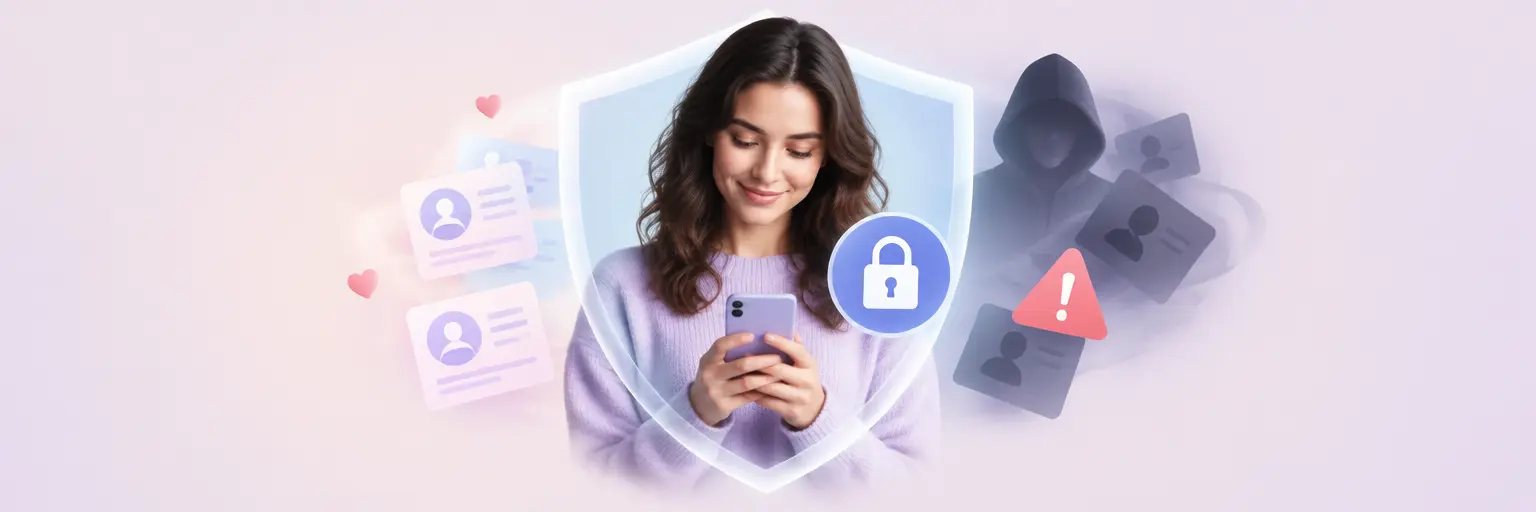
Your safety starts with guarding what matters most—your personal information. In the world of online dating, sharing too much too soon can open the door to identity theft, stalking, or romance scams. Protecting your details isn’t paranoia; it’s smart dating. Keep your full name, home address, workplace, financial data, and even your birthdate private until you’ve built genuine trust. Use the platform’s messaging system instead of giving out your phone number or email early on, and always verify social media profiles before connecting. Think before you post—oversharing in photos or bios can reveal your location or routine. Enable two-factor authentication on your dating apps, use unique passwords, and never send money or gift cards to someone you haven’t met in person. Red flags include urgent requests for financial help, inconsistencies in their story, or pressure to move off-app quickly. Trust your gut: if something feels off, block and report. By staying vigilant, you can focus on meaningful connections while keeping your digital footprint secure. Your private life is your power—protect it, and date with confidence.

🤔 Protecting your location is crucial for online dating safety. Never share your home address; instead, opt for public meeting places. Prioritize…
Read article
😊 Safeguard your personal data for a successful online dating experience. Our online dating safety tips empower you to build genuine connections…
Read article
😊 Navigating the exciting world of online dating requires vigilance. This article delivers crucial online dating safety tips to protect your personal…
Read article
😊 Protect yourself from online dating scams! This article reveals crucial online dating financial safety tips to ensure secure transactions and prevent…
Read article
🤔 Online dating exposes personal data; safeguarding it is crucial. This article offers essential online dating privacy protection tips to help you…
Read article
🤔 Master your online dating profile privacy! This article reveals crucial steps to control your digital footprint, safeguarding your personal information and…
Read article
🤔 Learn how to identify and avoid online dating scams by understanding the tactics of "catfishers" in our insightful guide. Protect yourself…
Read article
🤔 Guard your heart – and your dating profile! Weak passwords expose your personal data. This article provides crucial online dating password…
Read article
🤔 Navigate the complexities of online dating safely. This excerpt explores social engineering tactics used in online dating scams and offers crucial…
Read article
🤔 Master online dating selective disclosure for safety and success. Reveal only what's necessary in your profile and communication to attract genuine…
Read article
🤔 Master online dating profile privacy. Protecting your personal information is crucial. This article reveals which details to omit from your profile…
Read article
🤔 Safeguarding your personal information is crucial for online dating success. Avoid oversharing sensitive details in your profile and initial messages to…
Read articleIn the digital dating world, your personal details are the keys to your identity, finances, and emotional well-being. Scammers and catfishers actively target dating platforms to harvest data, manipulate trust, and commit fraud. This subcategory—Protecting Personal Information—is your safety net, offering actionable strategies to keep your privacy intact while still enjoying genuine connections. You’ll learn what to share, what to withhold, and how to recognize red flags before they become threats, ensuring your online dating experience remains secure, joyful, and scam-free.
Your first conversations on a dating app should be about interests, values, and humor—not your address, workplace, or full legal name. Never share your home address, social security number, bank details, or full date of birth, even if the person seems charming and trustworthy. Scammers often build rapport quickly to lower your guard. Instead, use the app’s built-in messaging until you feel confident, and keep your phone number private until after a verified video call. This simple habit prevents identity theft and unwanted tracking.
Also, avoid posting photos that reveal identifiable landmarks, license plates, or your workplace’s name. A reverse image search can trace your exact location from a single image. Use general descriptors like “marketing professional” instead of “senior manager at TechCorp.” Remember, genuine interest doesn’t require you to surrender private data upfront. Your safety outweighs any urgency a stranger might express, so pause and evaluate before typing anything sensitive.
Before even swiping, check what public information is linked to your email or phone number. Scammers can find your hometown, family members, and employer through social media, voter records, or data brokers. Update your privacy settings on Facebook, Instagram, and LinkedIn to restrict visibility for non-friends. Create a separate email address solely for dating apps to prevent cross-referencing. Also, enable two-factor authentication on all dating profiles and financial accounts—this adds a barrier against unauthorized access even if a password leaks.
Be mindful of your tone: phishing attempts often use your posted details to craft credible, emotional stories (like a sudden medical emergency). If someone references personal info you didn’t share, that’s a red flag. Regularly google yourself to see what strangers can find, and request removal from people-search sites if needed. By actively curating your digital footprint, you not only protect your identity but also reduce the likelihood of targeted scam attempts. Stay proactive, not reactive.
Phishing on dating apps often appears as urgent requests for money, gift cards, or “verification codes” for platform accounts. Never send codes, even if they claim it’s for your own password reset—that’s a classic identity-theft trick. Impersonators may copy your profile photos to create fake accounts, so periodically reverse-image-search your own pictures. If someone asks you to move to a private chat like WhatsApp or Telegram immediately, be cautious; many scammers do this to dodge platform security and record your conversations.
Also, beware of links in messages, even if they look like music playlists or “cute quizzes.” These can install malware or capture your login credentials. Only click URLs that you verified directly with the person via video call. Trust your instincts: if a conversation feels scripted, overly flattering, or too good to be true, it likely is. Report suspicious profiles through the app’s reporting feature—this protects not just you but the entire community. Always double-check the person’s profile for verified status if available.
Modern dating platforms offer robust privacy controls, but most users ignore them. Enable features like “incognito mode” or “hide profile from search” if you want more control. Use the in-app chat exclusively and turn off location sharing after you’ve matched. Many apps now have photo verification and background-check services—always prioritize matches with verified badges. Additionally, set boundaries: you can unmatch or block anyone who pressures you for personal data, and that action is both private and immediate. Never feel obligated to respond to rude or invasive questions.
Consider using a virtual phone number (e.g., Google Voice) for voice calls, which masks your real number. For video dates, use a background blur or a neutral wall so your home’s interior isn’t visible. Also, check the app’s privacy policy to know what data they collect and how it’s sold; opt out of ad personalization if possible. By layering these tools, you create a safety buffer that makes it significantly harder for malicious actors to exploit your information, letting you focus on meaningful romantic possibilities.
Never send money, crypto, gift cards, or “loans” to someone you’ve only met online—no matter the story. Common scams include a sick relative, a business emergency, or a travel problem to visit you. Legitimate connections never ask for financial help early on. If someone suggests investing in their “trading platform” or asks for your bank account “to send you money,” that’s a surefire scam. Report and block immediately. Also, avoid sharing screenshots of your financial apps or credit cards, even jokingly, as they can be used to guess PINs or security questions.
Watch for signs of grooming: excessive compliments followed by rapid declarations of love, then a sudden request for help. Scammers exploit empathy, so maintain a mental rule—never move money before meeting in person multiple times and verifying their identity via live video. If you’ve already sent money, contact your bank or the platform immediately to freeze accounts. Remember, real partners respect your financial boundaries; anyone who makes you feel guilty for not paying is a predator. Your financial security is non-negotiable.
Healthy online dating is about gradual trust-building. Start with generic hobbies, then after a few weeks of consistent chatting, share your first name and city. Only after a successful video call should you consider sharing your phone number or social handles. Meet in a public place for the first few dates, and inform a friend of your whereabouts. If the person respects your pace, that’s a positive sign. If they push you to reveal more or get angry—walk away. Authentic connections tolerate boundaries; scammers do not.
Create a personal disclosure checklist: before sharing any detail, ask yourself, “Is this necessary for a relationship to progress?” If not, delay it. For example, your employer’s name isn’t needed until after you’re exclusive, and your home address isn’t needed until you’re comfortable inviting them over. Use the app’s date feature to log your plans, and check in with a trusted friend after the date. Gradually, as trust compounds with verified interactions, you can relax your guard—but always keep your senses alert. Safety isn’t paranoia; it’s wisdom.
It’s safer to use a nickname or your first name only initially. Full legal names, combined with other details, can help scammers locate your social media, home address, or employment. Once you’ve verified the person’s identity via video call and have met in person, you can share more.
Not immediately. Wait until you’ve had several in-app conversations and at least one video call. Use a virtual number (like Google Voice) for extra safety. If the person refuses to verify on video, that’s a major red flag—abort communication.
Politely decline and immediately report the profile to the platform. Never send funds, gift cards, or cryptocurrency. Block the user and screenshot the conversation as evidence. Contact your bank if you’ve already transferred money to reverse the transaction.
Yes, if you reuse passwords or click malicious links. Always use unique, strong passwords for each platform, enable two-factor authentication, and avoid clicking on suspicious URLs sent through the app. Regularly monitor your bank and email for unusual activity.
Look for blurred or overly polished photos, inconsistent stories, and refusal to video chat. Reverse-image-search their photos, and ask for a live video call early on. Genuine people agree; fake profiles often make excuses or get defensive. Trust your gut—report and block if uncertain.