
Why You Should Never Reveal Your Home Address: Online Dating Safety 101


Ready to unlock the secrets to a safer and more successful online dating experience? At OnlineDatingSuccess.org, we’re dedicated to helping you navigate the world of online romance with confidence. But before you dive in, consider this crucial question: should you ever reveal your home address to someone you've met online? Our expert guide on online dating address safety tips will equip you with the knowledge to protect yourself and build meaningful connections without compromising your safety. Discover how to stay secure and find genuine love – read on to learn more!
- The Dangers of Sharing Your Address Online: Online Dating Address Safety Tips
- Safe Alternatives to Sharing Your Home Address
- Building Trust and Maintaining Safety During Online Dating
- Online Dating Address Safety Tips: What to Do If Your Address is Compromised
- Conclusion: Prioritizing Safety in Your Online Dating Journey
-
Frequently Asked Questions
- ### Is it ever okay to share my address on an online dating site?
- ### What are some safer alternatives to sharing my address?
- ### How can I verify someone's identity before meeting them?
- ### What should I do if someone pressures me to share my address?
- ### Are there any apps or features that help with online dating safety?
- Final Reflection: Protecting Your Sanctuary in the Digital Age
- Take Control of Your Online Dating Safety
The Dangers of Sharing Your Address Online: Online Dating Address Safety Tips
Online dating offers exciting possibilities for connection and romance, but it also presents unique safety challenges. Navigating this digital landscape requires a proactive approach to protecting your personal information, and one of the most crucial aspects of online dating safety is safeguarding your home address. Revealing your address too early in an online relationship can expose you to a range of serious risks, from identity theft and stalking to financial scams and even physical harm.
This article provides essential online dating address safety tips to help you build meaningful connections while prioritizing your well-being and security. We'll delve into the specific dangers of sharing your address prematurely and offer practical strategies to maintain your privacy and safety throughout your online dating journey. Remember, prioritizing your safety shouldn't compromise your chances of finding a genuine connection – it enhances them.
Identity Theft and Stalking Risks in Online Dating
Sharing your home address with someone you've only met online significantly increases your risk of identity theft and stalking. A malicious individual can use your address to access your personal information, including credit reports, bank statements, and other sensitive data. This information can be used to open fraudulent accounts, make unauthorized purchases, or even assume your identity completely.
Furthermore, knowing your address allows stalkers to monitor your movements, potentially leading to harassment, intimidation, and even physical violence. The consequences can be devastating, impacting your financial security, emotional well-being, and even your physical safety. Consider the following statistics: [Specific statistics on identity theft and stalking related to online dating pending].
The emotional toll of such violations can be immense, leading to anxiety, fear, and a sense of vulnerability. Protecting your address is a crucial first step in mitigating these serious risks. Think of it as building a strong foundation of trust and safety before moving forward with any relationship.
Financial Fraud and Scams Targeting Online Daters
Online dating platforms unfortunately attract individuals who engage in financial scams. Sharing your address can make you a more attractive target for these scams. Scammers may use your address to send fraudulent packages or initiate elaborate schemes designed to extract money from you. They might claim to be in financial distress, needing emergency funds delivered to your address, or create fictional scenarios requiring you to send money to a specific location.
Remember, legitimate relationships are built on trust and mutual respect, not financial transactions. [Insert specific examples of financial scams targeting online daters using address information]. Always be cautious of requests for money or financial assistance, especially from individuals you haven't met in person and thoroughly vetted. Your address should be treated as highly sensitive information, only revealed after establishing a strong foundation of trust and safety in the real world.
Protecting Your Privacy: The Importance of Anonymity in Online Dating
Maintaining anonymity in online dating is paramount to your safety and privacy. This doesn't mean being secretive or dishonest, but rather being strategic about the information you share and when you share it. Never reveal your full address online or in early conversations.
Instead, use a PO Box for mail or consider meeting in public places for initial dates. Utilize the privacy settings offered by dating apps and websites to limit the visibility of your personal information. Think carefully about the photos you post – avoid images that clearly show your home or surroundings.
Remember, building a strong connection should be a gradual process built on genuine communication and trust, not on immediate disclosure of sensitive details. Prioritize your privacy; it's a key component of online dating safety and a crucial step towards building healthy and meaningful relationships. Protecting your address is just one piece of a larger puzzle dedicated to maintaining your online safety and privacy.
🔑 Remember: Your safety is paramount. Never compromise your security for the sake of a potential relationship.
Safe Alternatives to Sharing Your Home Address

Sharing your home address with someone you've met online, even after several seemingly positive interactions, is a significant risk. It's crucial to prioritize your safety and well-being by exploring secure alternatives. The goal is to build trust and connection gradually, without compromising your personal security. Ignoring this advice can lead to unwanted visits, stalking, or even more serious consequences. Remember, online dating address safety tips are not just suggestions; they are essential precautions.
Using Virtual Mailboxes for Online Dating Correspondence
Virtual mailboxes offer a layer of anonymity and security while still allowing you to receive correspondence. These services provide you with a unique street address that forwards your mail to a physical location managed by the provider. This means you can provide a "mailing address" to someone you are communicating with online without revealing your actual home address. Think of it as a secure intermediary.
This is particularly useful if you're exchanging gifts or documents – maintaining a degree of privacy is paramount. Several reputable virtual mailbox services exist, offering varying levels of features and security. Choosing a provider with robust privacy policies and secure data encryption is essential for maintaining your online dating address safety. The added benefit?
You can manage your mail online, anytime, anywhere. This control and convenience further enhances your safety and peace of mind. Consider the cost-benefit analysis; the price of a virtual mailbox is a small price to pay for your safety and security.
Meeting in Public Places: Securing Your First Dates
Even if you've been communicating with someone for weeks, your first few meetings should always occur in well-lit, public locations. This is crucial for your online dating address safety. Avoid meeting at your home or theirs, no matter how much trust you believe you've established. Busy coffee shops, restaurants, or popular parks are ideal choices.
The presence of other people acts as a deterrent and provides a sense of security. Furthermore, ensure someone knows your plans – inform a friend or family member of the time, location, and the person you're meeting. Share their profile information and contact details, too. This ensures someone is aware of your whereabouts and can check in if you don't return as planned.
Never feel pressured to meet someone in a secluded or private setting, especially during early stages of online dating. Prioritizing your safety over convenience should always be the top priority. Remember, there is no rush.
Utilizing Location-Sharing Apps Responsibly
Location-sharing apps can be useful tools for coordinating dates and ensuring safety, but they should be used cautiously. Sharing your real-time location with someone you've just met online is generally not advisable. However, you can use these apps strategically. For example, you could share your general location after you've arrived at your meeting place, and stop sharing it once you leave. Or, you could share your location with a trusted friend or family member throughout your date, allowing them to monitor your whereabouts.
Always prioritize your privacy settings within these applications. Ensure you only share your location with people you trust implicitly, and only for the duration necessary. Remember, the responsible use of location-sharing apps is a vital component of online dating address safety tips, and helps maintain a balance between convenience and security. Think of it as another layer of protection in your overall online dating safety strategy.
Building Trust and Maintaining Safety During Online Dating
Building trust is a crucial aspect of online dating, but it must be approached cautiously. Remember, you're interacting with strangers, and protecting your personal information, especially your home address, is paramount. The goal is to foster genuine connection while mitigating risks. This involves a layered approach, starting with careful profile evaluation and progressing to measured information sharing.
Rushing into revealing personal details can severely compromise your safety and jeopardize the potential for a healthy relationship. Instead, focus on building rapport gradually, verifying information, and utilizing the platform's built-in safety features. Patience and a healthy dose of skepticism are your best allies in this process. Remember, rushing the process often leads to regret.
Recognizing Red Flags and Avoiding Suspicious Profiles
Suspicious profiles are often littered with red flags. These aren't always obvious, requiring attentive scrutiny. Look for inconsistencies in photos, vague or generic bios, an overuse of emojis, or requests for immediate personal information, especially financial details or your address. Be wary of profiles that lack personal details or seem too perfect to be true. A profile that boasts extraordinary wealth or success without verifiable evidence should raise immediate concerns.
Many scammers create elaborate profiles to lure victims, often using stolen photos and fabricated backgrounds. Always cross-reference information provided on the dating profile with readily available public sources, if possible, to verify its authenticity. Trust your intuition; if something feels off, it probably is. Remember, online dating address safety tips emphasize careful observation and caution. A thorough review of the profile before engaging in any communication is an essential online dating safety practice.
Gradual Information Disclosure: A Safer Approach
Instead of revealing your home address early on, adopt a strategy of gradual information disclosure. Start with general conversations, getting to know the person's personality and interests before sharing anything personal. Even sharing your phone number should be done cautiously, after verifying the person's identity through other means. Consider video calls as a way to confirm the person's identity and build trust before meeting in person – this is a much safer alternative than immediately revealing your home address.
Even when meeting in person for the first time, choose a public place. Remember, online dating address safety tips are all about managing risk, and slow and steady wins the race. Think of it as a process of elimination, gradually revealing more information as you build trust and confidence in the other person.
Example of Gradual Disclosure
Stage 1: Online communication – establish common interests and values.
Stage 2: Phone call – verify voice and personality.
Stage 3: Video call – confirm identity and build rapport.
Stage 4: Public meeting – choose a well-lit and populated location.
Stage 5: (Consider sharing address only after significant in-person interaction and trust is established.)
Utilizing Online Dating Safety Features and Resources
Most online dating platforms offer safety features designed to protect users from scams and harassment. Familiarize yourself with these features and utilize them proactively. Many platforms allow you to report suspicious profiles or block users who make you uncomfortable. Some platforms even offer verification options to ensure that the people you're interacting with are who they claim to be. Take advantage of these resources to enhance your safety.
Additionally, research the platform's safety policies and guidelines. Understanding these policies can help you identify potential risks and take steps to protect yourself. Remember, online dating address safety tips are only effective if you actively participate in protecting yourself. The more informed you are, the better equipped you are to navigate the online dating world safely and effectively. Don't hesitate to utilize all the resources available to you; your safety is paramount.
Online Dating Address Safety Tips: What to Do If Your Address is Compromised
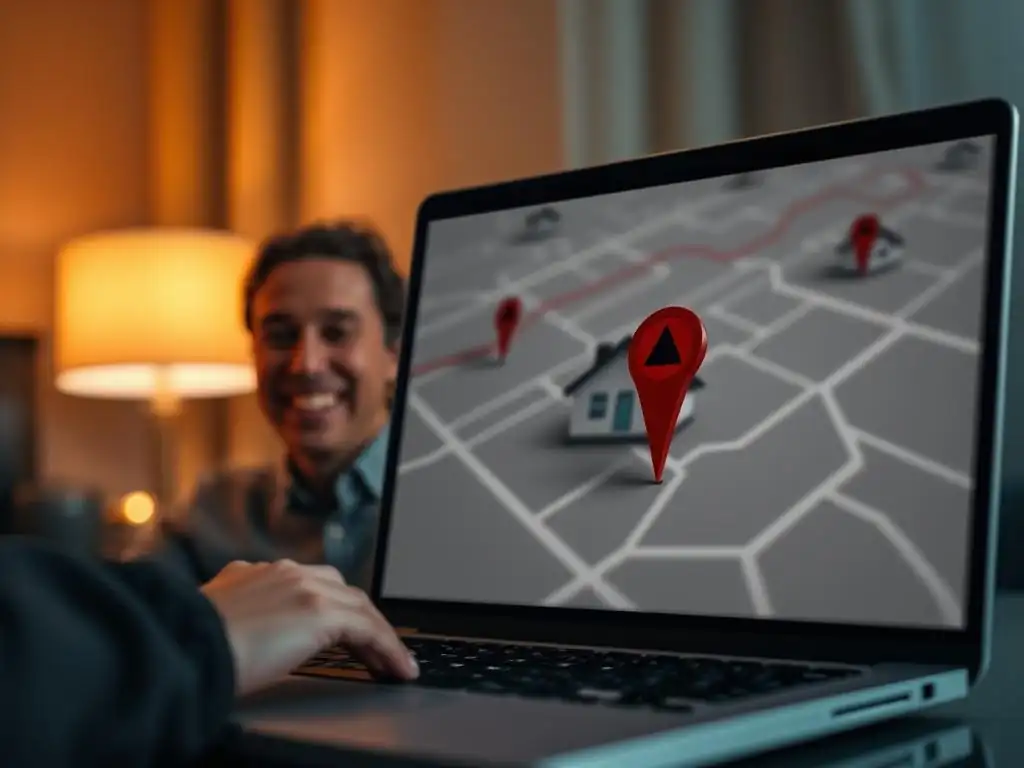
Discovering that your home address has been compromised in the context of online dating can be incredibly unsettling. It's crucial to act swiftly and decisively to mitigate potential harm. This section outlines the steps you should take if you suspect or confirm your address has been revealed without your consent. Remember, your safety and security are paramount.
Reporting Suspicious Activity to Online Dating Platforms
Your first step should be reporting the incident to the online dating platform where the breach occurred. Most reputable platforms have robust reporting mechanisms in place to deal with such situations. Look for options like "Report User," "Report Abuse," or a similar function within the user's profile or through the site's help center. Provide as much detail as possible, including:
- The user's profile name and username (if known).
- Screenshots or copies of messages containing your address.
- The date and time you noticed the address being shared.
- Any other relevant information, such as the method used to share the address (e.g., direct message, public profile).
Thorough documentation is key. Keep records of all your interactions with the platform's support team, including dates, times, and summaries of conversations. This documentation could prove invaluable should further action be required. Many platforms have policies prohibiting the sharing of personal information like addresses, and prompt reporting can lead to the offending user's account being suspended or terminated. Remember, these platforms have a vested interest in maintaining user safety and will likely cooperate with your report.
Contacting Law Enforcement and Seeking Legal Advice
Depending on the severity of the situation, contacting law enforcement may be necessary. If you've received threats, experienced harassment, or believe you're at risk of physical harm, immediately report the incident to your local police department. They can provide guidance, investigate the matter, and potentially take action against the perpetrator. Don't hesitate to seek legal advice as well. An attorney specializing in cybercrime or privacy violations can advise you on your legal options and help you navigate the legal process.
They can assist with obtaining restraining orders, pursuing civil action against the perpetrator, or taking other necessary steps to protect yourself. Consider documenting everything: messages, emails, police reports, and legal correspondence. This comprehensive record will be crucial if legal action becomes necessary. Remember, seeking professional help is a sign of strength, not weakness.
Protecting Your Digital Footprint and Online Identity
Once you've reported the incident and taken appropriate legal steps, focus on strengthening your online security and privacy. This includes reviewing your privacy settings on all online dating platforms and social media accounts. Ensure your address and other sensitive information are not publicly visible. Consider using a strong, unique password for each online account and enabling two-factor authentication wherever possible.
Review your online dating profile for any other personal information that could be used to identify you or locate your home. Removing such details could help prevent future compromises. Furthermore, monitor your credit reports regularly for any suspicious activity. Identity theft is a serious concern following such breaches, and proactive monitoring can help you detect and address any issues promptly.
Consider using a VPN (Virtual Private Network) to enhance your online privacy and security. Protecting your digital footprint is an ongoing process. Regularly review your privacy settings and update your security practices to stay ahead of potential threats. Staying vigilant in protecting your personal information is crucial for online dating safety.
Conclusion: Prioritizing Safety in Your Online Dating Journey
Protecting your personal information, especially your home address, is paramount in the world of online dating. The potential risks, from unwanted visitors to identity theft and even more serious threats, far outweigh any perceived benefits of revealing this sensitive detail. Remember, building genuine connections should always prioritize safety and respect for your personal boundaries. Don't rush the process; take your time to get to know someone before considering sharing any personally identifiable information.
Your safety and well-being are the ultimate priorities. Building trust takes time, and revealing your address prematurely can irrevocably compromise your security. Prioritize your safety and well-being above all else. The right person will understand and respect your need for caution.
Recap of Key Online Dating Address Safety Tips
Let's summarize the crucial points discussed regarding online dating address safety. Never, under any circumstances, provide your home address to someone you've met online before meeting them in person in a well-lit, public place. This is non-negotiable. Even if you feel a strong connection, remember that online profiles can be deceptive.
Always err on the side of caution. Furthermore, be wary of any requests for your address disguised as seemingly innocent inquiries. A genuine connection will develop naturally without pressuring you to divulge personal information prematurely. Maintain control over the information you share, and never feel pressured to compromise your safety.
Here's a quick checklist to help you remember:
- [x] Never share your full address online or during early stages of online dating.
- [x] Meet in public places for initial dates. Choose well-lit and populated areas.
- [x] Trust your instincts. If something feels off, it probably is.
- [x] Report suspicious behavior to the dating platform immediately.
- [x] Consider using a virtual mailbox or mail forwarding service for added protection if you choose to meet someone who lives far away.
Maintaining Vigilance and Continuous Learning
Online dating safety is an ongoing process, not a one-time fix. The digital landscape is constantly evolving, with new scams and threats emerging regularly. Staying informed about the latest safety practices is crucial to protecting yourself. Regularly review the safety guidelines provided by your dating platform and stay updated on online safety best practices through reputable sources.
Consider following online safety experts and participating in online communities dedicated to safe online dating. Learning about common online dating scams and tactics used by predators will empower you to make informed decisions and avoid potential risks. Remember, your safety is your responsibility.
By staying vigilant and continuously learning about online safety, you can significantly reduce your risk and enjoy a safer and more positive online dating experience. Prioritize your well-being and take proactive steps to protect yourself. This is key to navigating the online dating world successfully and building meaningful connections while staying safe.
Frequently Asked Questions
No, never share your home address with someone you've met online, no matter how much you trust them. Safety is paramount, and meeting in person should always be in a public place.
### What are some safer alternatives to sharing my address?
Suggest meeting in a public location like a coffee shop or restaurant for your first date. You can also video chat before meeting in person to get a better sense of who they are.
### How can I verify someone's identity before meeting them?
Use reverse image search on their photos to check for inconsistencies. Video chat can help confirm their identity and build trust before a face-to-face meeting.
Immediately block and report the user. Do not engage with them further. Your safety and well-being are the priority.
### Are there any apps or features that help with online dating safety?
Many dating apps offer safety features like location sharing with trusted contacts or reporting mechanisms. Utilize these built-in safeguards and be aware of your surroundings.
Final Reflection: Protecting Your Sanctuary in the Digital Age
The ease and convenience of online dating often overshadow the very real dangers lurking beneath the surface, particularly concerning the protection of your personal information. Sharing your home address too soon can expose you to significant risks, from unwanted visits to more serious threats. This seemingly small detail can have devastating consequences, highlighting the crucial need for caution and awareness in the digital world.
The impact of online safety awareness campaigns is undeniable, yet the constant evolution of technology and social engineering tactics means vigilance remains paramount. We must remain proactive in educating ourselves and others about the potential dangers. The price of liberty is eternal vigilance,
– Thomas Jefferson. This quote, while not directly about online dating, perfectly encapsulates the ongoing need for caution and awareness in protecting our personal safety, especially in the increasingly interconnected world of online interactions. The responsibility for our safety ultimately rests with us, and understanding the risks is the first step towards mitigating them.
Consider the information you share online. Think critically about the potential consequences before hitting "send" or "share." You deserve to feel safe and secure, both online and offline. Take control of your digital footprint, and remember that protecting your personal information is not just about avoiding potential harm; it's about empowering yourself and reclaiming your sense of privacy and control. Make informed choices, prioritize your safety, and build a safer online dating experience for yourself and others.
Take Control of Your Online Dating Safety
Thank you for taking the time to learn about online dating safety! We hope this article has provided you with the essential knowledge to navigate online connections safely. Let's put that knowledge into practice:
- Prioritize your safety: Before your next date, carefully review what personal information you share online and with whom. Keep your home address private. Be mindful of the information you disclose.
- Share this article: Help your friends and family stay safe by sharing this information with them. A little precaution can make a big difference.
- Join the Conversation: What other safety measures do you find important when meeting someone you've met online? Share your tips in the comments below!