
Online Dating: How to Avoid Being Pressured into Uncomfortable Situations


Ready to transform your online dating experience from frustrating to fulfilling? At OnlineDatingSuccess.org, we empower you to navigate the world of online romance with confidence and clarity. Tired of feeling pressured into situations you're not comfortable with? Discover how to effectively avoid online dating pressure tactics and build genuine connections based on respect and mutual understanding. Learn the strategies you need to stay safe and find the meaningful relationship you deserve—read on to unlock your online dating potential!
- Recognizing Pressure Tactics in Online Dating
- Setting Boundaries and Saying No
- Handling Persistent Pressure: Strategies for Defusing Tense Situations
- Protecting Your Personal Information
- Building Healthy Online Dating Habits
- What to Do if You Feel Pressured
- Staying Safe While Dating Online: A Comprehensive Guide
-
Frequently Asked Questions
- How can I avoid feeling pressured to meet up too quickly on online dating sites?
- What are some common pressure tactics used in online dating?
- What should I do if someone is pressuring me to share intimate photos or videos?
- How can I politely decline a date or further contact without being rude?
- What are some signs of manipulative behavior in online dating?
- Final Reflection: Navigating the Digital Landscape of Dating
- Take Control: Your Online Dating Safety Journey Starts Now
Recognizing Pressure Tactics in Online Dating
Navigating the world of online dating can be exciting, but it's crucial to be aware of potential pitfalls. This article focuses on identifying and avoiding pressure tactics that can lead to uncomfortable or even dangerous situations. We'll explore subtle manipulations, aggressive behaviors, and red flags to watch out for, empowering you to take control of your online dating experience and prioritize your safety and well-being. Learning to recognize these tactics is the first step towards building healthy, respectful relationships online and avoiding potentially harmful encounters.
Remember, a healthy relationship is built on mutual respect and consent, never pressure. This guide will provide you with the tools to confidently navigate the complexities of online dating and ensure your safety throughout the process. Let's delve into the specific strategies used to manipulate individuals in online dating and how to effectively counter them.
Identifying Coercive Communication: Subtle Pressure and Manipulation
Subtle pressure tactics often go unnoticed, making them particularly insidious. These aren't overt threats, but rather manipulative techniques designed to erode your boundaries and make you feel obligated to comply with someone's wishes. Examples include:
- Love bombing: Being showered with excessive affection and compliments early in the relationship to quickly create a strong emotional bond, making it harder to question their behavior later.
- Guilt-tripping: Making you feel responsible for their feelings or actions, implying you are being selfish or uncaring if you don't meet their demands.
- Gaslighting: Making you question your own perception of reality, making you doubt your instincts and feel confused. They might deny saying or doing something they clearly did.
- Constant Messaging & Demands for Immediate Responses: Creating a sense of obligation to constantly be available and respond instantly, leaving little room for your own life and boundaries.
- Excessive Positivity that Masks Negativity: Always presenting a perfect image, while subtly hinting at controlling behaviors or negativity.
It's essential to trust your gut. If something feels off, or if their communication style makes you uncomfortable, it's crucial to address your concerns directly or disengage from the interaction. Remember, you are not obligated to respond to anyone who makes you feel pressured or uneasy. Prioritizing your emotional safety is paramount. Healthy communication is characterized by mutual respect, not manipulative tactics.
Pressure to Meet Too Soon: Recognizing Red Flags in Early Conversations
Many online daters feel pressure to meet in person quickly. While it's natural to want to move forward, rushing the process can be dangerous. Here are some red flags indicating someone might be pressuring you to meet prematurely:
- Ignoring your boundaries: Disregarding your stated preferences or hesitations about meeting in person, persistently pushing for a date despite your concerns.
- Excessive flattery and promises: Showering you with compliments and making grand promises to build trust quickly, creating a false sense of intimacy.
- Creating a sense of urgency: Claiming they are only in town for a short time or implying they'll lose interest if you don't meet soon.
- Using pressure to avoid details: Avoiding questions about themselves or becoming evasive when you try to learn more about them, while simultaneously pushing for an in-person meeting.
- Focusing on physical attributes: Prioritizing physical attraction over genuine connection, suggesting that a quick meeting is all that's necessary.
Remember, there's no rush. Take your time getting to know someone online before agreeing to a meeting. A safe and healthy pace allows you to assess compatibility and ensure you're comfortable with the person before meeting in person. You have the right to set your own pace and prioritize your safety.
Aggressive or Demanding Behavior Online: What to Watch Out For
Aggressive or demanding behavior online is a clear red flag and should never be tolerated. This can include:
- Direct threats or intimidation: Explicitly threatening harm or using intimidating language to manipulate you.
- Controlling or possessive language: Making statements that suggest they own you or have the right to control your actions.
- Violation of privacy: Attempting to access your personal information without your consent or sharing your personal information without your permission.
- Persistent unwanted contact: Continuing to contact you despite your requests to stop, even after you've clearly expressed your discomfort.
- Unreasonable expectations: Demanding things from you that are unrealistic or inappropriate, such as sharing intimate photos or videos before you're comfortable.
If you encounter any of these behaviors, immediately block the person and report them to the dating platform if possible. Your safety and well-being are paramount, and there is no excuse for aggressive or abusive behavior online or offline. Remember, you deserve to feel safe and respected in all your interactions. Don't hesitate to seek help from friends, family, or professionals if you need support. Your safety is the top priority.
Unrealistic Expectations and Idealization: Spotting Early Warning Signs
Online dating profiles, while aiming for positive representation, can sometimes paint an unrealistic picture. This isn't always intentional; some people genuinely struggle to portray themselves accurately online. However, certain behaviors and communication styles can signal a potential for pressure.
Look out for profiles that present an almost impossibly perfect image – someone who is incredibly successful, incredibly attractive, and incredibly kind, all at once. This idealized portrayal can be a red flag. It suggests a possible disconnect between their online persona and their real-life self, and this disconnect can manifest as pressure to conform to their unrealistic expectations later on.
One common tactic is the rapid escalation of intimacy. Instead of a gradual building of trust and connection through conversation, they may immediately express intense feelings or desires, often showering you with compliments and declarations of love early on. This intensity can be overwhelming and pressure you into reciprocating feelings before you're comfortable.
Remember, healthy relationships develop organically, and rushing the process is often a tactic to control and manipulate. For example, consider a scenario where someone you've only exchanged a few messages with suddenly declares their undying love and demands a meeting, expressing disappointment if you hesitate. This is a clear sign of unhealthy pressure tactics.
Another indicator is a persistent focus on physical attributes. While attraction is a natural part of dating, an excessive focus on your appearance, or the expectation that you conform to certain beauty standards, is a red flag. This can manifest as constant compliments that feel insincere or comments about your weight, clothing, or other physical aspects. This behavior isn't about genuine appreciation; it's about controlling your self-perception and pressuring you to meet their specific criteria. For instance, someone consistently commenting on needing to "tone up" or "dress differently" is using subtle pressure to manipulate your self-esteem and body image.
Finally, pay attention to the language used. Do they use overly persuasive or demanding language? Do they make you feel obligated to respond immediately or agree to their requests? Are their messages filled with excessive flattery or emotional manipulation? These are subtle yet powerful indicators that someone may be attempting to control your actions and decisions through pressure. Learning to recognize these subtle cues is crucial in avoiding uncomfortable situations and maintaining control over your online dating experience. Remember, healthy communication involves mutual respect and understanding, not manipulation or coercion.
Setting Boundaries and Saying No
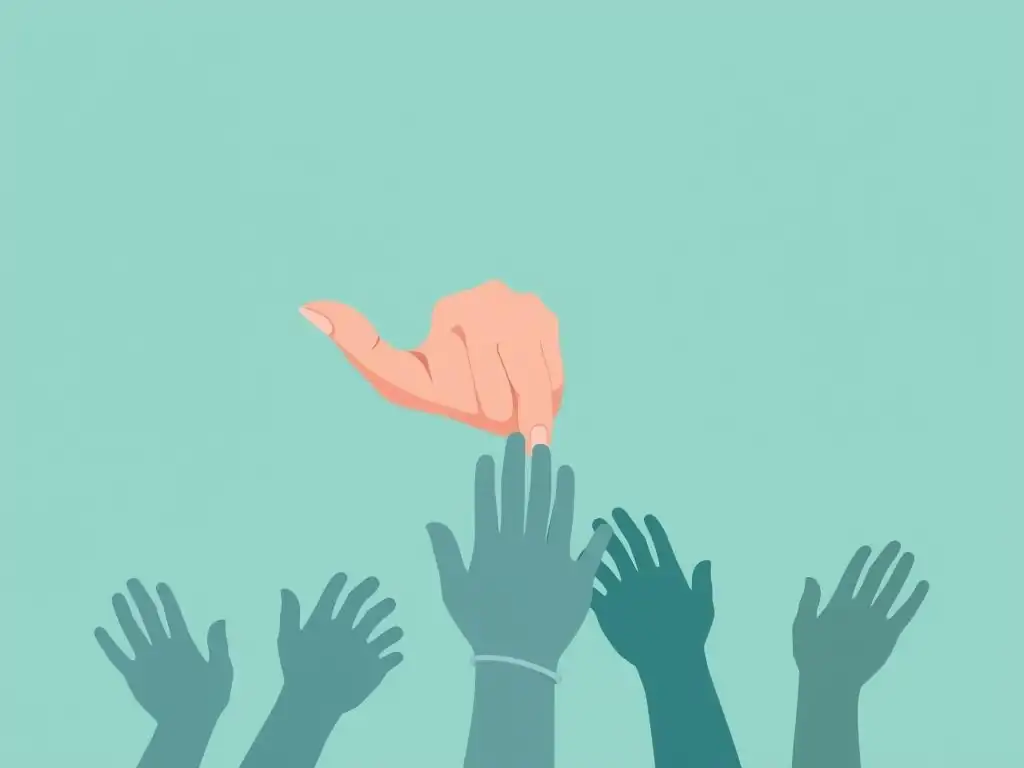
Setting healthy boundaries is crucial to avoid online dating pressure tactics. It's about protecting your emotional and physical well-being, ensuring you feel safe and respected throughout the dating process. This isn't about being unfriendly; it's about self-preservation and establishing what you're comfortable with. Remember, you have the right to say no without feeling guilty or obligated.
Asserting Your Needs and Preferences Clearly and Confidently
Learning to assert your needs and preferences confidently is a fundamental skill in online dating, and indeed, in life. This means communicating your boundaries clearly and directly, without apology. For example, if someone suggests meeting in a secluded location for a first date, you can confidently respond with something like, "I'd prefer a more public place for our first meeting, perhaps a coffee shop or a busy restaurant." This statement directly addresses the suggestion without being aggressive or accusatory.
It's also important to be upfront about your expectations and limits. Are you looking for a casual relationship or something more serious? Are you comfortable with certain types of physical intimacy on a first date? Communicating these preferences early on can prevent misunderstandings and potential pressure later. Consider using phrases like:
- "I'm looking for something [casual/serious/long-term] at this time."
- "I'm not comfortable with [specific activity] on a first date."
- "I need to feel safe and comfortable, so I appreciate your understanding."
Remember, your comfort is paramount. Don't feel pressured to compromise your values or boundaries to please someone else. Consistent, clear communication is key to establishing healthy boundaries and avoiding uncomfortable situations. Practice these statements beforehand to build your confidence.
Techniques for Declining Unwanted Advances or Requests
Knowing how to decline unwanted advances or requests politely but firmly is vital for navigating online dating safely. The key is to be assertive, yet respectful. Avoid ambiguity; a direct "no" is perfectly acceptable. Here are some techniques:
- Direct and Simple: "No, thank you." This is often the most effective approach.
- Explanatory but Firm: "I appreciate the offer, but I'm not comfortable with that." This provides a reason without excessive explanation.
- Setting a Limit: "I'm not ready for that yet." This establishes a boundary without feeling the need to justify your decision.
- Changing the Subject: If a conversation becomes uncomfortable, subtly shift the topic. For example, "That's interesting, but let's talk about [new topic]."
Avoid feeling obligated to offer extensive explanations or justifications for your decisions. Your comfort and safety are your priority. If someone persists despite your clear refusal, it's a significant red flag and you should consider ending the conversation immediately. Remember, you are not obligated to explain your boundaries.
Handling Persistent Pressure: Strategies for Defusing Tense Situations
Persistent pressure is a serious sign that your boundaries are not being respected. It's crucial to have strategies in place to handle these situations effectively and safely. Ignoring the pressure is rarely effective; addressing it directly is usually necessary to prevent escalation.
Strategies for Defusing Tense Situations
If someone continues to pressure you despite your clear refusals, here are some strategies to de-escalate the situation:
- Reiterate Your Boundaries: Calmly and firmly restate your "no." Use concise language and avoid getting into arguments.
- Limit Contact: If the pressure is happening through messages, stop responding. If it's a phone call, end the call. Block their number if necessary.
- Set Clear Consequences: Let them know that continued pressure will result in you ending contact permanently. This sets a firm boundary and shows you won't tolerate disrespect.
- Seek Support: If you feel unsafe or threatened at any point, reach out to a trusted friend, family member, or support group. Document any interactions that make you uncomfortable. Remember, your safety and well-being are paramount. Consider reporting concerning behavior to the dating platform.
Remember, your safety and emotional well-being are paramount. Learning to set boundaries and handle pressure effectively is an essential skill for successful and safe online dating. Don't hesitate to prioritize your needs and well-being above all else. You deserve to feel safe and respected.
Knowing When to Block or Report a User: Protecting Your Safety
Online dating safety is paramount, and knowing when to block or report a user is a crucial skill in avoiding uncomfortable situations. While polite disengagement is often sufficient, some interactions demand more decisive action. Understanding the red flags that signal the need for a block or report is vital for protecting your well-being. This isn't about being overly cautious; it's about recognizing potentially harmful behavior and taking proactive steps to safeguard yourself.
Several warning signs should trigger your decision to block or report a user. Persistent, unwanted advances despite clear indications of disinterest are a major red flag. This could manifest as repeated messaging after you've politely declined further contact, or even escalating the pressure despite your stated boundaries. Aggressive or threatening language, even veiled threats, should never be tolerated. Remember, online platforms provide reporting mechanisms precisely for such situations. Don't hesitate to utilize them. The platforms themselves are invested in maintaining a safe environment for their users.
Another crucial indicator is a user’s behavior that makes you feel unsafe or uneasy. This is subjective, but trust your instincts. If something about their communication style, their requests, or their overall demeanor feels off, don't dismiss your feelings. Your comfort and safety are the priority. A user exhibiting manipulative behavior, such as guilt-tripping or gaslighting, should also be reported. These tactics are designed to control and exploit you, and they should not be tolerated.
Finally, be aware of users who engage in suspicious activities, such as requesting personal information too early in the interaction, or attempting to move the conversation off the platform prematurely. These actions often signal a potential scam or a risky situation. Remember, legitimate dating platforms encourage open communication within their system. Requests to move to other communication channels, especially before establishing trust, should raise serious concerns.
Blocking and reporting such users is a necessary step to protect yourself from potential harm. Reporting these behaviors helps the platform identify and address problematic users, creating a safer environment for everyone. Prioritizing your safety is not only responsible but also empowers you to navigate the online dating world confidently. Remember, you always have the right to protect yourself.
Protecting Your Personal Information

This section focuses on safeguarding your personal data during online dating interactions, a crucial aspect of avoiding pressure tactics. Predators often exploit readily available information to manipulate and coerce their victims. Therefore, proactively protecting your privacy is paramount to your safety and well-being. Remember, the goal is to Avoid online dating pressure tactics by controlling the information you share.
Avoiding Oversharing Personal Details Online: Protecting Your Privacy
The most effective way to Avoid online dating pressure tactics is to limit the information you share online. Oversharing creates vulnerabilities. Avoid posting your full name, exact address, workplace, or any details that could easily be used to identify your location or personal life. Instead of revealing your precise location, consider using general terms like "near the city center" or "suburban area." Similarly, instead of disclosing your exact workplace, you could mention your industry without specifying the company.
Think before you post photos. Avoid images that reveal too much about your daily routine or easily identifiable locations like your home or workplace. Be mindful of background details visible in your pictures. A seemingly innocuous photo could inadvertently reveal more than you intend.
Remember, building trust takes time. Don't rush into revealing sensitive information early in the dating process. Gradually disclose details as you get to know someone better and build a stronger sense of trust. This cautious approach significantly reduces your risk of becoming a target for pressure tactics.
Safe Meeting Practices: Prioritizing Your Well-being
Even with careful profile management, meeting in person carries inherent risks. It's crucial to prioritize your safety when transitioning from online interactions to in-person meetings. To Avoid online dating pressure tactics that might escalate into physical harm, always meet in a public place for your first few encounters. Choose well-lit, populated areas where you feel comfortable and safe.
Always inform a trusted friend or family member about your plans, including the time, location, and the person you're meeting. Share the other person's profile information and contact details with them. This precaution allows someone to check in on you and intervene if needed.
Trust your instincts. If at any point you feel uncomfortable or unsafe, leave the meeting immediately. Don't feel pressured to continue an interaction that makes you uneasy. Your safety and well-being are always paramount. Remember, a genuine connection should never involve pressure or coercion.
Verifying Profiles and Background Checks: Minimizing Risks
While online dating platforms offer some level of verification, it's crucial to take additional steps to verify the authenticity of profiles and minimize risks. This is a key element in your strategy to Avoid online dating pressure tactics. Reverse image searching photos can help identify whether the images are being used fraudulently across multiple profiles.
Be wary of profiles that lack sufficient information or have inconsistencies. If something seems off, it's best to err on the side of caution. Avoid engaging with profiles that seem too good to be true or exhibit overly aggressive or demanding behavior from the outset.
While extensive background checks might not always be feasible, you can perform basic searches using publicly available information to verify details provided in a profile. This doesn't have to be extensive, but even a simple Google search can often reveal inconsistencies or red flags. Remember, a little due diligence can go a long way in protecting yourself from potential harm. This proactive approach is essential in your efforts to Avoid online dating pressure tactics.
This section provides practical advice on protecting your personal information and prioritizing your safety while online dating. Remember, your safety and well-being are paramount. By following these guidelines, you can significantly reduce your risk of encountering pressure tactics and create a safer online dating experience.
Building Healthy Online Dating Habits
This section focuses on proactive strategies to avoid feeling pressured in online dating, emphasizing the importance of establishing healthy habits from the outset. By prioritizing your well-being, communicating respectfully, and focusing on genuine connections, you significantly reduce the likelihood of encountering manipulative or coercive behaviors. Remember, your safety and comfort are paramount. Learning to recognize and avoid pressure tactics is a crucial step towards a positive online dating experience. This involves understanding your own boundaries and assertively communicating them.
Prioritizing Your Emotional Well-being: Self-Care in Online Dating
Online dating can be emotionally taxing. The constant swiping, messaging, and potential for rejection can take a toll. Prioritizing your emotional well-being is crucial to avoid feeling pressured into situations you're uncomfortable with. This means practicing self-care in several key areas:
- Setting realistic expectations: Avoid idealizing potential partners or putting undue pressure on yourself to find "the one" quickly. Online dating is a process, and it's okay if it takes time. Remember, many successful relationships begin online!
- Maintaining a balanced life: Don't let online dating consume your entire life. Make sure to dedicate time to your hobbies, friends, family, and other activities that bring you joy and fulfillment. This helps maintain perspective and prevents online dating from becoming overwhelming.
- Taking breaks when needed: If you're feeling stressed, frustrated, or overwhelmed, don't hesitate to take a break from online dating. Stepping away for a while can help you regain perspective and return with a fresh outlook.
- Practicing self-compassion: Be kind to yourself. Rejection is a normal part of online dating, and it doesn't reflect your worth. Focus on your strengths and celebrate your progress.
- Seeking support: If you're struggling to manage your emotions, consider talking to a friend, family member, therapist, or counselor. They can provide valuable support and guidance.
Cultivating Healthy Communication: Respectful Interactions
Healthy communication is fundamental to avoiding pressure tactics. This involves setting clear boundaries, expressing your needs and preferences assertively, and respecting the boundaries of others. Here are some practical tips:
- Clear and concise communication: Avoid ambiguous messages that can be misinterpreted. Be direct about your intentions and expectations.
- Respectful boundaries: Communicate your boundaries clearly and firmly. If someone crosses a boundary, don't hesitate to address it immediately. This might involve ending a conversation or blocking a user.
- Assertive communication: Express your needs and preferences confidently and respectfully. Don't be afraid to say "no" if you're uncomfortable with something.
- Active listening: Pay attention to what the other person is saying and respond thoughtfully. This shows respect and fosters healthy communication.
- Avoiding pressure: If someone is pressuring you to do something you're not comfortable with, politely but firmly decline. Don't feel obligated to appease them.
Focusing on Genuine Connections: Finding Compatibility
Focusing on building genuine connections rather than simply accumulating matches helps you avoid feeling pressured into relationships that aren't right for you. This involves taking the time to get to know potential partners, identifying compatibility, and prioritizing shared values and interests.
- Quality over quantity: Focus on engaging in meaningful conversations with a smaller number of people, rather than superficially interacting with many.
- Slow and steady: Don't rush into anything. Take your time to get to know someone before meeting in person. This allows you to assess compatibility and reduce the risk of uncomfortable situations.
- Shared values and interests: Look for partners who share your values and interests. This increases the likelihood of building a strong, lasting connection.
- Red flag recognition: Be aware of red flags, such as controlling behavior, excessive jealousy, or a reluctance to meet in person. These can be indicators of potential problems. Trust your instincts; if something feels wrong, it probably is.
- Open and honest communication: Establish open and honest communication from the start. This helps build trust and reduces the likelihood of misunderstandings or pressure tactics.
Remember, building healthy online dating habits is an ongoing process. By prioritizing your well-being, communicating respectfully, and focusing on genuine connections, you can create a safer and more positive online dating experience. Avoiding online dating pressure tactics is achievable with self-awareness, assertive communication, and a commitment to your own emotional well-being.
What to Do if You Feel Pressured
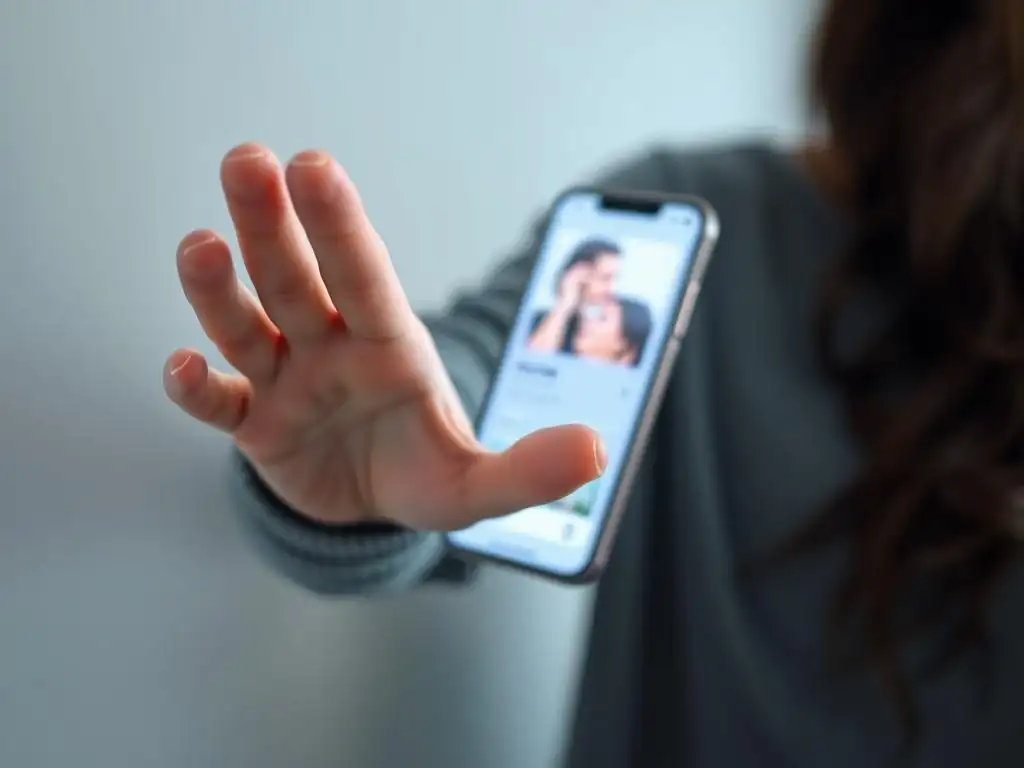
Feeling pressured in online dating is unfortunately a common experience. It's crucial to remember that you are never obligated to do anything that makes you uncomfortable. Your safety and well-being are paramount. This section will equip you with strategies to navigate these situations effectively and confidently. Learning to recognize and respond to pressure tactics is a key skill in avoiding potentially harmful encounters. The goal is to empower you to assert your boundaries and protect yourself. Remember, a healthy relationship is built on mutual respect and consent, never coercion.
Seeking Support: Reaching Out to Friends, Family, or Professionals
The first step when facing pressure is to reach out to your support network. Talking to someone you trust—a friend, family member, or therapist—can provide invaluable perspective and emotional support. Sharing your experience can help you process your feelings and develop a plan for moving forward. A trusted confidant can offer unbiased advice and help you assess the situation rationally. They can also provide a safe space for you to vent your frustrations and anxieties without judgment.
Consider the type of support you need. Do you need someone to listen empathetically? Or do you require practical advice and guidance? Choosing the right person to confide in is crucial for a positive outcome.
If you feel overwhelmed or are experiencing significant distress, consider contacting a mental health professional. They can provide specialized support and coping mechanisms to help you navigate this challenging situation. They can also help you develop strategies for setting boundaries and communicating your needs effectively in future interactions. Remember, seeking help is a sign of strength, not weakness.
Documenting Interactions: Gathering Evidence if Necessary
In situations where you feel you're being pressured or manipulated, documenting your interactions can be crucial. This doesn't mean you need to become a detective, but keeping records of messages, emails, and even dates can be helpful if you decide to report the behavior or need to take further action. This evidence can provide concrete proof of the pressure tactics being used. Screenshotting messages is a simple and effective way to document online interactions.
For phone calls, taking detailed notes immediately afterward can help you remember specific details. Keep this documentation in a secure location, ideally on a password-protected device or cloud storage. This documentation can be invaluable if you later decide to report the behavior to the dating platform or law enforcement.
Remember to avoid confronting the person directly unless you feel safe and confident doing so. Your primary focus should be on your safety and well-being. Prioritize protecting yourself, and document as you feel comfortable and safe.
Reporting Abuse: Utilizing Online Dating Platform Resources
Most reputable online dating platforms have mechanisms for reporting abusive or inappropriate behavior. Familiarize yourself with your platform's reporting procedures. They typically offer ways to block users, report concerning messages, or flag profiles exhibiting predatory behaviors. Reporting these incidents helps the platform identify and address problematic users, making the site safer for everyone.
Provide as much detail as possible when filing a report, including screenshots, dates, and times of interactions. The more information you provide, the better equipped the platform will be to investigate and take appropriate action. Remember that reporting isn't just about protecting yourself; it's about contributing to a safer online dating environment for others.
By reporting abusive behavior, you help to prevent others from experiencing similar situations. Don't hesitate to utilize these resources – reporting is a proactive step in creating a more positive and safe online dating experience for everyone. Your safety and the safety of others are paramount.
Staying Safe While Dating Online: A Comprehensive Guide
This section focuses on proactive strategies to avoid feeling pressured into uncomfortable situations during online dating. Remember, your safety and comfort are paramount. Learning to recognize and deflect pressure tactics is crucial for a positive and secure online dating experience. This empowers you to navigate the complexities of online interactions with confidence and control. This guide provides practical steps to help you avoid online dating pressure tactics.
Reviewing Safety Tips Regularly: Maintaining Vigilance
Regularly reviewing safety tips isn't just a one-time task; it's an ongoing process. The online dating landscape is constantly evolving, with new scams and pressure tactics emerging regularly. Staying informed is your best defense. Think of it like updating your antivirus software – you need to regularly check for updates to your safety knowledge.
Consider setting reminders on your phone or calendar to revisit key safety guidelines every few months. This might involve rereading articles like this one, reviewing online resources from reputable organizations focused on online safety, or even discussing your safety strategies with trusted friends or family. The goal is to maintain a high level of awareness and to adapt your approach as needed.
For example, initially, you might focus on strategies for identifying fake profiles. Later, you might want to drill down into techniques for handling aggressive or manipulative communication. The more you refresh your knowledge, the better equipped you'll be to handle any situation that arises. Don't underestimate the power of consistent vigilance in avoiding online dating pressure tactics. Staying informed directly correlates to your safety.
Building a Support System: Leveraging Trusted Individuals for Advice
Having a strong support system is invaluable when navigating the complexities of online dating. Share your dating experiences with trusted friends, family members, or a therapist. They can offer a fresh perspective, help you identify red flags you might have missed, and provide emotional support when needed. This network can act as a sounding board for your concerns and provide guidance when you feel pressured or unsure.
Consider designating one or two individuals as your "online dating buddies." These people can act as your first point of contact when you encounter something concerning. They can offer immediate advice and support, potentially helping you avoid dangerous situations. Regularly checking in with your support system, even when everything seems fine, can help prevent feelings of isolation and increase your overall sense of security. Remember, talking about your experiences reduces the burden and increases your safety. This proactive approach is key to avoiding online dating pressure tactics.
Trusting Your Instincts: Recognizing and Avoiding Dangerous Situations
Your intuition is a powerful tool. If something feels off, even if you can't pinpoint exactly why, trust your gut. This is crucial in identifying and avoiding potentially dangerous situations. Don't dismiss those uneasy feelings; they often signal a need for caution.
Consider these scenarios: A date pressures you to meet in person too quickly, ignoring your concerns about safety. Or, someone consistently tries to steer conversations towards inappropriate topics or pressures you to share personal information prematurely. These are red flags that should trigger your instincts. Don't feel obligated to respond to pressure; prioritize your safety and well-being. Learning to recognize these subtle cues is key to avoiding online dating pressure tactics. Remember, your safety is paramount, and it's always okay to say no. Prioritize your comfort and well-being above all else.
Frequently Asked Questions
How can I avoid feeling pressured to meet up too quickly on online dating sites?
Don't feel obligated to meet someone in person until you feel comfortable and safe. Take your time getting to know them through messaging and video calls first. Prioritize your personal boundaries.
What are some common pressure tactics used in online dating?
Common tactics include constant messaging demanding a response, pushy requests for personal information, and aggressive attempts to arrange a date immediately. Be wary of anyone who seems overly insistent.
Never share intimate content with someone you haven't met in person and fully trust. This is a serious safety concern. Report any such requests to the dating site immediately.
How can I politely decline a date or further contact without being rude?
You can politely decline by simply stating you're not ready to meet or aren't feeling a connection. A short, direct and honest response is best. You don't owe anyone an explanation.
What are some signs of manipulative behavior in online dating?
Watch out for signs like excessive flattery, controlling behavior, or attempts to isolate you from friends and family. Trust your instincts; if something feels wrong, it probably is. Prioritize your safety and well-being.
The rise of online dating has undeniably revolutionized romance, but it's also introduced a new set of challenges, particularly the insidious pressure tactics employed by some individuals. Understanding these tactics and equipping yourself with the knowledge to navigate them is not just about personal safety; it's about reclaiming agency and fostering healthy relationships in the digital age. This knowledge is more crucial than ever as online interactions become increasingly prevalent in our lives.
The impact of online dating pressure extends far beyond individual experiences; it shapes our collective understanding of consent and healthy relationships. It subtly alters the social landscape, normalizing behaviors that should be unequivocally rejected. The pressure to conform, to move faster than comfortable, to compromise personal boundaries—these are all symptoms of a larger cultural conversation that needs to shift. The only person you are destined to become is the person you decide to be.
– Ralph Waldo Emerson. This quote reminds us that our choices, especially in the realm of relationships, should always be guided by our own values and comfort levels, not external pressures.
You are the architect of your own dating journey. Don't let the anxieties and pressures of the online world dictate your pace or compromise your well-being. Take the time to reflect on your boundaries, communicate them clearly, and trust your instincts. Remember, a healthy relationship is built on mutual respect, open communication, and a shared commitment to each other's emotional safety. Embrace the power you have to shape your online dating experience into one that is positive, empowering, and ultimately, fulfilling.
Take Control: Your Online Dating Safety Journey Starts Now
Thank you for taking the time to learn how to stay safe while online dating! You've gained valuable knowledge to create a more positive and secure experience. Let's put this into practice.
- Prioritize your safety: Remember the key safety tips discussed: always meet in public places for initial dates, inform a friend of your plans, and trust your gut instincts. This is paramount.
- Share this article: Help your friends and family stay safe by sharing this valuable information on social media.
- Join the conversation: Share your experiences—positive or negative—with online dating safety in the comments below. Let's build a supportive community!
What's one small step you can take today to enhance your online dating safety?