Fight Back Against Harassment: A StepbyStep Guide for Dating Apps
😉 Tired of dating app harassment? Our comprehensive dating app harassment prevention guide provides step-by-step strategies to reclaim your online dating experience…
Read article

Discovering fake profiles, unsolicited explicit messages, or persistent harassment can shake your confidence, but knowing exactly how to report them turns frustration into empowerment. On OnlineDatingSuccess.org, we guide you through the step-by-step process for reporting scams and harassment on every major dating platform—from identifying red flags to documenting evidence and using built-in safety tools effectively. Whether you’ve encountered a catfisher, a romance scammer, or a user who crosses boundaries, our actionable advice helps you protect your personal information, block abusers swiftly, and escalate serious cases to platform moderators or even law enforcement when needed. Stay in control of your dating experience with clear, no-nonsense strategies that prioritize your well-being—because your safety is non-negotiable in the pursuit of meaningful connections.

😉 Tired of dating app harassment? Our comprehensive dating app harassment prevention guide provides step-by-step strategies to reclaim your online dating experience…
Read article
🤔 Online dating safety reporting guide: Learn how to identify and report problematic users, protecting your heart and ensuring a positive online…
Read article
🤔 Take control of your online dating experience! Our Dating app safety reporting guide empowers you to identify and report inappropriate behavior,…
Read article
🤔 Spotting dating app red flags is crucial for online safety. Avoid profiles lacking photos, those pushing for quick offline meetings, or…
Read article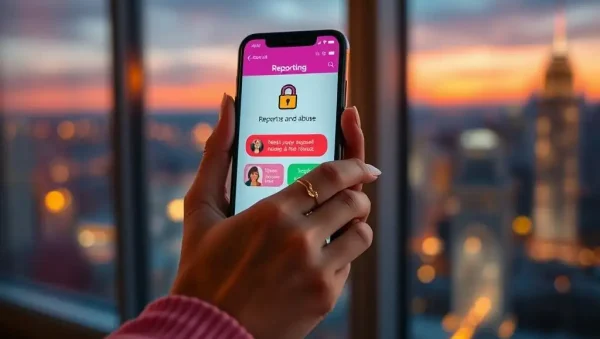
🤔 Protect yourself: Our online dating safety reporting guide empowers you to swiftly report scams and abuse on dating platforms. Learn how…
Read article
😊 Unsure how to handle harassment or inappropriate behavior on dating apps? Our online dating safety reporting guide empowers you to report…
Read article
🤔 Protect yourself from online dating scams with proven online dating safety strategies. Learn how to spot red flags, verify profiles, and…
Read article
🤔 Protect yourself on online dating platforms. Learn how effective reporting mechanisms can combat scams and harassment, ensuring a safer and more…
Read article
🤔 Navigating online dating? Prioritize your safety! This article delivers essential online dating safety tips to help you avoid harassment and build…
Read article
🤔 Learn how to spot fake dating app profiles and avoid scams! This guide reveals common red flags and tactics used by…
Read article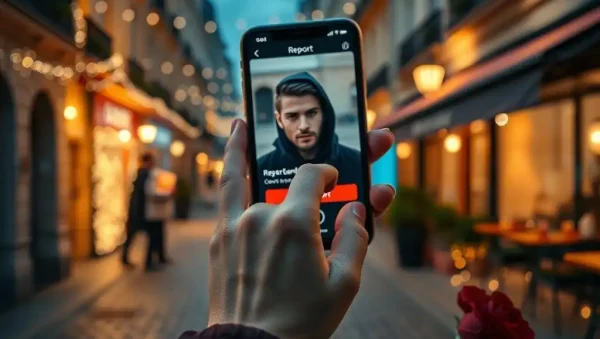
🤔 Protect yourself from dating site heartbreak! This practical guide provides a step-by-step "dating site scammer report guide," empowering you to swiftly…
Read article
🤔 Protect yourself while searching for love! This article provides crucial online dating safety tips to help you identify and report scammers…
Read articleWhen you encounter a scammer, bot, or harasser on a dating platform, your first instinct might be to delete your profile and walk away. But the smartest move—and the one that keeps the entire community safer—is to report the behavior through the platform’s built-in tools. This subcategory of Avoiding Scams & Staying Safe at OnlineDatingSuccess.org is your step-by-step guide to identifying, documenting, and formally reporting scams and harassment across all major dating apps. You’ll learn exactly what evidence to keep, how to file a complaint that gets action, and when to escalate beyond the app to law enforcement or consumer protection agencies. We’ll also cover how to block abusive users, manage your privacy after an incident, and protect your mental health while you navigate the reporting process. By the end, you’ll feel empowered—not victimized—because you’ll have a clear, actionable playbook for every situation.
Not every awkward message is harassment, and not every “too good to be true” profile is a scam. But there are clear red flags that warrant a formal report. Scams often involve requests for money, gift cards, or sensitive personal information within the first few exchanges, usually with a sob story or urgent emergency. Harassment includes repeated unwanted sexual advances, threats, derogatory slurs, or stalking behavior—even if it’s “just” in the chat. You should also report accounts that impersonate real people, use stolen photos, or claim to be from military/medical positions overseas—these are classic romance scam setups.
To decide whether to report, trust your gut but verify with evidence. If a user pressures you to leave the platform for WhatsApp or Telegram early on, that’s a scamming tactic. If they send unsolicited explicit images or use abusive language, that’s harassment. Remember, reporting is not about being “dramatic”—it’s about protecting yourself and future users. Every legitimate platform has a zero-tolerance policy for these behaviors, and your report is the trigger that activates that policy. When you’re unsure, file a report anyway; platforms will investigate and remove false positives.
Before clicking that “Report” button, take a few golden minutes to gather evidence—this dramatically increases the chance of a permanent ban. Start by screenshotting the entire conversation thread, including timestamps and usernames, in a chronological order. Use your phone’s native scrolling screenshot feature or take multiple images. Next, capture the user’s full profile: their photos (especially reverse-image-search them to see if they’re stolen), bio, location, and any social media links they shared. Save any files they sent, such as explicit images or malicious links, but be careful not to open suspicious attachments yourself.
Organize this evidence in a dedicated folder on your device, labeled with the date and the platform’s name. Include a written timeline of events: when you matched, when the first odd message arrived, and any specific phrases that felt threatening. This documentation serves two purposes—it gives the platform’s safety team a clear case file, and it provides you with a reference if you choose to escalate to law enforcement later. For financial scams, also record the exact amounts requested or transferred, any wallet or payment IDs used, and messages mentioning money. Strong evidence is your best friend in getting a swift, decisive action.
Each platform has its own reporting process, but the principles are universal. On Tinder, Bumble, and Hinge, you’ll typically find a “Report” or “Block & Report” button on the user’s profile or inside the chat menu. When prompted, choose the most specific category (e.g., “Scam” or “Harassment”) and use the text box to paste a concise, factual summary of what happened. Mention that you have screenshots available if they need more—but only upload files if the form specifically asks. For apps like OkCupid or Match.com, look for a “Safety Center” or “Contact Us” email link dedicated to abuse reports.
After submitting, follow up within 48 hours if you haven’t received a confirmation. Most platforms reply via email, so check your spam folder. Be persistent: if the first report doesn’t result in a ban, escalate by contacting their customer support or safety team directly, referencing your original report ID. Log out of your session and log back in to see if the user’s profile has been removed. If you feel the platform did not take adequate action, you can also file a complaint with the FTC (ReportFraud.ftc.gov) or the platform’s Better Business Bureau page. A well-written, evidence-backed report takes under ten minutes and can shut down a persistent scammer permanently.
If the scammer has already taken money from you or you’ve received credible physical threats, do not stop at the app-level report. Call your local police department’s non-emergency line and ask how to file a report for an online romance scam or cyber-harassment. For financial losses, also report to the Federal Trade Commission (FTC) at ReportFraud.ftc.gov and, if you used a bank transfer or cryptocurrency, alert your financial institution immediately to attempt a freeze or recovery. For ongoing, severe harassment, consider contacting the FBI’s IC3 (Internet Crime Complaint Center) at ic3.gov—they specifically handle interstate online fraud and threats.
When you escalate, bring your evidence folder. Explain the timeline calmly and clearly. Keep copies of all law enforcement case numbers and the names of officers or agents you speak with. If the harassment is happening across multiple platforms, mention that in your reports—it shows a pattern. Additionally, consider blocking the user on all social media and changing your phone number if it was shared. For threats of physical harm, do not hesitate to call 911 immediately. The legal system takes online crimes seriously, and your report could stop the same scammer from targeting dozens of others.
Being scammed or harassed online is a violation, and it’s completely normal to feel embarrassed, angry, or anxious. Do not blame yourself—scammers are professional manipulators who target people of all backgrounds. Give yourself permission to step away from dating apps for a few days or weeks. Talk to a trusted friend, family member, or a therapist about what happened; sharing the story reduces its power over you. Many platforms also offer free crisis support resources, like the Cyber Civil Rights Initiative Helpline (844-878-2274) for image-based abuse.
To rebuild your confidence, start by re-reading the safety tips in our other subcategories. Remember that reporting was a brave, responsible action—you are part of the solution. Shift your focus to positive activities you enjoy, and when you’re ready to return, use a new profile with fresh photos and privacy settings. Additionally, consider setting stricter matching criteria (e.g., only verified users) for the first few months. Your safety is worth more than any match, and taking time to heal is not “giving up”—it’s strategic self-care. You are more resilient than this incident, and you now have a proven system to protect yourself going forward.
Yes, most major platforms have automated and human review systems that take reports seriously. If your report includes clear evidence—like requests for money or explicit harassment—the platform will typically suspend or permanently ban the user within 24-72 hours. Repeat offenders are often IP-banned as well. However, scammers sometimes create new accounts, so always report new suspicious profiles you encounter, even if they look similar to a previously banned user.
Absolutely, and you should report immediately, even if you feel ashamed. The platform needs to know so they can block that account. Additionally, contact your bank, credit card company, or crypto exchange to report fraud and attempt a chargeback. Then file reports with the FTC and IC3. Financial recovery is rare, but reporting helps prevent future victims. Your action also builds the case profile law enforcement may use to prosecute the perpetrator.
Harassment includes any repeated, unwanted contact that creates a hostile environment. Examples include sending explicit images without consent, using abusive or threatening language, making derogatory comments about your race, gender, or sexuality, and stalking your social media after you’ve asked them to stop. A single rude message may not meet the threshold, but persistence or escalation absolutely does. Always report patterns of behavior rather than waiting for a single extreme incident.
Yes, even if you never met, you should report any scam or harassment attempt. The scammer is not only targeting you—they typically work on many accounts at once. Your report helps the platform identify their IP address, payment details, or photo signatures and ban them across the entire network. Early reports also prevent the scammer from perfecting their script on more vulnerable users. Think of your report as community service for online daters everywhere.
If you haven’t received a response within a week, escalate by emailing their safety or appeals department directly with your evidence. Many platforms have a “safety” or “trust & safety” email address listed on their website. If that fails, file a complaint with the FTC and your state’s attorney general office. Publicly posting your experience on consumer review sites can also pressure platforms to act. Persistence shows you mean business and often yields a manual review that automations may have missed.