
Online Dating Safety Tips: Report Scams and Harassment Effectively


Ready to transform your online dating experience? At OnlineDatingSuccess.org, we empower you to navigate the world of online romance with confidence. This isn't just about finding a match; it's about building meaningful connections safely. Learn how to identify and effectively report scams, ensuring your journey is both exciting and secure. Discover crucial strategies for online dating safety reporting scams and unlock the potential for a truly rewarding experience. Dive in and start building the relationship you deserve.
- Understanding Online Dating Scams and Harassment
- Reporting Scams and Harassment on Dating Platforms
- Reporting to Law Enforcement: When to Involve the Authorities
- Gathering Evidence for Law Enforcement: Preparing a Comprehensive Report
- Cybercrime Reporting Resources: FBI's Internet Crime Complaint Center and Local Police Departments
- Protecting Yourself: Preventing Future Scams and Harassment
- Resources for Online Dating Safety and Scam Reporting
- Online Dating Safety Reporting Scams: Frequently Asked Questions (FAQ)
-
Frequently Asked Questions
- How can I report a scam or harassment on an online dating site?
- What information should I include in a scam report?
- What if the dating site doesn't respond to my report?
- How can I protect myself from online dating scams in the future?
- Are there any resources available to help with online dating safety?
- Final Reflection: Navigating the Digital Landscape of Love and Safety
- Uncover Your Dating Power: Take Control of Your Safety
Understanding Online Dating Scams and Harassment
Navigating the world of online dating can be exciting, offering the potential to connect with new people and build meaningful relationships. However, it's crucial to be aware of the potential risks involved, including scams and harassment. This article focuses on equipping you with the knowledge and strategies to identify, report, and effectively deal with these issues, helping you stay safe while searching for love online.
We'll explore common red flags, different types of scams, and how to recognize and report online harassment. Remember, prioritizing your safety and well-being is paramount, and understanding how to report these issues is a crucial step towards a positive and secure online dating experience.
Taking proactive measures and knowing where to turn for help can significantly reduce your vulnerability and empower you to take control of your online safety. This guide provides practical steps to navigate the complexities of online dating safely and confidently, allowing you to focus on building genuine connections without fear.
Recognizing Red Flags in Online Dating Profiles and Interactions
Identifying potential scams and harassment starts with recognizing warning signs. Many scammers and harassers employ similar tactics, so learning to spot these red flags is your first line of defense. Pay close attention to inconsistencies in profiles, overly-enthusiastic or aggressive communication, requests for money or personal information, and any attempts to manipulate or pressure you.
For example, be wary of profiles with:
- Stock photos or unrealistic images: A profile using generic or professional-looking photos could be a sign of a fake account.
- Limited personal information: Profiles lacking details or offering vague information may be hiding something.
- Inconsistencies in their story: If their narrative changes or contains contradictions, it could indicate deception.
Furthermore, be cautious of interactions that:
- Progress too quickly: An overly-intense connection developing rapidly might be a warning sign.
- Involve constant demands for attention: Someone constantly messaging you, regardless of your response, could be harassing.
- Pressure you for personal information: Never share sensitive data like your address, bank details, or social security number with someone you've only met online.
- Ask for financial assistance: Legitimate daters won't ask you for money, gifts, or loans. This is a major red flag for scams.
Types of Online Dating Scams
Online dating scams are unfortunately prevalent. Understanding the different types can help you better protect yourself. Some common scams include:
- Romance scams: These involve building a false relationship to gain your trust and eventually extract money or personal information. The scammer will often create a fabricated persona and shower you with affection to gain your confidence. They may then invent emergencies or situations requiring financial help.
- Catfishing: This involves creating a fake online profile using stolen photos and a fabricated identity. The goal is often to deceive you into a relationship, potentially for financial gain or emotional manipulation.
- Phishing scams: These attempts to steal your personal information, often by posing as a legitimate dating site or company. They may send you emails or messages asking for your login credentials or financial details.
- Extortion scams: These involve blackmailing you after gaining compromising information or intimate photos. The scammer may threaten to expose this information unless you pay them.
Identifying Online Harassment and Abuse
Online harassment can take many forms, ranging from subtle insults and offensive messages to threats and stalking. It's crucial to recognize these behaviors and know how to protect yourself. Examples include:
- Cyberstalking: This involves repeatedly contacting you online, even after you've asked them to stop. It can involve tracking your online activity, sending unwanted messages, or threatening you.
- Online bullying: This includes using online platforms to insult, humiliate, or threaten you. It can be particularly damaging due to the public nature of online interactions.
- Trolling: This involves deliberately provoking or upsetting others online, often for amusement or to gain attention. While not always malicious, it can be extremely upsetting.
- Doxing: This involves publishing personal information about you online without your consent, with the intent to harm or humiliate you.
Remember, your safety is paramount. If you encounter any of these situations, don't hesitate to report them to the appropriate authorities and the dating platform itself. Taking action is crucial in protecting yourself and preventing others from becoming victims.
Reporting Scams and Harassment on Dating Platforms
Online dating safety is paramount, and knowing how to effectively report scams and harassment is crucial for a positive experience. Many platforms offer robust reporting mechanisms, but understanding how to use them and what information to include is key to helping platforms take action and potentially prevent others from falling victim. This section details the process for several popular dating apps and provides a comprehensive guide to reporting suspicious activity.
Remember, reporting is not just about protecting yourself; it's about contributing to a safer online dating environment for everyone. Proactive reporting of online dating safety issues helps platforms improve their safety features and algorithms, leading to a more secure experience for all users.
Reporting Mechanisms on Tinder, Bumble, and Hinge
Each dating app provides its own unique reporting system, though the core functionality is generally similar. Understanding the specific steps within each app is crucial for efficient reporting.
- Tinder: Tinder's reporting system is typically accessed through the profile of the user you wish to report. Look for a three-dot menu or a "Report" button. You'll be presented with a list of reasons for reporting, including scams, harassment, inappropriate behavior, and fake profiles. Provide as much detail as possible, including screenshots if available. Tinder's algorithm uses reported profiles to identify and ban problematic users, making proactive reporting essential for online dating safety.
- Bumble: Similar to Tinder, Bumble allows users to report profiles directly from the user's profile page. Look for a flag icon or a "Report" button. Bumble emphasizes user safety and often provides clear guidelines on what constitutes reportable behavior. They encourage users to report even minor instances of concerning behavior, contributing to a safer online dating environment. Bumble's reporting system is designed to be user-friendly and straightforward, ensuring a quick and efficient reporting process.
- Hinge: Hinge's reporting process is often integrated into the messaging system or the user's profile. Look for a report button within the chat or on the user's profile page. Hinge's focus is on building meaningful connections, and they prioritize user safety by offering a clear and comprehensive reporting system. Their reporting mechanisms are designed to effectively address various issues, from scams and harassment to fake profiles and inappropriate behavior. This dedication to online dating safety contributes to creating a positive and trustworthy experience for users.
Steps to Report Suspicious Activity on Dating Apps
Regardless of the platform, reporting suspicious activity follows a similar pattern. These steps provide a general guideline, applicable to most dating apps:
- Gather Evidence: Before initiating the report, collect as much evidence as possible. This includes screenshots of messages, profile pictures, and any other relevant information that demonstrates suspicious or harmful behavior. The more evidence you provide, the more likely the platform will take action.
- Locate the Report Button: Most apps have a clear reporting mechanism. This is usually found within the user's profile or within the messaging interface. Look for icons like a flag, a three-dot menu, or a "Report" button.
- Select the Appropriate Reason: Choose the reason that best describes the suspicious activity. Be specific and accurate. Options often include "Scam," "Harassment," "Inappropriate Behavior," "Fake Profile," or similar.
- Provide Detailed Information: Write a clear and concise description of the incident. Include all relevant details, such as dates, times, and specific examples of the suspicious behavior. The more detail you provide, the better equipped the app is to investigate and take action.
- Submit the Report: Once you have completed the report, submit it and await a response from the platform. While responses may vary, reporting suspicious behavior is critical for online dating safety and helps maintain a healthier online community.
Information to Include in a Dating App Scam Report
When reporting a potential scam, providing specific details significantly increases the chances of a successful investigation. Here's a list of information to include:
| Information Type | Example | Importance |
|---|---|---|
| Suspect's Profile: | Username, profile pictures, any identifying information | Crucial for identifying and banning the scammer |
| Communication Details: | Dates and times of communication, screenshots of messages | Provides a timeline of events and evidence of the scammer's actions |
| Scam Type: | Advance-fee loan, romance scam, fake investment opportunity | Helps categorize the scam and identify patterns |
| Financial Information: | Amounts of money requested, methods of payment, transaction details (if any) | Essential for tracing funds and potentially recovering losses; be cautious about sharing sensitive data. |
| Other Relevant Details: | Unusual requests, inconsistencies in the suspect's story, any red flags | Provides a complete picture of the situation and helps investigators assess the credibility of the report |
Remember, reporting scams and harassment is a collective effort. By actively participating in reporting, you contribute to a safer online dating experience for everyone. Your vigilance and proactive reporting are crucial steps in combating online dating scams and harassment and promoting a safer online environment.
Documenting Evidence of Online Dating Scams and Harassment
Thoroughly documenting evidence is crucial when reporting scams and harassment on online dating platforms. This documentation significantly increases the chances of a successful report and helps protect you from future incidents. Remember, the more detailed and comprehensive your evidence, the better equipped the platform's support team will be to take action. This isn't just about protecting yourself; it's about helping to make the online dating experience safer for everyone.
One of the most important aspects of documentation is timeliness. Start documenting suspicious activity as soon as you notice it. Don't wait until you're certain you're being scammed or harassed; the sooner you begin collecting evidence, the stronger your case will be. This proactive approach is key to effective online dating safety reporting.
What constitutes sufficient evidence? This includes, but is not limited to, screenshots of conversations, profile information, payment details (if applicable), and the scammer's contact information across multiple platforms. If you've received emails, save those as well. For harassment, this might include screenshots of abusive messages, threatening emails, or even stalking attempts. Consider documenting the date and time of each interaction, as precise timestamps are invaluable for investigations.
Think of your documentation as building a case file. Organize your evidence chronologically, separating different instances of suspicious activity. A well-organized file will help you and the platform's support team easily understand the sequence of events and identify patterns of behavior. Consider using a cloud storage service for easy access and backup. Losing your evidence because of a device failure would significantly hinder your ability to report effectively.
Remember to maintain your composure and avoid engaging with the scammer or harasser further once you've started documenting evidence. Any further interaction could potentially compromise your case or escalate the situation. Focus on gathering evidence and reporting the issue through the platform's official channels. This measured response is a critical aspect of effective online dating safety reporting. Your safety and well-being are paramount. Following these steps ensures your report is well-supported and increases your chances of a positive outcome. Protecting yourself in the digital world requires diligence and careful documentation.
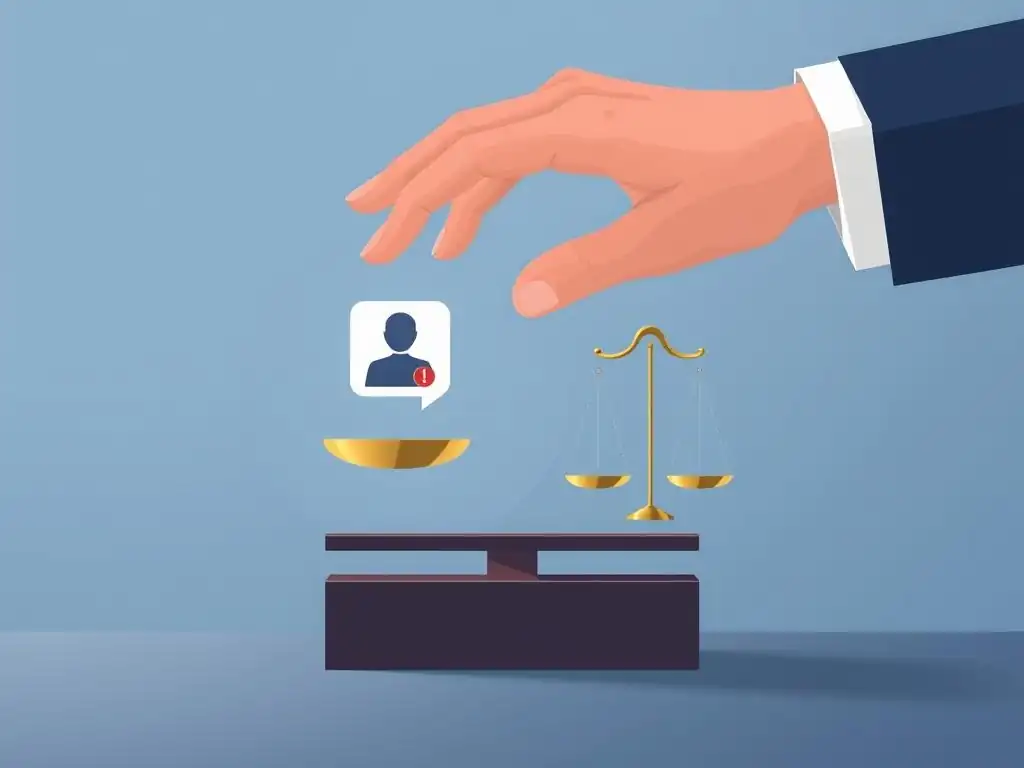
Reporting online dating scams and harassment to law enforcement is a crucial step in protecting yourself and potentially preventing others from falling victim. While not every incident requires a police report, understanding when to escalate is vital. This section clarifies the situations that warrant reporting to the authorities and provides guidance on the process.
Determining When to Report Online Dating Crimes to Law Enforcement
Many online dating issues can be resolved through blocking, reporting to the platform, or simply ceasing communication. However, certain situations demand immediate reporting to law enforcement. These include:
- Financial Loss: If you've experienced financial losses due to scams—money transfers, stolen credit card information, or fraudulent purchases—reporting to the police is crucial for potential recovery and investigation. This includes instances of romance scams where significant sums of money were sent based on false pretenses. Document all transactions meticulously.
- Threats of Violence: Any threats of physical harm, stalking, or other violent acts necessitate immediate reporting to your local police department. Preserve all threatening messages, emails, and any other forms of communication. Your safety is paramount.
- Identity Theft: If your personal information—Social Security number, driver's license number, bank details—has been compromised as a result of an online dating interaction, you need to file a police report and contact the relevant credit bureaus immediately to mitigate potential damage. This type of crime can have long-lasting consequences.
- Sexual Exploitation or Assault: If you've experienced sexual coercion, blackmail, or any form of sexual assault facilitated through an online dating platform, you must report this to the police. Seek support from victim advocacy groups as well. This is a serious crime demanding immediate attention.
- Persistent Harassment: While blocking and reporting to the platform is often the first step, persistent harassment—unwanted calls, messages, stalking behavior—that extends beyond the platform and impacts your daily life should be reported to law enforcement. Keep a detailed log of all instances.
The decision to report should be based on the severity and impact of the incident on your well-being and safety. Remember, even if you feel hesitant, reporting can help protect yourself and others from potential future harm. Many victims initially doubt reporting, but taking action often leads to a sense of empowerment and closure.
Gathering Evidence for Law Enforcement: Preparing a Comprehensive Report
Effectively reporting online dating crimes to law enforcement necessitates gathering comprehensive evidence. The more detailed and organized your evidence, the more effective the investigation will be.
Gathering Evidence for Law Enforcement: Preparing a Comprehensive Report
This process involves several key steps:
- Preserve all communication: Screenshot or save all messages, emails, and social media interactions with the perpetrator. This includes seemingly innocuous conversations that might later reveal a pattern of deception or manipulation. Consider printing out these communications for your records.
- Document financial transactions: If money was involved, gather bank statements, transaction records, and any other evidence of financial loss. This is crucial for proving the extent of the damage. Keep a detailed log of all transactions.
- Record dates and times: Accurate timestamps are crucial for establishing a timeline of events. Note the dates and times of all communications and transactions.
- Keep a detailed journal: Maintain a log of all interactions, including dates, times, methods of contact, and a description of the events. Include any emotional responses or feelings you experienced.
- Report the incident to the online dating platform: Before or after contacting law enforcement, report the incident to the online dating platform you used. This assists them in identifying and removing fraudulent profiles and protecting other users.
- Gather contact information: Collect any available information about the perpetrator, such as their real name, address, phone number, and email address (if known).
Presenting this evidence in an organized and clear manner will significantly aid law enforcement in their investigation. Consider creating a binder or electronic file to keep all this information together. Remember, the more evidence you have, the stronger your case will be.
Cybercrime Reporting Resources: FBI's Internet Crime Complaint Center and Local Police Departments
Reporting online dating scams and harassment can feel overwhelming, but resources are available to guide you through the process.
Cybercrime Reporting Resources: FBI's Internet Crime Complaint Center and Local Police Departments
Two primary avenues for reporting online dating crimes are:
- The FBI's Internet Crime Complaint Center (IC3): The IC3 is a centralized online portal for reporting internet-related crimes, including online dating scams. They collect data on cybercrime trends and work with law enforcement agencies to investigate and prosecute offenders. Reporting to the IC3 is a crucial step, especially for nationwide scams or those involving significant financial losses. Their website provides detailed instructions and forms for submitting a complaint.
- Your Local Police Department: Your local police department is the primary point of contact for crimes occurring within your jurisdiction. They can investigate incidents of harassment, threats, or stalking, even if the initial contact occurred online. Directly reporting to your local police allows for a more immediate response in situations involving immediate threats to your safety.
Remember, you are not alone. Reporting these crimes helps protect yourself and contributes to a safer online dating environment for everyone. By utilizing these resources and gathering comprehensive evidence, you can play an active role in combating online dating fraud and harassment.
Protecting Yourself: Preventing Future Scams and Harassment
This section focuses on proactive measures you can take to minimize your risk of encountering scams and harassment on online dating platforms. Remember, prevention is key to a safer online dating experience. By implementing these strategies, you'll significantly reduce your vulnerability and enhance your overall safety. This is crucial for navigating the online dating world with confidence and peace of mind.
Strengthening Your Online Dating Profile Privacy
Your online dating profile is your digital storefront. Just as you wouldn't leave your front door unlocked, you shouldn't leave your profile vulnerable. Here's how to bolster your privacy settings and minimize exposure to potential scammers and harassers:
- Limit Personal Information: Avoid sharing overly specific details like your exact address, workplace, or full name in your profile description. Using pseudonyms or nicknames can add a layer of protection while still allowing you to express your personality. Remember, less is often more.
- Careful Photo Selection: Choose photos that don't reveal too much about your surroundings. Avoid pictures that clearly show your home address, license plate numbers, or other identifying details. Opt for photos that showcase your personality and interests without giving away sensitive information.
- Privacy Settings Mastery: Familiarize yourself with the privacy settings offered by your chosen dating platform. Take advantage of options to restrict who can view your profile, message you, or see your location. Regularly review and adjust these settings based on your comfort level. Many platforms allow you to control who can see your photos, age, and even your last online activity.
- Background Check Your Matches (If Available): Some platforms offer background check features (often for an additional fee). While not foolproof, these checks can provide additional peace of mind and help you identify potential red flags early on. Weigh the cost against the potential benefits.
- Regular Profile Review: Periodically review your profile to ensure that all information remains accurate and that you haven't inadvertently revealed sensitive data. Deleting outdated photos or information can also help maintain a strong privacy posture.
Safe Communication Practices in Online Dating
Once you start communicating with matches, it's crucial to employ safe communication practices. This is where many scams and harassment attempts begin. Here's how to navigate these interactions safely:
- Start Conversations on the Platform: Initially, keep your conversations within the dating app or website itself. This provides a record of your interactions and adds a layer of accountability. Avoid immediately sharing personal contact information like phone numbers or email addresses.
- Slow and Steady: Don't rush into sharing personal information or meeting in person. Get to know your matches gradually and look for inconsistencies in their stories or behaviors. Trust your gut feeling—if something feels off, it probably is.
- Verify Information: If someone claims to be a certain profession or have particular achievements, don't hesitate to do some basic online research to verify their claims. This can help you identify potential catfishers or scammers.
- Beware of Urgent Requests: Be wary of anyone who asks for money, gifts, or personal financial information early in the relationship. Legitimate relationships don't involve such immediate financial requests.
- Report Suspicious Behavior: If you encounter any suspicious behavior or feel uncomfortable, report it immediately to the dating platform. Most platforms have robust reporting mechanisms to help protect their users.
Identifying Red Flags in Online Dating Relationships
Learning to recognize red flags is paramount to online dating safety. These indicators can help you avoid potentially dangerous situations and protect yourself from scams and harassment.
| Red Flag | Description | Action to Take |
|---|---|---|
| Inconsistent Information | Discrepancies in their profile, stories, or communication style. | Investigate further, question inconsistencies, and consider reporting if necessary. |
| Pressure for Quick Meetings | Urgent requests to meet in person before getting to know each other properly. | Decline the request. Take your time and prioritize your safety. |
| Financial Requests | Asking for money, gifts, or loans early in the "relationship." | Refuse the request and report the user. |
| Overly Romantic Language | Excessively flattering or romantic language early in communication. | Be cautious and proceed slowly. |
| Avoids Video Calls | Reluctance to engage in video calls, offering excuses to avoid face-to-face interaction. | This is a strong indicator of potential deception. |
| Controlling Behavior | Attempts to control your actions, communication, or relationships with others. | Immediately end contact and report the user. |
Remember, online dating safety is an ongoing process. Staying vigilant and employing these strategies will help you create a safer and more positive online dating experience. Trust your instincts and prioritize your well-being above all else. 🫂
Utilizing Dating App Safety Features
Most reputable online dating platforms and apps offer built-in safety features designed to protect users from scams and harassment. Understanding and utilizing these features is crucial for minimizing your risk. These features vary from app to app, but common functionalities include blocking and reporting mechanisms. For example, many apps allow you to easily block a user who is behaving inappropriately, preventing them from contacting you further. This is a proactive step you should take immediately if someone makes you feel uncomfortable. Don't hesitate to use this feature; it's there for your protection. Remember, blocking someone isn't rude; it's self-preservation.
Beyond blocking, robust reporting systems are essential. These systems allow you to flag suspicious profiles or concerning behavior to the app's moderators. When reporting a user, be as detailed as possible. Provide specific examples of their inappropriate actions, including screenshots if available.
The more information you provide, the better the app's moderators can assess the situation and take appropriate action. This might involve suspending or permanently banning the offending user from the platform, contributing to a safer environment for everyone. Many apps also offer features like photo verification, which can help to ensure that the profiles you interact with are genuine. Take advantage of these features to increase your safety.
Furthermore, some dating apps integrate location sharing options, allowing you to share your location with trusted contacts during a date. While this might seem invasive to some, it can provide an extra layer of security, particularly when meeting someone for the first time in person. Remember, your safety is paramount, and utilizing these features demonstrates proactive engagement in safeguarding yourself. Always carefully review the privacy settings of any dating app you use, ensuring you're comfortable with the level of information being shared.
Regularly check for updates to the app's safety features as well, as platforms are constantly evolving their security protocols. Staying informed and utilizing all available tools is key to a safer online dating experience. Remember, your safety is not just your responsibility, but also the responsibility of the platform you choose to use. A proactive and informed approach is the best defense against scams and harassment.
Resources for Online Dating Safety and Scam Reporting
This section provides vital information on where to turn for help when facing online dating scams or harassment. Knowing your options is crucial for protecting yourself and potentially helping law enforcement track down perpetrators. Remember, reporting is not only about personal safety; it contributes to a safer online dating environment for everyone. Effective reporting can lead to the prevention of future victimization.
Reliable Online Safety Websites and Organizations
Several organizations specialize in providing resources and support for victims of online scams and harassment, particularly within the context of online dating. These resources offer valuable information, guidance on reporting procedures, and often provide direct support to those affected. Understanding the specific services offered by these organizations is key to choosing the right resource for your situation.
Many websites offer detailed guides on identifying scams, understanding your legal rights, and navigating the reporting process. They often provide examples of common scams and harassment tactics, equipping users with the knowledge to better protect themselves. These resources are designed to empower individuals to take proactive steps in safeguarding their safety and security online. They also provide crucial information on what constitutes illegal activity and where to report it.
Here's a breakdown of the types of information you can expect to find:
- Reporting Mechanisms: Detailed instructions on how to report scams and harassment to relevant platforms (dating apps, social media sites), law enforcement agencies, and the Federal Trade Commission (FTC).
- Legal Advice: Information regarding your legal rights and options if you've been a victim of a scam or harassment.
- Financial Recovery: Guidance on steps you can take to recover any financial losses incurred due to a scam.
- Emotional Support: Information about support groups and counseling services available to victims of online scams and harassment.
Support Groups and Communities for Online Dating Victims
Experiencing online dating scams or harassment can be isolating and emotionally challenging. Connecting with others who have gone through similar experiences can provide invaluable support, validation, and a sense of community. Sharing your experiences in a safe and supportive environment can be instrumental in processing your emotions and moving forward.
Several online and offline support groups cater specifically to victims of online dating scams and harassment. These groups provide a platform for sharing experiences, offering advice, and providing emotional support. The sense of community can be incredibly beneficial during a difficult time. Finding a support group tailored to online dating-related issues can help you feel less alone and more empowered.
Consider these aspects when searching for support:
- Anonymity: Some groups prioritize anonymity, allowing individuals to share their experiences without revealing their identities.
- Moderation: Well-moderated groups ensure a safe and supportive environment, free from judgment and shaming.
- Professional Guidance: Some support groups may include sessions with counselors or therapists specializing in online safety and trauma.
- Practical Advice: Many groups share practical tips and strategies for preventing future victimization.
Remember, seeking help is a sign of strength, not weakness. These resources are available to support you through this challenging experience and help you navigate the aftermath of online dating scams and harassment. Your safety and well-being are paramount. Don't hesitate to reach out for support.
Online Dating Safety Reporting Scams: Frequently Asked Questions (FAQ)
This section addresses common questions users have about reporting scams and harassment on online dating platforms. Understanding the process is crucial for your online dating safety and the safety of others. Remember, reporting suspicious activity is a vital step in combating online dating scams and harassment. Your proactive approach helps make online dating safer for everyone.
Response Times for Dating App Scam Reports
Response times for reporting scams vary significantly depending on the dating app or platform. Some apps boast immediate responses to critical reports, while others may take several days or even weeks. This discrepancy stems from differing reporting mechanisms, staffing levels, and the sheer volume of reports received. Larger, more established platforms often have dedicated teams to handle these reports, leading to quicker resolution times. Smaller or newer platforms may have less robust systems, resulting in longer wait times.
Several factors influence response time:
- Severity of the report: Reports involving potential financial loss, threats of violence, or explicit illegal activity are usually prioritized and investigated faster. A report of a simple rude message might take longer to process.
- Evidence provided: Providing strong evidence, such as screenshots of conversations, transaction details, or the scammer's profile information, significantly speeds up the investigation. Vague or unsubstantiated reports may take longer to verify.
- Platform's resources: As mentioned, the size and resources of the dating platform play a crucial role. Larger platforms with dedicated security teams are generally more responsive.
While it's frustrating to wait, remember that your report is important. If you haven't received a response within a reasonable timeframe (consider contacting customer support after a week for major platforms, and sooner for smaller ones), consider resubmitting your report with additional details or evidence. You can also contact the platform directly through alternative channels, such as social media or email, if provided.
Process After Reporting a Scam or Harassment Incident
After submitting a report, the process can vary between platforms. However, several common steps are usually involved:
- Initial Review: The platform's security team will initially review your report for accuracy and completeness. This helps them prioritize reports and allocate resources effectively.
- Investigation: If the report is deemed credible, a more thorough investigation will follow. This may involve reviewing the reported user's profile and activity history, contacting other users who may have interacted with the scammer, and potentially working with law enforcement if necessary.
- Account Action: Depending on the outcome of the investigation, the platform may take action against the reported user. This could include suspending or permanently banning their account, removing their profile, or issuing warnings.
- User Notification (Sometimes): While not always the case, some platforms may notify you of the action taken against the reported user. However, this is not guaranteed, particularly due to privacy concerns.
- Further Assistance: In some cases, you might receive additional guidance or support from the platform, such as advice on how to protect yourself from future scams or harassment.
Anonymity When Reporting Online Dating Scams
Many dating apps prioritize user anonymity when reporting scams and harassment. This is important for protecting victims from potential retaliation from the perpetrator. However, the level of anonymity varies between platforms. Some platforms may require you to provide identifying information, while others allow for more anonymous reporting.
It's crucial to carefully review the platform's privacy policy and reporting guidelines to understand the extent of anonymity offered. While complete anonymity is rarely guaranteed, many platforms take steps to protect your identity during the investigation process. This often involves redacting your personal information from the report before it's shared with the investigation team. Remember to only provide the necessary information required to support your report.
Avoid sharing unnecessary personal details, such as your full name or address, unless explicitly requested. The goal is to provide sufficient evidence to support your claim without jeopardizing your personal safety. If you have concerns about anonymity, contacting customer support directly might provide additional clarity.
Action After a Dating App Fails to Respond to a Report
What happens if you report a scammer or harasser on a dating app, and the app doesn't respond or take action? This is unfortunately a common frustration for many online daters. It's crucial to understand that inaction from the platform doesn't mean you should give up. Your safety and the safety of others remain paramount.
First, document everything. Keep detailed records of your interactions with the problematic user, including screenshots of messages, their profile information (username, profile pictures), and timestamps. Note the date and time you submitted your report to the dating app, including any report numbers or confirmation emails you received. This documentation will be invaluable if you need to escalate the issue.
Next, consider contacting the app again. If you haven't received a response after a reasonable timeframe (perhaps a week or two), try contacting the app's support team again through a different method. If you initially used the in-app reporting system, try emailing customer support directly. Be polite but firm in your request for an update on your report and the actions taken, or the lack thereof. Refer to your documentation and provide the report number if applicable. Clearly explain the ongoing harassment or scam attempts.
If a second attempt to contact the app yields no results, it's time to explore other avenues. This might involve:
- Reporting to the app store: If you downloaded the dating app through Google Play or the Apple App Store, you can report the app itself for failing to address safety concerns and neglecting user reports. These platforms often have mechanisms for reporting apps that violate their terms of service, which often include safety and security provisions. Clearly explain the situation and provide your supporting documentation.
- Contacting law enforcement: If the harassment or scam involves financial loss, threats of violence, or other serious crimes, you should absolutely report it to the appropriate law enforcement agency. Provide them with all the documentation you've collected. They may be able to investigate the matter further, even if the dating app is unresponsive.
- Publicly sharing your experience (with caution): As a last resort, you might consider sharing your experience publicly, but only after carefully considering the potential risks and benefits. This could involve posting about your experience on social media (while protecting your privacy) or contacting consumer protection organizations. Always prioritize your safety and avoid revealing personally identifying information.
Remember, your safety is paramount. Don't hesitate to seek help from multiple sources if a dating app fails to adequately respond to your safety concerns. Persistent reporting and documentation are key to holding these platforms accountable and protecting yourself and other users from online dating scams and harassment. The more people report these issues, the more likely dating apps are to improve their safety measures.
Frequently Asked Questions
How can I report a scam or harassment on an online dating site?
Most dating sites have a built-in reporting system. Look for a "report," "flag," or "abuse" button on profiles or messages. Follow the site's instructions carefully, providing as much detail as possible.
What information should I include in a scam report?
Include the user's profile information, any incriminating messages or communications, and screenshots as evidence. Note any financial requests or suspicious activity.
What if the dating site doesn't respond to my report?
Contact your local law enforcement if the dating site is unresponsive or if you've experienced significant financial loss or threats. You can also report to the Federal Trade Commission (FTC).
How can I protect myself from online dating scams in the future?
Be wary of users who ask for money or personal information quickly. Verify profiles independently and never share sensitive details until you've met in person and feel comfortable.
Are there any resources available to help with online dating safety?
Yes! Websites like the FTC and the National Cyber Security Alliance offer valuable resources and advice on online dating safety and how to avoid scams. Utilize these to stay informed and protected.
The rise of online dating has irrevocably changed how we connect, but this new frontier demands a heightened awareness of safety. The ease and accessibility of online platforms, while offering incredible opportunities for connection, also present significant risks of scams and harassment. Ignoring these risks is not an option; actively protecting ourselves is paramount.
The impact of online harassment and scams extends far beyond individual experiences; it shapes the very fabric of our digital interactions, fostering a climate of fear and distrust. The internet is a powerful tool, but it's also a reflection of society's flaws. We must actively work to create a safer online environment for everyone.
This quote underscores the collective responsibility we share in combating these issues. Personally, witnessing the devastating effects of online scams on friends and family has fueled my commitment to raising awareness and advocating for better reporting mechanisms. We need to move beyond simply reacting to these issues and proactively build a culture of online safety.
You, the reader, hold the power to make a difference. Think critically about your online interactions, report suspicious behavior immediately, and encourage others to do the same. Don't let fear dictate your choices; instead, arm yourself with knowledge and empower yourself to navigate the digital dating world confidently and securely. Your safety, and the safety of others, depends on it. Let's collectively build a more secure and supportive online dating experience for everyone.
Uncover Your Dating Power: Take Control of Your Safety
Thank you for taking the time to learn about online dating safety! You've gained valuable knowledge to navigate the world of online connections with more confidence. Now, let's put that knowledge into action:
- Report suspicious behavior immediately. Don't hesitate to report scams, harassment, or any concerning interactions to the dating platform and the appropriate authorities. This is crucial for a safer online dating experience.
- Share this information with your friends and family. Help them stay safe too! A strong support network makes for a safer online community.
- Connect with others. Consider joining a local online dating safety group or forum. Sharing experiences and tips can be empowering and help you connect with others who understand the challenges.
Ready to take control of your online dating safety and make a real difference? What's one step you can take today to improve your safety online?