
Don't Fall for It: Recognizing and Avoiding Online Dating Scams


Ready to find love online without the heartache? At OnlineDatingSuccess.org, we empower you to navigate the world of online dating with confidence. This isn't just about swiping right; it's about building genuine connections. But first, let's address a crucial aspect: online dating scam avoidance. Our guide, "Don't Fall for It: Recognizing and Avoiding Online Dating Scams," will equip you with the knowledge to stay safe and focus on finding your perfect match. Discover how to spot red flags and protect yourself – your happily ever after starts here.
- Understanding Online Dating Scam Tactics: A Comprehensive Guide to Online Dating Scam Avoidance
- How to Spot a Scammer: Key Warning Signs in Online Dating Profiles and Communication
-
Effective Strategies for Online Dating Scam Avoidance: Protecting Yourself
- Secure Communication Practices: Safeguarding Your Personal Information
- Verifying Profiles and Identities: Simple Steps to Validate Online Profiles
- Financial Safety in Online Dating: Protecting Yourself from Monetary Loss
- Reporting Suspicious Activity: How to Report Scammers to Online Dating Platforms and Authorities
- Building Healthy Online Dating Habits: Preventing Future Scams
- Resources for Further Assistance: Where to Find Help and Support After an Online Dating Scam
- Frequently Asked Questions
- Final Reflection: The Enduring Threat of Online Deception
- Unlock Safer Dating: Take Control of Your Online Safety Now!
Understanding Online Dating Scam Tactics: A Comprehensive Guide to Online Dating Scam Avoidance
Navigating the world of online dating can be exciting, offering the potential to connect with new people and build meaningful relationships. However, it's crucial to be aware of the potential dangers lurking within these platforms. This comprehensive guide focuses on online dating scam avoidance, equipping you with the knowledge and strategies to protect yourself from fraudulent activities and ensure a safer online dating experience.
We'll delve into common scam types, highlighting red flags and providing practical advice to help you identify and avoid these deceptive tactics. Remember, staying vigilant and informed is your best defense against becoming a victim. The emotional toll of an online dating scam can be significant, so prioritizing your safety and well-being is paramount.
This guide aims to empower you to confidently navigate the online dating landscape, fostering a more positive and secure experience. Let's explore the prevalent methods scammers employ and learn how to effectively protect yourself.
Common Online Dating Scam Types: Identifying Red Flags
Online dating scams come in various forms, each employing manipulative tactics to exploit unsuspecting individuals. Understanding these common types is the first step towards effective online dating scam avoidance. The emotional manipulation involved often targets vulnerability and loneliness, making it crucial to be aware of the subtle and not-so-subtle signs. Remember, if something feels "off," it probably is. Trust your instincts.
The "Romance Scam": Spotting the Signs of a Fake Profile
The romance scam is a particularly insidious type, preying on the desire for connection and companionship. Scammers create elaborate fake profiles, often using stolen photos and fabricated backgrounds, to cultivate a false sense of intimacy. They build rapport quickly, showering their targets with affection and promises of a future together. However, their ultimate goal is financial gain.
- Red Flags:
- Overly fast progression: They profess deep feelings incredibly quickly.
- Vague or inconsistent details: Their profile and stories contain inconsistencies or lack specifics.
- Requests for money or financial assistance: They consistently ask for money, often citing emergencies or hardships.
- Inability to meet in person: They always have an excuse for why they can't meet face-to-face.
- Pressure to move the relationship off the dating app quickly: They want to communicate through less secure methods (e.g., email, text).
The "Catfishing" Con: Unmasking False Identities in Online Dating
Catfishing involves creating a fake online persona using someone else's photos and information. While not always financially motivated, catfishing can lead to emotional distress and betrayal once the deception is uncovered. It's about building a relationship based on a fabricated identity.
- Red Flags:
- Lack of personal photos: They may have few or no photos of themselves.
- Photos that look professionally edited or taken from stock images: Photos seem too perfect or unrealistic.
- Reluctance to video chat: They avoid video calls, citing various excuses.
- Inconsistencies in their story: Details about their life and background don't add up.
- They are very secretive about their personal life: They are reluctant to share details about their daily routines or social circles.
Financial Scams in Online Dating: Recognizing Extortion Attempts
Financial scams in online dating often involve manipulating victims into sending money under false pretenses. This might involve fabricated emergencies, investment opportunities, or requests for assistance with travel expenses. The scammer's goal is to exploit the victim's trust and generosity.
- Red Flags:
- Sudden financial requests: They suddenly need money for an unexpected emergency.
- Pressure to send money quickly: They create a sense of urgency to pressure you into acting without thinking.
- Promises of high returns on investment: They offer unrealistic investment opportunities.
- Requests for gift cards or wire transfers: They prefer untraceable payment methods.
- They are very vague about the purpose of the money: They don't provide clear details on how the money will be used.
The "Fake Profile" Scam: Identifying and Reporting Fake Accounts
Fake profiles are created to deceive and defraud users. These profiles may not actively solicit money, but they can still cause significant emotional harm and waste time. Recognizing and reporting these accounts is crucial for the safety of the online dating community.
- Red Flags:
- Generic or stolen photos: Photos are common stock photos or taken from other profiles.
- Incomplete or inconsistent profile information: The profile lacks details or contains contradictory information.
- Suspicious links or requests: They may include links to external websites or ask for personal information.
- Unusual activity: They may send unsolicited messages or engage in inappropriate behavior.
- Lack of engagement in genuine conversation: Their messages are generic or lack substance.
How to Spot a Scammer: Key Warning Signs in Online Dating Profiles and Communication
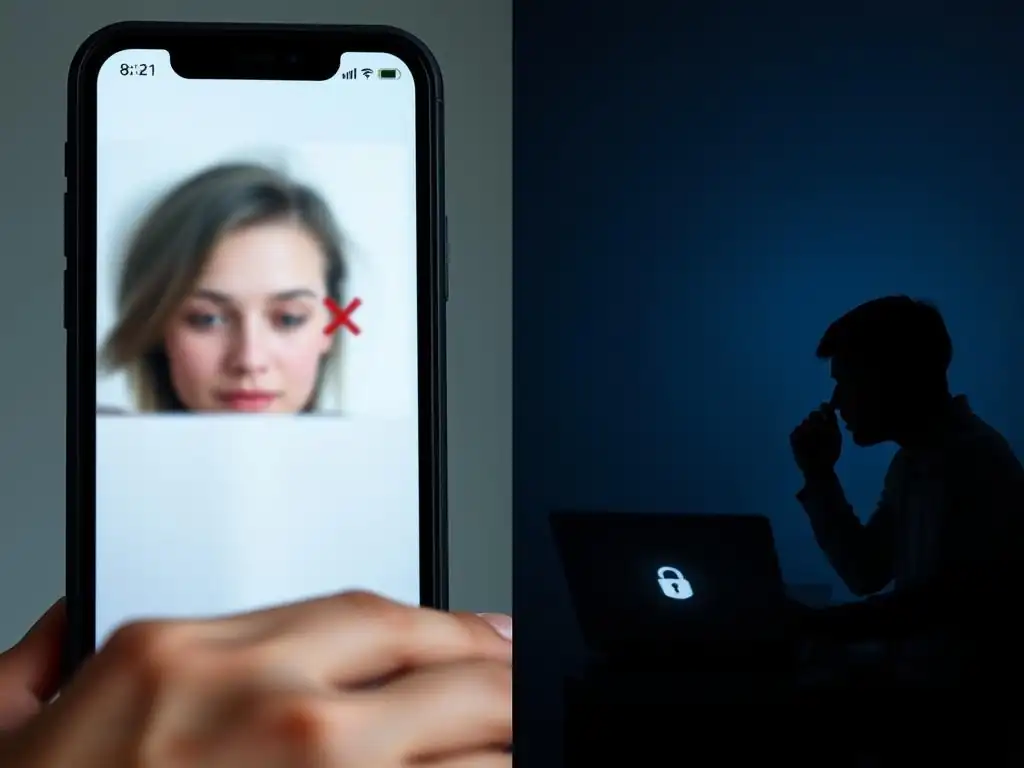
This section focuses on equipping you with the knowledge to identify potential online dating scams before they impact you. Effective online dating scam avoidance hinges on recognizing red flags early. Remember, your safety and well-being are paramount.
Analyzing Online Dating Profiles for Signs of Deception
Scrutinizing profiles is the first line of defense against online dating scams. Many scammers create profiles with inconsistencies or unrealistic claims designed to lure in victims. Look for these key indicators:
- Stock Photos or Unrealistic Images: Be wary of profiles using generic stock photos or images that seem too perfect. A scammer might use images stolen from a model's portfolio or a celebrity. Reverse image searching (using Google Images or a similar tool) can help determine if the picture is authentic.
- Vague or Inconsistent Information: Profiles lacking detail or containing contradictory information are a major red flag. Inconsistencies in age, profession, location, or interests should raise suspicion. For instance, a profile claiming to be a successful doctor but with poor grammar and spelling is highly suspicious.
- Lack of Personal Details: Scammers often avoid sharing personal details, preferring to keep their identities shrouded in mystery. Be cautious of profiles that lack specific information about their life, hobbies, or friends.
- Overly Perfect Profiles: A profile that's too good to be true, boasting exceptional qualities and achievements without any flaws, is a classic scammer tactic. Nobody is perfect!
- Limited or No Social Media Links: Legitimate daters often link their profiles to their social media accounts (Facebook, Instagram, etc.) to build trust and verify their identity. The absence of such links can be a sign of deception.
Remember, thorough profile analysis is crucial for online dating scam avoidance. Don't hesitate to question anything that seems off.
Suspicious Communication Patterns: Recognizing Manipulative Tactics
Even if a profile seems legitimate, communication patterns can reveal a scammer's true intentions. Watch out for these manipulative tactics:
- Rapid Progression of the Relationship: Scammers often attempt to rush the relationship, creating an intense connection quickly. They might profess deep feelings and make grand promises within days or even hours of initial contact. This rapid escalation aims to bypass your natural caution.
- Excessive Compliments and Flattery: Over-the-top flattery and compliments, particularly early in the conversation, can be a sign of manipulation. Scammers use this tactic to gain your trust and affection.
- Avoidance of Video Calls or In-Person Meetings: A consistent refusal to engage in video calls or meet in person is a major red flag. Scammers often use this to conceal their true identity.
- Requests for Money or Financial Assistance: This is perhaps the clearest sign of a scam. Be extremely wary of anyone who asks for money, gifts, or financial assistance, regardless of the reason given.
- Emotional Manipulation and Guilt Trips: Scammers may use emotional manipulation to guilt you into sending money or sharing personal information. They might create a fabricated crisis or emergency to exploit your empathy.
Beware of Pressure Tactics: Identifying Urgent Requests and Demands
Scammers often employ pressure tactics to manipulate their victims into acting quickly and impulsively. Learn to recognize these urgent requests and demands:
- Sudden Emergencies or Unexpected Circumstances: Scammers may invent urgent situations—like a medical emergency, family crisis, or legal trouble—to pressure you into sending money immediately.
- Time-Sensitive Opportunities: They might present you with a "once-in-a-lifetime opportunity" that requires an immediate response, creating a sense of urgency and preventing careful consideration.
- Demands for Personal Information: Be wary of anyone who persistently asks for your personal information, such as your bank details, social security number, or passwords. Legitimate daters will not demand such sensitive information.
- Controlling or Possessive Behavior: Early signs of controlling or possessive behavior can be a warning sign. A scammer might become overly jealous or demanding, attempting to isolate you from friends and family.
By learning to identify these pressure tactics, you significantly improve your chances of online dating scam avoidance. Remember, legitimate relationships don't involve sudden, urgent demands for money or personal information. Trust your instincts; if something feels wrong, it probably is.
Unrealistic Expectations and Promises: A Major Red Flag in Online Dating
Online dating scammers often present themselves as impossibly perfect, showering you with extravagant compliments and promises from the very beginning. This is a significant red flag in online dating scam avoidance. They might claim to be incredibly wealthy, successful, and deeply romantic, painting a picture far removed from reality. Their profiles might be filled with photos that seem too good to be true – professional-quality shots, often lacking candid, everyday moments.
Remember, nobody's life is that perfect. These unrealistic portrayals are designed to hook you in emotionally, making you more vulnerable to their manipulative tactics. They might promise you the world – a lavish lifestyle, a quick and easy path to love, a future filled with luxury – all before you've even exchanged a few messages. This is a classic tactic used to prey on people's desires for happiness and security.
Consider this example: A profile boasts of owning multiple properties in exotic locations, driving a high-end sports car, and regularly traveling the globe, yet their photos show them only in staged, glamorous settings. This lack of authentic, everyday pictures should raise immediate suspicion. Another common tactic involves promising swift commitment – marriage proposals after only a few weeks of online communication – without taking the time to build a genuine connection.
This rush to commitment is a clear indication that something isn't right, and a key element of online dating scam avoidance. Be wary of anyone who promises you the moon without a clear, realistic path to achieving it. Genuine connections are built on trust, mutual understanding, and a gradual progression of the relationship, not on grand, unrealistic promises.
Always be cautious of profiles that seem too good to be true; they often are. Remember, true love takes time, patience, and genuine effort – it's not instantly delivered in a perfectly packaged online profile.
Effective Strategies for Online Dating Scam Avoidance: Protecting Yourself
This section focuses on proactive measures you can take to significantly reduce your risk of becoming a victim of online dating scams. Remember, prevention is the best defense. By implementing these strategies, you'll be taking control of your online dating experience and significantly improving your chances of a safe and positive outcome. Effective online dating scam avoidance requires vigilance and a healthy dose of skepticism.
Secure Communication Practices: Safeguarding Your Personal Information
Never share Personally Identifiable Information (PII) prematurely. This includes your full name, address, place of work, phone number (especially your home number), social security number, and financial details. Scammers often use this information for identity theft or other malicious purposes. Initially, stick to the dating app's messaging system. This provides a layer of security and allows you to build trust gradually.
Once you've established a degree of trust and have verified the other person's identity through other means (see the next section), you can cautiously consider exchanging phone numbers. However, even then, avoid revealing too much personal information too quickly. Be wary of anyone who presses you to share sensitive data before you're comfortable.
Remember, legitimate individuals understand the need for privacy and will respect your boundaries. If someone is insistent on obtaining your PII early in the interaction, it's a major red flag. Consider the following example: A profile claiming to be a successful doctor in a faraway country who constantly requests money for emergencies should raise significant suspicion. This is a common tactic employed by scammers.
Verifying Profiles and Identities: Simple Steps to Validate Online Profiles
Before investing your time and emotions, take steps to verify the authenticity of the profiles you encounter. A simple reverse image search of their profile picture can reveal if the image is being used on other profiles or websites, often a sign of a fake account. Utilize other methods of verification to ensure you are dealing with a genuine person, not a fabricated profile created to lure you into a scam.
Pay close attention to inconsistencies in their profile. Do their claims match up with readily verifiable information? For instance, if they claim to be a lawyer, check if their name appears on a relevant professional directory. A lack of readily available information or inconsistencies should trigger caution. Avoid those who are vague about their background or refuse to provide verification.
A crucial aspect of online dating scam avoidance is to be wary of profiles with overly-perfect photos, unrealistic claims, or a lack of personal details. Remember, real people have flaws and inconsistencies – a profile that’s too good to be true usually is. Consider using a background check service (though this should be after cautious verification through other means) to gain further insight, especially if you're considering a serious relationship.
Financial Safety in Online Dating: Protecting Yourself from Monetary Loss
Never send money to someone you've met online, regardless of their story. This is perhaps the most crucial aspect of online dating scam avoidance. Scammers often create elaborate scenarios to elicit sympathy and manipulate you into sending funds. These scenarios can range from medical emergencies to business ventures requiring immediate financial assistance.
Be especially wary of requests for gift cards or wire transfers, as these are nearly impossible to trace. Legitimate individuals will not ask you for financial assistance, especially early in a relationship. If someone pressures you for money, it's a clear indication of a scam. Remember that true connections are built on trust and mutual respect, not financial transactions.
Always report suspicious activity to the dating platform and the relevant authorities. Document all communication with the suspected scammer, including screenshots and transaction details. Your vigilance not only protects you but also helps prevent others from falling victim to the same scam. Protecting yourself financially is paramount in your online dating journey, so always prioritize caution and common sense.
Reporting suspicious activity is crucial in the fight against online dating scams. It not only protects you but also helps prevent others from falling victim. Many platforms have robust reporting mechanisms in place, and utilizing them is a vital step in online dating scam avoidance. Don't hesitate; reporting suspicious profiles or interactions can significantly impact the safety of the online dating community.
The process usually involves navigating to the profile in question and looking for a "report" or "flag" button. This button is often discreetly placed, sometimes within a three-dot menu or similar interface element. Once you click it, you'll be presented with a form or a series of options to specify the nature of your report. Be as detailed as possible.
Include screenshots if you have them; these can be incredibly valuable evidence. Clearly outline the suspicious behavior, such as requests for money, inconsistent information, or overly aggressive communication. Remember, the more information you provide, the better equipped the platform is to investigate and take appropriate action.
Beyond reporting to the dating platform itself, consider reporting the scammer to the appropriate authorities. If you've been a victim of financial fraud, contact your local law enforcement and file a police report. Document all communication, including emails, messages, and any financial transactions. This documentation will be critical in any investigation.
Furthermore, depending on the nature of the scam, you may also want to report the incident to the Federal Trade Commission (FTC) or other relevant agencies in your country. They maintain databases of reported scams, which helps them track trends and identify patterns, ultimately aiding in the prevention of future scams. Remember, your report, however small it may seem, contributes to a larger effort to combat online dating fraud and enhance online safety for everyone.
Your proactive approach can make a real difference in protecting others from similar experiences. Don't underestimate the power of reporting; it's a vital tool in your online dating scam avoidance strategy. The collective action of reporting suspicious activity creates a safer environment for all users.
Building Healthy Online Dating Habits: Preventing Future Scams

This section focuses on proactive strategies to minimize your vulnerability to online dating scams. Building strong, healthy online dating habits is crucial for long-term safety and success. It's not just about avoiding immediate scams; it's about cultivating a mindset that protects you from manipulation and exploitation. Think of it as preventative medicine for your online dating experience.
Critical Thinking in Online Dating: Questioning Information and Actions
Critical thinking is your first line of defense against scammers. Don't accept information at face value. Scammers often rely on emotional manipulation and creating a sense of urgency to bypass rational thought. Always question inconsistencies, vague details, or overly-perfect profiles. For example, if someone claims to be a successful doctor but their profile picture is low-quality and their communication is riddled with grammatical errors, that should raise a red flag. Similarly, be wary of anyone who asks for money or personal financial information early in the "relationship."
A legitimate connection will develop naturally, and financial requests should never be rushed. Analyze their requests, their responses, and their overall online presence. Does their story hold up under scrutiny? Do their actions align with their words? This constant questioning is a key component of online dating scam avoidance.
Trusting Your Instincts: Recognizing Your Gut Feelings
Your intuition is a powerful tool. If something feels "off" about someone, don't ignore it. That uneasy feeling is often a sign that something isn't right. Perhaps their story seems too good to be true, or their communication style feels forced or insincere. Maybe they're avoiding specific questions or deflecting your attempts to learn more about them.
These are all potential warning signs. Don't dismiss your gut feeling as mere nervousness; it's your subconscious processing information and alerting you to potential danger. Learning to trust and act upon your instincts is a vital skill in online dating scam avoidance. Remember, prioritizing your safety is always the right decision.
Maintaining Healthy Boundaries: Protecting Your Emotional and Physical Well-being
Setting and maintaining healthy boundaries is paramount. This includes protecting your personal information, limiting the amount of personal detail you share online, and avoiding rushed commitments. Never share sensitive information such as your full address, place of work, or bank details with someone you've only met online. Avoid meeting in person until you've had sufficient time to get to know the person and feel comfortable and safe.
Even then, choose a public place for your first meeting and let a friend or family member know your plans. Remember, building trust takes time, and healthy boundaries help you maintain control and protect yourself from potential harm. Prioritizing your emotional and physical well-being is crucial for a positive and safe online dating experience. This careful approach is a cornerstone of effective online dating scam avoidance.
Resources for Further Assistance: Where to Find Help and Support After an Online Dating Scam
Experiencing an online dating scam can be incredibly distressing and isolating. Knowing where to turn for help is crucial for recovery and preventing future victimization. This section provides resources to guide you through the process of reporting the scam and accessing support services. Remember, you are not alone, and seeking help is a sign of strength. Effective online dating scam avoidance starts with knowing your options after an incident.
Reporting Online Dating Scams to Law Enforcement
Reporting online dating scams to law enforcement is a vital step in bringing perpetrators to justice and preventing them from targeting others. While recovering financial losses may be challenging, reporting helps build a record of the crime and contributes to larger investigations. Here’s what you should do:
- Gather your evidence: This includes screenshots of conversations, transaction records (if applicable), the scammer's profile information, and any other relevant documentation. The more evidence you can provide, the stronger your report will be. Keep meticulous records; this is crucial for online dating scam avoidance in the future.
- Report to the appropriate agency: Depending on the nature of the scam (e.g., financial fraud, identity theft), you may need to report to multiple agencies. This might include your local police department, the Federal Trade Commission (FTC), the Internet Crime Complaint Center (IC3), or your bank.
- Be prepared to provide detailed information: Law enforcement will need specific details about the scammer, the events leading up to the scam, and the losses incurred. Be patient and cooperative, as investigations can take time. Thorough reporting is an important aspect of online dating scam avoidance strategies.
- Consider filing a civil lawsuit: In some cases, you might be able to file a civil lawsuit against the scammer to recover your losses. Consult with a legal professional to explore this option.
Remember, even if you feel embarrassed or ashamed, reporting the scam is crucial. Your report can help others avoid falling victim to the same tactics. Effective online dating scam avoidance is a community effort.
Support Organizations for Victims of Online Dating Fraud
Beyond reporting to law enforcement, seeking support from organizations specializing in fraud and victim assistance is invaluable. These organizations offer a range of services, from emotional support and counseling to practical advice on recovering from financial losses. Finding the right support network is a key element of online dating scam avoidance and recovery.
Here are some types of support you can access:
- Victim support hotlines: Many organizations operate hotlines providing immediate support and guidance. These hotlines offer confidential conversations with trained professionals who understand the unique challenges faced by victims of online dating scams.
- Counseling and therapy: Dealing with the emotional fallout of a scam can be overwhelming. Therapy can help you process your emotions, rebuild your trust, and develop strategies for coping with the experience.
- Financial assistance programs: In some cases, victims of fraud may be eligible for financial assistance programs to help cover their losses. These programs can provide vital support during a difficult time.
- Legal aid organizations: Legal aid organizations can provide legal advice and assistance if you are considering pursuing legal action against the scammer. They can help you understand your rights and options.
Finding the right support is a crucial part of the healing process and effective online dating scam avoidance for the future. Don't hesitate to reach out – help is available. Remember, online dating scam avoidance is a journey, and seeking support is a vital step in your recovery.
Frequently Asked Questions
How can I spot a potential online dating scam?
Be wary of profiles with limited information, poor-quality photos, or inconsistent details. Look out for requests for money or personal information early in the "relationship." Trust your gut; if something feels off, it probably is.
What are some common tactics used by online dating scammers?
Scammers often create a sense of urgency and intimacy quickly. They may use sob stories to evoke sympathy or promise unrealistic returns. They'll try to move communication off the dating app quickly to avoid detection.
How can I protect my personal information while online dating?
Never share sensitive information like your full address, social security number, or bank details. Be cautious about sharing photos that could be used to identify your location. Use strong, unique passwords, and enable two-factor authentication where possible.
What should I do if I think I'm being scammed?
Stop all communication immediately. Report the profile to the dating app and consider reporting it to the authorities. Document all communication and any financial transactions. Seek support from friends, family, or a support group.
Where can I find more information about online dating safety?
OnlineDatingSuccess.org provides practical tips and advice for staying safe while online dating. You can also find helpful resources from organizations focused on internet safety and consumer protection. Remember, prevention is key!
Final Reflection: The Enduring Threat of Online Deception
The ease of connection in the digital age has unfortunately created fertile ground for exploitation, making online dating scam avoidance a crucial skill for navigating modern romance. The sheer volume of reported scams underscores the urgent need for vigilance and education; it's not a matter of if you'll encounter suspicious activity, but when. Understanding the tactics employed by scammers is the first step towards protecting yourself and your emotional well-being.
The insidious nature of these scams lies not just in the financial loss, but in the emotional manipulation and betrayal of trust. The vulnerability inherent in seeking connection online makes individuals particularly susceptible. These scams erode faith in genuine human interaction, leaving lasting scars. The heart, once wounded, takes a long time to heal.
This quote speaks to the deeper impact of these scams, extending beyond the immediate financial consequences. The article's exploration of various scam types and preventative measures aims to equip readers with the knowledge to navigate this complex landscape safely.
You now possess the tools to identify and avoid online dating scams. Don't let fear paralyze you from seeking connection; instead, arm yourself with awareness. Take the time to verify profiles, proceed slowly, and trust your instincts. Remember, genuine connections are built on transparency and respect, not secrecy and pressure. Embrace cautious optimism, and may your online dating journey be filled with authentic and fulfilling encounters.
Unlock Safer Dating: Take Control of Your Online Safety Now!
Thank you for taking the time to learn about online dating safety! You've gained valuable knowledge to navigate the dating world confidently. Let's put that knowledge into action:
- Review your online dating profiles immediately: Check your privacy settings and ensure you haven't inadvertently shared too much personal information. This is crucial for your safety.
- Share this information with a trusted friend or family member: Discuss your online dating safety strategy and get their feedback. A second opinion can significantly enhance your safety.
- Test your knowledge: Identify three potential red flags in a dating profile. Analyze a few profiles—even fictional ones—to practice applying what you've learned.
Ready to create a safer and more positive online dating experience? What concrete step will you take today to protect yourself?