
Protect Yourself: Essential Tips for Avoiding Dating App Scams

Welcome to OnlineDatingSuccess.org, your guide to navigating the exciting yet sometimes treacherous world of online dating. Are you ready to find genuine connections, but wary of the potential pitfalls? Then you've come to the right place. This site is dedicated to helping you build meaningful relationships, and we're starting with something crucial: Dating app scam prevention tips. Discover how to protect yourself and ensure your online dating journey is safe and rewarding. Let's dive in and unlock the secrets to a successful and secure online dating experience.
- Understanding Dating App Scams: Recognizing Red Flags
- Dating App Scam Prevention Tips: Safe Dating Practices
- How to Report Dating App Scams: Taking Action
- Building Safe Online Dating Habits: Long-Term Protection
-
Frequently Asked Questions
- How can I spot a potential dating app scam?
- What should I do if someone asks me for money on a dating app?
- Are there specific red flags I should watch out for in online dating profiles?
- How can I protect my personal information while using dating apps?
- What should I do if I think I've been scammed on a dating app?
- Final Reflection: Navigating the Digital Dating Landscape Safely
- Unlock Your Dating App Safety: Take Control Now!
Understanding Dating App Scams: Recognizing Red Flags
Navigating the world of online dating can be exciting, offering the potential to connect with new people and build meaningful relationships. However, the digital landscape also presents unique challenges, including the ever-present threat of dating app scams. This article provides essential tips for "dating app scam prevention," equipping you with the knowledge and strategies to protect yourself from fraudulent activity and ensure a safer online dating experience. We'll explore common scam tactics, techniques for identifying fake profiles, and how to recognize manipulative pressure tactics often employed by scammers.
Remember, staying vigilant and informed is your best defense against becoming a victim. Protecting yourself online is crucial for maintaining your safety and emotional well-being while searching for love or companionship. Understanding the red flags and employing the strategies outlined here can significantly reduce your risk and empower you to navigate the online dating world with confidence.
Common Dating App Scam Tactics: Catfishing, Romance Scams, and More
Dating app scams come in many forms, each designed to exploit vulnerabilities and extract money or personal information. Let's examine some common tactics:
- Catfishing: This involves creating a fake online persona using stolen or fabricated photos and information. Catfishers often present themselves as someone they're not, often portraying an idealized version of themselves to lure victims. They may be hesitant to video chat or meet in person, offering various excuses to avoid it.
- Romance Scams: These scams target the heart, building a false sense of intimacy and trust over time. Scammers often feign deep emotions, creating a whirlwind romance to manipulate their victims into sending money or sharing sensitive information. They might claim to be in financial distress or facing a personal emergency, pleading for help.
- Financial Scams: Once a scammer has established trust, they may begin requesting money for various reasons – medical emergencies, travel expenses, business ventures, or even just everyday expenses. These requests can start small and gradually increase in size.
- Data Theft: Scammers may also be interested in obtaining your personal information, such as your social security number, bank details, or address, for identity theft or other fraudulent activities. They may try to subtly extract this information through seemingly innocent conversations.
The table below summarizes key characteristics of common dating app scam tactics:
| Scam Type | Key Characteristics | Red Flags |
|---|---|---|
| Catfishing | Fake profile, inconsistent photos, avoids video calls | Unrealistic profile, lack of personal details, evasive behavior |
| Romance Scam | Rapid emotional connection, requests for financial assistance | Overly romantic language, sob stories, financial requests |
| Financial Scam | Requests for money under false pretenses | Unusual financial requests, pressure to act quickly |
| Data Theft | Attempts to gather personal information | Unusual questions, suspicious links, requests for sensitive data |
Identifying Fake Profiles: Spotting Inconsistencies and Red Flags
Identifying a fake profile requires a keen eye for detail and a healthy dose of skepticism. Here are some key indicators:
- Stock Photos or Low-Quality Images: Fake profiles often use generic stock photos or images with poor quality. Reverse image searching these photos can reveal their true origin.
- Limited Personal Information: Scammers are often reluctant to share personal details, providing vague or inconsistent information about their lives.
- Inconsistencies in Profile Information: Check for inconsistencies between the information provided in the profile and their communication style. Discrepancies in age, location, or occupation should raise red flags.
- Grammatical Errors and Poor Writing: Poor grammar and spelling are common indicators of a fake profile created by someone who isn't a native English speaker or is deliberately trying to appear less sophisticated.
- Suspicious Links or Attachments: Be wary of any links or attachments sent by a new contact, especially if they are unsolicited or lead to unfamiliar websites. Avoid clicking on links from unknown sources.
Remember, if something seems too good to be true, it probably is. Trust your instincts and don't hesitate to report suspicious profiles to the dating app platform.
Recognizing Pressure Tactics: High-Pressure Communication & Financial Requests
Scammers often employ high-pressure tactics to manipulate their victims into acting quickly and impulsively. Be aware of the following:
- Sudden Intense Affection: An overwhelming display of affection within a short period is a major red flag. Legitimate relationships develop gradually.
- Requests for Money or Gifts: Any request for money, especially under duress or through emotional manipulation, should be treated as a major warning sign.
- Urgent Requests: Scammers will often create a sense of urgency, claiming emergencies or time-sensitive situations to pressure you into making impulsive decisions.
- Controlling Behavior: Watch out for attempts to control your communication or isolate you from friends and family. This is a significant sign of manipulative behavior.
- Avoidance of Video Calls or In-Person Meetings: Consistent excuses for avoiding video calls or in-person meetings can be a clear indication of deception.
By understanding these pressure tactics and remaining vigilant, you can protect yourself from falling victim to dating app scams and ensure a safer online dating experience. Remember, taking your time, verifying information, and trusting your instincts are crucial for protecting yourself.
Dating App Scam Prevention Tips: Safe Dating Practices
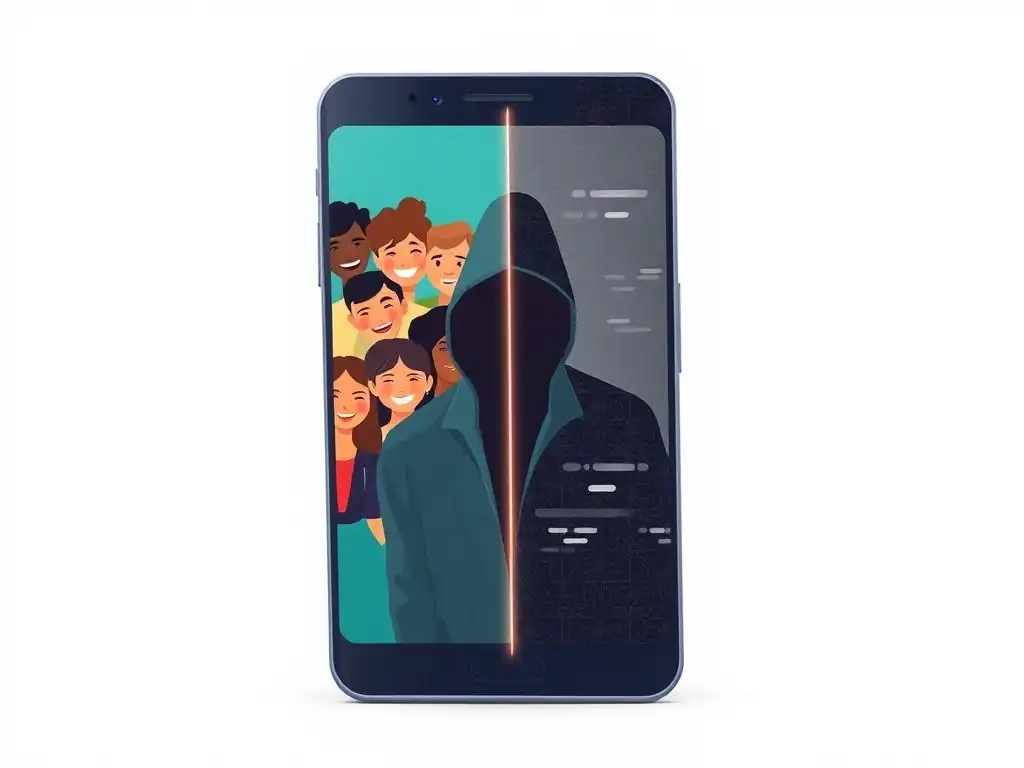
This section focuses on proactive measures you can take to significantly reduce your risk of becoming a victim of a dating app scam. Remember, prevention is always better than cure. By implementing these strategies, you'll be taking control of your online safety and increasing your chances of a positive dating experience. These dating app scam prevention tips are crucial for navigating the online dating world confidently.
Protecting Your Personal Information: Safeguarding Privacy Online
Sharing personal information too early in online dating can be a significant risk factor. Scammers often use this information to gain your trust and subsequently exploit you. Therefore, it's crucial to be extremely cautious about what you reveal and when.
Never share your full name, address, workplace, financial information (bank account details, credit card numbers), or other sensitive details until you've met someone in person and built a strong level of trust. Even then, proceed with caution. Consider using a separate email address specifically for online dating to maintain a degree of privacy from your main inbox.
Remember, a genuine connection doesn't rely on immediate disclosures of private details. If someone pressures you to share sensitive information before you feel comfortable, it's a major red flag. This behaviour is a strong indicator of malicious intent, aligning with common dating app scam tactics.
Here's a helpful checklist:
- [ ] Avoid posting photos with location tags.
- [ ] Don't share your phone number until you've met the person in person.
- [ ] Be wary of requests for financial assistance, regardless of the reason given.
- [ ] Use strong, unique passwords for your dating app accounts.
- [ ] Enable two-factor authentication whenever possible.
Secure Communication Strategies: Avoiding Phishing and Malware
Scammers often employ sophisticated phishing techniques to gain access to your personal information. These techniques can range from seemingly innocent requests to download suspicious files to elaborate stories designed to manipulate your emotions. Staying vigilant about these communication tactics is key to dating app scam prevention.
Never click on links or download attachments from someone you don't know and trust completely. Be wary of unusual requests, especially those that seem too good to be true, or that pressure you into acting quickly. If something feels off, it probably is.
Be cautious about communications outside of the dating app itself. Scammers often try to move conversations to other platforms, where they can better control the interaction and potentially deploy malware. Always verify the identity of the person you're interacting with before sharing personal contact information.
Here's a table summarizing secure communication practices:
| Communication Method | Safety Level | Precautions |
|---|---|---|
| Dating App Messaging | High | Use built-in app features; report suspicious behavior. |
| Medium | Only use with verified contacts; scan links for malicious code. | |
| Phone Call | Medium | Verify identity before sharing personal details. |
| Text Message | Low | High risk of phishing and malware; avoid until well-established trust. |
Before meeting someone in person, take the time to verify their profile information. A thorough background check can help you avoid potential scams and ensure your safety. This is a critical component of dating app scam prevention tips.
Use a reverse image search engine to check if the photos used in the profile are authentic. This can reveal if the images have been taken from other sources, possibly indicating a fake profile. Similarly, try to find the person on other social media platforms to corroborate their identity and profile information. Inconsistencies between their dating profile and other online presence might signal a potential scammer.
Remember that not all verification methods are foolproof, but they significantly improve your chances of identifying red flags and avoiding potentially dangerous situations. A combination of caution, critical thinking, and proactive verification is your best defense against online dating scams. This diligent approach enhances your online dating safety and contributes to a more positive experience. Don't hesitate to trust your instincts; if something feels wrong, it's better to err on the side of caution.
How to Report Dating App Scams: Taking Action
Dating app scam prevention is crucial, but knowing what to do after encountering a suspicious profile or interaction is equally important. Reporting scams effectively can help protect others from falling victim to the same tactics. This section details the steps you should take to report suspicious activity and protect yourself. Remember, reporting is not just about your individual experience; it contributes to a safer online dating environment for everyone.
Reporting Suspicious Activity to Dating Apps: Procedures and Guidelines
Each dating app has its own reporting mechanism. While the specific steps may vary, the general process usually involves identifying the suspicious profile or interaction and selecting a reporting option within the app. This might be a button labeled "Report," "Block," or "Flag." Often, you'll be presented with a form allowing you to detail the suspicious behavior.
Be as specific as possible in your report. Include the following information whenever available:
- Username and Profile Picture: This helps the app quickly identify the account.
- Date and Time of Interaction: Pinpointing the interaction helps with investigations.
- Detailed Description of Suspicious Activity: Describe the scammer's behavior, including specific messages, requests for money or personal information, or any other red flags you encountered. Include screenshots if possible. For example, "The user repeatedly asked for money to cover supposed emergency medical expenses, and their profile photos seemed inconsistent."
- Type of Scam: Specify the type of scam you believe you encountered (e.g., romance scam, catfishing, phishing).
- Any Links or Contact Information: Provide any links or contact information the scammer shared, such as email addresses or phone numbers.
Many apps also offer a "block" feature, allowing you to prevent further contact from the suspicious profile. While blocking is a protective measure, remember to report the account as well to allow the app to take further action against the scammer. Failing to report means the scammer might continue to target other users. Your proactive reporting contributes directly to dating app scam prevention for others.
Remember to keep records of all communications and screenshots for your records and potential future use.
Reporting to Law Enforcement: Steps for Reporting Online Fraud
If you've experienced financial loss or significant emotional distress due to a dating app scam, reporting to law enforcement is crucial. This is especially important if you've shared sensitive personal information or transferred money. Online fraud is a serious crime, and reporting helps authorities track down and prosecute scammers.
You can usually report online fraud to your local police department or the FBI's Internet Crime Complaint Center (IC3). When filing a report, gather the following information:
- Date and Time of the Incident: Be precise with dates and times.
- Details of the Scam: Provide a thorough description of the scam, including how you were contacted, the scammer's tactics, and any financial losses.
- Evidence: Include any screenshots, emails, or other evidence that supports your claim. This strengthens your report.
- Financial Information: If you experienced financial loss, document the amounts and methods of payment. This may involve bank statements or transaction records.
Filing a police report can be a lengthy process; however, it's an essential step in protecting yourself and helping prevent future scams. Your report contributes valuable data to law enforcement investigations into organized online fraud schemes. Remember, reporting might lead to the recovery of some of your losses and the apprehension of the scammer.
Protecting Yourself After a Scam: Steps to Take After an Incident
Experiencing a dating app scam can be emotionally distressing. Taking proactive steps to protect yourself after the incident is vital for your well-being and future safety. Beyond reporting, consider the following actions:
- Review your financial accounts: Check your bank statements and credit reports for any unauthorized transactions or suspicious activity. Report any fraudulent activity immediately to your bank and credit card companies.
- Change your passwords: Change passwords for all your online accounts, including dating apps, email, social media, and banking. Consider using a strong, unique password for each account.
- Monitor your credit: Regularly monitor your credit reports for any signs of identity theft. Consider placing a fraud alert or security freeze on your credit reports.
- Seek support: Talking to a friend, family member, therapist, or support group can help you process the emotional impact of the scam. Remember that you are not alone, and seeking support is a sign of strength.
- Review your online privacy settings: Reassess your privacy settings on all your social media and dating app profiles to limit the information you share publicly.
Remember, recovering from a dating app scam takes time. Be patient with yourself, and prioritize your well-being. By taking these steps, you can protect yourself from further harm and contribute to a safer online dating environment for others. Your experience highlights the importance of dating app scam prevention, and your actions can help others avoid similar situations.
Building Safe Online Dating Habits: Long-Term Protection
This section focuses on cultivating lasting habits that minimize your vulnerability to dating app scams. Remember, prevention is key. While specific scam tactics evolve, fundamental safety practices remain constant. Building these habits into your online dating routine is crucial for long-term protection. Think of it as investing in your digital well-being.
Healthy Communication Habits: Setting Boundaries and Expectations
Effective communication is your first line of defense against dating app scams. Setting clear boundaries from the outset establishes a safe space for interaction and discourages manipulative behavior. Avoid sharing excessive personal information too early in the conversation. For example, never disclose your full address, place of work, or financial details to someone you've only interacted with online.
Scammers often prey on loneliness and vulnerability. They might build rapport quickly, showering you with compliments and attention. Be wary of anyone who seems too perfect or overly eager to establish a close relationship rapidly. Healthy relationships develop gradually, based on trust and mutual understanding. Remember, a genuine connection takes time.
Consider these red flags:
- Inconsistent communication styles: Does their communication style shift dramatically? Are they overly friendly one day and distant the next?
- Pressure for quick commitment: Do they push for a relationship or financial assistance before you've met in person?
- Avoidance of video calls: Be cautious if someone consistently avoids video calls or in-person meetings, offering excuses instead.
- Unrealistic promises: Be wary of promises that sound too good to be true, especially if they involve financial gain or significant life changes.
Maintaining Privacy: Protecting Your Personal Information on Dating Apps
Protecting your privacy on dating apps is paramount. Never share sensitive information like your Social Security number, bank account details, or passport information with anyone you meet online. Dating apps often offer privacy settings; utilize these features to control who can see your profile and information. Be mindful of the information you share in your profile; avoid including specific details that could be used to identify your location or personal circumstances.
Consider these privacy best practices:
- Use a strong, unique password: Avoid reusing passwords across different accounts. Use a password manager to generate and store strong, unique passwords for each app.
- Enable two-factor authentication: This adds an extra layer of security, making it harder for someone to access your account even if they know your password.
- Review app permissions: Regularly check which permissions you've granted to dating apps, and revoke access to any unnecessary data.
- Be cautious about photos: Avoid sharing photos that reveal too much information about your location or daily routine.
Choosing Safe Dating Apps: Researching App Security Features
Not all dating apps are created equal. Research the security features offered by different apps before creating a profile. Look for apps with robust verification processes, clear privacy policies, and active measures to combat scams. Read user reviews and look for mentions of security issues or scams. Choosing a reputable app with a strong track record of protecting user data can significantly reduce your risk.
Consider these factors when choosing a dating app:
- User verification: Look for apps that require users to verify their identities through phone numbers, email addresses, or social media accounts.
- Reporting mechanisms: A reliable app will have clear and easy-to-use reporting mechanisms for suspicious activity.
- Privacy policy: Carefully review the app's privacy policy to understand how your data is collected, used, and protected.
- Customer support: Check if the app offers readily available customer support in case you encounter problems or need assistance.
Remember, staying safe online requires vigilance and proactive measures. By adopting these habits, you significantly reduce your vulnerability to dating app scams and increase your chances of finding a genuine connection. Prioritize your safety and well-being throughout your online dating journey.
Frequently Asked Questions
How can I spot a potential dating app scam?
Be wary of profiles with limited information, excessive flattery, or requests for financial assistance early in the "relationship." Look for inconsistencies in their story or overly-perfect photos.
What should I do if someone asks me for money on a dating app?
Never send money to someone you've only met online. Report the profile to the dating app immediately and block the user. Consider reporting it to the authorities if you feel threatened.
Are there specific red flags I should watch out for in online dating profiles?
Watch for profiles lacking personal details, using stock photos, or having grammatical errors throughout their profile. Be cautious of profiles that are too good to be true.
How can I protect my personal information while using dating apps?
Avoid sharing sensitive information like your full address, workplace, or financial details early on. Use a strong, unique password and enable two-factor authentication if available.
What should I do if I think I've been scammed on a dating app?
Gather evidence (screenshots, messages, etc.), report the incident to the dating app and the authorities. Consider seeking support from friends, family, or a support organization specializing in online fraud.
The rise of dating apps has revolutionized romance, but it's also created a breeding ground for sophisticated scams. This ease of connection, while offering incredible potential, demands a heightened awareness of the risks involved. Protecting yourself online isn't about limiting your opportunities; it's about empowering yourself to navigate the digital dating world with confidence and safety.
The impact of dating app scams extends far beyond financial loss; they erode trust and leave lasting emotional scars. The vulnerability inherent in seeking connection can be cruelly exploited, leaving victims feeling betrayed and ashamed. The most important thing is to remember that you are not alone. Many people experience online dating scams, and seeking support is a sign of strength, not weakness.
This quote underscores the importance of community and support networks in mitigating the damage caused by these predatory behaviors. We must continue to foster open conversations about online safety, ensuring that victims feel empowered to speak out and seek help.
You hold the power to protect yourself. Take the time to learn the red flags, verify profiles, and trust your instincts. Don't let the fear of missing out overshadow the importance of your safety and well-being. By implementing the strategies outlined in this article, you can confidently embrace the opportunities of online dating while safeguarding yourself from potential harm. Remember, your safety is paramount, and your journey to finding genuine connection deserves to be protected.
Unlock Your Dating App Safety: Take Control Now!
Thank you for learning about online dating safety. You've gained valuable knowledge to navigate the online dating world with confidence. Let's put this knowledge into practice!
- Create a personalized safety plan: Review the key points in this article and adapt them to your specific dating app habits. This personalized plan will guide you in every new interaction.
- Talk to a trusted friend or family member: Online safety is a shared responsibility. Discuss your dating app safety strategies with someone you trust. Their feedback and support can be invaluable.
- Report suspicious profiles immediately: If you encounter any warning signs, report them to the dating app. This helps create a safer environment for everyone.
Ready to navigate the world of online dating confidently and safely? What's one small step you can take today to improve your online dating safety?