
Protecting Your Financial Information on Dating Apps: A Legal Perspective

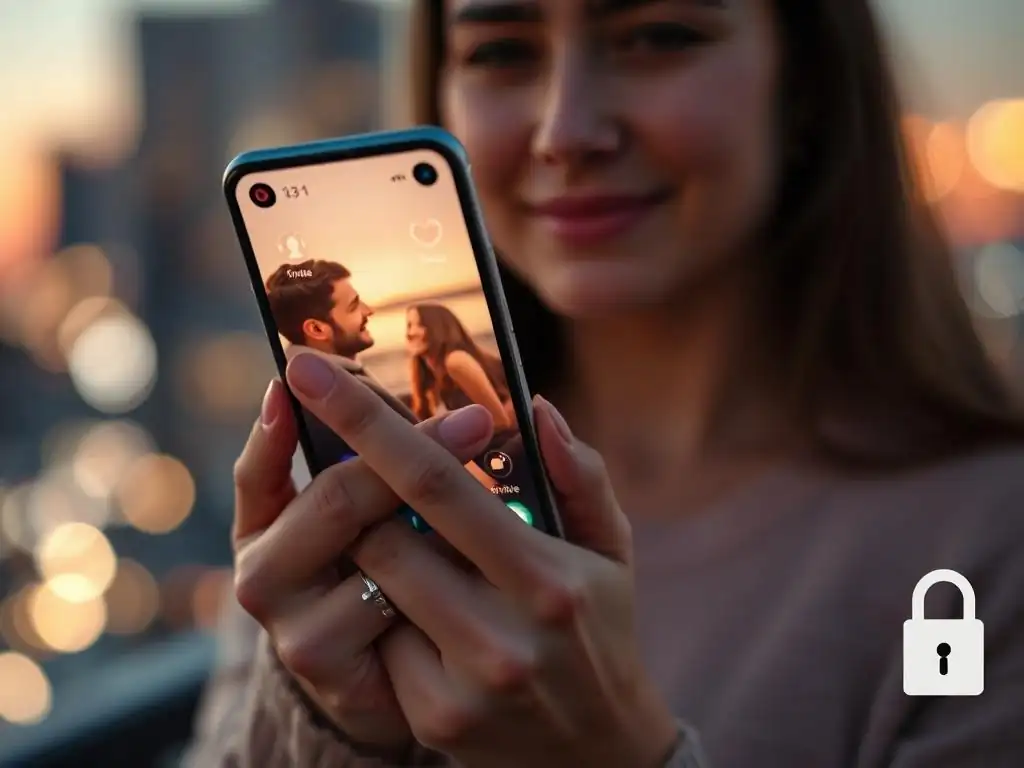
Welcome to OnlineDatingSuccess.org, your guide to navigating the exciting – and sometimes tricky – world of online dating! Are you ready to find genuine connections but worried about potential financial risks? Then you've come to the right place. This site is dedicated to helping you build meaningful relationships, and that starts with safety. Learn crucial dating app financial safety tips in our latest article – a must-read before your next swipe! Discover how to protect yourself and build a secure foundation for a successful relationship. Let's dive in!
- Understanding the Risks: Financial Scams on Dating Apps
- Protecting Yourself: Practical Dating App Financial Safety Tips
- Legal Recourse: Options for Victims of Dating App Financial Fraud
- Best Practices for Safe Online Dating: Financial Security and Beyond
- Financial Safety and Online Dating: A Holistic Approach
-
Frequently Asked Questions
- What are the biggest financial risks associated with online dating?
- How can I spot a potential scammer on a dating app?
- What information should I never share on a dating app?
- What legal recourse do I have if I'm a victim of a dating app scam?
- How can I protect myself financially while using dating apps?
- Final Reflection: Securing Love and Finances in the Digital Age
- Secure Your Love Life: Take Control of Your Financial Data
Understanding the Risks: Financial Scams on Dating Apps
Navigating the world of online dating presents a unique set of challenges, and unfortunately, the potential for financial exploitation is a significant one. This article, focusing on "Dating app financial safety tips," will explore the legal and practical aspects of protecting your financial information while searching for love online. We'll delve into common scams, identify warning signs, and understand the legal recourse available if you become a victim. The rise of online dating has unfortunately created fertile ground for sophisticated financial scams, preying on the vulnerability and hope inherent in the search for a partner.
Understanding these risks and taking proactive steps to protect yourself is crucial for a safe and positive online dating experience. Remember, your financial well-being is just as important as finding a romantic connection. Let's equip you with the knowledge to navigate this digital landscape confidently and securely.
Common Financial Scams Targeting Dating App Users
Dating apps, while offering exciting possibilities, are unfortunately also a breeding ground for various financial scams. These scams often employ manipulative tactics to exploit users' emotions and trust. Here are some common examples:
- The "Emergency" Scam: A scammer will create a fabricated emergency—a sick relative needing urgent medical care, a sudden financial crisis, or travel difficulties—to pressure you into sending money quickly. They often cultivate a sense of urgency, making it difficult to verify their claims before sending funds. These requests can range from small amounts initially, building trust before escalating to larger sums.
- Investment Scams: The scammer might present themselves as a successful investor or financial expert, promising high returns on investment. They'll often pressure you to invest quickly, often using fabricated success stories and impressive-sounding investment schemes. These are typically pyramid schemes or outright fraudulent endeavors.
- Romance Scams (Catfishing): While not always directly financial, these scams often lead to financial exploitation. The scammer creates a fake online persona, building a relationship to gain your trust before requesting financial assistance or gifts. They may use stolen photos and fabricated backgrounds to appear more appealing.
- Gift Card Scams: Scammers frequently request gift cards as a means of receiving money, as these transactions are difficult to trace. They might claim to need gift cards for various reasons, often related to the previously mentioned "emergency" scenarios.
- Fake Loan Offers: Pretending to be lenders, scammers offer loans with incredibly attractive terms. They'll request upfront fees or other payments before disbursing the loan, which they never intend to provide.
Recognizing Red Flags: Signs of Potential Financial Exploitation
While not every online interaction is malicious, being vigilant and aware of potential red flags is crucial. Here are some warning signs to watch out for:
- Requests for Money Early in the Relationship: Genuine relationships don't typically involve financial requests early on. Any request for money, especially large sums, should raise significant concern.
- Pressure to Send Money Quickly: A scammer will often create a sense of urgency, leaving you little time to verify their claims or seek advice.
- Inconsistencies in Their Story: Pay close attention to inconsistencies in their profile, their communication, and their explanations. Do their stories add up?
- Avoidance of Video Calls: A scammer might be hesitant to engage in video calls, as this would expose their true identity.
- Unrealistic Promises or Investments: Be wary of any promises of significant financial returns or overly lucrative investment opportunities.
- Overly Affectionate or Romantic Too Quickly: While initial attraction is normal, be cautious of overly intense or rapid declarations of love and commitment. This is a common tactic to manipulate emotions.
The Legal Ramifications of Online Dating Fraud
Falling victim to online dating fraud can have significant legal ramifications. While recovering your money can be challenging, understanding your legal options is important. Reporting the crime to the appropriate authorities, such as your local police and the Federal Trade Commission (FTC), is the first crucial step. Documenting all communication, financial transactions, and personal information related to the scammer is essential for any potential investigation.
Furthermore, seeking legal counsel from a qualified attorney specializing in fraud cases can help you navigate the legal process and explore potential avenues for recovering your losses. Remember, reporting these crimes helps protect others from similar exploitation. The legal system offers avenues for redress, even if the process can be complex and time-consuming. Don't hesitate to seek professional help to understand your rights and options.
Protecting Yourself: Practical Dating App Financial Safety Tips
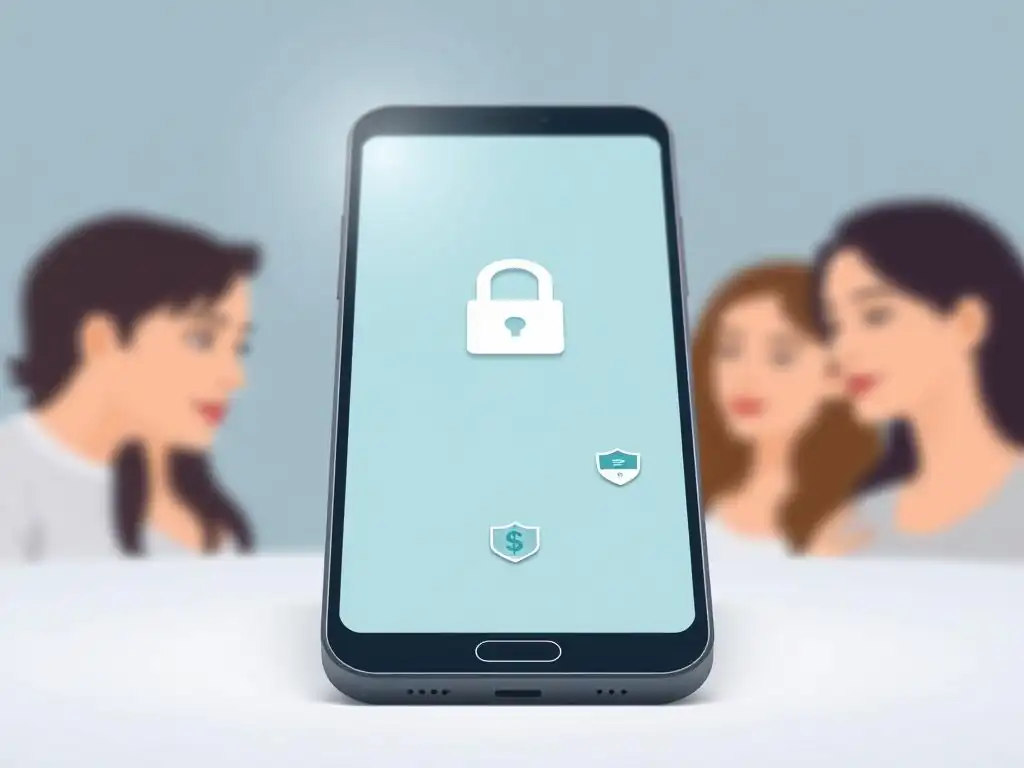
This section focuses on proactive measures to safeguard your financial well-being while navigating the world of online dating. Remember, prevention is key when it comes to avoiding financial scams. Understanding the risks and implementing these strategies can significantly reduce your vulnerability. Dating app financial safety tips are crucial for protecting yourself from potential harm.
Secure Your Personal Financial Information
Never share sensitive financial information, such as bank account numbers, credit card details, social security numbers, or passwords, with anyone you meet online, regardless of how well you think you know them. This includes avoiding discussions about your financial assets, income, or debts. Even seemingly innocuous details can be pieced together by scammers to gain access to your accounts.
Consider using a separate email address and phone number specifically for online dating. This adds a layer of protection, limiting the exposure of your primary contact information. If a scammer gains access to your dating profile email, they won't automatically have access to your personal and professional communications.
Regularly review your bank and credit card statements for any unauthorized transactions. Set up alerts for any suspicious activity. This allows for quick detection of fraudulent activity and immediate action to prevent further losses. Early detection is crucial in mitigating financial damage. Many banks offer apps and email notifications for this purpose.
It's also wise to enable two-factor authentication (2FA) wherever possible on your financial accounts and online dating profiles. This adds an extra layer of security, requiring a second form of verification beyond your password. This simple step can significantly deter unauthorized access.
Avoiding Suspicious Financial Requests on Dating Apps
Be wary of anyone who asks for money, gifts, or financial assistance, especially early in the relationship. Legitimate relationships don't involve constant financial demands. Red flags include requests for loans, investments, or urgent financial help. These are common tactics employed by scammers.
Never send money to someone you've only met online, no matter how compelling their story may seem. Scammers are often skilled manipulators, creating elaborate narratives to gain your trust and sympathy. Remember, genuine connections don't require financial transactions.
If someone pressures you for money, immediately cease all communication. Report the profile to the dating app platform and consider blocking the user. Document all interactions, including screenshots of messages and transaction details, in case you need to report the incident to law enforcement.
Be particularly cautious of requests involving cryptocurrency or wire transfers, as these are notoriously difficult to trace and recover. Stick to established and secure payment methods, and never compromise your financial security for a fleeting online connection.
Verifying the Identity of Online Dating Partners
Before engaging in any financial transactions or sharing personal information, take steps to verify the identity of your online dating partner. While complete verification is nearly impossible online, taking precautions can significantly reduce your risk.
Reverse image search any photos they provide to check for inconsistencies or evidence of identity theft. A simple Google Image search can reveal if the photos are being used elsewhere under a different name.
Use social media to corroborate their claims. Look for consistent information across various platforms. Discrepancies in their online presence can be a strong indicator of deception.
While not foolproof, a video call can offer a more reliable way to assess their identity and build trust. A scammer is less likely to engage in a video call, as it exposes their true identity.
Remember, caution and skepticism are your best allies in online dating. Prioritize your financial safety and well-being above all else. If something feels off, trust your instincts and err on the side of caution. Dating app financial safety tips should be a part of your online dating strategy.
Reporting Suspicious Activity to Dating Apps and Law Enforcement
Reporting suspicious activity is crucial for your financial safety and the safety of other users. Dating apps have dedicated mechanisms for reporting inappropriate behavior, including potential financial scams. These usually involve in-app reporting features, often accessible through the user's profile settings or directly within the chat interface. When reporting, be as detailed as possible.
Include screenshots of messages, profile information of the suspect, and any other relevant evidence, such as transaction details if money was involved. The more information you provide, the better equipped the app's moderators are to investigate and take appropriate action, which might include banning the user's account. Remember that reporting within the app is just the first step.
Many dating apps collaborate with law enforcement agencies to combat fraud and harassment. However, it's essential to understand that the app's response might be limited to internal actions, such as account suspension or deletion. For instances involving significant financial loss or potential criminal activity, filing a police report is paramount. This allows law enforcement to thoroughly investigate, potentially leading to the apprehension and prosecution of perpetrators.
When filing a police report, present all the evidence you gathered, including screenshots, transaction records, and any communication with the suspect. Be prepared to provide detailed accounts of your interactions and the circumstances surrounding the financial loss. Remember to keep meticulous records of all communication and transactions, as this will greatly assist law enforcement in their investigation. The process may take time, and the outcome isn't always guaranteed, but reporting is vital in preventing future scams and holding perpetrators accountable.
Consider also contacting your bank or financial institution immediately to report the fraudulent activity and initiate a chargeback or dispute process, if applicable. This can help mitigate financial losses and prevent further unauthorized transactions. Proactive reporting is a key element in your overall strategy for dating app financial safety. The more people report suspicious activity, the safer the online dating environment becomes for everyone.
Legal Recourse: Options for Victims of Dating App Financial Fraud
Dating app financial safety tips often focus on prevention, but what happens if you've already fallen victim to a scam? Knowing your legal options is crucial. This section outlines the steps you can take to recover your losses and hold perpetrators accountable. Understanding your rights and the available legal recourse can significantly impact your ability to navigate this difficult situation. Remember, seeking help is a sign of strength, not weakness.
The first step after discovering financial fraud through a dating app is reporting the crime to the appropriate authorities. This typically involves contacting multiple agencies, as the nature of the crime might span various jurisdictions and legal areas. Here's a breakdown:
- Your Bank or Financial Institution: Report the fraudulent transactions immediately. They can freeze your accounts, initiate investigations, and potentially reverse unauthorized transactions. Document every interaction, including dates, times, and names of representatives. Keep records of all communication.
- The Federal Trade Commission (FTC): The FTC is a key agency in combating fraud. They maintain a database of reported scams and can provide valuable resources and guidance. Reporting to the FTC helps build a larger picture of fraudulent activity, potentially aiding in future investigations and prevention efforts. Their website offers simple online reporting tools.
- Your Local Police Department: Filing a police report is essential for creating an official record of the crime. This report will be critical if you decide to pursue legal action later. Be prepared to provide detailed information about the perpetrator, the dating app involved, and the specifics of the fraudulent transactions.
- The Internet Crime Complaint Center (IC3): The IC3 is a partnership between the FBI and the National White Collar Crime Center. It’s a centralized portal for reporting internet-related crimes, including online dating scams. They can help coordinate investigations across different agencies.
Remember to keep meticulous records of all reports filed, including reference numbers and contact information. This documentation will be invaluable in subsequent legal proceedings. Don't hesitate to contact multiple agencies; a coordinated approach often yields the best results. The more information law enforcement agencies have, the better equipped they are to investigate and potentially recover your funds.
Gathering Evidence to Support Your Claim
Effectively pursuing legal action requires strong evidence. Documenting every aspect of the interaction and the fraudulent activity is crucial. This detailed approach will significantly improve your chances of a successful outcome. Here's what you should gather:
- Screenshots and Printouts: Preserve all communication with the perpetrator, including messages, emails, and any financial transaction records from the dating app itself. These screenshots serve as irrefutable proof of the interaction and the fraudulent nature of the activity.
- Transaction Records: Obtain statements from your bank and any other financial institutions involved, highlighting the fraudulent transactions. These statements will clearly show the dates, amounts, and descriptions of the unauthorized transfers. Be meticulous in your record-keeping, ensuring clarity and completeness.
- Dating App Profile Information: If possible, save copies of the perpetrator's dating app profile, including their profile picture, biography, and any other identifying information. This information can be helpful in identifying and tracking down the scammer.
- Social Media Information: If you have any interaction with the perpetrator on social media platforms, save screenshots of those communications as well. This supplementary evidence can strengthen your case and offer additional context.
- Witness Testimony: If any friends or family members were aware of your interactions with the scammer, obtain written statements from them as witnesses. Their testimony can add credibility to your claims and offer further supporting evidence.
The thoroughness of your evidence gathering directly correlates with the strength of your case. Carefully preserve all evidence, securely backing it up to multiple locations. This proactive approach ensures that you have access to the necessary documentation, even if your devices are compromised.
Seeking Legal Counsel for Financial Loss Due to Online Dating Scams
Navigating the legal system after experiencing financial loss due to an online dating scam can be complex. Seeking legal counsel is strongly recommended. A qualified attorney specializing in fraud cases can advise you on the best course of action, assess the strength of your case, and represent your interests throughout the legal process.
They can help you understand your rights, navigate the complexities of legal procedures, and pursue potential recovery options. Remember, early intervention is key. Don't delay seeking professional legal advice.
An attorney can guide you through the steps involved in filing a claim, gathering evidence, and potentially pursuing legal action against the perpetrator or the dating app platform if applicable (depending on the platform's policies and your specific case). This professional guidance can significantly increase your chances of recovering your financial losses and achieving justice. The cost of legal representation might seem daunting, but the potential return on investment – both financially and emotionally – can be substantial.
Best Practices for Safe Online Dating: Financial Security and Beyond
This section focuses on proactive steps you can take to protect your financial well-being while navigating the world of online dating. Remember, building a genuine connection should always be prioritized over immediate financial transactions. While many individuals use dating apps to find love and companionship, unfortunately, some exploit the vulnerability inherent in online relationships for financial gain. Therefore, understanding and implementing robust safety measures is crucial. This isn't just about avoiding scams; it's about safeguarding your overall online presence and personal information.
Let's explore some key practices that blend financial security with the broader context of safe online dating. The aim is to create a positive and secure experience, allowing you to focus on building meaningful connections without the constant worry of financial exploitation. This involves a multi-faceted approach encompassing careful communication, privacy settings, and a healthy dose of skepticism. Remember, your financial safety is paramount.
Building Trust Gradually in Online Relationships
Developing trust is a cornerstone of any healthy relationship, both online and offline. However, in the virtual world, this process requires extra caution. Avoid rushing into anything that feels pressured, especially financial commitments. Red flags can include requests for money early in the relationship, sob stories designed to elicit sympathy and financial aid, and pressure to make quick investment decisions. Instead, prioritize getting to know someone gradually. Engage in extended conversations, verify information provided (when possible and appropriate), and consider video calls to ensure the person is who they claim to be.
Remember, building a strong foundation of trust takes time and consistent interaction. Don't let the allure of a seemingly perfect match overshadow your common sense. Always err on the side of caution. A genuine connection will develop organically and naturally, without demands for immediate financial assistance. Trust, like a fine wine, improves with age.
Maintaining Privacy Settings on Dating Apps
Your privacy settings are your first line of defense against unwanted attention and potential scams. Many dating apps offer granular control over who can see your profile and contact you. Take advantage of these features. Restrict your profile visibility to only those you've matched with or approved.
Avoid sharing excessively personal information, such as your exact address, workplace, or full name, until you have established a substantial level of trust. Be mindful of the information you share in your profile and in your messages. Avoid posting pictures that reveal too much about your daily routine or location. This minimizes the risk of stalkers or individuals who might try to exploit your personal information for financial gain.
Regularly review and adjust your privacy settings as the app updates its features and as you gain more experience in online dating. Remember, maintaining control over your online presence is a continuous process, not a one-time task. Treat your privacy like a valuable asset – guard it carefully.
Educating Yourself on Online Dating Safety Practices
Staying safe online requires continuous learning and adaptation. Familiarize yourself with common dating scams and fraud tactics. Numerous resources are available online that provide insights into how scammers operate and the warning signs to look out for. Knowing how to identify and avoid these red flags is crucial for protecting your finances and personal safety.
Stay informed about the latest scams and techniques used by fraudsters. It is also wise to discuss your online dating experiences with trusted friends or family members. They can offer valuable perspectives and support. Consider joining online communities focused on online dating safety to share experiences and learn from others.
Remember, staying safe is an ongoing process that demands vigilance and a proactive approach. Continuous learning and awareness are your best allies in navigating the complexities of online dating safely and responsibly. The more informed you are, the better equipped you will be to protect yourself from potential harm. Prioritize your well-being – it’s worth the effort.
Utilizing Secure Payment Methods (If Necessary)
Online dating sometimes involves financial transactions, particularly if you're planning a date requiring pre-payment, such as booking a restaurant or purchasing tickets for an event. It's crucial to prioritize your financial security even in these seemingly innocuous situations. Never use less secure methods like wiring money directly or providing your full bank account details. These options leave you vulnerable to scams and potential identity theft.
Instead, always opt for secure and reputable payment platforms. Consider using platforms with robust buyer protection policies, such as PayPal or similar services that offer chargeback options in case of disputes or fraud. These services provide a layer of protection between you and the recipient, allowing for a degree of recourse if something goes wrong.
Remember, verifying the legitimacy of the platform and the person you are interacting with is paramount. If you have any doubts, err on the side of caution and avoid the transaction entirely. Your financial security is far more important than a single date.
Think of it like this: Would you hand a stranger a wad of cash on the street? Probably not. Apply the same level of caution to online transactions related to dating. The anonymity afforded by the internet can unfortunately embolden fraudsters, so using secure payment methods is a critical aspect of dating app financial safety tips.
Even if the person you’re interacting with seems trustworthy, the added security provided by reputable payment processors gives you peace of mind and protects you from potential financial harm. Always review the payment method's terms and conditions before proceeding and be aware of any potential fees associated with the transaction. Don't hesitate to ask questions if you're unsure about anything.
Remember, a little extra caution can save you a lot of trouble down the line. Prioritizing safe payment practices is a significant step towards ensuring your overall financial wellbeing while navigating the world of online dating. It's one of the most important dating app financial safety tips you can follow.
Financial Safety and Online Dating: A Holistic Approach
This section delves into the crucial intersection of romance and financial security within the context of online dating. Navigating the digital dating landscape requires a nuanced understanding of how to protect your financial well-being while simultaneously pursuing meaningful connections. The goal isn't to be distrustful, but rather to be proactive and informed. This involves establishing healthy boundaries and communication strategies from the outset, ensuring that your emotional investment doesn't overshadow your financial prudence. Remember, genuine connections are built on mutual respect and transparency, including open discussions about finances.
Balancing Romance and Financial Prudence
The excitement of a new connection can sometimes cloud judgment, making individuals vulnerable to financial exploitation. It's crucial to remember that rushing into financial commitments, even seemingly small ones, can have significant long-term consequences. Dating app financial safety tips emphasize the importance of maintaining a healthy skepticism, especially in the early stages of a relationship. Don't let the allure of romance override your common sense.
Consider these practical steps:
- Avoid sharing sensitive financial information: This includes bank account details, credit card numbers, social security numbers, and passwords. Never send money to someone you've only met online, regardless of their claims or sob stories.
- Be wary of unexpected requests for money: Legitimate relationships don't typically involve sudden, unexplained requests for financial assistance. Red flags include requests for loans, investments, or help with unexpected expenses.
- Verify identities: Before engaging in any financial transactions, take steps to verify the identity of the person you're interacting with. Reverse image searches and social media checks can help confirm their authenticity.
- Trust your instincts: If something feels off or too good to be true, it probably is. Don't hesitate to end contact if you feel uncomfortable or unsafe.
The Importance of Open Communication about Finances
Open and honest communication about finances is a cornerstone of any healthy relationship, both online and offline. Talking about money early on can help set clear expectations and prevent misunderstandings later. This doesn't mean divulging every detail of your financial life immediately, but rather establishing a foundation of trust and transparency.
For example, if someone asks for a significant sum of money, you could respond with something like, "I'm not comfortable lending large amounts of money to someone I haven't known for very long. Perhaps we can discuss this further once we've had the opportunity to get to know each other better." This approach directly addresses the request while maintaining your boundaries. This honest and direct communication is crucial for establishing healthy boundaries and preventing potential financial exploitation. Remember, healthy relationships are built on mutual respect and transparency, extending to financial matters.
Fostering Healthy Relationships Online and Offline
Building healthy relationships, whether online or offline, requires a mindful approach to both emotional and financial well-being. Financial safety is intrinsically linked to overall relationship health. A relationship built on manipulation or financial exploitation is inherently unhealthy and unsustainable.
Remember these key points:
- Prioritize your well-being: Your emotional and financial security should always come first. Don't compromise your well-being for the sake of a relationship.
- Seek support: If you're experiencing financial exploitation or emotional manipulation, reach out to trusted friends, family, or professionals for support. Don't hesitate to report suspicious activity to the appropriate authorities.
- Practice self-care: Maintaining your financial and emotional health is crucial. Engage in activities that bring you joy and help you manage stress. This will enhance your overall well-being and improve your ability to make sound judgments in your dating life.
The journey of online dating should be an enjoyable and safe experience. By prioritizing financial safety and practicing open communication, you can increase your chances of finding a genuine connection while protecting yourself from potential harm. Remember, a healthy relationship is built on mutual respect, trust, and transparency – including financial transparency. Prioritizing your financial safety is not cynical; it's a crucial part of protecting yourself and building healthy relationships.
Frequently Asked Questions
What are the biggest financial risks associated with online dating?
Sharing personal financial information too early can lead to scams like phishing, identity theft, or even extortion. Never share sensitive details until you've met in person and built trust.
How can I spot a potential scammer on a dating app?
Be wary of users who quickly ask for financial assistance, pressure you for money, or have inconsistent stories. Verify their profile information and proceed with caution. Look for red flags like unusual requests for money.
Avoid sharing your bank account details, credit card numbers, social security number, or passwords. Don't share details about your finances or assets until you're certain about the other person's intentions.
What legal recourse do I have if I'm a victim of a dating app scam?
Report the scam to the dating app itself, your bank, and the Federal Trade Commission (FTC). Gather evidence like screenshots and messages to support your claim. You may be able to recover losses.
How can I protect myself financially while using dating apps?
Always meet in public places for initial dates. Verify the other person's identity through social media or mutual friends. Be cautious about sharing personal information online. Never send money to someone you haven't met in person.
Final Reflection: Securing Love and Finances in the Digital Age
The rise of dating apps has revolutionized romance, but it has also created a fertile ground for financial exploitation. This seamless integration of personal lives and digital platforms demands a heightened awareness of the potential risks, particularly concerning the protection of sensitive financial information. Ignoring these risks can lead to devastating consequences, impacting not only your bank account but also your emotional well-being.
The pervasiveness of online dating and the increasing sophistication of financial scams underscore the urgent need for proactive measures. We've explored the legal ramifications of sharing financial details prematurely, the importance of verifying identities, and the crucial role of strong passwords and secure payment methods. The vulnerability is real, and the consequences can be far-reaching. As the poet Maya Angelou wisely said, Nothing can dim the light which shines from within.
Protecting your financial information is about safeguarding not only your assets but also your inner peace and ability to shine brightly in your relationships.
Now, consider your own online dating habits. Are you taking the necessary precautions to protect your financial well-being? This isn't about stifling romance; it's about building a foundation of trust and security. Take the time to review the information presented in this article, implement the suggested safety measures, and empower yourself to navigate the digital dating world with confidence and peace of mind. Your future self will thank you for it.
Secure Your Love Life: Take Control of Your Financial Data
Thank you for exploring online dating safety with us! You've gained valuable knowledge to protect your financial information while navigating the exciting world of romance. Let's put this knowledge into practice.
- Use a strong password manager and enable two-factor authentication on all your dating and financial accounts. This is your first line of defense against unauthorized access.
- Share this article with friends and family—let's create a safer online dating community together!
- Regularly check your credit report for suspicious activity. This simple step can be incredibly effective.
What other practical steps can you recommend for protecting your financial data on dating apps? Share your ideas below!