
Discover the Impact of Dating Apps on the Way We Define Compatibility

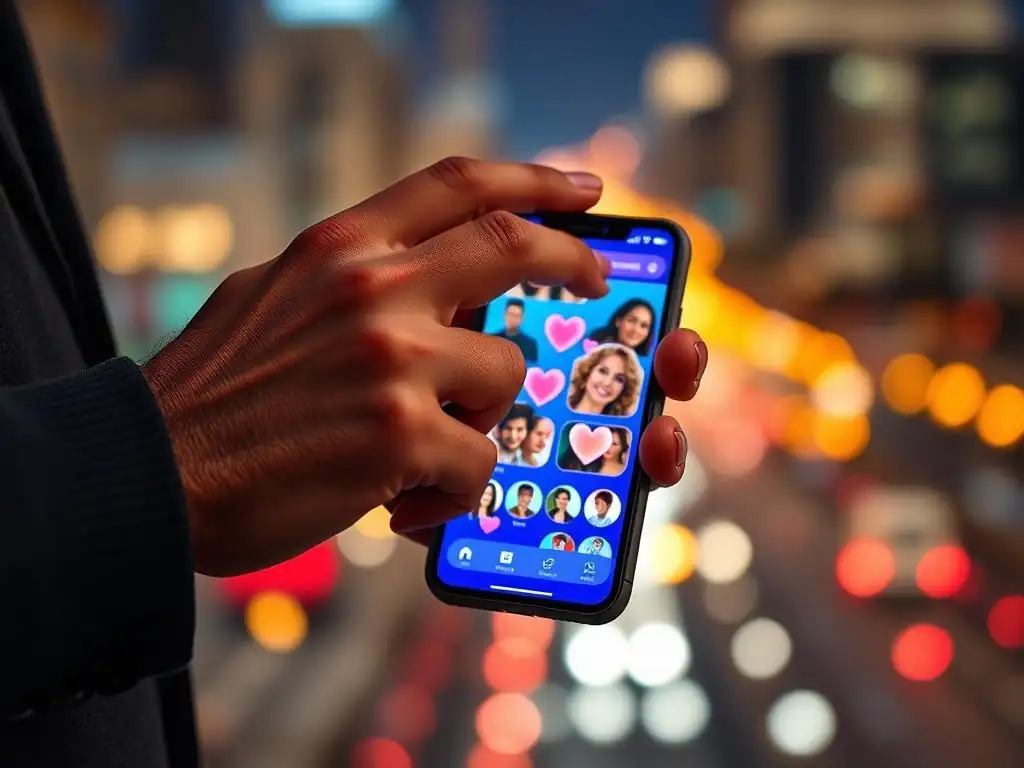
Ready to unlock the secrets to online dating success? At OnlineDatingSuccess.org, we're dedicated to helping you navigate the complexities of finding meaningful connections in the digital age. But have you ever considered the profound impact of dating apps on how we even define compatibility? This article delves into the fascinating sociological aspects of online dating, exploring the surprising ways technology shapes our search for love. Discover how understanding the dating app compatibility impact can transform your online dating experience and lead you to a more fulfilling relationship. Let's explore!
- The Shifting Sands of Compatibility: How Dating Apps Reshaped Relationship Expectations
- The Influence of Dating App Profiles on Defining Compatibility
- Beyond the Swipe: Exploring Deeper Compatibility Factors on Dating Apps
- The Dark Side: How Dating Apps Can Distort Perceptions of Compatibility
- Reclaiming Authentic Compatibility in the Age of Dating Apps
-
Frequently Asked Questions
- How do dating apps change our perception of compatibility?
- Does using dating apps make it harder to find true compatibility?
- What role does the algorithm play in perceived compatibility on dating apps?
- How can I use dating apps to improve my chances of finding someone compatible?
- Can dating apps truly identify compatible partners?
- Final Reflection: Redefining Compatibility in the Digital Age
- Uncover Your Ideal Compatibility Formula!
The Shifting Sands of Compatibility: How Dating Apps Reshaped Relationship Expectations
The digital revolution has profoundly impacted nearly every facet of modern life, and the realm of dating is no exception. The rise of dating apps has fundamentally altered how we define and pursue romantic relationships, significantly reshaping our understanding of compatibility.
This article delves into the evolving landscape of relationship expectations in the age of online dating, exploring how dating apps have influenced our perceptions of compatibility, from the initial spark of connection to the long-term sustainability of a partnership. We will examine the role of algorithms, the impact of instant judgment, and the broader cultural shift in how we approach finding a partner.
Understanding these changes is crucial for navigating the complexities of modern dating and building meaningful, lasting connections. The keyword "Dating app compatibility impact" will be explored throughout this article, highlighting the various ways in which these platforms have redefined what it means to be compatible with another person.
Traditionally, compatibility was often viewed through the lens of shared interests, values, and life goals. Finding someone with similar hobbies, religious beliefs, or career aspirations was considered a cornerstone of a successful relationship. However, the advent of dating apps has introduced a new layer of complexity. These platforms often leverage algorithms to suggest potential matches based on a complex set of data points, including age, location, lifestyle preferences, and even personality traits derived from profile information and user behavior.
This algorithmic approach to compatibility presents both advantages and disadvantages. While it can broaden the pool of potential partners beyond geographical limitations and introduce individuals who might not have otherwise crossed paths, it also risks oversimplifying the intricate nature of human connection. The emphasis shifts from organically discovering shared interests to relying on a system that prioritizes quantifiable data points, potentially overlooking crucial elements of genuine compatibility.
This raises important questions about the long-term implications of this algorithmic filtering on relationship formation and success. For example, a study [specific information pending] showed a correlation between algorithm-driven matches and shorter relationship durations. This suggests that while algorithms can initiate connections, they may not be sufficient to guarantee lasting compatibility.
The Role of Dating App Algorithms in Shaping Perceived Compatibility
Dating app algorithms are not neutral arbiters of compatibility; they actively shape our perceptions of what constitutes a "good match." These algorithms are designed to maximize user engagement, often prioritizing factors that lead to more swipes, likes, and messages, rather than necessarily fostering genuine connections. This can result in a skewed perception of compatibility, where superficial characteristics (like physical attractiveness or perceived popularity) are given undue weight.
Furthermore, the constant stream of potential partners presented by these apps can foster a sense of choice overload, making it difficult to assess potential partners thoughtfully and leading to a cycle of superficial interactions. The constant exposure to a vast array of profiles can also diminish the perceived value of individual connections, fostering a culture of instant gratification and potentially hindering the development of deeper, more meaningful relationships. The inherent biases within these algorithms – including racial, gender, and socioeconomic biases – further complicate the issue, potentially perpetuating existing inequalities in the dating landscape.
Understanding how these algorithms function and their potential biases is crucial for critically evaluating the matches they suggest and making informed decisions about who to pursue. The impact of these algorithms is profound, altering not just how we find partners, but also what we consider compatible.
Swipe Right or Swipe Left? The Impact of Instant Judgment on Relationship Compatibility
The swipe-based interface of many dating apps encourages a culture of instant judgment. Potential partners are often reduced to a series of photos and a brief bio, leading to rapid assessments based on limited information. This "swipe culture" can devalue the importance of getting to know someone deeply before making a judgment about their compatibility.
The ease with which potential partners can be dismissed with a simple swipe can also foster a sense of disposability, diminishing the significance of each interaction. This superficial approach to assessment can lead to missed connections with individuals who might have been compatible, had more time and effort been invested in understanding their personalities and values. Moreover, the pressure to make quick decisions can lead to increased anxiety and dissatisfaction, contributing to a potentially negative experience of online dating.
The impact of this instant judgment extends beyond individual experiences; it contributes to a broader societal shift, where superficiality often outweighs substance in the pursuit of romantic relationships. The development of emotional intelligence and mindful dating practices is crucial to mitigate the negative consequences of this swipe-based culture and foster more meaningful connections.
The Influence of Dating App Profiles on Defining Compatibility
Dating apps have fundamentally reshaped how we perceive and define compatibility. No longer are chance encounters the primary method of meeting potential partners; instead, we're presented with a curated selection based on algorithms and self-representation. This shift has profound implications, influencing not only our initial assessments of potential partners but also our long-term expectations of relationships.
This section will explore how dating app profiles specifically shape our understanding of compatibility, focusing on the impact of curated self-presentation, the power of visual appeal, and the limitations of concise profile information. The very concept of "dating app compatibility impact" is now a significant factor in modern relationship dynamics.
The curated self: Presenting an idealized version of oneself and its effect on compatibility
Dating app profiles are, by their nature, carefully constructed narratives. Users invest time and effort in presenting an idealized version of themselves, highlighting positive attributes while downplaying or omitting less appealing aspects. This "curated self" isn't necessarily deceitful, but it's a selective presentation designed to attract potential matches. This curated presentation influences compatibility assessments in several ways.
Firstly, it sets an unrealistic standard. Users are bombarded with seemingly perfect profiles, leading to a heightened sense of competition and potentially unrealistic expectations in real-life interactions. Secondly, the emphasis on positive attributes can lead to a superficial understanding of compatibility. We might be drawn to a profile that boasts a shared interest in hiking, overlooking potential incompatibilities in values or communication styles.
Consider this example: Two individuals both list "hiking" as a hobby. One profile showcases stunning photos of epic mountain trails, while the other features a casual photo of a local park. The first profile might attract more attention, creating a perceived higher level of compatibility based solely on the visual representation of the activity. However, the reality might be that one individual is an experienced mountaineer, while the other prefers leisurely strolls.
This discrepancy, hidden behind the curated self-presentation, can lead to disappointment and mismatched expectations down the line. The focus on creating a positive first impression on dating apps can inadvertently mask crucial aspects of personality and values. This highlights the crucial need for open and honest communication as relationships progress beyond the initial profile phase.
The Power of Images: Visual Appeal and its role in initial compatibility assessments
In the realm of online dating, the adage "a picture is worth a thousand words" holds particular weight. Images are often the first, and sometimes the only, impression a potential partner receives. Visual appeal plays a significant role in initial compatibility assessments, often overriding other factors in the decision-making process.
This emphasis on visual attraction can lead to a superficial understanding of compatibility, prioritizing physical attributes over personality and shared values. Studies have shown a strong correlation between the quality and number of photos on a dating profile and the number of matches received. This highlights the disproportionate influence of visual appeal in the early stages of online dating interactions.
The impact of image selection on perceived compatibility is substantial. A carefully curated selection of photographs— showcasing a variety of settings, activities, and styles— can project confidence, approachability, and a sense of well-roundedness. Conversely, a profile with limited or low-quality images can convey a lack of effort or disinterest, negatively impacting the perception of compatibility. Furthermore, the choice of images can inadvertently reveal personality traits.
A profile filled with selfies might suggest narcissism, while a collection of group photos could indicate a strong social network. This subtle communication through visual cues profoundly affects the initial assessment of compatibility. The algorithm itself often prioritizes profiles with high-quality images, further emphasizing the visual aspect of compatibility assessment.
The limitations of brief profiles in truly conveying compatibility
Dating app profiles, by design, are concise. The limited character count and space for self-description often necessitate brevity, which inherently limits the depth of information conveyed. This brevity can hinder the accurate assessment of compatibility. While keywords and short phrases can hint at interests and values, they often fail to capture the nuances of personality and the complexities of individual experiences. This limitation can lead to misunderstandings and mismatched expectations. The brief nature of profiles often forces users to rely on generalizations and stereotypes, further hindering the accurate assessment of true compatibility.
For instance, listing "loves traveling" doesn't convey the type of travel preferred, the frequency, or the motivations behind it. Similarly, stating "looking for a serious relationship" lacks context regarding relationship goals, expectations, and personal values. These limitations can lead to a superficial understanding of compatibility, based on limited and potentially misleading information. The inherent constraints of the platform necessitate a more proactive approach to communication once a match is established.
Moving beyond the superficial information provided in the profile requires engaging in meaningful conversations to uncover deeper levels of compatibility. This underscores the importance of open and honest communication as a crucial element in overcoming the limitations imposed by brief profile descriptions. The need to go beyond the profile's limited information is paramount in fostering genuine connections and achieving long-term compatibility.
Beyond the Swipe: Exploring Deeper Compatibility Factors on Dating Apps
Dating apps have revolutionized how we meet potential partners, but their impact extends far beyond simply expanding our dating pool. The very nature of these platforms influences how we define and assess compatibility, shifting the focus from initial attraction to a more nuanced understanding of long-term potential. This section delves into the deeper compatibility factors often overlooked in the initial swipe-based assessment. Understanding these factors is crucial for navigating the complexities of modern dating and building meaningful connections. This exploration of "dating app compatibility impact" reveals a more comprehensive view of successful relationships forged in the digital age.
Communication Styles and Their Impact on Determining Compatibility
Effective communication is the cornerstone of any successful relationship. Dating apps, while facilitating initial contact, present unique challenges to gauging communication styles. The brevity of app-based messaging can mask underlying communication preferences and patterns. For example, someone who responds quickly and concisely might be perceived as aloof or disinterested by someone who values lengthier, more expressive communication. Conversely, someone who takes time to respond might be misinterpreted as uninterested when they simply prioritize thoughtful replies.
Analyzing messaging patterns can offer valuable insight. Do they initiate conversations? Do they ask thoughtful questions, showing genuine interest in your responses? Do their messages reflect empathy and understanding? These subtle cues reveal more about their communication style than a simple "hello" or a string of emojis. Consider the quality of interaction over the quantity. A few well-crafted messages demonstrating active listening and genuine curiosity are far more revealing than a barrage of superficial exchanges.
Analyzing response time alone isn't sufficient. Consider the context. Are they busy with work or other commitments? Do they apologize for delayed responses? These factors can help you understand the why behind the communication style, fostering a more empathetic and forgiving approach to judging compatibility. The key is to look beyond surface-level interactions and assess the overall pattern and quality of communication.
While initial attraction is undeniably important, shared values and life goals are critical for long-term compatibility. Dating apps, while primarily focused on visual attraction, offer subtle clues to a potential partner's values. Profile descriptions, photos, and even the apps they use can reveal underlying priorities. For instance, someone who prominently features photos of their volunteer work suggests a commitment to social responsibility. Someone whose profile emphasizes career ambitions might prioritize professional success.
However, observing how they communicate their values is equally important. Are they boastful or humble? Do they express their values authentically, or do they appear to be trying to impress? The way individuals present themselves online reflects their personality and communication style. Look for consistency between their self-presentation and their interactions. Discrepancies might signal a lack of authenticity or a disconnect between their online persona and their true self.
Beyond stated values, pay attention to the questions they ask. Do they inquire about your long-term goals, aspirations, and beliefs? This indicates an interest in deeper compatibility and a desire to build a meaningful connection beyond superficial attraction. This active engagement in exploring shared values is a crucial indicator of long-term potential. This active exploration of shared values through thoughtful communication and insightful questions helps build a strong foundation for lasting compatibility.
Exploring Long-Term Compatibility Through Virtual Interactions
Dating apps initially focus on quick judgments based on limited information, but virtual interactions provide opportunities to delve deeper into compatibility. While video calls are becoming increasingly common, even simple text-based conversations can reveal much about a potential partner's personality and communication style. Observing how they handle disagreements or challenging topics, for example, provides valuable insights into their conflict-resolution skills and emotional intelligence.
Consider using open-ended questions to initiate deeper conversations. Instead of asking "What do you do for fun? ", try "What are you passionate about?" or "What are some experiences that have shaped your worldview?". Such questions encourage more thoughtful and revealing responses, providing a richer understanding of their values, beliefs, and life experiences.
The ability to engage in meaningful conversations, demonstrating empathy and understanding, is a strong indicator of long-term compatibility. Remember, the goal is not just to find someone attractive, but to find someone with whom you can build a lasting, fulfilling relationship. This requires careful assessment of compatibility beyond superficial factors, utilizing the tools and opportunities provided by dating apps to uncover deeper connections. These virtual interactions, while initially limited, offer a pathway to discover profound compatibility and build a strong foundation for lasting relationships.
The Dark Side: How Dating Apps Can Distort Perceptions of Compatibility

Dating apps, while offering unprecedented access to potential partners, can paradoxically distort our understanding of compatibility. The curated profiles, superficial interactions, and relentless pursuit of "the next best thing" can lead to unrealistic expectations and ultimately hinder the formation of meaningful relationships. This section explores some of the negative impacts dating apps have on our perception of compatibility, moving beyond the often-celebrated ease of connection. Understanding these downsides is crucial for navigating the online dating world successfully and fostering genuine connections.
The Illusion of Choice and its impact on relationship satisfaction
The sheer volume of profiles available on dating apps creates an illusion of endless choice. This abundance, however, can be detrimental. Research suggests that having too many options can lead to decision paralysis, making it harder to commit to any one person. Instead of focusing on building a connection with a potential partner, users may find themselves constantly comparing and contrasting, always searching for something "better."
This "maximizing" behavior – striving for the absolute best option – often results in lower satisfaction with the relationships they do form. Individuals may become less appreciative of their partners' positive qualities, focusing instead on perceived flaws or shortcomings compared to other profiles they've encountered. This constant comparison fuels dissatisfaction and can ultimately lead to relationship instability.
For example, a study by Barry Schwartz showed that participants presented with more choices experienced less satisfaction with their final decision than those with fewer options. This highlights the crucial role of managing expectations and focusing on quality over quantity when using dating apps. The key is to approach the process with intentionality, selecting a smaller pool of potential partners to interact with meaningfully, rather than passively scrolling through an endless stream of profiles.
The Pressure to "Settle" and its effect on long-term compatibility
Ironically, the abundance of choice on dating apps can also lead to the pressure to "settle." After experiencing numerous disappointments or exhausting attempts at finding "the one," some users may feel pressured to accept a relationship that falls short of their ideal. This pressure often stems from societal expectations, the fear of being alone, or simply the fatigue of the dating app process itself.
Settling, however, compromises long-term compatibility. Relationships built on compromise rather than genuine connection are often unsustainable. A lack of shared values, goals, and communication styles, which might have been readily apparent in a more deliberate approach to dating, may only surface later causing significant conflict and relationship breakdown.
For instance, a person might overlook crucial incompatibility in communication styles due to the pressure to end their app-based search, only to find themselves struggling with constant misunderstandings and conflict down the line. This underscores the importance of prioritizing personal needs and compatibility criteria, resisting the urge to settle for less than a fulfilling and mutually beneficial relationship. Remember, genuine compatibility is not about compromise but about finding someone who aligns with your core values and life aspirations.
The impact of ghosting and other negative app behaviors on compatibility assessments
Dating apps have unfortunately fostered a culture of negativity, characterized by behaviors like ghosting (suddenly ceasing communication without explanation), breadcrumbing (sending intermittent messages to keep someone interested without commitment), and benching (keeping someone as a backup option). These behaviors significantly impact our ability to accurately assess compatibility. The lack of closure and transparency makes it difficult to learn from past experiences and refine our dating strategies.
Moreover, the emotional toll of these experiences can lead to cynicism and distrust, making it harder to form genuine connections in the future. For example, someone repeatedly ghosted may develop a fear of intimacy or become overly cautious in their approach to new relationships, hindering their ability to build trust and assess potential partners effectively. This highlights the need for self-awareness and emotional resilience when using dating apps.
It's important to recognize and address any emotional baggage stemming from past negative experiences, focusing on building healthy relationship patterns and prioritizing respectful communication. The ability to recognize red flags and set healthy boundaries is crucial for navigating the dating app landscape successfully and fostering compatible and fulfilling relationships.
Reclaiming Authentic Compatibility in the Age of Dating Apps
Dating apps have undeniably revolutionized how we meet romantic partners, but their impact on our understanding of compatibility is a double-edged sword. While they offer unprecedented access to potential matches, they also contribute to a culture of superficiality, prioritizing quick judgments based on limited information like photos and brief bios. This section explores strategies to navigate this landscape and rediscover the meaning of genuine compatibility.
The rise of "swipe culture" has inadvertently altered our perception of what constitutes a suitable partner, often leading to a focus on immediate attraction rather than deeper connection. Understanding this shift is crucial to reclaiming authentic compatibility in the digital age. The key lies in moving beyond superficial assessments and embracing a more nuanced approach to finding a truly compatible partner.
This requires conscious effort and a willingness to prioritize genuine connection over fleeting attraction. The following sections will delve deeper into practical strategies for achieving this goal.
Navigating the world of dating apps effectively requires a strategic approach that prioritizes meaningful connections over superficial swipes. One effective technique is to craft a profile that accurately reflects your personality, values, and interests. Avoid generic descriptions; instead, showcase your unique qualities. For example, instead of writing "I love to travel," you could say, "My last backpacking trip through Southeast Asia ignited my passion for exploring ancient temples and vibrant local cultures." This level of detail attracts individuals who share similar interests and values, increasing the likelihood of genuine compatibility.
Furthermore, engage actively with potential matches. Don't simply rely on generic "hey" messages. Instead, refer to something specific from their profile that resonates with you. This shows genuine interest and initiates a more meaningful conversation. Remember, the goal is not to amass a large number of matches, but to cultivate a few promising connections. Quality over quantity is paramount when seeking genuine compatibility on dating apps. Consider the following table as a helpful guide:
| Strategy | Description | Impact on Compatibility |
|---|---|---|
| Detailed Profile | Showcase your unique personality and interests. | Attracts individuals with shared values and interests, increasing the chance of genuine connection. |
| Meaningful First Messages | Go beyond generic greetings; reference specific details from their profile. | Initiates deeper conversations and fosters genuine interest. |
| Quality over Quantity | Focus on cultivating a few promising connections rather than accumulating many superficial matches. | Increases the likelihood of finding a truly compatible partner. |
| Open and Honest Communication | Be upfront about your expectations and intentions. | Builds trust and promotes healthy relationship development. |
Prioritizing meaningful connections over superficial matches
The allure of instant gratification offered by dating apps can easily lead to a focus on superficial qualities like physical appearance. However, lasting compatibility hinges on far more than just initial attraction. Prioritizing meaningful connections requires a shift in mindset. Instead of focusing solely on the number of matches or the speed of responses, focus on the quality of interactions. Engage in conversations that delve deeper than surface-level pleasantries. Ask thoughtful questions, actively listen to their responses, and share your own experiences authentically. This fosters a genuine connection, allowing you to assess compatibility beyond the initial visual impression.
Consider this: a fleeting attraction might lead to a short-lived romance, but a shared value system, common goals, and mutual respect form the bedrock of a lasting, fulfilling relationship. Remember that compatibility isn't just about shared interests; it's also about understanding and accepting each other's differences. This understanding is only possible through meaningful interactions that go beyond the superficial. The key is to prioritize conversations that uncover shared values, life goals, and communication styles, all critical components of lasting compatibility. Don't be afraid to be yourself; authenticity is crucial in building genuine connections.
The Importance of Self-Reflection in Defining and Achieving Relationship Compatibility
Before you embark on your dating app journey, or even if you're already actively using one, taking the time for self-reflection is crucial. Understanding your own values, needs, and relationship goals is paramount to identifying a compatible partner. What are your non-negotiables? What kind of relationship are you seeking? What are your strengths and weaknesses in a relationship? Honest answers to these questions will guide your interactions and help you discern genuine compatibility from fleeting attraction.
This self-awareness will also help you avoid settling for less than you deserve. Knowing what you want allows you to identify red flags early on and avoid wasting time on incompatible matches. It empowers you to make conscious choices that align with your vision for a fulfilling relationship. Furthermore, self-reflection helps you to identify potential areas for personal growth that might enhance your relationships.
Perhaps you need to improve your communication skills or learn to better express your needs. This process of self-discovery is ongoing, and it is essential for building healthy and lasting relationships. The journey to finding compatibility begins with understanding yourself.
Frequently Asked Questions
How do dating apps change our perception of compatibility?
Dating apps often prioritize visual attraction and superficial information initially, potentially leading to a skewed perception of compatibility based on limited data. This can mean focusing on quick matches instead of deeper connections.
Does using dating apps make it harder to find true compatibility?
Not necessarily. While the initial process can be superficial, dating apps offer access to a wider pool of potential partners. Careful profile creation and thoughtful communication can still lead to meaningful connections and compatible relationships.
What role does the algorithm play in perceived compatibility on dating apps?
Dating app algorithms influence who you see and interact with, potentially limiting exposure to individuals who might be highly compatible but aren't initially suggested. Understanding how these algorithms work can help you broaden your search.
How can I use dating apps to improve my chances of finding someone compatible?
Focus on creating an authentic profile that reflects your true self. Engage in meaningful conversations, go beyond superficial exchanges, and be open to different types of compatibility beyond initial attraction.
Can dating apps truly identify compatible partners?
Dating apps provide tools to connect with potential partners, but they cannot definitively determine compatibility. Ultimately, genuine connection and shared values are crucial for building a lasting, compatible relationship. The apps are a tool, not a guarantee.
Final Reflection: Redefining Compatibility in the Digital Age
The way we find partners has fundamentally shifted, and dating apps are at the heart of this revolution. The ease of access to a vast pool of potential partners, while offering exciting possibilities, has also complicated our understanding of compatibility, forcing us to re-evaluate what truly matters in a relationship. This shift demands a critical examination of our expectations and a conscious effort to navigate the complexities of modern romance.
The impact of dating apps extends far beyond the swipe of a finger; it's reshaping our cultural understanding of relationships and the very definition of "the one." We're constantly bombarded with curated profiles, often leading to a focus on superficial attributes over deeper connections. This superficiality can lead to a cycle of dissatisfaction, as we chase idealized images rather than genuine compatibility. The problem isn't that we're looking for love in all the wrong places; it's that we're looking for the wrong kind of love in too many places.
This quote highlights the need to move beyond the superficial and focus on building authentic connections.
Consider the lessons learned throughout this article. Reflect on your own experiences with dating apps, and ask yourself: Are you prioritizing superficial qualities over genuine connection? Are you allowing the abundance of choice to hinder your ability to form meaningful relationships? Take the time to define your own values and priorities in a partner, and let that guide your interactions, both online and offline. Don't let the algorithm dictate your destiny; actively shape your own path towards meaningful connection.
Uncover Your Ideal Compatibility Formula!
Thank you for exploring the fascinating world of dating app compatibility! You've gained valuable insights into how these platforms influence our perceptions of connection. Ready to apply this knowledge?
- Reimagine your dating profile: Craft a profile that authentically reflects who you are, highlighting your values and aspirations. This is your opportunity to attract compatible partners.
- Swipe mindfully: Instead of focusing solely on photos, actively read profile descriptions and consider what they reveal about potential compatibility. Reflect on what truly resonates with you.
- Share your discoveries: Join the conversation in the comments below! What surprising insights have you gained about compatibility? Let's learn from each other's experiences.
What aspect of compatibility will you prioritize in your next dating app interaction?