
How Online Dating Reshapes Traditional Courtship Rituals


Welcome to OnlineDatingSuccess.org, your guide to navigating the exciting, yet often complex, world of online dating. Are you curious about how online interactions are transforming the very fabric of courtship? Our main article, "Online Dating Reshapes Courtship Rituals," delves into the fascinating sociological aspects of modern romance, exploring how technology is redefining connection and reshaping expectations. Discover practical strategies to craft a compelling profile, communicate effectively, and ultimately, build meaningful relationships in the digital age. Let's explore this new landscape of love together!
- The Evolution of Courtship: From Traditional to Digital
- Online Dating's Impact on Modern Courtship Rituals
- Redefining Intimacy and Relationship Development in the Digital Age
- Challenges and Concerns: The Dark Side of Online Courtship
- Online Dating and the Future of Courtship: New Trends and Predictions
-
Frequently Asked Questions
- How has online dating changed the traditional courtship process?
- Does online dating eliminate the importance of traditional dating etiquette?
- What are the biggest risks associated with online dating, and how can I mitigate them?
- How can online dating help me find a meaningful relationship?
- Can online dating truly lead to long-term commitment and marriage?
- Final Reflection: Redefining Romance in the Digital Age
- Unleash Your Modern Romance Potential
The Evolution of Courtship: From Traditional to Digital
Online dating has undeniably reshaped the landscape of modern relationships, profoundly altering the established rituals of courtship. This shift, from chance encounters and carefully orchestrated introductions to algorithmic matches and instant messaging, presents both exciting opportunities and unique challenges for individuals seeking meaningful connections. This article will explore how online dating has transformed traditional courtship, examining the key differences between the old and new paradigms, and considering the broader societal implications of this digital revolution in romance.
We'll delve into the specific ways online platforms have impacted everything from initial contact and communication to the development of intimacy and the eventual transition to a committed relationship. Understanding these changes is crucial for navigating the complexities of modern dating and maximizing the chances of finding a fulfilling partnership in the digital age.
The impact extends beyond individual experiences, influencing societal norms and expectations surrounding relationships and the search for love. Let's examine this fascinating evolution.
The Traditional Courtship Paradigm: A Look Back at Established Norms
Traditional courtship, often romanticized in literature and film, involved a structured and often formalized process. It typically began with an introduction, often facilitated by family or mutual acquaintances. Initial interactions were carefully managed, with a focus on public appearances and chaperoned meetings. Communication was often indirect, relying on letters, phone calls, or carefully chosen words during limited face-to-face encounters.
The progression of the relationship was gradual, with each stage representing a significant milestone: from initial acquaintance to dating, courtship, engagement, and finally marriage. This structured approach emphasized respect, propriety, and a slow build-up of intimacy. The extended period of courtship allowed for a thorough assessment of compatibility and a more deliberate commitment.
There was a strong emphasis on community involvement. Families played a significant role in the process, vetting potential partners and ensuring compatibility with family values. This system, while sometimes restrictive, provided a framework of support and guidance, minimizing uncertainty and promoting stability. The emphasis on prolonged interactions allowed for a deeper understanding of character and values, mitigating the risks of hasty decisions. However, this traditional model also presented limitations, particularly for individuals who lacked access to suitable introductions or faced societal constraints based on factors like class, race, or religion.
The Rise of Online Dating: A Paradigm Shift in Courtship
The advent of online dating platforms has fundamentally altered the courtship process, introducing a level of efficiency and accessibility previously unimaginable. Instead of relying on chance encounters or limited social circles, individuals can now connect with a vast pool of potential partners based on shared interests, values, or physical preferences.
This increased access has democratized the dating landscape, offering opportunities to individuals who may have struggled to find suitable partners through traditional methods. The immediacy of online communication allows for rapid initial connection, with instant messaging and video calls replacing the slow, deliberate pace of letter writing and formal dates.
However, this speed also presents challenges. The ease of connecting with numerous individuals can lead to superficial interactions and a sense of being overwhelmed by choice. The lack of face-to-face interaction in the early stages can hinder the development of genuine intimacy and increase the risk of misinterpretations.
Furthermore, the anonymity afforded by online platforms can lead to safety concerns, requiring users to be vigilant about protecting their personal information and maintaining a healthy level of skepticism. The rise of online dating has also raised questions about the nature of commitment and the role of long-term relationships in a society where options seem limitless.
The shift towards digital interaction necessitates a reassessment of traditional courtship rituals and the development of new strategies for building meaningful connections in the online world. The sheer volume of potential partners, while offering increased choice, also presents a unique set of challenges that require careful consideration and a nuanced approach.
Online Dating's Impact on Modern Courtship Rituals

This section explores how online dating platforms have fundamentally altered traditional courtship rituals, accelerating certain stages and introducing entirely new dynamics into the process of finding a partner. The shift from chance encounters and indirect introductions to targeted searches and immediate communication has profoundly impacted how we initiate and develop romantic relationships. Understanding these changes is crucial for navigating the modern dating landscape successfully. The evolution of courtship rituals reflects broader societal changes in communication technology and relationship expectations.
The Speed Dating Phenomenon: Instantaneous Connections and First Impressions
Speed dating, a direct product of the online dating revolution, exemplifies the accelerated nature of modern courtship. Traditional courtship often involved extended periods of indirect interaction, allowing for gradual relationship development. Speed dating, however, condenses this process into short, highly focused interactions. Participants have mere minutes to assess compatibility, make a connection, and decide whether to pursue a relationship further. This compressed timeframe necessitates efficient communication and sharp judgment skills.
The emphasis on first impressions in speed dating is significantly higher than in traditional courtship. Body language, verbal communication, and even subtle cues become crucial in conveying personality and establishing an initial connection. Studies show that initial attraction in speed dating frequently hinges on factors like physical appearance and perceived confidence, potentially overshadowing deeper compatibility assessments that might emerge over time in more traditional settings.
The high-pressure environment can lead to heightened anxiety and potentially inaccurate judgments, highlighting the importance of self-awareness and effective communication strategies. Successfully navigating speed dating requires a mindful approach, balancing the need for quick assessment with authentic self-presentation.
Initial Contact and Communication: From Letters to Instant Messaging
The advent of online dating has dramatically altered the initial stages of courtship. Before the digital age, initial contact often involved indirect methods, such as introductions through mutual friends or chance encounters. Letters played a significant role, allowing for carefully crafted communication and a more deliberate pace of relationship building. The process was often slower, allowing individuals to develop a sense of connection over time through written communication.
Online dating, however, allows for almost instantaneous initial contact. Messaging apps and in-app communication features enable individuals to connect and exchange information rapidly. This immediacy can be both beneficial and detrimental. While it accelerates the initial connection phase, it also reduces the opportunity for thoughtful consideration and potentially leads to superficial judgments based on limited information. The transition from carefully crafted letters to quick messages has changed the dynamics of early-stage courtship, demanding a new level of communication proficiency and emotional intelligence. The ability to convey genuine interest and personality within concise messages is paramount in this new environment.
The Role of Online Profiles: Presenting the "Ideal Self"
Online dating profiles have fundamentally reshaped the way individuals present themselves during the initial stages of courtship. Unlike traditional courtship, where first impressions were largely shaped by in-person interactions, online profiles act as a curated representation of the self. Individuals invest considerable time and effort in crafting profiles that showcase their most desirable attributes, often leading to a presentation of an "ideal self" rather than a completely authentic portrayal. This curated self-presentation can be a double-edged sword.
While a well-crafted profile can attract potential partners, it can also create unrealistic expectations and contribute to disappointment if the online persona doesn't align with the individual's real-life personality. The emphasis on visual appeal in online profiles, particularly through photographs, often leads to a prioritization of physical attractiveness over other qualities. This can contribute to superficial judgments and hinder the development of meaningful connections.
Navigating this aspect of online dating successfully requires a balanced approach: presenting oneself authentically while still highlighting one's best qualities. Transparency and honest self-representation are key to building genuine connections in the long run. The ability to discern authenticity in online profiles becomes a crucial skill in the modern courtship landscape.
Online dating has fundamentally altered the initial stages of courtship, replacing chance encounters and traditional introductions with virtual interactions. The rise of video calls and messaging apps means that "first encounters" often happen long before a physical meeting. This shift presents both opportunities and challenges.
For instance, the ability to screen potential partners through messaging allows for a more deliberate approach to dating, reducing the time and emotional investment wasted on incompatible matches. This digital pre-screening can lead to more meaningful connections from the outset, as individuals can gauge compatibility based on shared values, interests, and communication styles before investing time in a face-to-face date.
However, this virtual prelude also introduces complexities. The absence of nonverbal cues, like body language and tone of voice, can lead to misinterpretations and misunderstandings. A seemingly innocuous text message can be perceived differently than intended, creating friction before a relationship even begins. Furthermore, the curated nature of online profiles can lead to unrealistic expectations. People tend to present their best selves online, which can lead to disappointment when the reality of a first in-person meeting doesn't quite match the idealized online persona.
Successfully navigating this digital landscape requires clear communication, a willingness to be vulnerable and authentic, and a healthy dose of patience. Managing expectations and understanding the limitations of virtual interactions is crucial for establishing genuine connections in the digital age. It's important to remember that online profiles are snapshots, not the whole picture. The true test of compatibility lies in real-world interactions.
The transition from virtual to in-person dates also requires careful consideration. Many daters find the shift from the comfort of their own homes to the potential awkwardness of a first date nerve-wracking. However, with a well-planned and thoughtful approach, this transition can be smooth and even exciting. Choosing a safe and public location for a first date is paramount, and open and honest communication about expectations and boundaries is key to a positive experience.
The initial virtual interactions should ideally pave the way for a comfortable and natural progression into a face-to-face meeting. Remember, the goal is to build a genuine connection, and that starts with a foundation of trust and mutual respect, whether virtual or in-person. The digital landscape offers a unique set of tools for navigating courtship, but the core principles of respect and authentic connection remain paramount.
Redefining Intimacy and Relationship Development in the Digital Age
Online dating has undeniably reshaped the traditional courtship rituals, accelerating the pace of relationship development and altering how intimacy is established. Gone are the days of prolonged periods of courtship, often spanning months or even years, before physical intimacy. Online dating platforms, by their very nature, often encourage faster-paced interactions. This isn't necessarily negative; for some, it's a reflection of modern life’s fast pace and a desire for efficiency. However, it’s crucial to understand the implications of this rapid progression.
The Accelerated Pace of Modern Relationships: Faster Connections, Quicker Decisions
The immediacy of online dating fosters a sense of urgency. Profiles are scrutinized, messages are exchanged, and dates are scheduled within a remarkably short timeframe. This can lead to quicker decisions about compatibility and relationship progression.
While this speed can be advantageous for those seeking quick connections, it also carries the risk of overlooking subtle cues and deeper compatibility issues that might emerge over a longer period of courtship. For example, a study by [Specific information pending - Source on speed of online dating relationships and consequences] indicated that couples who progressed rapidly through the online dating process were more likely to experience [Specific information pending - e.g., relationship dissatisfaction, early breakups]. This emphasizes the importance of mindful communication and careful consideration before making significant relationship commitments.
Maintaining Authenticity in a Digital World: Balancing Online and Offline Interactions
The curated nature of online dating profiles presents a challenge to authenticity. Users often present idealized versions of themselves, highlighting their positive attributes while downplaying or omitting less flattering aspects. While some level of self-presentation is natural, striking a balance between online portrayal and offline reality is crucial for building trust and fostering genuine connections. The key lies in transparent communication.
Openly discussing expectations and preferences, both online and offline, helps establish a foundation of honesty and mutual understanding. This is vital for long-term success, as discrepancies between online and offline personas can lead to disillusionment and relationship breakdown. For instance, a mismatch in personality revealed after several dates might lead to disappointment. The ability to have open, honest conversations about these differences is key to navigating this challenge effectively.
Online dating has significantly impacted long-distance relationships, both positively and negatively. While geographical distance once presented a significant barrier to relationship formation, online communication tools—video calls, instant messaging, and social media—have bridged these gaps. Couples can maintain regular contact, share experiences, and nurture their connections despite physical separation.
However, reliance solely on digital communication can also lead to challenges. The lack of physical intimacy and in-person interaction can strain relationships, leading to feelings of isolation and disconnect. Effective communication strategies are essential for overcoming these hurdles.
Scheduling regular video calls, planning virtual dates, and making an effort to bridge the physical distance through occasional visits are vital for maintaining intimacy and preventing feelings of detachment. Moreover, understanding each other's schedules and communication styles is crucial for avoiding misunderstandings and fostering a strong connection despite the distance. The ability to effectively communicate empathy and understanding across geographical boundaries is key to the success of long-distance relationships fostered through online dating.
Challenges and Concerns: The Dark Side of Online Courtship
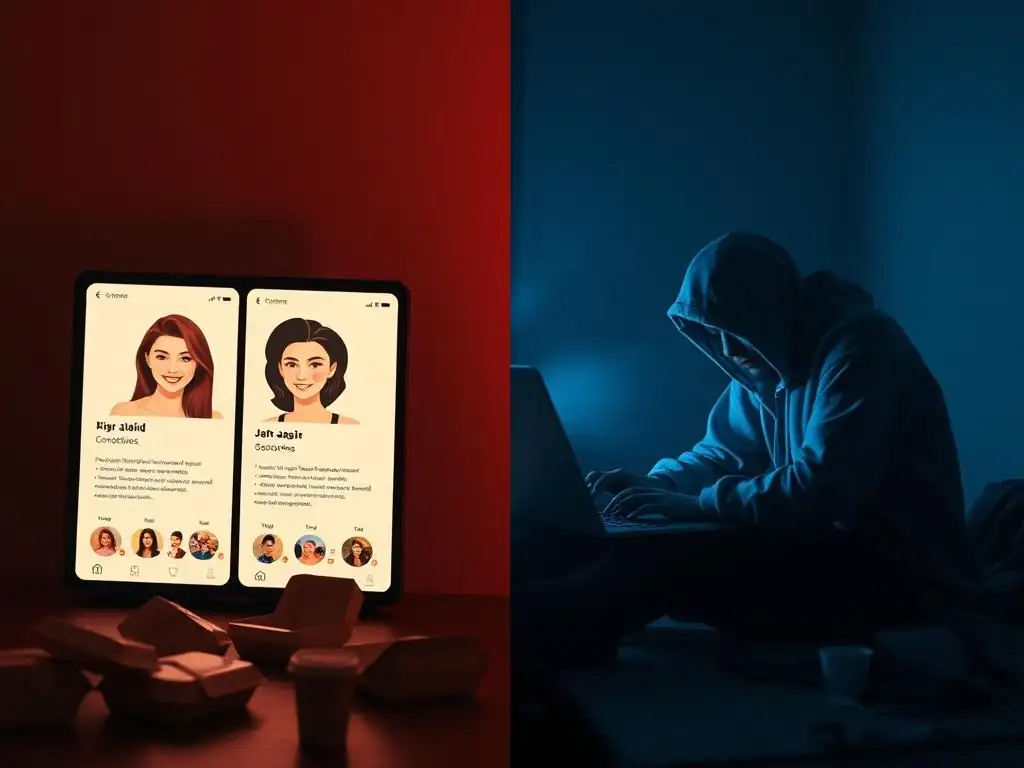
Online dating, while offering unprecedented opportunities for connection, also presents a unique set of challenges that reshape traditional courtship rituals in sometimes unsettling ways. The ease of connection, while a boon, also introduces complexities absent in more traditional dating scenarios. Navigating these challenges requires awareness, caution, and a realistic understanding of the platform's limitations. This section explores some of the darker aspects of online courtship, aiming to equip users with the knowledge to mitigate potential risks and foster healthier online interactions.
Safety and Security: Protecting Yourself in the Online Dating World
Safety should be paramount when engaging in online dating. The anonymity afforded by the internet can unfortunately attract individuals with malicious intent. Protecting your personal information is crucial. Avoid sharing sensitive details like your full address, workplace, or financial information until you've established a significant level of trust with someone you've met online.
Always meet in a public place for initial dates, and inform a friend or family member of your plans, including the person's name and where you'll be meeting. Regularly review the privacy settings of your dating profile and be wary of unsolicited links or requests for personal information. Remember, if something feels off, trust your instincts and don't hesitate to end contact.
Consider utilizing features provided by the dating platform itself, such as blocking or reporting mechanisms, to help maintain a safe online experience. Proactive safety measures are essential for a positive and secure online dating journey. A significant percentage of online daters, according to [specific information pending on percentage of online daters experiencing safety concerns], report experiencing some form of safety concern, highlighting the importance of these precautions.
The Issue of Catfishing and Misrepresentation: Maintaining Authenticity
Catfishing, the act of creating a false online persona to deceive others, is a significant concern in the world of online dating. Individuals may use fake photos, fabricate details about their lives, or misrepresent their intentions. While completely eliminating the risk of catfishing is impossible, there are steps you can take to minimize your vulnerability. Pay close attention to inconsistencies in a person's profile or story.
Conduct reverse image searches on photos to verify their authenticity. Engage in video calls early in the communication process to confirm their identity and appearance. Be wary of individuals who are overly secretive or avoid direct questions about their lives.
Remember, genuine connections are built on trust and transparency. Building trust takes time, and rushing into a relationship based on a limited online presence can increase the risk of falling victim to catfishing. The prevalence of catfishing underscores the importance of due diligence and healthy skepticism in online interactions.
Dealing with Rejection and Ghosting: Managing Expectations in Online Dating
Rejection and ghosting (the sudden cessation of communication without explanation) are unfortunately common experiences in online dating. The ease with which one can disconnect in the digital realm can lead to a higher incidence of these behaviors compared to traditional dating. Developing resilience and managing expectations is crucial for navigating these challenges. Remember that rejection is a normal part of the dating process, regardless of the platform used.
It doesn't necessarily reflect your worth or desirability. Focus on self-care and maintain a positive self-image. Avoid taking rejection personally and instead view it as an opportunity to learn and grow. While ghosting is hurtful and disrespectful, try not to dwell on it.
Accept that you cannot control the actions of others. Instead, focus on engaging with individuals who demonstrate genuine interest and respect. Online dating reshapes courtship rituals, but it doesn't diminish the importance of self-respect and healthy communication. Adapting to the unique challenges presented by online dating, including the possibility of rejection and ghosting, is key to a more successful and fulfilling experience.
Online Dating and the Future of Courtship: New Trends and Predictions

Online dating has undeniably revolutionized courtship, moving away from traditional methods and introducing novel approaches to finding partners. Understanding these shifts is crucial to navigating the modern dating landscape successfully. This section explores emerging trends and makes predictions about the future of courtship in the digital age, specifically focusing on how online dating will continue to reshape traditional rituals. We'll delve into the technological advancements, evolving social dynamics, and long-term consequences of this digital transformation. The keyword "online dating reshape courtship rituals" and its semantic variations are strategically woven throughout the analysis to enhance SEO.
The Integration of AI and Matching Algorithms: Personalizing the Dating Experience
Artificial intelligence (AI) is rapidly transforming online dating, moving beyond basic matching criteria. Sophisticated algorithms now analyze user profiles, communication styles, and even social media activity to predict compatibility with unprecedented accuracy. This level of personalization aims to reduce the time and effort spent on unsuccessful matches, ultimately streamlining the dating process.
For example, some platforms use AI to suggest optimal times to send messages based on user engagement patterns, maximizing the chances of a response. The future likely holds even more personalized experiences, potentially including AI-powered virtual assistants that help users craft compelling profiles, navigate conversations, and even schedule dates. This increased personalization could lead to more meaningful connections, but also raises concerns about data privacy and algorithmic bias.
We need more research to fully understand the long-term impact of AI-driven personalization on the authenticity of relationships formed through online dating. The integration of AI will continue to reshape courtship by filtering potential partners based on highly specific preferences, leading to a more efficient, yet potentially less spontaneous, approach to finding love.
Social media plays a pivotal role in modern courtship, significantly impacting how individuals present themselves and interact with potential partners. Platforms like Instagram, TikTok, and Facebook serve not just as social spaces, but also as digital dating profiles. Users curate their online personas, showcasing aspects of their lives they deem attractive to potential partners.
This curated self-presentation, however, can lead to unrealistic expectations and contribute to a culture of performative authenticity. The casual nature of social media interactions also blurs the lines between friendship and romantic interest, making it challenging to discern genuine connections from fleeting online engagements. Furthermore, the visibility of relationships on social media platforms can influence courtship dynamics, impacting how couples navigate their relationships publicly and privately.
The future will likely see further integration of social media and online dating, with platforms potentially incorporating more sophisticated verification measures to mitigate issues of catfishing and fake profiles. This interplay between online dating and social media will continue to reshape courtship rituals, demanding a nuanced understanding of online presentation and digital etiquette. The way we present ourselves online is integral to how we are perceived and how relationships are initiated and cultivated.
The Long-Term Effects of Online Dating on Relationships and Marriage
The long-term effects of online dating on relationships and marriage are still unfolding, but initial research suggests a complex picture. Some studies suggest that couples who meet online have similar divorce rates to those who meet offline, challenging the notion that online relationships are inherently weaker. However, other research highlights the potential for increased relationship satisfaction among couples who find each other through shared interests and values facilitated by online dating platforms.
The ease of finding partners online may also lead to a higher frequency of relationship formation and dissolution, potentially impacting the overall stability of long-term commitments. The increased accessibility of dating apps could also affect the traditional courtship process by potentially reducing the importance of social circles and family introductions in finding partners. Long-term studies are needed to fully understand the lasting effects of online dating on relationship dynamics, marital stability, and the broader social fabric.
The evolving nature of relationships fostered through online dating will continue to reshape courtship rituals and the very definition of courtship itself. Further research is crucial to fully understand the long-term impact on relationship satisfaction, commitment, and societal views on marriage.
Frequently Asked Questions
How has online dating changed the traditional courtship process?
Online dating has fundamentally altered courtship by removing geographical limitations and introducing new stages of interaction. It allows for initial screening and connection before in-person meetings, accelerating or decelerating the traditional timeline.
Does online dating eliminate the importance of traditional dating etiquette?
While some aspects of traditional etiquette (e.g., opening doors) might be less relevant initially, respectful communication and consideration for others' feelings remain crucial online and offline. Good manners are always appreciated.
What are the biggest risks associated with online dating, and how can I mitigate them?
Risks include catfishing, stalking, and unsafe in-person meetings. Mitigation involves thorough profile vetting, slow and cautious communication, and meeting in public places for initial dates.
How can online dating help me find a meaningful relationship?
Online dating provides access to a wider pool of potential partners, allowing you to connect with individuals who share your values and interests. Authenticity and clear communication are key to building meaningful connections.
Can online dating truly lead to long-term commitment and marriage?
Yes, many successful long-term relationships and marriages begin online. The key is to approach online dating with realistic expectations, prioritize genuine connection, and invest time and effort in building a strong relationship.
Final Reflection: Redefining Romance in the Digital Age
The rise of online dating has irrevocably altered the landscape of courtship, challenging traditional norms and creating a new paradigm for romantic connection. This shift, far from being a fleeting trend, represents a fundamental change in how we meet, interact, and build relationships, impacting everything from initial attraction to long-term commitment. The speed and scale of online interactions necessitate a re-evaluation of established courtship rituals, forcing us to adapt and redefine what it means to pursue love in the 21st century.
The impact of online dating extends far beyond the realm of personal relationships; it reflects broader societal changes in communication, technology, and our expectations of intimacy. The ease of access to potential partners, while offering exciting possibilities, also presents unique challenges. Navigating the complexities of online profiles, managing expectations in a virtual space, and translating digital connections into real-world relationships requires a nuanced understanding of both the opportunities and pitfalls. The greatest love stories are those that begin unexpectedly.
This sentiment, while timeless, now finds itself reframed within the context of algorithms and swiping, prompting us to consider how serendipity and intentionality coexist in the digital age.
Consider the ways in which online dating has shaped your own experiences with romance. Have you found it liberating or overwhelming? How has it influenced your understanding of courtship and commitment? I urge you to reflect on these questions, not to judge the "right" or "wrong" way to find love, but to understand how technology is shaping our most fundamental human desires and interactions. Embrace the evolving landscape of romance, learn from its challenges, and actively shape your own path towards meaningful connection.
Unleash Your Modern Romance Potential
Thank you for exploring how online dating is transforming the way we connect! You've gained valuable insights into navigating this new world of courtship. Now, it's time to put that knowledge into practice.
- Craft a compelling dating profile: Use what you've learned to create a profile that authentically reflects the best version of yourself. This is your opportunity to attract meaningful connections.
- Share your experiences: What's been your most successful (or surprisingly unsuccessful) online dating strategy? Let's discuss your experiences in the comments below!
- Challenge a common misconception: Identify a widely held belief about online dating that you now question, and share your reasons in the comments.
Ready to rewrite your love story? What's the one thing you'll do differently in your approach to online dating today?