



The Best Global Dating Apps: Find the Perfect Platform for You
🤔 Navigating the world of online dating? Our expert best global dating app reviews help you choose the perfect platform, ensuring a…
Read article

Online dating has transformed how we connect, reshaping romance, identity, and social norms across the globe. This category explores the sociological aspects of online dating—from its historical evolution and cultural impact to the science of attraction and shifting demographics. Discover how digital platforms influence mental health, ethical boundaries, and future relationship structures, while gaining practical insights for building authentic, meaningful connections in a tech-driven world. Whether you’re navigating first messages or long-term compatibility, understand the societal forces at play and stay ahead of dating trends for more successful, mindful interactions.
🤔 Navigating the world of online dating? Our expert best global dating app reviews help you choose the perfect platform, ensuring a…
Read article
🤔 Navigate the complexities of online dating ethically. This article explores practical strategies for fostering a safer, more respectful online dating experience,…
Read article
🤔Unlock online dating success! Mastering online dating demographics is key. This article provides actionable tips to optimize your profile, messaging, and safety,…
Read article
😊 Online dating disappointment recovery starts now. This article empowers you to transform frustrating experiences into valuable lessons, building resilience and attracting…
Read article
🤔 Navigating online dating's emotional rollercoaster? Our guide offers essential online dating mental wellbeing tips to protect your peace of mind while…
Read article
🤔 Make a stellar first impression! Your online dating success hinges on your profile. Learn how to choose the best online dating…
Read article
🤔 Unlock the secrets to online dating lasting relationships! This article reveals the science behind forging genuine connections, offering practical strategies for…
Read article
🤔 Navigate the complexities of modern romance! Our guide explores the crucial online dating mental health balance, offering practical strategies to manage…
Read article
🤔 Online dating honesty builds trust: Authenticity in your profile and communication attracts genuine connections, fostering safer, more meaningful relationships. Transparency about…
Read article
😊 Craft a captivating online dating profile using the science of humor! Learn how witty wordplay and clever observations, illustrated with online…
Read article
😊 Boost your online dating success and self-esteem! This article reveals how technology, used mindfully, can enhance your self-love and personal growth,…
Read article
🤔 Explore how intercultural dating platforms are revolutionizing romance. This article unveils the impact on cross-cultural connections, offering insights for achieving intercultural…
Read articleExplore how digital romance reshapes human connection, from historical roots to global shifts in courtship. This category examines the social structures, cultural norms, and psychological drivers behind online dating, offering evidence-based insights for users seeking meaningful relationships on OnlineDatingSuccess.org.
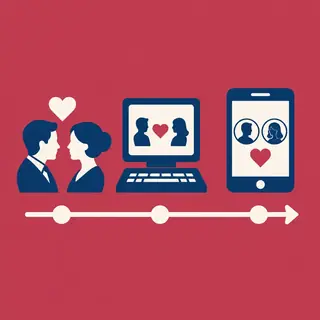
From 1965’s Harvard matching project to 1995’s Match.com and today’s algorithm-driven apps, online dating has evolved from a stigmatized niche to a mainstream norm. Understanding this timeline helps users appreciate why current platforms prioritize swipes and short bios, and how early pen-pal systems shaped modern communication expectations. Expect key milestones, including the rise of mobile dating and the post-2020 video-date boom.
Dating cultures vary wildly—Japan’s “konkatsu” events, Scandinavia’s gender-equal apps, and South Asia’s family-inclusive platforms. This section breaks down regional preferences for privacy, marriage intent, and casual dating, plus adoption rates across continents. You’ll learn how cultural taboos fade with smartphone penetration, and what global patterns predict for your own profile’s reach and matching success.
Attraction online isn’t random—it’s driven by photo choice, text tone, and similarity heuristics. Research shows that symmetry, smiling, and color contrast boost first impressions, while profile wording affects perceived warmth and intelligence. Expect insights into how “likes” trigger dopamine, how scarcity messaging impacts interest, and why over-wording profiles reduces appeal. Use these findings to optimize your photos and bio.
Online dating has altered marriage rates, interracial partnerships, and even urban migration patterns. This subcategory explores how apps commodify romance, shift courtship rituals from public spaces to private screens, and normalize serial monogamy and “situationships”. You’ll also see how media portrayals influence user expectations, and how digital dating has reduced stigma around divorce and singlehood worldwide.
Age, income, education, and geography dramatically shape who you match with and how you’re perceived. For example, women over 40 face steeper competition, while younger urban users diversify across niches. This section provides data on user ratios, LGBTQ+ representation, and rural vs. urban access barriers. Understanding demographic patterns helps you choose the right platform and set realistic expectations.
Catfishing, ghosting, and data misuse are pressing moral issues. Ethical dating requires transparency in photos, honesty about intentions, and consent in messaging. Explore debates around algorithm manipulation, paid “boosts,” and the ethics of AI-generated bios. Expect practical guidelines on rejecting deceptive profiles, respecting boundaries, and protecting your own data while still being authentic.
Swiping fatigue, rejection sensitivity, and social comparison can harm self-esteem. Research links excessive dating app use to anxiety and depressive symptoms, but intentional usage can boost confidence and social connection. This section covers “dating app burnout” management, setting healthy time limits, and recognizing when to pause. You’ll also find coping strategies for ghosting and negative interactions.
AI matchmakers, virtual reality dates, and blockchain-verified identity are next. Expect relationships to become more intentional, yet more fragmented, with polyamory and long-distance partnerships normalized. This subcategory forecasts how generational attitudes will shift commitment, cohabitation, and childrearing. Learn to future-proof your online dating approach by embracing adaptive communication and flexible relationship goals.
Courtship moved from public meet-cutes to private screen-based selection. Rituals like asking a parent’s permission or formal dates have been replaced by swiping, chatting, and scheduling meetups. This shift emphasizes efficiency over serendipity, but also allows broader partner pools and more honest early conversations about intentions.
Yes, algorithms often reflect human biases—favoring younger, thinner, higher-income users. They learn from engagement data, so minority groups may receive fewer matches. However, niche apps and filter adjustments can mitigate this. Being aware of algorithmic bias helps you curate your profile to stand out without changing your authentic identity.
Research shows online-initiated marriages have slightly higher satisfaction and lower divorce rates, partly due to greater partner selectivity and pre-match compatibility filters. However, success depends on honest self-expression and intentional communication. Online dating is a tool—fulfilling marriages still require effort, trust, and shared values beyond the app.
Risks include compulsive checking, low self-esteem from rejection, and parasocial attachment to unavailable matches. Fear of missing out drives endless swiping, while catfishing can erode trust. Mitigating these risks involves setting time limits, taking breaks, and focusing on quality conversations over quantity. Professional counseling is advised for persistent anxiety or burnout.
Use recent, unedited photos; describe your lifestyle accurately; and state your relationship goals honestly. Avoid ghosting by sending a polite closure message, and never share private information without consent. Ethical authenticity builds long-term trust—even if it reduces matches, it attracts partners who value genuineness, increasing your chance of lasting love.