Online Dating and Mental Health: Navigating the Emotional Landscape
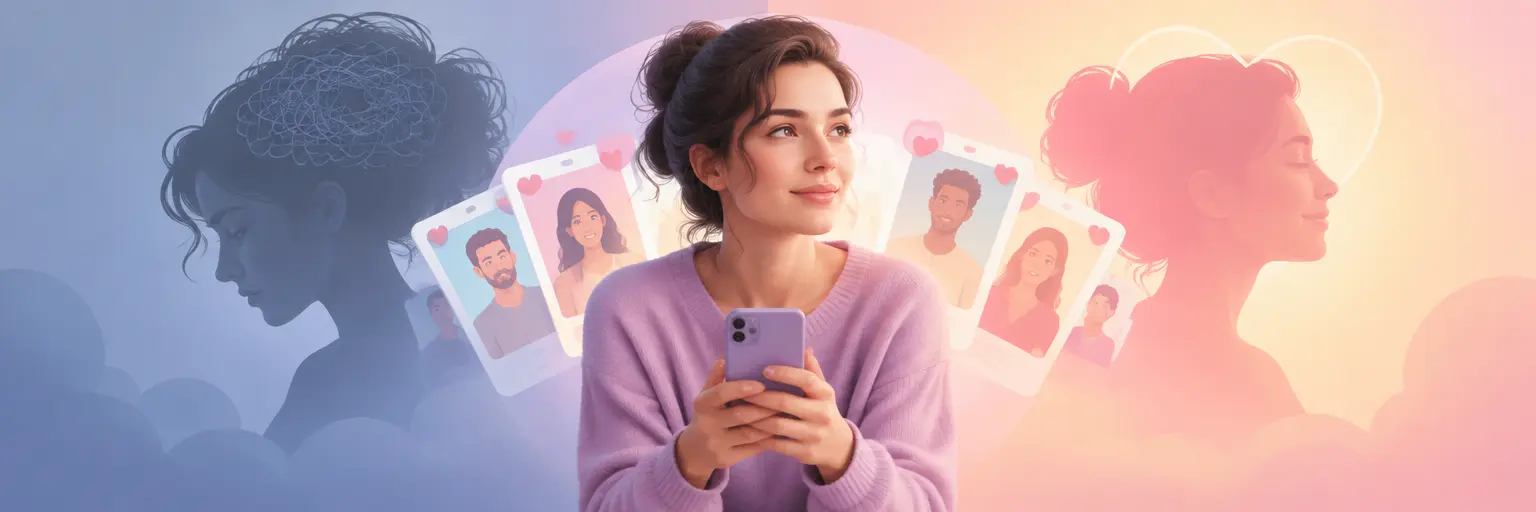
In the digital age, swiping right has become as routine as checking email, but the psychological toll of online dating is often overlooked. At OnlineDatingSuccess.org, we understand that behind every profile is a human seeking connection, and that journey can bring both joy and distress. This subcategory of “Sociological Aspects of Online Dating” dives deep into how dating apps affect self-esteem, anxiety, rejection sensitivity, and overall well-being. Whether you’re a seasoned dater or just starting, understanding these mental health dynamics is crucial for building resilience, setting boundaries, and finding genuine fulfillment in a virtual world that often feels anything but personal.
🧠 The Psychology of Swiping: Dopamine Hits and Burnout
Online dating platforms are engineered to keep you engaged, leveraging variable rewards that trigger dopamine release—much like a slot machine. This can lead to compulsive checking, short-term euphoria after matches, and subsequent disappointment when conversations fizzle. The constant cycle of novelty and rejection can exhaust your mental reserves, causing “dating burnout,” where you feel cynical and emotionally drained. Recognizing these patterns is the first step toward healthier engagement.
To protect your mental health, set intentional time limits for app usage and avoid multitasking while browsing. Treat each match as a potential human connection, not a validation metric. By curbing the addictive loop, you regain control over your emotional energy. Remember, the goal isn’t to maximize matches but to foster meaningful interactions that align with your values and emotional capacity.
💔 Rejection, Ghosting, and Self-Worth: Building Emotional Armor
Few experiences sting like being ghosted after a promising exchange. Online dating amplifies rejection because it’s frequent, anonymous, and often unexplained. Studies show that repeated digital rejections can lower self-esteem and trigger rumination, making you question your worth. The key is to reframe rejection as incompatibility, not inadequacy. Understand that ghosting says more about the other person’s communication skills than your value.
Develop a post-rejection ritual: journal your feelings, talk to a trusted friend, or engage in a grounding activity. Avoid immediate re-downloading of apps to numb the pain. Instead, treat each rejection as data—what did you learn about your preferences or boundaries? Over time, you’ll build emotional resilience, seeing each “no” as a step closer to the right “yes.” Your self-worth should never be contingent on a stranger’s swipe.
📱 Social Comparison and FOMO: The Hidden Cost of Endless Options
With hundreds of profiles at your fingertips, it’s tempting to constantly compare your life, looks, and relationship status to others. This “paradox of choice” can fuel feelings of inadequacy, anxiety, and fear of missing out (FOMO). Seeing curated highlights—perfect beach photos, witty bios—can distort your perception of reality, making your own life feel lacking. This comparison trap is a fast track to low mood and dissatisfaction.
Combat this by curating your feed deliberately: take breaks from profiles that trigger envy, and remind yourself that everyone is presenting a highlight reel. Practice gratitude for what you have while dating, and focus on quality over quantity. Limit your active matches to three or four at a time to reduce overwhelm. By shifting your mindset from “what’s out there” to “what do I truly need,” you’ll reclaim mental clarity and reduce FOMO-induced stress.
🧘 Mindfulness-Based Dating: Reducing Anxiety Before Dates
Pre-date jitters are normal, but for many, online dating amplifies anxiety to paralyzing levels—what if they don’t like me? What if I run out of things to say? Mindfulness offers a proven antidote. Before a date, spend five minutes breathing deeply and grounding yourself in the present moment, acknowledging that your worth isn’t on the line. This practice lowers cortisol and helps you show up authentically rather than performatively.
During the date, focus on listening and curiosity rather than impressing. If anxiety spikes, use the “5-4-3-2-1” grounding technique: name five things you see, four you hear, three you touch, two you smell, one you taste. Afterward, debrief with yourself without harsh judgment. Mindfulness-based dating isn’t about eliminating nerves—it’s about not letting them control your behavior. Over time, you’ll develop a calmer, more centered approach to connection.
🛑 Setting Digital Boundaries to Protect Your Peace
Online dating blurs the lines between public and private life, often leaving you feeling perpetually available. Constant notifications, late-night texts, and the pressure to respond immediately can erode your mental health. Setting clear boundaries is not rude—it’s essential. Define your “active hours” for dating apps (e.g., 6-8 PM), mute notifications outside that window, and communicate your response preferences early in conversations.
Additionally, establish emotional boundaries: don’t share intimate details until trust is built, and avoid checking apps during work or family time. If someone disrespects your boundaries—pressuring you for photos or rapid replies—consider that a red flag. Protect your peace by remembering you’re in control of your availability. Healthy dating requires mutual respect, and boundary-setting demonstrates self-respect, which attracts respectful partners.
🆘 When to Seek Professional Help
While most online daters experience occasional stress, some face deeper issues: panic attacks before dates, persistent low self-esteem, or spiraling into depression after rejections. If these feelings persist for weeks or interfere with daily functioning, it’s time to seek professional support. Therapists specializing in dating and relationship issues can help you untangle the psychological patterns that digital dating exacerbates.
Consider cognitive-behavioral therapy (CBT) to challenge negative self-talk, or acceptance and commitment therapy (ACT) to clarify your values and reduce avoidance. Don’t view therapy as a last resort—it’s a proactive tool for thriving. Many online platforms offer affordable virtual counseling, making support accessible. Investing in your mental health isn’t a weakness; it’s the foundation for any successful relationship, online or offline. You deserve support on this journey.
Frequently Asked Questions
Why does online dating make me feel more anxious than meeting people in person?
Online dating creates unpredictability and constant evaluation, which triggers your brain’s threat response. Unlike in-person meetings, you face a high volume of potential rejections with minimal social context, making anxiety spikes more frequent. The lack of non-verbal cues also increases uncertainty. This is normal—consider limiting your time on apps and practicing grounding techniques before engaging.
How can I maintain my self-esteem after being ghosted multiple times?
Ghosting is more about the other person’s avoidance than your worth. Rebuild self-esteem by focusing on your core values and achievements outside dating—career, hobbies, friendships. Journal affirmations like “I am worthy of respect regardless of someone’s silence.” Limit app usage temporarily, and remind yourself that each ghost is a mismatch, not a verdict on you.
Is it healthy to take breaks from dating apps for my mental health?
Absolutely. Frequent breaks reduce dopamine overload, prevent burnout, and restore perspective. Whether it’s a week or a month, uninstalling apps helps you check in with your emotional state without external noise. Use this time to reflect on what you truly seek in a partner and to recharge your social batteries. A rested mind attracts better connections.
What are signs that online dating is negatively affecting my mental health?
Signs include persistent sadness after app use, obsessive checking, loss of interest in hobbies, trouble sleeping, or feeling hopeless about relationships. If you’re isolating from friends or relying on dating validation for self-worth, that’s a red flag. Track your mood for a week—if patterns emerge, step back and consider professional support or a digital detox.
Can I use online dating while undergoing therapy for anxiety or depression?
Yes, but proceed with mindful pacing. Share your dating experiences with your therapist to develop coping strategies tailored to your triggers. Start with low-pressure activities like matching but delaying conversation until you feel ready. Set realistic expectations—dating is a supplement to your life, not a cure. Your therapist can help you distinguish between genuine connection and impulsive validation-seeking.