The Science of Attraction in Online Dating: What Really Works
Attraction in online dating isn’t magic—it’s a blend of psychology, biology, and digital behavior. At OnlineDatingSuccess.org, we break down the science behind why we swipe right, how profiles trigger emotional responses, and what neurochemicals influence your choices. This subcategory helps you understand the hidden drivers of attraction so you can craft a profile that stands out, communicate with confidence, and build genuine connections that go beyond the superficial.
🧠 The Psychology of First Impressions in Digital Profiles
When you view a dating profile, your brain makes snap judgments in under a second—much faster than in person. This is due to thin-slicing, where your subconscious evaluates photos, bios, and even font choices for signs of trustworthiness, intelligence, and humor. Research shows that symmetrical faces, genuine smiles, and open body language consistently score higher, while overly filtered or group photos trigger suspicion. Your profile is a cognitive shortcut; every detail—from your username to your photo order—shapes the initial emotional response.
Beyond visuals, the halo effect plays a huge role: if your profile is well-written and organized, viewers assume you’re more competent and kind in other areas. On the flip side, negative cues like typos or low-effort answers lead to a negative halo. To leverage this, prioritize a clear, high-quality main photo and a bio that shows specific passions rather than generic lines. Remember, your profile isn’t a résumé—it’s a first date’s opening moment, designed to spark curiosity and emotional safety.
📸 Visual Cues: How Photos Trigger Attraction Hormones
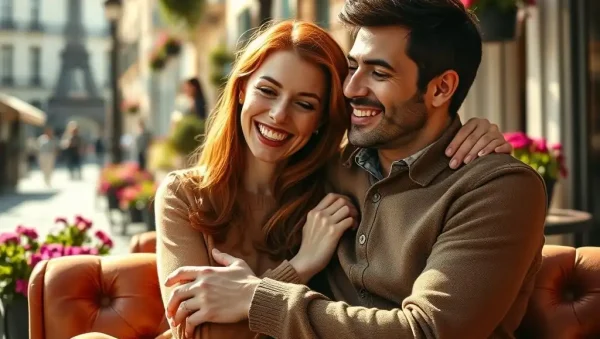
Visual stimuli activate the reward center of the brain, releasing dopamine and oxytocin—chemicals linked to excitement and bonding. In online dating, photos showing you in natural, laughter-filled moments are more effective than posed shots because they signal social warmth and approachability. Eye contact with the camera creates a sense of direct connection, while looking away can feel evasive. Additionally, the mere exposure effect means that people rate faces as more attractive when they’ve seen them multiple times—so don’t hide your best angle; repeat it subtly across different contexts.
Color and background matter too. Studies indicate that vibrant but natural colors (like blue and green) increase perceived attractiveness, while red can signal dominance but also aggression. Photos with pets or children boost trust, but only if they’re relevant—using them purely as bait backfires. For men, smiling slightly less works for short-term attraction, but for long-term interest, a warm, open smile wins. For women, a genuine laugh-readiness expression outperforms a sultry pout. The key is congruence: your photos must match your bio’s tone to avoid cognitive dissonance.
💬 Linguistic Chemistry: How Words Shape Desire
The words you choose in your bio and messages act as linguistic pheromones. Research on dating app language shows that using more first-person plural (“we,” “us”) unconsciously signals partnership readiness, while excessive “I” statements create self-centered impressions. Humor is a powerful attractor—specifically self-deprecating but confident wit, which signals emotional intelligence. Also, mention your values and curiosity (e.g., “I love learning about others’ stories”) rather than listing traits like “loyal” or “funny,” which are abstract and less credible.
Your opening message’s tone matters: questions that invite storytelling (e.g., “What’s a place you’d love to escape to?”) trigger narrative transportation, making the receiver feel connected. Avoid clichés like “Hey” or “How’s your week?”—they’re low-cost and low-reward. Instead, mirror the person’s profile language subtly, which builds rapport via linguistic synchrony. Finally, your bio length matters: blurbs around 100–150 words get higher response rates than ultra-short or novel-length texts, because they offer enough hooks without overwhelming the reader.
🔬 The Role of Algorithms in Amplifying Your Attraction
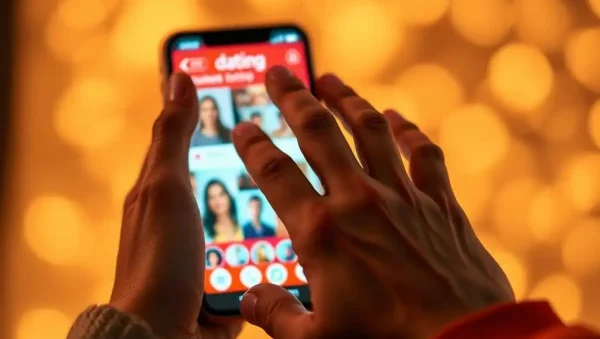
Behind every swipe, algorithms learn what type of profile attracts your specific attention. Platforms like Tinder or Hinge track your behavior—swipe right rates, message length, and reply time—to predict mutual interest. The Elastic Search model means that popular profiles are shown more, but also that their desirability compounds through social proof. This creates a Matthew effect: attractive profiles become more visible, while average ones get buried. To beat this, you need high engagement early—so optimize your profile before sending likes, because your first few interactions determine algorithmic ranking.
Algorithms also reward reciprocity quickly. If you like someone and they like back, engaging with a thoughtful message within 24 hours boosts your profile’s visibility. Conversely, inactive accounts are deprioritized—so even a “meh” match is worth a polite conversation. Furthermore, photo variety (different settings, clothes, and activities) is a signal to the algorithm that you’re a real person who’s active and multi-dimensional. Use statistical tweaks: posting on Sunday evenings (peak usage) and updating your bio weekly can trigger a freshness boost in the recommendation engine.
❤️ Emotional Triggers That Build Lasting Attraction
While initial attraction is often instant, sustained connection depends on emotional vulnerability. Psychological research on attachment theory shows that profiles and messages that subtly express openness to intimacy—e.g., sharing a hobby you’re passionate about or a small fear—invite deeper responses than those that stay purely positive. This is because vulnerability signals trustworthiness, which is a stronger long-term attractor than physical perfection. The peak-end rule applies here: your last message or profile line lingers longest in a person’s memory, so end conversations on a warm or curious note.
Also, reciprocal self-disclosure is key. When you share something personal, the other person feels comfortable doing the same, creating a loop of intimacy. In online dating, this can happen as early as the first few messages—but avoid trauma-dumping. Instead, use scaffolding questions: ask about their favorite travel memory, then share yours, then ask how it made them feel. This builds emotional resonance. Finally, remember that attraction is fluid—the science says your profile should evolve as you learn what works, so view this as an ongoing experiment, not a one-time fix.
Frequently Asked Questions
Why do some profiles attract more likes even with similar photos?
It often comes down to bio specificity and photo order. Profiles that reveal a unique passion or a quirky interest (like “I collect vintage maps”) trigger curiosity, while generic bios (“I love travel and food”) get lost. Also, placing your warmest, most approachable photo first—not your best-looking—boosts reciprocal likes by signaling openness.
Does the science of attraction change between men and women?
Current research shows more similarities than differences. Both genders respond to warmth, humor, and kindness. However, women tend to weight emotional cues and safety language more heavily, while men may initially weight visual novelty. Yet, these effects shrink when controlling for age and relationship goals—so authenticity wins universally.
Can I improve my profile’s attractiveness without changing my looks?
Absolutely. Behavioral signals like using action-oriented language (“I’m a weekend hiker”) and showing you’re social (via group photos) outperform mere looks. Also, upgrade photo background and lighting—candid, natural light photos increase perceived attractiveness by up to 40% compared to dim, cluttered shots. Good hygiene, confident posture, and genuine smiles do more than bone structure.
Is there a “best time” to send messages for higher response rates?
Yes. Research indicates Sunday evenings (7–9 PM) and weekday lunch hours see higher engagement, as users are relaxed or bored. Avoid Monday mornings (stress) and late nights (fatigue). Additionally, responding within 15 minutes of matching boosts your visibility, but immediate replies can seem desperate—unless you’re genuinely available, then it’s fine.
How do I know if attraction is mutual or just algorithm-driven?
Algorithm-driven interest often shows in short, low-effort replies or generic praise. Mutual attraction involves mirrored message length, specific questions about your life, and playful follow-ups. If a match quickly suggests a voice call or date, that’s a strong signal. If you’re unsure, ask a reflective question (“What’s the perfect first date for you?”) and gauge enthusiasm—genuine interest shows in curiosity, not just speed.