Exploring the Cultural Impact of Online Dating
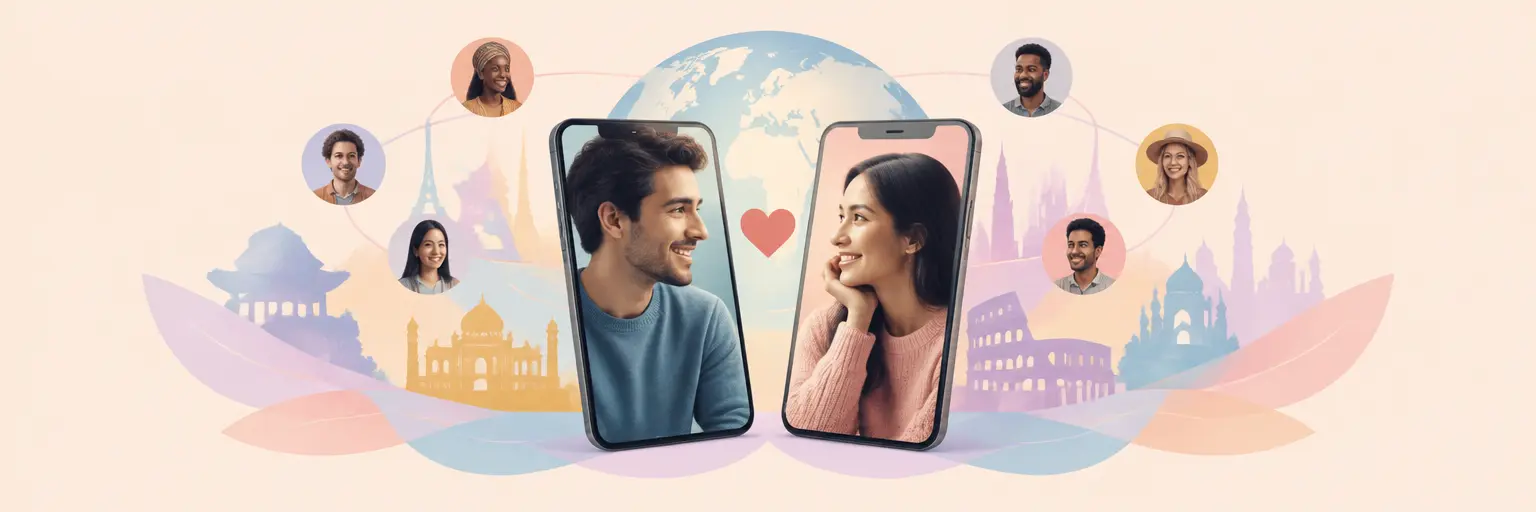
Online dating has transformed how we connect, shifting from a stigmatized niche to a mainstream social norm. Within the sociological landscape, the cultural impact of online dating is profound—reshaping courtship rituals, communication patterns, and even our definitions of intimacy and commitment. This subcategory dives deep into how digital matchmaking influences societal values, generational attitudes, and global relationship trends. By understanding these shifts, you can navigate your own online dating journey with greater awareness and intentionality, turning algorithmic matches into authentic connections.
🌍 Normalization and Social Acceptance of Digital Romance
Once viewed as a last resort or taboo, online dating now enjoys broad cultural acceptance across age groups and regions. The rise of swiping apps, video dates, and AI-based matching has made digital romance a default starting point for millions of singles. This normalization stems from increased smartphone penetration, changing work-life structures, and a growing preference for efficiency over serendipity. As a result, cultural stigma has largely faded, allowing people to openly discuss their online dating experiences with friends and family. This acceptance encourages more authentic profiles and lowers performance anxiety, since everyone knows that everyone else is also swiping.
For users on OnlineDatingSuccess.org, recognizing this normalization helps you approach profiles without preconceived judgment. It also signals that investing time in crafting a compelling digital presence is not just acceptable—it’s expected. The cultural shift toward digital-first relationships means your success hinges on mastering online communication etiquette, interpreting virtual cues, and balancing digital intimacy with real-world connection. By embracing this cultural reality, you reduce self-doubt and increase your ability to engage meaningfully, knowing that your peers are navigating the same digital landscape with the same hopes and hesitations.
💬 Changing Communication Norms: From Flirting to Ghosting
Online dating has introduced new communication vocabularies—ghosting, breadcrumbing, catfishing—and transformed how we express interest, set boundaries, and manage rejection. Paralinguistic cues like emojis, GIFs, and response timing now carry significant weight in early interactions. This evolution can be both liberating and confusing: while it enables concise, playful banter, it also opens doors to ambiguity and emotional fatigue. Culturally, we’ve shifted from prolonged phone calls to rapid text exchanges, which can accelerate connection but also reduce depth. Understanding these norms helps you interpret mixed signals and avoid common pitfalls, such as over-interpreting a delayed reply or under-communicating your own intent.
These communication changes also reflect broader societal trends toward convenience and immediacy. As a dater, you can leverage this by mastering the art of digital eloquence—being clear, warm, and direct without becoming robotic. Use emojis sparingly but purposefully, mirror the other person’s pacing, and propose video calls or voice notes to break through text-only ambiguity. By aligning with cultural expectations while adding your authentic voice, you create a distinctive impression. Moreover, learning to gracefully handle ghosting—by not internalizing it—protects your emotional resilience. This awareness turns cultural shifts into strategic advantages, helping you build momentum toward meaningful conversations and dates.
🧠 Identity Presentation and Self-Concept in the Digital Age
Your online dating profile is more than a list of attributes; it’s a curated self-portrait that interacts with cultural ideals of attractiveness, success, and authenticity. Cultural impact studies show that users often strategically exaggerate interests, careers, or lifestyle habits to match perceived marketplace expectations. This can lead to a “digital double” that feels distant from your real self. Over time, this pressure to perform can cause profile fatigue, impostor syndrome, or inconsistency between online and offline personas. Recognizing these pressures allows you to craft a profile that balances honesty with aspiration, reducing cognitive dissonance and attracting partners who appreciate your true self.
Moreover, cultural narratives around “the best version of yourself” can inadvertently diminish self-worth when filters and photo editing become routine. To counter this, focus on core values and unique quirks rather than standardized perfection. Use prompts that reveal your sense of humor, passions, and relational goals. Since cultural impact studies indicate that profiles with high authenticity receive more meaningful responses from compatible matches, your self-concept remains intact. This practice not only improves match quality but also builds long-term confidence, ensuring that when you do meet in person, your date meets the person they swiped right for—creating a stronger foundation for a real relationship.
👥 Shifting Relationship Timelines and Commitment Models
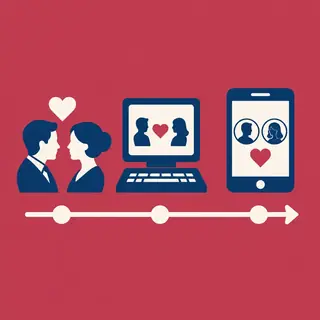
Online dating has compressed and expanded relationship milestones simultaneously. Fast-tracked intimacy through text and video may accelerate emotional bonding, while the sheer abundance of options can prolong exclusive commitment. Culturally, we now see delayed monogamy, non-linear relationship escalators, and the normalizing of situationships. These shifts reflect a broader societal move toward individualized relationship design rather than following prescribed scripts. For you, this means you must explicitly communicate your timeline—whether you’re seeking casual exploration, long-term partnership, or something in between—to avoid mismatched expectations.
This cultural flexibility is empowering but also demands higher negotiation skills. Instead of relying on traditional markers like “the exclusivity talk,” you can proactively set checkpoints: after three dates, after a month, or when you feel a strong connection. Use online dating tools like in-app prompts or video call discussions to align on commitment-level, family intentions, and lifestyle compatibility early. By doing so, you reduce the risk of investing months in a mismatch. This cultural shift also normalizes taking breaks from apps when needed, reinforcing that your well-being precedes algorithmic engagement. Ultimately, understanding these evolving timelines helps you savor each stage—from first message to eventual partnership—without forcing premature labels or clinging to outdated norms.
🛡️ Safety and Ethics in a Digitally Mediated Social Era
The cultural impact of online dating includes heightened awareness of safety, consent, and ethical behavior. Public scandals, documentaries, and advocacy movements have normalized the practice of checking background info, sharing live locations with friends, and insisting on public first meetings. These safety norms are now culturally expected, not overly cautious. On the ethical side, there’s growing pressure to be transparent about age, relationship status, and physical appearance. This cultural evolution reduces risks and creates a generally more respectful atmosphere. For you, adopting these norms is both proactive and reassuring—it demonstrates social intelligence and care for your own well-being.
Beyond personal safety, ethical online dating also involves mental well-being: avoiding love-bombing, respecting consent for explicit content, and not engaging in “catfishing” for ego. Culturally, we are moving toward a zero-tolerance stance on deceptive practices, which ultimately raises the quality of connections. Use platform features like video calls, verified badges, and background check tools to your advantage. Also, practice active digital boundaries—blocking toxic users without guilt, taking breaks when burnout strikes, and reporting unsafe behaviors. By aligning with these ethical and safety norms, you contribute to a healthier dating ecosystem. This not only protects you but also enhances your reputation as a trustworthy partner, increasing your chances of finding a genuine, lasting match.
Frequently Asked Questions
Does online dating really change how we view love and marriage?
Yes, significantly. Online dating has broadened the definition of romantic compatibility and relationship timelines. People now evaluate partners based on algorithmic matches and click chemistry, often delaying marriage until they’ve explored multiple connections. This shift has made love more intentional, with many couples co-creating custom relationship structures, from long-distance digital partnerships to non-monogamous agreements, rather than following a single societal template.
How does the cultural impact of online dating differ by generation?
Younger generations (Gen Z and Millennials) view online dating as the default, integrating it seamlessly with social media and digital identity. Older generations (Gen X and Boomers) often approach it with more caution, prioritizing safety and traditional relationship markers. However, rapid adoption by older adults, especially post-pandemic, is narrowing these differences, leading to a more unified cultural acceptance where personal preference outweighs generational stigma.
Can online dating increase social isolation despite its connectedness?
Yes, paradoxically. The endless swipe loop can reduce face-to-face encounters and create decision paralysis, potentially leading to loneliness. However, when used mindfully—with intentionality, limited daily usage, and active escalation to video or in-person meetings—online dating can decrease isolation by providing structured opportunities for meaningful connection, especially for people in remote areas or with busy schedules.
What role do social media and influencer culture play in online dating norms?
Social media sets the aesthetic benchmarks and dating vocabulary (e.g., “red flags,” “rizz,” “situationship”). Influencers normalize behaviors like sharing date recaps or profile reviews, creating peer pressure to present a polished online persona. This cultural feedback loop makes profile creation more performance-heavy, but it also generates a shared language that helps users quickly decode intentions and compatibility markers, enhancing mutual understanding when used positively.
Is it culturally acceptable to use online dating exclusively for casual relationships?
Absolutely. In most contemporary societies, casual relationships are a legitimate relationship model, and platforms support this via design (e.g., Tinder for “short-term fun,” Hinge for “serious dating”). The cultural impact is that personal autonomy is now valued over moral judgment, so as long as all participants communicate consent and expectations, choosing casual or serious is your personal right, not a societal deviation.