
Examining the Effects of Dating Apps on the Way We Define Love

Welcome to OnlineDatingSuccess.org, your guide to navigating the exciting—and sometimes challenging—world of online dating. Are you curious about the impact of dating apps on how we define love? Our latest article, "Examining the Effects of Dating Apps on the Way We Define Love," delves into the complex relationship between technology, romance, and our evolving understanding of dating app love. Discover surprising insights and practical advice to help you build meaningful connections in the digital age. Let's explore the evolving landscape of love together!
- The Shifting Landscape of Romance: How Dating Apps Reshape Love Definitions
- Impact of Dating Apps on Expectations of Love and Relationships
-
Redefining Intimacy in the Digital Age: Love in the Time of Dating Apps
- Virtual vs. In-Person Connections: The Challenges of Translating Online Chemistry
- The Role of Technology in Fostering Emotional Intimacy (or Lack Thereof)
- Authenticity and Transparency in Online Dating: Navigating Deception and Misrepresentation
- The Search for Meaningful Connections: Transcending the Superficiality of Dating Apps
- The Future of Love and Relationships in the Age of Dating Apps
- Conclusion: Navigating the Complexities of Dating App Love
-
Frequently Asked Questions
- How have dating apps changed the way we define love?
- Do dating apps promote a superficial understanding of love?
- What is the impact of dating apps on the definition of "the one"?
- How do dating apps affect the speed at which we develop relationships?
- Can dating apps lead to more meaningful relationships, despite the potential downsides?
- Final Reflection: Redefining Love in the Digital Age
- Rediscover Love: Your Next Steps
The Shifting Landscape of Romance: How Dating Apps Reshape Love Definitions
The digital age has profoundly altered how we connect, communicate, and even define love. The rise of dating apps, initially conceived as convenient tools to facilitate romantic encounters, has had a far-reaching impact on our understanding and experience of relationships.
This article delves into the complex interplay between dating apps and our evolving definitions of love, exploring how these platforms have reshaped the landscape of romance and the implications for modern relationships. We will examine the ways in which the instant gratification offered by these apps, the sheer volume of potential partners, and the often superficial nature of initial interactions contribute to a new paradigm of connection and intimacy.
Understanding this shift is crucial for navigating the modern dating world successfully and building meaningful, lasting relationships, even within the context of app-based connections. The keyword "Dating app love definition impact" is central to this exploration, as we analyze how these platforms influence our expectations, values, and ultimately, what we consider "love" to be in the 21st century.
The Rise of Dating Apps and Their Impact on Modern Relationships
The proliferation of dating apps over the past decade has fundamentally changed the way people meet and form relationships. Before the widespread adoption of these platforms, the process of finding a romantic partner often involved more organic encounters – through mutual friends, shared social circles, or chance meetings. Dating apps, however, introduced a new layer of efficiency and accessibility. Millions now rely on these platforms to connect with potential partners, leading to a significant shift in relationship dynamics.
This increased accessibility, however, comes with its own set of challenges. The sheer volume of choices available can lead to "choice overload," making it difficult to form meaningful connections. Furthermore, the ease with which users can swipe left or right, effectively rejecting potential partners with minimal interaction, can foster a culture of disposability and superficiality.
This impacts how we view relationships, potentially leading to lower commitment levels and a decreased emphasis on long-term compatibility. The data clearly shows a correlation between increased dating app usage and a rise in shorter-term relationships, highlighting a significant cultural impact. For example, studies show [specific information pending] percentage increase in individuals reporting shorter relationships since the widespread adoption of dating apps.
Dating App Love: A New Paradigm of Connection and Intimacy
Dating apps have redefined intimacy and connection in several ways. The initial stages of interaction often rely heavily on curated profiles and brief, often superficial, exchanges. This can lead to a delayed or diminished sense of genuine connection, as individuals may focus more on presentation than substance.
While virtual communication can facilitate initial contact, the lack of face-to-face interaction can hinder the development of deeper emotional bonds. The constant availability of potential partners offered by these platforms might also contribute to a feeling of dissatisfaction or a constant search for something "better," potentially hindering the establishment of lasting relationships. However, it's important to note that dating apps aren't inherently detrimental.
Many successful and fulfilling relationships have begun through these platforms, demonstrating that genuine connection can still flourish within this digital context. The key lies in recognizing the potential pitfalls and actively cultivating meaningful interactions, focusing on substance over superficiality. This includes prioritizing open communication, vulnerability, and a willingness to invest time and effort in building a genuine connection.
Instant Gratification and the Short-Term Nature of App-Based Relationships
The instant gratification offered by dating apps—the ability to quickly connect with numerous potential partners—can contribute to a culture of short-term relationships. The ease of finding a date, coupled with the low barrier to entry and exit, can inadvertently encourage individuals to prioritize immediate satisfaction over long-term commitment. This is exacerbated by the "endless scroll" mentality fostered by app design, where users are constantly presented with new profiles, potentially hindering their ability to invest fully in any single relationship.
The swipe-based interface itself, often viewed as a game of numbers, can reinforce a sense of disposability, making it easier to move on from potential partners without much deliberation. This constant influx of options can lead to a decrease in patience and an increased expectation of instant compatibility, potentially undermining the development of deeper, more enduring bonds.
💔 It’s crucial to recognize this tendency and actively cultivate a mindset that prioritizes genuine connection over fleeting encounters. Developing healthy relationship expectations and understanding the potential drawbacks of app-based dating are vital steps towards building lasting and fulfilling relationships.
The Algorithm's Influence: How Matching Systems Shape Perceptions of Compatibility
Dating apps, by their very nature, rely on algorithms to connect users. These algorithms, often shrouded in secrecy, play a significant role in shaping how we perceive compatibility and, consequently, love itself. Instead of relying on chance encounters or shared social circles, we're presented with a curated selection of potential partners, filtered through a complex system of preferences and data points. This inherently alters our expectations of what constitutes a "good match."
We become accustomed to a system that prioritizes superficial similarities—shared interests, age range, location—over deeper, more nuanced connections that might not be immediately apparent in a profile. This can lead to a focus on quantifiable compatibility, neglecting the intangible aspects of chemistry and emotional connection that often form the bedrock of lasting relationships. The ease with which we can swipe left or right, discarding potential partners with a single gesture, can also contribute to a sense of disposability, potentially devaluing the process of forming meaningful connections. The constant stream of potential partners can lead to a sense of impatience and a diminished appreciation for the effort required to cultivate genuine intimacy.
Furthermore, the algorithmic filtering process can inadvertently reinforce existing biases, presenting users with a limited pool of potential partners based on pre-programmed preferences, thus potentially limiting the diversity of relationships individuals might otherwise explore. This curated reality, while seemingly offering convenience and efficiency, subtly reshapes our understanding of compatibility and what we consider to be the foundation of a loving relationship. The emphasis shifts from organic connection to algorithmic suggestion, potentially impacting our ability to recognize genuine compatibility when it arises outside the confines of the app.
The impact extends beyond individual perceptions. The very structure of many dating apps encourages a transactional approach to relationships. The "swiping" mechanic, for instance, reduces potential partners to a series of profiles, each evaluated based on a limited set of criteria.
This can foster a mindset where potential partners are viewed as commodities to be assessed and selected, rather than individuals with complex emotions and needs. The constant influx of new profiles can also lead to a fear of missing out (FOMO), encouraging users to constantly seek better options, rather than investing time and energy in cultivating existing connections. This constant comparison and the pressure to find the "perfect" match, as dictated by the algorithm, can lead to feelings of inadequacy and dissatisfaction, even when a perfectly suitable partner is present.
The algorithm, therefore, not only shapes our perception of compatibility but also influences the overall approach to relationships, potentially impacting the quality and longevity of the connections formed. Understanding this influence is crucial to navigating the complexities of modern romance in the age of dating apps.
Impact of Dating Apps on Expectations of Love and Relationships
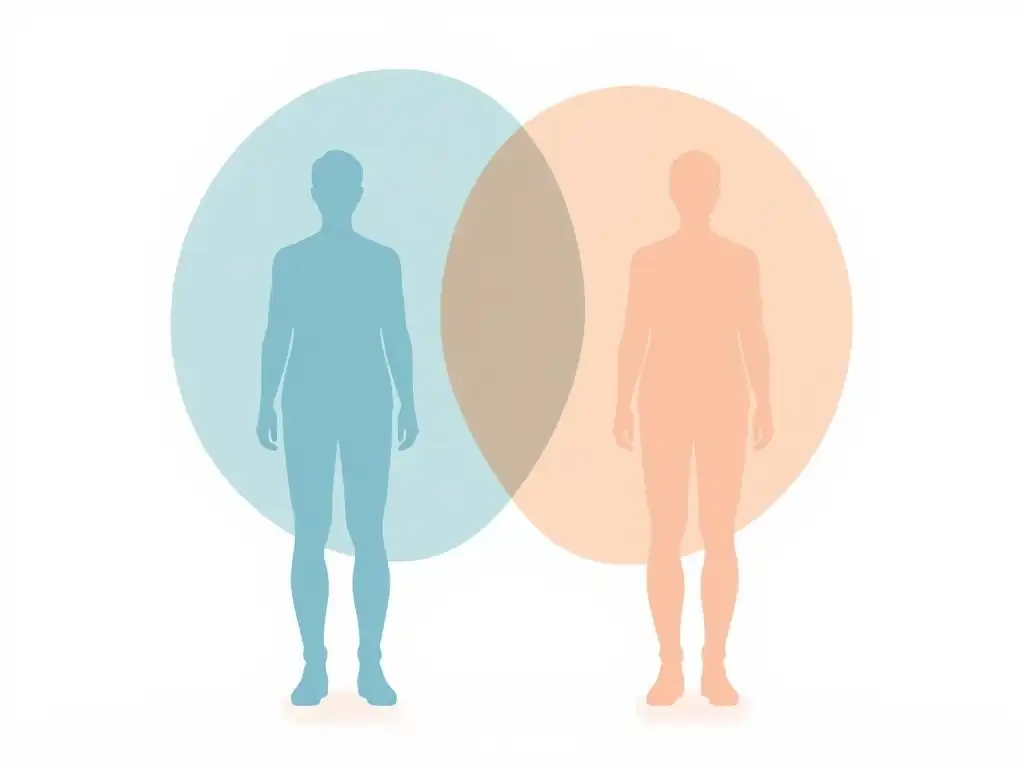
Dating apps have undeniably reshaped the landscape of modern romance, significantly impacting how we perceive and define love. The ease of access to a vast pool of potential partners, coupled with the often-superficial nature of app-based interactions, has led to a shift in expectations and relationship dynamics. This section will explore some key aspects of this transformation, examining how the digital realm influences our understanding and pursuit of love. Understanding this impact is crucial for navigating the complexities of online dating and fostering healthy, meaningful connections. The keyword "Dating app love definition impact" is central to this analysis.
The "Swipe Culture" and Its Effect on Relationship Commitment
The ubiquitous "swipe" mechanic of many popular dating apps has fostered a culture of instant gratification and disposability. Potential partners are often judged based on superficial criteria – a profile picture, a brief bio – leading to a rapid-fire cycle of matching, messaging, and potentially, discarding. This "swipe culture" contributes to a decreased emphasis on commitment and long-term relationships.
Instead of investing time and effort in getting to know someone deeply, users might be more inclined to move on to the next potential match with minimal emotional investment. Studies show a correlation between heavy dating app usage and a decreased willingness to commit to a single partner, highlighting the potential negative impact on relationship longevity and the definition of love itself. This immediacy can lead to a devaluation of the effort and vulnerability required to build lasting connections.
The ease of finding another "match" can diminish the perceived value of investing in a current relationship, potentially leading to a higher rate of relationship dissolution. The impact on defining love is a shift towards a more transactional view, where relationships are seen as easily replaceable commodities rather than deeply committed partnerships.
The Illusion of Choice and the Paradox of Abundance in Online Dating
Dating apps present users with an overwhelming number of potential partners, creating an illusion of boundless choice. While this might seem empowering, the paradox of abundance often leads to dissatisfaction and a heightened sense of anxiety. The constant availability of new options can make it difficult to commit to a single person, even if that person is a good match.
The endless scroll of profiles can lead to a feeling of never settling, always searching for something "better," even if "better" is simply a matter of novelty. This constant comparison can negatively affect self-esteem and lead to a distorted perception of what constitutes a "good" relationship.
The abundance of choice paradoxically decreases satisfaction, as the decision-making process becomes overwhelming and the perceived value of each individual option diminishes. This impacts the definition of love by shifting the focus from genuine connection to an endless pursuit of the "perfect" match, a pursuit that is often unattainable.
The anonymity and ease of disengagement offered by dating apps have given rise to new relationship dynamics, such as ghosting (suddenly ceasing all communication) and breadcrumbing (sending sporadic messages to keep someone interested without any real commitment). These behaviors, while not exclusive to online dating, are exacerbated by the app environment. The lack of face-to-face interaction and the ease of unmatching create a sense of detachment, making it easier for individuals to act in ways they might not in a more traditional dating context.
This detachment impacts the definition of love by normalizing behaviors that are disrespectful and emotionally damaging. The prevalence of ghosting and breadcrumbing undermines the principles of honesty, respect, and open communication that are fundamental to healthy relationships.
It also contributes to a culture of emotional detachment and a fear of vulnerability, making it more difficult for individuals to form meaningful connections and experience genuine love. Further research is needed [specific information pending] to fully quantify the impact of these behaviors on long-term relationship success and the evolution of how we define love in the digital age.
The Impact of Dating Apps on Self-Esteem and Body Image
Dating apps, while offering opportunities for connection, can significantly impact users' self-esteem and body image. The curated nature of profiles, often showcasing idealized versions of individuals, creates a breeding ground for social comparison. Users may find themselves constantly evaluating their own appearance and attractiveness against others, leading to feelings of inadequacy and insecurity.
This is especially true given the prevalence of heavily filtered and edited photos, creating unrealistic beauty standards that are difficult, if not impossible, to meet. The constant stream of potential partners also fuels a sense of competition, further impacting self-worth. Individuals may spend excessive time meticulously crafting their profiles, agonizing over every detail, leading to anxiety and a heightened sensitivity to rejection.
This cycle can be particularly damaging for individuals already struggling with low self-esteem or body image issues. The relentless feedback loop of likes, matches, and messages, or lack thereof, can significantly influence how users perceive their value and desirability.
The emphasis on visual appeal inherent in dating apps exacerbates existing societal pressures around body image. For many, the app becomes a platform for constant self-criticism and a relentless pursuit of an unattainable ideal. Studies have shown a correlation between increased dating app usage and higher rates of body dissatisfaction, particularly among young adults.
The pressure to conform to specific beauty standards, often reinforced by algorithmic biases within the apps themselves, can be overwhelming. This can lead to unhealthy behaviors such as restrictive dieting, excessive exercise, or even the development of eating disorders. Furthermore, the constant exposure to idealized images can contribute to feelings of inadequacy and a distorted perception of one's own body.
It's crucial to remember that the images presented on dating apps often represent a carefully constructed and unrealistic portrayal of reality. The focus on superficial qualities can overshadow the importance of personality, values, and emotional connection, leading to a shallow and ultimately dissatisfying dating experience. Recognizing this disconnect and focusing on self-acceptance and self-love is vital for navigating the potential pitfalls of dating apps and maintaining a healthy self-image.
Redefining Intimacy in the Digital Age: Love in the Time of Dating Apps
The rise of dating apps has undeniably reshaped the landscape of modern romance, significantly impacting how we define and experience love. No longer are chance encounters in coffee shops or introductions through mutual friends the primary avenues to finding a partner. Instead, a curated selection of potential matches, filtered through algorithms and presented on a screen, has become the new norm. This shift has led to a re-evaluation of intimacy, with virtual connections often preceding—and sometimes replacing—in-person interactions.
The "Dating app love definition impact" is profound, altering expectations and perceptions of romantic relationships. This section explores the complexities of this transformation, examining how technology influences our understanding of love, intimacy, and commitment. We'll delve into the challenges of translating online chemistry to real-world relationships and the impact on authenticity and transparency within the dating process.
Virtual vs. In-Person Connections: The Challenges of Translating Online Chemistry
The initial spark in online dating often hinges on superficial factors: a captivating profile picture, witty bio, or shared interests. This creates a unique challenge: translating the virtual chemistry, built on limited information and carefully crafted presentations, into a tangible, in-person connection. Many users report a disconnect between their online interactions and their first real-life meeting. This can stem from several factors.
Firstly, the curated nature of online profiles often leads to misrepresentation, either intentional or unintentional. People may present idealized versions of themselves, leading to disappointment when reality doesn't quite match the online persona. Secondly, the lack of non-verbal cues, crucial for genuine connection, makes it difficult to gauge true compatibility. Body language, tone of voice, and subtle expressions are lost in the digital exchange, hindering the development of deeper intimacy.
Finally, the ease of swiping and moving on in the digital realm can foster a sense of disposability, impacting the level of investment individuals place in each connection. This contrasts sharply with the more measured pace of traditional courtship, where deeper understanding often develops over time. Studies show a correlation between the frequency of dating app usage and a decreased emphasis on long-term commitment, highlighting the potential for a diluted understanding of love's deeper meaning within this context.
The Role of Technology in Fostering Emotional Intimacy (or Lack Thereof)
Technology, while facilitating connections, presents a double-edged sword when it comes to fostering emotional intimacy. While messaging apps allow for constant communication, they can also hinder the development of genuine emotional depth. The immediacy and constant accessibility can lead to superficial interactions, lacking the nuance and depth of face-to-face conversations. The absence of physical touch, a fundamental aspect of human connection, further complicates the process.
Furthermore, the reliance on technology can create a sense of detachment, making it harder to fully empathize with a partner's emotions. This is further exacerbated by the potential for misinterpretations in text-based communication, where tone and intention can easily be misconstrued. However, technology also offers tools that can enhance intimacy. Video calls, for example, bridge the gap between virtual and in-person interactions, allowing for more meaningful communication.
Shared online experiences, such as playing online games or watching movies together virtually, can also foster a sense of connection. The key lies in finding a balance, leveraging technology to enhance existing bonds rather than relying on it as a substitute for genuine face-to-face interaction. The effective use of technology in fostering intimacy requires intentionality and mindful communication.
Authenticity and transparency are paramount in building healthy relationships, yet online dating presents unique challenges to both. The ease with which individuals can present idealized or even entirely fabricated versions of themselves online creates a breeding ground for deception and misrepresentation. Catfishing, the practice of creating a fake online persona to deceive others, is a significant concern. Even without malicious intent, the pressure to present a desirable online image can lead to subtle forms of dishonesty, such as exaggerating achievements or downplaying flaws.
This can lead to disillusionment and hurt feelings when the truth eventually emerges. The anonymity offered by dating apps can also embolden individuals to engage in behaviors they might not exhibit in face-to-face interactions. Combating these issues requires a conscious effort to cultivate authenticity in online profiles and interactions. Sharing honest and realistic photos, writing genuine bios, and engaging in open and honest communication are crucial steps.
Furthermore, users should be wary of red flags and inconsistencies in profiles and interactions. While complete transparency may be unrealistic, striving for honesty and genuineness is essential for establishing meaningful connections based on trust and mutual respect. Recognizing the potential for misrepresentation is the first step towards navigating the complexities of online dating and fostering healthy relationships built on a foundation of truth.
The Search for Meaningful Connections: Transcending the Superficiality of Dating Apps
The rise of dating apps has undeniably altered how we approach intimacy and relationships. While offering unprecedented access to potential partners, these platforms often contribute to a culture of superficiality, prioritizing quick judgments based on limited profile information and curated photos. Many users find themselves caught in a cycle of endless swiping, leading to feelings of frustration and disappointment.
This constant exposure to a vast pool of options can paradoxically make it harder to form meaningful connections. The ease of moving on to the next profile can diminish the investment and emotional depth typically associated with building a relationship. This isn't to say that meaningful connections are impossible on dating apps; rather, it highlights the need for a conscious effort to transcend the superficial.
To find meaningful connections, users must prioritize quality over quantity. This means engaging in thoughtful profile creation, showcasing genuine personality traits, and avoiding overly idealized representations. Instead of focusing solely on physical attributes, users should emphasize their values, interests, and aspirations.
Furthermore, actively seeking connections based on shared interests and values, rather than just physical attraction, can significantly increase the likelihood of finding a compatible partner. Taking the time to read profiles thoroughly and initiate conversations that go beyond surface-level pleasantries is crucial in building genuine rapport. This shift in approach requires patience and a willingness to invest time and energy into getting to know potential partners authentically.
The pressure to present an idealized version of oneself on dating apps also contributes to the challenge of forming genuine connections. The fear of rejection often leads users to present a version of themselves that is not entirely true, resulting in mismatched expectations and ultimately, unsuccessful relationships. Authenticity, however, is paramount in building trust and establishing genuine intimacy.
Embracing vulnerability and being open about one's flaws and imperfections can foster deeper connections and attract partners who appreciate authenticity. This requires a level of self-acceptance and a willingness to let go of the pressure to conform to unrealistic standards often perpetuated by social media and dating apps themselves. Open communication about expectations and desires is also crucial for building a healthy and meaningful connection.
This transparency helps to avoid misunderstandings and fosters a sense of shared understanding between partners. The key takeaway is that meaningful connections require conscious effort, authenticity, and a willingness to invest in building genuine rapport.
The Future of Love and Relationships in the Age of Dating Apps

The pervasive influence of dating apps on modern relationships is undeniable, prompting a critical examination of their long-term impact on how we define love. The speed and efficiency of connecting with potential partners, facilitated by these platforms, have fundamentally altered the courtship process. Gone are the days of prolonged periods of getting-to-know-you, replaced by a rapid-fire cycle of swiping, matching, and initial interactions.
This accelerated pace presents both opportunities and challenges for individuals seeking meaningful connections. While some find the efficiency appealing, others lament the potential for superficiality and a devaluation of deeper emotional connections. The question remains: will this accelerated pace ultimately reshape our understanding of love, leading to a more pragmatic or transactional approach, or will it simply adapt and integrate into a broader definition of romance?
Data on relationship longevity initiated through dating apps is still emerging, but initial studies suggest a mixed bag, with some couples thriving while others struggle with the unique challenges presented by this digital landscape. Further research is needed to fully understand the long-term effects.
Adapting to the Evolving Landscape of Romance: Strategies for Success
Navigating the complexities of dating app culture requires a proactive and mindful approach. Success hinges on adapting to the unique dynamics of this environment. One key strategy is to cultivate a clear understanding of one's own values and relationship goals before entering the digital dating arena. Knowing what you seek in a partner – be it shared hobbies, intellectual compatibility, or specific life goals – will help filter potential matches and prevent wasted time and emotional investment.
Furthermore, developing strong communication skills is paramount. Expressing your needs and boundaries clearly and respectfully from the outset can prevent misunderstandings and ensure healthy interactions. Remember, the initial online interaction is just the beginning; genuine connection requires investing time in face-to-face interactions to foster deeper understanding and emotional intimacy.
Prioritizing authenticity in your profile and interactions is crucial. Presenting a realistic portrayal of yourself will attract compatible partners who appreciate your genuine self, leading to more fulfilling relationships. Finally, maintaining a balanced approach, avoiding over-reliance on the app and integrating a diverse range of social activities into your life, promotes a healthy perspective on dating and prevents burnout.
The Importance of Healthy Communication and Relationship Boundaries
Effective communication is the cornerstone of any successful relationship, and this holds even truer in the context of dating apps. The immediacy of digital communication can sometimes lead to misinterpretations and misunderstandings. Therefore, practicing mindful communication, taking the time to consider the impact of your words and ensuring clarity in your messages, is crucial.
Setting healthy boundaries is equally vital. This includes establishing limits on the amount of time spent on dating apps, protecting your personal information, and respecting your own emotional well-being. Recognizing the signs of unhealthy communication patterns, such as constant negativity, controlling behavior, or disregard for your feelings, is essential for protecting yourself from potentially harmful relationships.
Establishing clear expectations for communication frequency, types of interactions, and levels of intimacy can prevent misunderstandings and foster mutual respect. Remember that healthy relationships are built on mutual respect, open communication, and a willingness to compromise. Dating apps can facilitate connections, but nurturing these connections requires conscious effort and a commitment to healthy relationship dynamics.
The Long-Term Implications of Dating App Culture on Societal Values
The rise of dating apps has undoubtedly influenced societal values regarding relationships and love. The sheer volume of potential partners readily available can lead to a sense of abundance, potentially impacting commitment levels and fostering a culture of "optionality." This constant exposure to a wide range of potential partners may influence the perceived value of long-term commitment, making individuals more likely to move on from relationships with perceived imperfections.
Furthermore, the emphasis on visual profiles and superficial characteristics fostered by many dating apps may contribute to a societal shift towards valuing physical appearance over deeper qualities like emotional intelligence or shared values. However, it's important to note that dating apps are not solely responsible for these shifts; they reflect and amplify pre-existing societal trends. Long-term studies are needed to fully assess the impact of dating apps on societal values related to commitment, monogamy, and the overall definition of love.
The evolving landscape of relationships necessitates ongoing discussions about the values we prioritize and the type of relationships we strive to cultivate in this digital age. Understanding the potential impact of dating apps on these values is crucial for fostering healthy and fulfilling relationships in the future.
Finding Lasting Love Despite the Challenges of Online Dating
Finding lasting love in the age of dating apps presents unique challenges, but it's certainly achievable. The sheer volume of choices can be overwhelming, leading to a sense of constant comparison and a fear of missing out (FOMO). This "grass is always greener" mentality can hinder the development of genuine connections.
Many users swipe through profiles with a superficial approach, focusing on aesthetics rather than compatibility. This can lead to a cycle of fleeting encounters, hindering the search for a meaningful, long-term relationship. The constant influx of potential partners can also make it difficult to invest fully in any single person, creating a sense of emotional detachment.
However, navigating these challenges is possible. Successful online daters often prioritize genuine connection over quantity. They take the time to craft thoughtful profiles that accurately reflect their personality and values, avoiding overly curated or unrealistic portrayals. They engage in meaningful conversations, focusing on shared interests and values rather than superficial attributes.
Furthermore, they are selective about who they pursue, focusing on individuals who exhibit genuine compatibility and respect. Understanding one's own relationship goals and emotional needs is crucial; this self-awareness helps to avoid impulsive decisions and fosters a more intentional approach to online dating. Patience and persistence are also key; finding lasting love takes time, and it's important to avoid discouragement in the face of setbacks.
Remember, the goal is not just to find someone, but to find someone right for you. The impact of dating apps on how we define love shouldn't be solely negative; with mindful engagement, it can still lead to fulfilling relationships. It's about shifting the focus from the sheer volume of options to the quality of connection.
The impact of dating apps on our understanding and pursuit of love is undeniable. This shift, while presenting both opportunities and challenges, necessitates a nuanced perspective. The ease of connection offered by these platforms has undeniably altered the landscape of modern romance, influencing how we define "the one," assess compatibility, and ultimately, build relationships. However, understanding the potential pitfalls – the tendency towards superficiality, the pressure of constant comparison, and the potential for emotional exhaustion – is crucial for navigating this new terrain successfully.
Successfully navigating the complexities of dating app love requires a conscious effort to prioritize authenticity, manage expectations, and cultivate genuine connections amidst the digital noise. The data clearly shows a correlation between app usage and altered relationship expectations, but it doesn't dictate the outcome. Individual agency remains paramount.
Maintaining a Balanced Perspective on Online Dating and Relationship Building
Maintaining a balanced perspective is key to harnessing the benefits of dating apps without falling prey to their potential drawbacks. It’s easy to get caught up in the numbers game – the swiping, the matching, the constant notifications. However, this can lead to a sense of disillusionment if genuine connection isn't prioritized. Instead of viewing dating apps as a means to an immediate end (finding "the one" quickly), consider them a tool for expanding your social circle and meeting diverse individuals.
Remember that online profiles often present a curated version of reality. Focus on building genuine connections through meaningful communication, rather than solely relying on superficial metrics like photos and brief bios. A balanced approach involves setting realistic expectations, understanding that finding lasting love takes time and effort, both online and offline.
Treat each interaction as an opportunity for learning and growth, regardless of whether it leads to a romantic relationship. This mindful approach mitigates the risk of burnout and fosters a healthier, more fulfilling dating experience. For example, instead of spending hours swiping aimlessly, dedicate specific time slots for engaging in conversations with potential matches.
Prioritizing Authentic Connections Over Superficial Matches
The sheer volume of potential matches on dating apps can lead to a focus on superficial qualities, such as physical attractiveness or perceived social status. This can result in a cycle of superficial interactions and a lack of meaningful connection. Prioritizing authentic connections requires a shift in focus from quantity to quality. Instead of prioritizing the number of matches, concentrate on the depth of interaction.
Ask meaningful questions, actively listen to responses, and be genuinely interested in getting to know the other person beyond their profile picture. Look for common interests, shared values, and compatibility in terms of lifestyle and goals. Avoid focusing solely on immediate physical attraction, as this can lead to disappointment in the long run. The pursuit of genuine connection should be at the heart of your online dating experience.
This means being open and honest about your intentions, needs, and expectations, and being willing to invest time and effort in building a strong foundation for a potential relationship. Remember, lasting relationships are built on trust, mutual respect, and shared values – qualities that transcend superficial appearances. Consider the long-term implications of your choices, and prioritize individuals who align with your personal values and life goals.
The Ongoing Evolution of Love and Relationships in the Digital Age
The influence of dating apps on love and relationships is a constantly evolving phenomenon. As technology continues to advance, so too will the ways in which we connect, communicate, and form relationships. New features, algorithms, and platforms will continue to shape our expectations and experiences. It's crucial to remain adaptable and aware of these ongoing changes.
Staying informed about the evolving landscape of online dating will help you navigate these changes effectively. The lines between online and offline interactions are increasingly blurred, leading to hybrid relationship dynamics. Understanding this fluidity and its impact on modern romance is essential. Furthermore, the ethical considerations surrounding data privacy, consent, and online safety continue to evolve.
Staying updated on these issues will enable you to engage in responsible and respectful online dating practices. The future of love in the digital age promises both exciting opportunities and unforeseen challenges. By remaining adaptable, informed, and mindful, we can harness the positive aspects of technology while mitigating its potential negative impacts on our pursuit of meaningful relationships. The impact of dating apps on the definition of love is a dynamic process, and continued research and critical analysis are needed to fully understand its long-term implications.
Frequently Asked Questions
How have dating apps changed the way we define love?
Dating apps have democratized dating, offering a wider pool of potential partners and faster-paced interactions. This can lead to a more casual approach to relationships, potentially impacting how we define commitment and long-term love.
Do dating apps promote a superficial understanding of love?
The emphasis on visual profiles and brief bios in dating apps can contribute to a more superficial understanding of love, prioritizing physical attraction and initial impressions over deeper emotional connection. However, this isn't inherent to apps, and meaningful connections can still form.
What is the impact of dating apps on the definition of "the one"?
The sheer volume of potential partners available on dating apps can make the idea of finding "the one" seem both more attainable and more elusive. This can lead to higher expectations and potentially more disappointment if expectations aren't realistic.
How do dating apps affect the speed at which we develop relationships?
Dating apps often accelerate the initial stages of relationship development, due to the ease of communication and access to numerous potential partners. This can lead to faster commitment in some cases, or conversely, more rapid disengagement.
Can dating apps lead to more meaningful relationships, despite the potential downsides?
Yes, despite potential pitfalls, dating apps can still facilitate meaningful and lasting relationships. The key is to approach online dating mindfully, focusing on authentic connection and managing expectations.
Final Reflection: Redefining Love in the Digital Age
The rise of dating apps has fundamentally reshaped how we approach relationships, impacting not only how we meet partners but also how we define love itself. This shift, from chance encounters to algorithmic matches, necessitates a critical examination of the values and expectations we bring to the search for connection in the digital age. The ease of access and sheer volume of potential partners offered by these platforms have undeniably altered the landscape of romance, raising crucial questions about the nature of commitment and the very definition of love.
The pervasive influence of dating apps extends beyond the individual experience, shaping broader cultural narratives around relationships and intimacy. We are witnessing a generation coming of age with these platforms as their primary tool for navigating romance, leading to a renegotiation of traditional courtship rituals and expectations. This shift is not without its complexities; the constant availability of options can foster a sense of impermanence, while the curated profiles often present an idealized, rather than authentic, version of self. Love is not finding the perfect person, but creating a perfect relationship with an imperfect person.
This quote, while timeless, takes on new meaning in the context of dating apps, where the pressure to present a "perfect" profile can overshadow the messy reality of genuine connection.
Consider the impact of this digital revolution on your own understanding of love. Are you consciously shaping your expectations in light of the realities presented by dating apps? How can we navigate this new landscape while preserving the authenticity and depth of human connection? I urge you to reflect on your own experiences and challenge the assumptions you hold about love in the digital age. Let's strive to build relationships grounded in genuine understanding and mutual respect, rather than simply chasing the next swipe or match. The future of love depends on it.
Rediscover Love: Your Next Steps
Thank you for exploring the evolving landscape of love in the digital age. We hope this article offered valuable insights into how dating apps are shaping our relationships and perceptions of connection. Now, let's put this knowledge into practice.
- Reflect on your dating app experiences: Consider how your approach to dating has changed, and identify areas for improvement to foster healthier, more meaningful connections. Self-reflection is crucial for growth.
- Share this article with a friend: Discuss your thoughts and experiences with someone you trust. Talking it through can deepen your understanding and offer fresh perspectives.
- Learn more about healthy relationships: Explore articles or podcasts focusing on mindful communication and building strong connections in the digital world. This will further your journey toward more fulfilling relationships.
What unique strategies will you use to navigate the world of dating apps with intention and authenticity?