
The Influence of Online Dating on the Way We Build Trust in a Partner


Welcome to OnlineDatingSuccess.org, your guide to navigating the exciting yet complex world of online dating. Are you ready to ditch the dating app disappointments and build meaningful connections? We understand the challenges, and that's why we're here to equip you with the knowledge you need to succeed.
Discover the secrets to crafting an irresistible profile, mastering the art of online communication, and, most importantly, building trust – a crucial element often overlooked. Dive into our insightful article on online dating trust building tips to unlock the key to lasting relationships in the digital age. Let's embark on this journey together!
- Online Dating Trust Building Tips: Navigating the Digital Landscape
- The Accelerated Pace of Online Dating and its Impact on Trust
- Building Trust Offline: Transitioning from Online to In-Person Interactions
- The Impact of Online Dating on Long-Term Relationships
- Online Dating Trust Building Tips: Key Takeaways and Recommendations
-
Frequently Asked Questions
- How can I build trust with someone I've only met online?
- What are some red flags to watch out for when building trust online?
- Is it possible to build true trust solely through online interaction?
- How important is transparency in building trust during online dating?
- What role does verification play in building trust on online dating platforms?
- Final Reflection: Rebuilding Trust in the Digital Age
- Unleash Your Dating Confidence: Build Trust That Lasts
Online dating has fundamentally reshaped how we initiate and develop romantic relationships. Gone are the days of solely relying on chance encounters or mutual friends; now, a significant portion of our romantic lives unfolds within the digital realm. This shift, however, presents unique challenges, particularly concerning the establishment of trust.
Building trust in an online dating context requires a nuanced approach, differing significantly from traditional relationship building. This article delves into the specific strategies and considerations necessary to navigate the complexities of online dating and foster genuine connections based on mutual trust and respect. We will explore practical tips for building trust at each stage of the online dating process, from initial profile assessment to the crucial transition to offline interactions.
Understanding these dynamics is key to minimizing risks and maximizing the chances of finding a meaningful, trustworthy relationship. This guide focuses on providing actionable advice for navigating the digital landscape of modern dating, helping you build healthy and lasting connections.
Initial Stages: Establishing Trust Online
The initial phase of online dating is crucial for establishing a foundation of trust. This involves carefully vetting potential partners' profiles and employing effective communication strategies to assess compatibility and build rapport. Jumping into deep conversations or sharing personal information prematurely can be risky. A measured and strategic approach is vital.
Vetting Profiles: Identifying Red Flags and Genuine Connections
Before initiating any contact, thoroughly examine profiles. Look for inconsistencies, vague descriptions, or an overabundance of generic statements. Red flags might include a lack of personal photos, overly polished or unrealistic images, inconsistent information across various platforms, or profiles that seem too good to be true. Pay attention to the details – genuine profiles often reveal personality through subtle cues and specific information.
Conversely, fabricated profiles usually lack depth and consistency. Cross-referencing information with other sources, if possible, can help verify the authenticity of a profile. Remember, a healthy dose of skepticism is a valuable tool in this stage. This careful screening process is the first step towards establishing trust in the digital realm.
Communication Strategies: Building Rapport and Assessing Compatibility
Once you've identified a few potentially compatible profiles, engaging in thoughtful and meaningful communication is key to building rapport. Start with light, introductory conversations to gauge mutual interest and assess communication styles. Avoid overly personal or revealing disclosures in early interactions; focus instead on shared interests, values, and life goals. Pay close attention to the tone and content of their responses – are they consistent, engaging, and respectful?
Do they actively participate in the conversation, or do they seem dismissive or evasive? These early interactions provide valuable insights into their personality and trustworthiness. Observing their communication patterns can help you gauge their genuine interest and assess their compatibility with you.
Gradual Disclosure: Sharing Information Strategically
The process of sharing personal information should be gradual and reciprocal. Avoid rushing into deep, intimate conversations too quickly. Instead, build trust incrementally by sharing information strategically and observing your partner's response. If they reciprocate your openness with honesty and respect, it signifies a positive sign.
However, if they are hesitant to share information or seem evasive, it could be a red flag. Remember, building trust is a two-way street, requiring mutual vulnerability and respect. Be cautious about sharing overly sensitive or private information online until you have established a level of trust and have met in person. Prioritize safety and security throughout this process.
The Accelerated Pace of Online Dating and its Impact on Trust

Online dating fundamentally alters the timeline of relationship development. Traditional courtship often unfolds gradually, allowing for a slow, organic building of trust. In contrast, online dating platforms often present a rapid-fire succession of potential partners. This accelerated pace significantly impacts how we approach trust. Instead of a measured progression, we're often pressured to make quick judgments and assess trustworthiness based on limited information.
This can lead to both increased vulnerability and a higher chance of misinterpretations, potentially hindering the development of genuine trust. The sheer volume of profiles and the ease of moving on to the next potential match contribute to this phenomenon. Data suggests that users swipe through dozens, even hundreds, of profiles in a single session, fostering a mentality of instant gratification and potentially devaluing the importance of careful consideration. This "fast-dating" culture demands a reevaluation of traditional trust-building strategies.
Faster Connections, Higher Stakes: The Pressure to Trust Quickly
The pressure to find a "match" quickly in online dating creates a paradoxical situation. While the aim is to build a lasting relationship, the very mechanics of the platform encourage rapid assessments of compatibility and trustworthiness. This pressure can manifest in several ways: rushing into deeper conversations before establishing a basic level of comfort; sharing personal information prematurely; and overlooking red flags in an attempt to secure a connection.
The inherent anonymity of online interactions also adds another layer of complexity. While profiles aim to present an accurate representation, the potential for misrepresentation or outright deception is ever-present.
This necessitates a heightened awareness and a more cautious approach to trust building, even when the initial connection feels strong. Consider this example: a user might feel an immediate connection with someone based on shared interests mentioned in a profile, but the absence of face-to-face interaction can hinder a truly accurate assessment of personality and values—critical components of trust.
The Role of Virtual Communication in Trust Formation
Virtual communication, while convenient, presents unique challenges to trust building. The absence of non-verbal cues like body language and tone of voice can lead to misinterpretations and misunderstandings. A seemingly innocuous text message might be perceived differently than the same statement delivered in person. Furthermore, the curated nature of online profiles can create a distorted perception of the other person.
Individuals often present idealized versions of themselves, focusing on their positive attributes while downplaying or omitting less desirable traits. This can lead to an initial sense of connection based on a false narrative, hindering the development of authentic trust later on. Effective communication strategies, such as video calls and frequent check-ins, can help mitigate some of these challenges, but they are not foolproof solutions. It’s crucial to recognize the limitations of online communication and to actively seek opportunities for more direct interaction as trust develops.
Managing Expectations and Avoiding Idealization
Online dating fosters a climate of idealization. The curated nature of profiles, combined with the potential for romanticized narratives to emerge from limited interactions, can lead users to project unrealistic expectations onto potential partners. This can be particularly problematic in the early stages of online dating, when the limited information available allows for significant room for imagination and fantasy. Managing expectations is crucial for building healthy and sustainable relationships. This involves being realistic about the inherent limitations of online dating, recognizing that profiles only offer a snapshot of a person's life, and being open to the possibility that the reality might differ from the initial impression. By actively focusing on getting to know someone authentically rather than clinging to an idealized image, individuals can build a stronger foundation of trust based on genuine connection rather than fantasy. This requires self-awareness, honest self-reflection, and a commitment to open and honest communication.
Building Trust Offline: Transitioning from Online to In-Person Interactions
Building trust online is a delicate dance, but the real challenge lies in translating that nascent connection into a genuine, trustworthy relationship offline. The shift from digital communication to face-to-face interactions requires a strategic approach, prioritizing safety and fostering genuine connection. Successfully navigating this transition is crucial for building lasting, meaningful relationships forged through online dating. Many people find this transition daunting, but with careful planning and mindful communication, it can be a positive and rewarding experience. This section focuses on practical strategies to smoothly move from online interactions to in-person encounters, laying the foundation for stronger trust.
First Dates: Strategies for Safe and Meaningful Encounters
The first date is a pivotal moment. It's the first opportunity to confirm if the online persona aligns with the real person. Prioritizing safety is paramount. Always meet in a public place, inform a friend or family member of your plans, including the location, time, and the person's name and contact information. Avoid secluded areas or going back to someone's home on the first date. Choosing a well-lit, populated location significantly reduces risks. Remember, a successful first date isn't just about romantic sparks; it's about assessing compatibility and gauging trustworthiness in a safe environment.
Consider activities that encourage conversation and interaction, allowing you to observe their behavior and personality more naturally. A casual coffee date, a walk in a park, or attending a public event are all excellent options. Avoid situations that might limit your ability to leave easily or comfortably. Active listening and genuine engagement are key to building trust. Pay close attention to their body language and how they interact with others.
Do they seem genuine and respectful? These subtle cues can offer valuable insights into their character. If something feels off or makes you uncomfortable, trust your instincts and end the date early. Remember, your safety and comfort are non-negotiable. This initial in-person meeting is not about making a commitment, but about gathering information to determine if a second date is warranted.
Consistent Communication: Bridging the Gap Between Online and Offline Interactions
Maintaining consistent and open communication is crucial for building trust after the first date. Don't let the momentum die after an initial meeting. Follow up promptly and sincerely, expressing your appreciation for their time and your thoughts on the date. Be honest about your feelings and expectations, avoiding misleading or exaggerated statements. Regular contact, whether through texts, calls, or even brief messages, keeps the connection alive and strengthens the bond. Consistency in communication demonstrates respect and commitment, building a foundation of trust.
However, avoid overwhelming the other person with constant messages. Find a healthy balance that respects their time and preferences. Being responsive and thoughtful in your communication shows that you value the relationship and are invested in getting to know them better. Open and honest discussions about your feelings, concerns, and expectations are crucial in building trust and avoiding misunderstandings.
Active listening and empathy are key components of healthy communication. By actively listening to their concerns and responding thoughtfully, you show that you value their perspective and are invested in the relationship's success. This consistent, open communication helps bridge the gap between the online and offline worlds, fostering a deeper sense of connection and trust.
Observing Behavior: Evaluating Actions Against Words
While online profiles offer a glimpse into someone's personality, observing their behavior in real-life situations is crucial for evaluating their trustworthiness. Do their actions align with their words? Do they show respect for your boundaries and feelings? Pay attention to how they treat others, especially service staff or those in less powerful positions. This can reveal a lot about their character and values. Consistent behavior, both online and offline, is a strong indicator of trustworthiness. Inconsistencies should raise red flags and warrant further investigation or caution.
Trust is not built overnight; it's a gradual process of observation and interaction. Be mindful of any inconsistencies between their online persona and their offline behavior. Are they punctual? Do they keep their commitments? Do they treat others with respect?
These seemingly small details can offer significant insights into their character and trustworthiness. Don't ignore your intuition; if something feels wrong, it's important to address it or reconsider the relationship. Building trust requires careful observation and a willingness to assess the congruence between words and actions. This holistic approach to evaluating behavior is essential for navigating the complexities of online dating and building healthy, trusting relationships.
The Impact of Online Dating on Long-Term Relationships

Online dating has undeniably revolutionized the way people meet and form relationships. While it offers unprecedented access to potential partners, it also presents unique challenges to establishing trust and building lasting connections. This section delves into how online dating impacts the development and maintenance of long-term relationships, focusing specifically on the nuances of trust and commitment in the digital age. Understanding these dynamics is crucial for navigating the complexities of modern romance and achieving successful, enduring partnerships. The key to successful online dating trust building lies in proactive communication and realistic expectations.
Trust and Commitment in Online-Formed Relationships
Building trust in any relationship requires time, vulnerability, and consistent demonstration of reliability. However, the virtual nature of online dating introduces additional layers of complexity. Initial interactions often lack the non-verbal cues that contribute significantly to in-person trust-building. This can lead to misunderstandings and a slower development of intimacy. Furthermore, the anonymity afforded by online platforms can create a breeding ground for deception, making it more challenging to assess a potential partner's authenticity.
Consider the following: A study [specific information pending] showed that individuals who met online reported slightly lower levels of trust initially compared to those who met offline. However, this difference often diminishes as the relationship progresses and couples move from online communication to in-person interactions. The key is to prioritize consistent, open communication, focusing on establishing a strong foundation of honesty and mutual respect from the very beginning.
This includes being upfront about intentions, sharing relevant personal information gradually, and being mindful of the potential for misinterpretations in digital communication. Utilizing video calls early in the dating process can significantly aid in building trust by allowing for visual cues and more natural interaction.
Overcoming the Stigma: Addressing Concerns About Online Dating Relationships
Despite its increasing popularity, online dating still carries a degree of stigma in some circles. Some individuals harbor reservations about the authenticity of relationships formed online, questioning the longevity and depth of such connections. These concerns often stem from negative experiences or perceptions perpetuated by media portrayals. However, it's crucial to recognize that online dating is simply a method of meeting, not a defining characteristic of the relationship itself. Many thriving, long-term relationships originate from online connections.
Overcoming this stigma requires a shift in perspective. Successful online dating trust building involves emphasizing the shared values, mutual respect, and genuine connection that underpin any strong relationship, regardless of how the couple initially met. Openly discussing the online origin of the relationship with friends and family can help normalize the experience and address any preconceived notions. Focusing on the quality of the relationship rather than the method of meeting is crucial in building confidence and dispelling negative stereotypes. The strength of the bond ultimately transcends the platform where it began.
Even after establishing a strong foundation of trust, maintaining it over time in an online dating context requires continuous effort. The digital landscape presents unique challenges, such as the potential for miscommunication, online infidelity, and the ever-present risk of cyberstalking. Therefore, proactive measures are essential to ensure the longevity and health of the relationship.
Maintaining trust requires consistent communication, transparency, and respect for boundaries, both online and offline. This includes being mindful of online activity, openly discussing concerns and anxieties, and establishing clear expectations regarding social media use and online interactions. Regular check-ins and quality time spent together, both online and offline, can help strengthen the bond and maintain intimacy.
Addressing conflicts promptly and constructively, and seeking professional help when needed, are also vital components of nurturing a healthy and trusting relationship. Remember, building and maintaining trust is an ongoing process, especially in the evolving digital landscape of modern relationships. The journey of online dating trust building is a continuous one requiring consistent effort and mutual understanding.
Online Dating Trust Building Tips: Key Takeaways and Recommendations
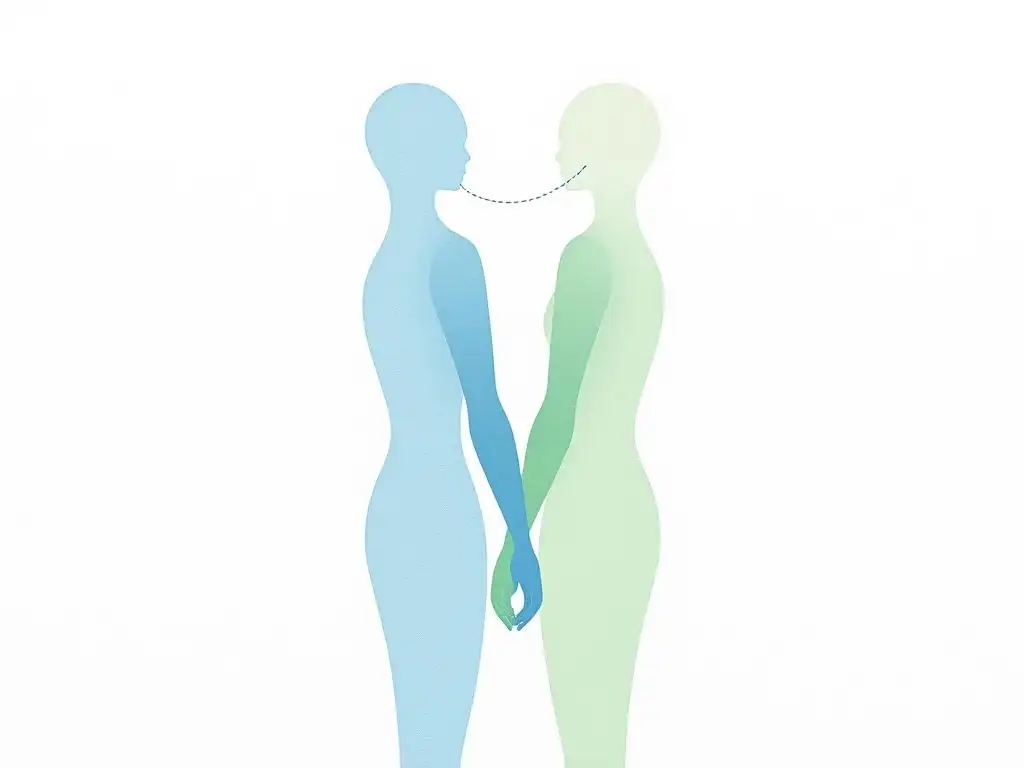
This section offers practical advice on building trust in the context of online dating, acknowledging the unique challenges and opportunities this environment presents. Navigating the complexities of online relationships requires a proactive and mindful approach, focusing on establishing safety, fostering healthy communication, and maintaining realistic expectations. Remember, building trust takes time and consistent effort; it's not a race, but a journey. These tips are designed to help you navigate this journey safely and successfully, ultimately leading to more fulfilling connections.
Prioritizing Safety and Security in Online Dating
Building trust online begins with prioritizing your safety and security. This isn't about paranoia, but about taking sensible precautions to protect yourself from potential harm. Never share personally identifying information (PII) too early in the process. This includes your full address, workplace, and even your exact location. Instead, opt for public meeting places for initial dates, and always let a friend or family member know your plans, including the person's name and contact information.
Consider using a separate email address and phone number specifically for online dating to maintain a level of privacy. Be wary of individuals who are excessively secretive or avoid video calls. A genuine connection should welcome transparency and open communication. Review the privacy settings on your dating app regularly to ensure your information is appropriately protected. Trust your instincts; if something feels off, it likely is. Don't hesitate to block or report users who make you uncomfortable.
Remember, online safety is an ongoing process. Staying informed about common online dating scams and adopting proactive measures are crucial for building trust and ensuring a safe experience. The goal is not to eliminate all risk, but to minimize it through informed decision-making and responsible behavior. Learning to identify red flags and acting accordingly is a key component of building trust in the online dating world.
Developing Healthy Communication Habits
Effective communication is the cornerstone of any healthy relationship, and online dating is no exception. Open and honest communication from the outset is key to establishing trust. Be upfront about your intentions and expectations, avoiding misleading or exaggerated representations of yourself. Respond promptly to messages, showing respect for the other person's time and interest. Avoid playing games or engaging in manipulative behavior; genuine connection thrives on authenticity.
Active listening is paramount. Take the time to understand the other person's perspective, asking clarifying questions and showing genuine interest in their responses. Share your thoughts and feelings openly and honestly, but also be mindful of the other person's emotional boundaries. Respectful disagreement is healthy; avoid aggressive or confrontational communication styles.
Regular and consistent communication helps build familiarity and trust. While it's important to avoid overwhelming the other person, maintaining a steady flow of communication helps establish a connection and reinforces trust. Remember, healthy communication is a two-way street; it requires both parties to actively participate and contribute to a positive and respectful exchange. This open and honest dialogue forms the bedrock of trust in online relationships.
Cultivating Patience and Realistic Expectations
Building trust in online dating requires patience and realistic expectations. It's unlikely you'll find your perfect partner on the first try, and disappointment is a possibility. Avoid rushing into things; take your time to get to know someone before making any significant commitments. Remember, online profiles often present an idealized version of a person; it takes time to uncover their true self.
Manage your expectations. Not every connection will lead to a long-term relationship, and that's okay. Focus on enjoying the process of getting to know people and building connections, even if they don't ultimately result in a romantic partnership. Celebrate small victories and milestones, and remember that building trust is a gradual process that requires time and effort.
Embrace the learning process. Each interaction, whether successful or not, offers valuable insights into your own preferences and needs. Use these experiences to refine your approach and improve your ability to build trust in future online interactions. Remember, building trust online, just like in any other context, is a marathon, not a sprint. Patience, realistic expectations, and a willingness to learn from your experiences are key to navigating the complexities of online dating successfully.
Frequently Asked Questions
How can I build trust with someone I've only met online?
Building trust online takes time and consistent effort. Start with open communication, sharing details gradually, and verify information when possible. Video calls can help establish a stronger connection.
What are some red flags to watch out for when building trust online?
Be wary of individuals who are vague about their personal life, avoid video calls, or pressure you into sharing personal information too quickly. Inconsistencies in their stories are also a major red flag.
Is it possible to build true trust solely through online interaction?
While genuine connections can form online, it's important to remember that in-person meetings are crucial for solidifying trust. Online interactions lay the groundwork, but meeting in person allows for a more complete assessment of compatibility and trustworthiness.
How important is transparency in building trust during online dating?
Transparency is paramount in building trust. Be honest about your intentions, share relevant information about yourself, and be open to answering questions honestly. Avoid hiding aspects of your life that could later become issues.
What role does verification play in building trust on online dating platforms?
Verifying profiles and using platforms with strong verification systems can significantly increase trust. This helps to ensure you're interacting with genuine individuals and reduces the risk of encountering fake profiles or scams.
Final Reflection: Rebuilding Trust in the Digital Age
The rise of online dating has fundamentally reshaped how we approach intimacy, forcing us to navigate the complexities of trust in a virtual world. This shift demands a conscious and deliberate approach to building genuine connections, moving beyond superficial profiles and fleeting interactions. The vulnerability inherent in online dating necessitates a new framework for assessing compatibility and fostering lasting relationships.
The impact of online dating on our understanding of trust is profound and far-reaching. It's not simply about finding a partner; it's about redefining how we build security and intimacy in a landscape saturated with potential deception. Trust is the glue of life. It's the most essential ingredient in effective communication, in the building of relationships.
- Stephen Covey. This quote highlights the timeless importance of trust, a value that online dating, despite its challenges, ultimately reinforces. The need to carefully cultivate trust online, perhaps even more so than in traditional settings, underscores its enduring significance in human connection.
Now, consider your own experiences with online dating, or even your observations of others navigating this digital landscape. How have you adapted your approach to building trust? What strategies have proven effective, and what pitfalls have you encountered? Take this reflection as a starting point for a more mindful and intentional approach to forming meaningful connections, both online and offline. Embrace the challenges, learn from your experiences, and prioritize genuine connection above all else. The journey to building lasting trust is a continuous process, and your active participation is key to its success.
Unleash Your Dating Confidence: Build Trust That Lasts
Thank you for exploring the fascinating world of online dating and trust! You've gained valuable insights into how this modern landscape shapes our expectations and perceptions of relationships. Ready to apply this knowledge?
- Prioritize Authentic Communication: Build genuine connections by being open, honest, and transparent in your online interactions. This establishes trust before you even meet in person.
- Share this article with friends who are navigating the online dating world. Let's start a conversation about building healthy relationships!
- Reflect on your dating strategies: Consider which communication styles foster trust and which might undermine it. Journaling your thoughts can be incredibly insightful.
What communication techniques will you use to build trust on your next online date? Let's discuss in the comments!