
How Dating Platforms Are Changing Our Expectations in Relationships

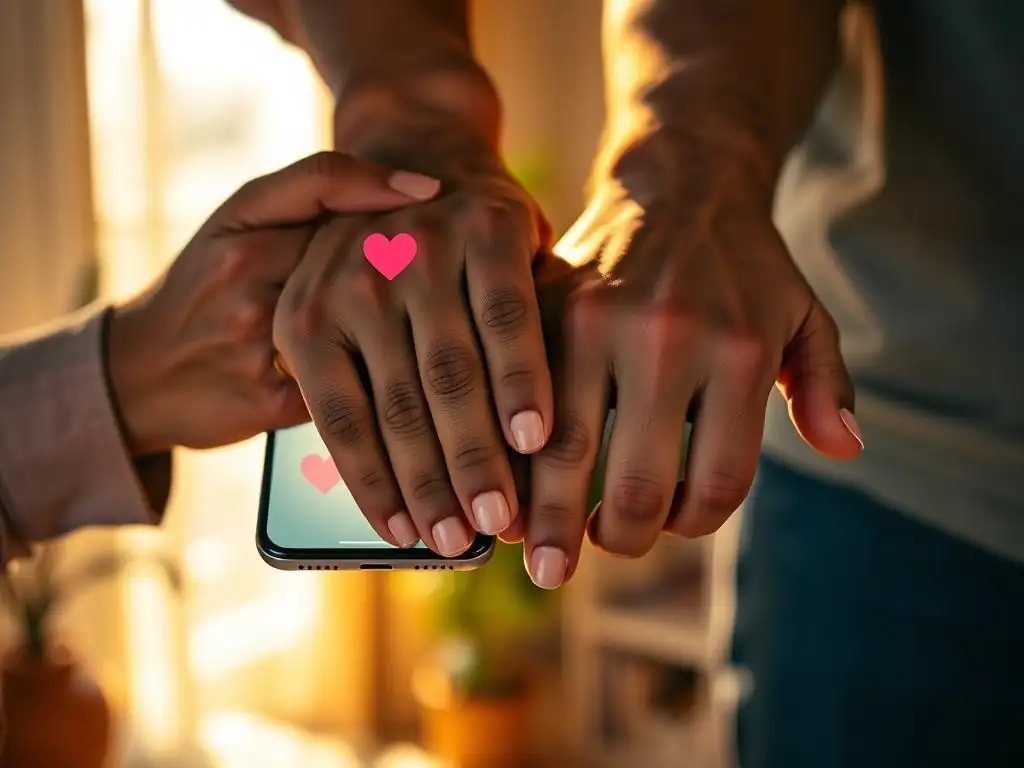
Welcome to OnlineDatingSuccess.org, your guide to navigating the exciting yet complex world of online dating. Are you ready to rewrite the rules of romance? We delve into the intriguing shift in relationship expectations fueled by dating platforms, exploring the impact on how we connect, communicate, and ultimately, find lasting love. Discover how understanding online dating relationship expectations can dramatically improve your chances of finding a meaningful connection. Let's unlock the secrets to success together!
- The Evolving Landscape of Online Dating Relationship Expectations
- Instant Gratification and the Speed of Modern Dating
- The Rise of Idealized Profiles and Unrealistic Expectations
- Navigating the Challenges of Online Dating Relationships
- Redefining Success in Online Dating Relationships
- The Future of Online Dating and Relationship Expectations
-
Frequently Asked Questions
- How are online dating platforms changing relationship expectations?
- What are some unrealistic expectations fueled by online dating?
- How can I manage my expectations while using online dating?
- What role does communication play in managing online dating expectations?
- How can I maintain a healthy perspective on relationships in the age of online dating?
- Final Reflection: Redefining Romance in the Digital Age
- Unlock Your Modern Dating Potential
The Evolving Landscape of Online Dating Relationship Expectations
Online dating has irrevocably altered the way we approach relationships, significantly impacting our expectations of romantic partnerships. This shift, from traditional courtship rituals to the swipe-right culture of modern dating apps, has created a complex interplay between technological advancements and evolving societal norms.
This article will explore how various aspects of online dating – from the ease of access to the influence of algorithms – are reshaping our understanding of what constitutes a successful and fulfilling relationship. We'll delve into the nuanced ways online platforms are influencing our relationship expectations, examining both the positive and negative consequences of this digital revolution in romance.
Understanding these changes is crucial for navigating the modern dating world and fostering healthier, more realistic expectations in relationships built online. The rise of online dating, while offering unprecedented opportunities for connection, has also presented unique challenges to our understanding of relationships, and this exploration will shed light on those dynamics.
The Shift from Traditional Courtship to Digital Connections
The transition from traditional courtship to online dating represents a fundamental change in how we meet potential partners. Historically, relationships often developed organically within established social circles, fostering a gradual understanding of shared values and compatibility. The process was typically slower, allowing for a more deliberate approach to intimacy and commitment.
Online dating, however, introduces a degree of immediacy and choice previously unimaginable. With access to a vast pool of potential partners, individuals can quickly assess profiles, filter based on specific criteria, and initiate contact with relative ease. This accelerated pace inherently changes expectations.
Instead of a gradual unfolding of a relationship, there's often a pressure to quickly establish compatibility and move toward a more committed relationship. This can lead to heightened expectations of immediate connection and a potential for disappointment if those expectations aren't met. The ease of moving on to another profile also contributes to a potentially less invested approach in the early stages of dating, impacting the level of commitment and effort invested in getting to know someone.
Increased Accessibility and its Impact on Relationship Expectations
The sheer accessibility of online dating platforms has dramatically altered relationship expectations. No longer constrained by geographical limitations or social circles, individuals can connect with potential partners from across the globe. This expanded pool of potential partners fuels a sense of abundance and heightened expectations.
The perception of endless possibilities can lead to a "grass is always greener" mentality, making it harder to commit to a single relationship. Moreover, the constant exposure to numerous profiles and their idealized representations can inflate expectations of physical appearance, personality traits, and lifestyle compatibility. This can contribute to feelings of dissatisfaction with potential partners who don't perfectly match the curated image presented online.
The accessibility of online dating, while offering increased choice, also presents challenges in fostering realistic expectations and appreciating the nuances of human connection beyond superficial attributes. This increased choice can paradoxically lead to relationship dissatisfaction, as finding a perfect match feels increasingly elusive.
The Role of Dating App Algorithms in Shaping Preferences
Dating app algorithms play a significant, often subconscious, role in shaping our relationship preferences. These algorithms, designed to maximize user engagement and optimize matches, often prioritize factors like physical attractiveness and superficial compatibility indicators. The constant exposure to profiles filtered and ranked by these algorithms can reinforce specific beauty standards and create unrealistic expectations about what constitutes a desirable partner.
Furthermore, the algorithmic curation of potential matches can limit exposure to individuals who might not initially fit our pre-conceived notions but could ultimately be highly compatible. This can lead to a narrower range of potential partners and a reinforcement of existing biases. The impact of algorithms on our perceptions of potential partners highlights the need for critical awareness of the technology shaping our dating experiences.
Understanding the inherent limitations and biases of these systems is essential for navigating the online dating landscape and forming authentic connections beyond the confines of algorithmic recommendations. The need for conscious effort to break free from algorithmic constraints and seek diverse connections is paramount for building healthier relationships.
Instant Gratification and the Speed of Modern Dating

Online dating, with its plethora of profiles and instant messaging capabilities, has fundamentally altered our expectations surrounding relationship development. The ease of access to potential partners fosters a culture of instant gratification, impacting how we approach dating and what we deem acceptable in a partner. This shift is particularly pronounced among younger generations who have grown up with readily available digital communication and entertainment.
The expectation of immediate connection and rapid progress is a stark contrast to the slower, more organic development of relationships in previous eras. This isn't necessarily negative; it simply represents a significant change in the dating landscape. Understanding this shift is crucial for navigating the modern dating world successfully.
The Impact of "Swipe Culture" on Relationship Expectations
Swipe-based dating apps, epitomized by their "swipe left/swipe right" mechanics, have significantly contributed to the culture of instant gratification. The constant stream of profiles creates a sense of abundance, leading many to believe that "better" options are always just a swipe away. This "swipe culture" fosters impatience and lowers the threshold for commitment. Instead of investing time and effort in getting to know someone, users might quickly dismiss potential partners based on superficial criteria, leading to a higher turnover rate in dating interactions.
Data suggests that the average time spent messaging before a first date on swipe-based apps is significantly shorter than on platforms that prioritize more detailed profiles and longer-form communication. This reflects a shift towards prioritizing immediate visual appeal over deeper compatibility. The consequence is a heightened expectation of instant chemistry and a reduced tolerance for the gradual unfolding of connection that often characterizes long-term relationships.
The Pressure of Constant Choice and its Effect on Commitment
The sheer volume of potential partners available on online dating platforms creates a paradox of choice. While offering seemingly limitless options, this abundance can paradoxically lead to increased dissatisfaction and difficulty in committing to a single person. The fear of missing out (FOMO) becomes a significant factor, fueling a constant search for the "perfect" match.
This perpetual pursuit of an ideal partner can hinder the ability to appreciate the strengths and potential of individuals who might otherwise be compatible. Research indicates a correlation between the number of dating app users and reported feelings of anxiety and dissatisfaction with relationships.
This isn't to say online dating is inherently bad, but rather that the abundance of options can create unrealistic expectations and make commitment more challenging. The pressure to constantly evaluate and compare potential partners can lead to a cycle of superficial interactions and a reluctance to invest deeply in any one relationship.
Impatience and the Search for Immediate Compatibility
The ease and speed of online dating have fostered an expectation of immediate compatibility. Users often enter the dating process with a pre-conceived notion of their ideal partner, leading them to quickly dismiss individuals who don't perfectly align with their criteria. This impatience can hinder the development of genuine connections, as relationships often require time and effort to flourish.
The search for immediate "clicks" or instant chemistry overshadows the importance of building trust, understanding, and shared experiences over time. This tendency towards immediate gratification can manifest as a reluctance to work through challenges or invest in personal growth within a relationship, leading to a higher likelihood of premature relationship termination.
Cultivating patience and a willingness to invest in a relationship, despite the initial absence of immediate "spark," is crucial for fostering long-lasting connections in the age of online dating. The ability to appreciate the process of getting to know someone, rather than solely focusing on immediate compatibility, is a vital skill in navigating the modern dating landscape.
The Rise of Idealized Profiles and Unrealistic Expectations
Online dating, while offering unprecedented access to potential partners, has inadvertently fostered a culture of idealized profiles and unrealistic relationship expectations. The ease with which individuals can curate their online personas contributes significantly to this phenomenon, impacting how we perceive ourselves and what we seek in a partner. This section will explore the multifaceted ways in which online dating platforms contribute to this issue, focusing on the presentation of "perfect" personas, the distortion of self-perception, and the subsequent disparity between online profiles and real-life interactions.
Understanding these dynamics is crucial for navigating the complexities of modern relationships shaped by online dating. The keyword phrase "online dating relationship expectations" is central to this discussion.
The Presentation of "Perfect" Personas Online
The curated nature of online dating profiles often leads to the presentation of "perfect" personas. Users meticulously select photos, crafting an image that highlights their most attractive features and downplays imperfections. Bios are carefully crafted to emphasize positive qualities and accomplishments, often omitting less flattering aspects of their personality or lifestyle. This selective presentation creates a landscape of seemingly flawless individuals, setting an unrealistic benchmark for potential partners.
Consider the prevalence of heavily filtered photos and the carefully chosen vocabulary used in profile descriptions. This carefully constructed image rarely reflects the complexities and imperfections inherent in real-life individuals. This contributes significantly to inflated "online dating relationship expectations". The resulting disconnect between the idealized online persona and the real person can lead to disappointment and frustration when relationships progress beyond the initial online interaction.
The Distortion of Self-Perception and Partner Selection
The constant exposure to idealized profiles on dating platforms can significantly distort self-perception and influence partner selection. Individuals may begin to compare themselves unfavorably to the seemingly perfect profiles they encounter, leading to feelings of inadequacy and low self-esteem. This can also affect their partner selection process, as they may hold unrealistically high standards, making it difficult to find someone who meets their idealized expectations.
For example, someone might dismiss a perfectly compatible individual because their profile doesn't perfectly align with the idealized image they've absorbed from countless other profiles. This contributes to a cycle of dissatisfaction and reinforces unrealistic online dating relationship expectations. The pressure to maintain a flawless online persona can also lead to a fear of vulnerability and authenticity, hindering genuine connections.
The Disparity Between Online Profiles and Real-Life Interactions
A significant challenge stemming from idealized online profiles is the disparity between online presentations and real-life interactions. The carefully constructed image presented online often crumbles upon closer inspection in face-to-face encounters. This can lead to disillusionment and disappointment for both parties involved. For example, someone who presents themselves as outgoing and adventurous online might be shy and introverted in person.
This mismatch can create tension and undermine the foundation of the relationship. The discrepancy between online profiles and real-life interactions is a key factor contributing to the negative perceptions surrounding online dating. Addressing this disparity requires a greater emphasis on authenticity and transparency in online profiles, fostering more realistic online dating relationship expectations. This, in turn, can lead to more fulfilling and sustainable relationships.

Online dating has revolutionized how we meet romantic partners, fundamentally altering relationship expectations. This shift presents both exciting opportunities and unique challenges. Understanding these challenges is crucial for navigating the complexities of online dating and fostering successful, fulfilling relationships. The ease of connecting with numerous potential partners online can, paradoxically, lead to increased pressure and unrealistic expectations.
This section will explore some key hurdles faced by individuals seeking lasting connections through digital platforms. The prevalence of "ghosting," superficial interactions, and the pressure to constantly present an idealized version of oneself online contribute to a unique set of relationship dynamics that require careful consideration. Successfully navigating these challenges demands self-awareness, realistic expectations, and effective communication strategies. The speed at which connections are formed online, often bypassing the traditional stages of courtship, can also impact the development of trust and intimacy.
Addressing Communication Barriers in Digital Interactions
Digital communication, while convenient, lacks the nuances of face-to-face interaction. Misinterpretations are common, leading to misunderstandings and conflict. The absence of nonverbal cues like body language and tone of voice can significantly impact the accuracy of message interpretation. For instance, sarcasm or humor can easily be misconstrued in text-based communication, leading to frustration and hurt feelings.
Emojis and GIFs attempt to bridge this gap, but they are not always successful. A study by [specific information pending] revealed that a significant percentage of online daters reported experiencing communication-related conflicts, highlighting the importance of developing strategies for clear and empathetic digital communication. Proactive clarification, mindful word choice, and the conscious effort to understand the other person’s perspective are crucial to minimizing misunderstandings.
Furthermore, scheduling video calls early in the dating process can help mitigate communication barriers by adding a visual element to the interaction. This allows for a more comprehensive understanding of emotional cues and fosters a stronger sense of connection. Consider the difference between a simple "hello" text and a video call where you can see the person's smile and hear the warmth in their voice – the impact on relationship building is significant.
Managing Expectations in Long-Distance Online Relationships
Long-distance relationships (LDRs), already challenging in traditional contexts, present unique complexities in the online dating sphere. The lack of physical proximity necessitates creative strategies for maintaining intimacy and connection. Regular video calls, planned virtual dates, and thoughtful gestures like sending care packages can help bridge the geographical distance. However, managing expectations is paramount.
The perceived ease of connecting online can sometimes create a false sense of immediacy and accessibility, leading to unrealistic expectations regarding frequency of contact and the level of emotional support available. It's crucial to establish clear communication about expectations regarding time zones, schedules, and the availability for virtual interactions. Openly discussing potential challenges, such as feelings of loneliness or isolation, is essential for maintaining a healthy and sustainable relationship.
Furthermore, planning in-person visits should be a priority, serving as crucial milestones that reinforce the commitment and provide opportunities for deeper connection. Failure to address these logistical and emotional aspects can lead to feelings of disconnect and ultimately, relationship dissolution. Successful long-distance online relationships require proactive planning, consistent effort, and a shared understanding of the challenges and rewards involved.
Building Trust and Authenticity in the Digital Age
Building trust in online dating requires a conscious effort to present oneself authentically and verify information shared by potential partners. The anonymity afforded by online platforms can embolden individuals to misrepresent themselves, leading to disappointment and potential harm. Sharing personal details gradually and verifying information through independent means, such as social media checks (with caution), can help mitigate risks. However, it's crucial to balance caution with openness.
Being overly suspicious can hinder the development of trust. Transparency and open communication are essential for building a solid foundation of trust. Sharing vulnerabilities and engaging in meaningful conversations that reveal aspects of one's personality beyond superficial profiles are crucial. Remember, building trust is a gradual process that requires consistent effort and mutual respect.
Being mindful of online safety practices, such as avoiding sharing sensitive personal information early on and being aware of potential red flags, is crucial for protecting oneself from potential harm. Prioritizing genuine connection over superficial interactions is key to fostering authentic relationships in the digital age. The focus should always be on building a relationship based on mutual respect, honesty, and shared values, not just a fleeting online connection.
Redefining Success in Online Dating Relationships

The rise of online dating has dramatically altered how we perceive relationship success. Gone are the days where "success" solely meant finding a partner; now, it's about finding the right partner. This shift in perspective is fueled by the sheer volume of choices available on dating platforms, fostering a more discerning and less desperate approach to finding love.
Instead of focusing on accumulating numerous dates, individuals are increasingly prioritizing quality interactions and genuine connections. This transition reflects a broader societal shift towards valuing authenticity and meaningful relationships over fleeting romances. The abundance of options paradoxically pushes users to become more selective, leading to a redefined understanding of what constitutes a successful outcome in the online dating sphere.
This isn't just about finding someone; it's about finding someone compatible and building a sustainable, fulfilling relationship. The metrics of success are no longer solely numerical (number of dates, matches, etc. ), but qualitative (depth of connection, shared values, emotional intimacy).
Shifting from Quantity to Quality Connections
The abundance of profiles on dating apps initially might seem empowering, offering a vast pool of potential partners. However, this abundance often leads to a phenomenon known as "choice overload," where too many options result in decision paralysis and dissatisfaction. Studies show that individuals exposed to an overwhelming number of choices are less likely to make a selection, or even if they do, they're less satisfied with their choice.
Consequently, the focus has shifted from accumulating numerous matches and dates to cultivating meaningful connections with a smaller, more carefully selected group. Instead of swiping right on every appealing profile, users are increasingly employing more discerning strategies, focusing on profile descriptions that reveal personality, values, and lifestyle compatibility.
This strategic approach reduces wasted time and effort, leading to a higher chance of forming genuine connections that have the potential to blossom into lasting relationships. This change reflects a move away from a transactional approach to dating towards a more intentional and thoughtful process.
Prioritizing Emotional Connection Over Superficial Matches
The superficial nature of some online dating platforms, emphasizing quick judgments based on photos and brief bios, has paradoxically led to a greater appreciation for genuine emotional connection. While initial attraction is still important, users are increasingly recognizing the limitations of basing compatibility solely on visual appeal. They're seeking evidence of emotional intelligence, empathy, and shared values in profiles and conversations.
This means looking beyond surface-level attributes and engaging in deeper conversations that explore personality, interests, and life goals. This prioritization of emotional connection is reflected in the rise of dating apps that incorporate personality tests or detailed questionnaires aimed at facilitating more meaningful matches based on shared values and compatibility.
Users are starting to understand that a fleeting physical attraction is less likely to sustain a healthy, long-term relationship than a strong emotional bond founded on mutual respect, understanding, and shared life aspirations. The emphasis is shifting from “finding a match” to “finding a partner.”
Cultivating Healthy Relationship Expectations in the Digital World
Navigating online dating requires managing expectations realistically. The idealized portrayals of relationships often presented in media contrast sharply with the realities of building genuine connections in the digital world. It's crucial to avoid falling prey to unrealistic expectations fueled by curated online profiles and idealized depictions of romance.
Healthy relationship expectations involve acknowledging that building trust and intimacy takes time and effort, both online and offline. It’s important to embrace the possibility of rejection, understand that not every connection will lead to a lasting relationship, and to maintain a healthy sense of self-worth regardless of the outcome. Furthermore, fostering healthy communication, setting boundaries, and prioritizing safety are crucial aspects of cultivating healthy expectations within the context of online dating.
This involves being mindful of personal information shared online and practicing caution when meeting potential partners offline. Ultimately, the success of online dating hinges on a realistic understanding of the process and a commitment to fostering authentic connections. This requires patience, self-awareness, and a willingness to invest in building meaningful relationships, rather than simply accumulating superficial matches.
The Future of Online Dating and Relationship Expectations
Online dating, once a niche activity, has become a mainstream way to meet romantic partners. This shift has profoundly altered societal expectations surrounding relationships, and understanding these changes is crucial for navigating the modern dating landscape. This section explores the evolving future of online dating and its impact on relationship expectations.
We'll examine the potential for increased authenticity, the role of technology in fostering genuine connections, and how individuals can adapt to this ever-changing environment. The keyword "online dating relationship expectations" is central to this discussion, as we analyze how the digital realm reshapes our desires and perceptions of romantic partnerships.
The Potential for Increased Transparency and Authenticity
The rise of online dating has, paradoxically, both increased and decreased transparency in relationships. While profiles often present curated versions of individuals, the sheer volume of information available online—social media, professional networks, etc.—can provide a more comprehensive picture than traditional meet-cutes. This potential for increased transparency fosters a level of accountability.
Individuals are more likely to be upfront about their intentions and expectations, fearing exposure of inconsistencies. This doesn't guarantee complete authenticity, as individuals can still misrepresent themselves, but the increased potential for discovery encourages more honest self-representation. For example, someone might be less likely to exaggerate their income or career achievements knowing that a quick online search could reveal the truth.
The pressure to maintain a consistent online persona can lead to more genuine interactions, at least in the initial stages of online dating. This increased scrutiny can also lead to a more discerning approach to dating, with individuals prioritizing compatibility and shared values over superficial attributes. The ongoing challenge, however, remains discerning genuine transparency from carefully constructed facades.
The Role of Technology in Fostering Meaningful Connections
Technology's role extends beyond simply facilitating connections; it's actively shaping the nature of those connections. Dating apps incorporate features designed to encourage meaningful interactions. Some platforms emphasize shared interests and values, prompting conversations beyond surface-level pleasantries. The use of video calls and virtual dates allows for a more personal connection before an in-person meeting, mitigating some of the uncertainty inherent in traditional dating.
These technological advancements help to create a more informed and potentially more successful dating experience, leading to more meaningful relationships in the long run. However, the reliance on technology also presents challenges. Over-reliance on apps can lead to a sense of detachment, hindering the development of genuine emotional intimacy.
Moreover, the constant bombardment of notifications and messages can be overwhelming and detract from the quality of interactions. Balancing the benefits of technology with the importance of authentic human connection is key to maximizing the potential for successful online dating. The key is to use technology as a tool, not a replacement, for human interaction.
Adapting to the Ever-Changing Landscape of Online Dating
The online dating landscape is constantly evolving, with new platforms, features, and trends emerging regularly. Staying informed about these changes is crucial for navigating the dating world effectively. This includes understanding the different types of dating apps and their target audiences, being aware of potential scams and safety risks, and adapting communication strategies to fit the platform.
For example, the successful use of emojis 😜 or GIFs 🎬 can significantly impact the tone and effectiveness of online communication. Furthermore, understanding the cultural nuances and expectations associated with online dating is essential. Cultural differences can influence communication styles, relationship expectations, and even the perception of what constitutes appropriate online behavior.
Continuous learning and adaptation are vital for success in online dating, requiring flexibility and a willingness to embrace new technologies and methodologies. Ultimately, successful navigation of this evolving landscape requires a proactive approach, a willingness to learn, and a focus on building genuine connections. This adaptability is essential for those seeking meaningful relationships in the digital age.
Frequently Asked Questions
How are online dating platforms changing relationship expectations?
Online dating has led to a shift towards more casual dating initially, with less emphasis on immediate commitment. People are more likely to explore multiple options before settling down and have higher expectations regarding compatibility and communication. This can lead to both quicker connections and more frequent disappointments.
What are some unrealistic expectations fueled by online dating?
Online dating profiles often present idealized versions of individuals, leading to unrealistic expectations about appearance and personality. The constant stream of potential partners can foster a sense of entitlement and impatience, impacting the ability to build genuine connections. Instant gratification is often prioritized over building trust and understanding.
How can I manage my expectations while using online dating?
Be realistic about what you're looking for and focus on building genuine connections, rather than just accumulating matches. Understand that online profiles are curated representations, not the whole person. Be patient and open-minded, remembering that finding the right partner takes time and effort.
What role does communication play in managing online dating expectations?
Clear and honest communication from the start is crucial. Discuss relationship goals and expectations openly and honestly to avoid misunderstandings and wasted time. Pay attention to red flags and don't be afraid to end things if your needs aren't being met.
How can I maintain a healthy perspective on relationships in the age of online dating?
Focus on self-improvement and building a fulfilling life independent of romantic relationships. Remember that online dating is just one tool; focus on building genuine connections in the real world as well. Prioritize your well-being and don't let online dating dictate your self-worth.
Final Reflection: Redefining Romance in the Digital Age
The way we approach relationships is fundamentally shifting, and dating platforms are at the heart of this transformation. The ease of access to potential partners, coupled with the curated profiles and instant communication, has created a new set of expectations, both positive and negative, that are reshaping the very fabric of modern romance. This isn't simply a technological advancement; it's a societal shift with far-reaching consequences.
The constant exposure to a seemingly endless pool of potential partners has undeniably altered our perceptions of compatibility and commitment. We're bombarded with choices, leading to a potential for increased dissatisfaction and a fear of missing out. This constant comparison can erode the appreciation for the unique qualities of individual connections. The paradox of choice,
as Barry Schwartz eloquently put it, "is that more is less." This rings profoundly true in the context of online dating, where the abundance of options can ironically lead to a sense of emptiness and dissatisfaction.
Now, consider your own experiences with online dating or observing its impact on those around you. How have your expectations of relationships evolved in the digital age? Are you actively shaping your approach to dating to navigate these new realities, or are you allowing the algorithms to dictate your romantic journey? Take a moment to reflect on this, and actively choose to cultivate healthy relationship expectations, prioritizing genuine connection over superficial metrics. The future of romance isn't predetermined; it's a narrative we co-create, one swipe, one conversation, one meaningful connection at a time.
Unlock Your Modern Dating Potential
Thanks for exploring the evolving world of dating with us! You've gained valuable insights into how online platforms shape our relationship expectations, and now it's time to apply that knowledge. Ready to take the next step?
- Refine your dating profile: Use what you've learned about modern relationships to create a profile that authentically reflects who you are and attracts compatible partners. Consider the subtle shifts in dating expectations—how can you showcase your understanding of these in your profile and photos?
- Practice mindful dating: Approach online dating with intention, focusing on building genuine connections rather than superficial metrics. Consider what truly matters to you in a relationship and actively seek those qualities in potential partners.
- Share your experiences: What's your biggest takeaway from the changing landscape of dating? Let's discuss! Share your thoughts and experiences in the comments below—we'd love to hear from you.
Ready to rewrite your dating story?