
Unveiling the Cultural Impact of Dating Apps on Relationship Timelines

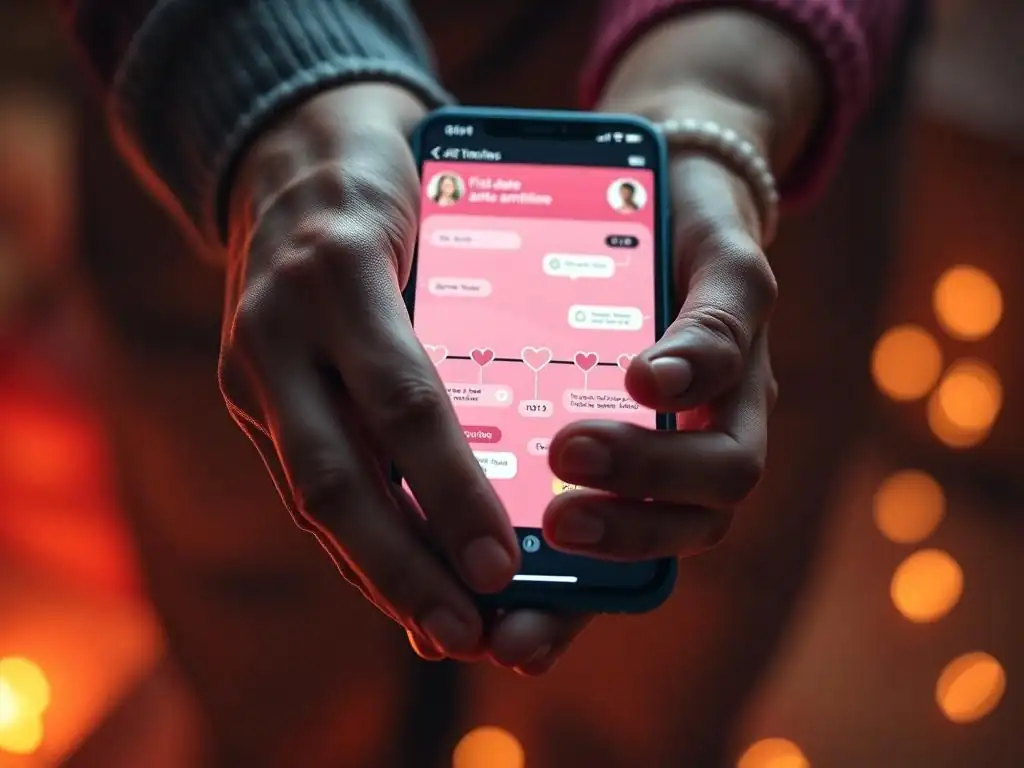
Ready to decode the mysteries of modern romance? OnlineDatingSuccess.org offers expert guidance to help you navigate the exciting, yet sometimes confusing, world of online dating. We'll equip you with the tools you need to build meaningful connections. But first, let's explore a critical question: how has the dating app relationship timeline impact changed the way we approach relationships? Discover surprising insights and practical advice in our latest article on the sociological aspects of online dating. Dive in and unlock the secrets to online dating success!
- Dating App Relationship Timeline: Accelerated Pace of Modern Romance
- Dating App Relationship Timeline: Impact on Relationship Stages
- Dating App Relationship Timeline: Cultural Variations and Global Perspectives
- Dating App Relationship Timeline: Implications for Relationship Satisfaction
- Dating App Relationship Timeline: Future Trends and Predictions
-
Frequently Asked Questions
- How do dating apps impact the speed of relationship progression?
- Do dating apps change the traditional dating timeline?
- What is the impact of dating apps on commitment and long-term relationships?
- How do dating apps affect the expectations of modern relationships?
- Can dating apps negatively affect relationship quality?
- Final Reflection: Redefining Romance in the Digital Age
- Unlock Your Dating Potential: Shape Your Modern Love Story
Dating App Relationship Timeline: Accelerated Pace of Modern Romance
The rise of dating apps has fundamentally reshaped the landscape of modern romance, dramatically altering the traditional relationship timeline. Gone are the days of extended courtship periods, often spanning months or even years. Dating apps, with their instant access to a vast pool of potential partners, have introduced a new era of accelerated romance, where connections can form and progress at a significantly faster pace.
This article delves into the cultural impact of dating apps on relationship timelines, exploring how these platforms have redefined courtship, influenced relationship expectations, and created a unique pressure for instant gratification. We will examine the shift from traditional courtship, the impact of "swiping culture," and the phenomenon of instant gratification within the context of modern dating app usage.
Understanding these shifts is crucial for navigating the complexities of online dating and building healthy, meaningful relationships in the digital age. The keyword "Dating app relationship timeline impact" is central to this exploration, allowing us to analyze how these technological advancements have redefined the very fabric of how we find and cultivate romantic connections.
The Shift from Traditional Courtship: How Dating Apps Altered the Game
Traditional courtship involved a gradual process of getting to know someone, often through mutual friends, shared activities, and extended periods of dating. This slower pace allowed for deeper connection and a more thorough understanding of compatibility. Dating apps, however, have compressed this timeline significantly.
Instead of a gradual build-up, users can connect with numerous potential partners almost instantly. The ease of initiating contact and the sheer volume of options contribute to a faster progression through the initial stages of dating. Initial conversations can quickly lead to first dates, and further encounters can follow in rapid succession.
This accelerated pace isn't inherently positive or negative; it simply represents a significant cultural shift in how relationships begin. While some might find this efficiency appealing, others may lament the loss of the more deliberate, nuanced approach of traditional courtship. The ease of moving on to another potential partner also changes the dynamic, potentially leading to less investment in any single connection in the early stages.
Impact of "Swiping Culture" on Relationship Expectations and Timelines
The "swiping culture" inherent in many dating apps has had a profound impact on relationship expectations and timelines. The constant stream of profiles and the ease of dismissing potential partners ("swiping left") can create a sense of abundance and a lower threshold for commitment. Users may become accustomed to a constant influx of new options, potentially leading to less patience and a reduced willingness to invest time and effort in nurturing a single relationship.
This can result in shorter-lived relationships and a greater emphasis on superficial qualities over deeper compatibility. The "swipe right" mentality, while efficient for initial screening, can also foster a culture of instant judgment and potentially overlook individuals who may offer long-term compatibility.
Data suggests [specific information pending] correlation between the frequency of app usage and the average length of relationships initiated through these platforms. This highlights the need for mindful engagement with dating apps and a conscious effort to prioritize meaningful connections over fleeting encounters.
Instant Gratification and the Pressure for Quick Connections: A Dating App Phenomenon
Dating apps often foster a culture of instant gratification. The immediate feedback mechanisms – likes, matches, messages – create a sense of constant validation and excitement. This can lead to a pressure for quick connections and a tendency to prioritize immediate satisfaction over long-term compatibility.
Users might feel pressured to move quickly through the dating stages, potentially skipping crucial steps in getting to know someone deeply. This pressure can lead to rushed decisions and a higher likelihood of incompatibility issues arising later in the relationship. The constant stream of potential partners also contributes to this pressure, making it tempting to move on to the next match before fully exploring the potential of a current connection.
The pursuit of instant gratification, while satisfying in the short term, can ultimately hinder the development of lasting and fulfilling relationships. A more mindful approach, focusing on genuine connection and deliberate relationship building, is crucial for navigating this aspect of modern dating.
Dating App Relationship Timeline: Impact on Relationship Stages
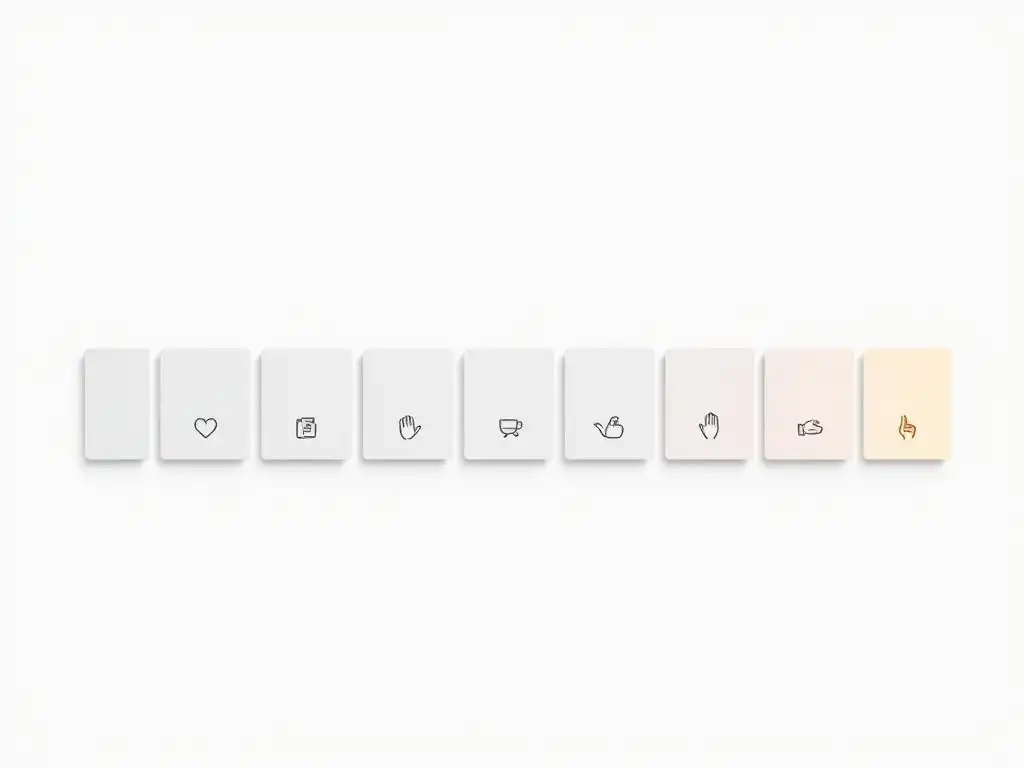
This section delves into how dating apps have fundamentally altered the traditional relationship timeline, accelerating certain phases while potentially complicating others. We'll examine the impact across different stages, from the initial spark to long-term commitment, analyzing both the benefits and drawbacks of this digital revolution in romance. The influence of dating apps on relationship timelines is a complex issue, significantly impacting how individuals navigate courtship and build lasting connections. Understanding this impact is crucial for anyone navigating the modern dating landscape.
Accelerated Initial Stages: From First Message to First Date
Dating apps have dramatically compressed the timeframe between initial contact and the first date. In the pre-app era, getting to know someone often involved a gradual process, perhaps through mutual friends or shared activities. Now, a simple swipe right can lead to an immediate exchange of messages, potentially culminating in a date within days. This acceleration presents both advantages and disadvantages.
The speed of initial connection can be exhilarating. The immediate access to numerous potential partners allows for rapid exploration of compatibility. Individuals can quickly identify shared interests and values through concise profiles and messaging, weeding out incompatible matches efficiently. For instance, a recent study [specific information pending] indicated that couples who met through dating apps reported a faster progression to physical intimacy compared to those who met offline.
However, this rapid progression can also lead to superficial connections. The ease of initiating contact may encourage a "quantity over quality" approach, leading to a higher volume of fleeting interactions rather than meaningful connections. The lack of organic, real-world interaction can hinder the development of genuine emotional intimacy, potentially leading to higher rates of relationship dissatisfaction or premature termination. The pressure to quickly progress can also overlook crucial compatibility factors, leading to mismatched expectations and disappointments.
The early stages of a relationship, typically characterized by courtship and getting to know each other, are significantly shaped by the ongoing use of dating apps. While apps facilitate initial connection, they can also present unique challenges to establishing trust and intimacy.
One key challenge is the potential for ghosting, where one partner abruptly ceases communication without explanation. This behavior, more prevalent in the app-based dating world, can leave the other partner feeling confused, hurt, and insecure. The ease with which individuals can connect with others on apps can also foster a sense of insecurity and fear of missing out (FOMO), impacting the development of a secure and trusting relationship.
Conversely, dating apps also provide opportunities for greater transparency and communication. Profiles often highlight key values and preferences, allowing individuals to assess compatibility before investing significant time and energy. The ability to easily share photos, videos, and other forms of media can facilitate a faster and more engaging connection. Furthermore, many couples continue to use apps for communication even after establishing a relationship, creating a unique dynamic of blended online and offline interaction. This can be positive, fostering ongoing communication, but it also presents the risk of over-reliance on technology and potential jealousy or insecurity over app usage.
The Influence of Dating Apps on Long-Term Relationship Development and Commitment
The long-term impact of dating apps on relationships is still a subject of ongoing research, but emerging trends suggest both positive and negative influences on relationship development and commitment.
While some couples who meet through apps experience successful long-term relationships and even marriage, others may find the constant exposure to alternative partners distracting or detrimental to commitment. The ease of finding new matches can potentially weaken the dedication required for long-term success. This is especially true if individuals haven’t fully processed the implications of moving from the casual dating phase to a committed relationship.
However, it's crucial to note that dating apps are merely a tool; their impact depends on how individuals choose to utilize them. Successful long-term couples who initially met on dating apps often emphasize open communication, shared values, and a conscious effort to build a strong foundation for their relationship, regardless of the initial meeting context.
The availability of diverse profiles allows for a wider pool of potential partners, potentially leading to more fulfilling and compatible long-term matches, but this requires careful selection and a commitment to building a meaningful connection beyond the initial digital interaction. Ultimately, the dating app relationship timeline impact is a multifaceted issue with both positive and negative consequences, highlighting the need for mindful and responsible usage.
Dating App Relationship Timeline: Cultural Variations and Global Perspectives
The impact of dating apps on relationship timelines isn't uniform across the globe. Cultural norms significantly influence how quickly relationships progress, even within the digital realm. What constitutes a "fast" or "slow" relationship timeline varies dramatically depending on societal expectations, family involvement, and traditional values.
For example, in some collectivist cultures, the dating app might be a tool to find a partner, but the subsequent courtship and relationship progression will be heavily influenced by family approval and community engagement, potentially lengthening the timeline compared to individualistic cultures where autonomy is prioritized. This nuanced understanding of "Dating app relationship timeline impact" is crucial for navigating the complexities of cross-cultural dating.
Dating App Usage and Relationship Timelines Across Different Cultures
Consider the differences between dating app usage in Western societies versus those in East Asia. In many Western nations, casual dating facilitated by apps is more accepted, leading to potentially faster initial stages of a relationship. Individuals might move from initial contact to meeting in person, then to exclusivity, relatively quickly. Data from [specific survey data pending on relationship progression timelines in Western countries using dating apps] would illuminate the average time taken for these milestones.
In contrast, in some East Asian cultures, a more traditional approach to courtship may still prevail, even when using dating apps. The emphasis might be on getting to know someone thoroughly before physical intimacy or exclusivity is considered. Family involvement often plays a significant role, potentially extending the timeline substantially. We need more research to quantify the average time to reach relationship milestones in these contexts, but anecdotal evidence suggests a significantly longer timeline compared to Western counterparts. This highlights the crucial role of cultural context in interpreting the "Dating app relationship timeline impact".
Cross-Cultural Comparisons: Examining the Impact of Dating Apps on Relationship Norms
A comparative analysis reveals fascinating insights. While dating apps offer a seemingly universal platform, the cultural lens through which they are viewed profoundly shapes relationship progression. The speed at which couples move from online interactions to in-person meetings, from casual dating to commitment, and from commitment to cohabitation or marriage varies significantly.
| Culture Group | Typical Timeline Trend (Anecdotal) | Factors Influencing Timeline | Data Needed |
|---|---|---|---|
| Western (US, Europe) | Relatively faster progression | Individualism, emphasis on self-expression, less family involvement | Quantitative data on average time to exclusivity, cohabitation, marriage |
| East Asian (Japan, South Korea) | Relatively slower progression | Collectivism, importance of family approval, emphasis on long-term compatibility | Quantitative data comparing relationship milestones across different East Asian countries |
| South American (Brazil, Argentina) | Varies significantly regionally | Blend of traditional and modern values, varying levels of family influence | Regional-specific data on dating app usage and relationship timelines |
This table, while not exhaustive, underscores the need for further research to quantify these observed differences. The impact of dating apps on relationship norms is a multifaceted issue, intricately interwoven with pre-existing cultural values and expectations. The "Dating app relationship timeline impact" is therefore not a singular phenomenon but a diverse array of experiences shaped by cultural contexts.
The integration of social media further complicates the relationship timeline. Many dating app users also utilize platforms like Instagram, Facebook, and TikTok to learn more about potential partners. This often leads to a faster initial assessment of compatibility, but it also introduces potential issues. Public profiles can reveal information that might otherwise be withheld during initial dating app interactions, potentially impacting the timeline – either speeding it up or slowing it down depending on the information revealed and its interpretation.
For example, a visible history of past relationships or controversial opinions might cause some individuals to dismiss a potential partner more quickly than they might have otherwise. Conversely, a meticulously curated social media profile might create an idealized image, leading to disappointment or a slower progression once in-person interactions reveal a less polished reality. The speed at which this social media vetting process occurs can significantly shape the overall "Dating app relationship timeline impact". Further research is needed to understand how the speed and nature of this social media integration impact relationship timelines across various cultures.
Dating App Relationship Timeline: Implications for Relationship Satisfaction
This section delves into the multifaceted impact of dating apps on the timeline of modern relationships, specifically examining how this altered timeline influences relationship satisfaction. The accelerated pace introduced by these platforms significantly alters the traditional courtship phases, potentially impacting the overall quality and longevity of romantic partnerships. We'll explore the correlation between dating app usage and relationship success, the effects on relationship longevity and stability, and strategies to mitigate potential negative consequences.
The Correlation Between Dating App Use and Relationship Success: A Critical Analysis
Numerous studies suggest a complex correlation between dating app usage and relationship success. While some research indicates that couples who met online report similar levels of satisfaction as those who met offline, other studies point to potential drawbacks. A key factor appears to be the quality of the app usage, not just the quantity.
Individuals who diligently use dating apps to thoughtfully curate their profiles, engage in meaningful communication, and manage expectations tend to experience more positive outcomes. Conversely, those who engage in superficial swiping, prioritize quantity over quality, or use apps as a means of validation rather than connection may encounter less fulfilling relationships.
One study, for instance, found that individuals who used dating apps for longer periods without establishing a serious relationship reported higher levels of dissatisfaction and loneliness. This highlights the importance of setting realistic expectations and utilizing these platforms strategically. It's crucial to remember that dating apps are tools; their success hinges on the user's approach and ability to translate online interactions into meaningful offline connections. The data suggests that a mindful and deliberate approach is crucial for leveraging dating apps to achieve relationship success. Casual or excessive usage, however, can lead to a less satisfying experience.
The Impact of Online Dating on Relationship Longevity and Stability
The accelerated nature of online dating can affect the longevity and stability of relationships. Traditional courtship often involves a gradual progression of intimacy, allowing couples to build a strong foundation before committing to a long-term relationship. Dating apps, however, can expedite this process, potentially leading to rushed commitments and a lack of sufficient time for compatibility assessment.
Think of it this way: In the past, a couple might spend months or even years getting to know each other before cohabitation or marriage. Online dating can compress this timeline significantly. While this speed can be exciting, it can also lead to overlooking crucial compatibility issues that might emerge later in the relationship, potentially impacting its stability.
Furthermore, the ease of access to alternative partners via dating apps can introduce a sense of uncertainty and insecurity, potentially undermining relationship commitment and stability. The ease of "swiping" for a new partner creates a temptation for some individuals, affecting the long-term outlook of the current relationship. This requires conscious effort and commitment from both partners to prioritize and nurture their connection, counteracting the potential destabilizing effects of constant online availability.
Addressing the Potential Negative Impacts of Dating App Use on Relationships
It's important to acknowledge and proactively address the potential negative impacts of dating app usage on relationships. Open and honest communication is paramount. Couples should discuss their expectations and boundaries regarding dating app usage to avoid misunderstandings and conflicts. Establishing clear guidelines, such as limiting app usage time or agreeing to refrain from interacting with potential partners, can greatly improve relationship satisfaction.
Additionally, focusing on quality time together offline is crucial. Prioritizing shared experiences and meaningful interactions outside of the digital realm strengthens the bond and provides a counterbalance to the potentially superficial nature of online interactions. Practicing mindfulness and self-awareness can also mitigate negative impacts.
Understanding one's motivations for using dating apps and consciously choosing to prioritize genuine connection over superficial validation promotes healthier relationship dynamics. Ultimately, success with dating apps, and the relationships that arise from them, depends on intentional effort, clear communication, and a commitment to building strong, lasting connections. The key isn't avoiding dating apps altogether, but rather using them mindfully as a tool, not a crutch.
Dating App Relationship Timeline: Future Trends and Predictions
The impact of dating apps on relationship timelines is a rapidly evolving field. While current trends show accelerated timelines in initial connection and early relationship stages, predicting the future requires considering several factors. The "Dating app relationship timeline impact" is not static; it's dynamic and influenced by technological advancements, shifting societal norms, and evolving user expectations.
The Evolution of Dating Apps and Their Continued Influence on Relationship Dynamics
Dating apps have undergone a significant evolution since their inception. Early apps focused primarily on basic profile matching based on limited criteria. Now, we see sophisticated algorithms analyzing vast datasets of user preferences, behaviors, and even personality traits to enhance matching accuracy. This increased precision could lead to more compatible pairings, potentially shortening the time it takes to find a serious partner. However, the sheer volume of choices available can paradoxically lead to increased indecisiveness and prolonged searching, extending the overall timeline.
The integration of AI and machine learning is another key factor. Future apps may utilize AI to personalize the user experience further, predicting compatibility with higher accuracy and offering tailored advice on communication strategies. This could streamline the process, potentially resulting in quicker transitions from initial contact to committed relationships. However, over-reliance on algorithms might also lead to a homogenization of relationships, potentially sacrificing genuine connection for algorithmic optimization.
Consider the shift from simple swiping to more nuanced interaction features. Many apps now incorporate video chats, voice notes, and interactive games, allowing for deeper engagement earlier in the process. This accelerated intimacy could either expedite relationship development or lead to premature commitments based on superficial interactions. The long-term effects of this accelerated intimacy on relationship stability remain to be seen. More research is needed to understand the correlation between these features and relationship longevity.
The Potential for Personalized Dating App Experiences to Shape Relationship Timelines
The future of dating apps lies in personalization. Imagine an app that not only matches you with compatible individuals but also provides customized guidance throughout the entire relationship journey. This could include tailored communication strategies, advice on navigating conflicts, and even resources for relationship maintenance. This level of personalized support could significantly impact relationship timelines, potentially leading to more stable and long-lasting partnerships by proactively addressing potential challenges.
However, the ethical implications of such personalized experiences are significant. Will these apps inadvertently manipulate user behavior to accelerate relationship timelines? Will they create unrealistic expectations about relationship progression? The potential for bias within algorithms also needs careful consideration. Ensuring fairness and preventing discriminatory practices is crucial to avoiding negative consequences. For instance, an algorithm prioritizing certain demographics over others could skew the timeline for specific groups, creating inequities in relationship formation.
Addressing the Ethical Considerations of Dating App Usage and Relationship Development
The increasing prevalence of dating apps necessitates a thorough examination of their ethical implications. Issues such as data privacy, algorithmic bias, and the potential for manipulation require careful consideration. Transparency in algorithmic processes is crucial to building trust and ensuring fair usage. Users should be fully informed about how their data is collected, used, and protected.
Moreover, the potential for catfishing, harassment, and other forms of online abuse needs to be addressed proactively. Dating apps must implement robust safety measures to protect users and foster a positive and respectful online environment. Education and awareness campaigns are also essential to empower users to navigate the dating app landscape safely and responsibly.
The "Dating app relationship timeline impact" is inextricably linked to the ethical considerations surrounding their use. Addressing these concerns is paramount to ensuring that dating apps contribute positively to relationship formation and overall well-being. The development of industry-wide ethical guidelines and regulations is crucial for mitigating potential risks and fostering responsible innovation within the dating app ecosystem.
Frequently Asked Questions
How do dating apps impact the speed of relationship progression?
Dating apps can accelerate the initial stages of a relationship, leading to quicker meetings and more rapid emotional intimacy. However, this speed can sometimes lead to less thoughtful connection and potentially shorter-lived relationships.
Do dating apps change the traditional dating timeline?
Yes, dating apps significantly alter the traditional timeline. Initial contact and even physical intimacy can happen much sooner than in traditional dating, blurring the lines of established relationship phases. This means courtship can feel compressed.
What is the impact of dating apps on commitment and long-term relationships?
While some long-term relationships begin on dating apps, the impact on commitment is complex. The ease of meeting new people can lead to less commitment in some instances, but also offers more options for finding a compatible partner faster than traditional methods.
How do dating apps affect the expectations of modern relationships?
Dating apps have fostered a culture of instant gratification, impacting relationship expectations. People may expect faster progression, increased communication frequency, and a quicker transition to exclusivity or commitment than in the past. This can lead to disappointment or frustration.
Can dating apps negatively affect relationship quality?
While not inherently negative, dating apps can contribute to superficial connections if users prioritize quantity over quality. The abundance of choices can lead to commitment issues and difficulty forming deep, meaningful bonds. Focusing on genuine connection is crucial.
Final Reflection: Redefining Romance in the Digital Age
The rise of dating apps has fundamentally reshaped the landscape of modern relationships, accelerating timelines and altering the very nature of courtship. We've explored how swiping left and right has impacted everything from initial connection to commitment, influencing not only how we meet partners but also how quickly we progress through relationship stages. This isn't simply a technological shift; it's a societal transformation with far-reaching consequences.
The immediacy offered by dating apps has undeniably altered our expectations of romance. We're now accustomed to a faster pace, a quicker progression from initial contact to intimacy, and a seemingly reduced tolerance for ambiguity. The speed of connection in the digital age can be both exhilarating and overwhelming, blurring the lines between casual encounters and committed relationships.
This quote encapsulates the central tension at the heart of this new paradigm, forcing us to reconsider traditional notions of courtship and the value of patience in building lasting connections.
Consider the implications of this accelerated timeline. Are we sacrificing depth for speed? Are we prioritizing quantity over quality in our pursuit of connection? The answers, my dear reader, lie within your own experiences and reflections. Take a moment to examine your own relationship journey, considering the role technology has played. Are you consciously navigating this new landscape, or are you simply being swept along by the current? The future of relationships, and your own happiness, depends on your mindful engagement with this evolving reality.
Unlock Your Dating Potential: Shape Your Modern Love Story
Thank you for exploring the fascinating world of dating apps and their impact on relationships! You've gained valuable insights into how technology shapes connection—now let's use that knowledge to improve your dating experience.
Here's how to take the next step:
- Refine your dating strategy: Based on what you've learned, reassess your approach to online dating. Consider which platforms best suit your goals and update your profile to reflect your understanding of modern relationships.
- Practice mindful app usage: Reflect on your habits and prioritize quality over quantity. Focus on building genuine connections.
- Join the conversation: Share your experiences and perspectives in the comments below—let's create a supportive community of informed daters!
What unique approaches will you use to build more meaningful connections in the digital age?