
How Online Dating Is Changing the Way We Perceive Compatibility


Welcome to OnlineDatingSuccess.org, your guide to navigating the exciting world of online dating! Are you ready to rewrite your dating story? We delve into the fascinating sociological aspects of modern relationships, exploring how the digital age is reshaping our understanding of compatibility. Discover how the online dating compatibility perception shift is impacting your chances of finding meaningful connections, and learn practical strategies to maximize your success. Let's unlock the secrets to building genuine relationships in the digital age – read on to learn more!
- The Shifting Landscape of Online Dating Compatibility
- Exploring the Impact of Online Dating on Relationship Expectations
- Navigating the Challenges of Online Dating Compatibility
- Online Dating Compatibility: A New Era of Relationship Building
-
Frequently Asked Questions
- How does online dating impact our perception of compatibility?
- What role do online dating profiles play in shaping compatibility perceptions?
- Does online dating make it easier or harder to find compatible partners?
- How can I improve my perception of compatibility in online dating?
- What is the biggest misconception about online dating compatibility?
- Final Reflection: Redefining Connection in the Digital Age
- Unveil Your Ideal Match: Take the Next Step in Dating
The Shifting Landscape of Online Dating Compatibility
Online dating has revolutionized the way we approach relationships, profoundly altering our perception of compatibility. No longer confined to chance encounters or limited social circles, individuals now navigate a vast digital landscape brimming with potential partners. This readily available access to a diverse pool of individuals has fundamentally reshaped how we define and seek compatibility, moving away from traditional notions and embracing a more nuanced, multifaceted understanding.
This article explores the significant cultural impact of online dating on our perceptions of compatibility, examining how technological advancements, algorithmic matchmaking, and the rise of niche dating platforms have reshaped this fundamental aspect of human connection. The shift in perception isn't simply a technological evolution; it's a societal one, reflecting changing values and expectations in modern relationships. We will delve into the key factors driving this transformation, analyzing both the benefits and challenges this new paradigm presents.
Understanding this evolving landscape is crucial for anyone navigating the complexities of online dating and seeking meaningful connections in today's digital age. The keyword "Online dating compatibility perception shift" is central to this discussion, highlighting the significant changes in how we view compatibility in the context of online interactions.
From Idealized Images to Authentic Connections: How Online Dating Challenges Traditional Notions of Compatibility
Traditional notions of compatibility often revolved around shared backgrounds, similar upbringings, and pre-conceived ideas of "ideal" partners. These often-rigid frameworks, frequently influenced by societal norms and family expectations, limited the possibilities for connection. Online dating, however, introduces a level of unprecedented choice and exposure to diverse individuals.
This broadened perspective challenges the limitations of traditional compatibility models. Instead of focusing solely on surface-level similarities, users are increasingly drawn to authentic connections built on shared values, interests, and communication styles. The ability to communicate extensively before a first meeting allows for a deeper understanding of a potential partner's personality and character, fostering a more informed and realistic assessment of compatibility.
This shift towards authenticity is further amplified by the rise of profile features that encourage self-expression beyond traditional dating profiles, allowing individuals to showcase their true selves. The emphasis is less on finding a perfect match based on superficial criteria and more on finding someone with whom meaningful and fulfilling interactions are possible. This fundamental change is a direct result of online dating's ability to facilitate deeper, more thorough interactions before physical meetings.
The Role of Algorithms in Shaping Compatibility Perceptions: Matching Systems and Their Impact
The algorithms powering many online dating platforms play a significant role in shaping our perceptions of compatibility. These systems, designed to connect users based on shared preferences and characteristics, subtly influence our expectations and preferences. While proponents argue that algorithms enhance efficiency by presenting users with compatible matches, critics raise concerns about potential biases and the creation of echo chambers.
The data used to train these algorithms, often based on past user interactions, can perpetuate existing societal biases, leading to limited exposure to individuals outside of pre-defined parameters. For example, algorithms might prioritize users with similar demographics or interests, potentially limiting the opportunities to connect with individuals from diverse backgrounds. Moreover, the constant presentation of "matches" based on algorithmic suggestions can reinforce a sense of scarcity and competition, potentially leading to unrealistic expectations about compatibility and relationship formation.
Further research is needed to fully understand the long-term implications of algorithmic matchmaking on our perceptions of compatibility and the broader social landscape of relationships. The impact of these systems on individual experiences needs careful consideration, particularly in terms of their potential to either broaden or narrow our understanding of what constitutes a compatible partner.
The Rise of Niche Dating Apps: Catering to Specific Compatibility Needs and Preferences
The emergence of niche dating apps caters to increasingly specific compatibility needs and preferences, further challenging traditional notions. These platforms, focused on particular interests, lifestyles, or demographics, allow users to connect with individuals who share highly specific aspects of their identity or values. This targeted approach allows for a more focused search for compatibility, moving beyond general criteria and focusing on deeper, more nuanced shared experiences.
Examples include apps focused on specific religious beliefs, political affiliations, or even shared hobbies and professional interests. This level of specificity reduces the feeling of searching a vast, undefined space, providing a more curated and potentially more successful experience. However, the rise of niche dating apps also raises questions about inclusivity and potential for social segregation.
While catering to specific needs, these apps might inadvertently create echo chambers, limiting exposure to individuals outside of a pre-defined group. The long-term effects of this hyper-targeted approach to compatibility remain to be seen, but it undoubtedly represents a significant shift in how we approach finding romantic partners in the digital age. The emphasis on shared interests and values within these niche platforms points to a future where compatibility is defined less by broad generalizations and more by the specifics of shared experiences and passions.
Exploring the Impact of Online Dating on Relationship Expectations
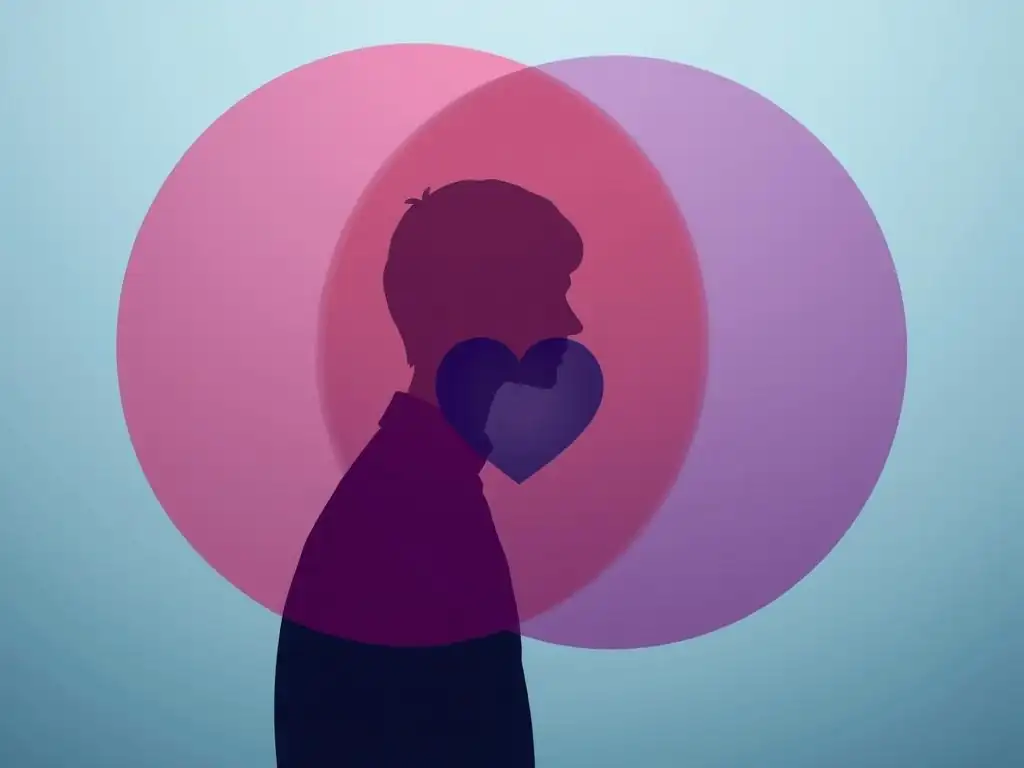
Online dating has profoundly altered how individuals approach compatibility, shifting the landscape of relationship expectations in significant ways. The ease of access to a vast pool of potential partners, coupled with the immediacy of online communication, has created a unique environment influencing perceptions of compatibility. This section delves into the key ways online dating is reshaping our understanding of what constitutes a successful relationship.
We'll examine how the instant gratification culture and readily available options influence the search for compatibility, and how this impacts communication styles and ultimately, the definition of compatibility itself. The shift in online dating compatibility perception is undeniable, and understanding these changes is crucial for navigating the modern dating world successfully.
Immediate Gratification and the Search for Instant Compatibility: The Pressure of Online Dating
The abundance of choice inherent in online dating fosters a culture of instant gratification. Users often swipe through countless profiles, seeking that immediate spark, that feeling of instant compatibility. This "instant connection" is often prioritized over deeper, more nuanced compatibility that might develop over time. The pressure to find someone quickly can lead to superficial judgments and a focus on easily observable attributes like physical appearance, rather than shared values or long-term compatibility.
This immediacy also contributes to a higher rate of "ghosting" and relationship abandonment. If that initial spark isn't immediately present, users may quickly move on to the next profile, without investing the time and effort needed to develop a meaningful connection. This creates a cycle where genuine compatibility is often overlooked in favor of the perceived ease of finding someone who checks off a predetermined list of superficial boxes.
Data from [specific data on ghosting rates in online dating pending] would further illuminate this trend. The ease of finding alternative options fuels this behavior, making commitment and patience less common. The inherent pressure of online dating to find "the one" quickly often overshadows the organic development of compatibility.
The Impact of Online Dating on Communication Styles and Relationship Dynamics
Online dating has significantly altered communication styles within relationships. The initial interaction often relies heavily on concise profiles and brief messages, requiring efficient and engaging communication from the outset. This can lead to a prioritization of wit and charm over deeper, more vulnerable conversations. While efficient communication is important, the lack of non-verbal cues and the asynchronous nature of online communication can sometimes hinder the development of genuine intimacy.
Furthermore, the ease of initiating and ending contact online can lead to less commitment and investment in the relationship. The lack of face-to-face interaction in the early stages can make it more challenging to assess compatibility beyond superficial interactions. Misunderstandings and misinterpretations become more frequent, as the subtleties of non-verbal communication are lost. This impacts the overall relationship dynamic, creating a less intimate and potentially more fragile foundation. Consequently, the long-term success of relationships formed online often depends on the ability of couples to transition from online communication to meaningful in-person interactions and build trust.
Redefining Compatibility: Beyond Superficial Attributes in the Age of Online Dating
The initial impact of online dating on compatibility perceptions has been a shift toward superficiality, prioritizing easily observable traits. However, a counter-trend is emerging: a conscious effort to redefine compatibility beyond superficial attributes. Users are increasingly recognizing the limitations of judging compatibility solely based on photos and brief descriptions. This has led to a greater emphasis on values, shared interests, and long-term goals in online dating profiles and communication.
The rise of detailed profile sections, personality quizzes, and compatibility matching algorithms reflects this shift. These tools aim to provide a more comprehensive understanding of potential partners, moving beyond surface-level characteristics. This signifies a growing awareness that true compatibility requires a deeper exploration of shared values, life goals, and communication styles.
While the initial attraction might be based on superficial attributes, the long-term success of a relationship hinges on a more profound understanding and acceptance of each other's complexities. The online dating compatibility perception shift is therefore not solely a move towards instant gratification but also a parallel effort to develop more meaningful and lasting connections. This evolution is crucial for building healthy and sustainable relationships in the digital age.
Online dating, while offering unprecedented access to potential partners, presents unique challenges to our perception of compatibility. The ease with which we can connect with numerous individuals simultaneously can lead to a skewed understanding of what constitutes a genuine match. This section explores some of these challenges and how they impact our overall assessment of compatibility in the digital age. The shift in online dating compatibility perception is largely driven by the novel dynamics of this environment.
The rise of online dating has spawned a lexicon of unique relationship behaviors, many of which negatively influence our perception of compatibility. Ghosting, the sudden cessation of all communication without explanation, leaves individuals feeling confused, rejected, and questioning their own worthiness. This can lead to a heightened sense of insecurity and a more critical approach to assessing potential partners in the future.
Similarly, breadcrumbing – offering intermittent, non-committal communication to maintain contact without genuine engagement – fosters a climate of uncertainty and lowers expectations of meaningful connection, thus distorting compatibility assessments. These behaviors contribute to a cynical view of online interactions and make it harder to discern genuine compatibility from superficial interest. Data suggests that a significant percentage of online daters have experienced ghosting, with women reporting higher rates than men.
[Specific data on ghosting and breadcrumbing prevalence pending]. The emotional toll of these experiences can significantly impact how users approach subsequent matches, potentially leading to heightened skepticism and a lowered threshold for perceived compatibility.
The Importance of Open Communication and Honesty in Online Dating for Establishing Genuine Compatibility
Despite the challenges, open and honest communication remains crucial for establishing genuine compatibility in online dating. Authenticity builds trust, a fundamental element of any successful relationship. Sharing personal values, life goals, and relationship expectations early on helps to filter out incompatible matches and saves both parties time and emotional investment.
A willingness to be vulnerable and transparent, even in the early stages of online interaction, can foster a deeper connection and a more accurate perception of compatibility. This is in stark contrast to the often superficial interactions that can dominate online dating platforms.
For example, explicitly stating your relationship goals (e.g., casual dating, long-term relationship, marriage) in your profile can attract individuals with similar intentions, significantly increasing the chances of finding a compatible partner. Avoiding vague or misleading information in your profile and being upfront about your expectations are vital for creating a foundation of trust and mutual understanding, crucial for a realistic assessment of long-term compatibility.
Setting Realistic Expectations and Avoiding Disappointment in the Online Dating World
The abundance of choice in online dating can ironically lead to unrealistic expectations. Seeing countless profiles can create a sense of entitlement, leading to dissatisfaction with potential partners who don't meet idealized standards. It's important to cultivate a balanced perspective, recognizing that perfection is unattainable and that compatibility involves compromise and mutual understanding.
Managing expectations is key to navigating the online dating landscape successfully. Focusing on identifying core values and compatibility in key areas, rather than on superficial attributes, contributes significantly to a more realistic assessment. For instance, prioritizing shared interests, life goals, and communication styles over physical appearance or superficial achievements may lead to more fulfilling and lasting connections.
Furthermore, understanding that online dating is a process, not a quick fix, can help mitigate disappointment and foster a more patient approach. Remember that building a meaningful connection takes time and effort, regardless of the platform used. This realistic outlook on the process is critical for a healthy shift in online dating compatibility perception.
Online Dating Compatibility: A New Era of Relationship Building
Online dating has fundamentally altered how we perceive compatibility, moving beyond superficial assessments to a more nuanced understanding of individual needs and desires. This shift is driven by the sheer volume of potential partners available, forcing users to refine their criteria and prioritize genuine connection. No longer are we limited by geographical proximity or social circles; the pool of possibilities is vast, demanding a more deliberate and self-aware approach to finding a compatible partner.
This new era necessitates a deeper understanding of oneself and a willingness to articulate one's needs clearly. The ease of access also means individuals are more likely to explore different relationship dynamics and preferences, leading to a broader definition of compatibility itself.
Leveraging Online Dating for Self-Discovery and Improved Relationship Compatibility
The process of creating an online dating profile often involves introspection and self-reflection. Users are forced to articulate their values, interests, and relationship goals, a process that can be surprisingly insightful. This self-assessment extends beyond the simple act of listing preferences; it involves grappling with personal insecurities and identifying relationship patterns.
For instance, someone repeatedly choosing partners with similar personality traits might uncover a subconscious preference for familiarity, or perhaps a need to address unresolved issues from past relationships. By honestly evaluating one's past experiences and desired future, individuals can better understand their own needs and communicate them effectively to potential partners. This self-awareness is crucial for building healthy, compatible relationships, regardless of the platform used to initiate them.
The iterative nature of online dating—creating profiles, messaging, and dating—provides continuous feedback, further refining self-perception and compatibility expectations. This iterative process helps people to better understand their own needs and preferences, leading to more fulfilling relationships. It's a continuous learning process about oneself and what one truly seeks in a partner.
The Long-Term Effects of Online Dating on Relationship Success and Satisfaction
While the initial stages of online dating focus on finding a match, its long-term effects on relationship success and satisfaction are equally significant. Studies show a correlation between successful online dating experiences and a higher likelihood of long-term commitment. This isn't merely due to finding a compatible partner; it's also attributed to the increased self-awareness and communication skills honed during the online dating process.
Individuals who successfully navigate the complexities of online dating are often better equipped to handle conflicts, express their needs openly, and maintain healthy communication patterns within their relationships. The ability to articulate needs clearly, a skill often honed through crafting compelling online profiles and engaging in online conversations, translates directly into stronger, more resilient relationships. Furthermore, the broader exposure to diverse personalities and relationship styles can lead to a more realistic and adaptable approach to long-term partnerships, fostering greater understanding and tolerance.
However, further research is needed to definitively quantify the long-term effects, particularly regarding the impact on divorce rates and overall relationship longevity. [Specific data pending on long-term relationship success rates from online dating vs. traditional methods].
Embracing Authenticity and Vulnerability to Find Lasting Compatibility in the Digital Age
The key to finding lasting compatibility in the digital age lies in embracing authenticity and vulnerability. While carefully curated profiles are common, genuine connection arises from revealing one's true self, flaws and all. Presenting a highly idealized version of oneself can lead to disappointment and mismatched expectations. Openly sharing personal experiences, fears, and aspirations, even if it feels risky, fosters deeper connections and attracts partners who appreciate genuine connection over superficial charm.
This vulnerability is particularly crucial in online interactions where non-verbal cues are limited. Using descriptive language, thoughtful messages, and actively engaging in meaningful conversations can help bridge this gap and create a sense of trust. Moreover, actively seeking feedback from potential partners and being open to constructive criticism helps refine self-perception and fosters mutual understanding.
This process of self-disclosure and reciprocal feedback is essential for building lasting, fulfilling relationships based on genuine compatibility, rather than idealized perceptions. The ability to be vulnerable and authentic online translates directly into stronger relationships offline. It's a testament to the power of honesty and transparency in forging meaningful connections.
Frequently Asked Questions
How does online dating impact our perception of compatibility?
Online dating allows for a broader pool of potential partners, shifting compatibility perceptions from solely proximity-based to encompassing shared interests and values, regardless of location. This leads to a more nuanced understanding of what constitutes a good match.
What role do online dating profiles play in shaping compatibility perceptions?
Profiles act as a first impression, heavily influencing initial compatibility judgments. Selective self-presentation within profiles can create skewed perceptions, highlighting desirable traits and downplaying others, potentially leading to mismatched expectations.
Does online dating make it easier or harder to find compatible partners?
It's both. The vast pool of potential partners increases the chances of finding someone compatible, but also creates information overload, making it harder to discern genuine compatibility amidst superficial profiles and fleeting connections.
How can I improve my perception of compatibility in online dating?
Focus on authentic self-presentation in your profile. Prioritize meaningful communication over superficial swiping, and be open to exploring diverse personalities beyond your initial preferences. Be realistic about your own needs and expectations.
What is the biggest misconception about online dating compatibility?
A major misconception is that compatibility is solely based on immediate attraction. True compatibility requires deeper understanding, shared values, and effective communication, all of which can be cultivated over time even if initial chemistry isn't overwhelmingly apparent.
Final Reflection: Redefining Connection in the Digital Age
The way we find love is fundamentally shifting, and online dating is at the heart of this revolution. No longer confined to chance encounters or limited social circles, the search for compatibility has moved into the digital realm, bringing both unprecedented opportunities and unforeseen challenges. This transformation demands a critical examination of how we define connection and what we truly value in a partner.
The impact of online dating extends far beyond the realm of romantic relationships; it's reshaping our very understanding of compatibility. It forces us to articulate our desires and needs with clarity, often leading to a more self-aware and intentional approach to dating. However, the curated profiles and instant gratification of swiping can also lead to superficial judgments and a devaluation of deeper connections. As the poet Rainer Maria Rilke wisely observed, Love consists of this: two solitudes protecting, and touching, each other.
This sentiment remains profoundly relevant, even in the age of algorithmic matchmaking, reminding us that true compatibility requires vulnerability and a willingness to embrace the complexities of another person.
Consider the implications of this shift. How are you defining compatibility in your own life? Are you allowing the ease and convenience of online platforms to overshadow the importance of genuine connection? I urge you to reflect on your own experiences with online dating and consider how you can cultivate a more mindful and authentic approach to finding love. Let's move beyond superficial matches and embrace the opportunity to build meaningful relationships based on shared values, mutual respect, and a deep understanding of ourselves and others.
Unveil Your Ideal Match: Take the Next Step in Dating
Thank you for exploring the world of online dating with us! We hope this article has provided valuable insights into navigating this exciting journey. Now, it's time to put that knowledge into practice.
- Enhance your dating profile. This is your opportunity to showcase your true self and attract compatible partners. Consider adding a new photo that reflects your personality and what you've learned about self-expression.
- Engage in meaningful conversations with potential matches, focusing on genuine connections rather than superficial interactions. A personalized message showing you've considered their profile will make a great first impression.
- Share your insights on modern dating with friends and family – spark a conversation about its unique challenges and rewards.
Ready to connect with someone who truly understands you? What's most important to you in a partner, and how will you incorporate that into your online dating strategy?