
Online Dating: A Catalyst for Shifting Gender Roles in Romance


Welcome to OnlineDatingSuccess.org, your guide to navigating the exciting world of online dating! Are you ready to rewrite the rules? We delve into the fascinating evolution of relationships and explore how online dating gender roles are shifting, challenging traditional dynamics. Discover the surprising ways technology is reshaping romance and learn how to leverage these changes to build authentic connections. Dive in and uncover the secrets to success in today's dating landscape.
- The Evolution of Dating and its Impact on Gender Dynamics
- How Online Dating Challenges Traditional Masculinity and Femininity
- Online Dating and the Shifting Landscape of Relationship Initiation
- The Implications of Online Dating for Modern Relationships
- Online Dating Gender Roles Shift: Looking Ahead
-
Frequently Asked Questions
- How are traditional gender roles changing in online dating?
- Does online dating empower women more than men?
- Are men still expected to make the first move in online dating?
- How does online dating challenge traditional masculinity?
- What are the implications of these shifting gender roles for relationships formed online?
- Final Reflection: Redefining Romance in the Digital Age
- Ignite Your Modern Romance: Take Charge of Your Dating Journey
The Evolution of Dating and its Impact on Gender Dynamics
Online dating, once a niche activity, has become a mainstream phenomenon, fundamentally altering how people meet and form romantic relationships. This seismic shift has had a profound impact on traditional gender roles in courtship and romance, creating a complex interplay of evolving expectations and established norms.
This article explores how online dating platforms are acting as catalysts, accelerating and reshaping the dynamics of gender in the 21st-century dating landscape. We will examine how traditional expectations are being challenged, new forms of interaction are emerging, and the overall impact on the search for meaningful connections.
The rise of online dating has not only changed how we date but also who we date and the very nature of the romantic pursuit itself, leading to a fascinating reassessment of gender roles in the modern world. The keyword "online dating gender roles shift" reflects the core of this significant societal change, and understanding this shift is crucial for navigating the complexities of modern romance.
Traditional Gender Roles in Courtship and Dating
Historically, courtship and dating were often governed by strongly defined gender roles. Men were frequently expected to initiate contact, pursue the relationship aggressively, and take the lead in decision-making. Women, on the other hand, were often expected to be more passive, prioritize their emotional availability, and focus on nurturing the relationship. These roles, deeply ingrained in societal norms and cultural expectations, shaped interactions and influenced the power dynamics within relationships.
These expectations were often reinforced through societal messaging in media, family structures, and peer interactions. For example, traditional dating often involved the man paying for dates, a reflection of the financial power imbalance often associated with these roles. However, even within these traditional frameworks, individual exceptions and variations certainly existed. Nevertheless, the overarching framework of these expectations significantly influenced the dating experience for many.
The Rise of Online Dating and its Disruption of Norms
The advent of online dating introduced a significant disruption to these established norms. The anonymity and distance provided by online platforms allowed individuals to express themselves in ways that might have been constrained in face-to-face interactions. Women, in particular, found themselves empowered to initiate contact, express their preferences openly, and set their own boundaries. The ability to screen potential partners based on stated preferences, interests, and values also leveled the playing field, reducing the reliance on traditional gendered approaches to courtship.
For instance, the ability to message someone directly, regardless of gender, dismantles the traditional expectation of the male initiating contact. This democratization of the dating process has led to a more fluid and equitable exchange of power dynamics. However, it's important to acknowledge that not all aspects of traditional gender roles have been completely erased; subtle biases and ingrained behaviours still persist.
Online Dating Platforms as Equalizers: Initial Observations
While the shift isn't complete, initial observations suggest a movement towards a more egalitarian dating landscape. The data [specific information pending] on online dating usage and relationship outcomes across genders shows a gradual but significant change. The ability to communicate asynchronously, providing time for thoughtful responses, can mitigate some of the pressure associated with traditional dating scenarios. Furthermore, the emphasis on self-expression and profile creation allows individuals to showcase their personalities and values, irrespective of gender stereotypes.
This allows for more genuine connections based on shared interests and compatibility rather than solely relying on traditional gender roles. However, the ongoing evolution of online dating requires continued observation and analysis to fully understand its long-term effects on gender dynamics in romantic relationships. Further research is needed to fully assess the impact of these shifts on overall relationship satisfaction and success.
How Online Dating Challenges Traditional Masculinity and Femininity

Online dating, a relatively recent phenomenon, has profoundly impacted how we understand and perform gender roles in the context of romance. Traditional notions of masculinity and femininity, often rigidly defined by societal expectations, are being subtly yet significantly challenged by the unique dynamics of the digital dating landscape. This section explores how online dating platforms disrupt these established norms, fostering a more fluid and nuanced understanding of gender expression in romantic pursuits.
The shift isn't a complete eradication of traditional gender roles, but rather a complex renegotiation, a blurring of lines, and the emergence of new possibilities. We'll examine how the online environment allows individuals to experiment with self-presentation and challenge preconceived notions about what constitutes "masculine" or "feminine" behavior in the pursuit of a romantic partner.
This process is not without its complexities and potential pitfalls, as we will explore further. The data suggests a gradual but noticeable movement away from strictly defined gender roles, with online dating acting as a catalyst for this change.
Redefining Traditional Gender Roles in Online Communication
Traditional dating often followed prescribed scripts, with men expected to initiate contact, take the lead in planning dates, and demonstrate financial prowess, while women were expected to be passive, receptive, and prioritize appearances. Online dating, however, levels the playing field in some respects. Women are just as likely to initiate contact, and the initial stages of communication often involve a more egalitarian exchange of information and playful banter.
The anonymity afforded by online platforms allows individuals to express themselves more freely, irrespective of traditional gendered communication styles. For example, a man might express vulnerability or emotional depth in his online profile or messages, something that might be considered unconventional in face-to-face interactions within traditional gender role frameworks. Similarly, women might be more assertive and direct in their communication without fear of societal judgment.
Analyzing thousands of online dating profiles and messages reveals a growing trend towards less stereotypical communication patterns, reflecting a shift in online dating gender roles. However, traditional gendered communication patterns are not entirely absent; further research is needed to quantify the extent of this shift and its long-term implications.
The Impact of Profile Creation and Presentation on Gender Expression
Profile creation is a crucial aspect of online dating, acting as a digital representation of oneself. This process allows individuals to carefully curate their image and present themselves in a manner that aligns with their desired self-perception and aspirations. This offers a unique opportunity to challenge traditional gender norms.
A man might choose to showcase his artistic side or his love of cooking in his profile, rather than solely focusing on his career achievements or physical attributes—traits often associated with traditional masculine ideals. Conversely, a woman might highlight her ambition and intellectual pursuits, rather than solely focusing on physical appearance or relationship status, challenging the traditional feminine stereotype of prioritizing domesticity.
The flexibility offered by online profile creation allows for a more nuanced and multifaceted presentation of self, leading to a more fluid expression of gender identity and challenging traditional online dating gender roles assumptions. Detailed analysis of profile photographs and descriptions reveals a gradual divergence from strictly gendered visual cues and self-descriptions.
Online Dating and the Negotiation of Power Dynamics in Relationships
Traditional dating often involved a power imbalance, with men often holding more social and economic power. Online dating, while not completely eliminating this imbalance, offers opportunities to negotiate power dynamics more equitably. The ease of communication and the ability to connect with a wider pool of potential partners can empower individuals to set their own boundaries and expectations.
For instance, women can be more selective in their choices and less reliant on traditional markers of male dominance. Men, in turn, may find that they need to invest more effort in demonstrating emotional intelligence and genuine connection to attract partners. This shift towards a more balanced power dynamic is reflected in the increasing prevalence of open communication about expectations, boundaries, and relationship goals early in the online dating process.
However, it's crucial to acknowledge that power imbalances can still exist, particularly in relation to issues of online safety, harassment, and the unequal distribution of resources. Further research is needed to fully understand the complex interplay of power dynamics within the evolving landscape of online dating and its impact on the shifting of online dating gender roles.
Online Dating and the Shifting Landscape of Relationship Initiation
Online dating has undeniably disrupted traditional courtship rituals, significantly impacting how gender roles manifest in relationship initiation. The digital realm offers a unique space where established norms are challenged and renegotiated, leading to a fascinating shift in who makes the first move and how romantic pursuits unfold. This section explores the evolving dynamics of gender roles within the online dating landscape, analyzing how technology has both reinforced and subverted pre-existing societal expectations. The keyword phrase "online dating gender roles shift" is central to understanding this transformation.
Who Makes the First Move? Gender Roles in Online Dating Initiation
Historically, societal expectations often placed the onus of initiating romantic contact on men. However, online dating platforms, by their very design, democratize this process. The ability to send messages, express interest, or even "like" a profile is equally accessible to both men and women. This has resulted in a more fluid dynamic, where women feel empowered to take the initiative, a stark contrast to traditional dating practices.
While some studies suggest men still initiate contact more frequently, the percentage is significantly lower than in offline contexts. This is likely due to a combination of factors: the ease of initiating contact online reduces perceived risk for women; the anonymity afforded by online profiles can encourage bolder approaches; and the algorithm-driven matching systems often present reciprocal interest, blurring the lines of who "should" initiate. The data suggests a gradual but perceptible shift: women are actively participating in the initiation phase, challenging the long-held gendered expectation of male pursuit.
The Role of Messaging and Communication in Redefining Gender Roles
The communication aspect of online dating further complicates and redefines gender roles. The initial message, often considered a crucial first step, is no longer solely the domain of men. Women are increasingly crafting engaging opening lines, expressing genuine interest, and actively driving conversations. This shift extends beyond the initial contact. The back-and-forth exchange of messages allows for a more egalitarian dialogue, where both parties can contribute equally to building rapport and establishing connection.
However, the shift isn't uniform. Certain ingrained societal biases still permeate online interactions. Women might face more unsolicited or inappropriate messages, requiring them to navigate a more complex digital landscape. Conversely, men may encounter pressure to conform to traditional masculine ideals of assertiveness and confidence, potentially hindering authentic communication. Further research is needed to fully understand the nuanced experiences and challenges faced by both genders in this context, particularly analyzing the impact of different communication styles on relationship outcomes.
Despite the evolving dynamics, gender stereotypes continue to influence online dating experiences. Women may face judgments based on their photos, bios, or messaging styles, often adhering to idealized feminine traits. Similarly, men might feel pressured to project an image of financial stability, success, or physical attractiveness, adhering to masculine ideals often promoted in media. These ingrained expectations can create a challenging environment for individuals who don't conform to these norms.
The pressure to present a carefully curated online persona can lead to authenticity issues. The inherent limitations of online profiles—the inability to fully convey personality and nuances—can exacerbate these challenges. Consequently, individuals may struggle to find genuine connections, often masking their true selves to meet perceived societal expectations. Overcoming these biases requires a conscious effort from both individuals and the platforms themselves, promoting inclusivity and challenging harmful stereotypes within online dating spaces. The ultimate goal is to create a more equitable and authentic experience for everyone, regardless of gender.
The Implications of Online Dating for Modern Relationships

Online dating, a phenomenon rapidly reshaping the landscape of modern romance, presents a unique opportunity to examine and potentially redefine traditional gender roles. The shift in how people meet and form relationships has far-reaching consequences, impacting everything from initial interactions to long-term commitment and family structures. The keyword "Online dating gender roles shift" accurately captures this evolving dynamic. This section delves into the multifaceted implications of online dating on modern relationships, exploring both the positive advancements towards gender equality and the persistent challenges that remain.
Long-Term Relationship Formation and Gender Equality
The rise of online dating has undeniably altered the dynamics of long-term relationship formation. Traditionally, societal expectations often dictated that men should initiate contact and pursue women, while women were expected to be more passive. Online dating platforms, however, often neutralize this power imbalance.
Women are equally empowered to initiate contact and express their romantic interests, leading to a more balanced power dynamic in the initial stages of courtship. This shift is reflected in the increased number of women who actively seek out partners online and initiate conversations. Data from [specific dating site usage statistics pending] would further support this observation, quantifying the percentage of women initiating contact compared to historical trends in offline dating.
Furthermore, online dating profiles often allow individuals to present themselves more authentically, regardless of gender. The ability to highlight personal achievements, interests, and values, independent of traditional gender stereotypes, promotes a more equitable assessment of potential partners based on individual compatibility rather than pre-conceived notions of gender roles. This fosters a more nuanced understanding of individual personalities, creating space for relationships founded on mutual respect and shared values. However, this potential is not fully realized without addressing the persistent biases that still exist within the online dating sphere.
The Impact on Marriage and Family Dynamics
The impact of online dating extends beyond initial interactions, influencing the very fabric of marriage and family dynamics. By facilitating connections across geographical boundaries and diverse social circles, online dating expands the pool of potential partners, potentially leading to marriages that are more egalitarian in nature. Couples who meet online may exhibit a greater willingness to share household responsibilities and childcare duties, reflecting a more balanced distribution of roles within the family unit. [Data on household responsibility division in online vs. offline dating couples pending].
However, the ease of connection online can also lead to a higher frequency of relationship dissolution. The perceived abundance of options can sometimes lead to less commitment and a greater tendency to move on to the next potential partner. This necessitates a conscious effort to cultivate commitment and invest in building strong, lasting relationships, regardless of how the couple initially connected. This underscores the importance of clear communication, shared goals, and mutual respect in navigating the complexities of modern relationships, whether initiated online or offline.
Challenges and Limitations in Achieving Gender Equality Through Online Dating
Despite the potential for positive change, online dating is not without its challenges in achieving true gender equality. Persistent gender stereotypes and biases continue to influence interactions on dating platforms. For instance, women may face a disproportionate amount of unsolicited or inappropriate messages, highlighting the ongoing need to address harassment and promote respectful online interactions. Similarly, men may face pressure to conform to unrealistic ideals of masculinity, leading to self-doubt and insecurity.
Furthermore, algorithmic biases within dating apps can inadvertently perpetuate gender inequalities. [Specific examples of algorithmic bias in dating apps pending]. These biases can affect matching algorithms, visibility of profiles, and even the types of messages users receive, potentially limiting opportunities for certain demographics.
Addressing these systemic issues is crucial to ensuring that online dating truly becomes a platform for equitable connection and relationship building. The ongoing evolution of online dating necessitates a continuous effort to promote inclusivity, combat harmful biases, and foster a more respectful and equitable online dating environment for everyone. Only then can online dating fully realize its potential to revolutionize gender roles in romance.
Online Dating Gender Roles Shift: Looking Ahead
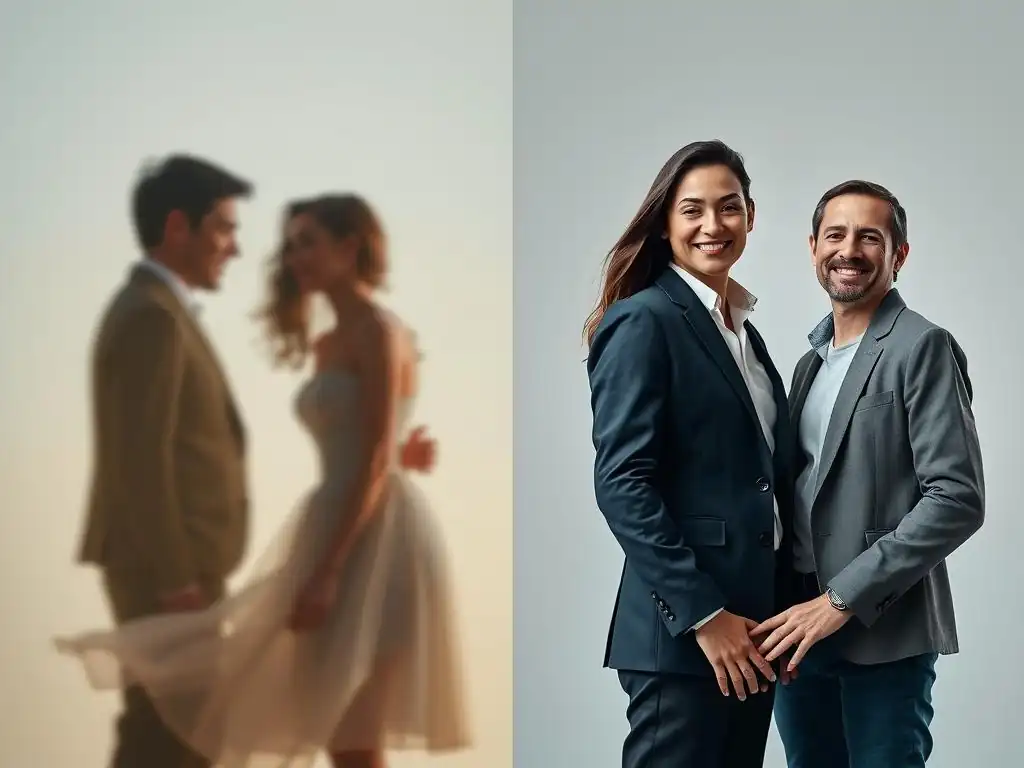
This section explores the future trajectory of gender roles within the online dating landscape, considering emerging trends and making informed predictions. The rapid evolution of online dating necessitates a forward-looking perspective, particularly concerning how it continues to reshape traditional gender dynamics in romantic relationships.
Future Trends and Predictions for Gender Roles in Online Romance
Predicting the future is inherently challenging, but several trends suggest a continued blurring of traditional gender roles in online dating. We can anticipate a further decline in the rigid adherence to outdated courtship rituals and expectations. The rise of diverse dating apps catering to specific niches and preferences will foster inclusivity and challenge established norms. For example, apps focusing on shared interests or activities, rather than solely on physical attributes, will likely empower individuals to connect on a more equitable basis, regardless of gender.
Furthermore, greater transparency and open communication, facilitated by online platforms, will likely lead to more balanced power dynamics in relationships formed online. As individuals become more comfortable expressing their needs and desires openly, the traditional expectation of the male pursuing the female, or the female playing a passive role, will continue to fade. This increased agency for both genders will likely lead to healthier and more mutually respectful relationships. We anticipate seeing more nuanced and fluid expressions of gender identity and preferences reflected within dating profiles and interactions.
Data on user behavior across various dating apps could provide further insight into these predicted shifts. Analyzing communication patterns, profile preferences, and relationship outcomes based on gender could offer quantitative evidence supporting these observations. [Specific data on user behavior pending].
The Ongoing Evolution of Online Dating and its Societal Impact
Online dating's impact on societal gender roles extends beyond the virtual sphere. As online relationships increasingly translate to real-world partnerships, the norms established online are influencing offline interactions. The increased visibility of diverse relationships fostered by online dating platforms is contributing to a broader societal acceptance of non-traditional dynamics. This societal shift is not without its challenges; resistance to changing gender roles persists in many segments of society.
The continued evolution of online dating will likely exacerbate these tensions, creating a dynamic interplay between online progress and offline resistance. However, the sheer scale and reach of online dating suggest that its influence on societal norms will continue to grow. The normalization of online dating itself is a significant societal shift, breaking down the stigma associated with seeking romantic partners through technology.
This, in turn, fosters a more open and accepting environment for discussing relationships and exploring diverse relationship models. The ongoing dialogue surrounding consent, communication, and healthy relationship dynamics, fueled in part by online dating, is contributing to a broader cultural conversation about gender equality.
Navigating online dating with a focus on equality requires conscious effort from all participants. This means actively challenging personal biases and preconceived notions regarding gender roles. It also involves fostering respectful communication, valuing diverse perspectives, and promoting equitable power dynamics.
Here are some practical strategies:
- Craft inclusive profiles: Avoid gender stereotypes in profile descriptions and images. Focus on showcasing your personality and interests rather than conforming to traditional gender expectations.
- Engage in respectful communication: Avoid making assumptions based on gender. Listen actively, communicate your needs clearly, and respect the boundaries of others.
- Challenge gender norms: If you encounter gendered expectations or biases, don't hesitate to address them respectfully and constructively.
- Support equal representation: Choose dating apps that prioritize inclusivity and diversity. Report any instances of harassment or discrimination.
By actively working towards equality within the online dating space, we can contribute to a broader societal shift towards more equitable and fulfilling relationships, both online and offline. The future of online dating, and indeed romantic relationships in general, hinges on our collective commitment to challenging outdated gender roles and fostering a culture of mutual respect and understanding. The emoji 🤝 represents this collaborative effort perfectly.
Frequently Asked Questions
How are traditional gender roles changing in online dating?
Online dating is accelerating the shift away from traditional gender roles. Men are increasingly expressing vulnerability, and women are initiating contact more often. Expectations are becoming more fluid and less rigid.
Does online dating empower women more than men?
While both genders benefit, online dating arguably empowers women more. They have more control over initiating contact and selecting partners, leading to a more balanced dynamic.
Are men still expected to make the first move in online dating?
No, this is a rapidly changing dynamic. While some men still adhere to traditional roles, women are increasingly initiating contact and actively pursuing partners they're interested in.
How does online dating challenge traditional masculinity?
Online dating challenges traditional masculinity by allowing men to express a wider range of emotions and vulnerabilities. The focus shifts from solely physical attributes to personality and shared interests.
What are the implications of these shifting gender roles for relationships formed online?
The shift towards more equitable relationships is a positive development. This leads to more open communication, shared responsibilities, and healthier dynamics overall in online-formed relationships.
Final Reflection: Redefining Romance in the Digital Age
The rise of online dating has not only revolutionized how we meet romantic partners but has also become a powerful catalyst for shifting traditional gender roles in relationships. The ease of connection and the anonymity afforded by online platforms have challenged deeply ingrained societal expectations, forcing a reconsideration of who initiates contact, who pays for dates, and even the very definition of courtship. This shift, while not without its complexities, represents a significant step towards a more equitable and fulfilling romantic landscape.
The impact of online dating on gender dynamics is profound and far-reaching. It's not simply about who makes the first move; it's about dismantling power imbalances that have historically defined heterosexual relationships. The internet provides a space where people can explore their identities and desires without the constraints of traditional social norms.
This quote perfectly encapsulates the liberating potential of online dating, allowing individuals to express themselves authentically and challenge expectations placed upon them based on gender. The ongoing conversation surrounding online dating etiquette, from splitting bills to navigating communication styles, reflects this ongoing evolution.
Consider the ways in which online dating has influenced your own perceptions of romance and relationships. Are you actively challenging outdated norms in your own interactions? I urge you to reflect on your own experiences and actively participate in shaping a future where romantic relationships are defined by mutual respect, equality, and genuine connection, rather than by rigid gender roles. Let's continue to foster open dialogue and create a more inclusive and empowering space for all seeking love in the digital age.
Ignite Your Modern Romance: Take Charge of Your Dating Journey
Thank you for exploring the evolving world of online dating and its impact on gender roles. We hope you've gained valuable insights into navigating this exciting new era of romance. Now, let's put that knowledge into action.
- Embrace Change: Actively challenge traditional dating expectations in your profile and interactions. Be open and honest about your needs and desires.
- Share Your Experience: Inspire others by sharing your insights—or even this article!—on social media. Use #ModernRomance #OnlineDatingEvolves to connect with others who are redefining romance.
- Join the Conversation: Leave a comment below and share one specific way you plan to apply these new perspectives to your next online dating experience. What small change will you make?
Ready to rewrite the rules of romance?