
Unmasking Deception: How Reverse Image Search Protects Your Heart Online


Ready to transform your online dating experience? At OnlineDatingSuccess.org, we empower you to navigate the world of online romance with confidence. But before you swipe right, discover a crucial safety tool that could save you heartache: reverse image search. Learn how this simple technique can help you unmask deception and protect yourself from potential scams in our insightful article, "Unmasking Deception: How Reverse Image Search Protects Your Heart Online." Dive in and unlock the secrets to safer, more successful dating!
- Reverse Image Search Dating Safety: A Crucial First Step
- How to Perform a Reverse Image Search: A Step-by-Step Guide
- Beyond the Image: Verifying Profiles Through Other Means
- Protecting Yourself from Romance Scams: Best Practices
- Reverse Image Search and Dating App Safety: Specific Strategies
- Case Study: A Real-Life Example of Reverse Image Search Saving a User
-
Frequently Asked Questions
- What is a reverse image search, and how does it relate to online dating safety?
- Why should I use a reverse image search on dating profiles?
- How can I perform a reverse image search?
- What should I do if a reverse image search reveals a suspicious result?
- Are there any limitations to using reverse image search for dating safety?
- Final Reflection: Protecting Hearts in the Digital Age
- Unlock Your Safety: Take Control of Your Online Dating Experience
Reverse Image Search Dating Safety: A Crucial First Step
Navigating the world of online dating can be exhilarating, offering the potential to connect with like-minded individuals and build meaningful relationships. However, the digital landscape also harbors significant risks, particularly the pervasive threat of online dating scams. These scams, often perpetrated by individuals with malicious intent, can lead to emotional distress, financial loss, and even endangerment.
This article focuses on a powerful tool readily available to all online daters: the reverse image search. We'll explore how this simple yet effective technique can significantly enhance your online dating safety, helping you identify potential red flags and protect yourself from deception. Understanding the risks and employing preventative measures, such as reverse image searching, is crucial for a safe and positive online dating experience.
Learning to use reverse image search effectively is a fundamental step in building trust and avoiding heartache in the digital dating world. This is not just about catching scammers; it's about empowering you to take control of your online safety and make informed decisions about who you connect with.
Understanding the Risks of Online Dating Scams
Online dating scams are unfortunately prevalent, employing various deceptive tactics to exploit vulnerable individuals. These scams can range from minor inconveniences, such as catfishing (using fake profiles and stolen images), to major financial losses and emotional manipulation. Victims often experience significant emotional distress, feeling betrayed and violated. The financial implications can also be severe, with scammers often manipulating victims into sending money or revealing sensitive financial information. Some examples of common scams include:
- Catfishing: Using fake profiles with stolen photos and fabricated identities.
- Romance Scams: Building false romantic connections to gain trust and extract money.
- Extortion Scams: Threatening to reveal private information unless money is paid.
- Fake Investment Opportunities: Luring victims into fraudulent investment schemes.
The emotional toll of these scams can be substantial, leading to feelings of shame, embarrassment, and a loss of trust. Understanding the diverse nature of these scams is the first step in protecting yourself. Knowing what to look for and employing proactive safety measures significantly reduces your risk of becoming a victim. Remember, your safety and well-being are paramount.
Identifying Potential Red Flags in Dating Profiles
Before resorting to a reverse image search, it's important to recognize potential red flags within a dating profile itself. These visual and textual clues can often indicate a potentially fraudulent profile, prompting you to take further investigative steps. Some key red flags include:
- Unrealistic Photos: Images that appear overly photoshopped, professionally taken, or inconsistent with the rest of the profile.
- Limited Information: Profiles lacking detail, personal information, or genuine connection points.
- Inconsistencies in Information: Discrepancies between the profile text and the images, or inconsistencies in biographical details.
- Generic or Vague Descriptions: Profiles with overly general descriptions that lack personality or specifics.
- Requests for Money or Financial Assistance: This is a major red flag, indicating a high likelihood of a scam.
- Avoidance of Video Calls: A reluctance to engage in video calls can be a sign of deception.
Learning to spot these red flags is crucial in preventing potential scams. By carefully scrutinizing profiles before engaging in communication, you can significantly decrease your exposure to fraudulent activity. Combining profile analysis with reverse image searches creates a robust safety net.
The Power of Reverse Image Search in Online Dating Verification
Reverse image search is a powerful tool for verifying the authenticity of images used in online dating profiles. This process involves uploading an image to a search engine (such as Google Images, TinEye, or Yandex Images) and seeing where else that image appears online. If the image shows up on multiple websites, in different contexts, or associated with different identities, it's a strong indication that the profile might be fraudulent.
This verification process allows you to confirm whether the person you're communicating with is who they claim to be. By using reverse image search, you can quickly identify inconsistencies and potential red flags, preventing you from engaging with potentially harmful individuals. The ease of access and effectiveness of this tool make it an invaluable asset for online dating safety.
It's a simple yet profoundly effective way to protect yourself from deception and ensure a safer online dating experience. Remember, using multiple reverse image search engines can provide a more comprehensive result.
How to Perform a Reverse Image Search: A Step-by-Step Guide

This section provides a practical, step-by-step guide on how to conduct a reverse image search, a crucial tool for verifying the authenticity of profiles and photos encountered on online dating platforms. Mastering this skill significantly enhances your online dating safety. Remember, a proactive approach to online safety is paramount in protecting yourself from potential scams and heartache.
Using Google Images for Reverse Image Search
Google Images offers a straightforward and widely accessible method for conducting reverse image searches. Here's how to use it effectively:
- Navigate to Google Images: Open your web browser and go to images.google.com.
- Upload the Image: Click the camera icon in the search bar. You'll then have the option to either paste the image URL (if you've already copied it) or upload an image from your computer. Choose the method that suits you best.
- Analyze the Results: Once you've uploaded the image, Google will display a series of visually similar images. Carefully examine these results. Do they show the same person in various contexts? Do the images appear on legitimate websites, or are they scattered across dubious or low-quality sources? The presence of consistent, verifiable information across multiple reputable sources strengthens the image's authenticity. Conversely, a lack of corroborating information or the appearance of the image on numerous dating profiles should raise red flags.
- Consider the Metadata: While Google doesn't always display extensive metadata, pay attention to any location or date information associated with the images. Inconsistencies in this data can indicate potential manipulation.
- Repeat the Search with Variations: Sometimes, slight modifications to the image (cropping, filters) can affect search results. Try cropping the image or using a different section of the photo for a second reverse image search. This can sometimes uncover additional relevant information.
Utilizing Other Reverse Image Search Engines (e.g., TinEye, Yandex)
While Google Images is a popular choice, utilizing other reverse image search engines can provide a more comprehensive perspective. Different engines may index different image databases, leading to unique results. Consider using TinEye and Yandex Images, among others, to supplement your Google search.
Each engine has its own strengths and weaknesses; combining results from multiple engines allows for a more robust verification process. This multifaceted approach increases the likelihood of identifying inconsistencies or detecting potential red flags. For example, an image that yields benign results on Google might reveal a different story on TinEye, highlighting the importance of diverse search strategies.
Here's a brief comparison:
| Engine | Strengths | Weaknesses |
|---|---|---|
| Google Images | User-friendly interface, extensive database | May not always show comprehensive metadata |
| TinEye | Strong at identifying image copies, even with modifications | Smaller database than Google |
| Yandex Images | Strong in specific regions, particularly Russia and Eastern Europe | Interface may be less intuitive for some users |
Interpreting Search Results: What to Look For
Interpreting the results of your reverse image search is crucial. Don't rely solely on the number of results; focus on the quality of the results. Here's what to look out for:
- Consistent Context: Do the images appear consistently in the same context across various sources? For example, does the profile picture show up on a personal blog, social media, or news article that supports the individual's claimed identity? This consistency helps verify authenticity.
- Multiple Dating Profiles: Finding the same image used across numerous online dating profiles is a major red flag. This strongly suggests the profile is potentially fake or that the individual is using deceptive practices.
- Low-Quality Sources: The image appearing predominantly on low-quality, suspicious websites—those with poor design, questionable content, or known for scams—raises serious concerns.
- Stock Photos: Identifying the image as a stock photo immediately invalidates its claim to authenticity. This is a clear sign of deception.
- Inconsistencies in Metadata: Discrepancies in date, location, or other metadata associated with the images should be carefully considered. These inconsistencies can indicate photo manipulation or fabrication.
Remember, a healthy dose of skepticism is crucial when navigating the world of online dating. By effectively using reverse image search and carefully analyzing the results, you significantly increase your chances of identifying potential deception and protecting yourself from harmful interactions. Remember, your safety and well-being are paramount. 😉
Beyond the Image: Verifying Profiles Through Other Means
Reverse image search is a powerful tool, but it's not a foolproof method for identifying online dating scams. While it can help uncover fake profiles using stolen images, it doesn't address other forms of deception. A profile might use a real image, yet still be entirely fabricated. Therefore, supplementing reverse image searches with other verification methods is crucial for maximizing your online dating safety.
This involves a multi-faceted approach focusing on consistency and corroboration of information provided within the dating profile itself. Think of reverse image search as your first line of defense; the following strategies are your second and third, creating a robust shield against potential deception. Remember, a cautious approach is key to a safer and more successful online dating experience.
One of the most effective ways to verify a profile's authenticity beyond a simple image check is to cross-reference the information provided with their claimed social media profiles. Many dating profiles include links to Facebook, Instagram, or other platforms. However, be cautious! These links might lead to fake or inactive accounts. Your verification process should be thorough.
First, carefully examine the profile’s provided information. Note details like the person's name, age, profession, location, and any other biographical details. Then, visit the linked social media account(s). Does the information align perfectly? Inconsistencies are a significant red flag. For example, if their dating profile states they're a software engineer in San Francisco, but their linked LinkedIn profile shows them as a recent high school graduate in a different state, that's a major cause for concern.
Next, analyze the photos on their social media. Do they match the images on their dating profile? Compare the background and details in the photos. A discrepancy could signal that the photos are from different sources, possibly indicating a fake profile. Finally, look at the overall activity on their social media accounts. A completely inactive or sparsely populated account with few friends or followers might be a fake account created specifically for deceptive purposes. This level of scrutiny helps you to differentiate genuine profiles from those designed to mislead. Remember, consistency is key in verifying online profiles.
Checking for Consistency Across Multiple Platforms
Beyond cross-referencing with social media, examine if the information provided on the dating site is consistent across other online platforms. This expands your verification efforts beyond the initial social media check. For instance, if someone claims to be a lawyer, search their name on professional directories or websites like Avvo or Martindale-Hubbell. If they mention specific accomplishments or affiliations, look for corroborating evidence online.
Consider using search engines to find additional information. Enter their name, profession, and location into Google, Bing, or DuckDuckGo to see what other information surfaces. This might reveal articles, news stories, or other online presence that can confirm or contradict their claims. Remember, the more consistent the information across multiple platforms, the higher the likelihood of a genuine profile. Discrepancies, on the other hand, are strong indicators of potential deception. This multifaceted approach ensures a more comprehensive evaluation of the profile's legitimacy. Always prioritize consistency; conflicting information is a major red flag in online dating safety.
Seeking Additional Verification Methods
While cross-referencing and consistency checks are crucial, sometimes additional verification might be necessary. Consider asking for a video call, not just a text or voice call. Video calls provide a much stronger visual confirmation of identity. This allows you to see the person in real-time, assess their demeanor, and verify their physical appearance matches their profile photos. It's a much more robust verification method than simply relying on static images and text-based communication.
Furthermore, you can subtly incorporate verification into your conversations. Ask open-ended questions about their daily life, hobbies, and work that would be difficult for someone to fabricate easily. Pay attention to their responses; inconsistencies or vague answers might indicate deception. Remember, the goal is not to interrogate them but to engage in natural conversation while subtly gathering information that can confirm their identity and claims.
Ultimately, trust your instincts. If something feels off, it probably is. Prioritizing caution and thorough verification is paramount to ensuring a safe and positive online dating experience. The combination of reverse image search with these additional verification methods provides a comprehensive approach to online dating safety.
Protecting Yourself from Romance Scams: Best Practices
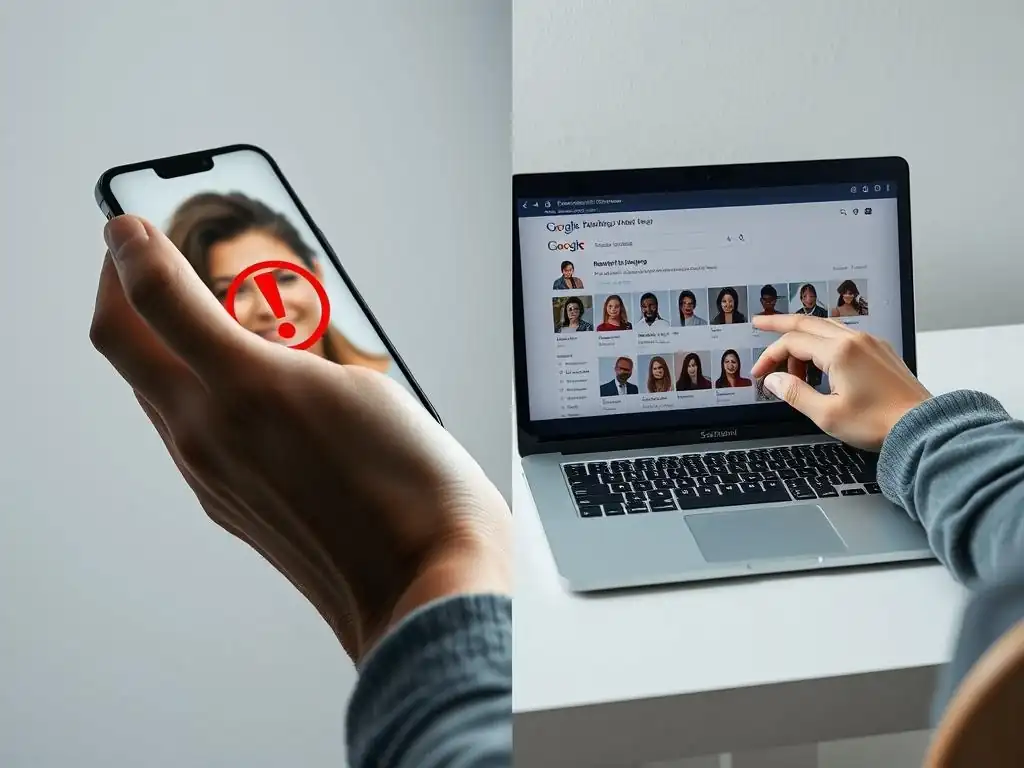
Online dating offers exciting possibilities, but it also presents unique risks. Romance scams are unfortunately prevalent, preying on vulnerable individuals seeking connection. Understanding how to protect yourself is crucial for a safe and positive online dating experience. Reverse image searches are a powerful tool, but they are only one piece of a larger safety strategy. Let's explore some best practices to significantly reduce your vulnerability. Remember, your safety and well-being are paramount.
Setting Boundaries and Trusting Your Instincts
The foundation of online dating safety lies in establishing clear boundaries and trusting your intuition. Don't feel pressured to share personal information prematurely. A scammer will often try to rush the relationship and pressure you into divulging details before you feel comfortable.
- Red Flag 1: Excessive flattery and promises early on. Be wary of anyone who professes undying love after only a few interactions. Genuine connections develop gradually.
- Red Flag 2: Requests for financial assistance or personal information. Legitimate daters won't demand money or sensitive details before establishing trust.
- Red Flag 3: Inconsistent stories or evasiveness. If their narrative doesn't add up or they avoid answering direct questions, it's a warning sign.
Trust your gut feeling. If something feels off, it probably is. Don't dismiss your instincts; they are often your best defense. Prioritize your safety and well-being over the potential for a quick connection. A slow, cautious approach is always preferable to rushing into a potentially dangerous situation. Remember, healthy relationships are built on trust and mutual respect, not pressure or secrecy.
Slow and Steady Wins the Race: Avoiding Rushed Relationships
Scammers often attempt to accelerate the relationship to manipulate their victims. They may shower you with compliments, gifts (often virtual), and promises of a future together, all designed to create a sense of urgency and intimacy. Resist this pressure. Take your time to get to know someone, both online and offline, before deepening your connection.
Consider these strategies:
- Video Calls: Initiate video calls early in the process. This allows you to verify their identity and observe their behavior. Inconsistencies between their profile picture and their appearance during a video call should raise immediate concerns.
- Gradual Information Sharing: Reveal personal information gradually. Don't share your full name, address, or other sensitive details until you've established a significant level of trust and met in person.
- Independent Verification: Don't rely solely on their words. Try to independently verify details they provide, such as their occupation or location.
Rushing into a relationship increases your vulnerability. A genuine connection takes time and effort to build. By slowing down and prioritizing careful observation, you can significantly reduce your risk of falling victim to a romance scam.
Never Send Money or Personal Information Online
This is arguably the most crucial piece of advice. Never, under any circumstances, send money or personal information (bank details, social security number, passport details, etc.) to someone you've met online before meeting them in person and verifying their identity. Legitimate individuals will never ask for such things.
| Action | Risk Level | Safety Measure |
|---|---|---|
| Sending Money | Extremely High | Never send money; report suspicious requests. |
| Sharing Bank Details | Extremely High | Never share financial information online. |
| Sharing Address | High | Only share your address after meeting in person. |
| Sharing Photos | Medium | Be mindful of what photos you share online. |
Remember, a legitimate relationship will never require you to compromise your financial security or personal safety. If someone asks for money or sensitive information, it's a clear sign of a scam. Report such instances immediately to the appropriate authorities and the dating platform. Protecting yourself is always the top priority. Using reverse image searches is a valuable tool, but it's just one layer of protection in your overall online dating safety strategy.
Reverse Image Search and Dating App Safety: Specific Strategies
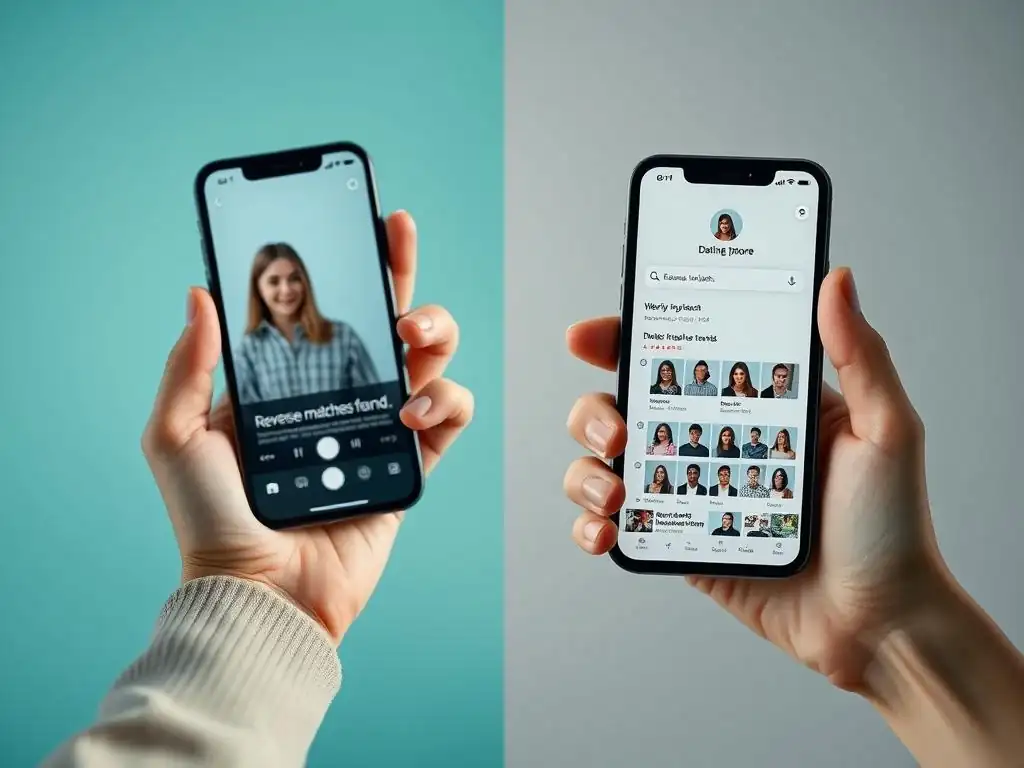
Online dating presents unique challenges, and protecting yourself from deception requires proactive measures. While reverse image search is a powerful tool, its effectiveness is amplified when combined with other safety strategies specifically tailored to the dating app environment. This section details how to integrate reverse image search with app-specific features to maximize your safety and minimize the risk of encountering fraudulent profiles. Understanding how these tools work together is crucial for effective "reverse image search dating safety."
Image Verification on Popular Dating Apps
Many popular dating apps are incorporating verification features to combat fake profiles. These features often involve verifying a user's identity through photo verification processes, sometimes using third-party services. However, even with these features in place, savvy scammers can still find ways to circumvent them. Therefore, always supplement app-based verification with your own independent checks using a reverse image search.
For example, let's say you encounter a profile on a dating app with a particularly attractive photo. Before engaging further, you can perform a reverse image search. If the image appears on multiple websites unrelated to the user's profile (stock photo sites, other dating profiles, etc. ), it's a strong indicator of potential deception. This extra step significantly enhances your "reverse image search dating safety."
Furthermore, pay attention to the quality of the images. Blurry, inconsistently lit, or oddly cropped images can be red flags, suggesting the profile owner is trying to hide something. Combining this observation with a reverse image search can help you identify potential scams more effectively. Remember, a comprehensive approach, combining app features and independent verification, is key.
Reporting Suspicious Profiles and Images
Once you've identified a potentially fraudulent profile using reverse image search, reporting it to the dating app is crucial. Most dating platforms have robust reporting mechanisms in place. When reporting a profile, be sure to include specific details:
- The profile's username: This allows the app to quickly locate the account.
- The specific image(s) in question: Mention the results of your reverse image search, providing details about where else the image appeared.
- Reasons for suspicion: Clearly articulate why you believe the profile is fraudulent (e.g., inconsistent information, stock photos, suspicious behavior).
Many apps also have dedicated sections for reporting scams or suspicious activity. Familiarize yourself with your app's reporting procedures. Your vigilance in reporting helps maintain the platform's safety for all users and contributes to a more secure online dating environment. This active participation is a vital component of effective "reverse image search dating safety."
Staying Vigilant and Informed About Emerging Scams
The landscape of online dating scams is constantly evolving. New tactics and techniques are always emerging. Staying informed about these trends is crucial for protecting yourself. Regularly review online resources, news articles, and dating app safety advisories to understand the latest scams. This proactive approach allows you to adapt your safety strategies and remain vigilant against evolving threats.
Here's a table summarizing some common red flags to watch out for, in addition to using reverse image search:
| Red Flag | Description |
|---|---|
| Inconsistent Information | Discrepancies between the profile information and what the user says during conversations. |
| Overly Perfect Photos | Images that seem too good to be true, often professionally taken or heavily edited. |
| Pressure for Financial Assistance | Requests for money, gifts, or financial support, often under false pretenses. |
| Avoids Video Calls | Reluctance to engage in video calls, despite expressing strong interest in a relationship. |
| Unusual Language | Grammatical errors, inconsistent writing style, or use of phrases that seem unnatural or out of place. |
Remember, trust your instincts. If something feels off, it probably is. By combining reverse image search with awareness of common scams and proactive reporting, you can significantly increase your "reverse image search dating safety" and create a safer and more positive online dating experience. The goal is to enjoy the process of finding a meaningful connection without compromising your personal safety.
Case Study: A Real-Life Example of Reverse Image Search Saving a User
This section details a real-life scenario illustrating the crucial role of reverse image search in online dating safety. It highlights how a simple precaution can prevent significant emotional and financial harm. The case underscores the importance of proactive verification methods when engaging with potential partners online, reinforcing the core concept of "reverse image search dating safety."
The Initial Encounter and Suspicious Profile Picture
Sarah, a 32-year-old professional, met "Mark" on a popular dating app. His profile showcased a charming smile and a physique that was undeniably attractive. However, something about his profile picture felt slightly off. The image was too perfect, almost professionally shot, lacking the casual imperfections often found in candid photos. This subtle unease, a feeling many online daters experience, prompted Sarah to take a proactive step towards verifying Mark's identity.
She noticed the lack of other photos, further fueling her suspicion. This lack of varied pictures is a common red flag in online dating profiles, potentially indicating a deceptive profile. Many scammers use a single, highly polished image to create a false sense of trust. The initial feeling of unease is a crucial signal that should never be ignored.
Performing a Reverse Image Search: The Revealing Results
Instead of proceeding with caution, Sarah decided to perform a reverse image search using a reputable search engine. She uploaded the profile picture and waited for the results. The outcome was immediate and shocking. The image appeared in several unrelated contexts: a stock photography website, a fitness model's portfolio, and even an article about online dating scams!
This clearly indicated the image was stolen and used deceptively. The results highlighted the critical importance of verifying profile pictures, especially in situations where a user's gut feeling flags a potential issue. By using a reverse image search, Sarah uncovered the truth behind Mark's seemingly perfect profile. The ease and speed of the reverse image search process emphasize its value as a quick and effective verification tool.
The Outcome and Lessons Learned
Armed with this crucial information, Sarah immediately ceased all communication with "Mark." She reported the profile to the dating app, contributing to the platform's safety measures and potentially preventing other users from falling victim to the same deception. This experience reinforced the importance of prioritizing online safety and utilizing readily available tools like reverse image search. Sarah's proactive approach underscores the key elements of "reverse image search dating safety," turning a potentially harmful situation into a valuable learning experience.
She shared her story to educate others, emphasizing the need for skepticism and verification in the online dating world. Her story serves as a powerful reminder that utilizing simple verification techniques, such as reverse image searches, can significantly improve online dating safety. The timely use of reverse image search prevented Sarah from becoming a victim of online dating fraud, highlighting the effectiveness of this simple yet powerful tool.
Frequently Asked Questions
What is a reverse image search, and how does it relate to online dating safety?
A reverse image search allows you to upload an image and find where else it appears online. In online dating, this helps verify if a profile picture is genuine or stolen from another source, protecting you from potential scams and catfishing.
Why should I use a reverse image search on dating profiles?
Many online dating scammers use fake profiles with stolen photos. A reverse image search can quickly reveal if a person's picture is being used deceptively, helping you avoid dangerous or dishonest individuals. It's a crucial step in protecting your safety.
How can I perform a reverse image search?
Several websites and apps offer reverse image search capabilities, including Google Images, TinEye, and Yandex Images. Simply upload the image you want to check, and the search engine will show you where that image has appeared online.
What should I do if a reverse image search reveals a suspicious result?
If the image appears on multiple unrelated profiles or websites, or if it's associated with negative information, it's a major red flag. Immediately cease contact with the person and report the profile to the dating platform. Prioritize your safety.
Are there any limitations to using reverse image search for dating safety?
While highly effective, reverse image searches aren't foolproof. Sophisticated scammers may use slightly altered images or newly created photos. Combine reverse image searches with other safety precautions for the best protection.
Final Reflection: Protecting Hearts in the Digital Age
The ease with which deceptive images spread online demands a proactive approach to online safety, and reverse image search is a powerful tool in our arsenal against digital deception. The rise of sophisticated scams and the blurring lines between reality and fabrication underscore the urgent need for digital literacy and critical thinking skills, especially in the context of online dating. We are no longer simply navigating the complexities of human interaction; we are navigating a complex landscape of carefully crafted digital personas.
The impact of readily available misinformation and manipulated images extends far beyond the realm of online dating; it erodes trust in the digital sphere as a whole. The greatest deception men suffer is from their own opinions.
- Leonardo da Vinci. This quote rings true in the digital age, where our opinions are constantly shaped and reshaped by the information – or misinformation – we consume. The ability to verify images independently empowers us to form our own informed opinions, fostering a more discerning and resilient online community. This is not just about protecting ourselves from scams; it's about cultivating a healthier, more authentic online environment.
You now possess a valuable tool – the power of reverse image search. Don't let it remain dormant. Take the initiative to verify images before making decisions based on them, especially in sensitive contexts like online dating. Challenge what you see, question the source, and empower yourself with the knowledge to navigate the digital world with confidence and caution. Your heart, and the hearts of others, deserve this level of protection.
Unlock Your Safety: Take Control of Your Online Dating Experience
Thanks for exploring the world of reverse image search and online safety! You've gained valuable knowledge to protect yourself and make informed decisions. Let's put this knowledge into practice.
- Start with a reverse image search: Choose a profile picture that interests you and use a search engine's reverse image tool to verify its authenticity. This quick check could prevent future disappointment.
- Share this article: Help your friends avoid online deception. A little extra caution can make a big difference.
- Explore dating apps with robust verification features: Many apps prioritize user safety and identity verification; consider trying one of these.
What profile picture will you check first? Let's work together to build safer online dating habits!