
Don't Let Them Win: Turn the Tables on Online Dating Scams and Abuse


Welcome to OnlineDatingSuccess.org, your guide to navigating the exciting yet sometimes treacherous world of online dating. Are you ready to find genuine connection but worried about the potential dangers lurking in the digital space? Then you've come to the right place. This website is dedicated to helping you build meaningful relationships online, and our essential guide on how to avoid online dating scams is just the beginning. Discover practical strategies to protect yourself and unlock the true potential of online dating – let's start building your success story, together!
- Recognizing the Red Flags: Identifying Online Dating Scams and Abuse
- Protecting Yourself: Strategies to Avoid Online Dating Scams
- Reporting and Taking Action: What to Do if You've Been Scammed or Abused
- Moving Forward: Healing and Prevention After an Online Dating Scam
- Understanding the Psychology of Online Dating Scammers
- Legal Aspects of Online Dating Scams and Abuse
- Frequently Asked Questions
- Final Reflection: Reclaiming Power in the Digital Dating World
- Take Control: Empower Yourself Against Dating Scams
Recognizing the Red Flags: Identifying Online Dating Scams and Abuse
Online dating offers incredible opportunities to connect with people and build meaningful relationships. However, it's crucial to be aware of the potential dangers lurking within the digital landscape. This article aims to empower you with the knowledge and strategies to avoid online dating scams and abusive behavior, helping you navigate the world of online romance safely and confidently.
We will explore common scam tactics, methods of identifying abusive behaviors, and techniques for spotting fake profiles, ultimately equipping you with the tools to protect yourself and build healthy relationships. Learning to recognize red flags is the first step towards reclaiming your online dating experience and ensuring your safety and well-being. Remember, your safety and emotional health are paramount.
Don't let the fear of scams or abuse prevent you from finding genuine connections, but do equip yourself with the knowledge to avoid those who would exploit you. Let's delve into practical strategies to help you avoid online dating scams and stay safe.
Common Scam Tactics: Spotting the Warning Signs of Online Dating Fraud
Online dating scams are unfortunately prevalent. Fraudsters employ various tactics to manipulate their victims, often preying on loneliness or a desire for connection. Here are some common red flags to watch out for:
- Requests for Money or Financial Assistance: This is perhaps the most obvious sign. Be wary of anyone who quickly asks for money, gifts, or financial help, especially if you haven't met in person. Legitimate relationships don't involve constant financial demands. 😡
- Inconsistency and Vague Information: Does their profile seem too good to be true? Do their stories change frequently, or do they avoid answering direct questions about their life? Inconsistency is a major red flag. 🤔
- Overly Romantic or Intense Communication: Beware of individuals who profess intense love or commitment very quickly. Genuine connections develop gradually. 💖
- Pressure to Move the Relationship Offline Quickly: If someone pressures you to meet in person before you feel comfortable, or if they avoid video calls, be cautious. This could be a sign they are hiding something. 🤫
- Poor Grammar and Spelling: While not always indicative of a scam, consistently poor grammar and spelling in their messages could suggest a fake profile or someone trying to hide their identity. 📝
| Scam Tactic | Warning Sign | Action to Take |
|---|---|---|
| Requests for Money | Sudden requests for financial assistance | Report the profile and refuse the request. |
| Inconsistent Information | Shifting stories, vague details, avoiding questions | Investigate further; be cautious and don't engage. |
| Overly Romantic Communication | Intense declarations of love early in the relationship | Slow down the pace; proceed with caution. |
| Pressure to Meet Offline Quickly | Urgency to meet in person before you're ready | Decline the invitation; prioritize your safety. |
| Poor Grammar and Spelling | Consistently poor writing in messages | Consider the profile's legitimacy. |
Identifying Abusive Behavior: Recognizing Emotional Manipulation and Control
Beyond financial scams, abusive behavior can manifest in subtle and insidious ways in online dating. Recognizing these patterns is crucial for protecting your emotional well-being.
- Controlling Behavior: Does the person try to control your online activities, who you talk to, or what you post? This is a significant red flag. 🚩
- Gaslighting: Do they make you question your own sanity or perceptions? Gaslighting is a form of emotional abuse. 🤯
- Isolation: Do they try to isolate you from friends and family? Healthy relationships encourage connection, not isolation. 💔
- Threats and Intimidation: Any form of threat, whether explicit or implied, is unacceptable. Your safety is paramount. 👮♀️
- Constant Criticism: Consistent negativity and criticism aimed at your appearance, personality, or choices is a sign of disrespect and potential abuse. 👎
Suspicious Profiles: How to Detect Fake Accounts and Catfishing
Fake profiles and catfishing are unfortunately common in the online dating world. Here's how to spot them:
- Stock Photos or Unrealistic Images: Be wary of profiles using generic stock photos or images that are too perfect. 📸
- Limited or Vague Personal Information: Profiles lacking details or offering only vague information should raise suspicion. 🤔
- Missing or Inconsistent Social Media Links: Legitimate profiles often link to other social media accounts. The absence of these links could indicate a fake profile. 🔗
- Reverse Image Search: Use a reverse image search to check if the profile picture is being used elsewhere online. 🔎
- Be Skeptical of Perfect Profiles: Remember, nobody is perfect. A profile that seems too good to be true probably is. ✨
Remember, trusting your instincts is crucial. If something feels off, it probably is. Prioritize your safety and well-being. By learning to recognize these red flags, you can significantly reduce your risk of encountering scams and abusive behavior online, allowing you to focus on building genuine and healthy connections.
Protecting Yourself: Strategies to Avoid Online Dating Scams
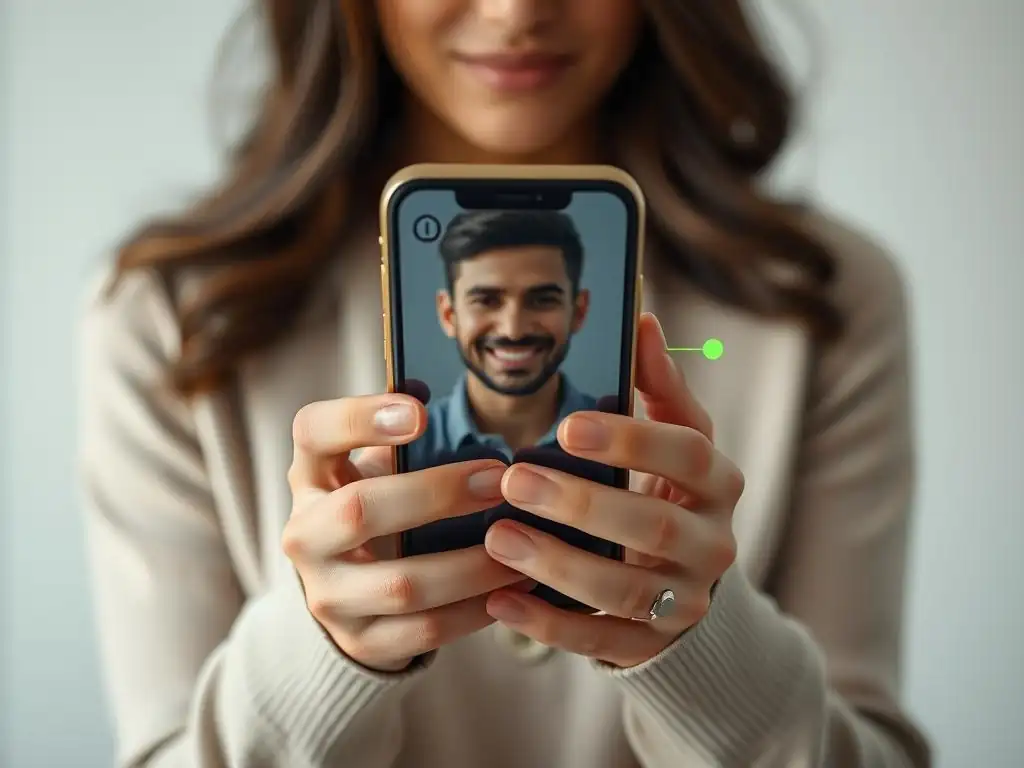
This section focuses on proactive measures you can take to significantly reduce your risk of encountering online dating scams and abuse. Remember, prevention is the best defense. By implementing these strategies, you'll be taking control of your online safety and significantly improving your chances of a positive online dating experience. Learning to avoid online dating scams is a crucial skill in the modern dating landscape.
Secure Communication Practices: Protecting Your Personal Information Online
Protecting your personal information is paramount. Never share sensitive details like your full address, place of work, financial information (bank account numbers, credit card details), or social security number with someone you've only met online, no matter how much you trust them. Even seemingly harmless information can be pieced together to compromise your safety.
Instead of directly sharing personal information, consider using alternative methods. For example, if you want to meet for a date, suggest a public place and arrange the meeting yourself, avoiding giving out precise location details beforehand. This allows you to maintain control and observe your surroundings before committing to a meeting.
Here's a checklist to help you stay safe:
- [x] Avoid sharing your full name until you've met in person.
- [x] Use a separate email address specifically for online dating.
- [x] Be wary of overly personal or intimate conversations early in the process.
- [x] Don't share photos that reveal too much about your daily routine or location.
- [x] Reverse image search any photos you receive to check for authenticity.
Remember, legitimate relationships develop gradually. If someone pressures you to share personal information too early, consider it a red flag. Your privacy is your right, and protecting it is crucial to avoid online dating scams.
Financial Safety: Avoiding Money Requests and Investment Scams
Financial scams are a common tactic used by online abusers. Be extremely cautious of anyone who asks for money, regardless of the reason they give. This includes requests for:
- Emergency funds
- Investments in dubious ventures
- Loans or financial assistance
- Gifts or payments for travel expenses
These requests are almost always a sign of a scam. Legitimate relationships don't involve financial transactions early on. If someone asks for money, it's a strong indicator that they are not who they claim to be and are attempting to defraud you. Report such instances immediately to the platform you're using and to the appropriate authorities.
Consider this example: A profile claiming to be a successful entrepreneur might ask for a small loan to "close a crucial deal," promising a large return. This is a classic scam. Don't fall for these promises. Always trust your instincts – if something feels off, it probably is. Learning to avoid online dating scams involving money is vital for your financial security.
Verifying Profiles: Techniques for Confirming Identities and Authenticity
Don't solely rely on the information presented on a dating profile. Scammers often create elaborate fake profiles to manipulate victims. Use these techniques to verify identities and authenticity:
- Reverse Image Search: Use a reverse image search engine (like Google Images) to see if the profile pictures are used elsewhere online. If the same images appear on multiple profiles or unrelated websites, it's a strong indicator of a fake profile.
- Social Media Verification: If the profile provides social media links, check those profiles for consistency. Look for inconsistencies in the information provided across different platforms.
- Background Checks (with caution): While not always necessary, conducting a background check through reputable services can provide additional information, but be mindful of privacy laws and ethical considerations.
- Video Calls: Initiate a video call to verify the person's identity and appearance. This is a simple yet effective way to detect inconsistencies. A scammer may be reluctant to have a video call.
By combining these verification techniques, you drastically increase your chances of identifying fraudulent profiles and avoiding online dating scams. Remember, a genuine person will be comfortable with these verification methods. Prioritize your safety and don't hesitate to report suspicious activity.
Reporting and Taking Action: What to Do if You've Been Scammed or Abused
This section provides crucial steps to take if you've experienced a scam or abuse while online dating. Remember, you're not alone, and taking action is vital in protecting yourself and potentially preventing others from falling victim. Avoiding online dating scams requires proactive measures, both before and after an incident. This guide offers a clear path to reporting and seeking support.
Reporting Scams to Online Dating Platforms: Effective Reporting Procedures
Many online dating platforms have robust reporting mechanisms designed to address scams and abusive behavior. Effective reporting is key to helping the platform remove malicious users and improve the safety of their environment. The process usually involves these steps:
- Gather Evidence: Before you begin, collect all relevant information. This includes screenshots of conversations, profile information of the scammer (username, profile pictures), transaction details (if applicable, such as payment confirmations or bank statements showing fraudulent transfers), and any other evidence that proves the scam. The more evidence you provide, the stronger your report will be. Remember to avoid deleting anything until the investigation is complete.
- Locate the Reporting Mechanism: Each platform has its own reporting process. Look for a "Report," "Flag," or "Block" button on the user's profile or within the messaging interface. The specific location may vary, but most platforms make it relatively easy to find.
- Follow the Platform's Instructions: Carefully fill out the reporting form, providing all the collected evidence. Be accurate and concise in your description of the events. Avoid emotional language and stick to the facts. Many platforms provide specific fields to detail the type of scam (e.g., romance scam, catfishing, financial fraud) which helps streamline the investigation.
- Be Patient: While platforms strive to respond quickly, processing reports can take time. Keep a record of your report, including the date and time you submitted it, and any reference numbers provided. You may receive follow-up communications from the platform, so keep an eye out for those.
- Consider Multiple Reports: If you interacted with the scammer across multiple platforms, report the behavior on each. This increases the likelihood of the scammer being identified and banned.
Reporting to Law Enforcement: Steps to Take When Reporting Online Dating Abuse
If you've experienced financial loss, threats, harassment, or any form of abuse, reporting to law enforcement is crucial. This can lead to investigations, arrests, and potential prosecution of offenders. Here's what you need to do:
- Contact Your Local Law Enforcement: Report the incident to your local police department or sheriff's office. Explain the situation clearly and provide all the evidence you've gathered.
- File a Police Report: A police report will document the incident and initiate an investigation. This report is crucial for future legal actions, if needed. Be prepared to answer questions from the officers thoroughly and honestly.
- Preserve Evidence: Do not delete any evidence, including messages, emails, photos, or financial records. This evidence will be essential for the investigation.
- Seek Legal Advice: Consider consulting with a lawyer, especially if you've experienced significant financial losses or emotional distress. A lawyer can advise you on your legal options and represent you in any legal proceedings.
- Online Safety Measures: After reporting the incident, review your online security practices. Change your passwords on all relevant accounts and consider using stronger, unique passwords for each platform.
Seeking Support: Resources for Victims of Online Dating Scams and Abuse
Experiencing online dating scams or abuse can be incredibly distressing. It's important to remember that you are not alone and that support is available. Several organizations offer resources and assistance to victims:
- Victim Support Hotlines: Many national and local organizations offer confidential hotlines where you can speak to trained counselors who can provide emotional support, guidance, and resources. These hotlines often offer multilingual support.
- Online Support Groups: Connecting with others who have had similar experiences can be invaluable. Online support groups provide a safe space to share your story, receive empathy, and learn coping strategies.
- Mental Health Professionals: Consider seeking professional help from a therapist or counselor if you're struggling to cope with the emotional impact of the experience. They can provide support and guidance to help you heal and move forward.
Remember, seeking help is a sign of strength, not weakness. Taking these steps can help you regain control, heal, and protect yourself from future harm. The path to avoiding online dating scams often includes seeking help and support when needed. Your safety and well-being are paramount.
Moving Forward: Healing and Prevention After an Online Dating Scam

Experiencing an online dating scam can be incredibly jarring, leaving you feeling violated, betrayed, and emotionally drained. It's crucial to remember that you are not alone and that healing is possible. The first step is acknowledging the impact of the scam and allowing yourself to feel the associated emotions – anger, sadness, shame, or even relief that it's over. Suppressing these feelings can hinder the healing process.
Rebuilding Trust: Steps to regain confidence after a negative online dating experience
Regaining trust after a scam requires time and self-compassion. Avoid self-blame; remember that scammers are skilled manipulators who prey on vulnerabilities. Focus on rebuilding your self-esteem by engaging in activities that bring you joy and a sense of accomplishment. This could be anything from pursuing a hobby to connecting with supportive friends and family. Consider seeking professional help from a therapist or counselor specializing in trauma and relationship issues.
They can provide a safe space to process your emotions and develop coping mechanisms. Journaling can also be a powerful tool for self-reflection and identifying patterns of behavior that might have made you vulnerable. Remember, rebuilding trust is a journey, not a race. Allow yourself the time and space you need to heal. Celebrate small victories along the way and be kind to yourself throughout the process.
Strengthening Online Safety Habits: Developing a proactive approach to online dating security
Preventing future scams requires a multi-pronged approach. Sharpen your ability to avoid online dating scams by becoming more discerning. This starts with thoroughly vetting profiles. Look for inconsistencies, red flags like overly perfect photos or vague bios. Be wary of individuals who quickly profess strong feelings or ask for money or personal information. Never share sensitive details like your full address, bank account information, or social security number online.
Use strong, unique passwords for all your online accounts and enable two-factor authentication whenever possible. Report suspicious profiles and activity to the dating platform immediately. Educate yourself on common scam tactics – the more aware you are, the better equipped you'll be to identify and avoid them. Remember, your safety is paramount. Prioritize caution and trust your instincts. If something feels off, it probably is.
| Red Flag | Description | Action to Take |
|---|---|---|
| Inconsistent Profile | Mismatches in photos, age, or biographical information | Investigate further; avoid contact if discrepancies are significant |
| Overly Romantic Too Soon | Expressing intense feelings or making grand promises early in the interaction | Proceed with caution; be wary of flattery and unrealistic promises |
| Requests for Money or Gifts | Asking for financial assistance, often under a fabricated emergency or excuse | Immediately cease communication; report to the platform |
| Pressure to Move Offline Quickly | Pushing to meet in person before establishing trust or sufficient communication | Avoid meeting until you feel safe and have thoroughly vetted them |
| Avoids Video Calls | Reluctance to have a video chat or provide a clear photo of themselves | This is a major red flag; avoid contact. |
Finding Healthy Relationships: Tips for building positive connections in the online dating world
After a negative experience, it's natural to feel hesitant about re-entering the online dating world. However, don't let one bad experience define your future relationships. Remember that most people on online dating sites are genuine and looking for meaningful connections. Focus on building authentic connections based on shared interests and values. Take your time getting to know potential partners, engaging in meaningful conversations before considering meeting in person. Prioritize open communication and mutual respect.
Remember that healthy relationships are built on trust, honesty, and shared responsibility. Focus on finding someone who values your safety and well-being as much as you value theirs. By prioritizing your safety and practicing healthy communication, you can increase your chances of finding a positive and fulfilling relationship. Don't give up hope; the right connection is out there. 💖
Understanding the Psychology of Online Dating Scammers
Online dating scams aren't just about money; they're about power and control. Understanding the psychology of the perpetrators is crucial to effectively avoiding them. Many scammers operate under the guise of building a genuine connection, employing manipulative tactics to exploit their victims' emotional vulnerabilities.
This isn't simply about financial gain; it's often a complex interplay of ego, thrill-seeking, and a desire to dominate. The scammer's actions are frequently driven by a need to validate their self-worth through the control and manipulation of others. They prey on the inherent human desire for connection and belonging, twisting these positive emotions into tools of exploitation.
The Motivation Behind Scams: Understanding the psychology of perpetrators
The motivations behind online dating scams are multifaceted and often intertwined. While financial gain is a primary driver, psychological factors play a significant role. Some scammers are driven by a need for validation and power; the ability to manipulate and deceive others provides a sense of control and superiority.
Others may have underlying personality disorders or antisocial tendencies, making them prone to exploitative behavior. It's also important to note that some scammers may be involved in organized crime rings, using online dating as a means to facilitate larger-scale fraudulent activities. Understanding these diverse motivations helps in recognizing the red flags and avoiding potential pitfalls.
The sense of anonymity provided by the internet often emboldens these individuals, allowing them to act out behaviors they wouldn't dare attempt in face-to-face interactions. This anonymity is a crucial factor in the success of many online dating scams. For example, one common motivation is the thrill of the con—the excitement of outsmarting their victims.
Targeting Vulnerable Individuals: Identifying common victim profiles
Scammers are strategic in their targeting. They often focus on individuals perceived as vulnerable, lonely, or emotionally susceptible. This includes those who have recently experienced a breakup, loss, or significant life change. Older adults, particularly those unfamiliar with technology, are also frequently targeted due to their potential lack of awareness of common scam tactics.
Those with low self-esteem or a strong desire for companionship are more likely to fall prey to manipulative tactics. Moreover, scammers may tailor their profiles and approaches to specifically target certain demographics or interests. For example, a scammer might create a profile that appeals to individuals interested in a specific hobby or profession, making the interaction seem more genuine and less suspicious. The scammer often builds trust and rapport before making their move.
| Victim Profile | Characteristics | Vulnerability Factors |
|---|---|---|
| Recently Single/Widowed | Experiencing grief, loneliness, low self-esteem | Emotional vulnerability, seeking companionship |
| Financially Insecure | Facing financial hardship, seeking financial aid | Desperation, susceptibility to promises of wealth |
| Socially Isolated | Lacking strong social support networks | Loneliness, increased reliance on online interaction |
| Tech-Unsavvy | Unfamiliar with online safety precautions | Lack of awareness of scam tactics |
The Role of Technology in Facilitating Scams: The ease of anonymity and deception
Technology plays a crucial role in enabling online dating scams. The internet provides a layer of anonymity, making it easier for scammers to create fake profiles and conceal their true identities. They can use stolen photos, fabricated backgrounds, and deceptive language to build trust and manipulate victims.
Furthermore, the ease of communication through various platforms makes it simple to initiate contact and maintain contact with multiple victims simultaneously. This anonymity, coupled with the speed and convenience of digital communication, amplifies the potential for harm. The use of encrypted messaging apps and virtual private networks (VPNs) further complicates tracing and prosecution.
The ability to easily create fake profiles and manipulate images makes it harder for users to distinguish between genuine and fraudulent accounts. This ease of deception is a significant factor contributing to the prevalence of online dating scams. For instance, a scammer can easily create multiple profiles, each with a slightly different persona, to target a wider range of individuals.
Legal Aspects of Online Dating Scams and Abuse
Navigating the world of online dating requires awareness not only of potential scams and abusive behaviors but also of the legal protections available to victims. Understanding your legal rights is crucial in mitigating harm and pursuing justice. This section will outline key legal aspects, empowering you to take proactive steps to avoid online dating scams and protect yourself. Remember, seeking legal counsel is always recommended if you've experienced a scam or abuse.
Legal Recourse for Victims: Understanding your rights and legal options
Being a victim of an online dating scam or abuse can be incredibly distressing. However, it's essential to know that you're not alone and that legal recourse exists. Depending on the nature of the crime, several legal avenues may be available. These could include:
- Civil lawsuits: If you've suffered financial losses due to a scam, you might be able to file a civil lawsuit against the perpetrator to recover your losses. This could involve proving fraud, misrepresentation, or breach of contract. Gathering evidence such as screenshots of communication, transaction records, and any other relevant documentation is paramount.
- Criminal charges: Depending on the severity and nature of the crime, law enforcement agencies can press criminal charges against the perpetrator. This could range from fraud and theft to harassment and stalking, depending on the specifics of the situation. Prompt reporting is key to increasing the likelihood of a successful investigation.
- Restraining orders: If you're experiencing harassment or cyberstalking, a restraining order can provide legal protection and prohibit the perpetrator from contacting you or coming near you. This requires providing evidence to the court demonstrating a credible threat to your safety and well-being.
The specific legal options available will depend on the jurisdiction and the details of your case. Consulting with a lawyer specializing in internet crime or domestic violence is highly recommended to assess your options and determine the best course of action. Don't hesitate to seek help; your safety and well-being are paramount.
Cyberstalking Laws: Protection against harassment and online threats
Online harassment and cyberstalking are serious offenses with severe consequences. Cyberstalking involves the repeated use of electronic communication to harass, intimidate, or threaten someone. This can include sending unwanted messages, making threats, posting embarrassing information online, or using technology to track or monitor someone's location without their consent. Many jurisdictions have specific laws addressing cyberstalking, making it a criminal offense. These laws typically protect victims from a wide range of online harassment, including:
- Online threats: Threats of violence or harm communicated electronically are often illegal and can lead to criminal prosecution.
- Harassing messages: Repeated unwanted messages, emails, or social media posts designed to cause distress or fear can constitute cyberstalking.
- Impersonation: Creating fake profiles or accounts to impersonate someone and spread false information can also be illegal.
- GPS Tracking: The unauthorized tracking of someone's location via GPS technology is a serious violation and often falls under cyberstalking laws.
Understanding these laws is crucial for protecting yourself. If you are experiencing cyberstalking, document all instances of harassment, including dates, times, and the content of the messages. This documentation will be crucial if you decide to report the incident to law enforcement or seek a restraining order. Remember, reporting these crimes helps bring perpetrators to justice and prevents them from harming others.
Reporting Identity Theft: Steps to take if your identity has been compromised
Identity theft in the context of online dating can have devastating consequences. Scammers may try to steal your personal information, such as your Social Security number, bank account details, or credit card information, often under the guise of a romantic relationship. If you suspect your identity has been compromised, taking swift action is crucial to minimize the damage. The steps you should take include:
- Immediately contact your financial institutions: Report any unauthorized transactions on your bank accounts or credit cards. Freezing your credit can prevent further fraudulent activity.
- File a police report: Report the identity theft to your local police department. This will create an official record of the crime and help in the investigation.
- Contact the three major credit bureaus: Place a fraud alert or security freeze on your credit reports to prevent new accounts from being opened in your name.
- Review your credit reports: Check your credit reports regularly for any suspicious activity. This will help you identify any fraudulent accounts or loans that have been opened in your name.
- Monitor your accounts: Keep a close eye on all your online accounts and financial statements for any unusual activity.
Remember, reporting identity theft is crucial not only to protect your financial security but also to prevent the perpetrator from harming others. The process might seem daunting, but taking these steps promptly can significantly reduce the long-term impact of identity theft. Don't hesitate to seek assistance from consumer protection agencies or identity theft support organizations for guidance and support. Protecting your identity is crucial in avoiding online dating scams.
Frequently Asked Questions
How can I spot a potential online dating scammer?
Be wary of profiles with limited personal information, inconsistent details, or excessive flattery. Look for requests for money or financial assistance early in the "relationship."
What are common tactics used by online dating scammers?
Scammers often create a sense of urgency or secrecy, use emotional manipulation, and try to move conversations off the dating platform quickly. They may invent sob stories to elicit sympathy and money.
What should I do if I suspect I'm being scammed?
Immediately stop all communication with the suspicious profile. Report the profile to the dating platform and consider reporting the incident to the authorities. Gather any evidence (screenshots, messages).
How can I protect my personal information while online dating?
Never share your full name, address, place of work, or other sensitive information until you've met someone in person and built trust. Be cautious about sharing photos that could reveal your location.
What are some red flags to watch out for in online dating profiles?
Look for profiles with poor quality photos, grammatical errors, exaggerated claims, or a lack of detail about their life. Be suspicious of anyone who seems too good to be true.
Final Reflection: Reclaiming Power in the Digital Dating World
The insidious nature of online dating scams continues to thrive, preying on vulnerability and trust, but awareness and proactive measures are our strongest weapons. We've explored the tactics used by scammers, the emotional manipulation they employ, and the crucial steps individuals can take to protect themselves. This isn't just about avoiding financial loss; it's about safeguarding mental well-being and reclaiming control over our online experiences.
The impact of online dating scams extends far beyond the immediate financial consequences. The emotional toll—the betrayal, the shattered trust, the lingering feelings of shame and self-blame—can be devastating. The most effective way to combat online dating scams is through education and empowerment.
This quote underscores the importance of not only understanding the tactics but also building resilience and fostering a community where victims feel supported and empowered to speak out. The ongoing conversation surrounding online safety and digital well-being is crucial in shifting the narrative from victim-blaming to collective responsibility.
You are now equipped with the knowledge to navigate the digital dating world with greater confidence and caution. Don't let fear dictate your choices; instead, use this knowledge to empower yourself. Take the time to verify profiles, report suspicious activity, and remember that seeking help is a sign of strength, not weakness. By actively participating in creating a safer online environment, you are not only protecting yourself but also helping to prevent others from falling victim to these manipulative schemes. Let's collectively work towards a future where online dating is a positive and safe experience for everyone.
Take Control: Empower Yourself Against Dating Scams
Thank you for learning about protecting yourself from online dating scams. You've gained valuable knowledge to navigate the dating world safely and confidently. Let's put this knowledge to use!
- Report suspicious profiles immediately: Reporting suspicious profiles is crucial; your report could prevent others from becoming victims. This is a vital step in protecting yourself and the online community.
- Share this information with your friends and family: Spread awareness and help protect your loved ones from becoming targets of online dating scams.
- Join our online community forum: Connect with others, share your experiences (anonymously if you prefer), and learn more strategies for staying safe online. We are here to support you.
Ready to build a safer, more positive online dating experience? What's one step you will take today to protect yourself from scams?