
Understanding Cyber Law: How It Relates to Your Online Dating Experiences


Ready to unlock the secrets to a successful and safe online dating experience? At OnlineDatingSuccess.org, we empower you to navigate the world of digital romance with confidence. But before you dive in, understanding online dating safety and cyber laws is crucial. This is especially true in light of the increasing number of scams and fraudulent activities. Discover how to protect yourself and build genuine connections—let's explore the essential knowledge you need to thrive in the exciting, yet sometimes tricky, world of online dating.
-
Online Dating Safety Cyber Laws: Protecting Yourself in the Digital World
- Understanding the Legal Framework of Online Interactions
- Cyberstalking and Harassment: Recognizing and Reporting Online Abuse
- Revenge Porn and Non-Consensual Sharing of Intimate Images: Legal Ramifications
- Online Dating Scams and Fraud: Legal Recourse and Prevention
- Data Privacy and Your Online Dating Profile: Protecting Your Personal Information
- Safeguarding Your Identity and Financial Information: Best Practices for Online Dating
- Navigating Legal Issues in Online Dating: Practical Tips and Advice
- Online Dating Safety Cyber Laws: Prevention and Mitigation Strategies
-
Frequently Asked Questions
- What are some cyber laws relevant to online dating?
- How can I protect myself from scams on online dating sites?
- What should I do if I experience online harassment from someone I met on a dating site?
- Are there legal implications for sharing someone's private photos without their consent?
- How do online dating sites protect user data and privacy?
- Final Reflection: Navigating Love and Law in the Digital Age
- Level Up Your Online Dating Safety: Take Control Now!
Online Dating Safety Cyber Laws: Protecting Yourself in the Digital World
Navigating the world of online dating presents exciting opportunities to connect with others, but it also introduces unique challenges and potential risks. Understanding the legal landscape surrounding online interactions is crucial for ensuring your safety and well-being while searching for a meaningful connection. This article explores key aspects of cyber law as they relate to online dating, empowering you to protect yourself from potential harm and navigate the digital dating world with confidence.
We will delve into the legal framework governing online interactions, examine specific online threats like cyberstalking and harassment, and discuss the serious legal ramifications of revenge porn and non-consensual sharing of intimate images. Ultimately, our goal is to equip you with the knowledge necessary to build meaningful connections online while prioritizing your safety and security.
Remember, staying informed is your best defense against online predators and harmful behavior. Let's explore how cyber laws can help you stay safe in the exciting, yet potentially risky, world of online dating.
Understanding the Legal Framework of Online Interactions
The legal framework surrounding online interactions is multifaceted and constantly evolving. Several laws, both federal and state, address issues like harassment, stalking, defamation, and the unauthorized sharing of personal information. While specific laws vary by jurisdiction, many share common themes aimed at protecting individuals from online abuse and misuse of personal data.
For example, laws against cyberstalking often define the crime as a pattern of repeated online harassment intended to cause fear or emotional distress. Similarly, laws relating to the unauthorized distribution of intimate images, often referred to as "revenge porn," are becoming increasingly common and carry significant penalties. Understanding the basic principles of these laws is crucial for recognizing potentially illegal behavior and knowing how to respond appropriately.
It's important to note that the legal landscape is complex, and seeking legal counsel is advisable if you are facing a serious online threat. This section provides a general overview and should not be considered legal advice.
It's crucial to understand that simply blocking someone online doesn't always resolve the issue. Persistent harassment may still constitute a criminal offense, even if the perpetrator is blocked on various platforms. Documenting all instances of harassment, including screenshots and dates, is essential for building a strong case if legal action becomes necessary.
Saving email exchanges, messages, and any other forms of communication can be vital evidence. Remember to report any suspicious or abusive behavior to the relevant online platform and law enforcement agencies as soon as possible. Proactive measures, such as maintaining privacy settings on social media and being cautious about sharing personal information online, are also essential preventative strategies.
Cyberstalking and Harassment: Recognizing and Reporting Online Abuse
Cyberstalking and online harassment are serious offenses with devastating consequences for victims. These crimes involve a pattern of unwanted online contact that causes fear, intimidation, or emotional distress. This can manifest in various forms, including repeated unwanted messages, threats, doxing (revealing personal information), the creation of fake profiles, or the monitoring of online activity. Recognizing the signs of cyberstalking and harassment is the first step towards protection. Common indicators include receiving threatening or abusive messages, experiencing unwanted contact across multiple platforms, having your personal information shared without consent, or feeling persistently monitored online.
The emotional toll of cyberstalking and harassment can be significant, leading to anxiety, depression, and even PTSD. It is crucial to remember that you are not alone, and help is available. Reporting online abuse to the relevant platforms and law enforcement is essential. Many platforms have robust reporting mechanisms designed to address such issues.
Law enforcement agencies also have specialized units dedicated to investigating cybercrimes. In addition to formal reporting, seek support from trusted friends, family members, or mental health professionals. Remember, seeking help is a sign of strength, not weakness. Taking action to protect yourself is vital in overcoming the emotional distress caused by online harassment.
Revenge Porn and Non-Consensual Sharing of Intimate Images: Legal Ramifications
The non-consensual sharing of intimate images, often referred to as "revenge porn," is a serious crime with severe legal consequences for perpetrators. This involves the distribution of sexually explicit images or videos without the consent of the person depicted. The act is not only a violation of privacy but also can cause significant emotional distress and reputational damage to the victim. Laws against revenge porn vary by jurisdiction, but many criminalize the act, imposing substantial fines and even imprisonment. Furthermore, victims can pursue civil lawsuits to seek compensation for damages.
The impact of revenge porn extends far beyond the immediate emotional distress. Victims often face social stigma, career difficulties, and ongoing harassment. It's crucial to understand that you are not responsible for the actions of the perpetrator; seeking legal advice and reporting the incident to law enforcement are critical steps in protecting yourself.
There are also organizations dedicated to supporting victims of revenge porn, offering resources and guidance during this challenging time. Remember, seeking help and taking legal action are vital in holding perpetrators accountable and recovering from this deeply damaging experience. The legal system is increasingly recognizing the severity of this crime and providing avenues for justice and support for victims.
Online Dating Scams and Fraud: Legal Recourse and Prevention
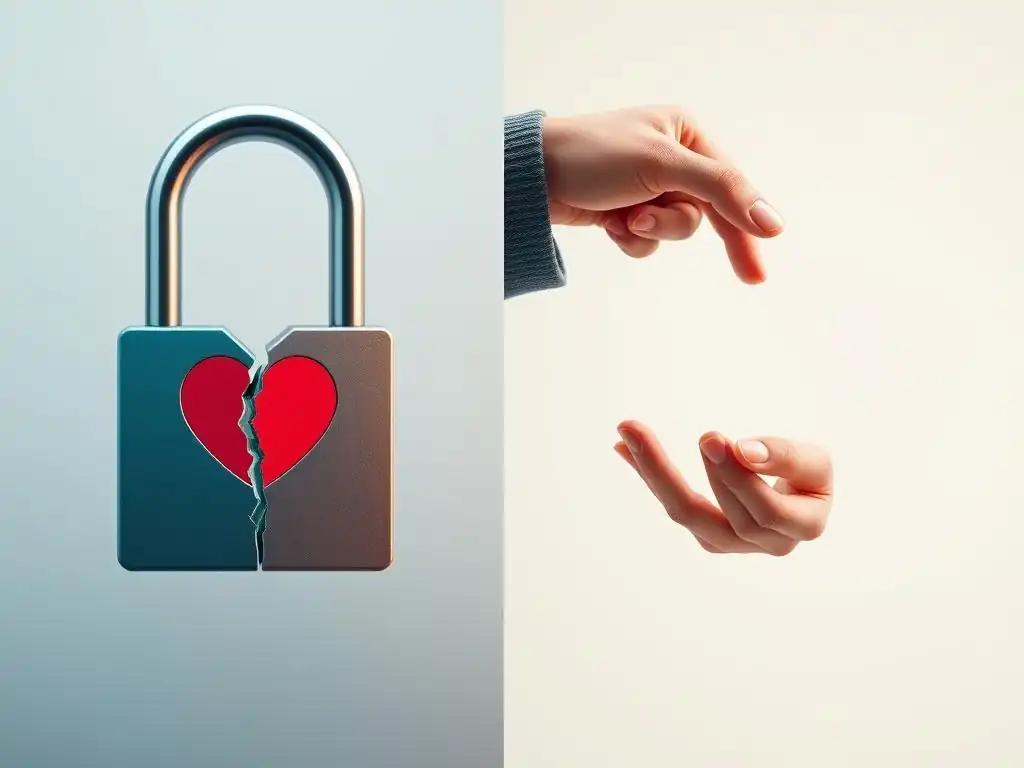
Online dating scams are, unfortunately, a prevalent issue. Victims often experience significant emotional distress and substantial financial losses. Understanding your legal recourse is crucial. If you've been a victim of a dating scam involving financial fraud, you should immediately report it to the appropriate authorities, such as your local police department and the Federal Trade Commission (FTC). Document all communication, including emails, messages, and financial transactions. This evidence will be vital in any potential legal action or investigation. Remember to preserve any screenshots or records of your interactions with the scammer.
Prevention is key. Be wary of individuals who pressure you for money or personal financial information quickly. Legitimate relationships don't require immediate financial investment. Never send money to someone you've only met online, regardless of their promises or sob stories. Always verify their identity through independent means, rather than relying solely on their online profile.
Thoroughly research profiles before engaging, and if something feels off, trust your instincts and disengage. Learning to recognize red flags and practicing due diligence are your best defenses against online dating scams. The emotional toll of these scams can be significant, so seek support from friends, family, or a therapist if needed. Remember, you are not alone, and help is available. The FTC offers resources and guidance on how to report scams and protect yourself.
Data Privacy and Your Online Dating Profile: Protecting Your Personal Information
Protecting your personal information online is paramount, especially when using online dating platforms. Many dating sites collect extensive data about their users, including location, contact information, and personal preferences. Understanding the privacy policies of these platforms is crucial. Carefully review their terms of service to understand how your data is collected, used, and shared. Be mindful of the information you share on your profile. Avoid revealing sensitive personal details like your full address, workplace, or children's names and ages, as this information can be misused.
Consider using a different email address specifically for your online dating profiles, separate from your primary email. This adds a layer of security and helps prevent unwanted spam or phishing attempts. Utilize strong, unique passwords for each dating platform you use, and enable two-factor authentication (2FA) whenever possible. 2FA adds an extra layer of security by requiring a code from your phone or another device in addition to your password, making it harder for unauthorized individuals to access your account.
Regularly review your privacy settings on all dating platforms to ensure they align with your comfort level. Remember, the more information you share, the greater your risk. Prioritize your safety and privacy by being selective about the information you disclose.
Safeguarding Your Identity and Financial Information: Best Practices for Online Dating
Protecting your identity and financial information while online dating requires vigilance and proactive measures. Never share your Social Security number, bank account details, or credit card information with anyone you meet online, regardless of how well you think you know them. This information is highly sensitive and should be protected at all costs. Be cautious of requests for financial assistance, even if they seem genuine. Legitimate relationships don't involve demanding money or loans. If someone pressures you for financial help, it's a significant red flag.
Consider using a virtual credit card or a prepaid card for any online transactions related to dating. This limits your exposure to potential financial fraud. Monitor your bank accounts and credit reports regularly for any unauthorized activity. This allows you to detect and report suspicious transactions promptly. Set up fraud alerts with your bank and credit card companies.
These alerts notify you of any unusual activity, such as large purchases or transactions from unfamiliar locations. If you suspect identity theft or financial fraud, report it immediately to the relevant authorities and your financial institutions. Remember, protecting your identity and financial security is an ongoing process that requires constant attention and vigilance. Prioritize your safety and take proactive steps to minimize your risk.
Online dating safety and cyber laws are intrinsically linked. Understanding the legal landscape is crucial for a positive and safe online dating experience. This section offers practical advice to navigate potential legal issues, focusing on your rights, responsibilities, and recourse options. Remember, proactive measures are key to preventing problems and protecting yourself. This information is for guidance only and does not constitute legal advice. Always consult with a legal professional for personalized advice.
Experiencing harassment, threats, or scams on an online dating platform requires prompt action. Reporting these incidents is vital, both for your personal safety and to help prevent others from falling victim. The process typically involves several steps:
- Gather Evidence: Preserve all communication (messages, emails, photos, etc.) as evidence. Screenshots and saved copies are crucial. Document dates and times. This meticulous record-keeping is essential for law enforcement investigations.
- Report to the Dating Platform: Most reputable dating sites have robust reporting mechanisms. Use their internal reporting tools to flag the problematic user and provide all collected evidence. This allows the platform to take immediate action, such as banning the offender's account.
- Report to Law Enforcement: If the incident involves criminal activity (harassment, stalking, threats, financial fraud), file a report with your local law enforcement agency or the appropriate cybercrime unit. They can investigate the matter and potentially take legal action. Be prepared to provide all the evidence you've gathered.
- Contact the FTC (Federal Trade Commission): For scams involving financial loss, report it to the FTC. They track these types of crimes and can provide valuable resources and support. The information you provide helps them identify and prosecute offenders.
- Consider a Restraining Order: In cases of persistent harassment or stalking, a restraining order may be necessary to protect your safety and well-being. Consult with a lawyer to explore this option. A restraining order can legally restrict the offender's contact with you.
Understanding Your Rights and Responsibilities in Online Dating Interactions
Online dating safety extends beyond avoiding scams; it encompasses understanding your rights and responsibilities during interactions. Remember, online interactions are still subject to existing laws. Here's a breakdown:
- Right to Privacy: Your personal information shared on dating platforms is protected under privacy laws. Platforms have responsibilities to protect this data. Unauthorized sharing or disclosure of your information is illegal.
- Responsibility for Your Actions: You are responsible for your online behavior. Harassing, threatening, or defaming others online can have legal consequences, regardless of the platform used. Think before you type; words can have serious legal ramifications.
- Consent and Shared Content: Sharing intimate photos or videos requires explicit consent. Non-consensual sharing of such material is a crime, with serious penalties. Always ensure you have clear consent before sharing anything personal.
- Data Protection: Be aware of the data collection practices of dating platforms. Read their privacy policies to understand how your information is used and protected. You have rights regarding your data, including the right to access, correct, and delete it.
While proactive steps can mitigate many risks, some situations require legal expertise. Consider consulting a lawyer if you experience:
- Serious Harassment or Stalking: Persistent harassment, threats, or stalking warrants immediate legal intervention. A lawyer can advise you on obtaining a restraining order and pursuing legal action against the offender.
- Identity Theft or Financial Fraud: If you've experienced identity theft or financial loss due to an online dating scam, a lawyer can help you navigate the complexities of recovering your losses and pursuing legal action.
- Defamation or Libel: If someone has falsely accused you of something online, damaging your reputation, legal counsel can help protect your rights.
- Violation of Privacy: If your private information has been illegally accessed or shared, a lawyer can advise you on your legal options and help you pursue legal action.
- Complex Legal Issues: The laws surrounding online dating are constantly evolving. If you're unsure how the law applies to your specific situation, seeking legal advice is always the best course of action. Don't hesitate to seek professional help when facing complex legal matters related to your online dating experiences. Your safety and well-being are paramount.
Resources and Support for Victims of Online Dating Cybercrimes
Experiencing cybercrime related to online dating can be incredibly distressing and isolating. It's crucial to remember that you are not alone and that help is available. Many organizations offer support and resources to victims, providing guidance on reporting crimes, accessing legal assistance, and coping with the emotional aftermath. These resources are vital in navigating the complex legal landscape and regaining a sense of safety and control.
The first step is often reporting the incident. Depending on the nature of the crime—whether it involves financial fraud, harassment, stalking, or identity theft—you should contact the appropriate authorities. This might include your local law enforcement, the Federal Trade Commission (FTC) for fraud complaints, or the Internet Crime Complaint Center (IC3) for internet-related crimes. Remember to meticulously document all interactions, including screenshots, emails, and messages, as this evidence will be crucial in any investigation.
Beyond law enforcement, numerous organizations specialize in supporting victims of online crime. These organizations often provide a range of services, including counseling, legal aid referrals, and assistance with recovering lost funds or restoring damaged reputations. Some offer confidential hotlines where victims can speak to trained professionals who understand the unique challenges associated with online dating cybercrimes. These hotlines can provide immediate emotional support and practical advice on next steps. Additionally, many victim advocacy groups offer educational resources to help individuals understand their rights and options.
Remember that seeking help is a sign of strength, not weakness. The path to recovery can be challenging, but with the right support, you can rebuild your confidence and move forward. Don't hesitate to reach out to the available resources and remember that regaining control over your online safety and well-being is possible.
Finding the right support network, whether it's through formal organizations or trusted friends and family, is a critical part of the healing process. Taking proactive steps to protect yourself in the future, such as strengthening your online security practices and being mindful of who you interact with online, is also crucial for preventing future incidents. Online dating safety and awareness are paramount in today's digital age, and seeking help is a powerful step towards reclaiming your online experience.
Online Dating Safety Cyber Laws: Prevention and Mitigation Strategies
Online dating safety is paramount, and understanding the relevant cyber laws is crucial for protecting yourself. This section delves into practical strategies to mitigate risks and stay safe while navigating the online dating world. Remember, while these strategies aim to minimize risks, they do not guarantee complete safety. Always exercise caution and trust your instincts. The laws surrounding online dating vary by jurisdiction, so understanding the specific regulations in your area is vital. This information is for educational purposes and should not be considered legal advice. Consult with a legal professional for personalized guidance.
Creating a Secure Online Dating Profile: Protecting Your Privacy
Creating a secure online dating profile involves minimizing the personal information you share. Avoid posting your full name, exact address, workplace, phone number, or other easily identifiable details. Instead, use a username that doesn't reveal your identity and consider using a profile picture that doesn't show your face clearly. While tempting to share lots of information to attract potential matches, remember that less is more when it comes to online safety. Over-sharing can make you a target for scams or even more serious crimes.
Many online dating platforms offer privacy settings. Utilize these features to control who can see your profile and contact you. Regularly review and adjust these settings as needed. Consider using a separate email address specifically for online dating to avoid exposing your primary email account to unwanted spam or phishing attempts. Remember, even seemingly innocuous details can be pieced together to compromise your identity. Think of it like building a strong password—the more obscure the better. This approach helps in protecting your personal information and adhering to online dating safety cyber laws.
Think carefully about the images you share; avoid anything that could be used to identify your home or other personal locations. This proactive approach to privacy can significantly reduce your vulnerability to online threats. The goal is to balance creating an engaging profile with maintaining a reasonable level of anonymity to protect yourself from potential harm.
Communicating Safely Online: Avoiding Risky Behaviors
Safe online communication is key to avoiding scams and ensuring your safety. Never share sensitive information such as your bank details, social security number, or passwords with anyone you meet online, no matter how much you trust them. This is a crucial aspect of adhering to online dating safety cyber laws and protecting yourself from potential financial or identity theft.
Be wary of individuals who pressure you to meet in person quickly or who are overly secretive about their personal lives. Always meet in a public place for your first date, and let a friend or family member know where you're going and who you're meeting. This simple precaution can significantly reduce your risk. It’s also wise to share your location with a trusted contact throughout your date.
Avoid sharing explicit photos or videos, as these can be misused and lead to blackmail or other serious consequences. Remember, once something is online, it's difficult to remove completely. This is a critical consideration for upholding online dating safety cyber laws. Prioritize your safety and well-being by carefully considering every online interaction. If something feels off, trust your intuition and disengage from the conversation.
Recognizing Red Flags and Avoiding Potential Scammers
Scammers often employ manipulative tactics to gain your trust and extract money or personal information. Be cautious of individuals who profess strong feelings quickly, ask for financial assistance, or pressure you to make hasty decisions. These are classic red flags that should raise your awareness. Always verify the information provided by a potential match through independent means. A reverse image search can help determine if a profile picture is genuine or stolen from elsewhere. Checking for inconsistencies in their profile or online presence is another effective method.
Some scammers create elaborate fake profiles, investing significant time and effort to build credibility. Be wary of profiles that appear too perfect or have inconsistencies in their information. If something seems too good to be true, it probably is. The practice of thoroughly vetting profiles is a fundamental aspect of practicing online dating safety cyber laws. Remember, your safety is paramount.
Understanding the tactics employed by scammers is essential to protect yourself. By recognizing and avoiding these red flags, you significantly reduce your risk of becoming a victim. Always prioritize your safety and well-being when using online dating platforms. Trust your intuition; if something feels wrong, it probably is. This vigilance is a cornerstone of safe online dating practices and adherence to online dating safety cyber laws.
Building Healthy Relationships Online: Ethical Considerations and Boundaries
Building healthy relationships online requires a conscious effort to establish clear ethical boundaries and respectful communication. Navigating the digital landscape of dating necessitates a nuanced understanding of appropriate online behavior, going beyond simply avoiding scams and illegal activities. This involves recognizing the emotional impact of online interactions and acting with empathy and consideration for others' feelings.
For example, ghosting – abruptly ceasing communication without explanation – can be incredibly hurtful and damaging to someone's self-esteem. While it might seem like a minor infraction in the anonymity of the internet, it's a form of emotional manipulation that can have lasting consequences. Practicing open and honest communication, even when delivering difficult news, is crucial for fostering positive relationships.
Furthermore, respecting the privacy of others is paramount. Sharing personal information, such as addresses or financial details, prematurely can expose individuals to significant risks, even if the intention is seemingly harmless. Building trust should be a gradual process, based on mutual respect and understanding. It's essential to be mindful of the information you share about yourself and others, avoiding the impulsive disclosure of sensitive details. Consider the potential consequences of your actions before posting or sharing anything online. Remember, once something is online, it's nearly impossible to completely remove it.
Another key aspect of ethical online dating is managing expectations realistically. Online profiles often present idealized versions of ourselves, potentially leading to disappointment when meeting in person. While presenting your best self is encouraged, avoid misrepresentation or exaggeration that could mislead potential partners. Transparency and authenticity are vital for building genuine connections.
Strive for honest communication, allowing your personality to shine through naturally, rather than trying to project an unrealistic persona. This contributes to a healthier, more sustainable relationship built on mutual trust and respect. Remember, healthy online relationships are founded upon the same principles as offline relationships: honesty, respect, and clear communication. Prioritizing these elements will significantly enhance your online dating safety and overall experience, leading to more fulfilling and meaningful connections.
Frequently Asked Questions
What are some cyber laws relevant to online dating?
Many laws protect you from harassment, stalking, and identity theft online. These include laws against cyberstalking, defamation, and the unauthorized distribution of intimate images. Always report violations to the platform and authorities.
How can I protect myself from scams on online dating sites?
Never share financial information or send money to someone you've only met online. Be wary of users who pressure you for money or personal details quickly. Verify their identity through multiple sources if possible.
What should I do if I experience online harassment from someone I met on a dating site?
Document all interactions, including screenshots and timestamps. Report the behavior to the dating platform immediately. Consider contacting the police if the harassment is severe or threatening.
Are there legal implications for sharing someone's private photos without their consent?
Yes, sharing private or intimate photos without consent is illegal in many jurisdictions and can lead to criminal charges. This includes revenge porn and similar actions. Protect your privacy and respect others'.
How do online dating sites protect user data and privacy?
Most reputable sites have privacy policies outlining how they collect, use, and protect your data. Review these policies carefully. Report any suspicious activity to the site immediately, and be mindful of what personal information you share.
The rise of online dating has irrevocably changed how we connect, but this new frontier of romance isn't without its dangers. Understanding the legal landscape surrounding our digital interactions is no longer a luxury; it's a necessity for safe and fulfilling online dating experiences. The consequences of neglecting cyber law in this context can be devastating, impacting not only our emotional well-being but also our legal standing.
The pervasiveness of online dating has created a fertile ground for both positive connections and harmful exploitation. The blurred lines between personal and public life online, coupled with the anonymity afforded by the internet, necessitate a heightened awareness of our digital footprint and the legal ramifications of our actions. The internet is a powerful tool, but like any tool, it can be used for good or ill. It's our responsibility to use it wisely and safely.
This quote underscores the importance of proactive learning and responsible behavior within the online dating sphere. We must actively engage with cyber law not just to protect ourselves, but also to foster a more ethical and respectful online community.
You, the reader, now possess a deeper understanding of the legal frameworks protecting you in the online dating world. Take this knowledge and use it to build safer, more informed relationships. Don't hesitate to report suspicious activity, educate yourself on current cyber laws, and encourage others to do the same. By actively participating in creating a safer online dating environment, we can collectively transform the digital landscape into a space where love and law coexist harmoniously.
Level Up Your Online Dating Safety: Take Control Now!
Congratulations on taking the initiative to learn about cyber law and online dating safety! You've gained valuable knowledge to navigate the digital dating world with confidence and security. Ready to apply what you've learned?
- Prioritize your privacy settings: Review and adjust your privacy settings on all your dating apps and social media platforms. This simple step significantly reduces your risk of unwanted attention or online harassment.
- Report suspicious behavior: If you encounter any concerning behavior or messages, report it immediately to the dating platform and consider contacting law enforcement if necessary.
- Share your knowledge: Discuss online dating safety with your friends and family. By educating others, we can create a safer online community for everyone.
What's the first privacy setting you'll adjust? Let's discuss in the comments!