
Online Dating and Stalking: Understanding Legal Protections


Welcome to OnlineDatingSuccess.org, your guide to navigating the exciting yet sometimes treacherous world of online dating. Are you ready to find genuine connection but concerned about your safety? We understand. That's why we've created this resource, packed with practical advice to help you thrive. Learn about crucial Online dating safety protection laws and discover how to protect yourself while searching for love. Dive in and unlock the secrets to a safer and more successful online dating experience.
- Understanding Online Dating Safety Protection Laws
- Protecting Yourself: Strategies for Online Dating Safety
- Legal Recourse and Available Protections
- Seeking Legal Advice: When to Consult a Lawyer
- Finding Qualified Legal Professionals Specialized in Cybercrime
- Prevention and Mitigation Strategies for Online Dating Safety
-
Frequently Asked Questions
- What legal protections exist for online daters who experience stalking?
- Are there specific laws addressing online dating safety?
- What should I do if I'm being stalked after meeting someone online?
- Can I sue someone for harassment after meeting them on an online dating site?
- What role do online dating platforms play in protecting user safety?
- Final Reflection: Navigating the Digital Landscape of Love and Safety
- Take Control: Secure Your Online Dating Journey
Understanding Online Dating Safety Protection Laws
Navigating the world of online dating presents exciting possibilities for connection, but it also introduces unique safety concerns. While the thrill of meeting new people online is undeniable, it's crucial to be aware of the potential risks and understand the legal protections available to you. This article delves into the critical issue of online dating and stalking, providing a comprehensive overview of relevant laws and how to identify and respond to potentially dangerous situations.
We will explore the legal definitions of stalking, harassment, and cyberstalking within the context of online dating, equipping you with the knowledge to protect yourself and navigate this digital landscape safely and confidently. Understanding your rights and the legal recourse available is a vital step in ensuring a positive and secure online dating experience. This is especially important given the increasing prevalence of online interactions and the potential for these interactions to escalate into harmful or even illegal behavior.
The goal is to empower you with the information needed to make informed decisions and take proactive steps to safeguard your well-being. Remember, your safety and security are paramount.
Defining Stalking in the Context of Online Dating
Stalking, in the traditional sense, involves repeatedly following, harassing, or threatening someone. However, the digital age has expanded the definition to encompass online behaviors. In the context of online dating, stalking can manifest in various ways, often starting subtly and escalating over time.
This might involve repeatedly contacting someone despite their clear disinterest, sending unwanted messages or gifts, monitoring their online activity, or even sharing their personal information without consent. The key element is the repeated and unwanted nature of the contact, creating a pattern of behavior that causes fear or distress. Specific examples could include: repeated messaging on dating apps even after a clear rejection; creating fake profiles to continue contact; using social media to track someone's location or activities; sharing intimate photos or videos without consent.
The legal definition of stalking varies by jurisdiction, but generally includes elements of unwanted contact, repeated actions, and the creation of fear or apprehension in the victim. Understanding these nuances is crucial for recognizing and addressing potentially dangerous situations. It's important to remember that even seemingly innocuous actions can contribute to a pattern of stalking behavior.
Identifying Online Stalking Behaviors: Recognizing Red Flags
Recognizing the red flags of online stalking is paramount for your safety. While not every unwanted message constitutes stalking, certain behaviors should be taken seriously. These behaviors often escalate gradually, starting with seemingly harmless interactions and progressing to more intrusive actions. Some key red flags include:
- Persistent unwanted communication: Receiving numerous messages, emails, or calls despite explicitly stating you're not interested.
- Obsessive monitoring: Discovering that someone is tracking your online activity or location.
- Sharing personal information without consent: Finding that your private information has been shared publicly or with others without your permission.
- Threats or intimidation: Receiving messages containing threats of violence, harm, or exposure of personal information.
- Unexpected gifts or unwanted attention: Receiving unsolicited gifts or finding that someone is frequently appearing in places you frequent.
- Creating fake profiles: Discovering that someone has created fake profiles to maintain contact or harass you.
- Using technology to track you: Discovering that someone has used spyware or other technology to monitor your online activity or location.
The presence of even one of these red flags warrants caution. Documenting these interactions—saving messages, screenshots, and emails—can be crucial in seeking legal protection. It's vital to trust your instincts. If a situation makes you feel uncomfortable, unsafe, or threatened, it's essential to take appropriate action.
Legal Definitions of Harassment and Cyberstalking
The legal definitions of harassment and cyberstalking vary considerably depending on the jurisdiction. However, both generally involve a pattern of unwanted and threatening behavior intended to cause fear, intimidation, or emotional distress. Harassment often involves unwanted contact, but cyberstalking specifically leverages technology to harass or threaten a victim.
This could include: sending threatening emails or messages; posting harmful or defamatory information online; impersonating someone online to damage their reputation; using technology to track or monitor someone's location or activities without their consent. Many jurisdictions have specific laws addressing cyberstalking, often with harsher penalties than traditional harassment charges. These laws typically require a pattern of behavior, intent to cause harm, and a demonstrable impact on the victim's life.
It's crucial to familiarize yourself with the specific laws in your jurisdiction and to seek legal counsel if you believe you are a victim of harassment or cyberstalking. Remember, seeking help is a sign of strength, not weakness. Protecting yourself from online harassment and cyberstalking is a priority.
Protecting Yourself: Strategies for Online Dating Safety

Online dating offers exciting possibilities, but it's crucial to prioritize your safety. Understanding your rights and proactively implementing safety measures is key to mitigating risks associated with online dating and potential stalking. This section focuses on practical steps you can take to protect yourself, complementing the legal protections discussed elsewhere. Remember, proactive safety is your first line of defense against harassment and stalking.
Documenting Online Interactions: Evidence Gathering for Legal Action
Thorough documentation is paramount if you experience harassment or stalking stemming from online dating. This evidence can be crucial in legal proceedings. What should you document? Everything. This includes:
- Screenshots: Capture screenshots of every interaction, including messages, profiles, and any other relevant information. Date and time stamps are vital. Consider using a screenshot tool that automatically includes this information.
- Email records: Save all emails exchanged with the individual in question. Keep the original emails unaltered.
- Social media activity: Document any concerning posts, comments, or interactions on social media platforms. Again, screenshots are your friend.
- Location data: If applicable, record any instances where the individual's location seems to correlate with your own, or where they appear to be tracking your movements. This might include geotagged photos or check-ins.
- IP addresses: While obtaining IP addresses directly might require technical expertise, documenting the platform and time of suspicious activity can aid law enforcement in their investigation.
Remember, the more comprehensive your documentation, the stronger your case will be. Organize your files methodically; a clearly labeled and dated folder system is recommended. Think of this as building a detailed timeline of events. Consider using cloud storage for backups to ensure your evidence is safe and accessible. This meticulous record-keeping is a crucial aspect of online dating safety protection laws, providing concrete evidence to support your claims.
Reporting Online Harassment and Stalking: Steps to Take
If you're experiencing online harassment or stalking, reporting is crucial. Don't hesitate to contact the appropriate authorities. The steps you should take include:
- Report to the dating platform: Most online dating platforms have reporting mechanisms for inappropriate behavior. Utilize these features immediately. Provide them with all the documented evidence you've collected.
- Contact law enforcement: If the harassment or stalking escalates, or if you feel threatened, contact your local law enforcement agency. They can advise you on the best course of action and potentially initiate an investigation. Provide them with all your documentation.
- Seek legal counsel: Consulting with a lawyer specializing in cyberstalking and online harassment is highly recommended. They can advise you on your legal rights and options, helping you navigate the complexities of online dating safety protection laws.
- Block the individual: Block the individual on all platforms – dating apps, social media, and email – to prevent further contact. This is a crucial immediate safety measure.
Utilizing Online Dating Platform Safety Features
Many online dating platforms provide built-in safety features. Familiarize yourself with these and actively utilize them. These features can significantly enhance your online dating safety. For example:
- Blocking and reporting features: These are your first line of defense against unwanted contact. Use them promptly and without hesitation.
- Privacy settings: Carefully review and adjust your privacy settings to limit the amount of personal information you share publicly.
- Two-factor authentication: Enable two-factor authentication whenever possible to add an extra layer of security to your account.
- Verified profiles: Look for platforms that offer profile verification; this can help to filter out fake profiles and reduce the risk of scams.
- Safety tips and resources: Many platforms offer educational materials on online dating safety. Take the time to review these resources.
Remember, your safety is paramount. By combining proactive safety measures with a clear understanding of your legal rights, you can significantly reduce your risk while enjoying the benefits of online dating. The information provided here is for general guidance only and does not constitute legal advice. Always consult with legal professionals for specific legal advice related to your situation.
Legal Recourse and Available Protections
Navigating the world of online dating comes with inherent risks, and unfortunately, the potential for harassment and stalking is a significant concern. Understanding your legal rights and the available protections is crucial for online dating safety. This section will explore the legal recourse available to victims of online dating harassment and stalking, focusing on the protections offered under the law. Knowing your options can empower you to take action and safeguard your well-being. This information is for educational purposes and should not be considered legal advice. Always consult with a legal professional for personalized guidance.
Obtaining Restraining Orders (Protection Orders)
Restraining orders, also known as protection orders, are court orders that legally restrict an individual's actions towards another person. If you're experiencing harassment or stalking from someone you met online, a restraining order can provide crucial protection. The specific requirements for obtaining a restraining order vary by jurisdiction, but generally involve demonstrating to a judge that you've experienced credible threats or harassment. This could include evidence such as:
- Screenshots of harassing messages: Save all threatening or abusive messages, emails, or social media interactions. Document the date and time of each interaction.
- Witness statements: If others have witnessed the harassment, their testimony can strengthen your case.
- Police reports: Filing a police report documents the incident and provides official record of the harassment.
- Location tracking data: If the stalker has been physically following or appearing near you, location data from your phone or other devices can be helpful.
The process usually involves filing a petition with the court, attending a hearing, and presenting your evidence. The judge will then decide whether to grant the restraining order. Violation of a restraining order can lead to serious legal consequences for the perpetrator, including arrest and imprisonment. Remember to keep meticulous records of all interactions and legal proceedings. The process can seem daunting, but having a strong case built on documented evidence significantly increases your chances of success. Seeking legal counsel is highly recommended.
Civil Suits for Harassment and Emotional Distress
Beyond criminal charges, victims of online dating harassment can pursue civil lawsuits against their harassers. These suits typically seek compensation for damages suffered as a result of the harassment, including:
- Emotional distress: The emotional toll of harassment can be significant, leading to anxiety, depression, sleep disturbances, and other mental health issues. These damages can be claimed in a civil suit.
- Lost wages: If the harassment interfered with your work or ability to earn a living, you may be able to recover lost wages.
- Medical expenses: If you've incurred medical expenses due to the stress and trauma caused by the harassment, these costs can be included in your claim.
To succeed in a civil suit, you'll need to prove that the harasser's actions caused you significant emotional distress and financial harm. This requires compiling thorough documentation, including evidence of the harassment, medical records documenting your emotional distress, and proof of lost wages or medical expenses. The process can be lengthy and complex, requiring the assistance of a skilled attorney specializing in personal injury or civil rights. While securing a successful outcome isn't guaranteed, a civil suit offers a path to financial compensation and accountability for the perpetrator.
Criminal Charges for Stalking and Cyberstalking
Stalking and cyberstalking are serious crimes with significant legal consequences. If you believe you're a victim of stalking or cyberstalking from someone you met online, you should immediately report it to the police. The elements required to prove stalking and cyberstalking vary by jurisdiction, but generally involve a pattern of unwanted contact that causes fear or emotional distress. This could include:
| Type of Harassment | Examples | Evidence to Gather |
|---|---|---|
| Online Harassment | Repeated unwanted messages, emails, social media posts, online threats | Screenshots of messages, emails, social media posts, IP addresses, timestamps |
| Physical Stalking | Repeatedly showing up at your home, workplace, or other locations | Witness statements, security footage, location tracking data, police reports |
| Cyberstalking | Creating fake profiles, spreading false information online, doxing | Screenshots, links to online content, IP addresses, domain registration information |
Law enforcement will investigate the allegations and may decide to file criminal charges against the perpetrator. The penalties for stalking and cyberstalking can range from fines to imprisonment, depending on the severity of the offense and the jurisdiction. Reporting the crime is a vital step in protecting yourself and holding the perpetrator accountable. Remember that immediate action is key in these situations; promptly reporting the incident increases the likelihood of a successful investigation and prosecution. 👮♀️
Seeking Legal Advice: When to Consult a Lawyer

Understanding when to seek legal counsel regarding online dating safety is crucial. While this article provides information on relevant laws, it's not a substitute for professional legal advice. The complexities of cyberstalking and online harassment necessitate personalized guidance based on your specific situation. You should consider consulting a lawyer if you experience any of the following:
- Persistent Harassment or Threats: Receiving repeated unwanted messages, emails, calls, or social media interactions that are threatening or intimidating, even if not explicitly illegal, warrants legal consultation. This includes situations where the harassment escalates over time, moving from annoying to genuinely frightening. Document everything: save screenshots, emails, and any other evidence of contact. The more comprehensive your documentation, the stronger your case will be.
- Cyberstalking: If someone is using technology to track your location, monitor your online activity, or otherwise invade your privacy in a way that causes you fear or distress, you need legal advice immediately. Cyberstalking laws vary by jurisdiction, and a lawyer can help you understand the specific protections available to you in your area. This could involve tracking your movements through GPS, accessing your accounts without permission, or creating fake profiles to harass you.
- Identity Theft or Fraud: If someone has used your personal information obtained through your online dating profile to open accounts, make purchases, or commit other fraudulent activities, you must seek legal assistance to report the crime and protect your financial and personal information. This is a serious offense with significant legal ramifications.
- DoXing: If your personal information (address, phone number, workplace, etc.) has been publicly shared online without your consent, this constitutes doxing and requires immediate legal action. This act can put your physical safety at risk and necessitates the expertise of a legal professional.
Understanding Your Rights and Options
Navigating the legal landscape of online dating safety can be daunting. Knowing your rights and the options available to you is the first step in protecting yourself. Your rights may include the ability to:
- File a police report: Law enforcement agencies are equipped to investigate cybercrimes and can help gather evidence to support potential legal action. A well-documented police report is a crucial piece of evidence.
- Obtain a restraining order: If you're facing credible threats or harassment, a restraining order can legally restrict the perpetrator's contact with you. This order can significantly improve your safety and provide a powerful deterrent.
- File a civil lawsuit: In some cases, you might be able to pursue a civil lawsuit against the perpetrator for damages caused by their actions, such as emotional distress or financial losses.
- Seek compensation for damages: Depending on the severity of the situation and the applicable laws, you may be able to receive financial compensation for medical expenses, lost wages, and emotional distress caused by the perpetrator's actions. This often requires legal representation to navigate the complexities of civil litigation.
Finding Qualified Legal Professionals Specialized in Cybercrime
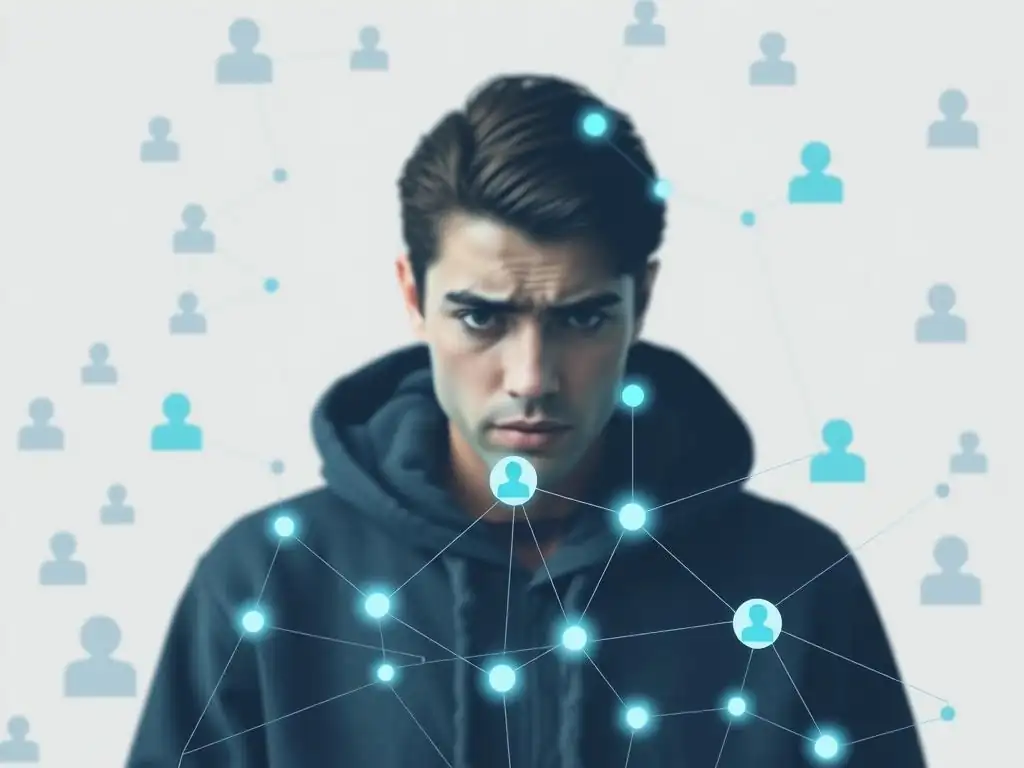
Finding a lawyer experienced in cybercrime and online harassment is critical. General legal professionals may not have the specialized knowledge necessary to effectively handle these complex cases. Here are some strategies for finding the right legal representation:
- Referrals: Ask friends, family, or support groups for referrals to lawyers who specialize in cybercrime or technology law. Word-of-mouth recommendations can be invaluable.
- Online Directories: Use online legal directories to search for lawyers specializing in cyberstalking, online harassment, or technology law in your area. Look for lawyers with proven track records and positive client reviews.
- Bar Associations: Contact your local or state bar association for a referral to lawyers specializing in these areas. Bar associations often maintain directories of lawyers and can provide information on their qualifications and experience.
- Legal Aid Organizations: If you have limited financial resources, consider contacting legal aid organizations that provide free or low-cost legal services to individuals who qualify. They may be able to assist you in finding appropriate legal counsel.
Remember, choosing the right lawyer is a crucial step in protecting yourself. Take your time, research thoroughly, and select a lawyer you feel comfortable and confident in. Your safety and well-being are paramount. Don't hesitate to consult multiple lawyers before making a decision. The right legal representation can make all the difference in achieving justice and regaining a sense of security.
Prevention and Mitigation Strategies for Online Dating Safety
This section focuses on proactive steps you can take to minimize your risk when using online dating platforms. Understanding and implementing these strategies is crucial for enhancing your online dating safety and avoiding potential legal issues related to stalking or harassment. Remember, prevention is always the best form of protection.
Proactive measures significantly reduce your vulnerability to online threats and help you navigate the online dating world with greater confidence and security. This section will explore specific techniques to improve your online safety and reduce the chances of becoming a victim. The goal is to equip you with the knowledge and tools to protect yourself effectively, aligning with the principles of "Online dating safety protection laws."
Safe Online Communication Practices
Effective communication is key to a positive online dating experience, but it also presents potential risks. Avoid sharing Personally Identifiable Information (PII) like your full address, workplace, or children's details, especially in early stages of communication. Instead of revealing your exact location, suggest meeting in well-lit, public places. Always trust your instincts; if something feels off, it probably is.
Document all interactions – screenshots of messages, dates, and times – this can be invaluable evidence if something goes wrong. Be wary of individuals who pressure you to meet quickly or share intimate details prematurely. Prioritize your safety and well-being. Remember, "Online dating safety protection laws" are designed to protect you from harassment and stalking, but proactive communication strategies are your first line of defense.
Consider using a separate email address and phone number specifically for online dating to maintain privacy and avoid linking your personal information to your dating profile. This helps to create a layer of separation between your public online dating persona and your private life. Never share financial information or passwords with anyone you meet online, regardless of how well you think you know them. Financial scams are prevalent in online dating, so this extra precaution is essential.
Use caution when sharing photos. Avoid images that reveal too much personal information about your home or workplace. Remember, the goal is to build a genuine connection, not to expose yourself to unnecessary risk.
Protecting Your Personal Information Online
Protecting your personal information is paramount to mitigating the risk of stalking and harassment stemming from online dating. Avoid oversharing on your profile and in your communications. Limit the amount of personal information you include on your dating profile, focusing on general interests and avoiding details that could easily be used to locate you.
Be mindful of the information you share on social media platforms that might be linked to your dating profile. Review your privacy settings on all social media accounts to restrict access to your personal details and profile information. Regularly check your privacy settings on all online platforms, including dating apps, to ensure that you're comfortable with the level of information being shared.
The more you limit access to your personal data, the better you protect yourself from potential misuse. This aligns directly with the intentions of "Online dating safety protection laws," which aim to safeguard your personal information from malicious actors.
Consider using a reverse image search to check if any photos you're considering using are already online elsewhere and associated with another profile. This can help prevent identity theft or the misuse of your images. Be cautious about the information you provide when creating your profile. Only share information that you are comfortable with being publicly available. Remember, you're in control of the information you share and you have the right to protect your personal data.
Managing Your Online Presence and Privacy Settings
Maintaining a secure online presence is integral to your overall safety. Regularly review your privacy settings on all dating apps and social media platforms. Utilize the privacy features offered by these platforms to control who can see your information and interact with your profile. This includes limiting who can see your photos, contact you, or see your location.
Take advantage of features that allow you to block or report suspicious users. Familiarize yourself with the reporting mechanisms on each platform to address any concerning behavior promptly and effectively. Staying informed about the latest privacy settings and updates is crucial to maintaining a secure online presence. Remember that "Online dating safety protection laws" provide legal recourse, but proactively managing your online presence is the first step in preventing problems.
Consider using strong, unique passwords for each online dating account and regularly update them. Avoid using the same password across multiple accounts. Enable two-factor authentication (2FA) wherever possible to add an extra layer of security to your accounts. This helps to prevent unauthorized access even if your password is compromised.
Regularly review your connected accounts and apps to ensure you only have authorized access. Review your account activity regularly and look for any suspicious logins or activity. Report any unusual activity to the platform immediately. Protecting your online accounts is about being vigilant and proactive, and this vigilance directly supports your overall online safety and reduces your vulnerability to potential harm, aligning with the aims of "Online dating safety protection laws."
Frequently Asked Questions
What legal protections exist for online daters who experience stalking?
Many jurisdictions have laws against stalking, including those stemming from online interactions. These laws vary, but generally criminalize repeated unwanted contact that causes fear or harm. Seek legal advice to understand your specific rights.
Are there specific laws addressing online dating safety?
While there aren't specific "online dating safety" laws, existing laws like those against harassment, cyberstalking, and threats apply to online dating interactions. Privacy laws also protect your personal information shared online.
What should I do if I'm being stalked after meeting someone online?
Immediately document all contact, including messages, emails, and location data. Report the stalking to the police and consider obtaining a restraining order. Inform trusted friends and family.
Can I sue someone for harassment after meeting them on an online dating site?
Yes, you may be able to pursue a civil lawsuit for harassment or emotional distress if you can prove intentional harmful conduct. This often requires demonstrating a pattern of behavior causing significant distress. Consult with an attorney.
What role do online dating platforms play in protecting user safety?
Platforms often have safety features and reporting mechanisms. While not legally obligated to prevent all harm, they are responsible for implementing reasonable safety measures and responding to reports of abuse or harassment. Review their safety policies.
The ease and accessibility of online dating have created a double-edged sword: a world of connection, but also a breeding ground for potential harm. Millions navigate these platforms daily, seeking companionship, yet the risk of stalking and harassment remains a stark reality, demanding our attention and proactive measures. The legal landscape, while evolving, is crucial in protecting vulnerable individuals from the insidious threat of online stalking originating from dating interactions.
The pervasive nature of online dating means that the impact of stalking and harassment extends far beyond individual experiences; it shapes our collective understanding of digital safety and intimacy. The fear of online abuse can stifle genuine connection and create a climate of distrust. This chilling effect underscores the importance of robust legal frameworks and widespread awareness. The internet is a powerful tool, but it's also a mirror reflecting the best and worst of humanity. We must build a digital world where connection is safe and harassment is unacceptable.
This statement highlights the need for a continuous conversation about online safety, fostering a culture of responsibility and accountability.
You, the reader, now hold the knowledge to better protect yourself and others. Take the time to understand your rights, familiarize yourself with the legal protections available, and actively participate in creating a safer online dating environment. Don't let fear dictate your choices; instead, empower yourself with knowledge and advocate for a future where online dating is a space for genuine connection, free from the shadow of stalking and harassment. Let's build a digital world where love can flourish safely.
Take Control: Secure Your Online Dating Journey
Thank you for taking the time to learn about online dating safety and legal protections. We hope this information empowers you to navigate the world of online dating with greater confidence and awareness. Let's put this knowledge into practice!
- Prioritize your digital safety: Review your privacy settings on all dating apps and social media. Using a dedicated email address solely for online dating is a wise precaution, adding another layer of protection for your personal information. This is crucial for a safer online experience.
- Document concerning interactions: Save any messages, photos, or communications that make you feel uneasy or threatened. This documentation can be vital if you need to report harassment or stalking to the authorities.
- Share this information: Help spread awareness about online dating safety and empower others to protect themselves. Let's work together to create a safer online community.
What specific action will you take today to improve your online dating safety?