
Dating with Confidence: The Power of Reverse Image Search Verification

Ready to transform your online dating experience? At OnlineDatingSuccess.org, we empower you to build genuine connections and avoid pitfalls. This isn't just about finding a match; it's about finding meaningful connections. Learn how a simple reverse image search can be your secret weapon against scams and ensure your dating safety. Discover how this powerful tool, and other practical strategies, can dramatically improve your online dating success. Let's dive in!
- Understanding Reverse Image Search for Dating Safety
- Reverse Image Search: Protecting Yourself from Online Dating Scams
- Boosting Your Online Dating Safety with Reverse Image Search
- Reverse Image Search and Building Trust in Online Dating
- Conclusion: Embracing Reverse Image Search for a Safer Dating Journey
-
Frequently Asked Questions
- What is a reverse image search, and how does it relate to online dating safety?
- Why should I use a reverse image search on dating profiles?
- How do I perform a reverse image search?
- What should I do if a reverse image search reveals inconsistencies?
- Are there any limitations to using reverse image searches for dating safety?
- Final Reflection: Securing Connections, Protecting Hearts
- Unlock Your Dating Potential: Prioritize Your Safety Online
Understanding Reverse Image Search for Dating Safety
Online dating offers incredible opportunities to connect with people, but it also presents unique safety challenges. Navigating this landscape requires vigilance and proactive measures to protect yourself from potential harm. One powerful tool often overlooked is the reverse image search. This article delves into the crucial role of reverse image searches in online dating safety, empowering you to verify profiles, identify potential scams, and build trust before meeting someone in person.
We'll explore how this simple yet effective technique can significantly reduce your risk of encountering catfishing or other deceptive practices, ultimately helping you find genuine connections with confidence. Learning to use reverse image search is a fundamental step towards safer and more successful online dating. This guide provides a comprehensive understanding of the process, equipping you with the knowledge to protect yourself and build healthier relationships.
Why Reverse Image Search is Crucial in Online Dating
The prevalence of online dating has unfortunately led to a rise in fraudulent profiles and catfishing attempts. Catfishing, where someone creates a fake online persona using stolen photos and false information, is a serious concern. A reverse image search allows you to quickly determine if a profile picture is genuine or stolen from another source.
This simple check can save you from wasting time and, more importantly, from potentially dangerous situations. Consider this: you've been chatting with someone for weeks, building a connection, only to discover they're not who they claim to be. A reverse image search could have prevented this heartbreak and potential risk.
By verifying profile pictures, you can significantly reduce the chances of falling victim to such deception. This proactive approach enhances your online dating experience by fostering a safer and more trustworthy environment. The peace of mind gained from knowing you're interacting with a genuine individual is invaluable.
Identifying Catfishing Attempts: Recognizing Warning Signs
Beyond reverse image searching, several other warning signs can indicate a potential catfishing attempt. These warning signs, when combined with a reverse image search, offer a more comprehensive approach to online dating safety. For instance, be wary of profiles with:
- Limited or vague personal information: A profile lacking detail or consistency raises red flags.
- Photos that seem too perfect: Unnaturally flawless or overly professional photos can suggest a fabricated identity.
- Inconsistencies between photos and descriptions: Discrepancies between the written profile and images are a major warning sign.
- Reluctance to video chat: A refusal to engage in video calls can be a sign of deception.
- Requests for money or financial assistance: This is a classic red flag indicating a potential scam.
Remember, a combination of careful observation and proactive verification methods, such as reverse image searches, is key to navigating online dating safely. Trust your instincts—if something feels off, it probably is. Don't hesitate to take your time and thoroughly investigate potential matches before engaging in deeper interactions.
Performing a Reverse Image Search: A Step-by-Step Guide Using Google Images and TinEye
Performing a reverse image search is remarkably straightforward. Two popular and reliable tools are Google Images and TinEye. Let's explore the process for both:
Using Google Images:
- Go to
images.google.com. - Click the camera icon in the search bar.
- You can either paste the image URL or upload the image from your computer.
- Google will then display visually similar images, showing you where else the image appears online.
Using TinEye:
- Go to
tineye.com. - Upload the image or paste the image URL.
- TinEye will provide a comprehensive list of websites where the image has been found, helping you trace its origin.
By using these tools, you can quickly determine if the profile picture is being used elsewhere, indicating potential duplication or fraudulent activity. Remember, the more information you gather, the better equipped you are to make informed decisions about your online interactions. Using a combination of these tools offers the most comprehensive results. Always prioritize safety and verification in your online dating journey.
Reverse Image Search: Protecting Yourself from Online Dating Scams
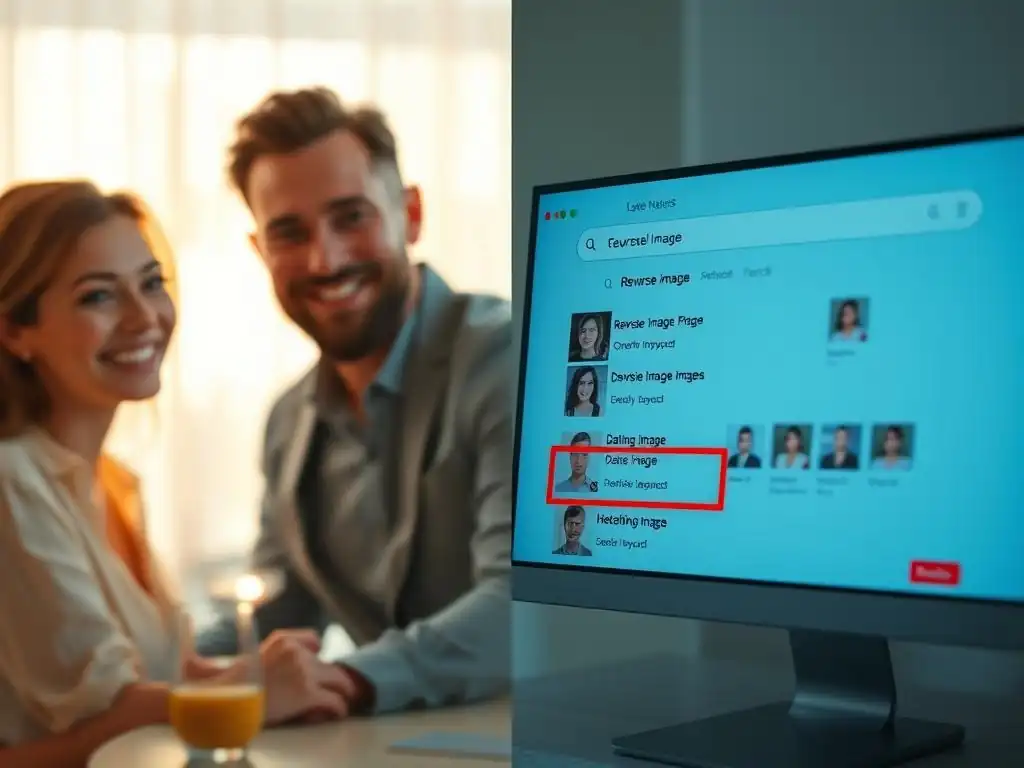
This section focuses on leveraging reverse image search as a crucial tool for enhancing your online dating safety. The prevalence of online scams necessitates proactive measures, and reverse image search offers a readily available and effective method to verify the authenticity of profiles and protect yourself from potential harm. By understanding how to utilize this technique, you significantly reduce your risk of encountering fraudulent profiles and engaging in potentially dangerous interactions. Remember, your safety is paramount in the online dating world, and employing this simple yet powerful tool is a significant step towards a safer and more positive experience.
Common Dating Scams and How Reverse Image Search Can Help
Online dating scams are unfortunately common. Many operate on deception, using stolen photos and fabricated identities to lure unsuspecting individuals into fraudulent relationships. These scams can range from minor inconveniences, like wasted time and emotional investment, to significant financial losses and even threats to personal safety.
Some common scams include:
- Catfishing: This involves creating a fake online persona using stolen photos and a false identity to build a relationship. Reverse image searching the profile picture can quickly reveal if the image is being used elsewhere under a different name.
- Romance Scams: These are more sophisticated, often involving long-term manipulation to extract money or personal information from the victim. A reverse image search can help expose inconsistencies, such as a profile picture appearing on unrelated websites or social media accounts under different names.
- Fake Profile Syndication: Organized groups often create multiple fake profiles using the same stolen images. Reverse image search can identify these connections, revealing a network of fraudulent accounts.
Reverse image search helps by allowing you to quickly cross-reference the profile picture with other online sources. If the image appears on multiple profiles with inconsistent information or on stock photo websites, it's a strong indicator of a fake profile. This simple verification step can save you considerable time, emotional distress, and potential financial loss. Don't underestimate the power of this free and accessible tool.
Detecting Fake Profiles Using Reverse Image Search Techniques
The effectiveness of reverse image search in detecting fake profiles hinges on understanding the techniques involved. While seemingly straightforward, mastering the nuances can significantly improve your success rate in identifying fraudulent accounts.
Here's a step-by-step guide:
- Obtain the Profile Picture: Right-click on the profile picture and select "Save Image As" or a similar option to download the image to your computer.
- Use a Reverse Image Search Engine: Popular options include Google Images, TinEye, and Yandex Images. Upload the saved image to the chosen engine.
- Analyze the Results: Carefully examine the results. Identical matches on unrelated profiles or social media accounts raise significant red flags. The presence of the image on stock photo websites is a clear indication of a fake profile. Look for inconsistencies in the information associated with the image across different sources.
- Cross-Reference Information: If the image appears on multiple profiles, compare the information provided on each profile. Discrepancies in age, location, occupation, or other details are strong evidence of a fake profile.
- Consider the Image Quality: Low-resolution or heavily edited images are more likely to be fake. This is because scammers often use readily available images that have been altered.
By meticulously analyzing the results and cross-referencing information, you can significantly increase your chances of identifying fake profiles and protecting yourself from potential scams. Remember, even subtle discrepancies can be significant indicators of fraud.
Verifying Profile Pictures: A Practical Guide Using Reverse Image Search
This section provides a practical, step-by-step guide to using reverse image search to verify profile pictures on online dating platforms. Remember, this process is a crucial part of your online dating safety strategy. Never rush into interactions without verifying the authenticity of the profile.
Step-by-Step Guide:
- Download the Image: Right-click on the profile picture and save it to your computer. Ensure you have a clear, high-resolution version for the best results.
- Navigate to a Reverse Image Search Engine: Choose a reputable engine like Google Images or TinEye.
- Upload the Image: Most engines allow you to simply drag and drop the image, or you can browse and select it from your computer.
- Review the Results Carefully: Pay close attention to the visual matches. Identical images appearing on other dating profiles, social media, or stock photo sites are significant red flags. Note the context in which the image appears on each site.
- Analyze the Metadata (If Available): Some engines provide metadata about the image, such as location data or date of creation, which can provide additional clues.
- Compare Profile Information: Cross-reference the information on the dating profile with any information associated with the image on other websites. Inconsistencies are warning signs.
- Trust Your Instincts: If something feels off, even without concrete evidence, it's better to err on the side of caution and avoid further contact.
By following these steps diligently, you can significantly reduce your risk of encountering fake profiles and improve your overall online dating safety. Remember, a few minutes spent verifying a profile picture can save you considerable time and heartache down the line. Prioritize your safety and well-being in the online dating world.
Boosting Your Online Dating Safety with Reverse Image Search
Reverse image search is a powerful tool rapidly becoming essential for online dating safety. It allows you to verify the authenticity of a potential date's profile picture, significantly reducing the risk of encountering fake profiles or catfishing. By proactively using this technique, you take control of your online safety and significantly improve your chances of a positive and genuine dating experience.
Think of it as an extra layer of protection in your online dating toolkit – one that's surprisingly easy to implement. This proactive approach helps you avoid potentially dangerous situations and protects your emotional well-being. Remember, prioritizing your safety shouldn't detract from the enjoyment of online dating; instead, it enhances it.
Integrating Reverse Image Search into Your Dating Routine
Incorporating reverse image search into your dating routine is straightforward and doesn't require significant time commitment. Start by making it a habit to perform a reverse image search on every profile picture that catches your eye. Many dating apps and websites make this process easy; some even have integrated reverse image search features. If not, using a search engine like Google, Bing, or TinEye is equally effective.
Simply upload the image or paste the image URL into the search bar. The results will reveal where else the image appears online, providing clues about its origin and authenticity. For example, if the same image appears on multiple stock photo websites, it's likely not a genuine photo of your match.
Conversely, if the image only appears on their dating profile, it raises a red flag. This simple step can save you from wasted time and potential heartache. Consistency is key; make reverse image searching a non-negotiable part of your online dating process.
Using Reverse Image Search to Verify Matches Before Meeting
Before agreeing to an in-person meeting, reverse image searching is not just recommended—it's crucial. A simple image search can uncover inconsistencies between a person's online persona and their claimed identity. Perhaps the image is linked to a social media profile with a different name, age, or location. Or, you might discover the image is associated with a known scammer or fake profile. These findings can prevent potentially dangerous or uncomfortable situations.
Don't feel pressured to meet someone before you've thoroughly verified their identity using multiple methods, including reverse image search. Remember, your safety and comfort are paramount. Prioritize thorough verification over rushing into a potentially risky encounter. Take your time and trust your instincts; if something feels off, it likely is.
The Importance of Open Communication About Online Safety
Openly discussing online safety with your potential dates is not only crucial but also demonstrates maturity and responsibility. It fosters trust and mutual respect. Sharing your proactive approach to online safety, such as using reverse image search, can initiate a conversation about responsible online behavior. This open communication creates a safer and more comfortable environment for both parties. Furthermore, it sets healthy boundaries and expectations from the beginning of the relationship.
Remember, a healthy relationship is built on mutual respect and trust, and prioritizing safety is a fundamental aspect of that. Don't hesitate to discuss your safety concerns with your matches. It’s a sign of self-awareness and responsible dating habits. Moreover, it helps create a healthier and more secure online dating experience for everyone.
Reverse Image Search and Building Trust in Online Dating

Reverse image search is rapidly becoming an essential tool for online daters prioritizing safety and building authentic connections. It empowers users to verify the identity and intentions of potential partners, significantly reducing the risk of encountering fraudulent profiles or deceptive individuals. This proactive approach to online dating safety shifts the focus from reactive measures (dealing with scams after they occur) to preventative strategies, fostering a more secure and trustworthy online dating experience.
By incorporating reverse image search into your dating routine, you’re investing in your emotional well-being and protecting yourself from potential harm. This section will explore how this simple yet powerful tool contributes to building healthy online relationships.
Building Healthy Online Relationships Through Transparency and Verification
Transparency is the cornerstone of any healthy relationship, whether online or offline. Reverse image search allows you to introduce a layer of transparency into your online dating interactions from the very beginning. By verifying the authenticity of a potential partner's profile picture, you're establishing a foundation of trust based on verifiable information.
This doesn't imply suspicion; rather, it's a responsible approach to online safety. Consider this scenario: you've matched with someone who seems perfect, but their profile picture feels slightly off. A quick reverse image search might reveal the image is stock photography, used on multiple profiles, or even stolen from another person entirely.
This simple act could save you considerable time and emotional investment. Building healthy relationships requires open communication and mutual respect, and verifying profile images is a small step towards creating that atmosphere of honesty and trust from the outset. It helps to ensure you’re interacting with the person they claim to be, fostering a more genuine connection.
The Role of Reverse Image Search in Fostering Trust and Authenticity
The use of reverse image search in online dating directly combats the pervasive issue of catfishing and fake profiles. Catfishing, where individuals create false online personas using stolen photos and fabricated information, is a significant concern for online daters. Reverse image search provides a readily available and effective countermeasure. By searching a profile image through Google Images, TinEye, or Yandex Images, you can quickly determine if the image appears elsewhere online.
If the image shows up on multiple dating profiles or unrelated websites, it’s a strong indication of a potentially fake profile. Furthermore, the results might reveal inconsistencies between the profile's claimed identity and the information revealed by the image search. For example, you might find the picture associated with a different name or location, raising a red flag.
This process isn't about casting immediate judgment but about gathering information to make informed decisions about who you choose to engage with online. It’s about fostering authenticity and reducing the likelihood of investing time and emotion in a fabricated persona. Remember, a little investigation can go a long way in protecting your emotional well-being.
Combating Dating Scams Proactively with Image Verification
Dating scams are unfortunately prevalent in the online dating world. These scams often involve individuals who create fake profiles, build rapport with victims, and then exploit their trust for financial gain or other malicious purposes. A key element of many dating scams is the use of stolen or misleading profile pictures. By utilizing reverse image search, you can significantly reduce your vulnerability to these scams.
Imagine this: you’re chatting with someone who seems charming and engaging, but their profile picture, upon a reverse image search, leads you to news articles about a recent romance scam involving a similar image. This proactive approach allows you to identify potential red flags before becoming a victim. Remember, a quick reverse image search is a simple but powerful tool that can act as a first line of defense against sophisticated scams.
It's a preventative measure that empowers you to take control of your online safety, protecting yourself from potential heartache and financial loss. Don't underestimate the power of this readily available tool in your fight against online dating scams; it’s a significant step towards safer and more secure online dating experiences. The proactive use of reverse image search is a crucial element of practicing safe and responsible online dating.
Conclusion: Embracing Reverse Image Search for a Safer Dating Journey
Reverse image searching is a powerful tool in your arsenal against online dating scams. By proactively verifying the authenticity of profiles, you significantly reduce your risk of encountering fraudulent individuals or falling victim to catfishing. While it doesn't guarantee complete safety, it provides an additional layer of protection that can make a world of difference in your online dating experience. Remember, your safety and well-being are paramount. Don't hesitate to utilize this readily available technology to safeguard yourself. The peace of mind it offers is invaluable.
The Ongoing Importance of Online Safety Practices
Reverse image search is just one piece of the puzzle when it comes to online dating safety. It's crucial to maintain a holistic approach, incorporating several safety measures into your routine. This includes:
- Never sharing Personally Identifiable Information (PII) too early: Avoid disclosing your full address, workplace, or other sensitive details until you've established a strong level of trust with someone.
- Meeting in public places for first dates: Choose well-lit, populated areas for your initial encounters. Let a friend or family member know your plans, including the time, location, and the person you're meeting.
- Trusting your instincts: If something feels off or makes you uncomfortable, don't hesitate to end the conversation or interaction. Your gut feeling is often a reliable indicator.
- Reporting suspicious profiles: If you encounter a profile that seems fake or suspicious, report it to the dating platform immediately. This helps protect other users from potential harm.
- Being aware of common scams: Familiarize yourself with prevalent online dating scams, such as advance-fee fraud, romance scams, and phishing attempts. Understanding these tactics can help you identify and avoid them.
Remember, a multifaceted approach to online safety is far more effective than relying on a single method. Continuously educate yourself on emerging threats and best practices.
Recommended Additional Resources for Online Dating Safety
While reverse image searching is a valuable tool, seeking additional information and support can greatly enhance your safety. Consider exploring resources dedicated to online dating safety and security. Many organizations offer valuable guides, tips, and support for navigating the online dating world responsibly. These resources often provide up-to-date information on emerging scams and best practices, ensuring you stay ahead of potential threats.
Proactive learning and staying informed are key components of a safe and positive online dating experience. Remember, your safety is a priority, and seeking additional knowledge empowers you to make informed decisions and protect yourself effectively. Don't hesitate to utilize the wealth of information available to make your online dating journey safer and more rewarding. The investment of time in learning about online safety is an investment in your well-being and peace of mind.
Frequently Asked Questions
What is a reverse image search, and how does it relate to online dating safety?
A reverse image search allows you to upload an image and find where else it appears online. In online dating, this helps verify if a profile picture is genuine and hasn't been stolen from another source, protecting you from potential scams or catfishing.
Why should I use a reverse image search on dating profiles?
Using a reverse image search is a crucial step in protecting yourself from deceptive profiles. It helps confirm the authenticity of a person's identity and reduces the risk of interacting with fake profiles or scammers.
How do I perform a reverse image search?
Several services offer reverse image searches, such as Google Images, TinEye, and Yandex Images. Simply upload the image you wish to check and the service will show you where else it's been found online. Results will highlight potential inconsistencies.
What should I do if a reverse image search reveals inconsistencies?
If the image appears on multiple unrelated profiles or websites, it's a strong indicator of a potentially fake profile. Exercise extreme caution, consider not responding, and report the profile to the dating platform if appropriate.
Are there any limitations to using reverse image searches for dating safety?
While effective, reverse image searches aren't foolproof. Sophisticated scammers might use slightly altered images, or images from less easily searchable sources. It's one tool among many for enhancing your online dating safety.
Final Reflection: Securing Connections, Protecting Hearts
The rise of online dating has undeniably revolutionized romance, but it's also introduced a new layer of complexity: verifying the authenticity of potential partners. The ease of creating fake profiles necessitates proactive measures, and reverse image search has emerged as a crucial tool in navigating this digital landscape safely and confidently.
The impact of readily available tools like reverse image search extends far beyond individual safety; it's reshaping our understanding of online interactions and fostering a more responsible digital dating culture. Trust, but verify,
a phrase often attributed to Ronald Reagan, takes on new meaning in the context of online dating. This simple act of verification empowers individuals to take control of their online safety, challenging the inherent risks associated with meeting strangers online and promoting a more transparent and accountable environment.
Consider the implications for yourself. Don't let fear prevent you from exploring the possibilities of online connection, but equip yourself with the knowledge and tools to do so safely. Take the initiative; use reverse image search. Protect your heart, and build relationships founded on genuine connection and mutual respect. The power to create a safer dating experience lies within your hands.
Unlock Your Dating Potential: Prioritize Your Safety Online
Thank you for learning about the importance of reverse image searches in online dating. You've gained a valuable tool to navigate online connections more safely and confidently. Ready to use this knowledge?
- Always perform a reverse image search on potential matches. This simple step can offer crucial insights and reassurance before proceeding.
- Share this information with your friends and family to promote safer online dating practices. Looking out for one another is essential.
- Consider sharing your experiences with reverse image searches in the comments below. Did using this tool change your approach to online dating?
What steps will you take today to improve your online dating safety and foster stronger, more authentic connections?