
Recognizing Fake Profiles: Protect Yourself from Dating App Scams

Dive into the world of online dating with confidence! At OnlineDatingSuccess.org, we empower you to navigate the digital dating landscape successfully. But before you swipe right, learn how to spot fake dating profiles safely. This crucial skill is your first step towards building genuine connections and avoiding heartache. Discover essential strategies and practical tips to protect yourself—your journey to meaningful relationships starts here.
- Spot Fake Dating Profiles Safely: Red Flags to Watch For
- How to Verify a Dating Profile's Authenticity
- Protecting Yourself from Dating App Scams: Safety Measures
- Recognizing and Avoiding Romance Scams: A Comprehensive Guide
- Staying Safe on Popular Dating Apps: App-Specific Safety Tips
- Frequently Asked Questions
- Final Reflection: The Enduring Threat of Online Deception
- Unmask the Truth: Take Control of Your Online Dating Safety
Spot Fake Dating Profiles Safely: Red Flags to Watch For
Navigating the world of online dating can be exciting, but it's crucial to be aware of the potential dangers lurking within. Millions use dating apps and websites to find love and companionship, but unfortunately, a significant number of fake profiles exist, created by scammers with malicious intent. This article provides practical, empathetic guidance on how to identify these deceptive profiles and protect yourself from becoming a victim of online dating scams.
Learning to spot fake dating profiles is paramount to ensuring your safety and well-being while searching for a genuine connection. We'll explore several red flags, empowering you to make informed decisions and navigate the online dating landscape with confidence and caution.
Remember, your safety and security are paramount, and understanding these warning signs is the first step toward a positive and safe online dating experience. This guide focuses on practical techniques and real-world examples to help you confidently identify and avoid fake profiles, ultimately increasing your chances of finding a genuine connection.
Identifying Fake Photos: Image Reverse Search Techniques
Fake profiles often use stolen or manipulated images. One of the most effective ways to detect this is by performing a reverse image search. This involves uploading the profile picture to a search engine like Google Images or TinEye. The search engine will then show you all instances of that image appearing online, allowing you to see if it's been used on other profiles or websites.
If the image appears on multiple dating profiles or stock photo websites, it's a strong indication of a fake profile. Furthermore, examine the photo carefully. Look for inconsistencies like unnatural lighting, unusual backgrounds, or photos that seem too professionally done for a casual dating profile. A lack of variety in photos (e.g., only selfies from the same angle) can also be a red flag.
Pay close attention to details; a fake profile might use a picture of someone who is clearly much younger or older than their stated age. Remember, always trust your intuition; if something feels off about a photo, it's best to err on the side of caution. For example, a profile showcasing only highly polished, professionally-taken photos with no casual shots could suggest a fake profile.
Recognizing Catfishing Attempts: Inconsistencies in Profile Information
Catfishing, a deceptive practice where someone creates a fake online persona, is a prevalent issue in online dating. One way to identify catfishing attempts is by looking for inconsistencies in the profile information. Does the profile claim a certain profession, but their description doesn't align with that profession? Do their photos seem inconsistent with their stated age or lifestyle?
Cross-reference information provided, such as their location, job, or interests, with their profile pictures and general description. Discrepancies are a major warning sign. For example, a profile claiming to be a successful lawyer but only using low-quality selfies might indicate a fake profile. Another example might be a profile describing a love for hiking and outdoor activities but only using pictures in what appears to be a studio setting.
Pay attention to vague or overly generic descriptions. A lack of specific details often points towards a fabricated profile. Always be cautious of profiles that seem too good to be true. Remember, genuine profiles tend to show a more realistic, nuanced portrayal of the individual.
Beware of Suspicious Language: Common Scammer Phrases and Tactics
Scammers often employ specific language patterns and tactics to manipulate their victims. Be wary of profiles that use overly romantic or flattering language early on, promising unrealistic levels of commitment or affection. Generic phrases, such as “I’m looking for my soulmate,” or “You’re beautiful,” without any specific details, are often used as bait. Watch out for excessive flattery and compliments, especially without any meaningful interaction.
Additionally, be cautious of profiles that quickly steer the conversation towards financial requests or investments, or those that share sob stories to elicit sympathy and money. These are classic scammer tactics. Always be wary of pressure to move communication off the dating platform quickly. Legitimate individuals are usually comfortable maintaining contact through the app's messaging system initially.
Scammers often push for a quick transition to other platforms to avoid detection and increase their control over the interaction. For example, phrases like "I'm sending you money, but I need your bank details" or "I'm stranded and need your help" are clear red flags. Finally, be aware that scammers often use poor grammar and spelling, suggesting a lack of authenticity.
Analyzing Profile Details: Inconsistencies and Missing Information
Spotting inconsistencies is crucial in identifying fake dating profiles. Fake profiles often lack detail or contain contradictory information. Pay close attention to the minutiae; inconsistencies can be subtle yet revealing. For example, a profile might boast a love of hiking and outdoor adventures, yet the photos depict only indoor settings. This discrepancy is a significant red flag. Similarly, a profile claiming to be a successful entrepreneur might lack details about their profession or company, a glaring omission for someone so accomplished. The more vague or contradictory the details, the higher the chance of encountering a fake profile.
Scrutinize the profile's narrative. Does the story feel genuine and relatable, or does it sound too perfect, almost unbelievable? Beware of profiles that use generic phrases or clichés, lacking personality or specific details. Genuine profiles often include anecdotes or personal experiences that make them unique. A profile that reads like a template, filled with stock phrases and lacking individuality, is highly suspicious.
Another vital aspect is the quality of the photos. While not always definitive, low-resolution, blurry, or overly edited photos can indicate a fake profile. Professional-looking photos, especially those seemingly taken by a professional photographer, can also be a red flag, as scammers often use stock images or photos stolen from other online sources.
Look for inconsistencies in the photos themselves; for example, a person's appearance might differ significantly between different pictures. Also, be wary of an abundance of selfies, especially if they lack any context or interaction with other people. Authentic profiles often include a variety of pictures showing the person in different settings and situations.
Consider the overall completeness of the profile. A profile lacking basic information, such as age, location, or interests, should raise immediate concerns. While some users might be hesitant to share every detail upfront, a complete lack of information suggests a lack of genuine intent. Additionally, a profile that's suspiciously brief or lacks any personal details is a major red flag.
Remember, building trust requires transparency and sharing relevant information; a complete absence of this suggests something isn't right. A genuine profile will strive to present a balanced and detailed picture of the individual, allowing potential matches to get a feel for their personality and lifestyle. A profile that's too vague or incomplete is likely a fake.
How to Verify a Dating Profile's Authenticity
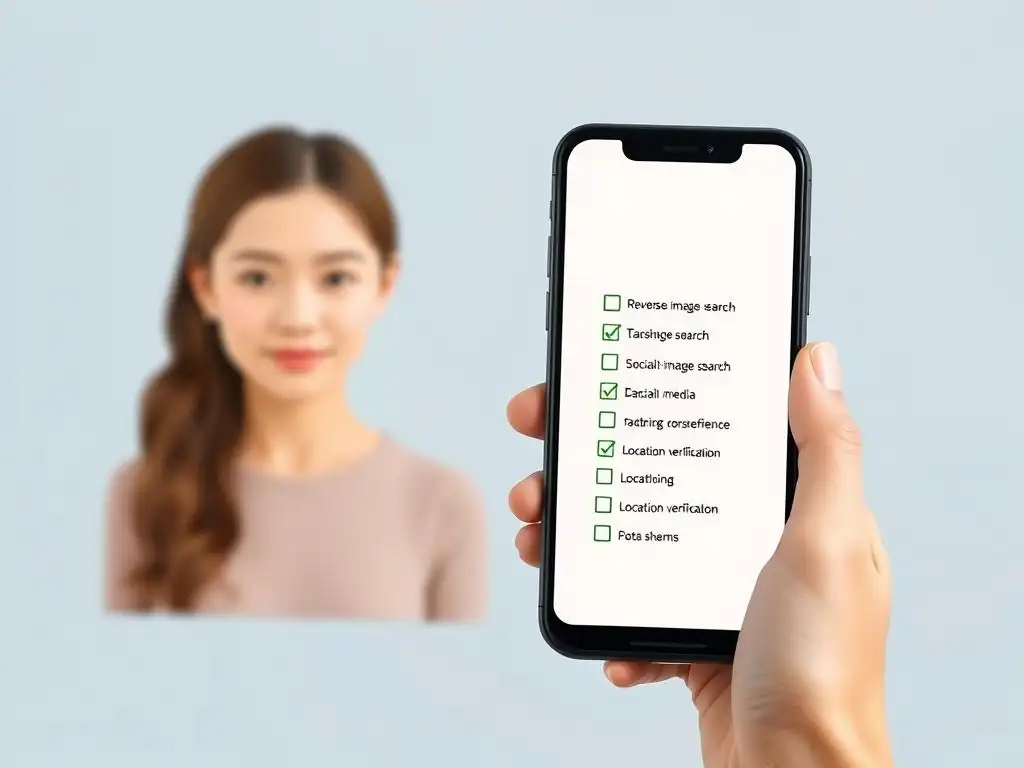
This section provides actionable steps to help you spot fake dating profiles safely, focusing on techniques to verify the authenticity of a profile before engaging further. Remember, your safety and security are paramount in the online dating world. Taking the time to verify profiles can significantly reduce your risk of encountering scams. Let's delve into practical methods for assessing profile legitimacy.
One effective method to spot fake dating profiles safely is cross-referencing information provided on the dating app with the individual's social media presence. This involves carefully comparing details like name, age, occupation, and even photos across platforms. Inconsistencies can be a major red flag.
For instance, if a profile claims the individual works as a software engineer at a specific company, you can try to find their LinkedIn profile. Does their LinkedIn profile corroborate the information on the dating app? Do they have a professional-looking profile with a consistent work history? If the information doesn't match, or if no profile can be found, it's a cause for concern.
Similarly, verify their claimed age by looking for birthday information on Facebook (if privacy settings allow). Discrepancies raise serious questions about the profile's legitimacy. Remember to respect privacy settings; only attempt to verify information that is publicly available.
This method isn't foolproof; scammers can create fake social media accounts. However, it adds another layer of verification to your due diligence. The more inconsistencies you find, the higher the likelihood of a fake profile. Always approach such discrepancies with caution.
Checking for Reverse Image Search Results: Confirming Photo Authenticity
Photos are often the first thing that draws your attention on a dating profile. However, they can also be easily manipulated or stolen. A simple reverse image search can be incredibly effective in helping you spot fake dating profiles safely. This involves uploading the profile picture to a reverse image search engine (like Google Images, TinEye, or Yandex Images) to see where else the image appears online.
If the image appears on multiple dating sites, stock photo websites, or unrelated websites, it's highly probable the photo has been stolen. This is a strong indicator of a fake profile. Similarly, if the image returns results that are inconsistent with the profile's stated location or lifestyle, it further strengthens the suspicion.
For example, if the profile claims to live in a rural area, but the photo shows a recognizable landmark from a major city, this is a clear red flag. By using a reverse image search, you can quickly and easily verify the authenticity of the photos and significantly reduce your risk of interacting with a fake profile.
Examining Profile Activity: Unusual Behavior and Communication Patterns
Beyond profile information and photos, scrutinizing profile activity and communication patterns can be crucial in identifying fake profiles. Spotting fake dating profiles safely often involves paying attention to subtle inconsistencies and unusual behavior.
For example, be wary of profiles with very few or no photos, vague descriptions, or an excessive number of generic stock images. Also, be cautious of profiles that are overly complimentary or forward in their initial messages. Scammers often use pre-written templates or generic approaches to contact multiple people simultaneously. Furthermore, if the individual consistently avoids video calls or in-person meetings, despite expressing strong interest, it should raise a red flag.
Legitimate individuals are generally more open to video calls or in-person meetings as the relationship progresses. Their reluctance could indicate they are attempting to conceal their true identity. Remember that your intuition is a powerful tool; if something feels off, trust your gut feeling. Prioritizing your safety and security is always the best practice.
Protecting Yourself from Dating App Scams: Safety Measures
This section focuses on proactive steps you can take to minimize your risk of encountering fake profiles and becoming a victim of online dating scams. Remember, prevention is key when it comes to "spotting fake dating profiles safely." Being vigilant and informed is your best defense.
Avoiding Financial Scams: Recognizing and Preventing Money Requests
Financial scams are a prevalent tactic used by perpetrators of online dating fraud. They often employ elaborate stories to manipulate their victims into sending money. These stories can range from urgent medical expenses to sudden business misfortunes, always requiring immediate financial assistance. Never send money to someone you've only met online, regardless of how convincing their story may seem. Red flags often include requests for money via untraceable methods like wire transfers or gift cards.
Here's a breakdown of how to identify and avoid these scams:
- Sudden requests for money: Be wary of anyone who asks for money shortly after connecting. Genuine relationships don't involve immediate financial transactions.
- Elaborate sob stories: While some individuals may face genuine hardship, excessive detail and emotional manipulation should raise suspicion.
- Pressure tactics: Scammers often create a sense of urgency to pressure you into acting quickly before you can think clearly.
- Unrealistic investment opportunities: Beware of promises of high returns with minimal risk. These are often scams designed to steal your money.
- Requests for gift cards or wire transfers: These methods are difficult to trace and are commonly used by scammers.
Remember, legitimate relationships don't revolve around money. If someone asks for financial assistance, it's a significant red flag. Trust your instincts; if something feels off, it probably is.
Protecting Your Personal Information: Safe Communication Practices
Sharing personal information too early in an online relationship significantly increases your vulnerability to scams. Protecting your privacy is crucial to "spotting fake dating profiles safely" and avoiding exploitation. Avoid revealing sensitive details like your full address, workplace, or financial information until you've met the person in a public setting and have established a high level of trust.
Here are some essential safety tips for online communication:
- Use the app's messaging system: Avoid sharing personal contact information (email, phone number) until you're confident in the person's identity.
- Reverse image search: If you're unsure about the authenticity of a profile picture, perform a reverse image search to check if it appears elsewhere online.
- Video calls: Suggest a video call to verify the person's identity and appearance. Scammers often avoid video calls.
- Be cautious about sharing location information: Avoid sharing your exact location until you've met the person in a safe, public place.
- Don't share sensitive details: Avoid revealing your full name, address, workplace, financial information, or social security number until you've met and built trust.
Reporting Suspicious Profiles: Using In-App Reporting Mechanisms
If you suspect a profile is fake or involved in fraudulent activity, report it immediately using the app's reporting mechanisms. Most dating apps provide a way to flag suspicious profiles or behavior. This helps protect other users and contributes to a safer online dating environment. Reporting suspicious activity is a vital part of "spotting fake dating profiles safely."
Here's what to do when you encounter a suspicious profile:
- Identify the suspicious activity: Note specific behaviors, such as inconsistent information, unusual requests, or overly generic profiles.
- Gather evidence: Screenshot any suspicious messages or profile information.
- Use the app's reporting feature: Follow the app's instructions to report the profile. Often, there will be a specific button or option to report suspicious behavior.
- Contact customer support: If you have concerns that haven't been addressed through the in-app reporting process, contact the app's customer support team.
By taking these precautions and actively reporting suspicious profiles, you significantly improve your safety and contribute to a more secure online dating experience for everyone. Remember, staying vigilant and informed is your best tool in avoiding scams and building meaningful connections.
Recognizing and Avoiding Romance Scams: A Comprehensive Guide
This section delves into the specifics of identifying and avoiding romance scams, a prevalent issue in online dating. Understanding the tactics employed by scammers is crucial for protecting yourself and building healthy online relationships. We will explore common scammer techniques, highlight red flags in communication, and provide practical advice for cultivating safer online dating habits. Remember, your safety and well-being are paramount. Learning to spot fake dating profiles safely is the first step towards a positive online dating experience.
Common Tactics Used by Romance Scammers: Love Bombing and Emotional Manipulation
Romance scammers are masters of manipulation, often employing sophisticated tactics to gain your trust and affection. One of the most common is love bombing. This involves showering you with excessive attention, compliments, and affection early in the relationship. They might profess undying love within days or weeks, making grand promises and showering you with gifts (often virtual or promises of future gifts). This intense, overwhelming affection aims to quickly build a strong emotional connection, making you vulnerable to their manipulations.
Another key tactic is emotional manipulation. Scammers may exploit your vulnerabilities, playing on your fears, insecurities, and desires. They might feign sympathy for your personal struggles, creating a sense of intimacy and dependence. They might subtly undermine your confidence or isolate you from friends and family, further strengthening their control. For instance, a scammer might claim to be in a difficult situation (a family emergency, financial hardship) to elicit sympathy and financial aid. They will often use vague details and avoid specific questions to avoid being caught in a lie.
This manipulative behavior often goes hand-in-hand with creating a false sense of urgency. They might pressure you into making quick decisions, such as sending money or sharing personal information. This pressure is designed to bypass your rational thinking and make you act impulsively. Remember, healthy relationships are built on trust, respect, and gradual development, not overwhelming displays of affection or manipulative pressure. Spotting these tactics is crucial in identifying a potential scammer.
Identifying Red Flags in Communication: Inconsistencies and Unrealistic Promises
Beyond overt manipulation, subtle inconsistencies and unrealistic promises often signal a fake profile. Pay close attention to the details in their communication. Do their stories seem plausible? Do their claims hold up under scrutiny?
- Inconsistencies: Scammers often struggle to maintain consistent narratives. They might contradict themselves in their stories, provide vague details, or have difficulty answering direct questions. For example, a scammer might claim to be a successful doctor but struggle to provide specifics about their work or location. Pay attention to inconsistencies in their profile pictures, online presence, and the stories they tell. Inconsistency is a major red flag, frequently encountered when trying to spot fake dating profiles safely.
- Unrealistic Promises: Be wary of individuals who make extravagant promises early in the relationship. Promises of quick riches, lavish gifts, or immediate commitment should raise red flags. These promises are often used to lure victims into a false sense of security and gain their trust. Legitimate relationships develop organically, with trust and commitment building gradually over time.
| Red Flag Category | Example | Explanation |
|---|---|---|
| Inconsistencies | Conflicting information about their job. | They claim to be a surgeon but can't name the hospital they work at. |
| Unrealistic Promises | Promises of immediate marriage or wealth. | They promise to make you rich and marry you after only a few weeks of online communication. |
| Grammar & Spelling | Poor grammar and frequent spelling errors. | This can indicate a profile created by someone who is not a native English speaker and potentially a scammer. |
| Lack of Photos | Very few or no personal photos. | A lack of personal photos could indicate the profile is fake. |
Building Healthy Online Dating Habits: Prioritizing Safety and Trust
Protecting yourself from online dating scams requires proactive measures and a healthy approach to online interactions. Prioritizing safety and trust should be at the forefront of your online dating experience.
- Verify Profiles: Before engaging with anyone, take the time to verify their profile. Look for inconsistencies, use reverse image search on their photos, and try to find them on other social media platforms. Does their online presence align with their profile?
- Slow and Steady: Resist the urge to rush into a relationship. Take your time to get to know someone before sharing personal information or sending money. A healthy relationship develops gradually, with trust built over time.
- Meet in Public: Always meet in a public place for your first few dates. Let a friend or family member know where you are going and when you expect to be back.
- Trust Your Instincts: If something feels off or wrong, trust your gut feeling. Don't hesitate to end communication with someone who makes you uncomfortable. Your safety and well-being are paramount. Learning to spot fake dating profiles safely is a continuous process that prioritizes your well-being above all else. Remember, a healthy relationship is built on mutual respect, trust, and open communication, not manipulation or unrealistic promises.
Staying Safe on Popular Dating Apps: App-Specific Safety Tips
This section delves into the specific safety features and precautions offered by some of the most popular dating apps. Understanding these features is crucial for effectively spotting fake profiles and protecting yourself from scams. Remember, while these apps offer tools, vigilance remains your strongest defense. Successfully spotting fake dating profiles often requires a multi-faceted approach.
Tinder Safety Features and Precautions
Tinder, known for its swipe-based interface, incorporates several safety measures. However, it's vital to remember that no app is foolproof. Users should always exercise caution and critical thinking.
One key feature is the ability to report profiles. If you encounter a profile that seems suspicious – unrealistic photos, inconsistent information, or overly aggressive messaging – reporting it immediately is crucial. Tinder's algorithms analyze reported profiles, leading to potential account suspensions or bans. Moreover, Tinder encourages users to verify their profiles via phone number or Facebook. While not mandatory, verified profiles often indicate a higher level of authenticity, though not a guarantee.
Beyond the app's features, maintaining personal safety requires proactive measures. Avoid sharing personal information like your full address or workplace until you've established trust and met in person in a public space. Trust your instincts; if something feels off, it probably is. Regularly review your privacy settings within the app to ensure you're comfortable with the level of information shared. Consider using a different photo than your main social media profile to limit the chances of someone finding more information about you online.
Bumble Safety Features and Precautions
Bumble, known for its women-first approach, also offers several safety features designed to protect its users. Similar to Tinder, reporting suspicious profiles is a vital step in combating fake profiles and scams. Bumble's robust reporting system allows users to flag profiles for various reasons, including suspected fake profiles, inappropriate behavior, or harassment.
Bumble also provides a photo verification process. This feature helps users confirm the authenticity of the photos displayed on profiles. While not a complete solution, it can reduce the likelihood of encountering profiles using stolen or manipulated images. Bumble's "Private Detector" feature helps to identify potentially fake or suspicious accounts based on their activity and profile information. This tool helps to proactively identify potential threats before they become a problem.
Furthermore, Bumble emphasizes the importance of in-app communication. Avoid sharing contact information outside the app until you've met in person and feel comfortable doing so. The app's built-in messaging system provides a layer of security and allows for better tracking of interactions. Remember, always prioritize your safety and trust your gut feeling. If a profile or interaction feels suspicious, don't hesitate to block and report the user.
Hinge Safety Features and Precautions
Hinge, often touted for its focus on meaningful connections, also prioritizes user safety. The app provides tools for reporting suspicious activity, enabling users to flag profiles that seem fake or engage in inappropriate behavior. Hinge actively works to remove fake profiles, relying on both user reports and automated detection systems to identify and remove problematic accounts.
Hinge's emphasis on authentic profiles encourages users to provide detailed information and connect their social media accounts. While this can help build trust, it's crucial to be mindful of the information you share and to review your privacy settings on both Hinge and connected social media platforms. Be aware that while Hinge aims to promote genuine connections, it's still essential to be cautious and discerning. Always meet in public places for first dates and inform a friend or family member of your plans.
Remember, successfully spotting fake dating profiles requires a combination of app features and personal awareness. Don't hesitate to utilize the reporting mechanisms available on Hinge and other dating apps. Being proactive and cautious is key to staying safe in the online dating world. Always trust your intuition; if something feels wrong, it's best to err on the side of caution.
Frequently Asked Questions
How can I spot a fake profile on a dating app?
Look for inconsistencies in photos, limited or generic profile information, and overly flattering descriptions. Be wary of profiles lacking personal details or those that seem too good to be true. Reverse image search photos to check for duplicates.
What are some common red flags indicating a fake profile?
Requests for money or personal information early in the "relationship" are major red flags. Avoid anyone who is evasive about meeting in person or consistently cancels plans. Be cautious of profiles with poor grammar or inconsistent writing styles.
How can I protect myself from online dating scams?
Never share your financial information or personal details with someone you've only met online. Video chat before meeting in person to verify their identity. Trust your instincts; if something feels off, it probably is.
What should I do if I suspect I've encountered a fake profile?
Report the profile to the dating app immediately using their reporting mechanism. Block the user and cease all communication. Consider reviewing your privacy settings and strengthening your online security.
Are there any resources to help me identify fake profiles?
Many online resources offer advice on spotting fake profiles. You can also utilize reverse image search tools to check profile photos and learn more about online safety best practices.
Final Reflection: The Enduring Threat of Online Deception
The ease of creating fake profiles on dating apps presents a persistent and evolving threat to online safety. Millions navigate the digital dating world daily, making vulnerability to scams a widespread concern that demands ongoing vigilance. The potential for emotional and financial harm underscores the critical need for informed users.
The pervasiveness of fake profiles highlights a larger societal shift: the blurring lines between our online and offline identities. This constant negotiation of authenticity impacts our trust in digital interactions and necessitates a critical approach to online relationships. The internet is a powerful tool, but it's also a wild west. We need to be responsible digital citizens, aware of the risks and equipped to protect ourselves.
This quote encapsulates the delicate balance between embracing the opportunities of online connection and mitigating the inherent dangers. The ongoing evolution of scam tactics requires us to remain adaptable and informed, constantly updating our awareness of new methods.
You, the reader, now possess the knowledge to identify and avoid many common red flags. Take this newfound awareness and apply it actively. Don't hesitate to report suspicious profiles, and encourage your friends and family to do the same. By fostering a culture of online safety and responsible digital citizenship, we can collectively create a safer and more trustworthy online dating experience for everyone. Let's work together to make the digital world a more authentic and secure place to connect.
Unmask the Truth: Take Control of Your Online Dating Safety
Thank you for learning about protecting yourself from fake profiles. You've gained crucial knowledge to navigate the dating world more safely. Let's put that knowledge into action!
- Verify profiles carefully: Scrutinize profiles for inconsistencies and warning signs. Don't rush into conversations; take time to investigate. This is your first line of defense.
- Report suspicious activity: If a profile seems fake or predatory, report it to the dating app immediately. Help keep others safe by flagging suspicious behavior.
- Share this information: Help spread awareness and empower others to protect themselves from online dating scams. A little knowledge can make a big difference!
What steps will you take today to ensure safe and positive online dating experiences?