
The Secret to Safe Online Dating: Protecting Your Personal Details

Ready to unlock the secrets to a successful and safe online dating experience? At OnlineDatingSuccess.org, we empower you to navigate the world of online romance with confidence. This isn't just about finding a match; it's about building genuine connections while protecting yourself. Learn crucial safe online dating profile tips in our latest article, and discover how to create a profile that attracts the right people while keeping your personal information secure. Dive in and start building the relationship you deserve!
- Safe Online Dating Profile Tips: Protecting Your Identity
- Safe Online Dating: Recognizing and Avoiding Red Flags
- Safe Online Dating: Best Practices for Communication
- Safe Online Dating: Protecting Your Personal Information Offline
- Safe Online Dating: Resources and Further Help
-
Frequently Asked Questions
- What information should I never include in my online dating profile?
- How can I verify the authenticity of someone I meet online?
- What are some safe ways to communicate with someone I meet on an online dating site?
- What should I do if I feel uncomfortable or unsafe during online interactions?
- How can I create a profile that attracts genuine connections while protecting my safety?
- Final Reflection: Securing Your Heart, Protecting Your Data
- Unlock Your Safer Dating Journey: Take Control Now!
Safe Online Dating Profile Tips: Protecting Your Identity
Navigating the world of online dating can be exciting, offering the potential to connect with like-minded individuals and build meaningful relationships. However, it's crucial to prioritize your safety and security throughout this journey. This article delves into the essential strategies for creating a safe online dating profile, focusing on protecting your personal information and minimizing your vulnerability to scams and potential harm.
We'll explore practical tips to safeguard your identity, ensuring a positive and secure online dating experience. Remember, a little precaution can go a long way in protecting yourself while you search for connection. This guide provides actionable steps to help you confidently navigate the online dating landscape and build healthy relationships without compromising your personal safety.
Learning to protect your personal information is a crucial step in creating a safe and successful online dating experience. Let's dive into the specific steps you can take to create a secure profile and protect your identity.
Avoid Sharing Personally Identifiable Information (PII)
One of the most critical aspects of safe online dating is minimizing the amount of Personally Identifiable Information (PII) you share on your profile. PII includes any data that could be used to identify, locate, or contact you. This can range from your full name and address to your workplace, phone number, and even your children's names and ages. Sharing this information too readily can expose you to various risks, including stalking, identity theft, and even physical harm.
Instead of explicitly stating such details, focus on creating a profile that highlights your personality and interests without revealing sensitive information. For example, instead of saying "I work at Acme Corp in downtown Chicago," you could say "I work in a corporate environment in a major city and enjoy exploring new restaurants and cultural events." This approach allows you to share aspects of your life without revealing specific details that could compromise your safety. Remember, the goal is to attract genuine connections, not to provide a roadmap to your personal life.
Think carefully about what you post in your profile and in your communications. Avoid posting photos that show your house number, license plate, or other identifying details. Also, be wary of sharing overly specific details about your daily routines or travel plans. Even seemingly harmless information can be pieced together by malicious individuals to create a more complete picture of your life and whereabouts. Protecting your PII is a fundamental element of safe online dating and should always be a top priority.
Secure Your Profile Picture: Choosing Safe Images
Your profile picture is often the first thing potential matches see, so choosing a safe and appropriate image is crucial. Avoid using photos that reveal too much personal information about your location or lifestyle. For instance, avoid pictures taken in front of your house, at your workplace, or in other easily identifiable locations. Geo-tagging, a feature that embeds location data into your photos, should be disabled. Even if you don't intentionally share your location, the metadata embedded in the image might reveal more than you intend.
Instead, opt for clear, well-lit photos that showcase your personality and interests without giving away sensitive information. Consider using a picture that shows you engaging in a hobby or activity you enjoy, or a simple headshot that doesn't reveal your surroundings. Remember, your profile picture is a representation of you, so choose an image that reflects your personality positively while maintaining your safety and privacy. A blurry photo or one that doesn't clearly show your face is usually better than a photo that could compromise your safety.
Protecting Your Location: Avoiding Geo-Tagging and Specific Details
Sharing precise location details on your dating profile is a significant security risk. Avoid mentioning specific street names, neighborhood names, or landmarks that could easily be used to identify your residence. Even seemingly harmless details, such as the name of your local coffee shop or gym, can be used to piece together information about your daily routine and whereabouts. Remember, less is more when it comes to sharing location information online.
Instead of revealing exact locations, use general terms to describe your area. For example, instead of saying "I live in the Oakwood neighborhood," you could say "I live in a quiet residential area near the city center." This allows you to provide context without jeopardizing your safety.
Be mindful of the information you share in your profile and in your conversations, and always err on the side of caution when it comes to revealing your location. Protecting your location is a crucial aspect of safe online dating, and implementing these strategies can significantly reduce your risk. Remember, your safety and privacy are paramount.
Online Dating Profile Privacy Settings: Mastering Your Visibility
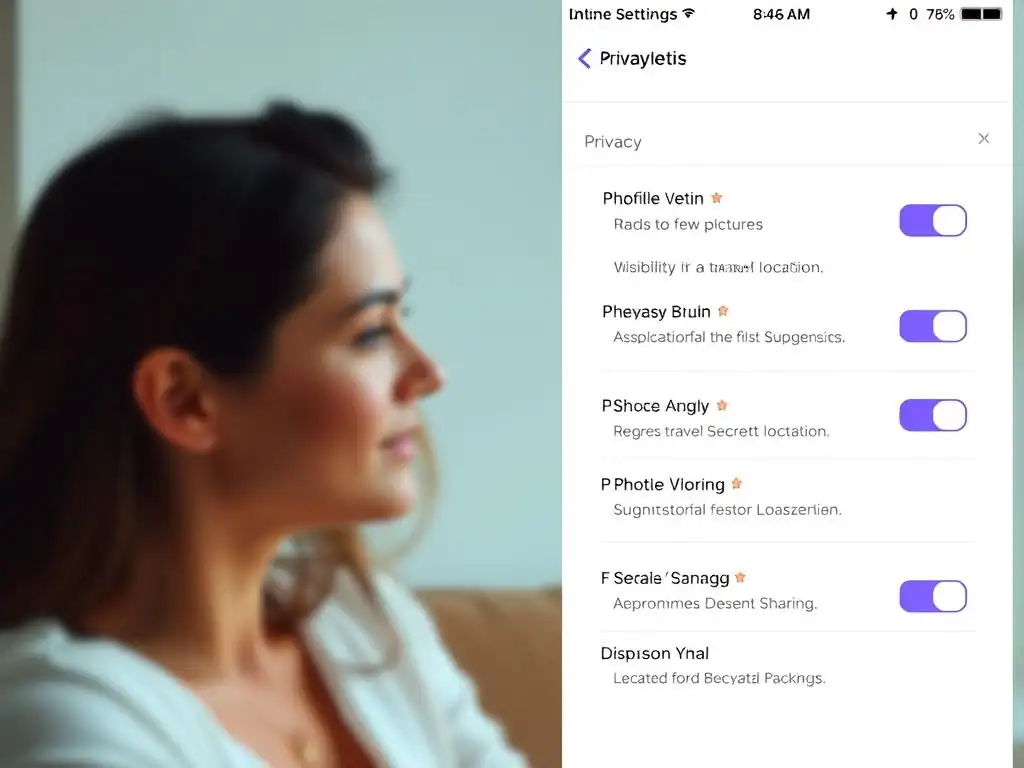
Protecting your personal information starts with understanding and utilizing the privacy settings offered by online dating platforms. These settings are often overlooked, but they're your first line of defense against unwanted attention and potential scams. Different platforms have varying levels of customization, so familiarize yourself with the options available on the specific sites you use. Generally, you'll find controls over who can see your profile, message you, and view your photos.
For example, many platforms allow you to restrict who can see your profile based on factors like age, location, or even whether they're a paid subscriber. Consider limiting visibility to users within a certain radius of your location, or perhaps only allowing users who have verified their profiles to view your information. This significantly reduces the chances of attracting unwanted attention from bots or individuals with malicious intent. Think of it as creating a digital moat around your profile, only allowing in those who meet specific criteria.
Another crucial aspect is photo privacy. Some platforms allow you to make certain photos visible only to people you've matched with, or to approve each viewer individually. This added layer of control prevents random people from accessing your images, which could be used for various nefarious purposes. Remember that even seemingly innocuous photos can reveal personal information – a photo of your house, for instance, could reveal your address.
Be cautious and deliberate in choosing which photos you share. Carefully consider the information you're inadvertently sharing in the background of your pictures. A picture of your workplace logo might inadvertently give away your employment details, for example. Protecting your privacy is a proactive process requiring careful consideration of every detail.
Even with strong profile privacy settings, it's vital to be cautious about the information you share directly in messages. Avoid revealing overly personal details, such as your full address, place of work, phone number, or even your exact location. Sharing such information too early in a relationship can put you at risk. Remember, you're interacting with strangers, and it's prudent to exercise caution.
Instead of immediately disclosing sensitive personal details, focus on building rapport through conversation. Share information gradually and only after you've established a level of trust. If someone pressures you to share personal information prematurely, it should raise a red flag. Legitimate connections develop organically; trust is earned, not demanded.
Consider using nicknames or pseudonyms in early communications. This doesn't mean being deceptive, but it provides a layer of protection until you're confident in the other person's intentions. You can always reveal more personal details later, once you feel comfortable and have verified their identity through other means. Remember, a little mystery can be intriguing and adds to the excitement of getting to know someone new. Prioritize building a genuine connection based on shared interests and values before revealing sensitive personal information. This is crucial for safe online dating and building healthy relationships.
Safe Online Dating: Recognizing and Avoiding Red Flags
This section focuses on identifying potential risks and red flags in online dating to help you prioritize your safety and well-being while searching for a meaningful connection. Remember, your safety is paramount. Learning to recognize warning signs is crucial for navigating the online dating world successfully and avoiding potentially harmful situations. This involves a proactive approach to assessing profiles, messages, and interactions.
Identifying Suspicious Profiles and Behavior
Suspicious profiles often exhibit inconsistencies or red flags that can alert you to potential dangers. Look for profiles lacking personal details, using generic stock photos, or displaying inconsistencies in their biographical information. For example, a profile claiming to be a successful doctor yet using poor grammar and containing numerous spelling errors should raise immediate concerns. Similarly, be wary of profiles that are overly vague about their lives or refuse to answer direct questions.
Another critical aspect is their communication style. Beware of individuals who immediately profess intense feelings, pressure you for personal information, or try to quickly move the conversation offline. Pay close attention to their requests – do they consistently ask for financial assistance, gifts, or personal details under false pretenses? These are all significant red flags indicative of potentially malicious intent. A safe online dating profile should be transparent, consistent, and respectful of boundaries.
Spotting Common Online Dating Scams
Online dating scams are unfortunately prevalent. Understanding common tactics is essential for self-protection. One common scam involves the "catfishing" technique, where individuals create fake profiles using stolen photos and fabricated identities. These individuals often cultivate a relationship quickly to gain your trust before requesting money or personal information. The requests can range from seemingly small favors to significant financial demands, often involving fabricated emergencies or investment opportunities.
Another common scam involves the "romance scam," where individuals create a fabricated persona to build a romantic relationship online. They often portray themselves as wealthy or successful, showering you with attention and affection to gain your trust. Eventually, they will invent a need for financial assistance, exploiting your emotional investment in the relationship. Remember, legitimate relationships don't demand financial support early on.
Analyzing the language used is also key. Be wary of overly romantic or passionate messages from individuals you've just met. These messages are often generic and used to reel you in. Always be cautious of unsolicited requests for personal information, especially financial details or passwords. A safe online dating experience involves maintaining healthy skepticism and protecting your financial security.
How to Report Suspicious Activity on Dating Platforms
Most reputable online dating platforms have robust reporting mechanisms in place to handle suspicious activity. Familiarize yourself with the reporting procedures on the platforms you use. This often involves flagging profiles or messages that violate the platform's terms of service, such as those displaying inappropriate content, engaging in harassment, or exhibiting signs of fraudulent activity. Providing detailed information about the suspicious activity, including screenshots or copies of messages, can greatly assist the platform in investigating and taking appropriate action.
Remember to always prioritize your safety and well-being. If you encounter a suspicious profile or experience any form of harassment or scamming, report it immediately. Documenting all interactions, including dates, times, and screenshots, can be beneficial if you need to escalate the matter further. Your proactive approach to reporting suspicious activity helps maintain a safer online dating environment for everyone. Reporting suspicious behavior is not just about protecting yourself; it is also about contributing to a safer community for other users. Don't hesitate to utilize the resources available to you.
Safe Online Dating: Best Practices for Communication
This section focuses on practical strategies for maintaining safe and secure communication while online dating. Remember, your safety is paramount, and proactive measures are key to a positive experience. These tips will help you navigate the digital world of dating with confidence, reducing the risks associated with sharing personal information.
Secure Communication Channels: Prioritizing Safety
Prioritizing secure communication channels is crucial for safe online dating. Avoid sharing personal details, especially your address, phone number, or workplace, through early-stage conversations. Many dating platforms offer built-in messaging systems; use these whenever possible. These systems often have added security features and allow for easier reporting of inappropriate behavior. Think of them as a buffer zone, allowing you to get to know someone without immediately revealing sensitive information.
While email might seem like a secure option, it's not always the best choice in the early stages. Emails are easier to intercept than platform-specific messages. Similarly, avoid using SMS messaging until you've established a high level of trust and verified your match's identity. Consider using encrypted messaging apps like Signal or WhatsApp for more private conversations once you feel comfortable enough to share your phone number.
Remember, the goal is to gradually increase the level of personal information shared, always prioritizing your safety and comfort. Trust your instincts; if something feels off, it probably is. Don't hesitate to stop communicating with someone who makes you uncomfortable.
Verifying the Identity of Your Matches
Verifying the identity of your matches is a vital step in safe online dating. While you can't definitively prove someone's identity online, you can take steps to minimize risks. Look for inconsistencies in their profile; do their photos seem genuine, or are they using stock images? Do their stories align across different platforms? Does their profile have many friends or connections, suggesting legitimacy? A lack of friends or overly polished photos can be a red flag.
Consider reverse image searching their profile pictures using Google Images or TinEye. This can reveal if their photos appear elsewhere online, potentially under different names or contexts. Engage in video calls early in the process. A simple video chat can often confirm someone's identity and build trust more effectively than text-based interactions.
Be wary of individuals who constantly avoid video calls or provide excuses for not doing so. Remember, a genuine person will likely be happy to verify their identity in a safe and comfortable way. Don't rush the process; take your time and verify as much as possible before meeting in person.
Protecting Yourself from Catfishing and Phishing
Catfishing and phishing are significant threats in online dating. Catfishing involves someone creating a fake profile with stolen or fabricated information. Phishing attempts to trick you into revealing sensitive information, like your bank details or passwords. To protect yourself, remain vigilant and skeptical. Never share financial information or login details with anyone you meet online, regardless of how much you trust them. Always be wary of unsolicited requests for money or financial assistance, and never send money to someone you haven't met in person and thoroughly vetted.
Educate yourself about common phishing techniques. Be cautious of emails or messages containing suspicious links or attachments. Legitimate dating platforms will never ask for your password or banking information via email or text. If you receive such a request, report it immediately to the platform and consider changing your passwords. Remember, your intuition is a powerful tool. If something feels wrong, it's best to err on the side of caution and discontinue communication. Safe online dating requires a healthy dose of skepticism and a proactive approach to protecting your personal information. Prioritize your safety and well-being above all else.
Safe Online Dating: Protecting Your Personal Information Offline
Protecting your personal information extends beyond the digital realm. Your offline habits can significantly impact your safety while online dating. A seemingly innocuous detail shared in a casual conversation could be pieced together by a malicious actor to compromise your online security. This section focuses on safeguarding your information offline to create a more secure online dating experience.
Protecting Your Data: Secure Passwords and Account Management
Strong, unique passwords are the cornerstone of online security. Using the same password across multiple accounts is a major vulnerability. If one account is compromised, all others are at risk. Consider using a password manager to generate and securely store complex passwords for each of your online dating profiles and other important accounts. Enable two-factor authentication (2FA) wherever possible.
This adds an extra layer of security, requiring a second verification method (like a code sent to your phone) in addition to your password. Regularly review your account activity for any suspicious logins or unauthorized access. Remember, vigilance is key. A proactive approach to password management and account security significantly reduces your risk of becoming a victim of online dating scams. Think of it as investing in your digital safety net.
Your social media profiles often reveal more information than you realize. Potential dates might search for you online, but so might scammers. Avoid posting details such as your full address, workplace, or the exact location of your daily activities. Publicly accessible information can be used to create a detailed profile of you, making you a more appealing target for fraudsters. Review your privacy settings regularly and limit the visibility of your posts to trusted friends and family.
Be mindful of what you tag in photos – even seemingly innocuous tags can reveal a lot of information about your daily routine and whereabouts. Think twice before sharing anything that could compromise your safety or privacy. Remember, less is more when it comes to sharing personal information on social media. A more private profile equals a safer online dating experience.
Reviewing Your Online Presence: Protecting Your Digital Footprint
Your digital footprint encompasses all the information about you available online. This includes your social media profiles, online dating profiles, and even public records. Regularly review your online presence to identify and remove any information that could compromise your safety. Consider using privacy-enhancing tools to control what information is collected about you online. Be aware that even seemingly insignificant details can be used to piece together a comprehensive picture of your life.
Protecting your digital footprint is an ongoing process, requiring consistent vigilance and proactive measures. By taking control of your online presence, you can significantly reduce your risk of becoming a victim of online dating scams and enhance your overall online safety. Taking a proactive approach to managing your digital footprint is an investment in your peace of mind and online security. Think of it as safeguarding your digital identity.
Safe Online Dating: Resources and Further Help
Finding reliable information and support is crucial for safe online dating. Knowing where to turn for help if you encounter problems is just as important as preventative measures. This section provides resources and guidance to help you navigate potential challenges and stay safe throughout your online dating journey. Remember, your safety and well-being are paramount.
Reliable Online Safety Resources and Organizations
Several organizations offer valuable resources and support for individuals navigating the complexities of online dating and dealing with online safety concerns. These resources can provide guidance on various aspects of online safety, including protecting your personal information, identifying and avoiding scams, and reporting abuse or harassment. It's beneficial to familiarize yourself with these resources before you begin your online dating experience.
Here's a list of categories of resources you might find helpful:
- Government Agencies: Many governments have agencies dedicated to consumer protection and online safety. These agencies often provide information on reporting cybercrime and scams. They can also offer advice on protecting your personal data online. Look for agencies focused on consumer protection or cybercrime in your specific country or region.
- Non-profit Organizations: Numerous non-profit organizations focus on online safety and digital well-being. They often offer educational materials, support groups, and hotlines for individuals experiencing online harassment or abuse. Research organizations in your area specializing in digital safety and violence prevention.
- Tech Companies: Many technology companies offer resources and support related to online safety and privacy within their platforms. These resources might include help centers, safety guides, and reporting mechanisms for abusive behavior. Familiarize yourself with the safety features offered by the dating apps or websites you use.
It's important to note that the specific resources available might vary depending on your location. Always ensure that the resources you use are reputable and trustworthy. Be wary of websites or organizations that may not have a clear track record or legitimacy. Look for established organizations with transparency in their operations and a clear mission to promote online safety. The effectiveness of "safe online dating profile tips" hinges significantly on utilizing these helpful resources.
Reporting Online Abuse and Harassment
If you experience any form of online abuse or harassment while online dating, it's crucial to take action. Don't hesitate to report the incident to the appropriate authorities or platforms. Ignoring the issue won't make it disappear; it might even escalate.
Here's a breakdown of steps you can take:
- Report to the Dating Platform: Most online dating platforms have reporting mechanisms in place to address abusive behavior. Use these tools to report the user and provide as much detail as possible about the incident, including screenshots or other evidence. Many platforms have detailed instructions on how to report abuse within their help centers.
- Block the User: Blocking the abusive user will prevent them from contacting you further. This is a crucial first step to protect yourself from further harassment. This is a simple but effective "safe online dating profile tip" to safeguard your well-being.
- Report to Law Enforcement: If the abuse involves threats, stalking, or other criminal activities, you should report it to your local law enforcement agency. They can investigate the incident and take appropriate action. Knowing your local authorities' procedures for reporting cybercrime is essential.
- Seek Support: If you're feeling overwhelmed or struggling to cope with the experience, seek support from friends, family, or mental health professionals. There are also many online and offline support groups available for individuals who have experienced online abuse. Remember that you're not alone, and help is available.
Taking these steps can help protect yourself and prevent similar incidents from happening in the future. Remember, reporting abuse is not just about protecting yourself; it's also about contributing to a safer online environment for everyone. By actively reporting abusive behavior, you help create a better online dating experience for others. This proactive approach is a key element of practicing effective "safe online dating profile tips".
Frequently Asked Questions
What information should I never include in my online dating profile?
Avoid sharing sensitive personal information like your full address, workplace address, phone number, or social security number. Keep details vague to protect your privacy and avoid potential scams or stalking.
How can I verify the authenticity of someone I meet online?
Before meeting in person, do a reverse image search of their photos and check their profile for inconsistencies. Slow down the relationship and verify information they share independently.
What are some safe ways to communicate with someone I meet on an online dating site?
Use the internal messaging system of the dating site initially, and avoid giving out personal contact information too early. Be aware of red flags in their communication style.
What should I do if I feel uncomfortable or unsafe during online interactions?
Immediately block and report the user to the dating site. Save any evidence of harassing or threatening behaviour. Confide in a trusted friend or family member.
How can I create a profile that attracts genuine connections while protecting my safety?
Focus on creating a positive and engaging profile that reflects your personality without revealing too much personal information. Use general descriptions instead of specific details about your location or routine.
Final Reflection: Securing Your Heart, Protecting Your Data
The digital age has revolutionized romance, but navigating the world of online dating requires a keen awareness of both emotional and digital safety. Failing to protect your personal information online can have far-reaching consequences, extending beyond a simple bruised ego to potential identity theft, harassment, and even physical danger. This isn't just about avoiding awkward encounters; it's about safeguarding your well-being.
The impact of online dating on modern relationships is undeniable, shaping how we connect, court, and commit. The ease of access, however, comes with inherent risks. We've explored strategies for mitigating these risks, from carefully crafting your profile to being mindful of the information you share. The best love is the kind that awakens the soul; that makes us reach for more, that plants a fire in our hearts and brings peace to our minds.
This quote speaks to the beautiful potential of connection, but it's crucial to remember that genuine connection requires a foundation of safety and respect, both online and offline.
Consider the information you share online. Think critically about the images you post, the details you reveal, and the conversations you engage in. You are in control of your digital footprint, and by implementing the strategies discussed in this article, you can navigate the exciting world of online dating with confidence and peace of mind. Take the time to review your privacy settings, be cautious of who you interact with, and remember that your safety and well-being are paramount. Embrace the possibilities of online connection while prioritizing your personal security.
Unlock Your Safer Dating Journey: Take Control Now!
Thank you for learning about safer online dating practices! We hope this article has equipped you with the knowledge to protect yourself. Now, let's put that knowledge into action.
Here's what you can do next:
- Prioritize your online safety. Start by strengthening your passwords, reviewing your privacy settings on all dating apps and social media, and being more mindful of the personal information you share online. This is a crucial first step.
- Share this information. Help protect your friends and family by sharing this article with them. A little knowledge can go a long way in staying safe online.
- Organize your online accounts. Create a secure list of your online dating accounts, including passwords and security settings. Regularly review this list to maintain control over your online presence and personal information.
Ready to feel more confident and secure while meeting new people online? What's one safety tip you will implement this week?