
Protect Your Heart and Wallet: The Ultimate Guide to Avoiding Online Dating Scams

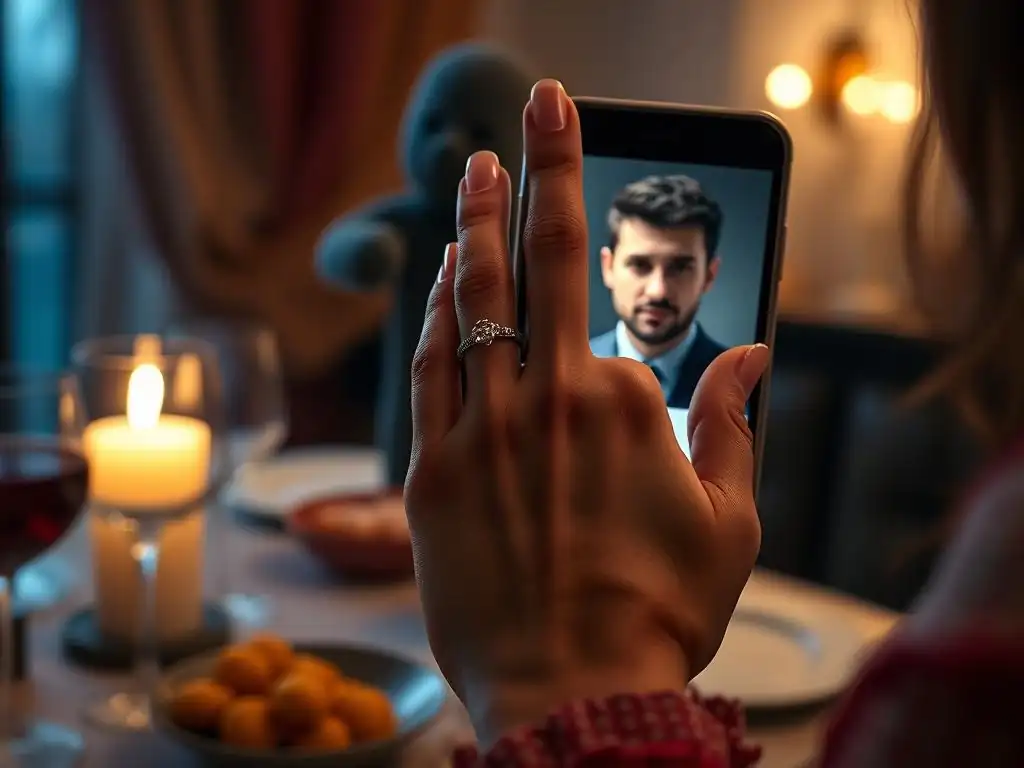
Welcome to OnlineDatingSuccess.org, your guide to navigating the exciting – and sometimes treacherous – world of online dating. Are you ready to find genuine connection? Then mastering the art of safe and effective online dating is key. This site is dedicated to helping you do just that. We'll equip you with the knowledge and strategies to build a successful profile, communicate confidently, and most importantly, avoid the pitfalls. Start by diving into our essential Online dating scam prevention guide – your first step towards building meaningful relationships while protecting your heart and wallet. Let's get started!
- Understanding Online Dating Scams: Recognizing Red Flags
- Online Dating Scam Prevention Guide: Safe Practices
- How to Report Online Dating Scams
- Building Healthy Online Dating Habits: Prevention is Key
- Resources for Online Dating Scam Victims
- Frequently Asked Questions
- Final Reflection: The Enduring Fight Against Online Deception
- Empower Yourself: Take Control of Your Online Dating Journey
Understanding Online Dating Scams: Recognizing Red Flags
Online dating offers incredible opportunities to connect with like-minded individuals and build meaningful relationships. However, the anonymity and distance inherent in the online world also create fertile ground for scammers seeking to exploit vulnerable hearts and wallets. This comprehensive guide, designed to help you navigate the complexities of online dating safely, will equip you with the knowledge and strategies to identify and avoid common scams, ultimately protecting both your emotional well-being and your financial security.
We'll explore various tactics employed by scammers, teach you how to spot red flags in profiles and interactions, and provide actionable steps to safeguard yourself from becoming a victim. This guide serves as your ultimate resource for online dating scam prevention, empowering you to confidently pursue meaningful connections without fear of exploitation.
Remember, staying informed is your strongest defense against online dating scams. Let's delve into the crucial details you need to know to protect yourself.
Common Online Dating Scam Tactics
Online dating scammers employ a wide range of manipulative tactics to gain your trust and ultimately defraud you. Understanding these common strategies is the first step towards effective prevention. These tactics often overlap and evolve, so it's crucial to remain vigilant.
Here are some frequently encountered methods:
- The "Catfishing" Technique: This involves scammers creating fake profiles using stolen photos and fabricated identities. They often portray themselves as wealthy, successful, and charming, creating an idealized persona to lure victims.
- The "Emergency Scam": After establishing a connection, scammers will invent an urgent financial crisis – a sick relative, a business emergency, or travel problems – requiring immediate financial assistance.
- The "Romance Scam": This is a long-game approach where scammers build a seemingly genuine emotional connection over time. They invest significant effort in gaining trust before requesting money or personal information.
- The "Investment Scam": Scammers may present themselves as financial experts, promising high returns on investments. They often pressure victims to invest quickly, before disappearing with the funds.
- The "Gift Card Scam": Requesting payment via gift cards is a classic red flag, as these transactions are notoriously difficult to trace.
- The "Advance-Fee Fraud": Scammers may promise a service or product (like a visa or employment opportunity) but demand upfront payment, never delivering on their promises.
The table below summarizes these common tactics and their key characteristics:
| Scam Type | Description | Red Flags |
|---|---|---|
| Catfishing | Fake profiles with stolen photos and fabricated identities | Inconsistent information, lack of personal photos, unwillingness to video chat |
| Emergency Scam | Urgent financial requests due to fabricated crises | Sudden requests for large sums of money, pressure to act quickly |
| Romance Scam | Building a false emotional connection to gain trust and exploit victims | Excessive flattery, inconsistent stories, requests for financial assistance |
| Investment Scam | Promises of high returns on fabricated investment opportunities | Unrealistic returns, pressure to invest quickly, lack of transparency |
| Gift Card Scam | Requesting payment via gift cards | Unusual payment methods, inability to provide alternative payment options |
| Advance-Fee Fraud | Promises of services or products requiring upfront payment, never delivered | Unrealistic promises, lack of verifiable credentials |
Remember, if something seems too good to be true, it probably is. Always maintain a healthy dose of skepticism.
Identifying Scammer Profiles
Identifying a scammer's profile often involves recognizing subtle inconsistencies and red flags. While scammers become increasingly sophisticated, certain patterns consistently emerge.
- Low-Quality Photos: Profiles with few or low-resolution photos, or those using the same photos found on multiple profiles. Lack of diverse pictures showing the person in different settings.
- Generic Profile Information: Vague or overly generic descriptions, lacking specific details about hobbies, interests, or career.
- Inconsistencies in Information: Discrepancies between information provided in the profile and details revealed during conversations.
- Grammar and Spelling Errors: Poor grammar and spelling can be indicative of a profile created by someone whose first language isn't English, or a hastily fabricated profile.
- Suspicious Links or URLs: Avoid profiles containing links to external websites, particularly those promising financial rewards or requiring personal information.
- Lack of Personal Details: Profiles that avoid specific personal details, focusing instead on vague statements or generalisations.
- Overly Perfect Profiles: Profiles that seem too good to be true, portraying an idealized and flawless personality.
Recognizing Early Warning Signs
Beyond profile analysis, be aware of early warning signs during communication. These signs often indicate a scammer's attempt to manipulate and exploit you.
- Rapid Progression of the Relationship: Unusually fast progression from initial contact to declarations of love or requests for financial assistance.
- Requests for Money or Personal Information: Any request for money, banking details, or other sensitive personal information is a major red flag.
- Pressure to Act Quickly: Scammers often create a sense of urgency to prevent you from critically evaluating the situation.
- Inconsistent Stories: Inconsistencies in their narratives or explanations for their actions.
- Avoidance of Video Calls: A persistent refusal to engage in video calls or share real-time photos.
- Excessive Flattery and Compliments: Over-the-top flattery and compliments designed to gain your trust quickly.
- Avoidance of Personal Questions: They may avoid answering personal questions, deflecting or changing the subject.
By paying close attention to these red flags and employing a healthy dose of skepticism, you can significantly reduce your risk of becoming a victim of an online dating scam. Remember, your safety and well-being are paramount.
Online Dating Scam Prevention Guide: Safe Practices
This section provides a comprehensive overview of practical steps to mitigate the risk of online dating scams. Understanding and implementing these safety measures is crucial for protecting your personal well-being and financial security while navigating the online dating world. This guide focuses on proactive prevention, empowering you to make informed choices and avoid becoming a victim. Remember, prevention is always better than cure when it comes to online dating scams.
Protecting Your Personal Information
Protecting your personal information is paramount. Never share sensitive data, such as your full name, address, place of work, social security number, or bank account details, with someone you've only met online. Even seemingly harmless details can be pieced together to create a complete profile, making you vulnerable to identity theft or other malicious activities.
Scammers often employ manipulative tactics to gain your trust and extract information. They may create a false sense of urgency or intimacy to pressure you into revealing personal details prematurely. Be cautious of anyone who asks for excessive personal information early in the online dating process.
Here's a checklist to ensure your information remains secure:
- Use a strong password: Choose a unique and complex password for your dating profile, different from those used for other accounts. Consider using a password manager to generate and store strong passwords securely.
- Limit profile information: Keep your profile details concise and avoid sharing unnecessary personal information. Focus on providing enough detail to attract genuine matches without revealing too much.
- Reverse image search: Before meeting someone in person, perform a reverse image search on their profile picture to verify their identity and check for inconsistencies.
- Verify profiles: Be wary of profiles with limited information, blurry photos, or grammatical errors. Legitimate daters typically take the time to create a well-presented profile.
- Avoid sharing location details: Don't disclose your precise location until you've met someone in person and feel comfortable doing so. Meet in public places for initial meetings.
Secure Communication Strategies
Secure communication is vital in preventing online dating scams. Avoid sharing personal contact information, such as your phone number or email address, prematurely. Use the dating platform's internal messaging system as much as possible, as this often offers greater security and traceability.
Be aware of red flags in communication. Scammers frequently exhibit inconsistencies in their stories, avoid video calls, or pressure you into making quick decisions. If something feels off, trust your instincts and discontinue communication.
Here are some strategies for secure communication:
- Video calls: Initiate video calls early in the communication process to verify the identity of the person you're interacting with. Inconsistencies between the profile picture and the person on the video call should raise immediate concerns.
- Slow and steady communication: Avoid rushing into relationships or sharing personal details too quickly. Building trust takes time, and rushing the process can make you vulnerable to scams.
- Be wary of overly romantic language: Scammers often use exaggerated expressions of love and affection to manipulate their victims. Be cautious of anyone who professes intense feelings too early in the relationship.
- Don't share sensitive information: Avoid discussing sensitive topics such as your financial situation, health problems, or family issues with someone you haven't met in person and thoroughly vetted.
Financial Safety Measures
Financial safety is a critical aspect of online dating scam prevention. Never send money or provide financial assistance to someone you've only met online, regardless of their circumstances or pleas. Legitimate relationships do not involve financial transactions at their early stages.
Scammers often create elaborate stories to justify their requests for money, exploiting your empathy and kindness. They may claim to be in financial distress, facing medical emergencies, or needing help with travel expenses. Be wary of any requests for financial assistance.
Here's how to protect your finances:
- Never send money: This is the most important rule. If someone asks for money, it's almost certainly a scam.
- Report suspicious activity: If you encounter suspicious activity or believe you've been scammed, report it to the dating platform immediately and consider filing a report with the relevant authorities.
- Monitor your bank accounts: Regularly review your bank and credit card statements for any unauthorized transactions.
- Be cautious of gift cards: Scammers often request gift cards as a form of payment because they are difficult to trace. Never send gift cards to someone you don't know well.
Remember, staying vigilant and employing these safety measures significantly reduces your risk of encountering online dating scams. Protecting yourself online requires awareness, caution, and a healthy dose of skepticism. Prioritize your safety and well-being above all else.
How to Report Online Dating Scams
This section provides crucial steps to take when you suspect you've encountered an online dating scam. Reporting is vital not only for your personal safety and financial recovery but also to help prevent others from falling victim. Remember, reporting doesn't guarantee recovery of lost funds, but it significantly aids investigations and strengthens efforts to combat online dating fraud. This guide focuses on effective reporting strategies to maximize your chances of success. Early reporting is key; the sooner you act, the better the chances of apprehending scammers and preventing further harm. Let's explore the best avenues for reporting your experience.
Reporting to Dating Platforms
Most reputable online dating platforms have robust mechanisms for reporting suspicious activity. These platforms actively work to maintain a safe environment for their users and often have dedicated teams investigating reported scams. Thoroughly documenting the interaction is crucial before reporting. This includes saving all communication (messages, emails, photos), transaction records (if any), and the scammer's profile information (username, profile pictures, etc.).
When reporting, be as detailed as possible, providing all the evidence you've collected. Don't hesitate to include screenshots of suspicious messages or requests for money. Many platforms offer a clear reporting process, often through a button or link within the user's profile or settings. Look for options like "Report Profile," "Report Abuse," or similar phrases.
Efficiently reporting to the platform can help them remove the scammer's profile, preventing them from targeting other unsuspecting users. Remember to keep a copy of your report for your records. The platform's response time may vary depending on their policies and the volume of reports they receive.
Reporting to Law Enforcement
Reporting online dating scams to law enforcement is equally important, particularly if you've experienced significant financial loss or emotional distress. Contact your local police department or the appropriate cybercrime unit. They are equipped to investigate these crimes and can potentially trace the scammer. Prepare a detailed statement including all the evidence you've gathered: communication logs, transaction details, and the scammer's profile information.
Be prepared to answer questions about the timeline of events and any interactions you had. While recovering lost funds isn't always guaranteed, reporting helps build a larger picture of the scammer's activities and contributes to broader efforts in preventing future scams. The FBI's Internet Crime Complaint Center (IC3) is another valuable resource for reporting online fraud.
They maintain a database of cybercrime complaints and work with law enforcement agencies to investigate and prosecute offenders. Filing a report with the IC3 provides a centralized record of your experience and can aid in future investigations. Remember to keep copies of all correspondence with law enforcement agencies.
Documenting Scam Attempts
Meticulous documentation is the cornerstone of successful scam reporting. This involves diligently preserving all evidence related to the interaction. This includes:
- Saving all communication: Screenshots and copies of messages, emails, and any other form of digital communication. Use the "save as" function to maintain the original file format and metadata. This is crucial evidence for your report.
- Recording transaction details: Note down all transaction IDs, dates, amounts, and payment methods used. Keep copies of any receipts or confirmations. This information is essential if you need to dispute charges or pursue recovery of funds.
- Preserving the scammer's profile information: Take screenshots of the scammer's profile, including their username, profile pictures, and any other identifying information. This helps in tracking their activities across different platforms.
- Keeping a detailed log: Maintain a chronological log of all interactions, noting dates, times, and the nature of the communication. This helps establish a clear timeline of events.
This diligent record-keeping is vital not only for reporting to the dating platform and law enforcement but also for your personal reference and potential future legal action. Consider creating a separate folder on your computer or cloud storage to organize all this information securely. The more comprehensive your documentation, the stronger your case will be. Remember, protecting yourself involves proactive measures and thorough documentation. This comprehensive approach increases the likelihood of a successful report and helps prevent others from falling prey to similar scams.
Building Healthy Online Dating Habits: Prevention is Key

This section focuses on proactive steps you can take to significantly reduce your risk of encountering online dating scams. Remember, a healthy approach to online dating is the best defense against fraudulent activities. Building strong habits from the start can save you emotional distress and financial losses. We'll explore several key strategies to cultivate a safer online dating experience. This online dating scam prevention guide emphasizes proactive measures, turning you from a potential victim into a savvy and secure online dater.
Verifying Profiles
One of the most crucial aspects of online dating scam prevention is verifying the profiles you interact with. Don't rely solely on the information presented on the dating platform. Many scammers create convincing fake profiles, complete with stolen photos and fabricated details. Here's how to increase your verification efforts:
- Reverse Image Search: Use a reverse image search engine (like Google Images or TinEye) to check if the profile pictures are used elsewhere online. If the same image appears on multiple dating profiles or unrelated websites, it's a strong indicator of a fake profile. This simple step can save you a lot of time and potential heartache.
- Cross-Reference Information: If a profile claims specific details (occupation, location, etc. ), try to independently verify this information. A quick search on LinkedIn or a professional website can help confirm if their claims are legitimate. Inconsistencies should raise a red flag.
- Be Wary of Vague Profiles: Profiles with minimal information, blurry photos, or inconsistent details are often red flags. Scammers often avoid providing too much personal information to maintain their anonymity.
- Look for inconsistencies: Does their profile picture look professionally edited or too good to be true? Are their claims about their job or life inconsistent with other information provided? Pay attention to the details – they often reveal the truth.
Slow and Steady Communication
Rushing into communication can be risky. Scammers often try to move conversations off the dating platform quickly, preventing the platform's safety measures from working. Take your time, and observe these guidelines:
- Start within the app: Keep initial conversations on the dating platform for as long as possible. Most reputable platforms offer reporting mechanisms and safety features that are only accessible within their environment.
- Avoid sharing personal information too early: Don't reveal your full name, address, phone number, workplace, or other sensitive information until you've established a level of trust. Remember, even seemingly harmless details can be exploited by scammers.
- Be cautious of overly romantic or flattering messages: Scammers often use exaggerated compliments and profess feelings quickly to manipulate their targets. Genuine connections develop gradually.
- Video calls are key: Propose a video chat early in the conversation. This is an effective way to verify the person's identity and confirm that they are who they claim to be. A scammer will often avoid this.
- Watch out for pressure: If someone pressures you to move the conversation off the platform or share personal details too soon, be wary. Genuine connections are built on mutual respect and trust, not pressure.
Trusting Your Instincts
Your intuition is a powerful tool. If something feels off, it probably is. Don't ignore your gut feeling, even if you can't pinpoint exactly what's wrong.
- Pay attention to red flags: These can be subtle or obvious. Be alert to inconsistencies in their story, unusual requests for money or favors, overly aggressive romantic advances, or a reluctance to meet in person.
- Don't ignore warning signs: Even small inconsistencies can be warning signs. Don't dismiss them just because you want to believe the best in someone.
- Prioritize your safety and well-being: If you feel uncomfortable or unsafe at any point, end the conversation and report the profile. Your safety should always be your top priority. Your emotional and financial well-being are paramount. Remember, it's always better to be cautious than to become a victim. This online dating scam prevention guide is designed to empower you to take control of your online dating safety.
Resources for Online Dating Scam Victims
This section provides crucial information and resources for individuals who have unfortunately fallen victim to online dating scams. Remember, you are not alone, and seeking help is a sign of strength. Taking action can help you recover financially and emotionally, and prevent others from experiencing similar situations. This online dating scam prevention guide emphasizes proactive measures, but understanding where to turn for support is equally vital.
Support Organizations
Many organizations offer emotional support and practical advice to victims of online dating scams. These resources can be invaluable in navigating the aftermath of a scam, providing a safe space to process your emotions, and guiding you through the steps to recover. They often offer confidential counseling and support groups, connecting you with others who understand your experience.
Several organizations specialize in assisting victims of fraud, regardless of how the scam occurred. These organizations can provide guidance on reporting the crime to the appropriate authorities and recovering any lost funds. They often have expertise in navigating complex legal processes and working with financial institutions.
The specific services offered vary widely. Some organizations may provide direct financial assistance, while others focus primarily on emotional support and legal referrals. It's essential to research different organizations to find one that best fits your individual needs and location. Consider factors such as geographic reach, language support, and the types of scams they specialize in. Remember to verify the legitimacy of any organization before sharing personal information.
Legal Advice
Reporting an online dating scam to law enforcement is crucial for several reasons. First, it helps authorities track and potentially apprehend perpetrators, preventing future victims. Second, reporting the crime can be a necessary step in recovering lost funds. Law enforcement agencies can investigate the scam, potentially leading to the recovery of stolen money or assets. Finally, reporting helps build a more comprehensive understanding of online dating scams, allowing authorities to develop better prevention strategies.
Seeking legal counsel is highly recommended, especially if you've suffered significant financial losses or emotional distress. A lawyer specializing in fraud or cybercrime can advise you on your legal options, assist with filing police reports, and potentially represent you in civil lawsuits against the scammer. They can also help you understand your rights and navigate the complexities of the legal system, ensuring you are protected and represented effectively.
Remember, early legal intervention can significantly improve your chances of recovering your losses and holding the perpetrators accountable. The specific legal avenues available will depend on the jurisdiction and the details of the scam.
Cybersecurity Resources
Beyond emotional and legal support, bolstering your cybersecurity practices is crucial for preventing future scams. This includes reviewing and updating your online security habits to protect yourself from similar attacks. This aspect of online dating scam prevention is critical for long-term safety.
Understanding how these scams operate is the first step. Scammers often use sophisticated techniques to manipulate their victims, including phishing emails, fake profiles, and malware. Learning to recognize these tactics is vital in protecting yourself. Regularly review your online accounts for suspicious activity, and be cautious when clicking on links or downloading attachments from unknown sources.
Strong passwords, multi-factor authentication, and up-to-date antivirus software are essential components of a robust cybersecurity strategy. Consider using a password manager to generate and store strong, unique passwords for each of your online accounts. Educate yourself about phishing attempts, malware, and other cyber threats to stay ahead of evolving scam tactics. Review your privacy settings on social media and dating apps regularly, limiting the information you share publicly. Proactive cybersecurity measures are a vital part of any comprehensive online dating scam prevention strategy.
Frequently Asked Questions
How can I spot a potential online dating scammer?
Scammers often use vague profiles, inconsistent stories, and pressure you for personal information or money quickly. They may also be unwilling to video chat or meet in person.
What are common tactics used by online dating scammers?
Common tactics include catfishing (using fake photos), love bombing (overwhelming you with affection), and creating false emergencies to solicit money. They may also ask for gift cards or wire transfers.
What should I do if I suspect I'm being scammed?
Immediately stop all communication, report the profile to the dating site, and block the user. Consider reporting the scam to the authorities if you've lost money or personal information.
How can I protect my personal information while online dating?
Never share sensitive information like your full address, social security number, or bank details. Be cautious about sharing photos that could reveal your location or personal details. Verify their identity through independent means if possible.
Where can I find more information on online dating safety?
Our website, OnlineDatingSuccess.org, offers a comprehensive online dating scam prevention guide with detailed advice and resources. You can also find helpful information from organizations dedicated to online safety.
Final Reflection: The Enduring Fight Against Online Deception
The insidious nature of online dating scams continues to thrive in our hyper-connected world, preying on vulnerability and the universal desire for connection. Millions fall victim each year, suffering not only financial losses but also profound emotional distress. This reality underscores the critical need for vigilance and proactive measures to protect ourselves and our communities.
The impact of online dating scams extends far beyond individual experiences; it erodes trust in online interactions and perpetuates a climate of fear. The internet offers incredible opportunities for connection, but it also harbors dangers we must be aware of.
This quote highlights the delicate balance we must strike – embracing the benefits of online dating while remaining fiercely protective against those who would exploit its potential. The ongoing evolution of these scams, adapting to new technologies and social trends, demands our constant attention and adaptation.
You, the reader, now possess the knowledge to navigate the digital dating landscape with greater confidence and awareness. Take the time to implement the strategies outlined in this guide; share this information with your friends and family. By fostering a culture of informed consent and proactive protection, we can collectively diminish the power of these scams and create a safer online dating environment for everyone. Let's build a future where connection thrives, free from the shadow of deception.
Empower Yourself: Take Control of Your Online Dating Journey
Thank you for taking the time to learn how to navigate the world of online dating safely and confidently! You've gained valuable knowledge to protect yourself. Let's put that knowledge into action.
- Report suspicious profiles immediately: This is crucial for keeping others safe and preventing scams. Most platforms offer easy reporting mechanisms – use them!
- Share this article with your friends: Help spread awareness and empower others to protect themselves from online dating scams. A shared precaution is a doubled protection.
- Use strong, unique passwords for dating sites and enable two-factor authentication whenever possible. This adds an extra layer of security to your accounts.
What proactive steps will you take today to ensure a safe and positive online dating experience?