
Don't Be a Victim: Essential Tips for Avoiding Online Dating Scams


Welcome to OnlineDatingSuccess.org, your guide to navigating the exciting yet sometimes treacherous world of online dating. Are you ready to find genuine connection but worried about falling prey to scams? Then you've come to the right place. This site is dedicated to helping you build meaningful relationships, and our essential Online dating scam prevention tips are a crucial first step. Discover how to protect yourself and create a safer, more fulfilling online dating experience. Let's dive in and unlock the secrets to success!
-
Recognizing Red Flags: Early Warning Signs of Online Dating Scams
- Identifying Fake Profiles: Spotting inconsistencies and unrealistic photos.
- Suspicious Communication Patterns: Analyzing unusual requests and overly-romantic messages.
- Financial Requests: Recognizing pressure for money or gifts early in the relationship.
- Unrealistic Promises: Identifying grandiose claims and unbelievable stories.
-
Protecting Yourself: Practical Steps for Online Dating Scam Prevention
- Verify Profiles: Utilizing reverse image search and social media checks.
- Secure Communication: Avoiding sharing personal information too early.
- Slow and Steady: Building trust gradually and avoiding rushed relationships.
- Video Calls: Utilizing video chats to verify identity and build rapport.
- Never Send Money: Emphasizing the importance of protecting your finances.
- Report Suspicious Activity: Utilizing reporting mechanisms on dating platforms and to law enforcement.
-
Advanced Tactics for Online Dating Scam Prevention Tips
- Understanding Common Scam Tactics: Romance scams, investment scams, and other schemes.
- Protecting Your Personal Information: Securing your online accounts and data.
- Using Dating Apps Safely: Choosing reputable platforms and understanding their safety features.
- Educating Yourself: Staying informed about current scam trends and techniques.
-
Moving Forward: Building Healthy Online Dating Habits
- Trust Your Instincts: Recognizing your gut feeling and acting accordingly.
- Seeking Support: Connecting with friends, family, or support groups.
- Building Healthy Relationships: Focusing on genuine connections rather than quick fixes.
- Resources and Further Help: Providing links to relevant organizations and helplines.
- Frequently Asked Questions
- Final Reflection: Reclaiming Control in the Digital Dating World
- Secure Your Online Dating Journey: Take Control Now!
Recognizing Red Flags: Early Warning Signs of Online Dating Scams
Navigating the world of online dating can be exciting, offering the potential to connect with amazing people and build meaningful relationships. However, it's crucial to be aware of the potential dangers lurking within these digital spaces. This article provides essential tips for avoiding online dating scams, empowering you to protect yourself and build healthy, genuine connections.
We'll explore how to identify fake profiles, suspicious communication patterns, and financial requests – the key red flags that signal potential trouble. Understanding these warning signs is the first step towards safe and successful online dating. Remember, your safety and well-being are paramount, and taking proactive measures is key to preventing heartache and financial loss.
Learning to identify and avoid these scams will significantly increase your chances of finding a genuine connection online. This guide focuses on practical, actionable advice, helping you confidently navigate the online dating landscape and build positive relationships. Let's delve into the specifics to equip you with the knowledge you need to stay safe.
Identifying Fake Profiles: Spotting inconsistencies and unrealistic photos.
One of the most common tactics employed by online dating scammers is the creation of fake profiles. These profiles often present an idealized version of reality, designed to lure unsuspecting victims. Spotting these inconsistencies requires a keen eye and a healthy dose of skepticism. Look for inconsistencies in the profile information. Do the photos look professionally edited or too perfect? Are there very few personal photos, or are they all suspiciously similar in style or setting? Be wary of profiles with limited personal information, vague descriptions, or an excessive focus on physical attributes.
Pay close attention to the quality and consistency of the photographs. Are the images high-resolution and varied, showcasing the individual in different settings and contexts? Or do they seem stock photos, heavily filtered, or inconsistently lit? Furthermore, reverse image search any photos you find suspicious.
This simple step can often reveal if the same image is used across multiple profiles, a clear indicator of a fake account. Remember, a genuine profile will usually contain a variety of pictures that realistically depict the person's life. Be wary of profiles that seem too good to be true—perfection is often a sign of deception.
Suspicious Communication Patterns: Analyzing unusual requests and overly-romantic messages.
Beyond the profile itself, communication patterns can also reveal a scammer's true intentions. Scammers often employ manipulative tactics to build rapport quickly and establish a sense of intimacy. Be wary of overly-romantic messages, declarations of love early in the "relationship," or excessive flattery. Genuine connections develop gradually, and intense displays of affection from someone you've just met online should raise a red flag.
Another key indicator is the pressure to move the conversation off the dating platform quickly. Scammers often want to shift communication to less secure channels, such as email or text messaging, to avoid detection and scrutiny. Pay attention to unusual requests, such as requests for money, gifts, or personal information early in your interactions. Legitimate daters won't pressure you for financial assistance or sensitive details. If someone you've just met online asks for money or financial help, it’s almost certainly a scam. Always be cautious of anyone who is overly persistent or pushy in their communication.
Financial Requests: Recognizing pressure for money or gifts early in the relationship.
The most blatant sign of an online dating scam is a direct request for money or gifts. Scammers often concoct elaborate stories to justify their need for financial assistance, ranging from medical emergencies to business ventures gone wrong. These requests can vary in nature, from small amounts to substantial sums of money. Never send money or gifts to someone you've only met online, regardless of their story or how compelling it may seem. Remember, genuine relationships are built on mutual respect and trust, not financial transactions.
It's crucial to understand that legitimate daters would never pressure you for financial assistance. If someone you're talking to online suddenly requests money or gifts, especially early in the communication, it's a clear indication of a scam. Do not hesitate to end the communication immediately. Your financial security is paramount, and it's always better to err on the side of caution. Remember, building a genuine connection should never involve financial transactions. Protect yourself and your resources by being vigilant and refusing any such requests.
Unrealistic Promises: Identifying grandiose claims and unbelievable stories.
Unrealistic promises are a hallmark of online dating scams. Scammers often present themselves in an overly idealized light, crafting narratives that are too good to be true. These promises are designed to hook you emotionally and make you invest your time and, potentially, your money. Instead of focusing on genuine connection, they prioritize immediate gratification and lavish displays of affection.
For example, a scammer might claim to be a wealthy CEO working abroad on a humanitarian project, promising a luxurious lifestyle and a future filled with travel and riches. They might shower you with extravagant compliments and declarations of love within days or even hours of connecting. This rapid escalation of affection is a major red flag. Legitimate relationships take time to build trust and intimacy. They don't involve instant promises of a fairytale ending.
Another common tactic involves promising significant financial assistance or investment opportunities. They might suggest a lucrative business venture or claim they need your help to access a large sum of money, offering a share of the profits in return. This is a classic way scammers try to extract money from their victims. Always be wary of anyone who makes unsolicited offers of financial gain, especially early in an online relationship.
Remember, genuine connections are built on shared experiences, mutual respect, and gradual trust. If someone's profile or early interactions feel too perfect, overly dramatic, or promise unrealistic benefits, proceed with extreme caution. Take your time to get to know the person, and don't let emotional pressure or grandiose claims cloud your judgment. Trust your instincts – if something feels off, it probably is.
Online dating scam prevention tips often emphasize the importance of recognizing these unrealistic promises as a key warning sign. Scrutinize claims carefully; if it sounds too good to be true, it almost certainly is. Always prioritize your safety and well-being.
Protecting Yourself: Practical Steps for Online Dating Scam Prevention

This section focuses on proactive measures you can take to significantly reduce your risk of becoming a victim of online dating scams. Remember, prevention is always better than cure. By implementing these strategies, you'll be taking control of your online safety and increasing your chances of finding genuine connections. We'll explore practical steps to verify profiles, secure communication, and build trust gradually.
This empowers you to navigate the world of online dating with confidence and avoid falling prey to deceitful individuals. Learning to identify red flags and employ these preventative measures is crucial for your online dating safety and well-being. Let's delve into the specifics.
Verifying profiles is paramount in online dating scam prevention. Don't rely solely on the information presented on the dating platform. Many scammers create fake profiles with stolen images and fabricated details. Therefore, taking extra steps to verify their identity is crucial. Here's how you can do it:
- Reverse Image Search: This is arguably the single most effective tool in your arsenal. Use a reverse image search engine (like Google Images, TinEye, or Yandex Images) to check if the profile pictures are being used elsewhere online. If the same image appears on multiple dating profiles or unrelated websites, it's a major red flag. This simple step can save you from significant heartache and potential financial loss.
- Social Media Checks: If the profile provides a social media link (Facebook, Instagram, etc. ), carefully examine their profile. Does their online presence align with the information they shared on the dating site? Look for inconsistencies. Are their photos consistent across platforms? Do their posts and interactions seem genuine? A lack of substantial social media presence or significant inconsistencies should raise your suspicion.
- Cross-Referencing Information: Don't be afraid to cross-reference information. If they mention their workplace or education, try finding them on LinkedIn or searching for their educational institution online. Does their claimed background match up? Discrepancies can point to a fabricated profile.
Remember, a lack of readily available information or inconsistencies should trigger caution. It's far better to err on the side of caution and move on than risk engaging with a potentially dangerous individual. Thorough profile verification is a critical component of online dating scam prevention.
Secure Communication: Avoiding sharing personal information too early.
Protecting your personal information is vital in preventing online dating scams. Scammers often try to gather sensitive data early in the "relationship" to exploit you financially or otherwise. Here's how to maintain secure communication:
- Avoid Sharing Personally Identifiable Information (PII): This includes your full name, address, phone number, social security number, bank details, workplace address, and any other information that could be used to identify or locate you. Never share this information until you have met in person and developed a high level of trust – and even then, proceed with caution.
- Be Wary of Urgent Requests: Scammers often create a sense of urgency to pressure you into making quick decisions. Be cautious of requests for money, gifts, or personal favors, especially early in the communication. Legitimate relationships develop slowly and organically.
- Use the Dating Platform's Messaging System: Stick to the secure messaging system provided by the dating platform as long as possible. Avoid sharing personal email addresses or phone numbers until you've established a significant level of trust and have verified their identity thoroughly. This helps to maintain a layer of security and traceability.
- Suspicious Links and Attachments: Never click on suspicious links or open attachments sent by someone you haven't met in person and thoroughly verified. These can contain malware or lead to phishing websites designed to steal your information. If something seems off, it probably is.
Remember, protecting your personal information is crucial for your safety and security. Don't rush the communication process. Take your time to build trust and verify their identity before sharing any sensitive details.
Slow and Steady: Building trust gradually and avoiding rushed relationships.
Building trust is a fundamental aspect of any healthy relationship, both online and offline. Scammers often try to rush the relationship to prevent you from seeing their true intentions. Here's how to approach online dating with a measured pace:
- Take Your Time: Don't feel pressured to move quickly. A genuine connection takes time to develop. Enjoy getting to know someone gradually. Rushed relationships are often a red flag.
- Video Calls: Before meeting in person, suggest a video call to verify their identity and ensure they are who they claim to be. This can help to detect inconsistencies and build a more authentic connection.
- Meet in Public Places: When you finally meet in person, always choose a public place for your first few dates. This ensures your safety and provides an opportunity to assess the person in a safe environment.
- Trust Your Instincts: If something feels off, trust your gut feeling. Don't ignore red flags or dismiss your intuition. Your instincts are often accurate.
Building trust is a process, not a race. By taking your time and proceeding cautiously, you significantly reduce your risk of falling victim to online dating scams. Remember, genuine connections develop organically and without pressure. Prioritize safety and well-being above all else.
Video Calls: Utilizing video chats to verify identity and build rapport.
Initiating a video call is a crucial step in online dating scam prevention. Many scammers avoid video chats because they rely on anonymity to perpetuate their deceptions. A simple video call can quickly reveal inconsistencies between a profile's picture and the person you're speaking with. For example, a profile might feature a picture of a seemingly successful businessman, but a video call might reveal a different age, appearance, or environment altogether.
This discrepancy is a major red flag. Furthermore, engaging in video chats helps build rapport in a more authentic way. You can observe their body language, listen to their tone of voice, and get a better sense of their personality. This more personal interaction allows you to assess their genuineness and detect any potential inconsistencies in their behavior or speech.
Remember, a reluctance to video chat should raise serious concerns about the potential for a scam. Don't be afraid to suggest a video call early in the communication process; it's a powerful tool in your arsenal for online dating scam prevention. Consider the timing too; a rushed refusal to video chat should be a major warning sign.
Never Send Money: Emphasizing the importance of protecting your finances.
This is perhaps the most critical piece of advice for avoiding online dating scams: never send money to someone you've met online, regardless of their story or how convincing they may seem. Scammers often concoct elaborate tales of financial hardship, medical emergencies, or business ventures requiring urgent financial assistance. These stories are designed to evoke empathy and pressure you into sending money quickly. Remember, legitimate relationships don't involve unsolicited financial requests. If someone asks you for money, especially early in the relationship, it's almost certainly a scam. Protect your finances by refusing all such requests, no matter how compelling the situation may appear. Your emotional empathy is being exploited; maintain your financial boundaries. Always prioritize your financial safety over emotional appeals. There are countless documented cases of individuals losing significant sums of money to online dating scammers, impacting their financial stability and causing immense emotional distress. Don't become another statistic.
Report Suspicious Activity: Utilizing reporting mechanisms on dating platforms and to law enforcement.
If you encounter suspicious activity or believe you've been targeted by a scammer, reporting it is vital. Most online dating platforms have robust reporting mechanisms in place. Use them! Report suspicious profiles, unusual communication patterns, or any requests for money immediately.
Your report helps the platform identify and remove scammers, protecting other users. Furthermore, consider reporting the incident to law enforcement. While it might seem like a small matter, documenting these instances helps build a larger picture of online dating scams. The more information law enforcement has, the better equipped they are to combat these crimes.
Don't underestimate the power of reporting; your actions can make a real difference in protecting others from falling victim to similar scams. Keep detailed records of your interactions with the suspicious individual, including screenshots of messages, profile information, and any financial transactions (or attempts thereof). This documentation will be invaluable if you decide to file a police report. Remember, reporting is not only about protecting yourself; it's about contributing to a safer online dating environment for everyone.
Advanced Tactics for Online Dating Scam Prevention Tips
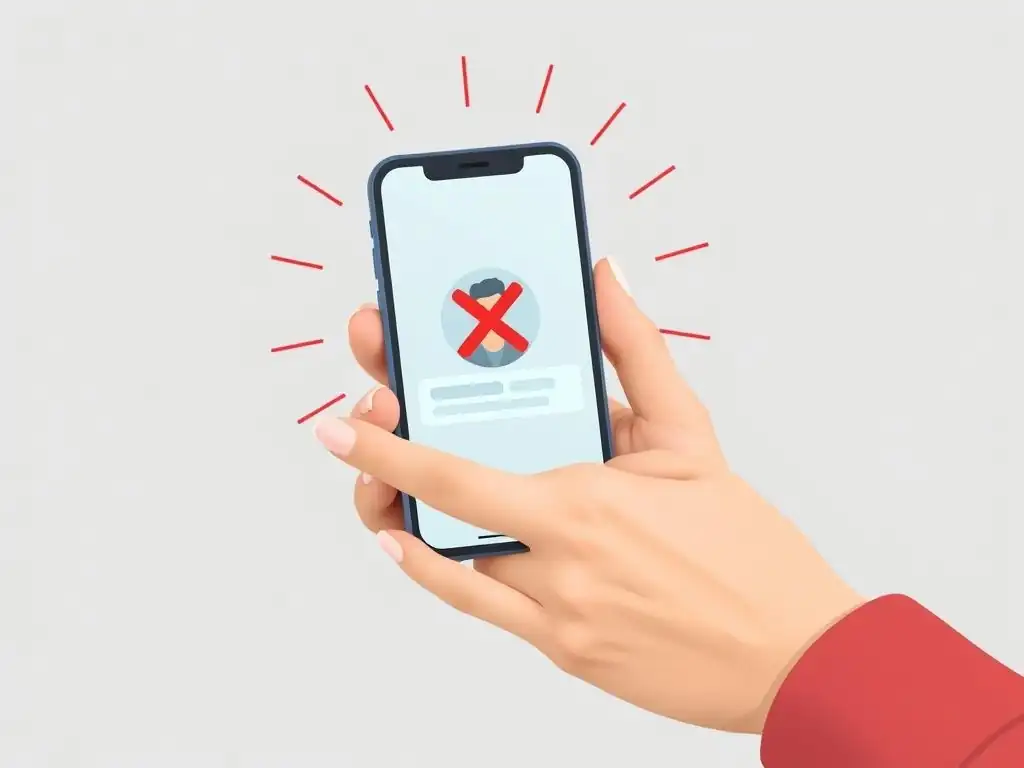
This section delves into sophisticated strategies to enhance your online dating safety and minimize your vulnerability to scams. While basic awareness is crucial, understanding the nuances of scammer tactics is key to effective prevention. Remember, prevention is always better than cure when it comes to protecting yourself in the online dating world.
Understanding Common Scam Tactics: Romance scams, investment scams, and other schemes.
Online dating scammers employ diverse and increasingly complex methods. Understanding these tactics is the first step towards effective prevention. Let's examine some prevalent schemes:
- Romance Scams: These are perhaps the most common. Scammers build emotional connections rapidly, often professing deep feelings early on. They may create elaborate backstories, weaving tales of hardship or financial difficulties to elicit sympathy and financial assistance. They frequently claim to be living abroad, working on an oil rig, or involved in some other geographically distant profession to limit the possibility of in-person meetings. The emotional manipulation is a key element, making victims hesitant to question their motives. For example, a scammer might fabricate a medical emergency requiring urgent funds, or claim they need money for travel to meet their victim in person.
- Investment Scams: These scams often target financially savvy individuals. The scammer may present themselves as a successful investor or financial advisor, promising high returns with minimal risk. They might lure their victims with seemingly legitimate investment opportunities, but in reality, the investments are fraudulent and the money is lost. The scammer may use sophisticated techniques to create a sense of legitimacy, including forged documents and fabricated testimonials. They frequently pressure their victims to invest quickly, exploiting the fear of missing out on a lucrative opportunity.
- Other Schemes: Beyond romance and investment scams, there are numerous other methods employed. These include phishing attempts (where scammers try to obtain personal information by posing as a legitimate entity), extortion (threatening to reveal personal information unless a payment is made), and even blackmail (using stolen images or information to extort money). These schemes often involve a gradual escalation of manipulation, slowly building trust before exploiting the victim.
The common thread among these tactics is the manipulation of emotions and the exploitation of trust. Learning to recognize these red flags is paramount to staying safe. Remember, if something seems too good to be true, it probably is.
Protecting Your Personal Information: Securing your online accounts and data.
Protecting your personal information is crucial in preventing online dating scams. Scammers often target vulnerable individuals by gaining access to their personal details. Here are some proactive steps you can take:
- Strong Passwords: Utilize strong, unique passwords for all your online accounts. Avoid using easily guessable information like birthdays or pet names. Consider using a password manager to help you generate and securely store complex passwords.
- Two-Factor Authentication (2FA): Enable 2FA wherever possible. This adds an extra layer of security, requiring a code from your phone or email in addition to your password to access your account. This significantly reduces the risk of unauthorized access, even if your password is compromised.
- Privacy Settings: Review and adjust your privacy settings on all your social media accounts and dating apps. Limit the amount of personal information you share publicly. Avoid posting details about your address, workplace, or daily routine.
- Beware of Phishing: Be cautious of suspicious emails, messages, or phone calls. Legitimate companies will never ask for your password or other sensitive information via email or text message. If you receive a suspicious communication, do not click on any links or respond.
- Regular Security Checks: Regularly review your bank statements and credit reports for any unauthorized activity. Monitor your online accounts for any unusual login attempts or suspicious activity. Report any suspicious behavior immediately to the appropriate authorities.
By actively protecting your personal information, you significantly reduce the chances of becoming a victim of an online dating scam. Remember, vigilance and proactive security measures are your best defense.
Using Dating Apps Safely: Choosing reputable platforms and understanding their safety features.
Choosing reputable dating platforms and understanding their safety features is essential for online dating safety. Not all platforms are created equal, and some may have weaker security measures or attract more scammers.
- Research: Before signing up for a dating app, research its reputation and read reviews from other users. Look for apps with robust security features and a clear policy on handling scams and reporting abuse.
- Safety Features: Familiarize yourself with the safety features offered by the dating app. This may include features like background checks, reporting mechanisms, and blocking options. Utilize these features actively.
- Verification: Choose platforms that offer user verification processes. These processes can help to weed out fake profiles and reduce the risk of encountering scammers.
- Profile Management: Maintain a realistic and honest profile. Avoid sharing excessive personal information, and be mindful of the images you post.
- Report Suspicious Activity: If you encounter suspicious behavior or suspect a scam, report it to the dating app immediately. Many platforms have dedicated teams to investigate and address such reports.
By being proactive and choosing platforms wisely, you can significantly reduce your risk of encountering scammers on online dating apps. Remember, your safety is paramount, and taking precautions is a sign of responsible online behavior.
Educating Yourself: Staying informed about current scam trends and techniques.
Staying informed is your first line of defense against online dating scams. Scammers are constantly evolving their tactics, so relying on outdated advice can leave you vulnerable. Regularly updating your knowledge on the latest scam trends is crucial for effective online dating scam prevention.
One effective method is to actively seek out information from reputable sources. This includes reading articles from cybersecurity experts, following online safety advocates on social media, and checking for updates from dating platforms themselves. Many platforms publish blog posts or safety guides detailing common scams and offering preventative measures.
Pay close attention to details; scammers often use similar patterns, even if the specifics change slightly. For example, a common tactic might involve creating fake profiles with stolen photos and fabricated backgrounds. Learning to identify these patterns—the inconsistencies in stories, the overly-perfect profiles, the requests for money—will significantly improve your ability to spot a scam.
Beyond reading articles, consider joining online communities dedicated to online safety and dating. These forums often share real-life experiences and warnings about recent scams. Direct interaction with other users allows you to learn from their experiences and gain insights into evolving scam techniques. Remember, sharing your experiences (while maintaining privacy) can also help others avoid falling victim. By actively participating in these communities, you'll gain a broader understanding of the landscape of online dating scams and improve your ability to identify red flags.
Finally, it's important to understand the psychology behind these scams. Scammers often prey on emotions like loneliness, desperation, or a desire for connection. Understanding this psychological element allows you to recognize manipulative tactics more effectively. Being aware of your own vulnerabilities can help you avoid falling prey to emotional manipulation, a key component of many successful scams. The more you understand how and why these scams work, the better equipped you'll be to protect yourself. Regularly reviewing and updating your knowledge is an ongoing process, essential for maintaining your safety in the ever-changing world of online dating.
Moving Forward: Building Healthy Online Dating Habits
After diligently implementing online dating scam prevention tips and learning to identify red flags, it's crucial to cultivate healthy online dating habits. This proactive approach will not only help you avoid scams but also foster genuine connections. Building a positive and safe online dating experience requires mindful engagement and a focus on self-preservation. This section offers practical steps to ensure your online dating journey is both successful and secure. Remember, prioritizing your well-being is paramount.
Trust Your Instincts: Recognizing your gut feeling and acting accordingly.
That unsettling feeling in your stomach? Don't ignore it. Your intuition is a powerful tool in online dating scam prevention. If something feels off, even if you can't pinpoint exactly why, it's a crucial warning sign. Perhaps their story seems inconsistent, their communication style feels pressured, or their requests for money seem increasingly insistent. These are all potential red flags. Trust your gut and don't dismiss these feelings as mere overthinking.
Many individuals fall victim to scams because they rationalize away their doubts, hoping to avoid confrontation or disappointment. This often leads to more significant problems down the line. Instead, acknowledge your uneasy feelings. Take a step back from the interaction, and consider carefully analyzing the situation. Document any suspicious behavior, such as inconsistent information or unusual requests.
If you're hesitant, consider temporarily ending communication. This pause can provide the clarity you need to make an informed decision about proceeding. Remember, your safety and well-being are always the top priority. Prioritizing your intuition is a key element of effective online dating scam prevention.
Seeking Support: Connecting with friends, family, or support groups.
Navigating the world of online dating can be challenging, and having a strong support system is invaluable. Share your online dating experiences with trusted friends and family. They can offer a fresh perspective, help you identify red flags you might have missed, and provide emotional support during difficult times. Open communication is key to staying safe and building resilience against potential scams.
Consider discussing your online dating experiences with loved ones, sharing profiles and messages if you feel comfortable. This doesn't mean you need to share every detail, but having someone to talk to can make a significant difference. Additionally, several support groups and online communities focus on online dating safety and scam prevention.
These communities can provide a safe space to share experiences, learn from others, and gain valuable insights into effective scam prevention strategies. Connecting with others who understand your experiences can significantly reduce feelings of isolation and empower you to take control of your online dating journey. Active participation in a support network is a powerful tool in your online dating scam prevention arsenal.
Building Healthy Relationships: Focusing on genuine connections rather than quick fixes.
Online dating should be about building genuine connections, not rushing into relationships. Be wary of individuals who profess intense feelings early on or pressure you into making quick commitments. Healthy relationships develop gradually, built on trust, mutual respect, and open communication. Avoid individuals who prioritize financial gain over genuine connection.
Focus on getting to know someone gradually, engaging in meaningful conversations and virtual dates before rushing into in-person meetings. Remember, a slow and steady approach is far safer and more likely to lead to a fulfilling relationship. Be cautious of individuals who are overly secretive about their lives or avoid answering direct questions. Transparency and honesty are essential components of a healthy relationship, and any attempt to hide information should be a significant red flag.
Building healthy relationships requires patience, clear communication, and a commitment to prioritizing your well-being. Remember, a genuine connection will develop naturally over time, without pressure or manipulation. This approach is integral to effective online dating scam prevention and fostering positive relationship development.
Resources and Further Help: Providing links to relevant organizations and helplines.
Navigating the world of online dating requires vigilance, and knowing where to turn for help if you encounter suspicious activity is crucial for your safety and well-being. Unfortunately, I cannot provide direct links here, but I can offer you the names of organizations and helplines that can provide invaluable support and resources. Remember to search for these organizations online to find their contact information and access their services.
Many law enforcement agencies have dedicated cybercrime units that deal specifically with internet fraud, including online dating scams. These units are often equipped to investigate reports of scams, gather evidence, and potentially assist in recovering lost funds. Reporting incidents to the authorities is not only beneficial for your personal situation but also contributes to a larger effort to combat online crime. Their expertise in investigating these types of crimes is invaluable. They can offer advice on how to proceed and what steps to take to minimize further damage. Don't hesitate to reach out—they're there to help.
Furthermore, numerous consumer protection agencies exist at both national and international levels. These agencies often have resources and information regarding online scams, including advice on how to identify them and what actions to take if you become a victim. They may also offer mediation services to help resolve disputes with fraudulent individuals or organizations. These agencies often publish reports and statistics on online dating scams, providing valuable insights into the prevalence and methods used by scammers. Staying informed through these resources can significantly enhance your ability to protect yourself.
Finally, consider seeking support from mental health professionals if you've experienced emotional distress or financial loss due to an online dating scam. The emotional impact of such experiences can be significant, and seeking professional help is a sign of strength, not weakness. Therapists specializing in trauma or financial stress can provide guidance and support during your recovery. Remember that healing takes time and that seeking professional help is a crucial step in moving forward and rebuilding your confidence. Your mental well-being is paramount. Prioritizing your emotional health is as important as protecting your financial security.
Frequently Asked Questions
How can I spot a potential online dating scammer?
Be wary of profiles with limited information, poor-quality photos, or inconsistent details. Scammers often avoid video calls and rush into serious conversations quickly. Look for red flags like overly complimentary messages or requests for money.
What are some common tactics used by online dating scammers?
Scammers often use emotional manipulation, creating a sense of urgency or intimacy to gain your trust. They may invent sob stories needing financial help or promise unrealistic returns on investments. They'll also try to move conversations off the dating platform quickly.
How can I protect my personal information while online dating?
Never share your full name, address, workplace, or financial details early in the relationship. Be cautious about clicking links sent by matches, and use strong passwords and two-factor authentication where possible. Verify profiles independently.
What should I do if I think I'm being scammed?
Stop all communication immediately with the suspicious person. Gather any evidence such as messages and screenshots. Report the profile to the dating site and consider reporting it to the authorities (e.g., the FTC).
What are some resources available to help me avoid online dating scams?
Websites like the Federal Trade Commission (FTC) offer valuable resources and advice on identifying and avoiding scams. OnlineDatingSuccess.org also provides practical tips and advice to improve your online dating safety. Consult reliable sources before making decisions.
Final Reflection: Reclaiming Control in the Digital Dating World
The rise of online dating has undeniably revolutionized romance, but it's also created fertile ground for sophisticated scams. Millions fall victim each year, losing not only money but also their trust and emotional well-being. This vulnerability underscores the critical need for proactive self-protection.
The insidious nature of online dating scams extends far beyond financial loss; it chips away at the very foundation of trust and open communication. It fosters a climate of suspicion and fear, impacting how we approach online interactions, even beyond the dating sphere. The best way to find yourself is to lose yourself in the service of others.
- Mahatma Gandhi. While seemingly unrelated, this quote highlights the importance of genuine connection, a stark contrast to the manipulative tactics employed by scammers. We must actively cultivate authenticity and critical thinking to navigate the digital landscape safely.
You now possess the knowledge to safeguard yourself. Don't let fear paralyze you; instead, use this information to empower your online dating experience. Take control of your digital safety, verify profiles meticulously, and trust your instincts. Remember, genuine connections are built on transparency and respect – never compromise your safety or well-being for a fleeting online interaction. Embrace the potential of online dating while remaining vigilant and empowered.
Secure Your Online Dating Journey: Take Control Now!
Thank you for taking the time to learn about online dating safety. You now have the knowledge to navigate the digital world confidently and securely. Let's put that knowledge into action:
- Implement the safety measures discussed: This is your first step in avoiding scams. Review the red flags and safety tips outlined in this article and create a checklist for your future interactions on dating profiles.
- Share this article with your friends and family: Protecting yourself is important, but empowering others is even more rewarding. Help your loved ones stay safe online by spreading awareness.
- Practice identifying fake profiles: Regular practice sharpens your skills! Critically examine online dating profiles and try to spot potential warning signs.
Ready to create a safer and more fulfilling online dating experience? What concrete step will you take today to protect yourself?