
The Smart Dater's Toolkit: Mastering Reverse Image Search for Safety


Welcome to OnlineDatingSuccess.org, your guide to navigating the exciting – and sometimes tricky – world of online dating! Are you ready to unlock the secrets to crafting a profile that shines, connecting authentically, and most importantly, staying safe? We'll equip you with the knowledge and strategies you need to thrive. Learn how to leverage powerful tools like online dating reverse image search safety to protect yourself and build meaningful connections. Dive in and discover how to make your online dating experience truly successful.
- Understanding Online Dating Reverse Image Search Safety
- How to Perform a Reverse Image Search Effectively
- Advanced Techniques for Enhanced Online Dating Safety
- Integrating Reverse Image Search into Your Dating Routine
- Beyond Reverse Image Search: Additional Safety Measures for Online Dating
- Frequently Asked Questions
- Final Reflection: Securing Connections in the Digital Age
- Unlock Your Dating Confidence: Take Control of Your Safety Now!
Understanding Online Dating Reverse Image Search Safety
Navigating the world of online dating requires a keen awareness of potential risks. While the promise of connection and romance is alluring, it's crucial to prioritize your safety and well-being. This article focuses on a powerful tool often overlooked by online daters: the reverse image search.
Mastering this technique is a critical step in protecting yourself from scams, catfishing, and fake profiles, ultimately increasing your chances of finding genuine connections. We'll explore how reverse image searches help you verify the identities of potential matches, identify inconsistencies, and ultimately make more informed decisions about who you interact with online. Learning to leverage reverse image search is not just about avoiding heartache; it's about safeguarding your personal information and emotional well-being in the digital dating landscape.
This guide provides a practical, step-by-step approach to integrating this essential safety measure into your online dating routine. Let's delve into the details and empower you to date smarter, not harder.
Why Reverse Image Search is Crucial for Online Dating Safety
Online dating platforms, while offering exciting opportunities, unfortunately attract individuals with malicious intent. One common tactic used by scammers and catfishers is the use of stolen or manipulated photos. A reverse image search allows you to quickly and easily determine the origin and usage of a profile picture. This simple act can reveal inconsistencies, such as:
- A photo appearing on multiple dating profiles, suggesting a fake account.
- A picture originating from a stock photo website or a completely unrelated online source.
- Evidence that the image has been significantly altered or digitally manipulated.
By using a reverse image search, you're essentially performing due diligence, verifying the authenticity of the information presented to you. This proactive approach significantly reduces your risk of engaging with fraudulent profiles and protects you from potential emotional distress and financial harm. The peace of mind gained from knowing you've taken this crucial step is invaluable in the online dating world. Think of it as your first line of defense against deceptive individuals. 🕵️♀️
Identifying Potential Scammers Through Image Verification
Reverse image searches aren't just about identifying stolen photos; they can also help you uncover red flags associated with known scammers. Many online resources and forums document images used by prolific scammers. By running a reverse image search, you can potentially match a profile picture to a known scammer's image, alerting you to a potentially dangerous situation before you invest any time or emotion. This is particularly helpful in identifying individuals who employ sophisticated techniques to create convincing fake profiles.
Remember, a seemingly perfect profile picture doesn't guarantee a genuine person. Always conduct a reverse image search to verify the authenticity of the images presented. This proactive approach can save you from significant heartache and potential financial loss. Don't underestimate the power of this simple yet highly effective tool.
Protecting Yourself From Catfishing and Fake Profiles
Catfishing, the act of creating a false online persona to deceive others, is a prevalent issue in online dating. Reverse image searches are invaluable in exposing these deceptive profiles. By using a reverse image search engine, you can determine if the profile picture belongs to someone else entirely, if the photo is heavily edited, or if the image is simply a stock photo. This verification process can help you avoid emotional investment in a relationship built on a foundation of lies.
Remember, a genuine connection starts with authenticity. By incorporating reverse image searches into your online dating routine, you're taking an active role in protecting yourself from the heartache and disappointment associated with catfishing and fake profiles. Prioritize your emotional safety and make informed decisions based on verified information. It's a small step with a significant impact on your online dating experience.
How to Perform a Reverse Image Search Effectively

This section details the practical steps involved in conducting a thorough reverse image search, a crucial tool for online dating safety. Understanding how to effectively utilize these tools can significantly reduce your risk of encountering fraudulent profiles or scams. Remember, proactive safety measures are paramount in the online dating world. The goal is to verify the authenticity of the person you're interacting with, bolstering your online dating experience.
Using Google Images for Reverse Image Search
Google Images offers a readily accessible and powerful reverse image search functionality. Here's a step-by-step guide:
- Navigate to Google Images: Open your preferred web browser and go to
images.google.com. - Upload the Image: Click the camera icon in the search bar. You'll then have the option to either paste the image URL or upload an image file directly from your computer. Choose the method that suits you best.
- Analyze the Results: Google will display a series of images visually similar to the one you uploaded. Pay close attention to where these images appear online. Are they associated with multiple social media profiles consistent with the person's claims? Or do they appear on stock photo websites, indicating a potentially fake profile?
- Examine Metadata: While not always readily available, Google may display metadata associated with the image. This information, such as the image's original source or date of creation, can provide valuable clues regarding its authenticity. The lack of metadata can be a red flag itself.
- Repeat with Multiple Images: If the profile contains several photos, perform a reverse image search on each one individually. Inconsistencies in the results across different images can be a significant warning sign.
Utilizing Other Reverse Image Search Engines (e.g., TinEye, Yandex)
While Google Images is a popular choice, other reverse image search engines offer unique capabilities and may yield different results. Diversifying your search strategy increases your chances of uncovering inconsistencies or red flags. Consider using services like TinEye and Yandex Images.
TinEye, for example, boasts a comprehensive database and is particularly effective at identifying images used across multiple websites. Yandex Images, a Russian search engine, often indexes images not readily found in Western search engines, potentially revealing information not uncovered by Google. Using multiple engines helps paint a more complete picture. This multifaceted approach to online dating reverse image search safety is key to protecting yourself.
Remember, each engine has its own strengths and weaknesses. The more comprehensive your search, the better equipped you are to make informed decisions about online interactions. Don't rely on a single source; employ several engines to increase your chances of success.
Interpreting Search Results: What to Look For
Interpreting the results of your reverse image search requires careful observation and critical thinking. Several key indicators can signal potential problems:
- Stock Photos: The presence of images readily available on stock photo websites is a major red flag. This strongly suggests the profile is using fabricated images.
- Inconsistent Information: If the image appears on numerous unrelated websites or profiles with conflicting information, it's highly suspicious.
- Limited Results: A scarcity of results might indicate a newly created profile or an attempt to conceal the image's true origin. This lack of traceable information should raise concerns.
- Unexpected Locations: If the image appears on websites unrelated to the person's claimed identity or location, it's a clear sign of potential deception.
- Reverse Image Search Limitations: Remember that reverse image searches aren't foolproof. Sophisticated scammers may employ techniques to evade detection. However, using multiple engines and carefully analyzing results significantly improves your chances of identifying fraudulent profiles.
By diligently employing these techniques and interpreting the results critically, you significantly enhance your online dating safety and reduce the risk of encountering fraudulent profiles. Remember, your safety is paramount.
Advanced Techniques for Enhanced Online Dating Safety
This section delves into more advanced techniques to leverage reverse image searches for heightened safety in online dating. While a basic reverse image search provides a valuable first step, proactive daters can significantly improve their safety profile by employing these more sophisticated methods. Remember, your safety is paramount; don't hesitate to err on the side of caution. The goal is to minimize risk and maximize your chances of connecting with genuine individuals.
Simply running a reverse image search on Google Images or TinEye isn't always enough. A savvy scammer might use a slightly altered image, or one that hasn't been widely circulated online. To combat this, expand your search by cross-referencing the image across various social media platforms. Consider these steps:
- Check Facebook: Many people use the same profile pictures across multiple platforms. A reverse image search on Facebook might reveal a profile using the same image, but with different information than what your potential date provided. Pay close attention to friend lists and post history for inconsistencies.
- Explore Instagram: Instagram is a highly visual platform. A reverse image search here can unveil additional instances of the image, potentially revealing more about the individual's identity and lifestyle. Look for discrepancies between the image and the profile information.
- Investigate Twitter and LinkedIn: While less image-centric than Facebook or Instagram, these platforms can still yield valuable results. A consistent image across multiple professional and personal platforms might suggest authenticity, while a complete absence across professional networks should raise a red flag.
- Utilize Social Media Search Engines: Several specialized search engines exist that crawl across multiple social media platforms simultaneously. These tools can significantly broaden your search scope and increase the likelihood of uncovering inconsistencies or hidden profiles.
Remember to always be mindful of privacy when conducting these searches. Focus your efforts on verifying information provided by your potential date, and avoid intrusive investigations that could violate someone's privacy. The goal is verification, not stalking. 🕵️♀️
Verifying Location and Background Details in Images
A photograph's background can offer surprisingly revealing clues. Advanced reverse image searching goes beyond identifying the person; it involves analyzing the context surrounding them.
- Geolocation: Some advanced reverse image search tools can identify the location depicted in an image. This is particularly useful for verifying a person's claimed location. Discrepancies between the stated location and the image's geolocation should prompt further investigation.
- Landmark Recognition: The presence of identifiable landmarks (buildings, street signs, etc.) in the background can help corroborate a person's claims about their location and lifestyle. A quick search using these landmarks can provide further context and verification.
- Background Analysis: Even seemingly insignificant details in the background can be telling. For example, a book on a shelf, a piece of art on the wall, or even the type of furniture visible can offer clues about the person's interests and background. Cross-referencing these details with other information provided can help paint a more complete picture.
By meticulously examining the image's background, you can significantly enhance your ability to verify the information provided by your online date and increase your safety. This added layer of investigation can often uncover inconsistencies or outright deception.
Recognizing Common Signs of Manipulated or Stolen Images
Even with advanced reverse image searches, savvy scammers can employ techniques to obscure their identities. Learning to recognize common signs of manipulated or stolen images is crucial for online dating safety.
- Image Quality Discrepancies: A blurry, low-resolution image might indicate that it has been heavily edited or stolen from another source. High-quality images are more likely to be authentic, although this isn't foolproof.
- Unusual Lighting or Shadows: Inconsistencies in lighting or shadows within a single image can be a sign of manipulation. This is often harder to detect without experience, but should trigger a closer inspection.
- Photo Editing Artifacts: Look for signs of heavy photo editing, such as unnatural color saturation, blurred areas, or cloning artifacts. These inconsistencies can reveal that the image has been tampered with.
- Reverse Image Search Results: Pay close attention to the results of your reverse image search. If the image appears on multiple dating profiles or unrelated websites, it's a strong indication that it's been stolen and is being used deceptively. A lack of results doesn't automatically confirm authenticity, but an abundance of unrelated uses is a significant red flag 🚩.
By combining advanced reverse image search techniques with a keen eye for image manipulation, you can significantly reduce your vulnerability to online dating scams and build safer connections. Remember, due diligence is key to a positive and safe online dating experience.
Integrating Reverse Image Search into Your Dating Routine
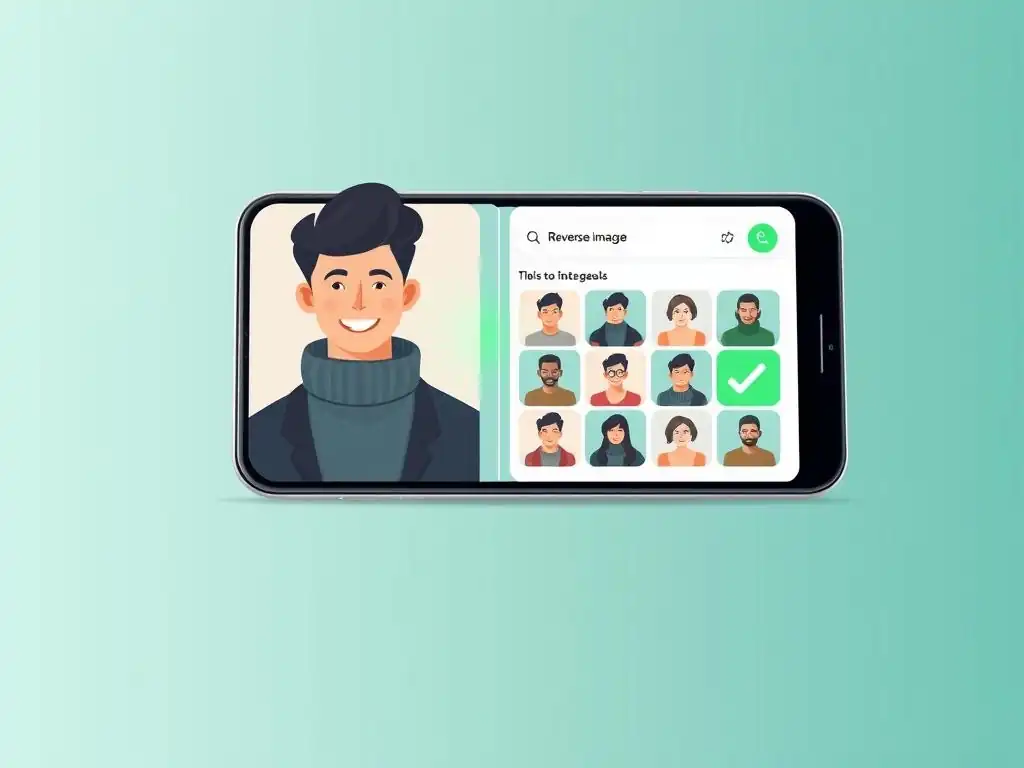
Online dating safety is paramount, and proactive measures are key to a positive experience. Integrating reverse image search into your regular dating routine is a simple yet powerful tool to help mitigate risks and protect yourself from potential scams. This isn't about paranoia; it's about informed precaution. By making reverse image search a standard part of your process, you significantly reduce the likelihood of encountering fraudulent profiles or engaging with malicious actors. Remember, a little extra diligence can go a long way in ensuring your online dating journey remains safe and enjoyable.
Incorporating Reverse Image Search into Your Profile Review Process
Before engaging with any profile, consider performing a reverse image search on the main profile picture. This is a crucial first step in your due diligence. Many scammers use stolen images, and a quick reverse image search can often reveal the source of the image and whether it's associated with other online profiles. For example, you might find the image used on multiple dating sites, under different names, a strong indicator of a fake profile. Don't just rely on the information presented on the profile itself; corroborate it with external verification. Look for inconsistencies: Does the person's picture appear on stock photo websites? Is the background of the image familiar from other online sources? These seemingly small details can reveal a lot about the authenticity of the profile. This process isn't about casting immediate judgment, but about gathering information to make informed decisions about who you choose to interact with.
Utilizing Reverse Image Search Before Meeting in Person
Once you've established some level of communication with a potential date, and you're considering meeting in person, a more thorough reverse image search is advisable. At this stage, you might want to search for other images from their profile, not just the primary picture. Look for inconsistencies in the photos. Are there any obvious signs of photoshopping or editing? Do the photos seem staged or overly professional?
These could be red flags. Consider searching for their name and other details they've shared on social media using a reverse image search alongside traditional search engines. This multi-pronged approach enhances your verification process and provides a more comprehensive understanding of the person you're about to meet. Remember, safety should always be your top priority.
Educating Yourself on Emerging Scamming Tactics
The tactics used by online dating scammers are constantly evolving. Staying informed about the latest trends is essential for effective protection. Scammers are becoming more sophisticated, using increasingly realistic profiles and employing advanced techniques to avoid detection. Regularly review articles and resources dedicated to online dating safety, including those focused on reverse image search techniques. Pay close attention to reports on new types of scams and the methods scammers use to manipulate their victims.
Understanding these tactics enables you to better identify suspicious behavior and react accordingly. Becoming a more informed user will allow you to proactively protect yourself and make more informed decisions about who you choose to interact with online. Remember, knowledge is your greatest defense against online dating scams. Staying vigilant and informed is crucial for a positive and safe online dating experience.
Beyond Reverse Image Search: Additional Safety Measures for Online Dating
Reverse image searching is a powerful tool, but it's only one piece of the online dating safety puzzle. Supplementing this crucial step with other precautions significantly enhances your protection and helps you build trust with potential partners. Remember, online dating safety is a layered approach; don't rely on a single method. Think of reverse image search as a foundational layer – it's essential, but not sufficient on its own. Let's explore some crucial additions to your online dating safety strategy.
Importance of Communication Verification
Before meeting anyone you've connected with online, verify their identity beyond their profile picture. This is crucial for mitigating risks associated with catfishing and other deceptive practices. Don't solely rely on the information provided in their profile; actively seek additional confirmation. Here are some effective communication verification strategies:
- Video Calls: Initiate a video call early in the communication process. This allows you to visually confirm their identity and observe their demeanor. Discrepancies between their profile picture and their appearance during the call should raise immediate red flags. Pay attention to background details; do they match the information provided in their profile?
- Extended Conversations: Engage in detailed conversations. Ask open-ended questions that require more than simple "yes" or "no" answers. Inconsistencies in their responses or a reluctance to answer personal questions could be warning signs. Pay close attention to their communication style; are they evasive or do they provide detailed, consistent information?
- Social Media Verification (with caution): If they've provided social media links, cautiously review their activity. Be aware that profiles can be fabricated, but a lack of activity or inconsistencies between their online presence and their dating profile should be considered. Remember to prioritize your own privacy and avoid sharing personal information on social media prematurely.
- Mutual Friends/Connections: If you share mutual connections, discreetly inquire about the individual through your shared network. This can provide valuable insights and help you gauge their authenticity. Remember to be tactful and respectful of everyone's privacy during this process.
Utilizing Dating Site Safety Features
Most reputable online dating platforms offer built-in safety features designed to protect their users. Familiarize yourself with these features and actively utilize them. These features are often overlooked, but they can significantly enhance your overall safety and help you avoid potential scams.
| Feature | Description | Example |
|---|---|---|
| Profile Verification | Provides a badge or indicator confirming the user's identity through verification processes. | A blue checkmark next to a user's profile picture. |
| Reporting Mechanisms | Allows you to report suspicious behavior, inappropriate content, or potential scams to the dating platform's moderators. | Reporting a user for sending unsolicited explicit images or messages. |
| Blocking Features | Lets you block users you feel uncomfortable or unsafe interacting with. | Blocking a user who is harassing you. |
| Privacy Settings | Allows you to control the visibility of your profile information and who can contact you. | Limiting who can see your photos or personal details. |
Failing to utilize these security features is like leaving your front door unlocked. It’s an unnecessary risk that can be easily avoided.
Trusting Your Instincts and Recognizing Red Flags
Perhaps the most important safety measure is trusting your intuition. If something feels off, it probably is. Don't dismiss your gut feelings, even if you can't pinpoint the exact reason for your unease. Be wary of individuals who:
- Are excessively vague about their personal life. They might avoid answering direct questions or provide inconsistent information.
- Pressure you to move the relationship off the dating platform quickly. They might rush you into meeting in person or sharing personal information.
- Ask for financial assistance or gifts. This is a classic hallmark of many online dating scams.
- Show a lack of genuine interest in getting to know you. Their communication might feel superficial or transactional.
- Have inconsistent or blurry profile pictures. This can be an indicator of a fake profile. Remember to always use reverse image search!
Remember, building a safe and meaningful connection online takes time. Don't rush the process, and always prioritize your safety and well-being. By combining reverse image search with these additional precautions, you significantly improve your chances of having a positive and safe online dating experience. Prioritize your safety and enjoy the process!
Frequently Asked Questions
Why should I use a reverse image search when online dating?
Using a reverse image search helps verify the authenticity of your match's photos. It can reveal if their pictures are stolen from another source or if they're using a fake profile. This is a crucial safety measure.
How do I perform a reverse image search?
Simply upload the image to Google Images, TinEye, or Yandex Images. The search engine will then show you similar images and websites where the picture appears, helping you assess its origin and legitimacy.
What should I do if a reverse image search reveals inconsistencies?
If the image appears on multiple dating profiles or unrelated websites, it's a red flag. Proceed with extreme caution, or consider blocking the user altogether to prioritize your safety.
Are all reverse image search results completely accurate?
No, reverse image searches aren't foolproof. They can sometimes miss subtle edits to a photo, but they provide a valuable layer of verification and help identify potential red flags.
Can reverse image search protect me from all online dating risks?
While a powerful tool, reverse image search is just one part of a broader online dating safety strategy. Combining it with other safety measures like verifying profiles and meeting in public places is essential for maximizing your safety.
Final Reflection: Securing Connections in the Digital Age
The ease and accessibility of online dating have revolutionized romance, but they've also opened doors to potential dangers. Navigating this landscape requires vigilance, and mastering tools like reverse image search is no longer a luxury, but a crucial element of self-protection. The ability to verify identities and avoid scams is paramount in today's interconnected world.
The impact of readily available dating apps on our social interactions is profound, shifting how we meet and connect with others. This shift necessitates a parallel evolution in our approach to safety. We must actively equip ourselves with the knowledge and tools to navigate these new realities responsibly. The price of freedom is eternal vigilance,
a quote often attributed to Winston Churchill, rings truer than ever in the context of online dating. Understanding and utilizing reverse image search is a critical step in that vigilance, ensuring we protect ourselves while embracing the opportunities for connection offered by the digital age.
Now, consider your own online dating experiences. What steps do you currently take to ensure your safety? Are you utilizing all the available tools at your disposal? I urge you to take a moment to reflect on your online safety practices and actively incorporate reverse image search into your routine. By doing so, you're not just protecting yourself, but you're also contributing to a safer and more trustworthy online dating environment for everyone. Take control of your digital safety; your well-being depends on it.
Unlock Your Dating Confidence: Take Control of Your Safety Now!
Thank you for learning about the power of reverse image searches for online dating safety. You've gained a vital tool to protect yourself and make informed dating choices. Now, let's put that knowledge into practice!
- Always reverse image search profile pictures: This is your first defense against fake profiles and catfishing. Never skip this crucial step.
- Share this information with your friends: Help spread awareness and empower others to stay safe while online dating.
- Create a personal "safe dating" checklist, including reverse image searching as a key step. This proactive approach will enhance your dating experience.
What's one practical tip you'll incorporate into your online dating safety routine?