
Online Dating Safety: How to Spot and Avoid Scammers

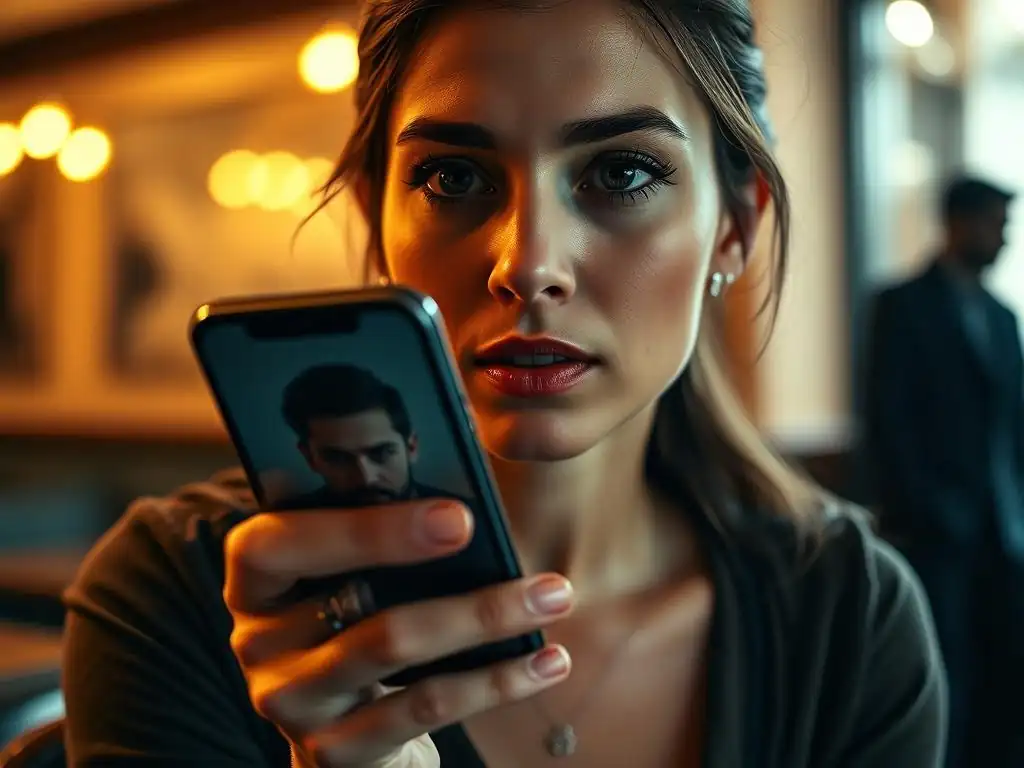
Ready to transform your online dating experience from frustrating to fulfilling? At OnlineDatingSuccess.org, we empower you to navigate the world of online romance with confidence. But first, let's address a critical concern: online dating scammer detection. This crucial guide unveils the subtle signs and effective strategies to protect yourself and build genuine connections. Discover how to identify red flags and avoid falling victim to scams—your journey to meaningful relationships starts here.
- Understanding Online Dating Scams: Recognizing Red Flags
- Online Dating Scammer Detection Tips: Protecting Yourself
- How to Report Online Dating Scammers
- Building Safe Online Dating Habits: Prevention is Key
- Resources for Online Dating Safety: Further Assistance
- Frequently Asked Questions
- Final Reflection: Navigating the Digital Landscape of Love
- Take Control: Secure Your Online Dating Journey
Understanding Online Dating Scams: Recognizing Red Flags
Navigating the world of online dating can be exciting, offering the potential to connect with like-minded individuals and build meaningful relationships. However, it's crucial to be aware of the potential dangers lurking within these platforms. This article provides practical, empathetic guidance on identifying and avoiding online dating scammers, empowering you to protect yourself and build healthy relationships online.
The prevalence of online dating scams is a significant concern, with countless individuals falling victim to sophisticated tactics designed to exploit trust and extract financial or personal information. Understanding the common methods employed by scammers is the first step towards safeguarding yourself and ensuring a positive online dating experience. We will explore various red flags, from suspicious communication patterns to inconsistencies in profiles, equipping you with the knowledge to make informed decisions and avoid becoming a victim.
Remember, being cautious and aware doesn't diminish the joy of online dating; rather, it enhances your safety and allows you to focus on genuine connections. Let's delve into the crucial steps you can take to protect yourself.
Common Online Dating Scam Tactics: Phishing, Romance Scams, Catfishing
Online dating scammers employ a range of deceptive tactics to lure their victims. Understanding these tactics is crucial for effective scammer detection. Three prevalent strategies include:
- Phishing: Scammers often attempt to obtain personal information through phishing emails or messages. These messages may appear legitimate, mimicking official dating site communications or posing as potential matches. They might request login credentials, bank details, or other sensitive information. Always be wary of unsolicited requests for personal information. Legitimate dating sites will never ask for such details via email or direct message.
- Romance Scams: These scams involve building a false sense of intimacy and trust over time. Scammers create elaborate fake profiles, often portraying themselves as successful, charming individuals. They gradually develop a close relationship with their victim, eventually requesting financial assistance for fabricated emergencies or investment opportunities. The emotional connection built makes victims more susceptible to manipulation.
- Catfishing: This involves creating a fake online persona using stolen or manipulated photos and false information. Catfishers often create idealized profiles to attract attention and build relationships. Their intentions can range from simple deception to more malicious goals, such as identity theft or financial fraud. The lack of genuine connection and the eventual revelation of the fabricated identity can be deeply damaging to the victim.
Identifying Fake Profiles: Photoshopped Images, Inconsistent Information
One of the most effective ways to identify potential scammers is by carefully scrutinizing their profiles. Several red flags can indicate a fake profile:
- Photoshopped Images: Examine profile pictures carefully. Look for inconsistencies, unnatural lighting, or images that appear too perfect. Reverse image searches can help determine if the photos have been stolen from another source. Be wary of profiles with only a few pictures, or pictures that are overly suggestive or unrealistic.
- Inconsistent Information: Pay close attention to the information provided in the profile. Look for contradictions or inconsistencies. For example, a profile claiming to live in one city but mentioning landmarks from another city is a clear red flag. Also, be wary of profiles with vague or overly generic descriptions. A genuine profile will usually provide more specific details about the individual's interests, hobbies, and lifestyle. A lack of detail, or overly generic statements, often signals a fake profile designed to attract a wide range of victims.
Recognizing Scammer Communication Patterns: Unusual Language, Pressure for Financial Assistance
Beyond profile analysis, communication patterns can also reveal a scammer. Pay attention to the following:
- Unusual Language: Scammers often use awkward phrasing, grammatical errors, or inconsistent writing styles. Their communication might seem overly formal or overly casual, depending on their target. They might also use language that is inconsistent with their claimed background or education level.
- Pressure for Financial Assistance: A common tactic is to gradually build a relationship and then create an emergency situation requiring urgent financial assistance. This might involve fabricated medical emergencies, family crises, or business setbacks. Be extremely cautious of any requests for money, especially from someone you have never met in person. Legitimate relationships don't involve sudden requests for financial support. Always err on the side of caution and refuse any such requests. Remember, genuine connections are built on trust and mutual respect, not financial transactions.
Online Dating Scammer Detection Tips: Protecting Yourself
This section provides crucial online dating scammer detection tips to help you navigate the online dating world safely and confidently. Remember, your safety and well-being are paramount. Being vigilant and employing these strategies significantly reduces your risk of encountering online dating scams.
One of the most effective online dating scammer detection techniques involves thorough profile verification. Don't rely solely on the information presented on the dating platform. Many scammers create fake profiles with stolen or manipulated images and fabricated details. Here's how to perform a comprehensive check:
- Reverse Image Search: This is a powerful tool. Use Google Images or TinEye to reverse search any profile picture. If the image appears on multiple dating sites or unrelated websites, it's a major red flag suggesting a fake profile. The image might be stolen from a model, actor, or even an innocent person.
- Social Media Verification: If a profile provides social media links (Facebook, Instagram, etc. ), investigate further. Do the accounts seem genuine? Do they align with the information provided on the dating profile? Inconsistent information or a lack of social media presence should raise suspicion. Be wary of profiles with limited or private social media accounts, especially if they claim to be active on various platforms.
- Cross-referencing details: Check if the name, age, and location mentioned in the profile match other online sources. Inconsistencies are a telltale sign. A quick Google search can reveal discrepancies. For example, if their stated profession doesn't match their claimed experience or if their stated location leads to a nonexistent address, be cautious.
Remember, even with verification, some scammers are sophisticated. Multiple layers of verification are always recommended. If something feels off, trust your instincts; it’s better to err on the side of caution. The effort spent on verification is far outweighed by the potential risks involved in interacting with a scammer.
Slow Down Communication: Avoid Rushing into Intimate Relationships
Scammers often try to rush relationships. They'll shower you with compliments, profess deep feelings quickly, and create a sense of urgency. This tactic aims to manipulate your emotions and bypass your rational judgment. Never rush into anything.
Here's how to counter this:
- Take your time: Don't feel pressured to respond immediately or engage in lengthy conversations daily. Maintain a healthy pace in your communication. This allows you to observe their behavior and spot inconsistencies over time.
- Look for inconsistencies: Pay attention to their communication style. Are their messages overly romantic and generic, or do they tailor their responses to your personality and interests? Inconsistencies in their tone or the details they share can be revealing.
- Limit personal information: Avoid sharing sensitive personal information early on. Scammers often use this information to build trust and then exploit you later. Keep your personal details private until you have established a strong level of trust and have verified their identity. This includes your address, financial information, and social security number.
- Video calls: Suggest a video call early in the communication process. This is an effective way to verify their identity and assess their authenticity. Many scammers will avoid video calls, citing various excuses.
Never Send Money or Gifts: Prioritize Financial Security
This is the most crucial online dating scammer detection tip: Never send money or gifts to someone you've met online, regardless of their circumstances or how convincing they seem. This is a classic hallmark of online dating scams. Scammers create elaborate stories to manipulate your empathy and persuade you to send money.
Some common scenarios include:
- Emergency requests: They claim to be in a financial emergency (medical bills, travel problems, etc.) and need immediate assistance.
- Investment opportunities: They promise high returns on investments, often involving cryptocurrency or other risky assets.
- Gift requests: They ask for gifts, such as gift cards or expensive items.
Never fall for these tactics. Legitimate relationships don't involve financial transactions, especially in the early stages. If someone asks for money, it's a major red flag. Protect your financial security; report any suspicious activity to the dating platform and the appropriate authorities. Remember, a genuine connection doesn't depend on financial transactions.
How to Report Online Dating Scammers
This section details crucial steps to take when you suspect you've encountered an online dating scammer. Reporting these individuals is vital not only for your personal protection but also to help prevent others from falling victim. Remember, reporting is a powerful tool in combating online dating fraud. Effective reporting can lead to account suspensions, investigations, and ultimately, a safer online dating experience for everyone. Let's explore the most effective reporting methods.
Reporting to the Dating Platform: Utilizing Platform Reporting Systems
Most reputable online dating platforms have robust reporting systems designed to identify and remove fraudulent accounts. These systems are often accessible through a profile's options menu, usually denoted by a flag 🚩 or a "report" button. When reporting a suspected scammer, be as detailed as possible. Provide concrete evidence such as:
- Screenshots: Capture screenshots of suspicious messages, profile inconsistencies, or requests for money. These visual aids are invaluable to platform investigators.
- Specific Dates and Times: Note the precise dates and times of interactions and suspicious activities. This helps investigators pinpoint the fraudulent behavior.
- Detailed Account Description: Include the scammer's username, profile picture (if applicable), and any other identifying information you can recall.
- Summary of Interactions: Briefly summarize the interactions, highlighting the red flags that led you to suspect a scam. For instance, did they ask for money, make unrealistic promises, or exhibit inconsistent behavior?
After submitting your report, you'll typically receive an automated acknowledgment. While the platform's response time may vary, follow up if you haven't heard back within a reasonable timeframe. Remember, your report plays a crucial role in helping the platform maintain a safe environment for its users. Many platforms actively monitor reports and take swift action against identified scammers, significantly reducing their potential to harm others. This proactive approach is crucial for improving online dating safety.
While reporting to the dating platform is a crucial first step, reporting to law enforcement is equally important, especially if you've experienced financial loss or significant emotional distress. Your local police department is the primary point of contact for reporting crimes within your jurisdiction. They can investigate the matter and, if appropriate, pursue legal action.
In cases involving internet fraud, the Federal Bureau of Investigation (FBI) also plays a vital role. The FBI's Internet Crime Complaint Center (IC3) is a dedicated resource for reporting cybercrimes, including online dating scams. The IC3 website provides a comprehensive online form where you can detail your experience.
Submitting a report to the IC3 helps build a national database of online fraud, assisting in broader investigations and the prosecution of scammers. This collaborative effort between local authorities and federal agencies is essential for combating online dating fraud effectively. Providing detailed information, including financial records if applicable, significantly increases the chances of a successful investigation.
Protecting Your Personal Information: Implementing Strong Passwords and Privacy Settings
Preventing scams often starts with proactive measures to protect your personal information. This includes creating strong, unique passwords for all your online accounts, especially dating platforms. A strong password should be a minimum of 12 characters, combining uppercase and lowercase letters, numbers, and symbols. Avoid using easily guessable information like birthdays or pet names.
Furthermore, review and adjust your privacy settings on the dating platform. Limit the information you share publicly, such as your full name, address, and place of employment. Be cautious about sharing personal photos that could reveal identifying details about your home or lifestyle.
Remember, the less personal information you share publicly, the less vulnerable you become to potential scammers. Regularly updating your passwords and reviewing your privacy settings are essential ongoing steps in maintaining a secure online dating experience. This proactive approach to online safety empowers you to navigate the online dating world with greater confidence and significantly reduces your risk of becoming a victim.
Building Safe Online Dating Habits: Prevention is Key
Building strong online dating safety habits is paramount to avoiding scams and protecting your personal information. Proactive measures are far more effective than reactive ones. Think of it like this: you wouldn't leave your front door unlocked and expect not to be robbed; similarly, neglecting online safety precautions increases your vulnerability to scammers. This section focuses on establishing a robust preventative strategy. We'll explore practical steps to minimize your risk and create a safer online dating experience.
Strong passwords are the first line of defense. Avoid easily guessable passwords like "password123" or your birthdate. Instead, use a password manager to generate and store complex, unique passwords for each of your online accounts, including your dating profiles and social media. A strong password should be at least 12 characters long, combining uppercase and lowercase letters, numbers, and symbols.
Furthermore, carefully review and adjust your privacy settings on all dating platforms and social media accounts. Limit the information you make publicly available. For example, don't share your exact location, workplace address, or full birthdate. Many platforms allow you to control who can see your photos, messages, and profile information. Take advantage of these features to restrict access to only your connections.
Consider using a separate email address solely for online dating. This isolates your primary email from potential spam and phishing attempts. This simple step significantly reduces the risk of your personal email being compromised.
Here's a table summarizing key privacy settings to review:
| Platform | Setting to Review | Recommendation |
|---|---|---|
| Dating Platform | Profile Visibility, Message Privacy, Location Sharing | Restrict to connections only; disable location sharing |
| Friend Requests, Post Visibility, Location Tagging | Approve requests carefully; limit visibility to friends | |
| Profile Privacy, Story Visibility, Direct Messages | Set to private; control who can message you |
Trust Your Instincts: Recognizing Warning Signs and Intuition
Your intuition is a powerful tool. If something feels off about a potential match, don't ignore it. Scammers often exhibit red flags, sometimes subtle, sometimes blatant. Trust your gut feeling; it's often right. Don't pressure yourself to engage with someone who makes you uncomfortable, regardless of how charming or persuasive they may seem.
Pay close attention to inconsistencies in their profile or communication. Do their photos seem too perfect? Do they avoid video calls? Do they constantly ask for money or personal favors? These are all potential warning signs of a scammer. Remember, legitimate individuals are generally open and transparent.
Communicate Safely: Avoiding Sharing Personally Identifiable Information
Never share sensitive personal information like your full name, address, phone number, social security number, or bank details with someone you've only met online. Avoid revealing details that could compromise your safety or identity. Scammers use this information for identity theft, financial fraud, and other malicious purposes.
Prioritize video calls early in the communication process. This helps confirm the person's identity and build trust. A scammer is less likely to agree to a video call because they are hiding their true identity.
Be wary of overly romantic or intense early interactions. Scammers often employ "love bombing" – showering you with excessive affection and compliments – to gain your trust quickly. Don't rush into a relationship; take your time to get to know someone properly. Remember, genuine connections develop gradually.
Resources for Online Dating Safety: Further Assistance
This section provides crucial resources to help you navigate the complexities of online dating safety and further enhance your ability to detect and avoid scammers. Remember, staying safe online requires proactive measures and a commitment to protecting your personal information. These resources offer valuable support and information to aid in your journey.
Reputable Websites and Organizations Offering Support and Information
Several reputable organizations and websites offer comprehensive information and support related to online safety and scam prevention. These resources often provide detailed guides, frequently asked questions (FAQs), and even direct assistance in dealing with suspected scams. Familiarizing yourself with these resources can significantly reduce your vulnerability. They often provide updated information on evolving scam tactics, ensuring you stay ahead of the curve.
For example, many government agencies dedicated to consumer protection offer detailed information on recognizing and reporting online scams. These agencies typically provide statistics on prevalent scam types, highlighting common characteristics and red flags. They may also offer advice on how to protect your financial information and personal data, elements crucial in online dating safety. Utilizing these resources can empower you to make informed decisions and avoid falling prey to deceptive tactics. Remember to look for government-affiliated websites with a .gov domain.
Beyond governmental resources, many non-profit organizations focus on digital literacy and online safety education. These organizations often provide free workshops, webinars, and online materials that cover a range of topics, including online dating safety. They can offer a supportive community and provide practical advice tailored to specific concerns. Look for organizations with a strong reputation and a history of providing reliable information.
Furthermore, some cybersecurity companies offer resources focusing on online safety best practices. While their primary focus might not be dating specifically, their insights into password management, phishing detection, and secure communication are highly relevant to online dating safety. These resources can equip you with valuable skills to enhance your overall digital security. Consider exploring resources from companies with a proven track record in cybersecurity.
Remember, staying informed is key. Regularly checking these resources for updates and new information will help you stay ahead of emerging threats and enhance your ability to identify and avoid online dating scammers. Proactive vigilance is your best defense. The more you know, the better prepared you'll be.
In summary: Leveraging the resources available from government agencies, non-profit organizations, and cybersecurity companies can significantly bolster your online dating safety strategy. Remember that staying informed is an ongoing process, requiring consistent vigilance and a proactive approach to your digital security. Your safety is paramount.
Frequently Asked Questions
How can I spot a scammer on an online dating site?
Scammers often use generic profiles with limited personal information, stock photos, and inconsistent details. They may also quickly ask for money or personal information. Be wary of anyone who seems too good to be true.
What are some common red flags to watch out for?
Common red flags include pressure to move quickly offline, requests for money or financial assistance, and inconsistent stories or behaviours. They may also be reluctant to video chat or meet in person.
What should I do if I suspect someone is a scammer?
If you suspect a scam, stop all communication immediately. Report the profile to the dating site and block the user. Do not send them any money or personal information.
How can I protect my personal information while online dating?
Avoid sharing sensitive information like your full address, workplace, or financial details. Use a strong password and enable two-factor authentication where possible. Be cautious about what you share on your profile.
What are some tips for safe online dating practices?
Always meet in a public place for your first date. Let a friend or family member know where you're going and who you're meeting. Trust your instincts: if something feels off, it probably is.
The rise of online dating has revolutionized romance, but it's also created a breeding ground for sophisticated scams. Millions navigate these platforms daily, seeking connection, yet many fall prey to deceptive individuals. Understanding the tactics of online scammers is no longer a niche concern; it's a crucial skill for anyone venturing into the digital dating world.
The pervasiveness of online dating scams underscores a larger societal shift – our increasing reliance on technology for interpersonal connection. This reliance, while offering incredible opportunities, also exposes us to new vulnerabilities. The emotional toll of falling victim to a scam can be devastating, leaving lasting scars on trust and self-esteem. The heart wants what it wants, but the mind needs to be equally engaged.
This quote highlights the importance of balancing emotional vulnerability with informed caution in the online dating sphere.
You, the reader, now possess the knowledge to navigate the complexities of online dating more safely. Take the time to reflect on the strategies discussed – from verifying profiles to recognizing red flags – and integrate them into your online dating journey. Remember, protecting yourself isn't about cynicism; it's about empowering yourself to build genuine connections in a safe and responsible way. Your happiness and well-being are paramount, and your awareness is your strongest defense.
Take Control: Secure Your Online Dating Journey
Congratulations on taking the initiative to learn about online dating safety! You've gained valuable knowledge to navigate the world of online romance with confidence. Now, let's put that knowledge into practice.
- Create a personalized safety plan: Review the key safety tips discussed and adapt them to your specific online dating habits. This personalized plan will guide you toward safer dating experiences.
- Share this information with friends: Help others avoid becoming victims of online dating scams by spreading awareness. A safer online dating community benefits everyone.
- Update your dating profile picture: Consider updating your profile picture with one that reflects you authentically and prioritizes your safety.
Ready to make your online dating experience safer and more rewarding?