
Beyond the First Impression: Reverse Image Search for Genuine Connections


Tired of endless swiping and disappointing dates? At OnlineDatingSuccess.org, we're dedicated to helping you find genuine connections. This isn't just about finding a match; it's about building a meaningful relationship. Learn how to navigate the world of online dating with confidence, starting with our essential guide on reverse image search dating safety – a crucial step in protecting yourself and ensuring your online journey leads to something real. Discover the secrets to creating a profile that attracts the right people and mastering the art of communication. Dive in and unlock the path to online dating success!
- Understanding Reverse Image Search for Dating Safety
- Performing a Reverse Image Search: A Step-by-Step Guide
- Beyond the Basics: Advanced Techniques for Image Verification in Dating
- Integrating Reverse Image Search into Your Dating Routine
- Reverse Image Search and Dating App Safety Features
- Building Trust and Genuine Connections: Moving Beyond Image Verification
-
Frequently Asked Questions
- How can a reverse image search improve online dating safety?
- What are the best websites or apps for conducting a reverse image search?
- Is it always necessary to reverse image search every profile picture?
- What should I do if a reverse image search reveals inconsistencies?
- Are there any other safety tips to remember when using online dating?
- Final Reflection: Unmasking Authenticity in the Digital Age of Dating
- Unmask Authenticity: Deep Dive into Genuine Connections
Understanding Reverse Image Search for Dating Safety
Navigating the world of online dating requires a keen eye for detail and a proactive approach to safety. While the thrill of connecting with potential partners is undeniable, it's crucial to prioritize your well-being and avoid falling victim to scams or deceptive profiles. This article delves into the powerful tool of reverse image search, explaining how it can significantly enhance your online dating safety and help you build genuine connections, free from the anxieties of potential fraud.
We'll explore the mechanics of reverse image search, highlight its importance in online dating, and equip you with the knowledge to identify potential red flags using this readily available technology. By understanding and utilizing this technique, you can significantly reduce your risk and increase your chances of finding a meaningful and authentic relationship. Let's embark on this journey towards safer and more successful online dating.
What is Reverse Image Search and How Does it Work?
Reverse image search is a remarkably simple yet powerful tool that allows you to identify the origin and usage of an image. Instead of searching with text, you search with an image. You upload a picture (like a profile picture from a dating app) to a search engine, and the engine then scours its vast database to find instances of that same image, or very similar images, across the web. This process reveals where else that image might have appeared, providing valuable context.
Think of it like this: you've found a charming profile, but something feels slightly off. Using a reverse image search, you can upload their profile picture and see if it shows up on other websites, potentially revealing inconsistencies or even identifying the image as stolen from someone else's profile. The process is usually straightforward: most major search engines (like Google, Bing, etc.) offer this functionality directly through their image search. Simply upload the image, and the engine will provide you with a list of websites where it has been found.
This simple action can uncover a wealth of information, helping you discern genuine profiles from potentially deceptive ones. It's a crucial first step in verifying the authenticity of someone you're considering connecting with online. 💻🔎
Why Reverse Image Search is Crucial in Online Dating
In the landscape of online dating, where anonymity can be easily manipulated, reverse image search acts as a vital safeguard. The prevalence of catfishing and the use of stolen images to create fake profiles makes verifying a potential partner's identity paramount. A simple reverse image search can quickly expose inconsistencies and potentially dangerous situations.
Imagine this scenario: you're chatting with someone who seems perfect, but their profile picture appears unusually polished or lacks natural variation. A reverse image search could reveal that the picture is stock photography, a sign of a potentially fake profile. Or, even more alarming, it might show the same image used on multiple dating profiles under different names – a clear indication of fraudulent activity. The potential consequences of ignoring these red flags can range from emotional distress to financial loss.
Therefore, incorporating reverse image search into your online dating routine is not merely advisable, but essential for your safety and peace of mind. It empowers you to take control of your online interactions and make informed decisions about who you choose to engage with. 💖🛡️
Identifying Potential Red Flags Through Image Verification
Using reverse image search effectively involves understanding what constitutes a red flag. While a single result might not be conclusive, a pattern of suspicious findings warrants caution. Here are some key indicators to watch out for:
| Red Flag | Description | Example |
|---|---|---|
| Image found on stock sites | The image originates from a stock photo website, indicating a potentially fake profile. | The same image is found on multiple stock photo websites like Shutterstock or iStock. |
| Image used on multiple profiles | The image appears on several dating profiles under different names, suggesting a scam or catfishing attempt. | The image is found on three different dating sites with three different names. |
| Image with inconsistent details | Minor inconsistencies or edits in the image compared to other instances could indicate manipulation. | A different background, altered clothing, or subtle facial feature changes. |
| Low-resolution image results | Poor quality results suggest the image may be a manipulated version or a copy of a copy. | The search engine returns blurry or pixelated versions of the image. |
Remember, a thorough verification process should involve more than just reverse image search. However, it remains a powerful first step in identifying potential problems and protecting yourself from harmful interactions in the online dating world. Prioritize your safety and always trust your intuition. If something feels off, it's always best to err on the side of caution. By utilizing reverse image search and remaining vigilant, you significantly increase your chances of finding genuine connections and a safer online dating experience. Stay safe and happy dating! 😊👍
Performing a Reverse Image Search: A Step-by-Step Guide

This section provides a practical, step-by-step guide on how to perform a reverse image search, a crucial tool for enhancing your online dating safety and verifying the authenticity of profiles. Understanding this process is key to avoiding potential scams and building genuine connections. Remember, your safety and security are paramount in the world of online dating.
Choosing the Right Reverse Image Search Engine
Several powerful reverse image search engines are available, each with its own strengths and weaknesses. The choice depends on your specific needs and comfort level. Consider these popular options:
- Google Images: Google Images is arguably the most widely used and readily accessible reverse image search engine. Its vast database and user-friendly interface make it a great starting point for many users. It's excellent for identifying widely circulated images, potentially revealing if a profile picture is stolen from another source.
- TinEye: TinEye boasts a powerful image recognition technology known for its accuracy in finding near-identical images, even those with slight modifications. This is particularly useful for detecting subtle image manipulations often used by scammers. TinEye is a strong contender for verifying the originality of profile photos.
- Yandex Images: Yandex, a Russian search engine, also offers a robust reverse image search capability. While not as widely known as Google or TinEye, it often yields unique results and can be a valuable addition to your verification toolkit. Using multiple engines increases your chances of uncovering inconsistencies.
The key is not to rely on just one engine. A comprehensive reverse image search involves using several engines to cross-reference results and gain a more holistic view. Think of it like detective work; the more evidence you gather, the clearer the picture becomes.
Uploading Your Image for Analysis
Once you've chosen your engine(s), the process of uploading the image is generally straightforward. Most engines offer a simple drag-and-drop interface or a "choose file" button. Here's a breakdown of the typical steps:
- Locate the Image: Find the profile picture you want to verify. Right-click on the image and select "Copy image address" or "Save image as" depending on your browser.
- Access the Search Engine: Go to your chosen reverse image search engine (e.g., Google Images, TinEye).
- Upload or Paste: Most engines allow you to either drag and drop the saved image or paste the copied image URL into the search bar.
- Initiate the Search: Click the search button or press Enter. The engine will now analyze the image and search its database for matches. This process might take a few seconds or longer, depending on the image size and the engine's server load.
Remember to be patient; accurate results often require a bit of waiting time. The speed and efficiency can vary based on internet connection speed and server load. Don't rush the process; accuracy is crucial for your safety.
Interpreting the Results: What to Look For
After the search completes, carefully analyze the results. The goal is to identify any inconsistencies or red flags that might indicate a fake profile. Here's what to look for:
- Identical Matches: If the image appears on multiple websites, especially unrelated to the dating profile, it's a strong indicator of potential fraud. This suggests the image is being used across different platforms, a common tactic among scammers.
- Similar Images: Even if you don't find an exact match, similar images could raise concerns. This might indicate the person is using a heavily edited version of a real image, or using a stock photo.
- Source Websites: Pay close attention to the websites where the image appears. Is it a stock photo website? A modeling portfolio? Or a social media profile with inconsistencies? The source can provide valuable clues about the image's origin and authenticity.
- No Results: A lack of results can also be suspicious. It could mean the image is newly created, or it's being deliberately kept off the web. This warrants further investigation and caution.
Remember, a reverse image search is just one tool in your online dating safety arsenal. Combine it with other verification methods and always trust your intuition. If something feels off, it probably is. Prioritize your safety and well-being above all else. Use this information to make informed decisions and build genuine connections online.
Cross-Referencing Results for Enhanced Accuracy
Performing a single reverse image search isn't always enough to guarantee the authenticity of a profile. A savvy online dater should treat the results as a starting point, not the final answer. Think of it like this: you're conducting an investigation, and each reverse image search engine provides a piece of the puzzle. To build a comprehensive picture, cross-referencing is crucial.
For enhanced accuracy, utilize multiple reverse image search engines. Each engine employs different algorithms and databases, so the results might vary slightly. Comparing the results from Google Images, TinEye, Yandex, and others can reveal inconsistencies or corroborating evidence. For example, one engine might return several links to stock photo websites, while another might show the image used on several dating profiles, raising a red flag.
Pay close attention to the context in which the image appears across different results. Is the image always associated with the same person's name and profile information? Or does it pop up in unrelated contexts, perhaps on a model's portfolio or a stock photography site? These contextual clues are invaluable in determining the image's true origin and the potential for deception. A discrepancy between the profile information and the image's context is a significant warning sign that requires further investigation.
Don't just rely on the immediate results; delve deeper. If you find the image on a stock photo website, consider the implications. Using stock photos isn't inherently malicious, but it does lack authenticity. It raises questions about the person's willingness to present a genuine image of themselves. Furthermore, if you find the image on a website known for low-quality or fake profiles, it's a strong indicator of potential fraud.
Remember, the goal isn't to find definitive proof of deception, but rather to gather enough information to make an informed decision about interacting with the profile. A thorough cross-referencing process significantly improves the reliability of your assessment and reduces the risk of falling victim to online dating scams. By carefully analyzing the results from multiple sources, you can significantly enhance your "reverse image search dating safety" strategy.
Beyond the Basics: Advanced Techniques for Image Verification in Dating
This section delves into more advanced methods of verifying profile pictures using reverse image search for online dating safety, going beyond a simple Google Images search. While a basic reverse image search is a crucial first step, proactive daters can leverage additional techniques to significantly reduce the risk of encountering fake profiles. Remember, your safety and well-being are paramount in the online dating world.
Analyzing Image Metadata for Clues
Even a seemingly perfect match on a dating profile can hide red flags. A deeper dive into the image's metadata – the information embedded within the image file itself – can reveal inconsistencies and potential signs of deception. Many image editing programs and online tools allow you to access metadata. Look for discrepancies between the metadata (date taken, camera model, location data) and the information provided in the dating profile. For example, a profile claiming to be taken in Paris, but showing metadata indicating it was taken in a completely different location, should raise significant concerns.
Consider this scenario: a profile picture boasts a luxurious yacht in the background. A reverse image search might not yield immediate results if the image is slightly altered. However, analyzing the metadata could reveal the camera model used, which might be inconsistent with the user's claimed lifestyle or financial status. Similarly, the date the image was taken might conflict with the user's stated timeline of events.
These seemingly small discrepancies can be crucial indicators of a potentially fake profile. Remember, inconsistencies are warning signs. Don't hesitate to investigate further if anything seems off. Even seemingly minor details can be significant pieces of a larger puzzle.
Checking for Image Manipulation or AI-Generated Content
The sophistication of image manipulation tools is constantly evolving. Simple reverse image searches may not always detect subtle alterations or entirely AI-generated images. Therefore, understanding how to spot these manipulations is critical for online dating safety. Look for inconsistencies in lighting, shadows, or skin tones. A slightly unnatural appearance, blurry areas, or unrealistic features can indicate that the image has been altered.
Furthermore, the rise of AI-generated imagery presents a new challenge. These images can be incredibly realistic, making it difficult to detect them using standard reverse image search methods. However, scrutinizing the image for subtle imperfections, unusual details, or inconsistencies in the background can help you identify potential red flags.
Advanced techniques, like analyzing the image's compression artifacts or pixel patterns, might be necessary in such cases. While these methods require more technical expertise, they can prove invaluable in ensuring online dating safety. If you suspect AI generation, consider seeking expert opinion or using specialized image analysis tools designed to detect manipulated or AI-generated content.
Reverse image search is a powerful tool, but combining it with social media verification significantly enhances your safety. Once you've identified a possible source for the image through a reverse image search (e.g., a different online profile or stock photo website), try to locate the individual on social media platforms like Facebook, Instagram, or LinkedIn. Compare the images on their social media profiles with the dating profile picture.
Are they consistent? Do the other photos and the overall profile align with the information presented on the dating site? Remember, consistency across multiple platforms strengthens the likelihood of a genuine profile.
Discrepancies between the images and information across different platforms are major red flags. If the images on the dating profile are significantly different from those on their verified social media accounts, or if crucial details in their profiles don't align, proceed with extreme caution. Consider this a crucial step in your verification process. Never ignore inconsistencies, and always prioritize your safety when engaging with potential matches online. Thorough verification significantly minimizes the risk of encountering fraudulent profiles and contributes to a safer online dating experience.
Integrating Reverse Image Search into Your Dating Routine
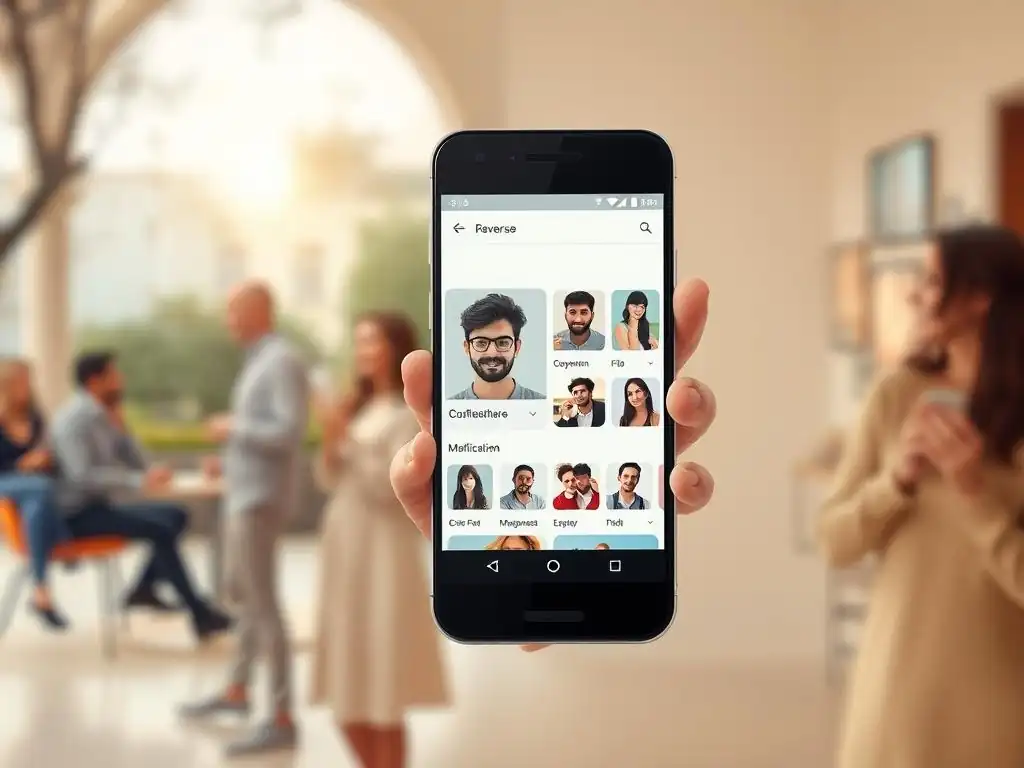
Reverse image search is a powerful tool that can significantly enhance your online dating safety and help you build more genuine connections. It's not about fostering suspicion, but rather about proactive verification – a crucial step in navigating the complexities of online dating. By incorporating this simple yet effective technique into your routine, you're taking control of your safety and increasing your chances of finding authentic relationships.
This isn't about paranoia; it's about informed decision-making. Think of it as a digital background check, offering an extra layer of security in a world where deception can easily hide behind a polished profile.
Incorporating Image Verification into Your Profile Review Process
Before even initiating contact, take a moment to reverse image search the profile pictures of potential matches. This preliminary step can save you considerable time and emotional investment down the line. Many dating sites allow you to view a user's photos before engaging in conversation. Leverage this feature! A quick reverse image search can reveal if the images are stolen from stock photos, other online profiles, or even celebrities.
The goal isn't to immediately dismiss someone, but to identify potential inconsistencies or red flags early on. For example, if a profile picture shows up in multiple searches associated with different names and locations, that's a significant warning sign. This proactive approach minimizes the likelihood of encountering fake profiles and helps you focus your energy on authentic connections. Remember, a little extra diligence can go a long way in protecting yourself.
Using Reverse Image Search to Verify Matches
Once you've established initial contact with a potential match, and before progressing to more personal interactions or sharing sensitive information, you can further employ reverse image search to verify their identity. If they've shared additional photos during your conversations, run those images through a reverse image search engine as well. Pay close attention to the results – are the images linked to multiple online profiles with inconsistent biographical details? This could indicate a potential catfishing attempt.
The aim is not to accuse, but to gather more information to make informed decisions about the authenticity of your interactions. This step adds an extra layer of security to your online dating experience, helping you filter out potentially problematic individuals. Remember, taking the time to verify information is an investment in your own safety and well-being.
Protecting Yourself from Catfishing and Fraud
Reverse image search is a highly effective tool in the fight against catfishing and online dating fraud. Catfishing, where someone creates a fake online persona, often relies on stolen or manipulated images. By using reverse image search, you can expose these inconsistencies and protect yourself from becoming a victim. Similarly, fraudsters often use attractive images to lure victims into scams.
A simple reverse image search can reveal if the images being used are genuine or part of a deceptive scheme. The more you utilize this technique, the better equipped you will become at identifying potential red flags and avoiding potentially harmful situations. This proactive approach empowers you to take control of your online dating safety and build healthier, more authentic connections. Remember, your safety is paramount, and using reverse image search is a simple but effective step towards achieving it.
Reverse Image Search and Dating App Safety Features
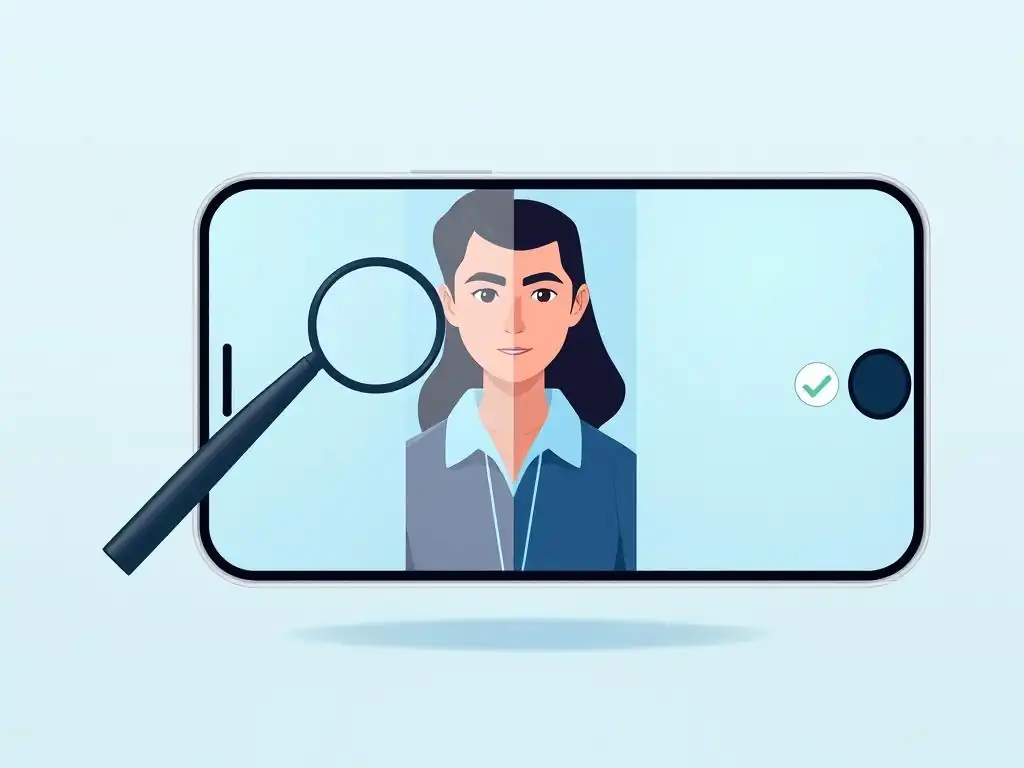
Online dating safety is paramount, and utilizing a reverse image search is a crucial step in verifying the authenticity of potential matches. However, relying solely on this method isn't sufficient. Modern dating apps are increasingly incorporating built-in safety features that complement reverse image searches, offering an extra layer of protection against scams and fraudulent profiles.
This section explores these features and how to effectively use them alongside reverse image searches for enhanced online dating safety. Understanding the combined power of these tools is key to navigating the world of online dating with confidence and minimizing risks. Remember, your safety is the top priority.
Exploring Built-in Verification Tools on Popular Dating Apps
Many popular dating apps are proactively implementing verification systems to improve user safety and deter fraudulent accounts. These tools vary in complexity and effectiveness, but understanding their capabilities is vital for maximizing your online dating safety. Let's examine some common examples:
- Photo Verification: Some apps allow users to verify their photos by submitting a selfie that matches a specific pose or expression. This helps confirm that the person in the profile pictures is real and not using stolen images. The algorithm compares facial features to ensure consistency. While not foolproof, it adds a layer of security.
- ID Verification: A more rigorous approach involves verifying a user's identity through official identification documents like a driver's license or passport. This process is usually optional but significantly increases trust and reduces the likelihood of encountering fake profiles. Apps employing this method often use third-party verification services to ensure data privacy and security.
- Video Verification: This feature goes beyond static images. Users might be asked to record a short video of themselves performing a specific action or answering a question. This adds another dimension to verification, making it more difficult for scammers to create convincing fake profiles. The video is typically reviewed by app moderators for authenticity.
- Background Checks (Limited Availability): While still relatively uncommon, some dating apps are starting to integrate background checks as an optional safety feature. This involves verifying a user's criminal history, providing users with greater peace of mind. However, privacy concerns surrounding this feature are carefully considered and regulated.
The effectiveness of these built-in features varies across platforms. It's crucial to research the specific safety features offered by your chosen dating app and utilize them proactively. Remember, even with these tools in place, a reverse image search remains a valuable additional step in verifying a profile's authenticity. A multi-layered approach to online dating safety is always recommended.
Leveraging Third-Party Verification Services
While dating apps provide their own verification tools, third-party services offer additional methods to verify a person's identity and online presence. These services can supplement the built-in features of dating apps, offering a more comprehensive approach to online dating safety. Here are some examples of what third-party verification services might offer:
- Social Media Verification: These services cross-reference profile information with social media accounts to confirm consistency and identify potential discrepancies. This can help identify individuals using stolen photos or fabricated information.
- Email Verification: Confirming the legitimacy of an email address can help prevent fake accounts and improve the accuracy of identity verification.
- Phone Number Verification: Verifying a phone number can add another layer of security and help to confirm the individual’s contact information.
- Reverse Image Search Integration: Some third-party services integrate reverse image search directly into their platform, streamlining the verification process and providing detailed reports on the images used in a dating profile. This can be particularly helpful in identifying instances of catfishing or identity theft.
Remember that using third-party verification services should always be done with caution. Ensure the service you choose has a strong reputation and a proven track record of protecting user privacy and data security. Always read reviews and ensure the service is reputable before providing any sensitive personal information. The careful use of these services, in conjunction with your own due diligence and the built-in safety features of dating apps, can significantly enhance your online dating safety and help you build genuine connections.
Building Trust and Genuine Connections: Moving Beyond Image Verification
Building trust in online dating requires more than just verifying a profile picture using a reverse image search. While confirming the authenticity of images is a crucial first step in mitigating risks associated with "Reverse image search dating safety," it's only one piece of a much larger puzzle. Successfully navigating the online dating world and forming genuine connections demands a multi-faceted approach that prioritizes open communication, careful observation of behavior, and a commitment to personal safety. Think of image verification as a preliminary security check; the real work of building trust begins afterward.
The Importance of Communication and Transparency in Online Dating
Open and honest communication is the cornerstone of any successful relationship, and online dating is no exception. Transparency, while sometimes challenging in the digital realm, is paramount for establishing trust and building genuine connections. After you've used a reverse image search to verify a potential partner's photo, consider these communication strategies:
- Initiate video calls early: While text-based communication is convenient, video calls offer a much richer and more reliable way to assess someone's personality and authenticity. The visual element adds a layer of accountability and helps to build rapport. A reluctance to engage in video calls should raise a red flag.
- Ask open-ended questions: Instead of relying on simple yes/no questions, engage in conversations that encourage detailed responses. This allows you to understand their personality, values, and experiences more thoroughly.
- Share information gradually: Don't feel pressured to reveal everything about yourself immediately. Sharing information gradually allows you to gauge their reactions and assess their level of interest and respect for your boundaries.
- Be mindful of inconsistencies: Pay close attention to any inconsistencies between their online profile, their communication style, and the information they share during conversations. These inconsistencies could be a sign of deception.
- Verify information independently: If someone claims to be a doctor, lawyer, or have other verifiable credentials, consider independently verifying that information.
Recognizing Behavioral Red Flags Beyond Image Verification
Even if a profile picture passes a reverse image search, certain behaviors can signal potential problems. These red flags often indicate a lack of genuine interest or, worse, malicious intent. Remember, "Reverse image search dating safety" is just one aspect of overall online dating safety. Consider these behavioral indicators:
- Overly fast progression: Be cautious of individuals who move too quickly from initial contact to intense declarations of love or requests for financial assistance. Genuine connections take time to develop.
- Pressure to meet in person quickly: While meeting in person is eventually a natural progression, undue pressure to do so before you feel comfortable can be a warning sign. Prioritize your safety and comfort level.
- Avoidance of personal questions: If someone consistently avoids answering personal questions or deflects inquiries about their life, it could indicate they are hiding something.
- Excessively vague or inconsistent stories: Inconsistencies or vaguely defined narratives about their life, work, or family should raise concerns.
- Requests for financial assistance: This is a major red flag and a common tactic used by scammers. Never send money to someone you've met online, regardless of their claims or sob stories.
Prioritizing Safety While Building Meaningful Relationships
Building meaningful relationships online requires a balance between openness and caution. While using a reverse image search is a valuable tool for "Reverse image search dating safety," it is crucial to remember that it's not a foolproof method. Prioritize your safety throughout the process by:
- Meeting in public places: If you decide to meet in person, always choose a public place for your first few meetings.
- Letting someone know your plans: Inform a trusted friend or family member about your plans, including the time, location, and the person you are meeting.
- Trusting your instincts: If something feels off or you feel uncomfortable, don't hesitate to end the interaction. Your safety and well-being should always come first.
- Reviewing dating platform safety guidelines: Familiarize yourself with the safety features and guidelines provided by the online dating platform you are using. Many platforms offer resources and tools to help users stay safe.
Remember, building genuine connections online takes time, patience, and a commitment to prioritizing your safety and well-being. Using reverse image searches is a helpful tool, but it's just one piece of the puzzle in creating safe and fulfilling online dating experiences. Always trust your instincts and prioritize your safety.
Frequently Asked Questions
How can a reverse image search improve online dating safety?
A reverse image search helps verify the authenticity of a potential date's photos. By searching the image online, you can see if it appears elsewhere, potentially revealing catfishing or misrepresentation. This helps you avoid scams and dangerous situations.
What are the best websites or apps for conducting a reverse image search?
Several services offer free reverse image searches, including Google Images, TinEye, and Yandex Images. These tools allow you to upload an image and find similar or identical images online, helping you assess the credibility of your date's profile.
Is it always necessary to reverse image search every profile picture?
While not mandatory for every profile, it's a prudent safety measure, especially if something about the profile feels off or if you're considering meeting in person. Prioritizing safety is crucial in online dating.
What should I do if a reverse image search reveals inconsistencies?
If the image appears in multiple unrelated profiles or contexts, or if it's a stock photo, it's a red flag. Proceed with extreme caution, consider not meeting in person, and report the profile if you suspect fraudulent activity.
Are there any other safety tips to remember when using online dating?
Always meet in a public place for your first date. Tell a friend or family member about your date plans, including the person's name and location. Trust your intuition – if something feels wrong, it probably is.
Final Reflection: Unmasking Authenticity in the Digital Age of Dating
The ease of online connection has paradoxically increased the difficulty of establishing genuine relationships; reverse image searches are no longer a niche tool, but a crucial safeguard in navigating the complexities of modern dating. This simple yet powerful technique offers a vital layer of protection against deception, allowing individuals to verify identities and avoid potentially harmful situations. The ability to quickly cross-reference a profile picture with its origins can be the difference between a safe and a dangerous encounter.
The impact of readily available image verification tools on online dating culture is profound. It's shifting the power dynamic, empowering individuals to take control of their safety and fostering a more transparent online environment. The best way to find yourself is to lose yourself in the service of others.
While this quote speaks to personal growth, it also highlights the importance of self-preservation; knowing who you're interacting with online is a crucial first step in fostering genuine connections. The rise of reverse image search usage underscores a growing awareness of online safety and a collective desire for authenticity in our relationships.
Consider, for a moment, the potential consequences of neglecting this simple yet effective tool. You hold the power to protect yourself from potential harm and to build relationships founded on trust and transparency. Take the time to verify profiles, to investigate further, and to prioritize your safety. Embrace the technology available to you, and use it to build a more authentic and secure online dating experience.
The journey to genuine connection begins with a commitment to self-protection and a conscious effort to verify the information presented to you. Don't just look at a picture; understand its context. Your safety and well-being are worth it.
Unmask Authenticity: Deep Dive into Genuine Connections
Thanks for exploring the power of reverse image searches in online dating! You've gained a valuable tool to build trust and find genuine connections. Ready to use this new knowledge?
- Always reverse image search any profile that interests you. This is your first line of defense against fake profiles and catfishing. It's a simple but powerful step towards safer and more authentic interactions.
- Share this article with friends who are online dating. Help them avoid potential problems and build meaningful relationships.
- Join the conversation in the comments below – share your experiences with reverse image searching. Have you discovered anything surprising?
What profile detail will you now examine more closely before contacting someone?