
The Truth in the Image: Reverse Image Search and Online Dating Success

Tired of online dating feeling like a minefield? At OnlineDatingSuccess.org, we're dedicated to helping you navigate the world of digital romance with confidence. This isn't just about finding a date; it's about building meaningful connections. Learn how to avoid potential pitfalls and protect yourself with our essential guide on reverse image search dating safety, a crucial tool for ensuring your online dating experience is both successful and secure. Discover how this simple technique can dramatically improve your safety and increase your chances of finding genuine love. Let's get started!
- Reverse Image Search Dating Safety: Protecting Yourself from Online Deception
- How to Perform a Reverse Image Search: A Step-by-Step Guide
- Beyond Reverse Image Search: Additional Verification Strategies for Online Dating Safety
- Building Trust and Avoiding Scams Through Effective Communication
- Case Study: How Reverse Image Search Helped One User Identify a Fake Profile
- Understanding the Limitations of Reverse Image Search in Dating
- Beyond the Image: Additional Verification Techniques for Online Dating Safety
-
Frequently Asked Questions
- What is a reverse image search, and how does it relate to online dating safety?
- Why should I use a reverse image search on dating profiles?
- How accurate are the results of a reverse image search?
- Are there any limitations to using reverse image searches for dating safety?
- What other safety measures should I combine with reverse image searches?
- Final Reflection: Seeing Beyond the Surface: Truth and Trust in Online Dating
- Unlock Your Dating Potential: Verify and Connect!
Reverse Image Search Dating Safety: Protecting Yourself from Online Deception
Navigating the world of online dating can be exciting, but it also presents unique challenges. One of the most significant risks is encountering deceptive profiles, often involving individuals using fake photos or stolen identities – a practice commonly known as catfishing. This article delves into the crucial role of reverse image search in protecting yourself from online deception and ensuring a safer online dating experience.
We'll explore the various ways scammers utilize misleading images, how to spot potential red flags, and, most importantly, how to effectively leverage reverse image search tools to verify the authenticity of profiles and ultimately increase your chances of building genuine connections. Understanding and utilizing these techniques is paramount to building trust and avoiding potentially harmful situations in the online dating sphere.
The goal is to empower you with the knowledge and tools to make informed decisions, fostering a more secure and enjoyable online dating journey. This is your guide to harnessing the power of technology for a safer dating experience.
Understanding the Risks of Catfishing in Online Dating
Catfishing, the act of creating a deceptive online persona, is a prevalent issue in online dating. Perpetrators often use stolen images to create profiles that appear more attractive or desirable than they are in reality. The consequences can range from emotional distress and financial scams to more serious safety concerns. The emotional toll of investing time and feelings into a relationship built on a lie can be devastating.
Furthermore, scammers may use these fabricated profiles to manipulate victims into sharing personal information or sending money. The anonymity afforded by the internet provides a breeding ground for this type of deception, making it crucial to employ proactive measures to mitigate these risks. Statistics show a significant increase in reported cases of catfishing, highlighting the urgent need for heightened awareness and effective protective strategies. 🤔 It's not just about broken hearts; it's about protecting your personal safety and financial security.
Identifying Potential Red Flags in Dating Profiles: Image Inconsistencies
Before resorting to a reverse image search, certain visual cues can signal potential problems. Inconsistencies within a profile's images are often a significant red flag. For example, look for:
- Low-quality images: Blurry, pixelated, or poorly lit photos can indicate the use of a stolen image.
- Lack of variety: Profiles with only one or two images, or images that are all very similar, might be hiding something.
- Images that look too professional: Unnaturally perfect photos, often seen in professional modeling shots, can be a sign of a fake profile.
- Images that appear in other contexts: If an image appears on multiple dating profiles or social media accounts under different names, it’s a major warning sign.
- Images with inconsistent backgrounds or clothing: Discrepancies in attire or surroundings across different images can point to a fabricated profile.
These inconsistencies, while not definitive proof of catfishing, should trigger further investigation using tools like reverse image search. It's better to err on the side of caution. Remember, your safety and well-being are paramount.
The Power of Reverse Image Search in Online Dating Verification
Reverse image search is a powerful tool for verifying the authenticity of images used in online dating profiles. Services like Google Images, TinEye, and Yandex Images allow you to upload an image and see where else it appears online. If the image shows up on multiple profiles under different names or in unrelated contexts (like stock photo websites), it's a strong indicator of deception. This process allows you to quickly and effectively check if the person you're interacting with is who they claim to be.
By using this technique, you significantly reduce your risk of becoming a victim of catfishing and enhance your overall online dating safety. Remember to always be vigilant and trust your instincts; if something feels off, it likely is. Employing reverse image search adds another layer of protection to your online dating journey, enabling you to make informed decisions and prioritize your safety. 🛡️
How to Perform a Reverse Image Search: A Step-by-Step Guide
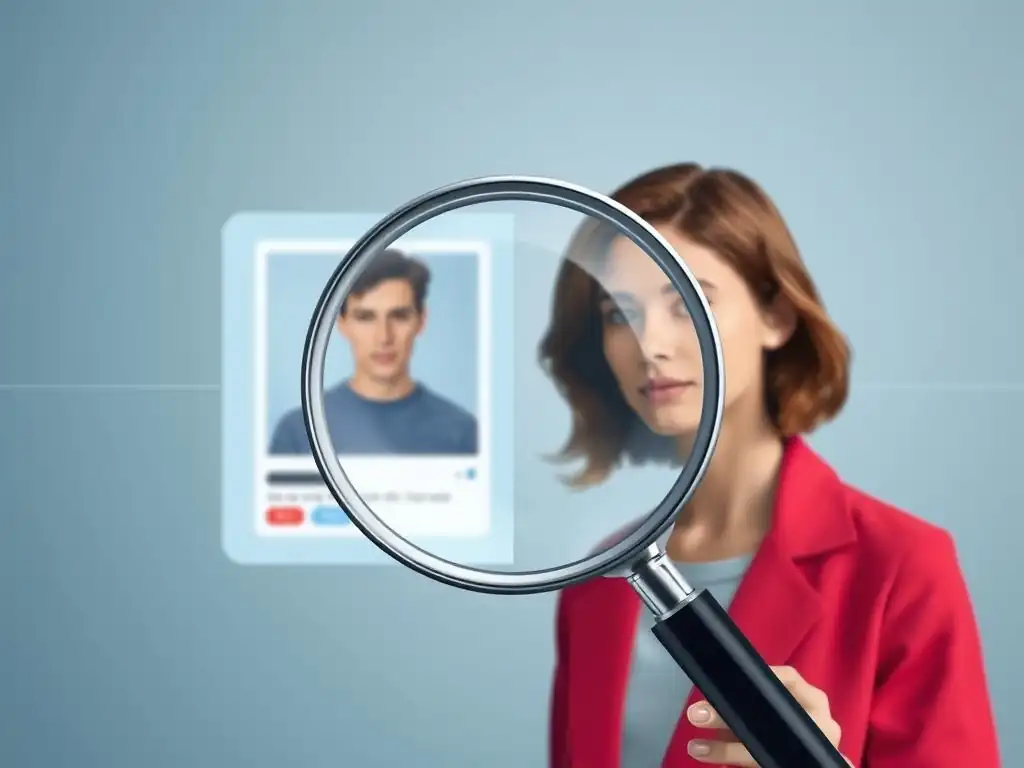
Reverse image searching is a crucial tool in your online dating safety arsenal. It allows you to verify the authenticity of a potential date's profile pictures, helping you avoid scams and potentially dangerous situations. This process is surprisingly straightforward, and mastering it can significantly improve your online dating experience. Think of it as your first line of defense against deceptive profiles. Let's dive into the specifics. The effectiveness of a reverse image search hinges on the quality of the image itself; blurry or low-resolution images will yield less conclusive results.
Using Google Images for Reverse Image Search: A Comprehensive Tutorial
Google Images offers a user-friendly interface for reverse image searches. Here's a detailed walkthrough:
- Navigate to Google Images: Open your preferred web browser and go to
images.google.com. - Access the Reverse Image Search: In the search bar, you'll see a camera icon. Click on it.
- Upload the Image: You have two options: You can either paste the image URL directly into the search bar or upload the image from your computer by clicking "Upload an image".
- Analyze the Results: Google will display a set of visually similar images. Carefully examine these results. Do they match the profile's other photos? Are they associated with different names or profiles? The more discrepancies you find, the more suspicious the profile becomes.
Let's illustrate with an example. Imagine you're talking to someone whose profile picture shows a person on a yacht. You perform a reverse image search and find the same picture on a stock photo website. This raises a red flag, suggesting the image might be stolen and the profile potentially fake. Always cross-reference findings with other information available on the profile. Don't rely solely on the image search; consider other factors like profile consistency and communication patterns.
Utilizing TinEye and Yandex Images for Enhanced Verification
While Google Images is a popular choice, using multiple reverse image search engines provides a more comprehensive verification. TinEye and Yandex Images are excellent alternatives, often revealing results that Google might miss. These engines utilize different algorithms and databases, increasing the chances of uncovering inconsistencies.
TinEye, in particular, excels at identifying images that have been slightly modified. Even if a profile picture has undergone minor edits (like cropping or color adjustments), TinEye might still identify its original source. Yandex Images, a Russian search engine, often surfaces results from less mainstream sources, expanding your search scope. Using these tools in conjunction with Google Images significantly strengthens your verification process. Remember, the more sources you check, the more confident you can be in the authenticity of the images. This layered approach to reverse image search dating safety is highly recommended.
Interpreting Reverse Image Search Results: Identifying Mismatched or Stolen Images
The interpretation of reverse image search results requires careful observation and critical thinking. Don't just focus on finding an exact match. Look for subtle clues that might indicate manipulation or deception.
- Inconsistencies in Backgrounds: A profile picture showing a person in a specific location, but the reverse image search reveals the same person in completely different settings, is a major red flag.
- Variations in Clothing or Appearance: Subtle differences in clothing, hairstyle, or even lighting can indicate image manipulation.
- Watermarks or Logos: The presence of watermarks or logos on images found through reverse image searches can reveal their original source and help determine if they've been used inappropriately.
- Stock Photos: Finding the profile picture on a stock photo website is a clear indication of a potentially fraudulent profile.
- Multiple Profiles: If the same image appears on multiple dating profiles with different names and biographical information, it's a strong indicator of a scam.
By carefully analyzing the results from multiple reverse image search engines and paying attention to these details, you can significantly improve your ability to identify potentially fake or misleading profiles. Remember, prioritizing your online safety is paramount. This methodical approach to image verification is a critical step towards building trust and finding genuine connections in the online dating world.
Beyond Reverse Image Search: Additional Verification Strategies for Online Dating Safety
Reverse image searching is a crucial first step in verifying the authenticity of online dating profiles, helping you avoid potential scams and catfishers aiming to exploit you. However, it's not a foolproof method. Relying solely on a reverse image search leaves significant gaps in your safety strategy. A layered approach, combining multiple verification techniques, is essential for maximizing your online dating safety. This section explores additional strategies to bolster your safety and ensure you're interacting with genuine individuals.
Once you've performed a reverse image search and found no immediate red flags, the next step is to cross-reference the information provided in the dating profile with their presence on other social media platforms. This involves carefully examining their profiles on platforms like Facebook, Instagram, LinkedIn, or Twitter. Look for consistency in their presented persona. Do their photos align with the ones on their dating profile? Does their biographical information match? Are their social media accounts active and well-maintained, or do they appear to be recently created or sparsely populated? Inconsistencies should raise a red flag.
For example, if a profile claims a love of hiking and outdoor activities, but their social media shows only indoor photos and a sedentary lifestyle, it's a strong indicator of potential deception. Similarly, a significant discrepancy between the age claimed on the dating profile and the age visible on their social media could signal a deliberate attempt to mislead. Remember, this process requires careful observation and comparison. Don't jump to conclusions based on a single piece of information; instead, build a holistic picture based on multiple data points.
The goal is to identify patterns of behavior and information that either corroborate or contradict the profile presented on the dating site. This cross-referencing significantly strengthens your ability to assess the authenticity of the profile and the person behind it. This extra layer of verification is crucial in your "reverse image search dating safety" strategy.
Assessing the Credibility of Dating Profiles Using Third-Party Background Check Services
While social media cross-referencing provides valuable insights, leveraging professional background check services offers a more comprehensive approach to verifying the information presented. These services often provide detailed reports including criminal history checks, address verification, and even employment history, enhancing your ability to ascertain the credibility of the individual. Naturally, sharing such sensitive information with a dating prospect should only occur after you've established a significant level of trust and comfort. Remember that using these services is a significant step, and you should carefully consider the privacy implications involved.
It's crucial to choose reputable and trustworthy background check services. Research thoroughly before selecting a provider, ensuring they comply with privacy regulations and offer accurate, reliable information. Remember that these services are not designed to be used to judge someone's character but rather to verify the basic information they have provided, contributing to a more secure online dating experience. This approach adds another layer to your "reverse image search dating safety" plan, ensuring a more thorough vetting process.
The Importance of Video Calls and In-Person Meetings in Online Dating Safety
While digital verification methods are invaluable, ultimately, the most effective way to confirm a person's identity and build trust is through direct interaction. Video calls offer a more personal and revealing encounter than text-based communication. Observe their demeanor, their surroundings, and ensure their appearance aligns with the images presented online. Inconsistencies between their video call appearance and their online profile should raise immediate concerns.
The ultimate step, and the most effective safeguard, is arranging an in-person meeting in a public place. This allows you to assess their physical appearance, body language, and overall demeanor in a face-to-face setting. Always prioritize safety during in-person meetings – choose well-lit, public areas, inform a friend or family member of your plans, and let them know the person's name and contact information.
Remember, meeting in person allows you to gauge their genuine personality and confirm their identity beyond the digital realm. This final step completes your comprehensive "reverse image search dating safety" strategy, moving from digital verification to real-world confirmation. Prioritizing these steps will significantly reduce your risk and contribute to a safer and more positive online dating experience.
Building Trust and Avoiding Scams Through Effective Communication

Effective communication is paramount in building trust and avoiding scams in online dating. It's not just about what you say, but how you say it, and the information you choose to share (or not share). Remember, building a genuine connection takes time, and rushing the process can be a red flag. Suspiciously fast declarations of love or requests for financial assistance should always raise concerns. This section details strategies for safe and effective communication, helping you navigate the online dating world with confidence and caution.
Recognizing and Avoiding Romance Scams and Phishing Attempts
Romance scams are sadly prevalent in the online dating landscape. These scams often involve perpetrators creating fake profiles with stolen photos and fabricated identities to lure victims into emotional relationships. The goal is often financial exploitation, with scammers requesting money for various fabricated emergencies or investments. Phishing attempts, while not always romantic in nature, can still be dangerous. These attempts involve deceptive emails or messages designed to steal your personal information, such as passwords and bank details.
Here's how to spot the red flags:
- Inconsistency in their profile and communication: Do their photos seem too perfect? Do their stories change frequently? Do they avoid video calls or in-person meetings? These are significant warning signs. A consistent narrative and willingness to engage in video chats are key indicators of authenticity.
- Requests for money or financial assistance: This is a major red flag. Legitimate relationships don't involve constant requests for financial help, especially early on. Be wary of anyone who pressures you for money, regardless of the reason.
- Overly passionate and fast-paced communication: Genuine connections develop organically. If someone professes undying love after only a few messages, proceed with extreme caution. This is a classic tactic used by scammers to create a sense of urgency and manipulate their victims.
- Grammar and spelling errors: While not always indicative of a scam, consistent grammatical errors, particularly in profiles that claim high levels of education or professional success, can be a clue that something isn't right.
- Pressure to move conversations off the dating platform: Scammers often try to quickly shift communication to other platforms, such as email or messaging apps, to avoid detection by the dating site's security systems.
Safe Communication Practices for Online Daters: Protecting Personal Information
Protecting your personal information is crucial for online dating safety. Never share sensitive details, such as your full address, place of work, or financial information, with someone you haven't met in person and thoroughly vetted. Remember, even seemingly harmless information can be used to compromise your safety and security.
Here are some practical tips for safe communication:
- Use the dating platform's messaging system: This offers a degree of protection and allows the platform to monitor interactions.
- Video chat before meeting in person: This is a crucial step in verifying the identity of your match and building trust. It helps ensure that the person you are interacting with online is who they claim to be.
- Meet in a public place for your first date: Choose a well-lit, populated location for your first meeting. Let a friend or family member know where you're going and when you expect to be back.
- Be mindful of what you share on social media: Avoid overtly sharing your dating experiences on social media, especially before you have thoroughly vetted your date. This can potentially put you at risk.
- Trust your instincts: If something feels off, it probably is. Don't hesitate to end communication with someone who makes you uncomfortable, regardless of how charming or persistent they may seem. Your safety and well-being are paramount.
Remember, using a reverse image search is just one tool in your arsenal for online dating safety. Combining it with these communication strategies will significantly reduce your risk of encountering scams and help you build genuine, trustworthy connections. Prioritizing your safety should always be your top priority.
Case Study: How Reverse Image Search Helped One User Identify a Fake Profile
Specific details of the case study: The user's experience, the steps taken, and the outcome.
Sarah, a 32-year-old marketing professional, had been using a popular online dating platform for several months. She connected with a seemingly charming man named "Alex," who boasted a successful career and a passion for travel. His profile picture showcased a handsome man with a disarming smile. However, something felt slightly off. Alex's responses were sometimes inconsistent, and his profile lacked detail beyond the carefully crafted image. Intrigued and slightly wary, Sarah decided to employ a reverse image search.
She uploaded the profile picture to a popular reverse image search engine. The results were immediate and shocking. The image wasn't unique to Alex's profile; it appeared on several stock photo websites, and even surfaced in a completely unrelated online forum. This instantly confirmed her suspicions.
Alex's profile picture was stolen, a clear indicator of a potentially fraudulent profile. This discovery saved Sarah from potentially investing time and emotional energy into a fabricated relationship. She immediately ceased contact with "Alex" and reported the profile to the dating platform. The experience underscored the importance of proactive safety measures in online dating, highlighting the value of reverse image search as a crucial tool for verifying profiles and protecting oneself from scams.
Understanding the Limitations of Reverse Image Search in Dating

Instances where reverse image search may not be effective.
While reverse image search offers a powerful tool for online dating safety, it's crucial to acknowledge its limitations. It's not foolproof. Sophisticated scammers may use slightly altered images, or images that haven't been widely circulated online, making detection difficult. A successful reverse image search doesn't guarantee a genuine profile; it simply flags a potential red flag.
For example, a profile might use a legitimate image, but the person behind the profile might be misrepresenting themselves in other aspects of their profile. Always consider the reverse image search as one part of a broader due diligence process. Furthermore, the effectiveness of the search depends on the image's prevalence online.
A unique, never-before-seen image might not yield any results, even if the profile is fake. Therefore, relying solely on reverse image search for profile verification is insufficient. A holistic approach that includes checking profile details, communication patterns, and engaging in cautious conversations is essential.
Beyond the Image: Additional Verification Techniques for Online Dating Safety
Combining reverse image search with other verification methods for enhanced safety.
Reverse image searching is a valuable first step, but it shouldn't be the only measure you take to ensure online dating safety. Consider these additional verification techniques to bolster your safety:
- Cross-referencing profile information: Check if details provided in the profile (job title, location, etc.) align with publicly available information. A quick LinkedIn search or a Google search can often reveal inconsistencies.
- Video calls: Propose a video call early in the communication process. This is an effective way to verify the identity of your potential partner and confirm that they are who they claim to be.
- Slow and steady communication: Don't rush into a relationship. Take your time to get to know the person before sharing personal information or meeting in person.
- Meeting in public places: When you finally decide to meet in person, always choose a well-lit and public place for your first meeting.
- Trust your instincts: If something feels off, it probably is. Don't hesitate to end communication if you feel uncomfortable or unsafe.
By combining reverse image search with these other methods, you significantly increase your chances of identifying fraudulent profiles and protecting yourself from online dating scams. Remember, vigilance and caution are key to a safe and positive online dating experience. Prioritize your safety and well-being above all else. The use of reverse image search in dating safety is part of a larger strategy to protect yourself from potential harm.
Frequently Asked Questions
What is a reverse image search, and how does it relate to online dating safety?
A reverse image search allows you to find the source of an image by uploading it to a search engine like Google Images or TinEye. In online dating, this helps verify the authenticity of a potential date's photos, protecting you from catfishing and fraud.
Why should I use a reverse image search on dating profiles?
Many dating profiles use stolen or misleading photos. A reverse image search can reveal if a profile picture appears elsewhere online, potentially uncovering inconsistencies or revealing the person is using a fake identity.
How accurate are the results of a reverse image search?
The accuracy varies depending on the image quality and its online presence. While not foolproof, a reverse image search provides valuable additional information to assess the credibility of a profile and reduce the risk of being scammed.
Are there any limitations to using reverse image searches for dating safety?
Yes, some images might not yield results if they're not widely available online or have been slightly altered. Also, even if a picture checks out, it doesn't guarantee the person's overall honesty or intentions.
What other safety measures should I combine with reverse image searches?
Always verify information provided in profiles through other means, like social media (if shared), and proceed with caution when meeting someone in person. Trust your instincts and prioritize your personal safety above all else.
Final Reflection: Seeing Beyond the Surface: Truth and Trust in Online Dating
The ease of deception in the digital age, coupled with the vulnerability inherent in online dating, makes reverse image searching a crucial tool for navigating the complexities of modern romance. The potential for catfishing, scams, and even dangerous encounters is very real, and understanding how to utilize readily available technology to verify identities is no longer a luxury, but a necessity.
The impact of readily accessible image verification tools on online dating safety is profound, shifting the power dynamic from a position of blind trust to one of informed consent. The ability to quickly and easily confirm a person's identity before meeting them in person is a game changer. The internet is a powerful tool, but it's also a mirror reflecting both the best and worst of humanity. We must learn to navigate it wisely.
This quote highlights the importance of critical thinking and proactive safety measures in the digital sphere, particularly within the context of online relationships.
Now, consider your own online interactions. Are you actively employing tools like reverse image search to protect yourself and others? This isn't about paranoia, but about responsible engagement with technology. Take a moment to reflect on your online dating habits, and consider how incorporating simple verification steps can significantly enhance your safety and the safety of others. Let's work together to build a more authentic and secure online dating landscape, one image search at a time.
Unlock Your Dating Potential: Verify and Connect!
Thank you for exploring the world of reverse image search and online dating! You've now equipped yourself with a powerful tool to build safer and more authentic connections. Ready to use your new skills?
- Prioritize Profile Verification: Begin by reverse image searching the profiles of potential matches. This simple step is crucial for building trust.
- Share this article with friends who are also navigating the online dating world. Help them avoid scams and build stronger relationships.
- Share your experiences with reverse image search in the comments below! What surprising discoveries have you made?
Have you uncovered any fascinating (or alarming!) results using reverse image search? Let's discuss!