
Is That Profile Real? Essential Steps to Verify a Potential Match

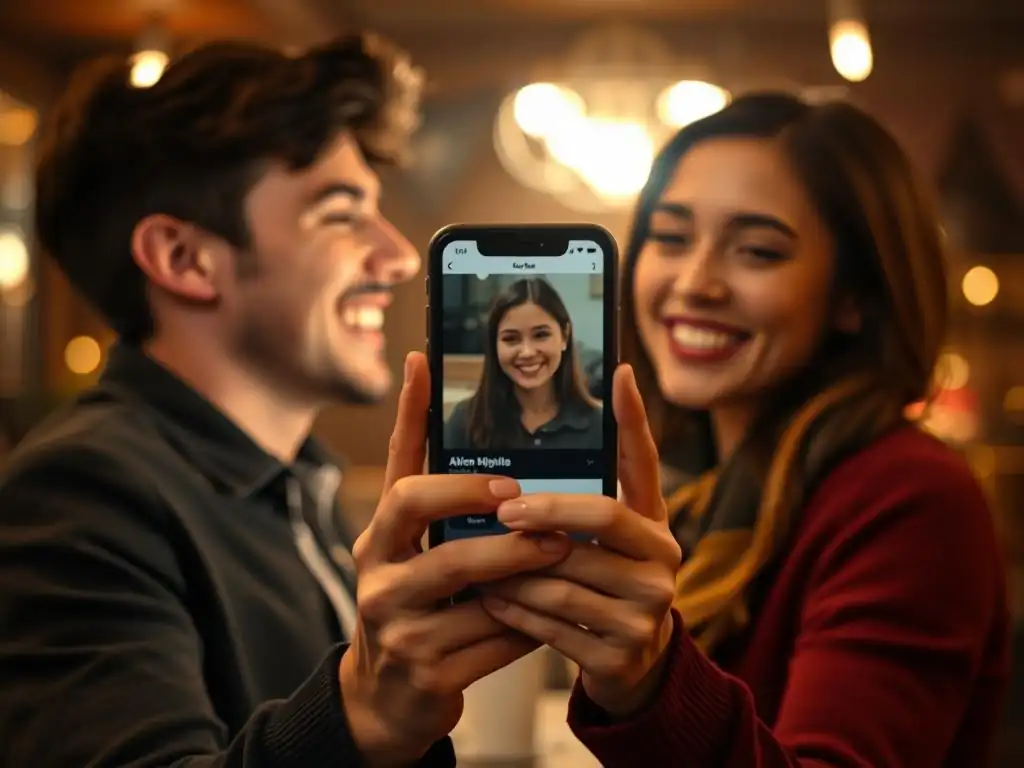
Tired of online dating disappointments? At OnlineDatingSuccess.org, we empower you to take control of your dating journey. This isn't just about finding a match; it's about building meaningful connections. Learn how to navigate the world of online dating safely and effectively, starting with our crucial guide on verifying online dating profile safety. Discover the essential steps to protect yourself and ensure you're connecting with genuine people—read on to unlock the secrets to a safer and more successful online dating experience.
- Understanding Online Dating Profile Verification: A Crucial Safety Measure
- Initial Profile Assessment: Red Flags and Warning Signs
-
Advanced Verification Techniques for Online Dating Profile Safety
- Utilizing Social Media Verification: Cross-Referencing Profiles and Information
- Reverse Phone Lookup: Confirming Phone Numbers and Potential Identity Theft
- Email Verification: Spotting Disposable Emails and Fake Addresses
- Location Verification: Comparing Profile Location with IP Address and Other Clues
- Communication Strategies to Verify a Potential Match
- Reporting Suspicious Profiles and Protecting Your Online Safety
-
Frequently Asked Questions
- How can I verify if an online dating profile is genuine?
- What are the red flags to watch out for in a dating profile?
- Is it safe to share personal information with someone I met online?
- How can I report a suspicious profile on an online dating site?
- What steps can I take to protect my safety while online dating?
- Final Reflection: Navigating the Digital Landscape of Love
- Unmask the Truth: Secure Your Online Connections
Understanding Online Dating Profile Verification: A Crucial Safety Measure
Navigating the world of online dating requires a keen awareness of potential risks. While the prospect of finding a meaningful connection is exciting, it's crucial to prioritize your safety and well-being. This article focuses on a critical aspect of online dating safety: verifying the authenticity of potential matches. We'll explore the importance of verifying online dating profiles, the potential dangers of interacting with unverified profiles, and provide practical steps to help you assess the legitimacy of a person's online presence. Successfully verifying a profile is not about being suspicious of everyone, but rather about practicing due diligence and protecting yourself from potential scams, catfishing, and other harmful interactions. This proactive approach empowers you to build trust and confidence in your online dating journey, ultimately increasing your chances of finding genuine connections while minimizing risks. Learning to verify online dating profile safety is an investment in your emotional and financial well-being.
Why Verify Online Dating Profiles? Protecting Yourself from Scammers and Catfishing
Online dating platforms, while offering incredible opportunities for connection, unfortunately also attract individuals with malicious intent. Verifying a potential match's profile is a fundamental step in protecting yourself from various threats. Scammers often create fake profiles to exploit users financially or emotionally. They may fabricate impressive backgrounds, professions, and life stories to lure victims into relationships, ultimately manipulating them into sending money, sharing personal information, or engaging in other harmful activities.
Catfishing, another significant concern, involves creating a fake online persona using stolen or fabricated images and information. Victims often invest significant time and emotion into these relationships, only to discover the devastating truth later. By implementing verification steps, you significantly reduce the likelihood of becoming a victim of these manipulative tactics. The peace of mind that comes from knowing you've taken steps to verify the identity and intentions of potential partners is invaluable.
The Dangers of Unverified Profiles: Financial Loss, Emotional Distress, and Safety Risks
The consequences of interacting with unverified online dating profiles can be severe and far-reaching. Financial loss is a common outcome of scams, ranging from minor inconveniences to significant financial devastation. Scammers often employ sophisticated tactics to gain the trust of their victims, ultimately leading to substantial financial losses. Beyond financial risks, the emotional toll of discovering a fake profile can be incredibly damaging.
The time, emotional investment, and vulnerability involved in building a relationship are all exploited by those creating fake profiles. This can lead to feelings of betrayal, disappointment, and self-doubt. Furthermore, unverified profiles can pose significant safety risks.
Meeting someone whose identity you haven't verified can put you in danger of physical harm or other forms of abuse. Therefore, thorough profile verification is not merely a precautionary measure; it's a critical step toward ensuring your safety and well-being in the online dating world. Prioritizing your safety should always be your top priority.
Initial Profile Assessment: Red Flags and Warning Signs

This section focuses on the crucial first steps in verifying a potential match's online dating profile. Remember, your safety and well-being are paramount. A thorough initial assessment can significantly reduce your risk of encountering fraudulent profiles or malicious individuals. The goal is to identify inconsistencies and red flags that might indicate a fake profile designed to deceive. Thorough verification of online dating profile safety is crucial for a positive experience.
Identifying Inconsistencies and Suspicious Information in Profiles
Inconsistencies are often the first telltale sign of a fake profile. Carefully examine the information provided, looking for discrepancies that raise concerns. For example, a profile claiming to be a successful doctor might include photos that seem inconsistent with that profession. Perhaps the background in the pictures doesn't match the claimed lifestyle, or the language used is too casual for someone of that supposed profession.
Pay close attention to the details:
- Age discrepancies: Does the stated age align with the appearance in photos? Significant inconsistencies should raise red flags.
- Location inconsistencies: Does the stated location match the profile's background details? A profile claiming to live in a specific city but having photos clearly taken elsewhere is a significant warning sign.
- Employment inconsistencies: Does the job description sound realistic and consistent with the provided details? Vague or overly grandiose claims should be treated with skepticism. Be wary of profiles that lack specific details about employment.
- Education inconsistencies: Similar to employment, vague or improbable education claims should be investigated.
- Relationship status inconsistencies: Look for conflicts between stated relationship status and other profile information.
Consider creating a checklist to systematically assess each profile against these points. Remember, the more inconsistencies you find, the higher the likelihood of a fake profile. Even seemingly small discrepancies can accumulate to paint a concerning picture. Prioritizing online dating profile safety means being vigilant about these seemingly small details.
Spotting Fake Photos: Reverse Image Search Techniques and Common Indicators
Fake photos are a common problem in online dating. Fortunately, several techniques can help you detect them. The most effective method is performing a reverse image search. This involves uploading the profile picture to a search engine (like Google Images or TinEye) and seeing where else that image appears online. If the image shows up on multiple dating sites or stock photo websites, it's highly likely that the picture is being used fraudulently.
Beyond reverse image searches, consider these common indicators of fake photos:
- Photos that are too perfect: Unnaturally flawless photos with professional lighting and posing can be a red flag.
- Lack of variety in photos: Profiles with only one or two photos, or photos that all look very similar, are suspicious. Genuine profiles usually have a variety of photos showing the person in different settings and activities.
- Photos with unusual backgrounds: Backgrounds that look unrealistic or overly staged can be a sign of a fake profile.
- Photos with inconsistent lighting or editing: Noticeable inconsistencies in lighting or excessive photo editing can indicate that the photos are not genuine.
By combining reverse image searches with careful observation of the photos themselves, you can significantly improve your ability to identify fake profiles and enhance your online dating profile safety. Remember, your intuition is also a powerful tool. If something feels off about the photos, it's worth investigating further.
Evaluating Profile Text: Inconsistencies, Grammatical Errors, and Generic Descriptions
The text in a dating profile can reveal a lot about its authenticity. Pay close attention to the writing style, looking for inconsistencies, grammatical errors, and generic descriptions. A profile filled with clichés and lacking specific details is a warning sign. A genuine profile will usually have a unique voice and personality.
Here's what to look for:
- Grammatical errors and poor spelling: Frequent grammatical errors and spelling mistakes can indicate a lack of effort or a profile created quickly and carelessly.
- Generic descriptions: Avoid profiles that use overly generic phrases and lack specific details about hobbies, interests, or personality.
- Inconsistencies in writing style: A sudden change in writing style or tone within the profile can suggest multiple authors or a lack of authenticity.
- Excessive use of superlatives: Profiles that overuse superlatives ("amazing," "best," "perfect") often lack substance.
- Lack of personal details: Profiles that avoid sharing personal information or providing specific details about their life should raise concerns.
Always remember that a well-crafted profile is a crucial part of online dating profile safety. By carefully evaluating the written content, you can significantly reduce your risk of encountering fraudulent profiles. Be wary of profiles that seem too good to be true – often, they are.
Advanced Verification Techniques for Online Dating Profile Safety
This section delves into more advanced methods to verify the authenticity of online dating profiles, bolstering your online dating safety and helping you avoid potential scams. While basic checks are crucial, these techniques offer a deeper level of scrutiny to ensure you're interacting with genuine individuals. Remember, your safety is paramount, and thorough verification is a vital step in building trust and avoiding heartache. The goal is to verify online dating profile safety through a multi-layered approach.
Social media platforms offer a wealth of information that can be used to corroborate details provided in a dating profile. However, proceed cautiously; not all information online is accurate. The key is cross-referencing. If your potential match provides a name, try searching for that name across various platforms like Facebook, Instagram, LinkedIn, and even Twitter. Look for consistency. Do the profile pictures match? Does their stated profession align with their LinkedIn profile (if they have one)? Do their interests and posts reflect what they've shared with you?
Discrepancies should raise a red flag. For example, a profile claiming a love of hiking and the outdoors might be suspicious if their social media shows them exclusively in nightclubs. Similarly, a significant age difference between the dating profile and their social media profiles is a major warning sign.
Remember to prioritize your privacy; avoid sharing your personal information during this verification process. Always search publicly available information – do not friend request or engage directly until you have established a reasonable level of trust. This approach to verify online dating profile safety is about gathering evidence, not initiating contact.
Furthermore, pay attention to the age and activity level of their social media accounts. A newly created account with limited engagement could indicate a fake profile created for malicious purposes. A robust, well-established profile with consistent activity across several platforms lends more credibility, although it's not a foolproof guarantee.
Reverse Phone Lookup: Confirming Phone Numbers and Potential Identity Theft
Sharing phone numbers early in online dating can feel risky, but sometimes it's unavoidable. A reverse phone lookup service allows you to enter a phone number and receive information associated with that number, including the name and location associated with it. This can help you verify if the person's provided information is accurate and consistent.
This method is particularly useful in identifying potential identity theft. If the name associated with the phone number doesn't match the name on the dating profile, or the location is significantly different from what they've stated, it's a strong indicator of potential deception. Remember that reverse phone lookup services vary in accuracy and comprehensiveness; some are free, while others offer more detailed information for a fee.
Always use reputable services and be aware of privacy implications before using such tools to verify online dating profile safety. Consider the potential for inaccurate information as well; discrepancies may not always indicate malicious intent.
This step, combined with other verification methods, significantly enhances your ability to assess the authenticity of your potential match. Always prioritize your safety and trust your instincts; if something feels off, it's better to err on the side of caution.
Email Verification: Spotting Disposable Emails and Fake Addresses
Email addresses can be easily created and discarded, making them a less reliable verification method than other options. However, you can still glean valuable information by examining the email address itself. Disposable email addresses, often characterized by unusual characters or domains (e.g., throwawaymail.com), are a significant red flag. These addresses are commonly used by scammers to avoid detection and maintain anonymity.
Additionally, look for inconsistencies. Does the email address match the name on the dating profile? A mismatch warrants further investigation. Avoid engaging with anyone using a vague or unprofessional email address.
A professional-looking email address associated with a reputable company (if their profile claims employment there) can add a layer of verification. However, remember that even professional-looking emails can be faked, so this shouldn't be the sole basis of your verification process to ensure online dating profile safety. Always combine email verification with other methods for a comprehensive approach. Furthermore, be cautious of emails that contain grammatical errors or use overly formal or informal language—these are often telltale signs of a fraudulent profile.
Location Verification: Comparing Profile Location with IP Address and Other Clues
Verifying a potential match's location is a crucial step in ensuring online dating profile safety. While a profile might claim a specific city or state, discrepancies can signal a potential scammer. Advanced techniques go beyond simply checking the stated location; they involve cross-referencing this information with other available data points.
One powerful method is comparing the profile's stated location with the IP address associated with the user's online activity. This isn't foolproof, as IP addresses can be masked through VPNs or proxies. However, a significant mismatch—for example, a profile claiming residence in New York City but having an IP address consistently tracing back to a different continent—raises a significant red flag. It's important to remember that IP address verification requires specialized tools and knowledge, and should not be attempted without understanding the legal and ethical implications. Misuse of such information is illegal.
Beyond IP addresses, consider other location-based clues. Does the profile picture show landmarks or scenery easily identifiable through reverse image search? Do their posts mention local events or businesses? Cross-reference these details with the stated location. Inconsistencies here might indicate a fabricated profile. For instance, a profile claiming to live in a rural area in Montana but showing images of iconic landmarks in Paris should immediately raise suspicion.
Furthermore, be wary of overly generic location descriptions. A profile stating simply "USA" or "Europe" offers little verifiable information. More specific details like neighborhood names or local points of interest are more reliable indicators of authenticity. A scammer may prefer vague locations to avoid scrutiny and to make it harder to pinpoint their true identity.
Remember, location verification is one piece of a larger puzzle. Don't rely solely on this method for determining profile authenticity. Combine it with other verification techniques discussed in this article for a more holistic assessment of your potential match's trustworthiness. Always prioritize your safety and exercise caution when interacting with individuals online.
Communication Strategies to Verify a Potential Match

This section focuses on practical communication techniques to assess the authenticity of a potential match's online dating profile. Remember, verifying a profile is crucial for your safety and well-being. While a perfect system doesn't exist, employing these strategies significantly reduces your risk. The goal isn't to be suspicious, but rather to be discerning and proactive in protecting yourself.
Initiating Safe and Cautious Conversations: Avoiding Personal Information Disclosure
The initial conversations are key. Avoid revealing sensitive personal information like your full address, workplace, or exact location too early. Start with general, lighthearted topics to gauge their responsiveness and communication style. Look for inconsistencies or evasiveness. For example, if their profile mentions a love of hiking, you could initiate a conversation about a recent hike without disclosing the precise location. This allows you to assess their engagement without putting yourself at risk.
Remember, a genuine person will be understanding of your cautious approach. They will value your safety concerns and will be willing to engage in a gradual information exchange. Conversely, individuals with malicious intent might pressure you to share personal details prematurely or become frustrated by your cautious communication. This is a strong red flag.
Think of it like this: you're building trust slowly, brick by brick. Don't rush the process, and don't let anyone pressure you to do so. Your safety is paramount. Use emojis sparingly at this stage – a simple 😊 is fine, but avoid overly enthusiastic or suggestive ones. This helps to maintain a professional and cautious tone.
Asking the Right Questions to Verify Information and Identify Inconsistencies
Once you've established a comfortable level of initial communication, it's time to move to more probing questions. Don't interrogate, but subtly verify details from their profile. For example:
- If their profile mentions a specific hobby, ask detailed questions about it. Inconsistencies in their answers might indicate fabricated information.
- Ask open-ended questions that require more than a "yes" or "no" response. This encourages more detailed and revealing answers. For example, instead of asking "Do you like dogs? ", ask "What's your experience with pets?"
- Pay attention to their responses. Do they provide concrete examples or vague generalizations? Do their answers align with the information in their profile? Discrepancies are significant red flags.
Remember to approach this with empathy. Present your questions casually, weaving them into the natural flow of conversation. For instance, if their profile states they're a software engineer, you might ask about a recent project or challenge they faced at work. This allows you to gauge their knowledge and expertise without being overly intrusive.
Recognizing Evasive Answers and Manipulative Tactics
Evasive answers and manipulative tactics are common among scammers. Be aware of these red flags:
| Red Flag | Example |
|---|---|
| Vague answers | "I do a lot of things," instead of specific details about their hobbies. |
| Changing the subject | Quickly shifting the conversation away from probing questions. |
| Pressure to meet quickly | Urging you to meet in person before you've had sufficient online interaction. |
| Overly enthusiastic compliments | Excessive flattery or promises without any genuine interaction. |
| Lack of personal details | Their profile is sparse, with limited information about their life. |
| Inconsistent information | Information shared contradicts what's on their profile or previous statements. |
If you encounter these behaviors, exercise caution. Trust your instincts. If something feels off, it likely is. Prioritize your safety and well-being above all else. Remember, a genuine connection will develop gradually, with open and honest communication. Don't rush the process, and don't be afraid to end communication if you feel uncomfortable or unsafe. Your safety in online dating is paramount, and these strategies are designed to help you build a safer and more fulfilling online dating experience.
Reporting Suspicious Profiles and Protecting Your Online Safety
This section focuses on proactive measures you can take to protect yourself and contribute to a safer online dating environment. Remember, your safety is paramount. Taking these steps can significantly reduce your risk of encountering fraudulent profiles and protect your personal information. Effective verification of online dating profiles is a key element in ensuring your safety.
Reporting Mechanisms on Online Dating Platforms: Utilizing Built-in Tools
Most reputable online dating platforms provide built-in mechanisms for reporting suspicious profiles. These tools are crucial for flagging potential scammers and helping the platform maintain a safer community. Familiarize yourself with the reporting process on your chosen platform. Typically, this involves locating a "report" or "flag" button associated with the user's profile. Reports often require you to select a reason for reporting, such as:
- Suspicious Photos: Inconsistencies or obviously fake images.
- Suspicious Bio: Grammar errors, inconsistencies, overly generic statements, or requests for money.
- Inappropriate Behavior: Harassment, aggressive messaging, or requests for personal information too early in communication.
- Catfishing Suspicions: Evidence suggesting the profile is not genuine.
After submitting a report, many platforms will review the profile and take appropriate action, which may include suspending or banning the user. Remember to provide as much detail as possible in your report to aid the platform's investigation. Including screenshots of suspicious messages or images can be particularly helpful. Documenting your interactions can also be beneficial should you need to escalate the issue later. The more information you provide, the better equipped the platform is to address the problem and prevent others from falling victim.
Contacting Law Enforcement: When to Seek External Assistance
While reporting suspicious profiles to the dating platform is a vital first step, you should also know when to involve law enforcement. If you believe you've been a victim of a scam involving financial loss, identity theft, or threats, contacting your local police department is crucial. They can investigate the situation, potentially trace the perpetrator, and offer support and guidance. Keep detailed records of all communications, including dates, times, and screenshots of messages and financial transactions.
This documentation will be invaluable to law enforcement in their investigation. Remember to retain evidence of any financial transactions, including payment confirmations or bank statements. Reporting to law enforcement isn't just about recovering losses; it's about preventing future crimes and ensuring the safety of other online daters. Don't hesitate to reach out for help if you're feeling unsafe or have experienced any form of criminal activity.
Protecting Your Personal Information: Best Practices for Online Dating Safety
Protecting your personal information is paramount when using online dating platforms. Avoid sharing sensitive details, such as your full address, place of work, social security number, or financial information, until you've met someone in person and built a level of trust. Even then, proceed with caution. Consider using a separate email address specifically for online dating to maintain privacy and avoid unwanted spam.
Be wary of individuals who pressure you to share personal details too early in the communication process. This is a major red flag. Regularly review your privacy settings on the dating platform and ensure you're comfortable with the information you're sharing publicly. Remember, verifying online dating profile safety starts with protecting yourself.
A cautious approach and awareness of potential risks can significantly improve your online dating experience and keep you safe. Use strong passwords and enable two-factor authentication where available to further enhance your security. Staying vigilant and informed is crucial in navigating the online dating world safely.
Frequently Asked Questions
How can I verify if an online dating profile is genuine?
There's no foolproof method, but you can reverse image search their photos to check for inconsistencies and cross-reference information they provide with their social media profiles (if available). Always be cautious and trust your instincts.
What are the red flags to watch out for in a dating profile?
Be wary of profiles with limited information, poor-quality photos, or excessive flattery. Also be cautious of profiles that seem too good to be true and those that avoid video calls.
No, never share sensitive information like your full address, financial details, or place of work early in the online dating process. Verify their identity through multiple channels before sharing anything sensitive.
How can I report a suspicious profile on an online dating site?
Most dating sites have a reporting mechanism usually found within the profile or messaging section. Utilize this feature to report any suspicious activity or profiles that violate the site's terms of service. This helps keep the platform safer for everyone.
What steps can I take to protect my safety while online dating?
Always meet in a public place for your first date, and let a friend or family member know where you're going and who you're meeting. Trust your gut – if something feels off, it probably is.
The ease of connection in the digital age has undeniably revolutionized dating, but it has also introduced a complex layer of risk. The potential for deception online is a stark reality, demanding vigilance and a proactive approach to online safety. This isn't just about avoiding heartbreak; it's about protecting your personal well-being and security.
The pervasive nature of online dating means that the need to verify profiles and protect oneself remains a constant and evolving challenge. The lines between genuine connection and calculated manipulation are often blurred, making critical evaluation essential. Trust, but verify,
a phrase often attributed to Ronald Reagan, holds particular weight in the context of online interactions. This principle transcends the realm of international relations; it's a crucial safeguard in the world of online dating, where appearances can be deceiving. The impact of this issue extends far beyond individual experiences, shaping our collective understanding of online interactions and influencing the development of safer online platforms.
You now possess the tools to navigate the digital dating world with greater awareness and confidence. Take the time to thoroughly vet potential matches, utilizing the strategies outlined in this article. Remember, your safety and well-being are paramount. Don't rush into interactions; prioritize verification and build trust gradually. By embracing a cautious yet open approach, you can unlock the genuine connections the digital age offers while mitigating the inherent risks. Your journey to finding authentic connections starts with you.
Unmask the Truth: Secure Your Online Connections
Protecting yourself while dating online requires vigilance. You've already learned valuable techniques to verify online profiles; let's put that knowledge into practice.
- Reverse image search profile pictures. This is crucial for identifying inconsistencies and potential deception. Never skip this step!
- Share this advice with friends and family who are also navigating the online dating world. Safety in numbers is key.
- Consider joining a reputable online community dedicated to online dating safety to share experiences and learn from others. What challenges have you encountered when verifying profiles?
Have you discovered anything surprising while verifying online profiles? Share your experiences in the comments!