
Avoid Catfishing: Spot the Signs and Stay Safe


Ready to ditch the dating app disappointments and find genuine connection? At OnlineDatingSuccess.org, we empower you to navigate the world of online dating with confidence. This isn't just about swiping right; it's about building meaningful relationships. Learn to identify online dating safety red flags before they derail your search for love. Discover how to spot potential scams and protect yourself – your journey to a fulfilling relationship starts here. Let's dive in!
- Understanding Online Dating Safety Red Flags: Initial Encounters
- Advanced Online Dating Safety Red Flags: Deeper Investigation
- Protecting Yourself: Strategies for Online Dating Safety
- Moving Forward: Building Healthy Online Relationships
- Online Dating Safety Red Flags: Long-Term Relationships
- Frequently Asked Questions
- Final Reflection: Navigating the Digital Seas of Love Safely
- Unmask the Truth: Take Control of Your Online Dating Safety
Understanding Online Dating Safety Red Flags: Initial Encounters
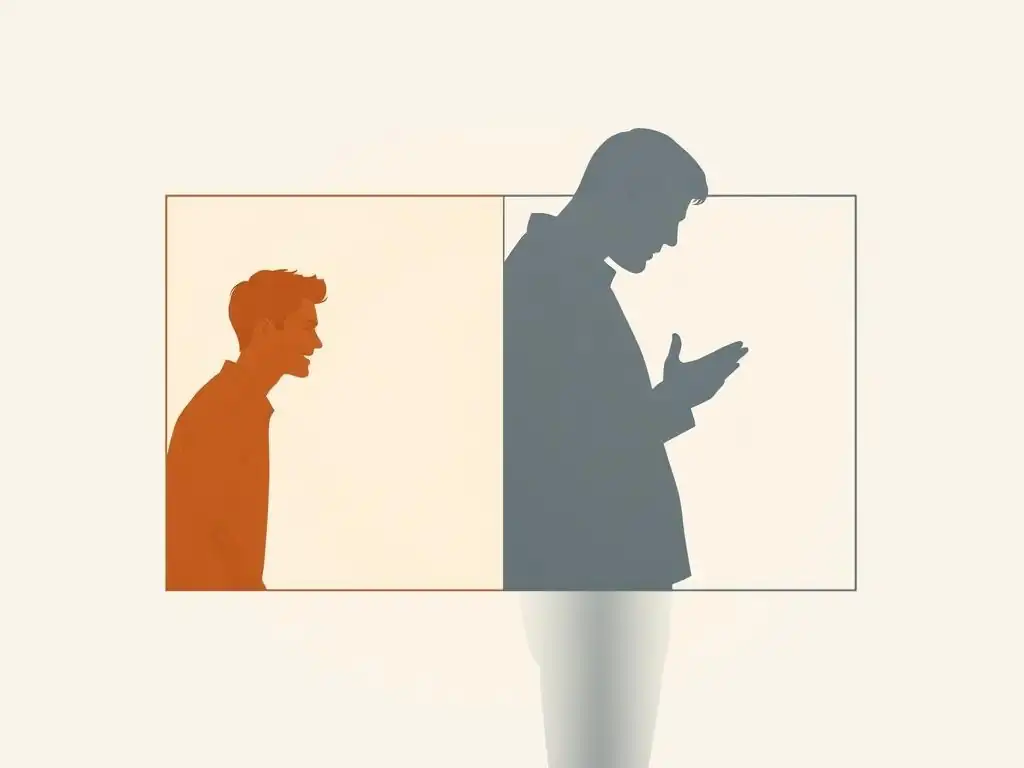
Navigating the world of online dating can be exciting, but it's crucial to prioritize your safety and well-being. This article focuses on identifying early warning signs – those "online dating safety red flags" – that can help you avoid potentially harmful situations and protect yourself from scams and emotional distress. We'll explore how to spot inconsistencies in profiles, recognize vague or missing information, and identify suspicious communication patterns.
Understanding these red flags is the first step towards building healthy and safe connections in the online dating realm. Remember, prioritizing your safety shouldn't diminish the joy of finding meaningful connections; rather, it enhances it by creating a space where genuine relationships can flourish. Let's delve into the specifics of recognizing potential dangers.
Recognizing Inconsistencies in Profiles and Pictures
One of the most common online dating safety red flags is a discrepancy between the information presented in a profile and the accompanying pictures, or a lack of pictures altogether. Pay close attention to details. Does the profile picture seem professionally taken, while other pictures appear casual and of lower quality? This could indicate the use of stock photos or images stolen from elsewhere.
Similarly, be wary of profiles with limited or blurry photos, especially if the individual claims to be active and social. Inconsistencies in age, profession, or location mentioned in the profile compared to what's implied in the pictures also raise concerns. For example, a profile claiming to be a successful entrepreneur might feature images only in casual settings, lacking any indication of a professional life.
Always cross-reference the information provided with other details, and don't hesitate to conduct a reverse image search on profile pictures using tools available online to verify their authenticity. Remember, a genuine profile will usually feature a variety of pictures showcasing different aspects of the individual's life, demonstrating consistency and transparency. 🚩 A lack of consistency is a significant online dating safety red flag.
Beware of Vague or Missing Personal Information
A profile lacking crucial details or filled with vague statements should be treated with caution. A profile that avoids specifics about their life, work, hobbies, or interests is a major red flag. Be suspicious of profiles that use generic phrases and avoid providing concrete details.
For example, someone stating they are "into a lot of things" without specifying any particular interest is far less trustworthy than someone who actively lists their passions. Also, look out for profiles that lack details about their location, profession, or education. This vagueness makes it difficult to verify their identity and increases the risk of encountering fraudulent profiles or individuals with malicious intent.
A genuine profile usually provides enough information to enable you to verify their identity through various means. Think about it: Would you want to connect with someone who provides so little information about themselves? The lack of detail itself can be a strong online dating safety red flag.
Suspicious Communication Patterns: Early Red Flags
Beyond profile inconsistencies, pay close attention to communication styles. Early red flags often emerge in the messaging phase. Be wary of individuals who immediately express strong feelings, make grand promises, or pressure you for personal information very quickly. This is particularly true if you've only interacted online for a short period.
Also, be cautious of individuals who are overly secretive or avoid video calls, despite expressing a strong interest in getting to know you. A persistent unwillingness to engage in video chats or share more detailed information about their lives could indicate that they are hiding something. Another significant red flag is if the conversation quickly shifts to requests for money or financial assistance. Remember, genuine connections develop gradually, and healthy communication involves mutual transparency and respect.
Pay attention to your gut feeling; if something seems "off," it probably is. Trust your intuition—it's one of your best online dating safety tools. 🚨 Suspicious communication patterns are a clear indicator of potential danger.
Advanced Online Dating Safety Red Flags: Deeper Investigation
This section delves into more subtle yet critical red flags often overlooked in online dating, helping you refine your safety protocols and identify potentially harmful situations. Understanding these advanced indicators can significantly reduce your risk and improve your online dating experience. Recognizing these "online dating safety red flags" is crucial for building healthy relationships.
The "Too Good to Be True" Syndrome: Analyzing Promises
The adage "if it sounds too good to be true, it probably is" holds particularly true in online dating. Be wary of profiles boasting unrealistic perfection or showering you with excessive compliments and promises early on. Genuine connections develop organically; they don't arrive fully formed with extravagant declarations of love after a few messages.
Consider these examples: Someone claiming to be a successful entrepreneur with a lavish lifestyle yet struggles to provide basic details about their work or daily life. Or, someone professing undying love after only a week of communication. These are often indicators of a fabricated persona or manipulative intentions. Analyze the language used; are promises vague and overly romantic, lacking concrete details? A lack of specificity in their descriptions should raise a significant red flag. Always cross-reference information provided with readily available public data where possible. Remember, consistency and transparency are key to building trust.
Financial Requests and Pressures: A Major Red Flag
Financial requests or subtle pressures for money, gifts, or financial assistance should be treated as an immediate and serious red flag. Legitimate relationships do not involve financial transactions, especially in the early stages. Scammers frequently use elaborate stories of hardship or emergencies to manipulate their victims into sending money. These requests often escalate in frequency and intensity.
Here's a breakdown of common scenarios: Requests for small amounts of money which quickly escalate, requests disguised as "loans" or "investments" with promises of high returns, requests for gift cards or cryptocurrency, and pressure to share your financial details under the guise of "building a future together." Never send money to someone you've only met online, regardless of their story or how convincing it may seem. Report any suspicious activity to the dating platform immediately and block the user. Protecting your finances is paramount to your online safety.
Avoidance of Video Calls and In-Person Meetings: A Key Indicator
A consistent refusal to engage in video calls or in-person meetings is a major red flag. While some initial hesitation is understandable, persistent avoidance often suggests the profile is fake, the person is concealing their true identity, or they have malicious intentions. Legitimate individuals are generally happy to connect visually and eventually meet in person.
Consider this: They consistently offer excuses for why they can't video call (poor internet connection, camera malfunction, etc. ), they deflect suggestions for an in-person meeting with vague excuses, they only communicate through text-based platforms, and they display an unusual aversion to revealing their physical appearance. These behaviors warrant further investigation. If someone is unwilling to video call or meet in person, it's best to err on the side of caution and end communication. Remember, your safety is the priority. Prioritize your well-being and trust your instincts. If something feels off, it likely is.
Unrealistic Expectations and Promises of Love Bombing
Love bombing, a manipulative tactic often employed by catfishers, involves showering you with excessive affection, compliments, and promises early in the "relationship." This intense display of affection is designed to overwhelm you and create a strong emotional bond quickly. Be wary of anyone who professes undying love or makes grand promises within a short period, especially before meeting in person. Genuine connections develop organically, not through a whirlwind of unrealistic declarations. Catfishers use this tactic to accelerate the relationship and prevent you from thoroughly investigating their profile and background.
They'll often express a desire to meet in person, but then invent reasons why this isn't possible yet, further delaying any chance to verify their identity. Remember, healthy relationships build gradually, based on trust and mutual respect, not on intense, unrealistic promises and displays of overwhelming affection. These early stages should be characterized by getting to know someone at a steady pace, not by being swept off your feet by an unrealistic portrayal of love. If something feels too good to be true, it probably is. Pay attention to this red flag and proceed with extreme caution.
Consider the speed at which the relationship is progressing; if it feels forced or unnatural, that's a significant online dating safety red flag. Take your time to get to know someone; rushing into things can lead to heartbreak and potentially dangerous situations. The intensity of love bombing is designed to blind you to potential inconsistencies and warning signs in their profile or behavior. Don't fall victim to this manipulation.
Protecting Yourself: Strategies for Online Dating Safety
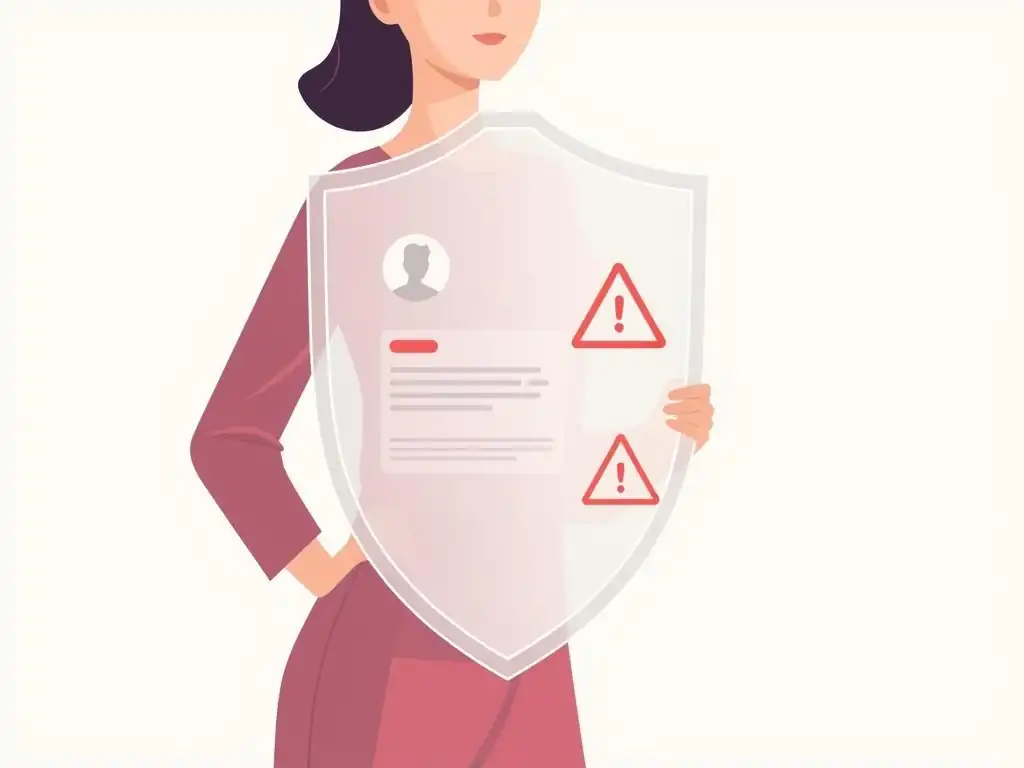
This section focuses on proactive measures you can take to significantly reduce your risk while navigating the world of online dating. Remember, your safety and well-being are paramount. Understanding and implementing these strategies is crucial for a positive and secure online dating experience. We'll explore practical steps to verify profiles, communicate safely, and prioritize safety during initial meetings. These actions contribute directly to minimizing your exposure to potential dangers and maximizing your chances of forming genuine connections. Let's delve into the specifics.
One of the most effective ways to avoid falling victim to catfishing or other online deception is thorough profile verification. Don't rely solely on the information presented on the dating platform. Take the initiative to independently verify the authenticity of the profile. Here's how:
- Reverse Image Search: This is a powerful tool. Use a search engine's reverse image search function (most major search engines offer this). Upload the profile picture to see where else it appears online. If the image shows up on multiple unrelated websites or social media profiles, it could be a red flag, suggesting the photo may be stolen. Inconsistencies between the image and the profile information should also raise concerns.
- Social Media Checks: If the profile provides links to social media accounts (Facebook, Instagram, etc. ), carefully review those accounts. Look for inconsistencies between the online dating profile and their social media presence. Do the photos match? Does their stated occupation align with their social media activity? A lack of a consistent online presence, or a presence that seems suspiciously manufactured, could indicate a problem.
- Beware of Stock Photos: Be aware that some individuals use stock photos or photos of models. If the profile picture looks too perfect or unrealistic, it's worth investigating further. A reverse image search will quickly reveal if the image is widely available online.
- Cross-referencing Information: Always cross-reference the information provided on the dating profile with information found on their social media accounts or other online sources. Discrepancies are major online dating safety red flags. Don't hesitate to ask clarifying questions if something doesn't seem quite right. A genuine person will usually be happy to provide additional information to verify their identity.
Slow and Steady Communication: Build Trust Gradually
Rushing into a relationship online is a recipe for disaster. Building trust takes time, and online dating is no exception. Avoid sharing overly personal information too early in the process. This includes your full name, address, workplace, financial details, and other sensitive information.
- Start with General Conversations: Begin by engaging in light, general conversations to gauge their personality and interests. Observe their communication style and look for any inconsistencies or red flags. Are they evasive when you ask simple questions? Do they seem overly eager to move the relationship forward quickly?
- Avoid Over-Sharing: It's natural to want to share personal details with someone you're connecting with, but remember to be cautious. Gradually reveal information as you build trust. Sharing too much too soon can make you vulnerable.
- Verify Information Independently: If they claim to have certain achievements or experiences, try to verify them through independent sources. Don't rely solely on their word.
- Be Wary of Excessive Compliments: While it's nice to receive compliments, be wary of overly flattering or excessive praise, especially early in the communication process. This can be a tactic used to manipulate and gain your trust.
Remember, genuine connections develop organically. A slow and steady approach allows you to assess compatibility and build trust gradually, significantly minimizing risks.
Prioritize Safety in First Meetings: Public Places and Friends Aware
When you finally decide to meet someone you've connected with online, safety should be your top priority. Never meet in a secluded or private location. Always choose a well-lit, public place where other people are present.
- Public Places Only: Opt for meeting in a coffee shop, restaurant, or other public area. Avoid meeting at their home or your home for the first meeting.
- Inform Someone of Your Plans: Let a trusted friend or family member know where you're going, who you're meeting, and when you expect to be back. Share the person's profile and contact information with them.
- Meet in a Busy Area: Choose a location that's typically busy, offering a degree of natural surveillance. This will help deter any potentially harmful behavior.
- Have Your Own Transportation: Arrange your own transportation to and from the meeting. Avoid relying on your date for a ride, especially during the initial meetings. This maintains your independence and allows you to leave at any time you feel uncomfortable.
- Trust Your Instincts: If at any point you feel uneasy or uncomfortable, don't hesitate to leave. Your safety is more important than politeness. Your intuition is your best guide. Remember, a genuine person will respect your boundaries and your need to prioritize your safety.
Report Suspicious Profiles and Interactions to the Dating Platform
Most reputable online dating platforms have robust reporting mechanisms in place. These systems are designed to identify and remove fraudulent profiles and prevent harmful interactions. Don't hesitate to use them! If a profile seems fake, contains inconsistencies, or makes you uncomfortable, report it immediately.
Similarly, if you experience any harassing or abusive behavior—whether it's through messages, requests for money, or other inappropriate interactions—report the incident to the platform's support team. Providing detailed information about the suspicious activity, including screenshots if possible, will greatly assist the platform in investigating and taking appropriate action. Remember, reporting isn't just about protecting yourself; it's about contributing to a safer online dating environment for everyone. Your report could prevent others from falling victim to the same scams or harassment.
Many platforms actively monitor reported profiles and interactions, leading to quicker removal of problematic users and a decrease in the prevalence of online dating safety red flags. The more reports made, the more effective these systems become. Therefore, reporting suspicious activity is a crucial element of online dating safety and a proactive way to protect yourself and the community. Don't underestimate the power of your report; it can make a real difference.
Think of it this way: reporting is like community policing for the digital world. You are participating in the collective effort to maintain a safe and trustworthy environment. By actively reporting suspicious behavior, you are helping to make online dating safer for everyone, including yourself. This act of reporting is a vital component in mitigating the risks associated with online dating and contributes significantly to reducing the number of online dating safety red flags. So, be vigilant, be proactive, and don't hesitate to use the reporting tools available on your chosen platform.
Moving Forward: Building Healthy Online Relationships
After successfully navigating the potential pitfalls of catfishing and other online dating safety red flags, it's crucial to focus on building healthy and fulfilling relationships. This involves prioritizing genuine connections and fostering open communication. Remember, the goal is to find a compatible partner, not just a quick match. Investing time and effort in getting to know someone authentically is key to long-term success.
Building a strong foundation in any relationship, online or offline, hinges on genuine connection. Don't rush the process. Instead, prioritize meaningful interactions that allow you to discover shared interests and values. Engage in conversations that go beyond superficial pleasantries. Ask insightful questions to understand their personality, goals, and aspirations.
Look for common ground and shared passions that can foster a deeper bond. For example, instead of simply asking "What do you do? ", try "What are you passionate about in your work, or outside of it?". This shows genuine interest and encourages a more detailed and revealing response.
Remember, compatibility isn't just about physical attraction; it's about shared values and mutual respect. Avoid focusing solely on physical attributes; delve into their personality and life experiences to build a more substantial connection. The more you understand each other, the stronger your bond will become. This mindful approach significantly reduces the risk of future disappointments and fosters a healthier online dating experience.
Maintain Boundaries and Protect Your Personal Information
Even when you feel a strong connection, maintaining healthy boundaries is paramount. Online dating safety red flags aren't just about avoiding scams; they're also about protecting your personal well-being. Avoid sharing sensitive information too early in the relationship. This includes your full address, place of work, financial details, or family information.
Be cautious about sharing images that could compromise your safety or privacy. Remember, building trust takes time; don't rush into revealing intimate details before you're comfortable and confident in the other person's intentions. It's also wise to conduct video calls early in the process to verify the person's identity and ensure they are who they claim to be. This simple step can act as a significant deterrent against catfishing and other deceptive practices.
Establish clear boundaries about communication styles, frequency, and expectations. This helps manage expectations and avoids misunderstandings that can strain the relationship. Prioritize your personal safety and well-being above all else.
Trust Your Instincts: Recognize and Avoid Manipulative Behavior
One of the most significant online dating safety red flags is ignoring your gut feeling. If something feels off, it likely is. Trust your instincts. Manipulative behaviors often manifest subtly at first, gradually escalating over time.
These can include pressure to move the relationship quickly, controlling behavior, excessive flattery, or a reluctance to meet in person. Pay attention to inconsistencies in their stories or profile information. If you notice red flags, don't hesitate to end the communication. Your safety and emotional well-being are more important than pursuing a potentially harmful relationship.
Remember, healthy relationships are built on mutual respect, trust, and open communication. If you encounter any behavior that violates these principles, it's a clear indication that you should proceed with caution or disengage entirely. Prioritizing your safety and well-being is crucial for navigating the complexities of online dating and building healthy, fulfilling relationships. Learning to recognize manipulative behavior is a vital skill in ensuring your online dating safety.
Online Dating Safety Red Flags: Long-Term Relationships
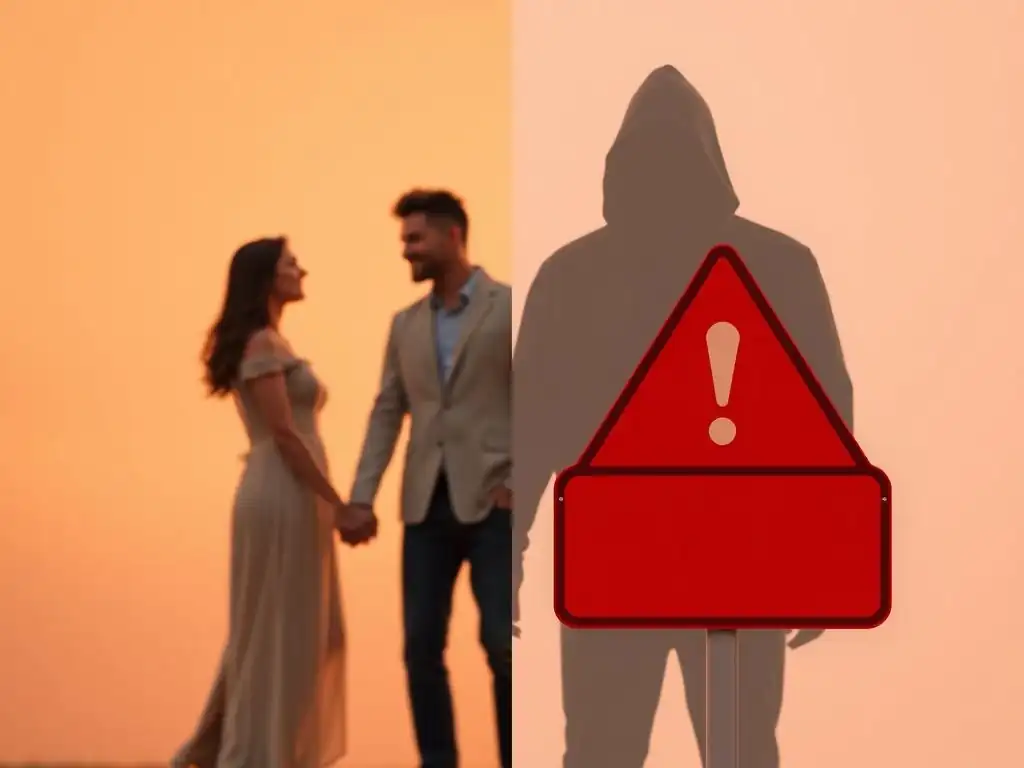
This section focuses on identifying red flags in online dating that might indicate potential issues in long-term relationships, even if they don't immediately scream "scam." Understanding these subtle signs can significantly improve your online dating safety and help you avoid potentially harmful relationships. Remember, your safety and well-being are paramount.
Controlling Behavior and Isolation Tactics
One of the most insidious online dating safety red flags is the gradual imposition of controlling behavior. This rarely starts with overt demands; instead, it often manifests as subtle suggestions that slowly chip away at your independence. Pay close attention to these patterns:
- Excessive texting and calls: While initial enthusiasm is normal, constant communication demands, especially early in the relationship, can be a warning sign. This behavior aims to monopolize your time and attention, limiting your interactions with friends and family. Think about it – are you finding less time for your own interests and social life?
- Criticism of your friends and family: A partner who consistently belittles or criticizes your loved ones is attempting to isolate you. This tactic weakens your support system and makes you more dependent on them. Do they subtly undermine your relationships with others?
- Monitoring your online activity: Unexpectedly checking your phone, social media accounts, or email without your permission is a major breach of trust and a clear online dating safety red flag. This behavior suggests a lack of respect for your privacy and a desire for control. Have you noticed unexplained activity on your accounts or unusual levels of scrutiny?
- Restricting your activities: Are you finding yourself increasingly limited in what you can do, where you can go, or who you can see? This could range from subtle suggestions to outright prohibitions, all designed to restrict your autonomy. This is a serious online dating safety concern.
Remember, healthy relationships are built on mutual respect and trust, not control. Any attempt to isolate you or limit your independence should be seen as a significant red flag.
Financial Dependence and Manipulation
Financial manipulation is a serious online dating safety concern that can have devastating consequences. While not always immediately apparent, certain behaviors can signal potential problems:
- Sudden requests for money: Be wary of any requests for financial assistance, especially early in the relationship. Legitimate partners will not pressure you for money. Always decline such requests. This is a classic online dating safety red flag.
- Pressure to make joint financial decisions: While sharing finances is common in committed relationships, undue pressure to merge accounts or make significant financial decisions before establishing trust is a major red flag. Always maintain your financial independence.
- Controlling access to your finances: A partner who attempts to control your spending habits, access your bank accounts, or manage your finances without your consent is exhibiting controlling and potentially abusive behavior. This is a serious online dating safety breach.
- Promises of future financial support: Be wary of promises of lavish gifts or future financial security. These promises are often used to manipulate and control individuals. Focus on building a genuine connection, not a financially motivated one.
Protecting your financial well-being is crucial for your online dating safety. Never rush into joint financial arrangements and be wary of anyone who pressures you for money or financial information.
Gaslighting and Emotional Abuse: Recognizing the Signs
Gaslighting is a form of emotional abuse where your perception of reality is manipulated. It can be subtle and insidious, making it difficult to recognize, yet it's a critical online dating safety issue. Here are some key signs:
- Denying events that occurred: Has your partner denied things you both know happened? This is a classic gaslighting tactic designed to make you question your own memory and sanity.
- Twisting your words or actions: Do they consistently misinterpret your words or actions, making you feel guilty or confused? This is a deliberate attempt to undermine your self-confidence.
- Making you feel crazy or irrational: Are you constantly being told you're overreacting, overly sensitive, or imagining things? This is designed to erode your sense of self and make you doubt your own perceptions.
- Shifting blame onto you: Do they consistently blame you for their problems or mistakes, even when you're not at fault? This is a way of avoiding accountability and manipulating your emotions.
Gaslighting can be incredibly damaging to your mental health. Trust your instincts and seek support if you suspect you're being gaslighted. Recognizing these online dating safety red flags is crucial for protecting your emotional well-being. Remember, a healthy relationship should never leave you feeling confused, manipulated, or constantly questioning yourself.
Frequently Asked Questions
What are some red flags to watch out for when online dating?
Answers may include inconsistencies in their profile, pressure to move quickly offline, avoiding video calls, or requests for financial assistance. Be wary of anyone who seems too good to be true.
How can I verify someone's profile on a dating site?
Try reverse image searching their photos, checking their social media presence (if provided), and being cautious of profiles with minimal information or blurry/stock photos. Cross-referencing information is key.
What should I do if I suspect I'm being catfished?
Immediately cease all communication. Report the profile to the dating site and consider blocking the user. Do not send money or personal information.
How can I stay safe during in-person meetings after connecting online?
Always meet in a public place for your first date. Let a friend or family member know where you're going, who you're meeting, and when you expect to be back. Trust your instincts.
What are some signs of a potentially abusive online dater?
Controlling behavior, excessive jealousy, attempts to isolate you from friends and family, and threats or intimidation are all serious red flags. Prioritize your safety and well-being.
The rise of online dating has revolutionized romance, but it's also created fertile ground for deception. Catfishing, the act of creating a false online persona to lure someone into a relationship, remains a pervasive threat, impacting countless individuals and highlighting the urgent need for digital vigilance. This isn't just about avoiding heartbreak; it's about protecting your emotional well-being and personal safety.
The insidious nature of catfishing lies in its ability to exploit our inherent desire for connection and belonging. It preys on our vulnerabilities, leaving victims feeling betrayed, confused, and emotionally damaged. The impact extends beyond the individual, influencing how we approach online interactions and fostering a climate of caution and skepticism. The internet is a powerful tool, but it's also a double-edged sword. We must learn to wield it wisely and protect ourselves from its potential harms.
This quote underscores the importance of critical thinking and proactive safety measures in the digital age.
You, the reader, now hold the knowledge to navigate the complexities of online dating with greater awareness. Take the time to reflect on the red flags discussed, and actively apply them to your own online interactions. Don't let fear paralyze you, but let vigilance empower you. Embrace the potential for genuine connection, but always prioritize your safety and well-being. The journey to finding love should be one of empowerment, not apprehension. Be discerning, be cautious, and be safe.
Unmask the Truth: Take Control of Your Online Dating Safety
Thank you for learning about how to avoid catfishing! You've gained valuable knowledge to navigate the online dating world with more confidence. Let's put that knowledge into action:
- Review your online dating profiles: Ensure your photos are current and accurately represent you. Avoid sharing excessive personal information. Make any necessary adjustments to your profiles.
- Share this article: Help others stay safe by spreading awareness of catfishing dangers. Open discussions can significantly raise awareness of this issue.
- Join our online community: Connect with other members to share experiences and advice on avoiding online dating scams. Let's work together to create a safer online dating environment.
Ready to build authentic online connections? What's one small step you'll take today to improve your online dating safety?