
Decoding Dating Profiles: How to Tell a Real Person From a Fake

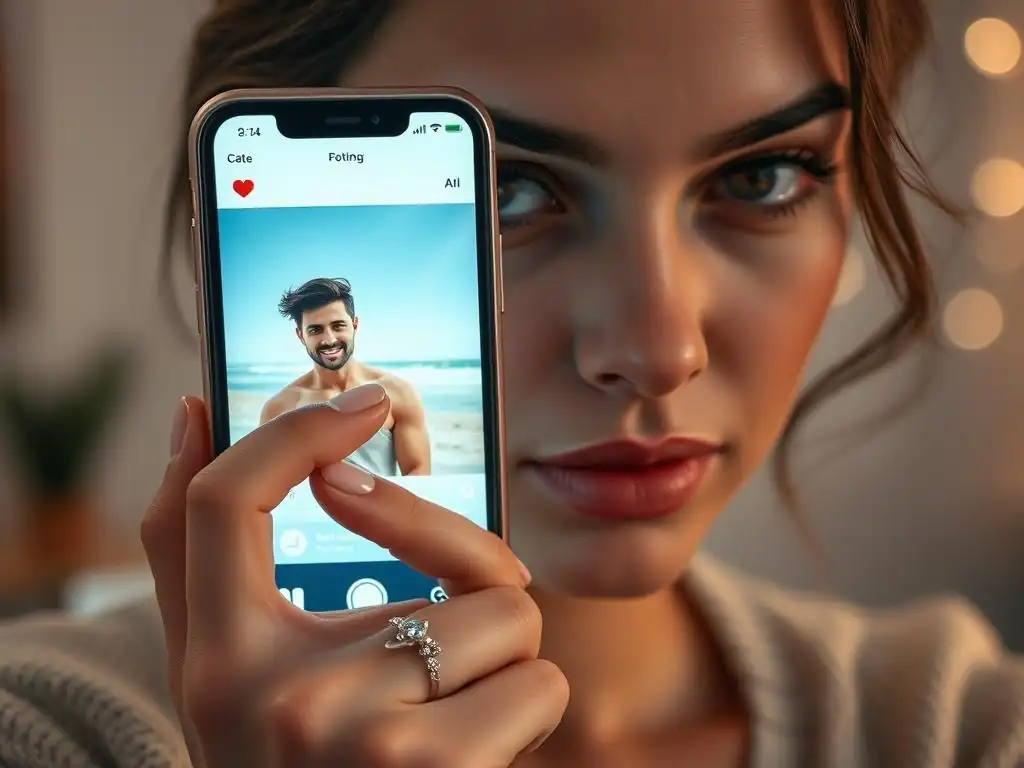
Tired of endless swiping and disappointing dates? At OnlineDatingSuccess.org, we're dedicated to helping you navigate the world of online dating with confidence. This isn't just about finding anyone; it's about building meaningful connections. Learn how to avoid heartache and wasted time by mastering the art of discerning genuine profiles from deceptive ones. This crucial skill, especially knowing how to spot fake online dating profiles, is your first step towards a safer and more rewarding online dating experience. Dive in and discover the secrets to success!
-
Identifying Red Flags in Online Dating Profiles: Recognizing Fake Accounts
- Suspiciously Perfect Profiles: Signs of a Catfish
- Inconsistent Information: Discrepancies to Watch Out For
- Missing or Vague Information: What to Look For
- Reverse Image Search: A Powerful Tool to Verify Photos
- Beware of Generic or Stock Photos: Identifying Fake Images
- Analyzing Profile Language: Spotting Automated or Copy-Pasted Text
- Unusual Communication Patterns: Red Flags in Interactions
- How to Verify a Dating Profile: Practical Steps to Ensure Authenticity
- Protecting Yourself from Fake Profiles: Safety Measures to Take
- Frequently Asked Questions
- Final Reflection: The Enduring Quest for Authenticity in the Digital Age
- Unlock Your Dating Confidence: Spotting Authentic Connections
Identifying Red Flags in Online Dating Profiles: Recognizing Fake Accounts
Navigating the world of online dating can be exciting, but it also presents unique challenges. One of the biggest concerns for many users is encountering fake profiles – individuals creating deceptive accounts for various reasons, from financial scams to catfishing. This article will equip you with the knowledge and tools to spot fake online dating profiles, allowing you to protect yourself and focus on building genuine connections. We'll explore several key indicators that can help you distinguish between authentic profiles and those designed to deceive.
Understanding these red flags is crucial for a safe and positive online dating experience. Learning to effectively "Spot fake online dating profiles" is the first step towards building healthy relationships online. Remember, your safety and well-being are paramount.
Suspiciously Perfect Profiles: Signs of a Catfish
A profile that seems too good to be true often is. Think about it: flawless photos, a bio that reads like a romance novel, and accomplishments that seem almost unbelievable. These are all potential warning signs. Catfish often create idealized versions of themselves, presenting an image that's far removed from reality. Look for these specific red flags:
- Professional-quality photos with no casual shots: Genuine profiles usually include a mix of photos – some posed, some candid. A complete absence of casual or less-than-perfect pictures might indicate a fabricated persona.
- Photos that are too perfect: Highly edited or unrealistic photos can be a major red flag. Be wary of images that look like they've been taken from a professional photoshoot or heavily filtered to the point of distortion.
- An overly positive and generic bio: A bio lacking specific details or filled with clichés and vague statements ("I love to travel and have fun!") is suspicious. Authentic profiles usually provide more specific and personal information.
- An impressive list of accomplishments with no supporting evidence: Claims of extraordinary success (e.g., "CEO of a Fortune 500 company") without any evidence or links to verify them should raise concerns.
Remember, genuine people are rarely perfect. A little imperfection and authenticity are usually a good sign.
Inconsistent Information: Discrepancies to Watch Out For
Inconsistencies in a dating profile are often a clear indicator of deception. Pay close attention to details that don't align, as these discrepancies can reveal a fabricated identity. Here are some key areas to examine:
- Conflicting information across different sections of the profile: Check for contradictions between the bio, photos, and other information provided. For example, a profile might claim to be a doctor but have photos that suggest a different lifestyle.
- Discrepancies in age, location, or profession: If information on the profile clashes with other information you find online (e.g., through a reverse image search or social media), it's a strong warning sign.
- Unrealistic or improbable claims: Be cautious of exaggerated claims or statements that seem too good to be true. A profile claiming to have traveled to twenty countries in the last year without any evidence warrants further scrutiny.
- Lack of social media links: In today's digital age, the absence of links to social media accounts can be suspicious, especially if the profile claims to be active online. However, it is important to note that some people prefer to keep their dating life separate from their social media accounts.
Missing or Vague Information: What to Look For
While some people are naturally private, a complete lack of information or vague descriptions can also be a red flag. This can indicate an attempt to avoid scrutiny and maintain anonymity. Consider these points:
- Limited or generic photos: One or two blurry, low-quality photos, or only photos with others where the individual is hard to identify, could signal an attempt to hide their identity.
- Vague or missing personal details: A profile that lacks information about hobbies, interests, or daily life could be a sign of deception. Genuine profiles usually offer a glimpse into the person's personality and daily life.
- Absence of a detailed bio: A completely blank or extremely short bio with little to no personal information is a strong red flag. It suggests a lack of interest in genuine connection.
- No mutual friends or connections: This is not always a red flag but can be one element to consider alongside other inconsistencies. If you have mutual connections with other users, it can add a layer of verification.
By carefully examining these aspects, you can significantly improve your ability to identify and avoid fake profiles, ultimately increasing your chances of finding genuine connections in the online dating world. Remember, trust your instincts; if something feels off, it probably is.
Reverse Image Search: A Powerful Tool to Verify Photos
One of the most effective ways to spot fake online dating profiles is by verifying the authenticity of the photos. Many scammers use stolen images, often from models or other online sources. A simple reverse image search can quickly reveal if a profile picture is genuine. This involves uploading the image to a search engine like Google Images or TinEye.
The search engine will then display all instances of the image across the web, revealing its origin and whether it's been used elsewhere. If the image appears on multiple dating profiles, stock photo websites, or unrelated websites, it's a strong indicator of a fake profile. This method is incredibly efficient and can save you from wasting time and potentially avoiding emotional distress. Remember to always perform this check on all photos displayed in a profile, not just the main one.
Sometimes, scammers will use a real photo as their primary image but then fill the rest of the album with stolen pictures. A thorough reverse image search is crucial for effective fake profile detection. Don't hesitate to use this tool; it's a powerful weapon in your arsenal against online deception.
Beware of Generic or Stock Photos: Identifying Fake Images

Beyond reverse image searches, be wary of overly generic or stock photos. These images often lack the subtle details and imperfections that characterize real, candid photographs. Think about it: How often do you see someone posing perfectly in a professional-looking photograph in their everyday life? Professional photos are often used by scammers because they present a more idealized image and are easily obtainable from stock photo websites.
Look for inconsistencies. Does the background seem too perfect or staged? Is the lighting unusually flattering? Does the person in the photo seem to lack personality or emotion?
These are all red flags suggesting the photo may be a stock image or a professional photo that has been digitally altered. Authentic photos often have a more natural look—slightly blurry, perhaps with some background imperfections, and showing the subject in a more relaxed and less perfect pose. Pay close attention to these subtle cues; they can be significant indicators of a potentially fraudulent profile. Remember, a genuine profile is more likely to feature a variety of pictures showing the person in different settings and situations.
Analyzing Profile Language: Spotting Automated or Copy-Pasted Text
Another crucial aspect of spotting fake online dating profiles involves a careful analysis of the profile's written content. Scammers often use generic, automated, or copy-pasted text. This text lacks personality and often contains clichés or overly positive descriptions that lack specific detail. Look for phrases that are too good to be true, such as "I'm looking for my soulmate" or "I love long walks on the beach."
While these sentiments aren't inherently suspicious, their overuse without any specific examples or personal touches should raise a red flag. Compare the profile's language to other profiles. If you notice significant similarities in phrasing or sentence structure across multiple profiles, it suggests the text might be generated by a bot or copied from a template. Pay attention to grammatical errors and inconsistencies in writing style.
Authentic profiles often have a more natural and unique voice, reflecting the individual's personality and experiences. A lack of detail, generic statements, and inconsistencies in writing style are all strong indicators of a potentially fake profile. Take your time to carefully read and analyze the profile text; it's a valuable tool in discerning authenticity. Remember, genuine connections are built on authenticity and individual expression.
Unusual Communication Patterns: Red Flags in Interactions
Unusual communication patterns are a significant red flag in spotting fake online dating profiles. Authentic individuals generally communicate in a natural, consistent manner. Conversely, fake profiles often exhibit inconsistencies and irregularities that betray their artificial nature. These inconsistencies can manifest in various ways.
For example, a fake profile might respond instantly to your messages at any hour of the day, suggesting they're constantly monitoring the platform, a behavior unlikely for someone with a genuine life. Conversely, they might be strangely unresponsive for days at a time before suddenly sending a flurry of messages. This erratic behavior is a strong indicator of automation or a profile managed by multiple people across various time zones.
Another telltale sign is overly enthusiastic or overly complimentary language, often generic and lacking in specific details. Genuine connection involves a gradual building of rapport, characterized by nuanced conversations and shared experiences. A fake profile, however, might shower you with extravagant praise from the outset, using overly romantic or flattering language devoid of substance. This is a tactic to quickly gain your trust and move the interaction towards a more vulnerable stage. Pay close attention to the quality of their responses; do they seem genuine and thoughtful, or are they canned, repetitive, and lacking in personal details?
Furthermore, be wary of profiles that consistently avoid video calls or in-person meetings. While some hesitancy is understandable in the initial stages of online dating, a persistent refusal to engage in visual interaction should raise suspicion. This is because fake profiles often rely on fabricated images and identities and are therefore reluctant to reveal their true appearance. They might offer various excuses to avoid video calls, but a persistent unwillingness to connect visually is a significant red flag.
Consider how much they're willing to share about their life. If they are consistently evasive or give vague answers to your questions about their daily life, hobbies, or work, it's a potential warning sign. Authentic connections are built on mutual sharing and transparency. A consistent lack of detail could indicate that the profile is fabricated and the person behind it is unwilling to disclose their genuine identity.
Remember, trust your intuition. If something feels "off" about the way someone communicates, it's crucial to trust your instincts and proceed with caution. Don't hesitate to end the conversation if you feel uncomfortable or suspicious. Your safety and well-being should always be the top priority. Prioritizing your safety and recognizing these communication red flags will significantly improve your chances of avoiding scams and maintaining a safer online dating experience.
How to Verify a Dating Profile: Practical Steps to Ensure Authenticity
This section provides practical steps to help you verify the authenticity of online dating profiles, ultimately helping you spot fake online dating profiles. Remember, your safety and well-being are paramount in the online dating world. Don't rush into anything; take your time and use these techniques to build confidence in the profiles you encounter. Thorough verification can significantly reduce your risk of encountering fraudulent profiles or scams.
Cross-Referencing Profile Information: Using Multiple Sources
One of the most effective ways to spot fake online dating profiles is through cross-referencing the information provided. A scammer often creates profiles with inconsistent or fabricated details. Let's examine how to perform this crucial check.
First, meticulously examine the profile's provided information. Note the name, age, occupation, location, and any other details they've shared. Now, try to verify these details independently. For example:
- Reverse image search: Use a reverse image search engine on any photos included in the profile. This can reveal if the images are stolen from another source, a clear sign of a fake profile. A simple search can often uncover the original source of an image and expose inconsistencies.
- Professional verification: If the profile boasts a specific profession, try to verify it through professional networking sites or online company directories. This helps determine if the claimed career is legitimate.
- Location verification: Pay close attention to the location details provided. Does the profile mention specific landmarks or neighborhoods? Try searching online for images or street views of these locations to see if they match the profile's narrative. Inconsistencies here are a red flag.
- Name verification: Search for the individual's name online. Do they have an easily discoverable public presence that aligns with the information on their dating profile? This might include social media profiles, news articles, or professional websites.
By comparing the information found across multiple independent sources, you can build a strong case for or against the authenticity of the profile. Remember, inconsistencies are critical indicators.
Another essential step in verifying a dating profile is checking for consistency across different social media platforms. Many scammers create profiles with limited or no social media presence, while legitimate individuals often have established accounts on various platforms.
Here's how to approach social media verification:
- Search for matching profiles: Use the name and other details from the dating profile to search for matching profiles on platforms like Facebook, Instagram, LinkedIn, and Twitter.
- Assess profile age and activity: Examine the age and activity level of any found profiles. A newly created profile with minimal activity might be suspicious. Conversely, a well-established profile with a history of posts and interactions is a positive sign.
- Analyze photo consistency: Compare the photos on the social media profiles with those on the dating profile. Any discrepancies or inconsistencies should raise a red flag.
- Look for connections: Check if the social media profile has friends or connections that could corroborate their identity. This can add another layer of verification to your assessment.
Remember, the absence of a consistent social media presence doesn't automatically mean a profile is fake, but it warrants further investigation. A lack of social media presence should prompt you to be extra cautious and perform more stringent verification checks.
Video Chat: The Ultimate Test for Authenticity
While cross-referencing and social media checks offer valuable information, a video chat remains the most reliable method to verify someone's identity and authenticity. It allows you to see the person in real-time and assess their physical appearance against the images in their profile.
Consider these points when planning a video chat:
- Timing is key: Suggest a video chat relatively early in the communication process. Avoid delaying it for extended periods, as this might give scammers more time to establish trust and manipulate you.
- Be cautious: Never share personally identifiable information or financial details before engaging in a video chat.
- Observe closely: Pay close attention to the person's appearance and demeanor. Do they match the photos on their profile? Do they appear nervous or evasive when questioned?
- Trust your instincts: If something doesn't feel right, trust your intuition. It's always better to err on the side of caution.
A successful video chat, with a person matching their profile and exhibiting genuine behavior, significantly increases the likelihood of interacting with a genuine individual. This is a vital step in preventing potential scams and ensuring your safety in the online dating world. Remember to always prioritize your safety and well-being while navigating the world of online dating. By using a combination of these methods, you can dramatically improve your ability to spot fake online dating profiles.
Asking the Right Questions: Probing for Inconsistencies

Asking the right questions is crucial in spotting fake online dating profiles. Don't rely solely on the information presented; actively seek to uncover inconsistencies. Start with seemingly innocuous questions, gradually increasing the level of detail. For instance, instead of simply asking about their job, inquire about specific aspects of their work day, their colleagues, or recent projects. A fabricated profile might struggle to provide consistent and detailed answers.
Similarly, asking about their hobbies should elicit more than just a list. Probe deeper: "What's your favorite aspect of [hobby]?" or "Tell me about a memorable experience related to [hobby]." Vague or contradictory responses should raise a red flag.
Another effective strategy involves asking about details mentioned in their profile. If their profile states they love traveling, ask about a specific trip – where they went, who they went with, and what they enjoyed most. Inconsistencies between their stated experiences and their answers will highlight a potential fabrication.
Remember, the goal is not to interrogate, but to gently probe for inconsistencies. Pay attention to hesitation, evasiveness, or a sudden change in the conversation's tone – these could be indicators of deception. Consistency in their responses across multiple questions is key to verifying their authenticity.
A genuine person will naturally provide detailed and consistent information, while a fake profile will likely struggle to maintain the same level of detail and accuracy across different inquiries. Don't be afraid to ask seemingly repetitive questions in different ways; this can help expose inconsistencies that might otherwise go unnoticed. The more detailed and specific your questions, the easier it will be to identify inconsistencies and potentially fraudulent activity.
Trust Your Instincts: Recognizing Emotional Manipulation Tactics
Learning to recognize emotional manipulation is paramount in identifying fake online dating profiles. Many scammers employ manipulative tactics to gain your trust and sympathy quickly. This often involves showering you with excessive compliments, professing deep feelings prematurely, or creating a sense of urgency in your interactions. Pay close attention to the speed at which they escalate the relationship. If someone expresses intense feelings after only a few messages or virtual encounters, be wary. Genuine connections develop organically over time; intense emotions expressed too early are a major red flag.
Another tactic to watch out for is the creation of a false sense of vulnerability. Scammers might share fabricated personal struggles or hardships to elicit empathy and sympathy. This is a manipulative technique designed to foster a strong emotional bond and make you more likely to trust them. While it's perfectly acceptable to share vulnerabilities in a genuine relationship, be cautious of those who readily disclose deeply personal and traumatic information early on in an online interaction.
This could be a tactic to exploit your compassion and make you more susceptible to their schemes. Always remember that building trust takes time and genuine interaction. If someone is pushing for a rapid emotional connection or showering you with excessive affection before you've had the chance to truly get to know them, it's essential to exercise caution.
Trust your gut feeling; if something feels off, it likely is. Protecting yourself from emotional manipulation requires vigilance, awareness, and a healthy dose of skepticism. Prioritize slow, steady relationship development, and don't be pressured into anything that makes you uncomfortable.
Protecting Yourself from Fake Profiles: Safety Measures to Take
Protecting yourself from fake online dating profiles requires a proactive and cautious approach. While no method guarantees complete safety, implementing these measures significantly reduces your risk of encountering fraudulent profiles. Remember, your safety and well-being are paramount. Let's explore practical steps you can take to spot fake online dating profiles and safeguard your online dating experience.
Reporting Suspicious Profiles: Using the Platform's Reporting Mechanisms
Most reputable online dating platforms provide mechanisms for reporting suspicious profiles. These mechanisms are crucial in helping the platform identify and remove fake accounts. Don't hesitate to utilize these tools. If a profile seems fake, or if you suspect fraudulent activity, report it immediately.
The reporting process usually involves selecting a "report" button or a similar option associated with the profile. You'll typically be prompted to provide details about your concerns, such as inconsistencies in the profile information, suspicious behavior, or requests for money. The more information you can provide, the better equipped the platform will be to investigate. Remember, reporting suspicious activity isn't just about protecting yourself; it's about contributing to a safer online dating environment for everyone.
Think of it as a collective effort to combat the prevalence of fake profiles. Many platforms also offer dedicated email addresses or helplines for reporting serious issues. Always check the platform's help section or FAQ for the most up-to-date reporting procedures.
Maintaining Privacy: Protecting Your Personal Information
Protecting your personal information is crucial when using online dating platforms. Avoid sharing sensitive details like your full address, workplace, or social security number early in the communication process. This is a critical aspect of how to spot fake online dating profiles, as scammers often use this information for malicious purposes. Be wary of anyone who pressures you to reveal personal information before you've established trust and met in person.
Remember, a genuine connection develops gradually, and rushing into sharing private information is a red flag. Keep your profile updates to a minimum, and avoid posting images that reveal your location or other identifying details. Use a strong, unique password for your dating profile and enable two-factor authentication whenever possible.
This adds an extra layer of security, making it harder for unauthorized individuals to access your account. Regularly review your privacy settings on the platform to ensure that you're comfortable with the level of information being shared. This proactive approach significantly reduces your vulnerability to scams and helps you maintain control over your personal information.
Avoiding Financial Transactions: Protecting Yourself from Scams
One of the most prevalent tactics used by those creating fake online dating profiles is to solicit money. Never send money to someone you've only met online, regardless of how convincing or charming they may seem. This is a major red flag. Legitimate relationships don't involve financial transactions in their early stages.
Be wary of anyone who asks for financial assistance, whether it's for medical emergencies, travel expenses, or business ventures. Such requests should be treated with extreme caution. If someone pressures you for money, report them immediately to the dating platform and consider blocking them. Remember, genuine connections are built on mutual respect and understanding, not financial transactions.
If you're unsure about someone's intentions, it's always best to err on the side of caution and protect your finances. Your financial security is just as important as your emotional well-being when navigating the world of online dating. Never compromise your financial security for a potentially fraudulent relationship.
Building Healthy Online Dating Habits: Staying Safe and Informed
Building healthy online dating habits is crucial for protecting yourself from fake profiles and ensuring a positive experience. It's not just about spotting red flags; it's about proactively creating a safer online dating environment for yourself. This involves a multi-faceted approach encompassing careful profile creation, mindful communication, and consistent vigilance.
One key aspect is creating a robust and honest profile. Avoid posting images that are too revealing or that could easily be found elsewhere online. Use a variety of photos that genuinely represent you – a mix of solo shots and photos with friends (blurring faces if necessary for privacy). Remember, your profile is your first impression, and authenticity is key to attracting genuine connections.
Avoid using stock photos or images that are clearly not you. A fake profile will often use generic or overly-perfect pictures. Think about the message you want to convey and ensure your profile reflects that accurately. Don't overshare personal information, especially details that could be used to identify your location or workplace.
Beyond profile creation, mindful communication is essential. Be wary of anyone who pressures you to move off the platform quickly or who seems overly eager to share personal details too soon. Genuine connections develop organically, and rushing the process is a major red flag. Always trust your instincts. If something feels off, it probably is. Pay attention to inconsistencies in their story or communication style. Do their words match their actions? Does their profile picture match their self-description? Small details often reveal larger inconsistencies.
Finally, consistent vigilance is key. Regularly review your online dating settings and privacy preferences. Stay informed about common online dating scams and techniques used by fake profiles. Many reputable online dating sites offer resources and safety tips; take advantage of them! Reporting suspicious profiles is also a vital step in helping maintain the platform's integrity and safety for everyone.
Don't hesitate to report profiles that seem fake or that are engaging in suspicious behavior. Your actions contribute to a safer online dating community for all. Remember, protecting yourself is not just your responsibility, but a collective effort. By actively building these healthy habits, you're investing in your online safety and increasing your chances of finding genuine connections.
Frequently Asked Questions
How can I spot a fake profile on a dating site?
Look for inconsistencies in photos (e.g., different backgrounds, poor quality images), limited personal information, or overly generic descriptions. Be wary of profiles with too-good-to-be-true claims.
What are some red flags to watch out for in online dating profiles?
Be suspicious of profiles lacking personal details, those using stock photos, or those who avoid video calls. Requests for money or personal information are major red flags.
How important are photos in identifying fake profiles?
Photos are crucial. Reverse image search the photos to see if they appear elsewhere online. Inconsistencies in photos (lighting, clothing) can also indicate a fake.
What should I do if I suspect someone's profile is fake?
Don't engage further. Report the profile to the dating site's administrators. Protect your personal information and never send money.
Can I completely avoid fake profiles online?
While you can't guarantee avoiding all fakes, being vigilant, using reverse image searches, and carefully reviewing profiles significantly reduces your risk. Trust your instincts.
Final Reflection: The Enduring Quest for Authenticity in the Digital Age
The ease of creating a deceptive online persona has made navigating the world of online dating a minefield of potential heartbreak and disappointment. The rise of sophisticated fake profiles underscores the urgent need for critical thinking and digital literacy, skills that are increasingly vital in our hyper-connected world. We must remain vigilant in our pursuit of genuine connection.
The pervasiveness of fake dating profiles speaks volumes about our society's yearning for connection, even if that connection is initially forged through a carefully constructed digital facade. This inherent human desire for belonging makes us vulnerable to manipulation, a vulnerability that is expertly exploited by those who create fake profiles. The internet is a powerful tool, but it's also a mirror reflecting our own hopes and fears.
This quote highlights the double-edged sword of online interaction, a space where genuine connection can blossom, but also where deception can thrive.
So, what now? The information presented in this article is not just a guide to spotting fake profiles; it's a call to cultivate a more discerning and cautious approach to online interactions. Take the time to verify information, trust your instincts, and remember that genuine connection requires transparency and authenticity. Don't let the fear of deception prevent you from seeking meaningful relationships, but arm yourself with the knowledge and awareness to navigate the digital landscape safely and confidently. Your journey to finding genuine connection begins with a commitment to self-protection and a healthy dose of skepticism.
Unlock Your Dating Confidence: Spotting Authentic Connections
Thank you for taking the time to learn how to navigate the world of online dating! You've gained valuable knowledge to identify genuine connections and avoid potential problems. Let's put this knowledge into practice.
- Review your online dating profile: Now is the perfect time to check your photos, descriptions, and overall profile for anything that might give the wrong impression, ensuring you present yourself authentically to potential partners.
- Share this article: Help your friends avoid scams and find genuine connections by sharing this helpful guide. It could save them a lot of frustration!
- Learn about common dating scams: Research common dating scams in your area and explore resources on safe online dating practices. This proactive step will significantly improve your online dating experience.
Ready to build a safer, more rewarding online dating experience? Which of these steps will you take first?