
Don't Be a Target: How to Use Security Features to Avoid Scams

Welcome to OnlineDatingSuccess.org, your guide to navigating the exciting yet sometimes treacherous world of online dating. Are you ready to find genuine connections but concerned about your safety? Then you're in the right place! We'll equip you with the knowledge and strategies to thrive, starting with our essential guide on Online dating safety features.
Discover how to utilize built-in security tools and protect yourself from scams, ensuring a positive and safe online dating experience. Learn how to spot red flags, protect your personal information, and build confidence in your online interactions. Let's unlock the potential for meaningful relationships – explore now!
- Understanding Online Dating Safety Features: A Comprehensive Guide
- Utilizing Two-Factor Authentication (2FA) for Enhanced Security
- Reporting Suspicious Activity: Your Role in Combating Online Dating Scams
- Advanced Online Dating Safety Measures: Beyond the Basics
- Staying Safe While Communicating: Secure Messaging and Video Calls
- Building Trust and Avoiding Emotional Manipulation: A Holistic Approach to Safety
- Resources and Further Information: Staying Up-to-Date on Online Dating Safety
- Frequently Asked Questions
- Final Reflection: Securing Your Heart in the Digital Age
- Unlock Your Online Safety: Take Control Now!
Understanding Online Dating Safety Features: A Comprehensive Guide
Navigating the world of online dating can be exciting, offering the chance to connect with new people and potentially find a meaningful relationship. However, it's crucial to remember that the online dating landscape also presents unique safety challenges. This guide focuses on understanding and utilizing the security features offered by most dating apps and websites to protect yourself from scams and maintain your privacy. We'll explore how to identify potential scammers, safeguard your personal information, and leverage the built-in security settings available to you. By proactively employing these safety measures, you can significantly reduce your risk and enjoy a safer, more positive online dating experience. Remember, prioritizing your safety shouldn't detract from the fun; it enhances it by allowing you to focus on genuine connections without the fear of exploitation. Let's dive into the practical steps you can take to ensure your online dating journey is both rewarding and secure.
Recognizing Red Flags: Identifying Potential Scammers Online
Identifying potential scammers is the first line of defense in online dating safety. Scammers often employ similar tactics, making it easier to spot them with practice. Pay close attention to inconsistencies in their profiles, communication style, and requests. For example, be wary of profiles with overly generic or unrealistic photos, limited personal information, or those that immediately ask for financial assistance or personal details.
🚩 Red flag alert! A significant number of scams involve requests for money, gift cards, or banking information under various pretexts. Never send money to someone you've only met online, no matter how convincing their story might seem. Another common tactic is to quickly move the conversation off the dating platform to a more private communication channel, making it harder to track their activity and report them.
Always be cautious of users who avoid video calls or refuse to answer direct questions about their lives. Remember, genuine connections develop gradually; be patient and avoid rushing into anything that feels suspicious. Consistent vigilance and a healthy dose of skepticism are your best tools in this process.
Protecting Your Personal Information: Best Practices for Online Dating Profiles
Protecting your personal information is paramount to online dating safety. Avoid sharing sensitive details like your full address, workplace, phone number, or social security number in your profile or early messages. Instead, focus on sharing information that paints a picture of your personality and interests without revealing potentially compromising information.
Think about what information is truly necessary for others to get to know you, and avoid oversharing. Consider using a different email address specifically for online dating to keep your personal inbox separate. Many platforms offer profile privacy settings; take the time to understand and utilize these to control who can see your profile and contact you.
Regularly review your profile and adjust your privacy settings as needed to maintain a balance between visibility and security. Remember, a little mystery can be intriguing; it's better to reveal information gradually as you build trust with someone. This approach not only enhances safety but also fosters more meaningful connections.
Leveraging Dating App Security Settings: Privacy Controls and Their Importance
Most reputable online dating platforms offer a range of security settings and features designed to protect users. Familiarize yourself with these options and take advantage of them. This includes features like blocking users, reporting suspicious activity, and reviewing privacy settings to control who can view your profile and contact you.
Many apps also offer two-factor authentication (2FA), which adds an extra layer of security by requiring a code from your phone or email in addition to your password. Activating 2FA is a simple yet highly effective step in preventing unauthorized access to your account. Furthermore, regularly review your app's privacy policy and terms of service to stay informed about how your data is handled and what measures are in place to protect your safety.
By actively using these security tools and staying informed, you can dramatically improve your overall online dating safety and contribute to a more secure online environment for everyone. Remember, your safety is a priority; don't hesitate to utilize all available security measures.
Utilizing Two-Factor Authentication (2FA) for Enhanced Security
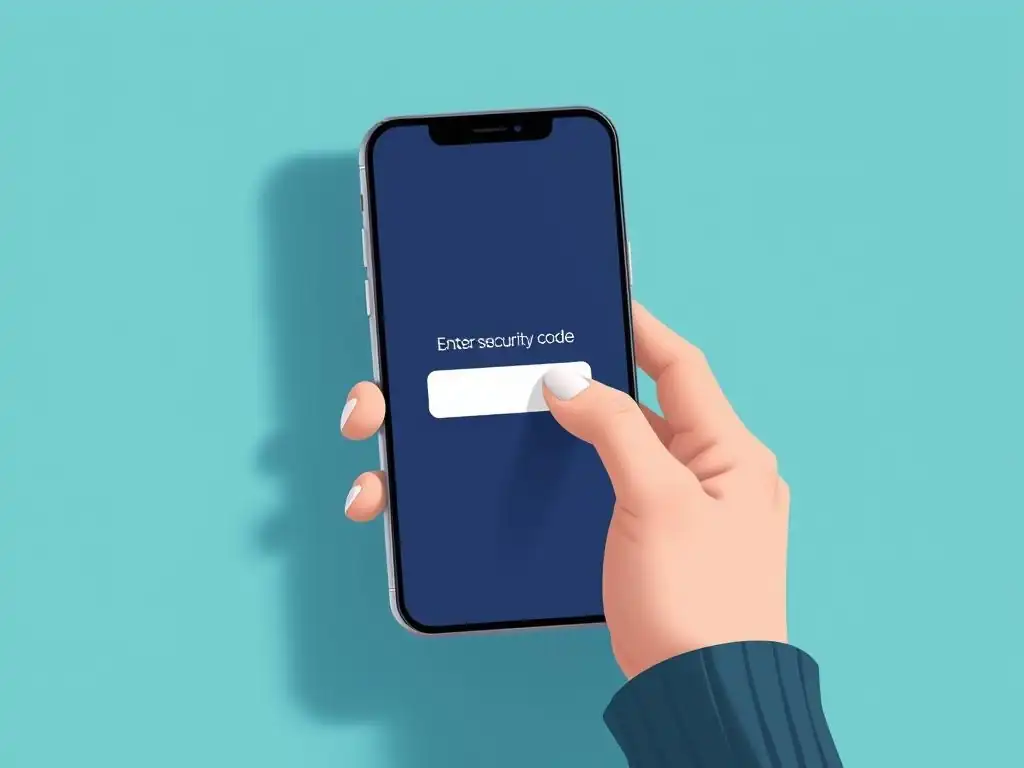
Two-Factor Authentication (2FA), also known as multi-factor authentication (MFA), is a crucial online dating safety feature that significantly bolsters your account's security. It adds an extra layer of protection beyond your password, making it exponentially harder for unauthorized individuals to access your profile and personal information. Think of it as a digital security guard, demanding additional verification before granting access. This extra step can be the difference between a safe online dating experience and becoming a victim of a scam.
Failing to utilize 2FA is like leaving your front door unlocked – an invitation for trouble. By implementing 2FA, you're proactively minimizing your risk of falling prey to common online dating scams. This is particularly important given the sensitive personal data often shared within these platforms. The peace of mind it provides is invaluable.
Setting Up 2FA on Popular Dating Apps: Tinder, Bumble, Hinge
Setting up 2FA varies slightly across different dating apps, but the process is generally straightforward. Let's look at three popular examples:
- Tinder: Tinder's 2FA typically involves linking your phone number to your account. You'll receive a verification code via SMS whenever you log in from a new device or browser. This code must be entered to gain access. The exact steps might be found within the app's "Settings" or "Privacy" menu. Look for options related to "Security," "Login Verification," or "Two-Factor Authentication."
- Bumble: Similar to Tinder, Bumble often uses SMS-based 2FA. Check Bumble's settings for options like "Two-Step Verification" or "Login Verification." Enabling this feature ensures that even if someone obtains your password, they'll still need access to your registered phone number to log in. This significantly reduces the chances of unauthorized access.
- Hinge: Hinge's approach to 2FA may also involve SMS verification or potentially an authenticator app like Google Authenticator or Authy. Consult Hinge's help center or in-app settings for detailed instructions. Remember, using an authenticator app often provides a more secure form of 2FA compared to relying solely on SMS, as it eliminates vulnerabilities associated with SIM swapping.
Understanding the Benefits of 2FA in Online Dating
The benefits of implementing 2FA on your dating apps extend beyond simply preventing unauthorized access. Consider these key advantages:
- Protection against password breaches: Even if your password is compromised through phishing or data breaches, 2FA acts as a critical second line of defense, preventing malicious actors from gaining access to your account. This is especially crucial given the frequency of data breaches affecting online services.
- Reduced risk of identity theft: Online dating profiles often contain personal information. 2FA helps prevent identity theft by making it much harder for scammers to impersonate you or access your sensitive data. This safeguards your personal information and protects your identity from potential misuse.
- Enhanced privacy: By adding this extra layer of security, you are ensuring a much higher level of privacy for your personal information and communications within the dating app. This gives you greater control over your data and limits the risk of unwanted exposure.
- Peace of mind: Knowing that your account is protected by 2FA provides peace of mind, allowing you to focus on building genuine connections without constantly worrying about security breaches. This enhanced sense of security contributes to a more positive and enjoyable online dating experience.
By actively utilizing 2FA and understanding its benefits, you're taking a proactive step towards a safer and more secure online dating experience. Remember to regularly review your security settings and enable 2FA on all your dating apps to maximize your protection. This simple yet powerful step can significantly reduce your vulnerability to scams and other online threats.
Reporting Suspicious Activity: Your Role in Combating Online Dating Scams
Reporting suspicious activity is crucial for maintaining a safer online dating environment. Your vigilance helps dating platforms identify and remove scammers, ultimately protecting other users. Don't hesitate to report even if you're unsure; it's better to err on the side of caution. Many platforms have robust reporting mechanisms designed to quickly address potential threats. By actively participating in reporting, you become part of the solution, contributing to a more trustworthy online dating experience for everyone. Remember, your report helps improve the overall online dating safety features available.
How to Report Scammers on Different Dating Platforms: Tinder, Bumble, Hinge
Different platforms offer slightly varying methods for reporting suspicious profiles or interactions. While the specific steps may differ, the core process generally involves identifying the offending profile or message and selecting a "report" or "flag" option. Let's examine the process for three popular platforms:
| Platform | Reporting Method | Additional Information |
|---|---|---|
| Tinder | Typically involves accessing the profile's menu (usually three dots or a flag icon) and selecting "Report." You'll then be presented with options to explain the reason for your report (e.g., scam, harassment, inappropriate content). | Tinder often provides follow-up instructions and may encourage you to block the user. |
| Bumble | Similar to Tinder, Bumble usually offers a report button within the user's profile menu. Be sure to provide as much detail as possible in your report to assist Bumble's moderators. | Bumble's emphasis on female safety means they may be particularly responsive to reports of scams targeting women. |
| Hinge | Hinge's reporting process is generally straightforward, located within the user's profile or message interaction. Their reporting system may allow for specifying the type of violation (e.g., catfishing, financial scam). | Hinge prioritizes authentic connections, making reports about fraudulent profiles highly valued. |
Remember to always save any evidence of suspicious activity, such as screenshots of messages or profile information, before submitting your report. This evidence can significantly assist the platform in investigating and taking appropriate action. This proactive approach is key to maximizing the effectiveness of online dating safety features.
Protecting Yourself After Reporting a Scam
Even after reporting a scammer, it's crucial to take additional steps to protect yourself and your information. This includes:
- Blocking the user: This prevents further contact from the scammer. Most platforms allow you to block users easily from within their profile.
- Changing your passwords: If you suspect the scammer may have accessed your account or obtained personal information, immediately change your passwords for all relevant accounts (dating app, email, social media, etc.). Consider using a strong, unique password for each account.
- Reviewing your privacy settings: Carefully review and adjust your privacy settings on the dating platform to limit the amount of personal information visible to others. This may include restricting who can see your photos, location, and other details.
- Monitoring your accounts: Regularly monitor your bank accounts and credit reports for any unauthorized activity. Report any suspicious transactions immediately to your bank and credit card companies.
- Contacting law enforcement: If you've experienced significant financial loss or have been a victim of identity theft, report the incident to your local law enforcement agency. They can investigate the scam and potentially assist in recovering your losses.
Taking these steps after reporting a scam helps mitigate further damage and protects you from future attempts. Remember, staying vigilant and proactive is essential in maintaining your online safety and using online dating safety features effectively. The more users report suspicious activity and take preventative measures, the safer the online dating community becomes for everyone. 🤝
Advanced Online Dating Safety Measures: Beyond the Basics
This section delves into advanced strategies to bolster your online dating security, going beyond the fundamental safety tips. We'll explore proactive measures to minimize your risk of encountering scams and protect your personal information. Remember, while dating apps offer built-in security features, your vigilance and proactive approach are crucial for a safe online dating experience. Mastering these advanced techniques significantly reduces your vulnerability to online dating scams and enhances your overall online safety. Understanding and implementing these strategies is key to maximizing your online dating safety features.
Using Strong Passwords and Password Managers: Essential Security Habits
Strong passwords are the cornerstone of online security, and online dating is no exception. Weak passwords are easily cracked, leaving your profile and personal information vulnerable. Instead of easily guessable passwords, utilize strong passwords that incorporate a mix of uppercase and lowercase letters, numbers, and symbols. Aim for a minimum length of 12 characters. For example, a strong password might look like this: P@$$wOrd123!.
However, remembering numerous strong passwords across various accounts can be challenging. This is where a password manager comes in. Password managers securely store your passwords, generating strong, unique passwords for each account and automatically filling them in when you log in. This eliminates the need to remember complex passwords and significantly reduces the risk of password reuse, a common vulnerability.
Choosing a reputable password manager is critical. Research different options and select one with robust security features, such as two-factor authentication (2FA) and end-to-end encryption. Regularly updating the software and following the provider's security guidelines are also vital. Investing in a password manager is an investment in your online dating safety features and overall digital well-being.
Recognizing and Avoiding Phishing Attempts: Protecting Against Online Deception
Phishing is a common tactic used by scammers to gain access to your personal information. They often create fake profiles or send deceptive messages mimicking legitimate dating apps or individuals. These messages might contain links to fake websites designed to steal your login credentials, credit card information, or other sensitive data.
Recognizing phishing attempts requires vigilance. Be wary of messages containing suspicious links, unusual grammar or spelling errors, or requests for personal information outside the app's secure messaging system. Never click on links from unknown senders, and always verify the authenticity of any website before entering your login credentials. If something feels off, it's best to err on the side of caution and report the suspicious activity to the dating app.
Consider these red flags:
- Unexpected requests for financial assistance.
- Pressuring you to move the conversation off the platform quickly.
- Messages containing grammatical errors or inconsistent language.
- Links that redirect to unfamiliar or poorly designed websites.
- Requests for personal information that seem unnecessary or suspicious.
By developing a keen eye for these red flags, you significantly strengthen your online dating safety features and protect yourself from phishing scams.
Being Aware of Location Services and Privacy Settings
Many dating apps utilize location services to connect you with potential matches in your vicinity. While convenient, this feature also presents a privacy risk if not managed carefully. Overly permissive location settings can expose your precise location to others, potentially compromising your safety.
Carefully review and adjust your location services settings within the dating app and your device's operating system. Consider limiting the precision of your location sharing or disabling location services altogether when not actively using the app. Remember, sharing your precise location with someone you've just met online can be risky.
Furthermore, regularly review your privacy settings within the dating app. Understand what information you are sharing publicly and what is visible only to your matches. Limit the personal information you display in your profile, such as your full address or workplace. This proactive approach enhances your online dating safety features and minimizes the risk of unwanted attention or targeted scams. Remember, your privacy is paramount and proactive management of these settings is essential for a secure online dating experience.
Staying Safe While Communicating: Secure Messaging and Video Calls
Online dating safety features extend beyond profile settings; they encompass how you communicate. Many platforms offer secure messaging and video call options designed to protect your privacy and reduce the risk of scams. Understanding and utilizing these features is crucial for building trust and avoiding potential dangers. Failing to leverage these built-in safeguards significantly increases your vulnerability to various online threats, from catfishing to identity theft. Remember, your personal information is valuable, and protecting it should be a priority.
Tips for Safe Communication on Dating Apps: Avoiding Information Leaks
Before diving into the technical aspects of secure messaging, let's establish some fundamental safety protocols. Avoid sharing Personally Identifiable Information (PII) prematurely. This includes your full name, address, workplace, phone number, and social security number. Don't rush into sharing this sensitive data; build trust gradually through conversation. Be wary of overly persistent individuals who pressure you to reveal personal details early in the interaction.
Furthermore, be cautious about the information you share in your profile itself. While you want to present an engaging persona, avoid revealing too much about your daily routine, travel plans, or financial status. These details could be exploited by malicious actors. Remember, the goal is to create a connection, not to broadcast your life story to strangers.
Consider using pseudonyms or avoiding overly specific details to minimize your digital footprint. Think of it like this: would you hand a stranger your house keys on a first date? The same principle applies to your personal information. A slow, cautious approach is key to online dating safety.
Utilizing Secure Messaging Features: End-to-End Encryption, Verified Profiles
Many dating apps now incorporate end-to-end encryption for their messaging systems. This means that only you and the recipient can read your messages; the app itself cannot access the content. Look for apps explicitly advertising this feature. It's a significant step towards enhancing your online dating safety. The presence of end-to-end encryption is a strong indicator of the app's commitment to user privacy and security. It significantly reduces the risk of your conversations being intercepted or misused.
Another crucial feature to look for is profile verification. Some apps offer verified profiles, typically indicated by a badge or checkmark. This verification process often involves confirming a user's identity through methods such as phone number verification or social media account linking.
While not foolproof, verified profiles provide an extra layer of security by reducing the likelihood of encountering fake profiles or bots. Always prioritize interacting with verified profiles whenever possible; it's a simple yet effective step towards improving your online dating safety. Remember, a verified profile doesn't guarantee a safe interaction, but it significantly reduces the risk of encountering fraudulent profiles.
Building Trust and Avoiding Emotional Manipulation: A Holistic Approach to Safety

Online dating safety features are crucial, but technological safeguards alone aren't enough. A holistic approach to online dating safety requires understanding and actively mitigating the risk of emotional manipulation. Building trust takes time and careful observation, and recognizing manipulative tactics is a key component of protecting your emotional well-being. Remember, genuine connections develop organically and respectfully, not through pressure or coercion.
Red flags of emotional manipulation in online dating
Emotional manipulation in online dating often manifests subtly, making it difficult to identify initially. However, certain recurring patterns should raise concerns. These red flags can significantly impact your emotional safety and should prompt you to exercise caution. Be vigilant and trust your instincts; if something feels off, it probably is.
Here's a table summarizing some common red flags:
| Red Flag | Description | Example |
|---|---|---|
| Love Bombing | Overwhelming displays of affection early in the relationship, often feeling unrealistic or rushed. | Receiving multiple extravagant gifts or professions of undying love within days. |
| Gaslighting | Making you doubt your own memory, perception, or sanity. | Constantly telling you that you're overreacting or misremembering events. |
| Guilt Tripping | Making you feel guilty for setting boundaries or expressing your needs. | Accusing you of being selfish or uncaring for wanting space or declining requests. |
| Isolation from Friends and Family | Encouraging you to cut ties with your support network. | Pressuring you to spend all your time with them and limit contact with loved ones. |
| Controlling Behavior | Attempting to control your finances, social life, or other aspects of your life. | Demanding access to your bank accounts or monitoring your online activity. |
| Sudden Shifts in Communication | Unpredictable changes in their behavior – from overly affectionate to distant and cold without explanation. | Going from constant messaging to ghosting for days, then returning with apologies. |
| Financial Requests | Asking for money or financial assistance early in the relationship, often under false pretenses. | Claiming an emergency and requesting a loan they never repay. |
Remember, these are just examples. Emotional manipulation can take many forms. The key is to be aware of these patterns and to trust your intuition. If you notice these behaviors, consider limiting contact and seeking support from trusted friends or family.
Building healthy boundaries in online interactions
Establishing and maintaining healthy boundaries is paramount to your safety and well-being in online dating. This involves setting clear limits on communication, sharing personal information, and physical interactions. It's about protecting your emotional and physical space, ensuring you feel safe and respected throughout the process.
- Limit personal information sharing: Avoid disclosing sensitive information like your full address, workplace, or financial details until you've built a strong level of trust. This is a crucial aspect of online dating safety features, but remember that trust takes time.
- Control the pace of the relationship: Don't feel pressured to move faster than you're comfortable with. Take your time getting to know someone, and don't be afraid to slow things down or end contact if something feels wrong.
- Video calls before in-person meetings: While not foolproof, video calls can help confirm the identity of your online match and reduce the risk of meeting someone who is misrepresenting themselves.
- Meet in public places for first dates: Always choose well-lit and public locations for your first few dates. Let a friend or family member know where you're going and when you expect to be back.
- Trust your instincts: If something feels off or unsafe, remove yourself from the situation. Your intuition is a valuable tool.
By proactively establishing and enforcing these boundaries, you minimize your vulnerability and create a safer online dating experience. Remember, a healthy relationship respects your boundaries and values your well-being. Prioritizing your safety should always be a top priority.
Resources and Further Information: Staying Up-to-Date on Online Dating Safety
This section provides you with valuable resources to stay informed about the ever-evolving landscape of online dating safety. Keeping yourself updated on best practices is crucial for protecting your personal information and well-being. Remember, online dating safety features are constantly being improved and updated, so continuous learning is key.
Recommended Websites and Organizations for Online Safety Advice
Staying safe online requires proactive engagement and a commitment to learning. There are several reputable organizations and websites dedicated to providing information and resources on online safety, including online dating safety. These resources offer valuable insights beyond the specific features of dating apps, covering broader online security practices that are equally applicable.
Here are some examples of where you can find reliable and up-to-date information:
- Government Agencies: Many governments have agencies focused on consumer protection and online safety. These agencies often publish guides and advisories on safe online practices, including those related to online dating. Look for resources from your country's equivalent of a consumer protection agency or cybersecurity authority. They often provide practical advice and report on emerging scams.
- Non-profit Organizations: Several non-profit organizations are dedicated to raising awareness about online safety and security. These organizations often provide educational materials, webinars, and support for victims of online scams. They frequently focus on educating users about identifying and avoiding scams, including those targeting online daters.
- Cybersecurity Experts and Researchers: Following cybersecurity experts and researchers on social media and through their publications can provide you with up-to-date information on emerging threats and best practices. Their insights often offer a deeper understanding of the technical aspects of online security and how to mitigate risks.
- Dating App Support Resources: Don't underestimate the value of resources provided directly by the dating apps themselves. Most reputable dating apps have help centers or FAQ sections that address safety concerns and explain their security features in detail. Reviewing these resources regularly can help you understand how to best utilize the app's built-in protection mechanisms.
Remember to be discerning about the sources you consult. Stick to well-established organizations and experts with a proven track record of providing accurate and reliable information. Avoid websites or individuals that promote unverified or potentially harmful practices. By actively seeking out and utilizing these resources, you can significantly enhance your online dating safety and reduce your risk of becoming a victim of scams.
This proactive approach is a vital component of your overall online dating safety strategy. Staying informed empowers you to make informed decisions and navigate the online dating world with confidence and security. 🕵️♀️ Your safety is paramount!
Frequently Asked Questions
How can I spot a fake profile on a dating site?
Look for inconsistencies in photos, limited personal information, or profiles that seem too good to be true. Be wary of profiles lacking detailed information or those that immediately request money or personal details. Trust your instincts; if something feels off, it probably is.
What safety features should I use on online dating apps?
Many apps offer privacy settings to control who sees your profile. Utilize two-factor authentication for enhanced security, and be cautious about sharing personal information too early in the process. Report suspicious profiles immediately to the platform.
How can I protect my personal information while online dating?
Avoid sharing sensitive details like your full address, workplace, or financial information early on. Use a separate email address specifically for online dating to prevent spam. Reverse image search any photos to verify authenticity.
What should I do if I encounter a scammer or suspicious behavior?
Immediately block and report the user to the dating platform and potentially to the authorities if the situation involves threats or financial requests. Document all communication and interactions. Never send money or personal information to someone you've only met online.
Are online dating sites responsible for my safety?
While dating sites provide safety features, your personal safety is your responsibility. Be aware of potential risks, utilize available tools, and trust your instincts. Dating sites offer resources and support, but they cannot guarantee complete safety.
Final Reflection: Securing Your Heart in the Digital Age
The rise of online dating has brought unprecedented connection, but also a surge in sophisticated scams. Protecting yourself online isn't just about avoiding financial loss; it's about safeguarding your emotional well-being and ensuring genuine human connection isn't overshadowed by malicious actors. This requires proactive engagement with the safety features available to us.
The impact of online scams extends far beyond monetary losses; they erode trust and leave lasting emotional scars. The best way to find yourself is to lose yourself in the service of others,
but this service must be offered consciously and safely. We must navigate the digital landscape with awareness, understanding that technology, while offering incredible opportunities for connection, also presents unique vulnerabilities. The responsibility lies with us to utilize the tools at our disposal and create a safer online environment for ourselves and others.
You, the reader, now hold the power to transform your online dating experience. Don't let fear paralyze you; instead, use the knowledge gained here to build a stronger, safer foundation for your online interactions. Actively explore the security features offered by dating platforms, engage in cautious communication, and remember that genuine connection requires mutual respect and transparency. Take control of your digital safety, and embrace the possibilities of online dating with confidence and peace of mind.
Unlock Your Online Safety: Take Control Now!
Protecting yourself online is crucial, and you've already taken a great first step by learning about online safety. Now let's put that knowledge into action.
Here's how you can enhance your online security:
- Start by implementing at least one new security feature today. Choose the one that resonated most with you – perhaps enabling two-factor authentication or reviewing your privacy settings. Even small changes significantly improve your online safety.
- Share this information with a friend or family member who could benefit from these tips. Helping others stay safe online is a rewarding experience.
- Join our online community forum to connect with others, share your experiences, and ask questions. We're here to support you.
What's one small step you can take today to improve your online security?