
Beyond the Profile Picture: Using Reverse Image Search to Spot Dating Scammers


Ready to ditch the dating disappointments and find genuine connection? At OnlineDatingSuccess.org, we empower you to navigate the world of online dating with confidence. But first, let's address a critical concern: how to spot fake profiles. Our latest article on Reverse Image Search dating scams reveals the simple yet powerful techniques to protect yourself from fraud and ensure a safer, more rewarding online dating experience. Dive in and discover how to unlock authentic connections!
- Understanding Reverse Image Search and its Role in Dating Safety
- How to Perform a Reverse Image Search to Detect Dating Scammers
- Interpreting Reverse Image Search Results: Signs of a Scam
- Beyond the Image: Additional Red Flags to Watch Out For
- Protecting Yourself from Online Dating Scams: Best Practices
- Conclusion: Staying Safe in the Online Dating World Through Image Verification
-
Frequently Asked Questions
- How can a reverse image search help me avoid dating scams?
- What are some other warning signs of a dating scam besides a fake profile picture?
- Which reverse image search engines are recommended?
- What should I do if I find a dating profile using a stolen image?
- Is using a reverse image search foolproof in identifying scams?
- Final Reflection: Unmasking Deception in the Digital Age
- Unmask the Truth: Take Control of Your Online Safety
Understanding Reverse Image Search and its Role in Dating Safety
Online dating offers exciting possibilities for connection, but it also presents significant risks. Navigating this landscape safely requires vigilance and proactive measures. This article focuses on a powerful tool readily available to all online daters: reverse image search. We'll explore how this simple technique can be instrumental in identifying potential dating scams and protecting yourself from fraudulent profiles.
Learning to effectively utilize reverse image search is a crucial step towards building genuine connections and avoiding heartache and financial loss. By the end of this guide, you'll understand how to leverage reverse image search to enhance your online dating safety and increase your chances of finding a meaningful relationship. This is especially important given the rise in sophisticated online dating scams, which often utilize stolen or manipulated images to create fake profiles. Let's delve into the specifics of how this valuable tool can help you stay safe.
What is Reverse Image Search and How Does it Work?
Reverse image search is a powerful tool that allows you to identify the origin and usage of an image. Instead of searching with keywords, you search with an image itself. You upload the image to a search engine (like Google Images, TinEye, or Yandex), and the engine then searches its vast database for visually similar images. This process can reveal where else the image has appeared online, potentially uncovering inconsistencies or revealing the image's true source.
For example, if a dating profile uses a picture that appears on multiple stock photo websites or linked to a completely different person’s social media profile, it’s a major red flag. The technology behind reverse image search employs complex algorithms that analyze the image's pixels and metadata to find matches. The results usually include links to websites and pages where the image appears, helping you trace its origin and verify its authenticity.
This simple yet effective method can be a game-changer in the world of online dating safety. Think of it as a digital lie detector for profile pictures! 🕵️♀️
Identifying Red Flags in Online Dating Profiles
When using reverse image search to vet online dating profiles, several red flags should raise your suspicion. For instance, if the reverse image search reveals the picture is associated with a model's portfolio, a stock photo website, or a completely different person's social media profile, it's a strong indicator of a fake profile. Another warning sign is when the image shows up on multiple dating sites under different names. This indicates a likely attempt at creating multiple fake profiles to scam multiple victims.
Furthermore, if the image quality is poor, or if the subject in the image seems inconsistent with other details in the profile (age, location, etc. ), this should also trigger further investigation using a reverse image search. Remember, inconsistencies are key indicators of deception. Pay close attention to the overall context surrounding the image in the search results.
Does it fit the narrative provided in the dating profile? Any discrepancies should be taken seriously. Always err on the side of caution. A little extra investigation can save you significant time, emotional distress, and potentially even financial loss.
Why Reverse Image Search is Crucial for Online Dating Safety
In the ever-evolving landscape of online dating, employing proactive safety measures is paramount. Reverse image search provides a straightforward and effective method to verify the authenticity of profiles and significantly reduce the risk of encountering scammers. By confirming the legitimacy of profile pictures, you minimize the chances of interacting with fake profiles created with malicious intent. This proactive approach can safeguard you from emotional manipulation, financial scams, and other potential harms associated with fraudulent profiles. The ease of use and readily available nature of reverse image search tools make it an essential tool in your online dating safety arsenal. It's a simple step that can make a world of difference in protecting yourself and ensuring a more positive and secure online dating experience. Prioritizing your safety is crucial, and reverse image search is a simple yet powerful tool to help you achieve it. Remember, your safety and well-being are paramount.
How to Perform a Reverse Image Search to Detect Dating Scammers
This section provides a practical guide on using reverse image search to identify potential dating scams. Many scammers use stolen photos, so verifying a profile picture is a crucial first step in online dating safety. Learning how to perform a reverse image search empowers you to protect yourself and avoid heartache. This technique is a powerful tool in your arsenal against online dating fraud and helps ensure a safer online dating experience. Mastering reverse image search is a significant step towards building meaningful connections without falling victim to scams.
Step-by-Step Guide to Reverse Image Searching on Google Images
Google Images offers a straightforward way to conduct a reverse image search. Here's a step-by-step guide:
- Locate the Image: First, find the profile picture you want to verify. Right-click on the image.
- Copy Image Address: Select "Copy image address" (or a similar option depending on your browser). This copies the URL of the image.
- Access Google Images: Open a new tab and go to Google Images (images.google.com).
- Paste the Image URL: Click the camera icon in the Google Images search bar. Paste the copied image URL into the search box and press Enter.
- Review the Results: Google will display visually similar images. Carefully examine these results. Do they show the same person in various contexts? Or do they reveal the image appearing on unrelated websites, possibly stock photo sites or other profiles? This is crucial for assessing the authenticity of the profile picture. The more diverse and unrelated the results are, the higher the likelihood of the image being stolen.
- Repeat for Multiple Images: If the profile has multiple pictures, repeat this process for each one. Inconsistencies between search results for different images can be a strong indicator of a fake profile. This thorough approach significantly improves your chances of detecting fraudulent activity. Remember, consistent verification across multiple photos is key.
Using Other Reverse Image Search Engines (TinEye, Yandex)
While Google Images is a popular choice, other reverse image search engines offer slightly different algorithms and results. Using multiple engines can provide a more comprehensive analysis.
- TinEye: TinEye (tineye.com) is another powerful tool. It's known for its ability to identify images even if they've been slightly modified. Its database is constantly updated, improving the accuracy of its searches. Using TinEye alongside Google Images provides a more robust verification process, increasing the chances of spotting inconsistencies.
- Yandex Images: Yandex (yandex.com/images) is a Russian search engine with a robust image search function. It often yields results not found on other engines, providing a broader perspective on the image's origin and usage. While the interface might be slightly different, the process of pasting the image URL remains the same. This diversification of search engines ensures a more thorough verification process, significantly reducing the risk of missing crucial information.
Analyzing Search Results: What to Look For
Once you've performed your reverse image searches, carefully analyze the results. Several key indicators suggest a potentially fraudulent profile:
- Stock Photos: The image appears on numerous stock photo websites. This is a major red flag, as scammers frequently use readily available stock photos.
- Multiple Profiles: The image shows up on multiple dating profiles, often with different names and backgrounds. This clearly points to a scammer using the same image to create multiple fake profiles.
- Inconsistencies: The image's context doesn't match the information provided in the dating profile. For example, the profile claims the person is a doctor, but the image appears on a website about models.
- Limited Results: A lack of results, or only a few very similar images, can also be suspicious. It could indicate that the image is relatively new and hasn't been widely circulated, which doesn't necessarily mean it's a scam, but warrants further investigation.
- Reverse Image Search Limitations: Remember that reverse image search isn't foolproof. A scammer might use a recently taken, unique image, or one that hasn't yet been widely distributed online. Therefore, it's essential to combine this technique with other safety measures, such as careful communication and avoiding sharing personal information prematurely. Always approach online dating with caution and prioritize your safety. 🕵️♀️
Remember, performing a reverse image search is just one step in verifying a profile's authenticity. Always use your judgment and be cautious when interacting with new people online. Combining reverse image searches with other safety practices significantly reduces your risk of encountering online dating scams.
Interpreting Reverse Image Search Results: Signs of a Scam
This section focuses on deciphering the results you get from a reverse image search, specifically in the context of identifying potential dating scams. Understanding what to look for is crucial in protecting yourself. While a reverse image search is a powerful tool, it's not foolproof, and interpreting the results requires careful consideration. We'll explore key indicators that a profile might be fraudulent. Remember, your safety is paramount, and caution is always advised when interacting with new people online.
Identifying Stock Photos and Misleading Images
One of the most common giveaways of a fake profile is the use of stock photos. These professionally taken images are readily available online and are often used by scammers to create a seemingly attractive and trustworthy persona. When performing a reverse image search, you might find that the image appears on multiple stock photo websites, such as Shutterstock or iStock. This immediately raises a red flag.
Similarly, images that are heavily edited or filtered, obscuring identifying features, should be viewed with suspicion. These manipulations are often used to mask the true identity of the scammer. For example, a picture with an overly-smoothed complexion, an unrealistic physique, or inconsistent lighting compared to the rest of the profile pictures is a strong indication that something isn't right.
Look out for inconsistencies! If a profile picture shows a person in a specific location, but other photos show them in vastly different places, it's a significant warning sign. Always trust your gut; if something feels off, it probably is.
Recognizing Duplicate Profiles Across Dating Sites
Scammers often use the same photos across multiple dating platforms. By performing a reverse image search on a profile picture, you can uncover if the same image is being used on other dating sites or social media. This is a clear sign of deception. The scammer might be using slightly different names or bios, but the core identity—the photos—remains consistent. This practice is a common tactic to cast a wider net and target multiple potential victims simultaneously.
The sheer repetition of the same images across various platforms is a major red flag. It's not uncommon to find the same photos associated with different profiles, ages, and even genders. This indicates a deliberate attempt to deceive and manipulate individuals. Consider using multiple reverse image search engines to increase your chances of detecting these duplicate profiles.
Reverse image searches can also reveal if a profile picture originates from a social media account with a different name than the one presented on the dating site. This is a strong indicator of a potential scammer trying to conceal their true identity. A reverse image search might lead you to a Facebook, Instagram, or Twitter profile with a different name but the same picture. This discrepancy should trigger immediate caution. The discrepancy could be due to the scammer using an alias or a completely fake social media account created specifically for deceptive purposes.
Such instances underscore the importance of thorough background checks and verifying information across multiple platforms. This technique allows you to cross-reference information and identify inconsistencies that might otherwise go unnoticed. Remember to always prioritize your safety and report any suspicious activity to the dating platform immediately. 🕵️♀️
Beyond the Image: Additional Red Flags to Watch Out For

Reverse image searching is a powerful tool in your arsenal against online dating scams, but it's not a foolproof solution. Even if a profile picture comes up clean, other red flags might indicate a scammer. Remember, a scammer's goal is to gain your trust and ultimately your money or personal information. Always maintain a healthy level of skepticism and be vigilant in your interactions. This section will highlight some additional warning signs to look for, even after a successful reverse image search. Protecting yourself requires a multi-layered approach to online dating safety.
Inconsistencies in Profile Information and Communication
Inconsistencies are a major giveaway. Pay close attention to discrepancies between the information presented in the profile and the person's communication style. Scammers often create elaborate personas, but maintaining that facade across multiple interactions can be challenging. Here's what to look for:
- Conflicting details: Does their profile claim they're a doctor, but their grammar and spelling are atrocious? Do they mention a certain hobby or profession, but their communication style doesn't align with that background? These discrepancies can be subtle but significant. For instance, a profile that boasts of extensive international travel might use language that indicates limited exposure to other cultures.
- Vague or evasive answers: When asked direct questions about their life, do they provide vague or evasive answers? A genuine person will be happy to share details about themselves, within reason. A scammer will often deflect or change the subject.
- Sudden shifts in personality: Does their communication style change drastically from one interaction to the next? One moment they might be charming and attentive, the next distant and abrupt. This erratic behavior is a strong indicator of deception.
- Overly perfect profiles: Be wary of profiles that seem too good to be true. Everyone has flaws; a profile that presents a flawless image is often a fabricated one. Look for inconsistencies in the narrative presented.
Requests for Money or Financial Assistance
This is perhaps the most common and blatant red flag. Legitimate daters do not ask for money or financial assistance early in the relationship. Period. Scammers often use elaborate stories to justify their requests, ranging from medical emergencies to business setbacks. These stories are almost always fictitious. Never send money to someone you've only met online, regardless of how compelling their story might seem. Remember, true connection shouldn't involve financial transactions. Here are some examples of common requests:
- "Emergency" situations: They might claim to be stranded abroad, facing a medical emergency, or needing money for a family member's operation.
- Investment opportunities: They might lure you into a fake investment scheme, promising high returns with minimal risk.
- Gift cards or online payments: They might ask for gift cards or payments through untraceable methods like cryptocurrency.
Never fall for these ploys. If someone asks for money, it's almost certainly a scam.
Unusual or Urgent Requests
Beyond financial requests, be wary of unusual or urgent demands. These requests are designed to pressure you into acting quickly without thinking rationally. Examples include:
- Requests for personal information: Legitimate daters won't ask for sensitive personal information, like your Social Security number, bank details, or passport information, early in the relationship. This is a major red flag.
- Pressure to move the relationship offline quickly: Scammers often push for an offline meeting prematurely, before you've had a chance to verify their identity and build trust. They might use manipulative tactics to pressure you into meeting.
- Unusual requests for favors: They might ask for seemingly innocuous favors that could lead to compromising situations or the release of personal information.
Remember, a healthy relationship develops gradually. If someone is pressuring you or making unusual requests, it's a significant cause for concern. Trust your instincts – if something feels off, it probably is. Prioritizing your safety and security is paramount in the world of online dating.
Protecting Yourself from Online Dating Scams: Best Practices
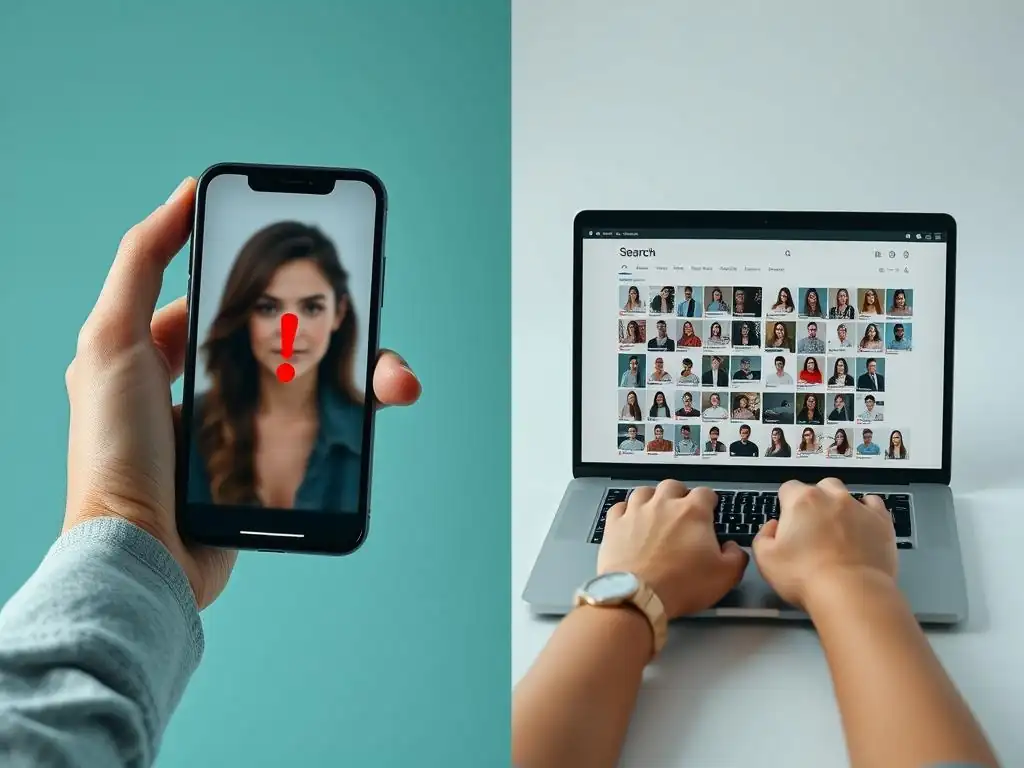
This section focuses on proactive steps you can take to minimize your risk of encountering online dating scams. While reverse image search is a powerful tool, it's just one piece of the puzzle. A multi-layered approach is crucial for staying safe in the online dating world. Remember, your safety and well-being are paramount.
Verify Profile Information Through Multiple Channels
Don't rely solely on the information presented on a dating profile. Many scammers create elaborate profiles to lure victims. Always try to corroborate the information provided. This involves a few key steps:
- Social Media Check: If the profile provides social media handles (Facebook, Instagram, etc. ), carefully examine their profiles. Look for inconsistencies with the dating profile information or red flags like limited friend lists, recent account creation, or a lack of personal photos. Remember to be cautious about directly contacting them through these channels initially, as they might be fake accounts as well.
- Reverse Phone Lookup: If a phone number is provided, consider using a reverse phone lookup service (note: many of these are paid services, proceed with caution and research reputable options). This can help you determine if the number is associated with other potentially fraudulent activities.
- Email Verification: Be wary of generic email addresses or those that don't match the name on the profile. A mismatch could be a strong indicator of a fake profile.
- Location Verification: If possible, subtly try to verify their claimed location. For example, if they mention a specific landmark or local business, you can discreetly check for its existence via online maps or other resources.
Example: Imagine a profile claiming to be a successful doctor in New York City. You could check for their name on the hospital's website or look for their professional profile on LinkedIn. Discrepancies should raise immediate red flags. Remember, a consistent narrative across multiple platforms is a positive indicator, while inconsistencies are major warning signs. Don't be afraid to be thorough – your safety is worth the extra effort.
Report Suspicious Profiles to Dating Platforms
Most reputable online dating platforms have robust reporting mechanisms in place. If you encounter a profile that seems suspicious—regardless of whether you've used reverse image search or not—report it immediately. Provide as much detail as possible, including screenshots and specific examples of suspicious behavior. This helps the platform identify and remove fraudulent profiles, protecting other users from potential scams.
The more users report suspicious activity, the safer the platform becomes for everyone. This collective effort is vital in combating online dating fraud. Remember, reporting is not tattling; it's a crucial step in ensuring a safer online dating experience for all.
Trust Your Instints: When to Walk Away
Despite your best efforts, sometimes your gut feeling will tell you something is amiss. This is a powerful tool you shouldn't ignore. If something feels off, even if you can't pinpoint exactly what it is, it's perfectly acceptable—and advisable—to walk away from the interaction. This includes instances where:
- The conversation feels rushed or pressured.
- They are consistently evasive or avoid answering direct questions.
- They ask for money or financial assistance early in the relationship.
- They are unwilling to meet in person after a period of online communication.
- Their story changes frequently or has significant inconsistencies.
Ignoring your intuition can have serious consequences. Prioritize your safety and well-being. A healthy relationship is built on trust and open communication, not pressure or secrecy. Remember, there are plenty of genuine people online; don't settle for anything less. Your safety and happiness are worth protecting. Trust your instincts; they are often right.
Conclusion: Staying Safe in the Online Dating World Through Image Verification
This exploration of reverse image search techniques for identifying potential dating scams underscores the importance of proactive safety measures in the online dating sphere. While a captivating profile picture might initially attract your attention, taking the extra step to verify its authenticity using tools like Google Images, TinEye, or Yandex Images can significantly reduce your risk of encountering fraudulent profiles. Remember, a scammer's goal is to gain your trust quickly, often using stolen or manipulated images to create a false sense of security.
By employing these simple verification methods, you reclaim control over your online dating experience and protect yourself from potential harm. The small investment of time in image verification is a worthwhile precaution that can safeguard your emotional well-being and financial security. Don't let a deceptive profile picture lead you down the wrong path; empower yourself with knowledge and technology to navigate the world of online dating safely and confidently.
This proactive approach is key to building meaningful connections while mitigating the risks inherent in the virtual world. The prevalence of dating scams highlights the need for constant vigilance and the utilization of available tools to enhance online safety.
The Importance of Proactive Safety Measures
Proactive safety measures are paramount in online dating, extending far beyond simply verifying profile pictures. While reverse image searches are a crucial tool, they are just one piece of a larger safety puzzle. Consider these additional precautions:
- Never share personal information too quickly: Avoid revealing your full name, address, workplace, or other sensitive details until you've established trust and met in person.
- Be wary of overly-perfect profiles: Profiles that seem too good to be true often are. Inconsistencies in the profile information or an abundance of generic stock photos should raise red flags.
- Meet in public places for first dates: Choose well-lit, populated locations for initial meetings, and inform a friend or family member of your plans, including the time, location, and the person's name.
- Trust your instincts: If something feels off or makes you uncomfortable, don't hesitate to end the interaction. Your gut feeling is often a reliable indicator of potential danger.
- Report suspicious profiles: Many online dating platforms provide mechanisms for reporting suspicious activity. Utilize these resources to help keep the platform safe for everyone.
The combination of reverse image searches and these other proactive measures creates a robust defense against online dating scams. Remember, staying safe is not about being paranoid, but about being informed and prepared. By implementing these strategies, you can significantly improve your chances of having a positive and secure online dating experience. Prioritizing your safety should always be your top priority.
Resources for Further Information on Online Dating Safety
While this article focuses on reverse image search, there are many other valuable resources available to enhance your understanding of online dating safety. Seek out information from reputable organizations and websites dedicated to online safety and cybersecurity. These resources often provide comprehensive guides, tips, and support to help you navigate the complexities of online dating safely and effectively. Remember, continuous learning is key to staying ahead of evolving scams and ensuring a secure online dating journey.
Staying informed will empower you to make informed decisions and protect yourself from potential harm. Investing time in learning about online safety is an investment in your well-being and peace of mind. Don't hesitate to explore these resources and build a comprehensive understanding of online safety practices.
Frequently Asked Questions
How can a reverse image search help me avoid dating scams?
A reverse image search allows you to check if a profile picture is being used fraudulently on multiple dating sites or in other online contexts. If the same image appears in unrelated places, it could be a red flag indicating a fake profile. This helps you avoid potential scams.
What are some other warning signs of a dating scam besides a fake profile picture?
Besides suspicious photos, be wary of users who are unwilling to video chat, request money or gifts quickly, or have inconsistent stories. Always trust your instincts; if something feels off, it probably is.
Which reverse image search engines are recommended?
Popular and reliable options include Google Images, TinEye, and Yandex Images. These tools allow you to upload an image or paste a URL to find similar or identical images online.
What should I do if I find a dating profile using a stolen image?
If you identify a stolen image, report the profile to the dating site immediately. You can also block the user and avoid further contact. Consider reporting the scam to the authorities if you believe you’ve been a victim of financial fraud.
Is using a reverse image search foolproof in identifying scams?
While a reverse image search is a valuable tool, it's not foolproof. Scammers are constantly evolving their tactics. Combining a reverse image search with other due diligence measures is crucial for staying safe online.
Final Reflection: Unmasking Deception in the Digital Age
The ease of connection online has unfortunately created fertile ground for sophisticated scams, and the rise of dating apps only exacerbates this problem. Learning to identify and avoid these scams is no longer a niche skill; it's a crucial form of digital literacy for anyone navigating the online dating world. The potential for emotional and financial devastation underscores the urgent need for proactive measures.
The impact of online dating scams extends far beyond individual experiences; it erodes trust in online interactions and perpetuates a climate of fear and suspicion. This pervasive issue necessitates a collective effort to raise awareness and empower individuals with the tools to protect themselves. The best way to find out if someone is trustworthy is to see how they treat others who can do nothing for them.
– this simple truth holds even more weight in the anonymous world of online dating. We must actively challenge the normalization of predatory behavior online and foster a more responsible and ethical digital environment.
You now possess a powerful tool – the reverse image search – to help you navigate the complexities of online dating more safely. Don't hesitate to utilize this resource, and encourage your friends and family to do the same. Take control of your online safety; your well-being and peace of mind are worth the extra effort. By staying vigilant and informed, we can collectively create a safer space for genuine connections to flourish in the digital age.
Unmask the Truth: Take Control of Your Online Safety
Thank you for learning about protecting yourself from online dating scams! You've gained valuable knowledge to identify suspicious profiles. Let's put this knowledge into practice.
- Reverse image search every profile picture: This is your most powerful weapon against scammers. Don't skip this step, even if the profile looks legitimate.
- Share this article with your friends and family: Help them stay safe too! Protecting our communities starts with education.
- Explore additional online safety resources from reputable organizations to deepen your understanding of this crucial issue.
Ready to protect yourself and others from online dating scams? What other steps do you consider essential for online safety?