
Safe Dating Practices: How to Stay Alert for Manipulation Tactics


Tired of online dating feeling more like a minefield than a path to connection? At OnlineDatingSuccess.org, we understand the challenges. We're dedicated to helping you navigate the world of online dating with confidence. This article on online dating safety tips will equip you with the knowledge to avoid scams and manipulation tactics, ensuring your journey is both safe and rewarding. Discover how to protect yourself and build genuine connections – let's get started!
- Understanding Online Dating Safety Tips: Recognizing Red Flags
- Securing Your First Meeting: Safe Dating Practices Offline
- Recognizing Manipulation Tactics in Online Dating: Advanced Red Flags
- Building Healthy Relationships: Fostering Trust and Open Communication
-
Frequently Asked Questions
- How can I protect myself from scammers on online dating sites?
- What are some red flags to watch out for in online dating profiles?
- How can I stay safe when meeting someone I met online for the first time?
- What should I do if I suspect I'm being manipulated or scammed on an online dating site?
- What are some resources available for online dating safety?
- Final Reflection: Navigating the Digital Landscape of Love
- Take Control: Empower Yourself with Safer Dating Strategies
Understanding Online Dating Safety Tips: Recognizing Red Flags
Navigating the world of online dating can be exciting, offering the potential to connect with like-minded individuals and build meaningful relationships. However, it's crucial to approach online dating with awareness and caution. This article focuses on online dating safety tips, providing practical strategies to identify and avoid manipulative tactics and protect your personal information.
The rise in online interactions has unfortunately led to an increase in scams and predatory behavior, making it essential to understand the red flags and implement protective measures. We'll explore common manipulation tactics, strategies for identifying potential scammers, and best practices for safeguarding your personal data while searching for love online. Remember, prioritizing your safety and well-being is paramount throughout your online dating journey.
This guide is designed to empower you with the knowledge and tools to create a safer and more positive online dating experience. Let's delve into the specifics of building a secure and successful online dating profile and interactions.
Identifying Potential Scammers: Recognizing Early Warning Signs in Online Dating
Online dating scammers often employ a range of tactics to gain your trust and ultimately exploit you. Recognizing these early warning signs is crucial in protecting yourself. Some common red flags include:
- Inconsistencies in their profile: Pay close attention to discrepancies in their profile information, such as blurry or stolen photos, vague biographical details, or an unrealistic level of success or wealth.
- Overly fast progression of the relationship: Be wary of individuals who profess intense feelings or want to move the relationship forward rapidly. Genuine connections take time to develop.
- Requests for financial assistance: This is a major red flag. Legitimate individuals will not ask you for money, especially early in the relationship. Be especially cautious of requests for emergency funds or investment opportunities.
- Pressure to meet offline quickly: While it's natural to want to meet someone in person, be hesitant if someone pressures you to meet before you feel comfortable. Prioritize your safety and take your time.
- Avoidance of video calls: A reluctance to engage in video calls can be a sign that they are hiding their true identity. A genuine connection should involve visual interaction.
Remember, your intuition is a powerful tool. If something feels "off," trust your gut and proceed with caution. Always prioritize your safety and well-being over the potential for a romantic connection. These early warning signs, while not exhaustive, provide a strong foundation for assessing the legitimacy of potential online dating partners.
Avoiding Online Dating Manipulation: Common Tactics and How to Spot Them
Manipulative individuals use various tactics to control and exploit their victims. Understanding these tactics is key to avoiding them. Some common manipulation techniques include:
- Love bombing: This involves overwhelming you with excessive affection and attention in the early stages of the relationship. It's designed to create a sense of dependency and make you less likely to question their behavior.
- Gaslighting: This is a form of psychological manipulation where someone makes you question your own sanity and perception of reality. They might deny events that happened or twist your words to make you feel confused and insecure.
- Isolation: Manipulators often try to isolate you from friends and family, making you more dependent on them. This weakens your support system and makes you more vulnerable to their control.
- Guilt-tripping: They might make you feel guilty for setting boundaries or expressing your needs. This is a tactic to control your actions and prevent you from asserting yourself.
- Threats and intimidation: In extreme cases, manipulators might resort to threats or intimidation to control you. This is a serious red flag and should be reported immediately.
Learning to recognize these manipulative tactics is vital for protecting your emotional well-being. Remember, healthy relationships are built on mutual respect, trust, and open communication. If you suspect manipulation, seek support from trusted friends, family, or professionals.
Protecting Your Personal Information: Online Dating Safety Measures
Protecting your personal information is crucial when using online dating platforms. Never share sensitive information, such as your full address, financial details, or place of work, with someone you haven't met in person and thoroughly vetted. Consider these safety measures:
- Use a separate email address: Create a dedicated email address for online dating to avoid exposing your primary email.
- Be cautious about sharing photos: Avoid posting photos that reveal too much personal information about your location or lifestyle.
- Reverse image search: Use reverse image search tools to check if someone's photos are genuine or stolen from another source.
- Background checks (optional): Consider conducting background checks on potential matches, especially if you're planning to meet in person. This can provide extra reassurance and safety.
- Meet in public places: Always meet for the first few dates in well-lit, public locations where others are present. Let a friend or family member know where you're going and when you expect to return.
By diligently following these safety measures, you can significantly reduce your risk of becoming a victim of online dating scams and manipulation. Remember, your safety and well-being are paramount. Prioritize your security and enjoy the positive aspects of online dating with confidence.
Securing Your First Meeting: Safe Dating Practices Offline
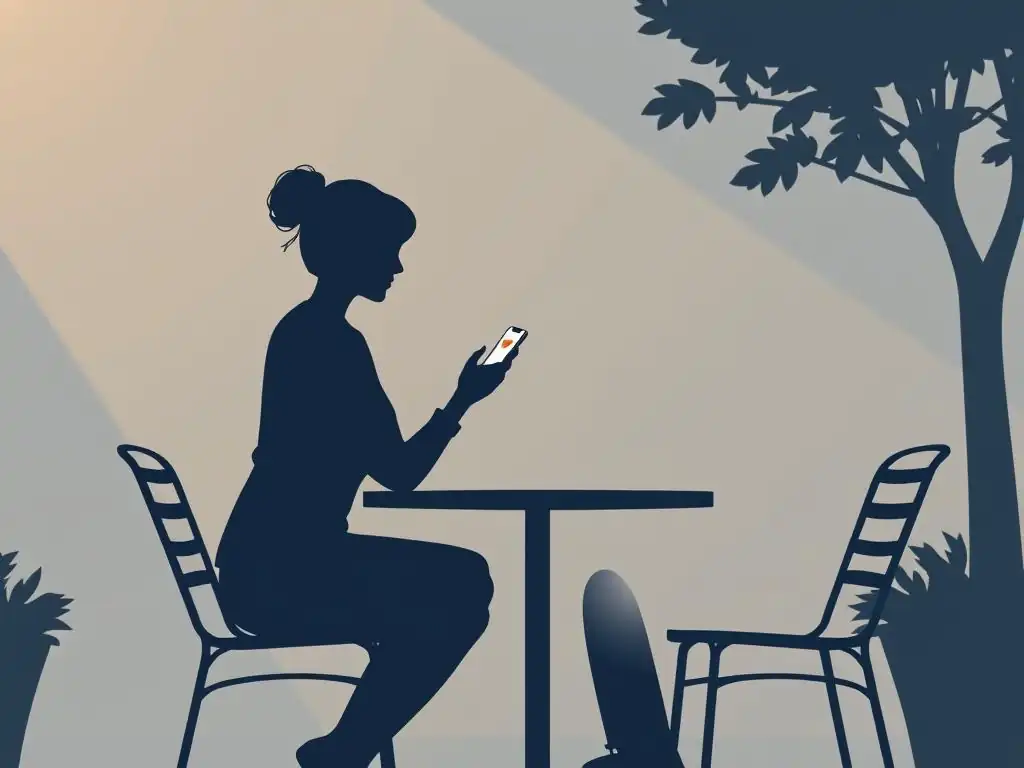
This section focuses on minimizing risks when transitioning from online interactions to in-person meetings. Successful online dating hinges not only on crafting a compelling profile but also on prioritizing safety throughout the process. Remember, your online dating safety tips extend beyond the digital realm. The first in-person meeting is a crucial step, and careful planning is essential to ensure a positive and secure experience. Let's delve into practical strategies to make your first date safer.
Planning a Safe First Date: Location, Transportation, and Communication Strategies
Choosing the right location for your first date is paramount. Avoid secluded or dimly lit areas. Opt for public places where you'll feel comfortable and visible to others. Cafés, restaurants, or museums are generally good choices. Always inform a trusted friend or family member about your plans: where you're going, who you're meeting, and when you expect to be back. Share your date's profile information with them as well.
Transportation is another critical aspect. Driving yourself allows you to leave whenever you feel uncomfortable, without relying on your date. If you use ride-sharing services, ensure the details match your date's information and share your ride details with your trusted contact. Never feel pressured to accept a ride from your date, especially if you haven't established a high level of trust.
Maintain open communication throughout the day. Let your contact know you've arrived safely at your chosen location and send regular updates during the date. If you feel uneasy at any point, don't hesitate to call or text for support. Having a pre-arranged escape plan, such as a code word to alert your contact, can be incredibly helpful in potentially dangerous situations. Remember, your safety is paramount.
Trusting Your Instincts: Recognizing Unsafe Situations and Knowing When to Leave
Your intuition is a powerful tool. If something feels off, even if you can't pinpoint exactly why, trust your gut. Discomfort is a significant red flag. Pay attention to your date's behavior. Are they pushy, controlling, or disrespectful? Do they exhibit behavior that contradicts their online persona? These are all potential warning signs.
Consider these specific examples: If your date is excessively drinking alcohol, becomes verbally aggressive, or tries to pressure you into something you're not comfortable with, these are serious red flags and warrant immediate action. Similarly, if your date is consistently making you feel anxious or unsafe, don't hesitate to leave.
Remember, a successful date is about mutual respect and comfort. It's perfectly acceptable, and even advisable, to end a date early if you feel unsafe or uncomfortable. Prioritize your well-being above all else. Your online dating safety hinges on your ability to recognize and react to unsafe situations.
Setting Boundaries: Communicating Your Limits and Expectations
Clear communication is key to a safe and respectful dating experience. Before your first date, think about your boundaries and what you are and are not comfortable with. This includes physical touch, sharing personal information, drinking alcohol, and the length of the date.
Communicate these boundaries clearly and assertively with your date. Don't feel pressured to compromise your comfort level to please someone else. For example, you might say, "I'm not comfortable sharing my address yet," or "I'd prefer to keep the date relatively short for our first meeting." If your date respects your boundaries, that's a positive sign. If they don't, it's a significant red flag.
Setting boundaries isn't about being unfriendly; it's about protecting yourself and ensuring a safe and positive dating experience. It's a crucial part of online dating safety tips for offline interactions. Remember, your comfort and safety are your top priorities. Don't be afraid to assert yourself and protect your well-being. A healthy relationship is built on mutual respect and understanding of boundaries.
Recognizing Manipulation Tactics in Online Dating: Advanced Red Flags
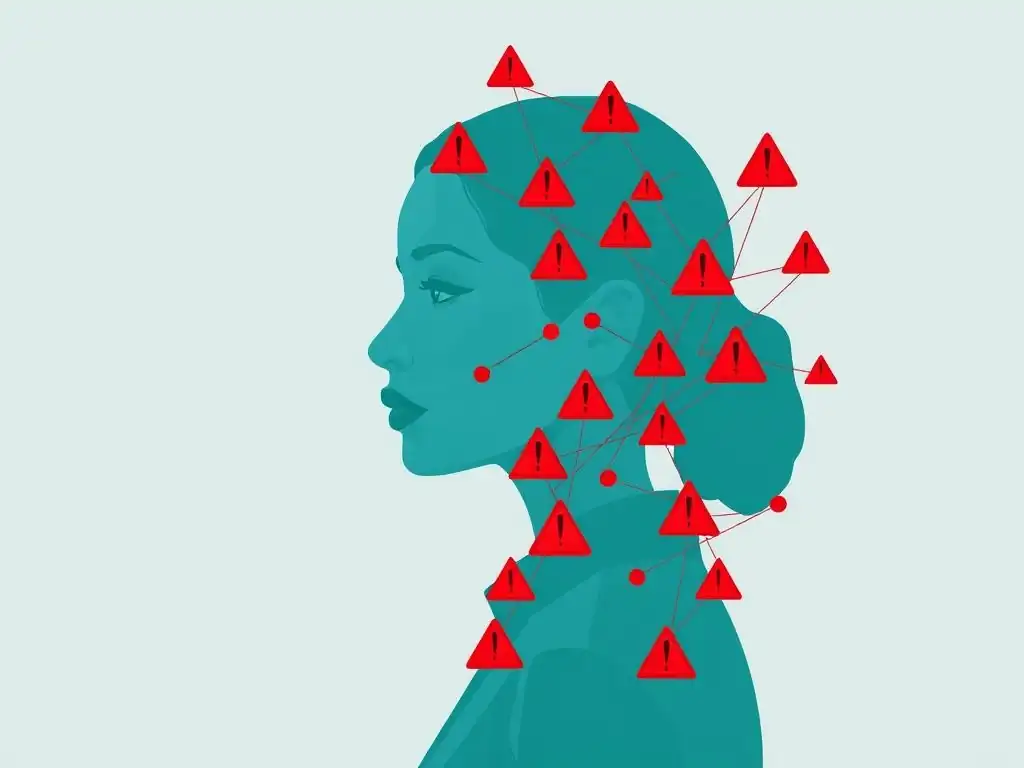
Online dating safety tips extend beyond simply verifying profiles; they encompass recognizing manipulative behaviors. Many individuals seeking to exploit others online utilize sophisticated tactics designed to bypass your defenses. Understanding these red flags is crucial for protecting your emotional and financial well-being. This section delves into advanced manipulation techniques prevalent in the online dating world, equipping you with the knowledge to identify and avoid potentially harmful situations. Remember, your safety and well-being are paramount.
Love Bombing and Idealization: Recognizing Excessive Affection and Unrealistic Promises
Love bombing is a manipulative tactic where someone showers you with excessive affection, compliments, and grand gestures early in a relationship. This intense display of affection aims to overwhelm you and create a strong emotional bond quickly. It's a fast track to intimacy, designed to bypass your usual caution and critical thinking. Think unrealistic promises like, "I've never felt this way about anyone before," or "I know we're meant to be," within days or even hours of connecting online.
These declarations often lack the nuance and gradual development of genuine connection. They’re often accompanied by constant messaging, lavish gifts (even if virtual), and intense declarations of love before you've even met in person. This whirlwind romance is a significant red flag.
A key aspect of love bombing is idealization. The manipulator paints a perfect picture of themselves, often omitting flaws or negative aspects of their personality. They might present themselves as the perfect partner, aligning perfectly with your desires and fantasies. This idealized image is unsustainable and designed to trap you in their web of affection. Be wary of anyone who seems too good to be true, especially early in the online dating process. Remember, healthy relationships develop gradually, allowing for genuine connection and mutual understanding.
Gaslighting and Emotional Manipulation: Identifying Attempts to Control Your Emotions
Gaslighting is a subtle yet insidious form of emotional manipulation where someone attempts to make you question your own sanity and perception of reality. In online dating, this can manifest in several ways. For example, they might deny things they said or did, twisting your words or actions to make you feel confused and insecure. They might subtly undermine your confidence, making you doubt your judgment and rely on their opinions.
Consider these examples: They might say things like, "You're being too sensitive," or "You're imagining things," after you express concerns about their behavior. They could even subtly alter past conversations or shared experiences, claiming you misremembered events. This creates an environment of distrust and uncertainty, making it difficult for you to assess the situation objectively.
Gaslighting aims to control your emotions and erode your self-esteem, making you more dependent on the manipulator. It's a form of emotional abuse that can have long-lasting effects. If you find yourself constantly questioning your own memory or feelings, or if you feel constantly confused or anxious in the relationship, this could be a sign of gaslighting. Trust your instincts; if something feels off, it likely is.
Financial Exploitation: Protecting Yourself from Scams and Extortion
Financial exploitation is a serious risk in online dating. Scammers often use elaborate schemes to extract money from their victims. This might involve creating false emergencies, promising large returns on investments, or requesting small amounts of money that escalate over time.
Some common tactics include:
- Emergency requests: They might claim to be in a sudden financial crisis, needing money for medical bills, travel expenses, or other urgent needs.
- Investment scams: They might promise high returns on investments, often involving cryptocurrency or other risky ventures.
- Gift card scams: They might ask for gift cards to cover expenses or as a token of appreciation.
- Romance scams: These often involve building a relationship over time, then requesting increasingly larger sums of money.
Always be wary of anyone who asks for money, especially early in a relationship. Never send money to someone you've only met online, regardless of their story or promises. If someone pressures you for money, it's a major red flag. Remember, legitimate relationships don't involve financial transactions early on. Report any suspicious activity to the appropriate authorities and the dating platform you're using. Protecting your finances is a crucial aspect of online dating safety. Always prioritize your financial security.
Building Healthy Relationships: Fostering Trust and Open Communication
Building a healthy and safe online dating experience extends beyond just avoiding scams; it's about cultivating genuine connections based on trust and open communication. This involves proactive steps to ensure your well-being and emotional safety throughout the dating process. Remember, a healthy relationship is built on mutual respect, clear boundaries, and honest communication. Ignoring these crucial aspects increases your vulnerability to manipulative behaviors. Let's explore how to foster these elements from the outset.
Open Communication: The Importance of Honest and Transparent Dialogue
Open and honest communication is the bedrock of any healthy relationship, especially those formed online. It's crucial to express your feelings, needs, and expectations transparently, even if it feels uncomfortable at first. Avoid hiding aspects of yourself or sugarcoating the truth to appear more appealing. Authenticity attracts genuine connections. Manipulators thrive on secrecy and ambiguity; open communication disarms them.
For instance, be upfront about your relationship goals. Are you looking for a casual relationship, a long-term commitment, or something in between? Clearly stating your intentions early on prevents misunderstandings and potential hurt feelings later. Similarly, don't be afraid to ask direct questions about your date's life, background, and intentions. Their responses, or lack thereof, can be revealing.
Remember that effective communication isn't just about what you say, but how you say it. Practice active listening, showing genuine interest in what your date has to say. Avoid interrupting or dismissing their thoughts and feelings. A respectful and attentive approach fosters trust and mutual understanding, a crucial element in online dating safety tips.
Setting Healthy Boundaries: Establishing Clear Expectations and Limits
Setting healthy boundaries is paramount to your safety and well-being in online dating. This involves defining your limits regarding physical intimacy, emotional vulnerability, and personal information sharing. It's about protecting yourself from potential harm and ensuring that your interactions remain respectful and consensual.
For example, you might decide to avoid sharing your exact address or workplace until you've met in person multiple times and feel comfortable. You might also set a limit on the amount of personal information you share online, especially during the initial stages of getting to know someone. Similarly, clearly communicate your expectations regarding physical intimacy. Never feel pressured to do something you're not comfortable with, regardless of how much you like the other person.
Establishing boundaries doesn't mean being unfriendly or unapproachable; it means being assertive and protecting your emotional and physical safety. This is a vital aspect of online dating safety tips, often overlooked but incredibly important. Remember, healthy boundaries are a sign of self-respect and should be respected by anyone who values your well-being. Ignoring your boundaries is a red flag.
Seeking Support: Reaching Out to Friends, Family, or Professionals
Navigating the complexities of online dating can be challenging, and it's perfectly okay to seek support from trusted individuals. Share your experiences with close friends or family members who can offer advice, encouragement, and a safe space to discuss your concerns. Their perspective can provide valuable insights and help you identify potential red flags you might have missed.
If you're feeling overwhelmed, anxious, or unsafe, don't hesitate to reach out to a professional counselor or therapist specializing in relationship dynamics. They can provide guidance and support to help you navigate difficult situations and build healthier relationships. Remember, seeking help is a sign of strength, not weakness. It's a proactive step in prioritizing your emotional and mental well-being, an essential component of effective online dating safety tips. Your safety and happiness are paramount. Don't hesitate to reach out for support when you need it.
Frequently Asked Questions
How can I protect myself from scammers on online dating sites?
Never share sensitive personal information like your full address, bank details, or social security number with someone you've only met online. Always verify their identity through multiple channels before meeting in person. Trust your instincts – if something feels off, it probably is.
What are some red flags to watch out for in online dating profiles?
Be wary of profiles with limited personal information, poor-quality photos, or inconsistent details. Beware of those who avoid video calls or pressure you into meeting quickly. Pay close attention to grammar and spelling errors, which can indicate a fake profile.
How can I stay safe when meeting someone I met online for the first time?
Always meet in a public place for your first date. Let a friend or family member know where you're going, who you're meeting, and when you expect to be back. Share your location with someone you trust and check in regularly.
What should I do if I suspect I'm being manipulated or scammed on an online dating site?
Immediately stop all communication with the person. Report the profile to the dating site and consider blocking them. If you've shared financial information, contact your bank and relevant authorities.
What are some resources available for online dating safety?
Many reputable websites offer online dating safety tips and advice. Look for articles and guides on identifying scams and protecting your personal information. Consider consulting with a cybersecurity expert if you've experienced a significant issue.
The rise of online dating has fundamentally reshaped how we connect, yet it's crucial to remember that this digital landscape isn't without its shadows. The ease of connection also presents increased vulnerability to manipulation and exploitation. Understanding the tactics used by those seeking to harm, as explored in this article, is not just about avoiding a bad date; it's about safeguarding your emotional and physical well-being in a world increasingly reliant on digital interactions.
The impact of online dating safety awareness extends far beyond individual experiences; it shapes the very fabric of our social interactions online. It influences how we approach new relationships, how we communicate our boundaries, and how we foster a culture of respect and consent. The ongoing conversation surrounding online safety is vital, and as we navigate this evolving digital world, we must remain vigilant and proactive. The only way to do great work is to love what you do.
While this quote from Steve Jobs might seem unrelated, it highlights the importance of self-love and self-respect in online dating; choosing to protect yourself is an act of self-love.
Now, consider your own online dating experiences. Reflect on the information presented and identify areas where you can strengthen your safety protocols. Take the time to learn the red flags, to trust your intuition, and to prioritize your well-being above all else. By actively engaging in safe dating practices, you not only protect yourself but also contribute to a safer and more respectful online dating environment for everyone. Let's build a future where connection thrives alongside safety and respect.
Take Control: Empower Yourself with Safer Dating Strategies
Thank you for taking the time to learn about safer dating practices! We hope this article has provided you with valuable insights to help you navigate the online dating world with confidence. Now, let's put that knowledge into action.
- Prioritize your safety: Before your next date, create a personal safety plan. This should include sharing your location with a trusted friend or family member and establishing a system for regular check-ins. This is crucial for a safer dating experience.
- Share your experiences: We encourage you to share your thoughts and experiences in the comments below. What safety measures have you found most effective? Let's build a supportive community dedicated to safe and positive online dating.
- Spread the word: Consider sharing this article with friends and family who might also benefit from these important tips. Raising awareness can make a significant difference.
Ready to make your online dating experience safer and more empowering? What's the first step you'll take to implement these strategies?