
Meeting Online: How to Spot a Potential Abusive Partner


Ready to unlock the secrets to a safer and more fulfilling online dating experience? At OnlineDatingSuccess.org, we're dedicated to helping you navigate the world of online romance with confidence. But before you dive in, it's crucial to know the signs. This article on online dating abuse red flags will equip you with the knowledge to protect yourself and build healthy connections. Learn how to identify potential dangers and avoid heartache – your journey to finding meaningful love starts here.
- Recognizing Online Dating Abuse Red Flags: Early Warning Signs
- Identifying Abusive Behaviors During In-Person Meetings
- Protecting Yourself from Online Dating Abuse
- Moving Forward After Identifying Abusive Behavior Online
-
Frequently Asked Questions
- What are some red flags to watch out for in online dating?
- How can I protect myself from online dating abuse?
- What should I do if I think I'm experiencing online dating abuse?
- How do I distinguish between normal relationship disagreements and abusive behavior?
- Can online dating profiles reveal potential abusive tendencies?
- Final Reflection: Navigating the Digital Landscape of Love
- Uncover Your Power: Safeguard Your Online Dating Journey
Recognizing Online Dating Abuse Red Flags: Early Warning Signs
Navigating the world of online dating can be exciting, full of potential connections and the promise of finding a meaningful relationship. However, it's crucial to be aware of the potential dangers lurking beneath the surface. This article focuses on identifying the early warning signs of abusive behavior in online dating, empowering you to protect yourself and make informed decisions about your safety and well-being. We'll explore common red flags that often manifest early in online interactions, helping you differentiate genuine interest from manipulative tactics.
Learning to recognize these signs is a vital step in avoiding potentially harmful relationships and prioritizing your emotional and physical safety. Understanding these red flags can transform your online dating experience from one filled with anxiety to one of empowered, confident connection. Let's delve into some key indicators to watch out for.
Aggressive or Controlling Communication Styles in Online Dating
🚩 One of the earliest signs of potential abuse is an aggressive or controlling communication style. This can manifest in various ways, including:
- Demanding immediate responses: Constantly messaging and expecting near-instant replies, becoming angry or accusatory if you don't respond quickly.
- Controlling your online activity: Trying to dictate who you can talk to online, monitor your social media, or demand access to your accounts.
- Jealousy and possessiveness: Expressing excessive jealousy over your past relationships or current friends, even before meeting in person.
- Using insults or threats: Employing harsh language, name-calling, or making veiled threats, even in seemingly playful or joking contexts.
- Rapid escalation of intimacy: Pressuring you into sharing intimate details or engaging in sexually explicit conversations before you feel comfortable.
These behaviors are often subtle at first, disguised as intense interest or passion. However, they represent a pattern of control and manipulation that can escalate rapidly. Remember, healthy relationships are built on mutual respect and trust, not demands and coercion. If you notice these patterns, it's crucial to take a step back and reassess the relationship.
Excessive Compliments and Idealization in Early Stages of Online Interaction
💖 While receiving compliments can be flattering, excessive praise and idealization early in online interactions can be a red flag. This behavior often stems from a desire to quickly gain your trust and affection. Be wary of:
- Over-the-top compliments: Receiving an overwhelming amount of praise, often focusing on superficial aspects rather than genuine qualities.
- Idealization and unrealistic expectations: Being portrayed as perfect or put on a pedestal, without any acknowledgement of flaws or imperfections.
- Love bombing: Being showered with intense affection, gifts, or attention in a short period, creating a whirlwind romance that feels too good to be true.
These behaviors can be incredibly intoxicating, but they often mask a manipulative intent. Genuine connections develop gradually, based on mutual understanding and respect, not intense, unrealistic flattery. If the level of affection seems disproportionate to the length of your interaction, it's essential to proceed with caution.
Pressure for Rapid Commitment and Intimacy Online
⏳ A significant red flag is pressure to quickly commit to a relationship or engage in intimate acts online or offline before you're ready. This can include:
- Pressure to meet in person quickly: Being urged to meet in person after only a short period of online interaction, despite your reservations.
- Pressure for sexual activity: Being pressured to engage in sexual acts online or in person before you feel comfortable or safe.
- Ignoring your boundaries: Disregarding your expressed limits or preferences regarding communication, intimacy, or meeting in person.
- Using guilt or manipulation: Employing guilt trips or manipulative tactics to pressure you into doing something you're not comfortable with.
Healthy relationships are built on mutual respect for boundaries and a gradual progression of intimacy. If someone is consistently pushing you to do something you're not ready for, it's a clear sign that they may not respect your autonomy or well-being. Trust your instincts – if something feels wrong, it probably is.
Isolation Tactics from Potential Abusive Partners
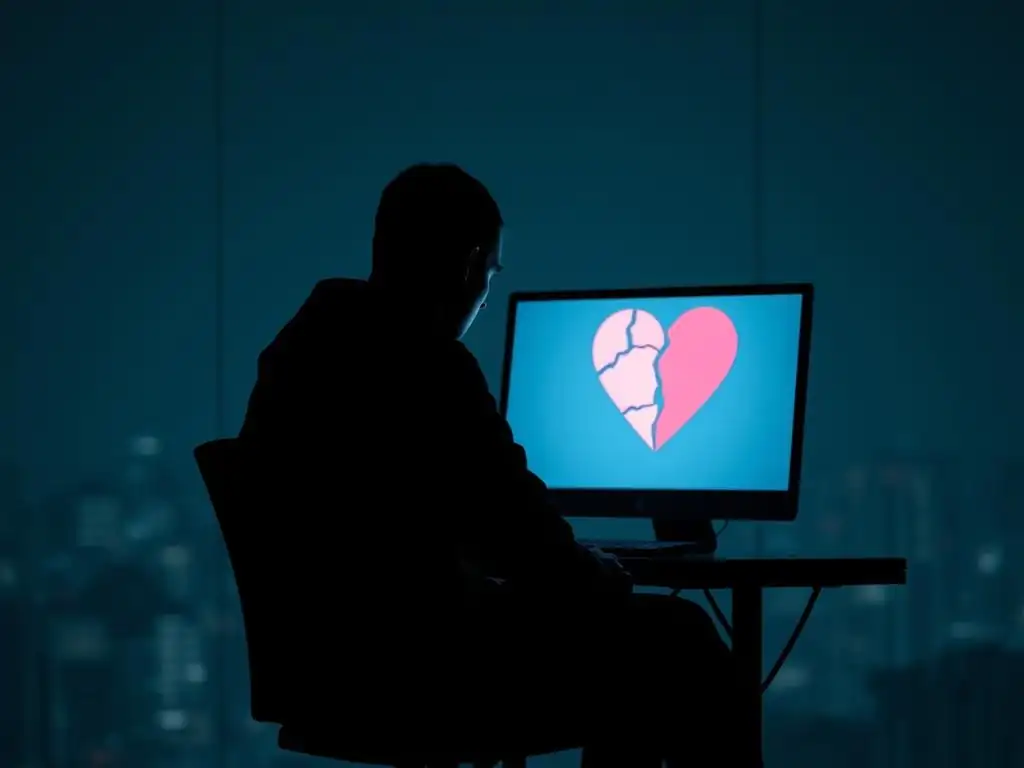
Online dating abuse often begins subtly, with tactics designed to isolate you from your support network. A potential abuser might try to control your communication, gradually discouraging you from spending time with friends and family. This isn't always overt; it can manifest as subtle criticisms of your loved ones, suggesting they don't understand you or are bad influences. They might even try to convince you that your friends are jealous of your relationship, creating a wedge between you and your support system.
Another common tactic is the constant demand for your attention. Excessive texting, calling, and messaging, even when you've expressed a need for space, can be a significant red flag. This constant need for contact is a form of control, slowly eroding your independence and ability to maintain healthy boundaries. They might express anger or jealousy if you spend time with others, even for entirely innocent reasons. This possessiveness is a clear sign of potential abuse and should not be dismissed.
Remember, healthy relationships respect individual needs and boundaries. A partner who consistently disregards your need for personal time and independence is exhibiting a dangerous pattern. Pay close attention to how much time you're spending with friends and family compared to the amount of time you're spending with your online date. A drastic reduction in your social life should raise serious concerns.
Financial Requests and Exploitation Attempts Online
Financial exploitation is a common element of online dating abuse. Abusers often target victims by preying on their empathy and generosity. Requests for money might start small, perhaps a plea for help with an unexpected expense, like a medical bill or car repair. These requests often escalate quickly, with increasingly larger amounts demanded. They might invent elaborate stories to justify their need for funds, often involving fabricated emergencies or unfortunate circumstances. Be wary of anyone who consistently asks for financial assistance, especially early in the relationship, without offering anything in return.
Another tactic involves creating a false sense of urgency or guilt. They might imply that your refusal to help them will have serious consequences, either for them personally or for your relationship. This pressure can be incredibly difficult to resist, especially if the person has already gained your trust and affection. Remember that legitimate relationships do not rely on one person constantly bailing out the other financially. True partnership involves mutual support and shared responsibility, not one-sided financial burdens.
If you suspect financial exploitation, take a step back, and consider seeking advice from a trusted friend, family member, or financial advisor. Never feel pressured to send money to someone you've only met online, regardless of their story. Always prioritize your financial security and well-being. 🚩 Be especially cautious of requests involving gift cards or wire transfers, as these methods are notoriously difficult to trace.
Identifying Abusive Behaviors During In-Person Meetings
This section focuses on recognizing red flags indicating potential abuse during in-person meetings stemming from online dating interactions. Remember, your safety and well-being are paramount. Trust your instincts; if something feels off, it probably is. These are not exhaustive lists, but rather crucial points to consider.
Controlling Behavior During Dates: A Sign of Potential Abuse
Controlling behavior is a significant red flag in any relationship, especially one that began online. It often manifests subtly at first, escalating over time. Early signs might include insisting on choosing all activities, dictating what you wear, or controlling your communication with friends and family. More overt examples include monitoring your location, demanding access to your phone or social media accounts, or restricting your independence.
For instance, imagine a date where your partner insists on driving you everywhere, refusing to let you use your own car, even for short trips to the restroom. This seemingly small act can be a sign of a larger pattern of control. Another example might be a partner consistently criticizing your clothing choices or suggesting you should dress more “appropriately,” implying they are determining what is acceptable for you to wear.
This control extends beyond material possessions; it's about controlling your self-expression and autonomy. Consider carefully how much influence your date exerts over your decisions and actions, and whether this feels healthy and respectful. Remember, a healthy relationship fosters mutual respect and independence.
Jealousy and Possessiveness as Red Flags in Dating
Excessive jealousy and possessiveness are often early indicators of potential abuse. While a degree of interest and affection is normal, unhealthy jealousy manifests as controlling behaviors designed to isolate you from others. This could include interrogating you about your past relationships, expressing anger or suspicion about your friendships, or constantly checking up on your whereabouts.
Consider this scenario: Your date becomes angry when you mention a male friend from work, accusing you of flirting or having ulterior motives. Or perhaps they demand to know the password to your social media accounts, claiming it's a sign of trust, when it's actually a control tactic. Another example is a partner who constantly calls or texts throughout the day, demanding updates on your location and activities, even when you've explicitly stated you need some alone time.
These actions reflect a lack of trust and a desire to control your life, rather than a healthy expression of affection. These are not isolated incidents; they are often part of a broader pattern of controlling behavior. Online dating abuse red flags often appear as seemingly minor issues that gradually escalate.
Disrespectful or Demeaning Treatment: A Major Warning Sign
Disrespectful or demeaning treatment should never be tolerated. This encompasses a wide range of behaviors, from subtle put-downs and insults to overt aggression and threats. These actions are often designed to erode your self-esteem and make you feel dependent on your partner. Early signs might include constant criticism, belittling your accomplishments, or making you feel inadequate.
For example, a date who consistently makes sarcastic remarks about your career choices, hobbies, or appearance is displaying disrespectful behavior. Another red flag might be a partner who dismisses your feelings or opinions, interrupting you frequently, or refusing to acknowledge your perspective. More severe instances could involve verbal abuse, threats of violence, or intimidation. Remember, any form of disrespect is a serious warning sign.
A healthy relationship is built on mutual respect, empathy, and understanding. If your date consistently disregards your feelings or attempts to undermine your self-worth, it’s crucial to end the interaction immediately and prioritize your safety. Online dating should be a positive experience; don't hesitate to remove yourself from any situation that feels unsafe or uncomfortable.
Remember, your safety is paramount. If you experience any of these behaviors, reach out to trusted friends, family, or support organizations. Your feelings are valid, and you deserve to be treated with respect and kindness.
Monitoring and Tracking Behavior: A Form of Online Dating Abuse
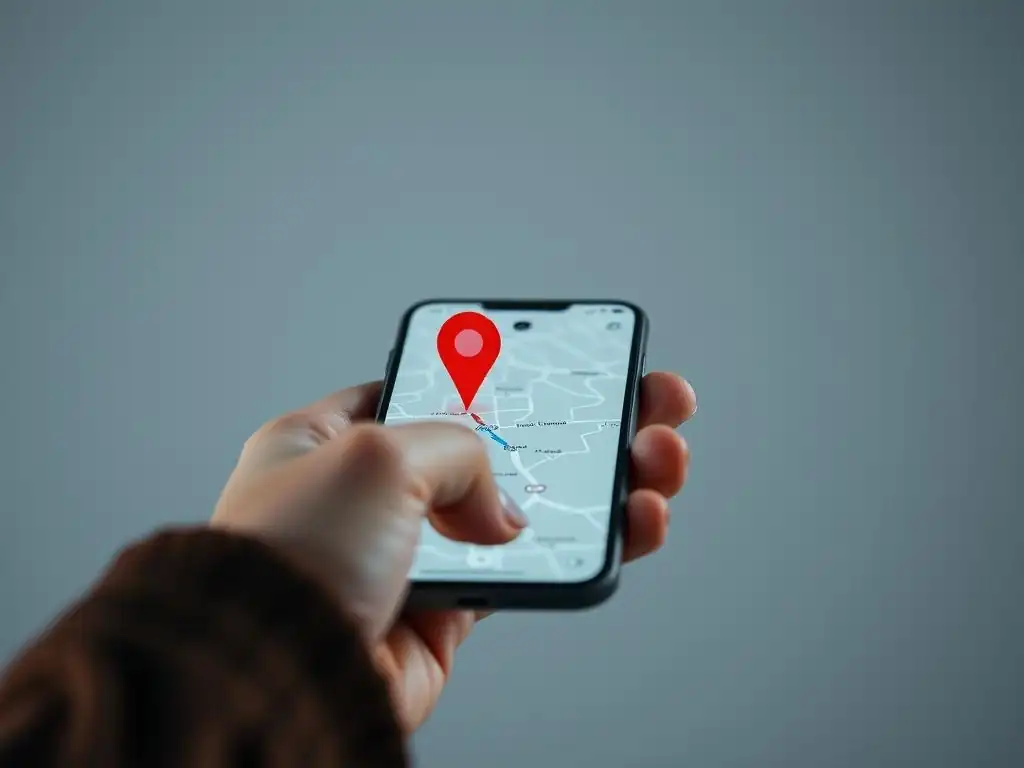
Monitoring and tracking behavior is a serious red flag in online dating, often escalating from subtle actions to overt control. It's a form of abuse that can creep in gradually, making it harder to recognize initially. Early signs might involve excessive questioning about your whereabouts, demanding constant updates on your location, or repeatedly checking in throughout the day.
This behavior can manifest in various ways, from seemingly innocent inquiries about your daily schedule to insistent requests to share your location via apps like GPS trackers or social media check-ins. The abuser might use the guise of "caring" or "worrying" to justify these actions.
However, the line between concern and control becomes blurred when this behavior becomes insistent, demanding, and unresponsive to your boundaries. For instance, persistent text messages demanding real-time updates, even when you've clearly stated your unavailability, are a strong indicator of controlling behavior. Similarly, showing up unexpectedly at places you mentioned or accessing your social media accounts without permission are significant violations of your privacy and personal space. This monitoring and tracking often escalates, leading to a feeling of being constantly watched and judged, impacting your sense of autonomy and freedom.
Remember, healthy relationships are built on trust and respect for personal space; constant monitoring is incompatible with these fundamental tenets. If you experience this behavior, it's crucial to address it directly and set firm boundaries. If the behavior continues despite your efforts, it's a clear sign that the relationship is unhealthy and potentially abusive. Prioritize your safety and well-being.
Threats and Intimidation: Serious Red Flags to Watch For
Threats and intimidation are severe online dating abuse red flags that should never be ignored. These behaviors can range from subtle veiled threats to overt acts of violence and coercion. Subtle threats might involve passive-aggressive comments, controlling language, or attempts to isolate you from friends and family. For example, comments like "I know where you live" or "You'll regret it if you..." can be deeply unsettling and represent a significant threat. The abuser might attempt to control your finances, job, or social life, using threats to maintain power and dominance.
More overt forms of intimidation involve direct threats of physical harm, stalking, or damage to property. These threats can be communicated directly or indirectly, through messages, social media posts, or even through third parties. The goal is to create fear and control. It's important to remember that any form of threat, regardless of its severity, is a serious violation and should not be tolerated.
A single instance of such behavior is sufficient to end contact immediately. Do not attempt to reason with the abuser or downplay their actions. Your safety and well-being are paramount. Document all instances of threats and intimidation, including screenshots of messages and any other evidence.
This documentation can be invaluable if you need to seek help from law enforcement or other support organizations. Remember, you deserve to feel safe, and no one has the right to intimidate or threaten you. Seeking help is a sign of strength, not weakness.
Protecting Yourself from Online Dating Abuse
This section focuses on proactive measures you can take to minimize your risk of encountering abusive behavior in the online dating world. Remember, your safety and well-being are paramount. Understanding potential red flags and establishing clear boundaries are crucial steps in navigating the online dating landscape safely. Learning to recognize and respond to warning signs can significantly reduce your vulnerability to online dating abuse.
Setting Boundaries and Saying No in Online Dating
Setting healthy boundaries is fundamental to protecting yourself from abuse. This involves clearly communicating your limits and comfort levels from the outset. It's not selfish; it's essential for your safety and mental well-being. Don't feel pressured to respond to messages or engage in activities that make you uncomfortable.
Here are some practical steps to implement:
- Define your limits: Before interacting with anyone online, consider what you're comfortable sharing and doing. This includes personal information, the frequency and nature of communication, and meeting in person.
- Communicate your boundaries clearly: Use direct and assertive language when expressing your limits. For example, "I'm not comfortable sharing my address yet," or "I prefer to chat online before meeting in person."
- Don't apologize for your boundaries: Your boundaries are valid, regardless of how others react. Don't feel obligated to justify or apologize for them.
- Practice saying "no": Learn to say "no" firmly and confidently, even if it feels uncomfortable. A simple "no thank you" is sufficient.
- Be consistent: Consistently upholding your boundaries reinforces their importance and helps establish a respectful dynamic.
Remember, a healthy relationship respects your boundaries. If someone consistently disregards your limits, it's a significant red flag.
Trusting Your Instincts: Recognizing Danger Signs
Your intuition is a powerful tool. If something feels off or unsafe, trust your gut. Don't dismiss your instincts just because someone seems charming or persuasive online. Many abusers are skilled manipulators. Pay close attention to the following warning signs:
- Controlling behavior: Does the person try to control your online activity, who you talk to, or what you do? This might include excessive texting, demanding constant updates, or criticizing your friendships.
- Isolation: Do they try to isolate you from friends and family? Abusers often try to cut off their victims' support systems.
- Rapid escalation: Does the relationship progress too quickly? Be wary of intense declarations of love or commitment early on.
- Gaslighting: Do they make you doubt your own perceptions, memories, or sanity? Gaslighting is a form of emotional abuse.
- Threats or intimidation: Do they use threats, either directly or indirectly, to control or manipulate you? This is a serious warning sign.
- Financial pressure: Do they constantly ask for money or financial assistance? This can be a sign of exploitation.
- Inconsistencies: Are there inconsistencies in their profile or their stories? Do their words and actions match? Discrepancies are often a sign of deception.
| Red Flag | Description | Example |
|---|---|---|
| Controlling Behavior | Attempts to dictate your actions or choices. | "You shouldn't talk to other people online." |
| Isolation | Tries to separate you from friends and family. | "Your friends don't understand us." |
| Rapid Escalation | Relationship moves too quickly, intense declarations of love too soon. | "I love you" after only a few conversations. |
| Gaslighting | Makes you question your own sanity or memory. | "You're being too sensitive." |
| Threats or Intimidation | Uses threats or intimidation to control you. | "I'll find you if you try to leave me." |
| Financial Pressure | Constantly asks for money or financial assistance. | Repeated requests for money, often under false pretenses. |
| Inconsistencies in their story | Discrepancies in their profile or their narratives. | Profile picture doesn't match their appearance in video calls. |
Strategies for Safe Online Dating Practices
Protecting yourself requires a multifaceted approach. Here are some strategies for safe online dating practices:
- Verify profiles: Try to verify information provided in profiles using readily available tools. Use reverse image searches to check profile pictures for authenticity.
- Video chat early: This helps verify identity and build trust more quickly than text-based conversations alone.
- Meet in public places: Always meet for the first few dates in well-lit, public areas.
- Tell a friend: Inform a trusted friend or family member about your date, including the person's name, profile information, and your meeting location.
- Have a backup plan: Arrange for a friend to check in on you during your date, or have a pre-arranged signal to get help if needed.
- Trust your instincts: If something feels wrong, leave. Your safety is more important than politeness.
- Report suspicious behavior: If you encounter abusive or suspicious behavior, report it to the dating platform immediately.
Remember, online dating should be a positive and enjoyable experience. By taking these precautions and trusting your instincts, you can significantly reduce your risk of encountering abuse and create a safer online dating journey. Prioritizing your safety is not only wise but essential.
Building a Support Network for Online Dating Safety

Building a strong support network is crucial for online dating safety. Having people you trust who know about your online dating activities can provide a vital safety net. This isn't about constantly seeking approval, but rather having individuals who can offer perspective, advice, and even a quick check-in if you feel uneasy about a particular interaction. This could include close friends, family members, or even a therapist specializing in relationship dynamics.
Regularly sharing your dating experiences with them, especially details about new matches and upcoming dates, allows them to monitor potential red flags you might miss in the heat of the moment. Remember, a supportive network isn't just about crisis management; it's about fostering a sense of security and empowerment throughout your online dating journey. Sharing your location with a trusted friend during a date, using a check-in app, or simply letting someone know when you expect to be home are all proactive steps you can take. Remember that your safety is paramount, and having a reliable support system can significantly reduce your vulnerability.
Don't hesitate to lean on your network; they are there to help. Consider creating a shared document or establishing a regular check-in system to facilitate communication and ensure your well-being. The more open and honest you are with your support network, the better equipped they are to assist you.
Reporting Abuse and Seeking Help: Resources and Support
If you experience online dating abuse, knowing where to turn for help is essential. Many resources exist to provide support and guidance. First, consider reporting the abuse to the online dating platform itself. Most platforms have mechanisms for reporting inappropriate behavior, ranging from harassment and threats to scams and identity theft. Document all instances of abuse – save screenshots of messages, emails, and any other evidence. This documentation will be critical if you choose to pursue legal action or report the abuse to law enforcement.
Beyond online platforms, contacting local law enforcement is crucial if you feel threatened or have experienced physical harm. They can provide immediate protection and investigate the situation. Additionally, numerous organizations specialize in supporting victims of domestic violence and online abuse. These organizations often offer confidential hotlines, counseling services, and legal assistance. They can provide emotional support, help you develop a safety plan, and guide you through the legal process if necessary.
Remember, seeking help is a sign of strength, not weakness. Don't be afraid to reach out for support; you are not alone. Online resources, support groups, and helplines offer a wealth of information and guidance, helping you navigate the emotional and practical challenges of dealing with online dating abuse. Take advantage of these resources; they are there to help you rebuild and move forward. Remember to prioritize your safety and well-being above all else.
Moving Forward After Identifying Abusive Behavior Online
Recognizing abusive behavior in online dating is the crucial first step. However, the aftermath can be emotionally challenging. Moving forward requires a multifaceted approach focusing on self-preservation, emotional healing, and establishing healthy relationship patterns. This section provides practical steps to navigate this difficult period and build a stronger, safer future. Remember, you are not alone, and seeking support is a sign of strength, not weakness.
Understanding the Cycle of Abuse in Online Relationships
Online abuse, like offline abuse, often follows a cyclical pattern. Understanding this cycle empowers you to recognize patterns and break free. The cycle typically involves three stages:
- Tension Building: This phase is characterized by subtle signs of control. The abuser might become increasingly critical, possessive in their messaging, or demand constant attention. They might subtly isolate you from friends and family through online manipulation, such as spreading rumors or deleting your contacts. This stage can be difficult to identify as the abuse is often insidious and not overtly aggressive. Examples include: constant checking of your online activity, controlling what you post, or demanding explanations for every interaction with other online users.
- Acute Abuse: This is the explosive phase where the abusive behavior becomes overt. It might include verbal abuse, threats, harassment, or even doxing (publicly revealing private information). The abuser might lash out with angry messages, threatening to share intimate photos or videos, or even sending abusive messages to your friends and family. This is the point where the abuse becomes undeniably clear.
- Honeymoon Phase: Following the acute abuse, the abuser often displays remorse, apologizing profusely, showering you with gifts or attention, and promising it won't happen again. This creates a false sense of security and reinforces the cycle, making it difficult for victims to leave. This phase often involves excessive flattery, promises to change, and declarations of love to manipulate the victim back into the relationship. This manipulative tactic is designed to prevent the victim from seeking help or ending the relationship.
Understanding this cyclical nature is key to recognizing the pattern and breaking free. Remember, you are not responsible for the abuser's behavior.
Self-Care and Healing After an Abusive Online Encounter
Healing from online dating abuse requires prioritizing self-care. This is not selfish; it's essential for your emotional and mental well-being. Consider these steps:
- Reach out for support: Talk to a trusted friend, family member, therapist, or counselor. Sharing your experience can be incredibly validating and helpful. Many online resources and hotlines specifically address online abuse and can provide immediate support.
- Limit online exposure: Take a break from online dating and social media. This allows you to create distance from the source of the abuse and regain a sense of control over your digital life. This is crucial to prevent further exposure to potential triggers or further interaction with your abuser.
- Document the abuse: Save screenshots, emails, and any other evidence of the abusive behavior. This can be crucial if you decide to pursue legal action. This documentation can serve as a valuable tool in the healing process and in any future legal proceedings.
- Practice self-compassion: Be kind to yourself. Healing takes time, and there's no set timeline. Allow yourself to grieve the loss of the relationship and the violation of your trust. Focusing on self-compassion is essential during the healing process.
- Engage in self-soothing activities: Find healthy ways to cope with stress, such as exercise, spending time in nature, practicing mindfulness, or engaging in hobbies you enjoy. This process of self-soothing is essential to regaining a sense of control and promoting emotional well-being.
Finding Healthy Relationships After Online Dating Abuse
After experiencing abuse, it's natural to feel hesitant about entering new relationships. However, it's important to remember that healthy relationships are possible. Here are some steps to consider:
- Set healthy boundaries: Clearly define your needs and expectations in a relationship. Don't be afraid to say no or end a relationship if your boundaries are violated. Setting clear boundaries is crucial for establishing healthy relationships in the future.
- Trust your instincts: If something feels wrong or off, don't ignore it. Pay attention to red flags and don't be afraid to walk away from a potentially unhealthy situation. Trusting your instincts is vital in protecting yourself from future abuse.
- Choose platforms carefully: Some online dating platforms have better safety features than others. Research and choose a platform that prioritizes user safety. Choosing safe and reputable platforms can significantly reduce your risk of encountering abusive individuals.
- Take it slow: Don't rush into a new relationship. Allow yourself time to heal and focus on building a strong sense of self before committing to another relationship. Taking it slow allows for a more conscious and healthy approach to new relationships.
Remember, healing from online dating abuse is a journey, not a destination. Be patient with yourself, seek support when needed, and prioritize your well-being. Building healthy relationships requires self-awareness, strong boundaries, and a commitment to your own safety and happiness. The experience of online dating abuse does not define you; it is a chapter in your life, and you have the power to write a new, healthier one.
Frequently Asked Questions
What are some red flags to watch out for in online dating?
Some red flags include overly fast progression of the relationship, controlling behavior, excessive jealousy, prioritizing their needs above yours, and isolating you from friends and family. Pay close attention to how they communicate and treat you.
How can I protect myself from online dating abuse?
Prioritize your safety by meeting in public places, telling a friend where you're going and who you're meeting, and never sharing your full address or personal details prematurely. Trust your instincts – if something feels off, it probably is.
What should I do if I think I'm experiencing online dating abuse?
Reach out to a trusted friend, family member, or therapist. Document instances of abuse, including screenshots and messages. Consider reporting the abuser to the dating platform and/or law enforcement if needed.
How do I distinguish between normal relationship disagreements and abusive behavior?
Abusive behavior involves a pattern of controlling, manipulative, or aggressive actions aimed at dominating you. Disagreements are part of any relationship, but abuse is about power and control, not healthy conflict resolution.
Can online dating profiles reveal potential abusive tendencies?
While not always obvious, look for signs of entitlement, aggression, or victim-blaming in their profile or communication. Pay attention to the language they use and how they present themselves. Inconsistencies in their profile or behavior can also be a red flag.
The ease and accessibility of online dating have unfortunately opened doors to new forms of abuse, making the ability to identify red flags more crucial than ever. We've explored subtle and overt signs of potential abuse in online relationships, from controlling behaviors masked as concern to manipulative tactics disguised as romance. This isn't just a niche issue; it's a pervasive problem demanding our attention and proactive strategies.
The impact of online abuse extends far beyond the digital realm, leaving lasting emotional scars and affecting victims' self-esteem and trust in future relationships. The insidious nature of these behaviors often makes it difficult for victims to recognize the abuse, leading to prolonged suffering. The greatest trick the devil ever pulled was convincing the world he didn't exist.
This quote, while not directly about online dating abuse, highlights the often-invisible nature of manipulation and control, making vigilance and awareness paramount. We must continue to foster open conversations about these issues, creating a supportive environment where victims feel empowered to seek help and speak out.
You are the architect of your own safety and well-being. Take the time to reflect on the information presented in this article. Don't hesitate to trust your instincts; if something feels off, it probably is. Learn to recognize the red flags, empower yourself with knowledge, and prioritize your emotional and physical safety above all else. Remember, healthy relationships are built on mutual respect, trust, and open communication – never fear, manipulation, or control. Your happiness and safety are worth fighting for.
Uncover Your Power: Safeguard Your Online Dating Journey
Thank you for learning how to identify potential red flags in online dating. We hope this article has provided valuable insights to help you prioritize your safety and well-being. Let's now focus on taking proactive steps to ensure a positive and secure online dating experience.
- Prioritize your safety: Remember the key warning signs discussed and be vigilant in looking for them during future interactions. Don't hesitate to end communication if anything feels unsettling or suspicious.
- Share this vital information: Share this article with a friend or family member who might find this information helpful. Let's work together to create a safer online dating community.
- Explore further resources: Consider seeking out additional articles and support groups online dedicated to safe online dating practices. Many valuable resources are available.
What steps can you take today to create a safer and more fulfilling online dating experience?