
Dating App Protection: Report and Block Unwanted Users

Ready to transform your online dating experience from frustrating to fulfilling? At OnlineDatingSuccess.org, we empower you to navigate the world of digital romance with confidence. But what happens when things go wrong? Our comprehensive Dating app safety reporting guide will equip you with the knowledge and tools to identify and report inappropriate behavior, ensuring your safety and peace of mind while searching for meaningful connections. Discover how to protect yourself and build a positive online dating journey – read on to learn more!
- Understanding Dating App Safety Reporting: A Comprehensive Guide
- Blocking Unwanted Users on Dating Apps: A Step-by-Step Guide
-
Beyond Reporting and Blocking: Protecting Your Online Dating Safety
- Protecting Your Personal Information on Dating Apps
- Setting Strong Privacy Settings on Dating Platforms
- Utilizing Two-Factor Authentication for Enhanced Security
- Creating a Safe Dating Profile: Protecting Your Identity
- Safe Communication Practices: Avoiding Risky Interactions
- Knowing Your Rights: Legal Recourse for Online Harassment
- Resources for Dating App Safety and Support
- Frequently Asked Questions
- Final Reflection: Reclaiming Control in the Digital Dating Landscape
- Take Control: Secure Your Online Dating Experience
Understanding Dating App Safety Reporting: A Comprehensive Guide
Online dating offers exciting possibilities for connection and romance, but it's crucial to navigate this digital landscape with awareness and caution. This guide focuses on a critical aspect of online dating safety: reporting and blocking unwanted users.
Understanding how to effectively report inappropriate behavior and protect yourself is paramount to ensuring a positive and safe online dating experience. We'll explore how to identify red flags, recognize unwanted behavior, and utilize the reporting mechanisms available on various dating apps to minimize risks and maximize your safety.
This comprehensive guide aims to empower you with the knowledge and tools necessary to create a safer and more enjoyable online dating journey, helping you focus on building meaningful connections instead of worrying about potential threats. Learning to proactively identify and report unsafe interactions is a key component of a successful and secure online dating strategy, transforming your experience from one of apprehension to one of confident engagement.
Recognizing Unwanted Behavior on Dating Apps
Navigating the world of online dating requires a keen awareness of potentially harmful interactions. Unwanted behavior can manifest in many forms, ranging from subtle discomfort to blatant harassment. It's essential to trust your instincts; if something feels off, it likely is. Some common examples of unwanted behavior include:
- Aggressive or Pressuring Communication: This could involve persistent messaging despite requests to stop, demands for personal information, or overly sexualized conversations. The goal is to establish healthy boundaries and not tolerate pressure.
- Insulting or Abusive Language: Any form of verbal abuse, including name-calling, threats, or derogatory remarks, should be immediately reported. No one should tolerate this kind of behavior.
- Inappropriate or Explicit Content: Unsolicited sharing of sexually explicit images or videos is a serious violation and should be reported immediately.
- Catfishing or Fake Profiles: Be wary of profiles that seem too good to be true or lack consistent information. Inconsistencies should raise red flags.
- Stalking or Harassment: This includes repeated unwanted contact, attempts to track your location, or any behavior that makes you feel unsafe or threatened. Your safety is paramount.
- Financial Scams: Be cautious of requests for money, especially from individuals you haven't met in person. Never send money to someone you've only met online.
Remember, your comfort and safety are paramount. Even seemingly minor instances of discomfort should be addressed. Don't hesitate to report any behavior that makes you feel uneasy. Reporting is not just about punishing perpetrators; it's about creating a safer environment for everyone. The more users report inappropriate behavior, the better the dating apps can protect their communities. Your actions contribute to a safer online dating experience for all.
Identifying Red Flags: Warning Signs of Potential Scams and Harassment
Before unwanted behavior escalates, learning to identify red flags is crucial for preventing negative experiences. These warning signs can help you assess potential risks and protect yourself from scams and harassment. Early detection and proactive measures are key to maintaining a safe online dating environment.
| Red Flag | Description | Example |
|---|---|---|
| Inconsistencies in Profile | Discrepancies in photos, biographical information, or communication style. | A profile with high-quality photos but a poorly written biography. |
| Pressure for Quick Meetings | Urgent requests to meet in person before establishing trust or sufficient communication. | "I only have a few days in town, let's meet immediately." |
| Excessive Compliments | Over-the-top flattery, often unrealistic and insincere, aimed at gaining your trust quickly. | "You're the most beautiful woman I've ever seen, I'm instantly in love." |
| Requests for Financial Aid | Unexpected requests for money, gifts, or financial assistance, often under false pretenses. | "I'm in a difficult situation, can you lend me some money?" |
| Avoidance of Video Calls | Reluctance or inability to engage in video chats, raising suspicion about the authenticity of the profile. | Repeated excuses for not being able to video chat. |
| Overly Personal Questions | Inquiring about sensitive information too early in the communication process, potentially for malicious purposes. | Asking for your bank details or social security number. |
| Sudden Changes in Behavior | Significant shifts in personality or communication style, possibly indicating a deceptive or manipulative intent. | Switching from friendly to demanding or aggressive behavior without explanation. |
By carefully observing these red flags and trusting your instincts, you can significantly reduce your risk of encountering scams or harassment. Remember, if something seems suspicious, it's always better to err on the side of caution. Your safety is your top priority.
Effective Reporting Procedures: How to Report Unwanted Users
Reporting unwanted users is crucial for maintaining a safe and positive online dating experience. Effective reporting not only protects you but also helps dating platforms identify and remove harmful individuals, improving the experience for everyone. The process generally involves several key steps, although the exact methods may vary slightly depending on the specific dating app you're using. First, familiarize yourself with the app's reporting features. Most apps have a clear reporting button or menu option usually located within the user's profile or messaging section.
Clicking this will typically open a reporting form. This form will often ask you to specify the reason for your report, providing a selection of options such as harassment, spam, scams, or inappropriate behavior. Choose the option that best describes the situation. Next, provide as much detail as possible. Include specific examples of the unwanted behavior, screenshots of messages or profiles, and timestamps if available.
The more information you provide, the better equipped the dating app's moderators will be to take appropriate action. Finally, after submitting your report, you may receive an automated confirmation message. Some apps offer updates on the status of your report, while others don't. Remember, even if you don't receive immediate feedback, your report is still valuable and contributes to a safer online dating environment. Patience is key, and persistent or egregious violations are more likely to receive quicker attention.
Reporting Procedures on Popular Dating Apps
While the general principles of reporting remain consistent across various dating apps, the specific steps and features can differ. For example, Tinder's reporting system might be accessed through a three-dot menu within a user's profile, while Bumble might have a dedicated "Report" button within the messaging interface. Some apps, such as Hinge, may incorporate detailed questionnaires to guide users through the reporting process, clarifying the nature of the offense. Understanding these app-specific nuances is crucial for efficient reporting.
It's always advisable to check each app's help center or FAQ section for detailed instructions on how to report users. These sections often contain visual guides and step-by-step tutorials, making the process straightforward. Additionally, reviewing the app's terms of service can provide valuable insight into the types of behavior that are considered reportable offenses and what actions the platform will take.
Reporting Harassment and Abuse on Dating Platforms
Harassment and abuse take many forms in the online dating world, ranging from verbal abuse and threats to stalking and doxing. Reporting such behavior is not only essential for your safety but also for the safety of other users. When reporting harassment or abuse, it's critical to remain calm and provide factual information. Avoid emotional language and focus on objective details.
Document all instances of harassment, including dates, times, and specific examples of offensive messages or actions. Screenshots are invaluable in this context. If the harassment involves threats of violence or physical harm, immediately report it to the appropriate law enforcement agencies in addition to reporting it through the dating app.
In cases of stalking or doxing, collect and preserve any evidence, including IP addresses, social media profiles, and any other identifying information. If you feel unsafe at any point, reach out to a trusted friend, family member, or support organization. Remember, you're not alone, and seeking help is a sign of strength.
Documenting Evidence for Stronger Reports
Strong reports are built on strong evidence. Gathering and preserving relevant evidence significantly increases the likelihood of a successful outcome. This includes screenshots of offensive messages, profile pictures displaying inappropriate content, and timestamps documenting the duration and frequency of the unwanted behavior. If possible, keep a record of all interactions with the offending user, including the date and time of each interaction and a summary of what occurred.
This detailed log can be extremely helpful in providing context to your report. If the abuse extends beyond the dating app, such as through other social media platforms or email, document those interactions as well. Remember to maintain a copy of all evidence for your personal records.
This documentation not only strengthens your report but also provides crucial evidence should you need to escalate the matter to law enforcement or seek legal counsel. The more comprehensive your evidence, the more likely the dating app will take swift and decisive action against the offending user. Consider using a secure cloud storage service to store your evidence, ensuring its safety and accessibility.
Blocking Unwanted Users on Dating Apps: A Step-by-Step Guide
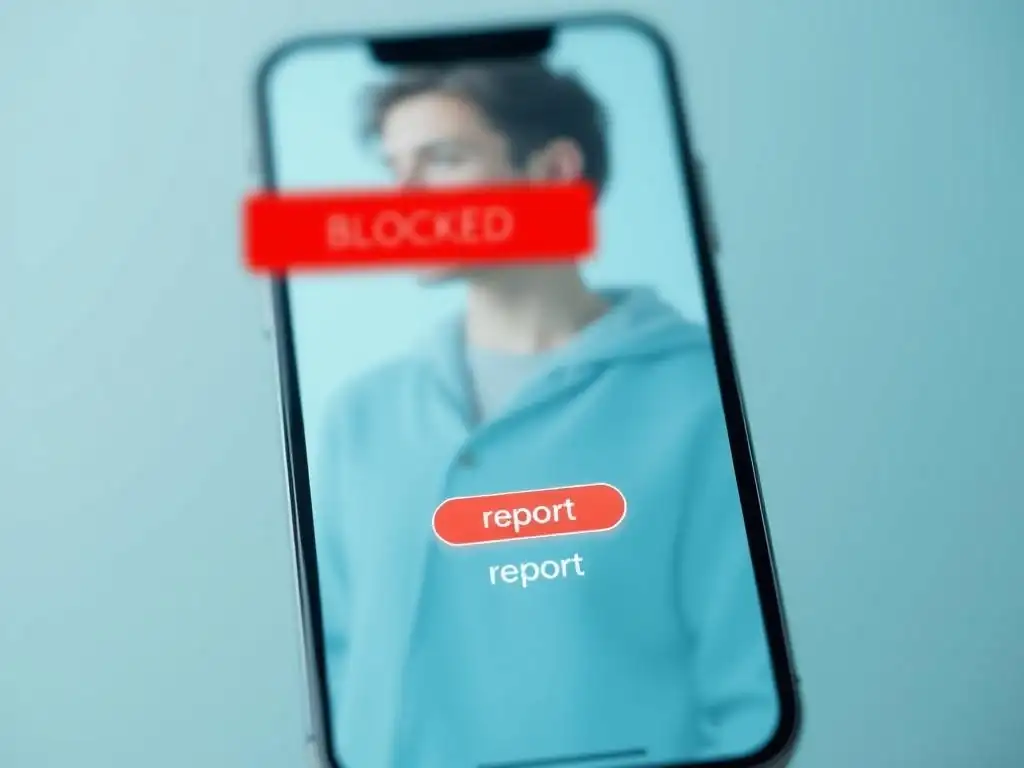
This section provides a practical, step-by-step guide on how to block unwanted users on popular dating apps. Knowing how to effectively block users is a crucial aspect of maintaining your safety and well-being while online dating. This guide focuses on the most common actions and methods, empowering you to take control of your online dating experience and prioritize your safety. Remember, proactive blocking is a key component of a comprehensive dating app safety strategy. This is an important part of your overall "Dating app safety reporting guide" strategy.
Blocking Users on Tinder
Tinder offers a straightforward blocking mechanism. The process is designed to be quick and easy, ensuring you can swiftly remove unwanted users from your experience. Here's how to do it:
- Locate the Profile: Find the profile of the user you wish to block.
- Access the Menu: Look for a menu icon (often three dots or a downward-pointing arrow) usually located near the user's profile picture or bio.
- Select "Block": Within the menu, you should find an option to "Block" or a similar phrasing. Select this option.
- Confirmation: Tinder may present a confirmation prompt. Review the prompt and confirm your decision to block the user. This ensures you don't accidentally block someone.
- Verification: After blocking, you should no longer see this user's profile in your feed, and they will be unable to contact you. However, be aware that they might still be able to see your profile if you haven't also removed your profile from Tinder entirely.
Remember to always report any abusive or harassing behavior before blocking. Reporting helps the app's moderators take action against repeat offenders, improving the platform's safety for everyone. This is a critical part of your personal "Dating app safety reporting guide".
Blocking Users on Bumble
Bumble's blocking process is similarly streamlined. However, there might be slight variations in the interface depending on the app version. Here is a general guideline:
- Navigate to the Profile: Find the profile of the person you want to block.
- Access User Settings: Look for a menu icon (often three dots or a gear icon) within the user's profile. The location might differ slightly depending on the app version.
- Find the Block Option: Inside the settings menu, you should find an option labeled "Block," "Report," or something similar.
- Confirm the Block: Bumble might ask you to confirm your decision. This step is crucial to prevent accidental blocks.
- Post-Block Actions: Once blocked, the user will no longer be able to see your profile, match with you, or contact you on Bumble. Consider also reporting the user if they engaged in any inappropriate behavior. Implementing a strong "Dating app safety reporting guide" is key.
Remember, blocking a user is a personal safety measure. While it removes the user from your experience, it doesn't necessarily prevent them from creating a new profile or using the app under a different name.
Blocking Users on Hinge
Hinge, like other dating apps, emphasizes user safety. The blocking process is relatively simple and intuitive:
- Locate the Profile: Identify the profile you want to block.
- Access the Profile Menu: Look for a menu icon (often three dots or a downward-pointing arrow) located within the user's profile.
- Select "Block": Choose the "Block" option from the menu. You may also see options to "Report" the user, which is highly recommended if the user's behavior was inappropriate or concerning.
- Confirmation: Hinge might require you to confirm your action. This step helps to avoid unintentional blocks.
- Result of Blocking: After blocking, the user will no longer be able to interact with your profile on Hinge. However, remember to report any harmful or inappropriate behavior to Hinge's support team to help ensure the safety of other users. Building a comprehensive "Dating app safety reporting guide" is crucial for your online safety.
Remember that while these steps provide a general guide, minor interface changes might occur with app updates. Always refer to the app's in-app help section or FAQ for the most up-to-date instructions. Prioritizing your online safety is paramount, and utilizing these blocking features is a significant step in achieving that.
Blocking Users on OkCupid
OkCupid offers a straightforward blocking mechanism to enhance your safety and online dating experience. Blocking a user prevents them from contacting you, seeing your profile, or interacting with you in any way on the platform. This is a crucial tool for managing unwanted attention and maintaining a positive online dating environment. Remember, prioritizing your safety and well-being is paramount.
To block a user on OkCupid, first locate their profile. You can do this by searching for their username or navigating to a previous interaction you've had with them. Once you've found their profile, look for a three-dot menu or similar icon, usually located near their profile picture or a section displaying options for interaction. Clicking this will typically reveal a small menu of choices.
Within this menu, you should find an option to "Block User" or something similarly worded. Selecting this option will initiate the blocking process. OkCupid usually provides a confirmation prompt before the block is enacted; this is to ensure you're certain about your decision. After confirming, the user will be blocked, and you'll receive a notification confirming the action. This notification serves as a record of the blocked user and also acts as a reminder of your proactive safety measures.
It's important to note that blocking a user on OkCupid is a permanent action. While you can report a user for violating OkCupid's terms of service, blocking is primarily a preventative measure to manage unwanted contact. If you accidentally block someone, unfortunately, there's no immediate undo option. You would need to create a new account (which is generally not recommended) or contact OkCupid support, though success is not guaranteed. Therefore, it's crucial to be certain before blocking a user.
Think carefully before proceeding with a block. Consider whether reporting the user might be a more appropriate course of action, especially if their behavior violates OkCupid's community guidelines. Remember, reporting helps OkCupid maintain a safer environment for all users. Blocking is a personal safety tool, while reporting is a community safety tool.
Remember, using the block feature is part of maintaining a safe and positive experience on OkCupid and other dating apps. It's a valuable tool for managing interactions and prioritizing your well-being while navigating the online dating world. Don't hesitate to use it when you feel uncomfortable or unsafe. Your safety and comfort are always the top priority. This proactive approach to safety is key to a successful and positive online dating journey. Prioritize your well-being above all else.
Beyond Reporting and Blocking: Protecting Your Online Dating Safety
This section expands on the crucial steps of reporting and blocking unwanted users, delving into proactive measures to bolster your online dating safety. While reporting mechanisms are vital for addressing immediate threats, a multi-layered approach is essential for long-term protection. Think of reporting and blocking as your reactive defense; the strategies below are your proactive shield. This comprehensive approach empowers you to navigate the online dating world with greater confidence and reduced risk. Remember, your safety is paramount.
Protecting Your Personal Information on Dating Apps
Sharing personal information too readily can expose you to various risks, from unwanted contact to identity theft. Dating apps often request various data points, but it's crucial to be discerning about what you reveal and when. Avoid sharing sensitive details like your full address, place of work, or financial information in your profile or early conversations. Even seemingly innocuous details can be pieced together to compromise your privacy.
Consider using a different email address and phone number specifically for your dating app profiles. This creates a layer of separation between your personal and online dating life, limiting the potential impact of a breach. Furthermore, be cautious about the photos you upload. Avoid pictures that clearly reveal your home address or workplace, and refrain from sharing images with identifying information visible in the background. Think carefully about what information is communicated implicitly through your images – a picture of your car with a license plate visible, for example, is a privacy risk.
Remember that verifying your profile often requires providing certain pieces of information. However, it's important to do so judiciously and only through officially recognized methods provided by the dating application.
Setting Strong Privacy Settings on Dating Platforms
Each dating platform offers various privacy settings; taking the time to adjust them is crucial to controlling your visibility and interactions. Many apps allow you to restrict who can see your profile, message you, or view your photos. Explore these settings diligently; understanding the nuances of each option empowers you to tailor your online presence to your comfort level.
For example, some apps allow you to choose to only show your profile to people who meet specific criteria, such as age range, location, or even shared interests. Utilize these filters to limit your exposure to potentially problematic users. Additionally, many platforms allow you to disable location sharing or to blur your exact location on your profile. This reduces the risk of unwanted in-person encounters. Regularly review and update your privacy settings, as these options might change over time. Don't assume the default settings are optimal for your safety and privacy needs.
| Setting | Description | Recommendation |
|---|---|---|
| Profile Visibility | Controls who can see your profile. | Set to "Friends Only" or a similarly restrictive option. |
| Messaging Permissions | Determines who can initiate conversations. | Limit to users you've matched with or approved. |
| Location Sharing | Allows others to see your location. | Disable or use location blurring features. |
| Photo Visibility | Controls who can see your photos. | Carefully select photos and consider limiting access. |
Utilizing Two-Factor Authentication for Enhanced Security
Two-factor authentication (2FA) adds an extra layer of security to your dating app accounts, making it significantly harder for unauthorized individuals to access your profile. Even if someone obtains your password, they'll still need access to your secondary verification method, such as a code sent to your phone or email.
Enabling 2FA is a simple yet highly effective way to protect your account from unauthorized access and potential misuse. Most dating apps offer this security feature; check your account settings to activate it. This small action can significantly reduce the risk of account takeover and subsequent harassment or identity theft. Think of it as a digital security alarm for your online dating profile. It’s a simple step but a powerful deterrent. Prioritize enabling 2FA on all your online accounts, not just your dating apps, for comprehensive security. The added peace of mind is invaluable.
Creating a Safe Dating Profile: Protecting Your Identity
Protecting your identity on dating apps is paramount for your safety and peace of mind. Avoid using your full legal name or easily guessable usernames. A slightly modified version of your name, incorporating numbers or unique spellings, offers a good balance between recognizability and protection. Similarly, be cautious about the photos you upload. Avoid using images that reveal too much personal information – like your house number, workplace, or even overly specific landmarks easily identifiable by someone with malicious intent.
Instead, opt for photos that showcase your personality and interests without compromising your privacy. Remember, a blurry background can significantly reduce the risk of revealing your location. Finally, review your privacy settings regularly. Different apps offer varying degrees of control over your profile visibility; understanding and maximizing these settings is crucial to limiting unwanted attention.
Many apps allow you to control who can see your profile, message you, or even view your photos. Taking the time to configure these settings appropriately can significantly enhance your safety. Consider the level of information you share; too much personal detail early on can make you a target. Start with general information and reveal more only when you feel comfortable and have established trust.
Safe Communication Practices: Avoiding Risky Interactions
Effective communication is key to successful online dating, but it's equally important to prioritize safety. Avoid sharing personal details, such as your home address, workplace, or financial information, with someone you've just met online. Remember, even seemingly harmless information can be pieced together to compromise your safety. Before meeting someone offline, always do your due diligence. Try to video chat first, allowing you to verify their identity and get a better sense of who they are.
If anything feels off or makes you uncomfortable, trust your instincts and end the conversation. Don't feel pressured to respond immediately to messages or calls. Take your time to think and respond thoughtfully. If you receive inappropriate or threatening messages, report them immediately using the app's reporting features. Be wary of individuals who push for an offline meeting too quickly.
Building trust and rapport takes time, and rushing into a physical meeting can increase your vulnerability. Maintain healthy boundaries throughout your interactions. Remember, you are in control of the conversation and can choose to end it at any time. Finally, always meet in a public place for your first in-person meeting, and let a friend or family member know where you're going and when you expect to be back.
Knowing Your Rights: Legal Recourse for Online Harassment
Online harassment is a serious issue, and it's important to know your rights and the legal recourse available to you. If you experience harassment or threats online, document everything. Save screenshots of messages, emails, and any other forms of communication. Gather any evidence that can support your claims. Many dating apps have robust reporting mechanisms; utilize them to report the offending user.
This allows the platform to take action, ranging from temporary suspension to permanent bans. Understand that your local laws govern online harassment, and different jurisdictions have varying legal definitions and penalties. Familiarize yourself with the laws in your area to understand your options. Depending on the severity of the harassment, you might consider contacting law enforcement. They can investigate the situation and potentially pursue legal action against the harasser.
Remember that you are not alone. There are many resources available to support victims of online harassment, including support groups, legal aid organizations, and online safety advocates. Seeking help is a sign of strength, and these resources can provide invaluable guidance and support during this difficult time. Don't hesitate to reach out for assistance if you need it. Knowing your rights and the available resources empowers you to take control and protect yourself from online harassment.
Resources for Dating App Safety and Support
This section provides crucial information and resources to help you navigate challenging situations and ensure your safety while using dating apps. Remember, your safety and well-being are paramount. Don't hesitate to utilize the resources listed below if you encounter any form of harassment or abuse. Taking proactive steps towards your online safety is key to a positive dating experience. This guide focuses on empowering you with knowledge and tools for effective reporting and blocking of unwanted users, enhancing your overall dating app safety.
Online Safety Resources and Help Lines
Several organizations offer invaluable support and guidance regarding online safety and harassment. These resources provide hotlines, online chat support, and educational materials to help you deal with various online safety concerns, including those related to dating apps. They offer a safe space to report incidents, get advice, and connect with others who have faced similar experiences. Knowing where to turn for help is a critical aspect of dating app safety.
Many hotlines offer multilingual support and operate 24/7, ensuring immediate access to assistance when needed. Remember that reporting incidents is not only beneficial for your personal safety but also helps in building safer online communities for everyone. Don't underestimate the power of reporting—it's a crucial step in combating online harassment and abuse.
Here's a sample of the type of information you might find helpful from these resources:
- Types of online harassment: Understanding the different forms of online abuse (cyberbullying, stalking, threats, etc.) is the first step to identifying and addressing them effectively.
- Safety tips for online dating: Learn practical strategies to minimize your risk of encountering harmful individuals while using dating apps.
- Reporting procedures for different platforms: Each dating app has its own reporting mechanisms. These resources can guide you through the process for various platforms.
- Legal recourse for online abuse: Understanding your legal rights and options in case of harassment is essential. These resources can provide initial guidance.
Remember to always prioritize your safety and well-being. Don't hesitate to seek help if you need it.
Organizations Supporting Victims of Online Abuse
Many dedicated organizations provide support and resources for victims of online abuse. These organizations offer a range of services, from emotional support and counseling to legal assistance and advocacy. They understand the unique challenges faced by individuals experiencing online harassment and provide tailored support to help them cope and recover. These services are invaluable for navigating the emotional and practical difficulties that arise from online abuse.
The type of support offered often includes:
- Confidential counseling: A safe space to discuss your experiences without judgment.
- Legal aid and advocacy: Assistance in navigating the legal system if you choose to pursue legal action.
- Technical assistance: Help in securing your online accounts and devices from further abuse.
- Peer support groups: Connecting with others who have experienced similar situations.
Finding the right organization will depend on your specific needs and location. Research organizations in your area or those that specialize in online abuse to find the best fit for your situation. Remember, you are not alone.
Legal Advice for Online Harassment Cases
Experiencing online harassment can be incredibly distressing, and pursuing legal action might be a necessary step to protect yourself and hold perpetrators accountable. Understanding your legal rights and options is crucial in these situations. However, seeking legal counsel is strongly recommended to navigate the complexities of the legal system and ensure your rights are protected.
Remember that laws regarding online harassment vary by jurisdiction. What constitutes harassment in one place might not be considered so in another. A qualified legal professional can advise you on the applicable laws in your area and guide you through the process of filing a report or taking legal action.
Key aspects to consider when seeking legal advice include:
- Evidence gathering: Documenting all instances of harassment, including screenshots, emails, and messages, is critical for building a strong case.
- Jurisdiction: Determining the appropriate jurisdiction for filing a legal complaint is important, especially if the harasser is located in a different region.
- Types of legal recourse: Understanding the different legal options available, such as restraining orders or civil lawsuits, is crucial.
- Cost of legal representation: Legal proceedings can be expensive. Researching options for legal aid or pro bono services might be necessary.
Remember, seeking legal advice is a proactive step towards protecting yourself and ensuring accountability for harmful online behavior. Your safety and well-being are paramount, and taking appropriate legal action can be a significant step in achieving that.
Frequently Asked Questions
What should I do if I encounter inappropriate behavior on a dating app?
If you experience inappropriate behavior, such as harassment or threats, immediately report the user through the app's reporting mechanism. Then, block the user to prevent further contact.
How do I report a user for violating a dating app's terms of service?
Most apps have a clear reporting process, usually found in the app's settings or profile section. Look for options like "Report," "Block," or "Flag." Provide as much detail as possible in your report.
What information should I include in my safety report?
Include the user's profile information, screenshots of their messages or actions, and a concise description of the inappropriate behavior. The more information you provide, the better the app can address the issue.
Are my reports confidential?
Dating apps generally handle reports confidentially, but specific policies vary. Review the app's privacy policy for details on how they manage reported user information and handle investigations.
What happens after I submit a safety report?
The app will review your report. While they might not disclose specific actions taken, you should expect some form of acknowledgement or response. If the behavior continues, report it again with additional details.
Final Reflection: Reclaiming Control in the Digital Dating Landscape
The rise of dating apps has revolutionized romance, but it has also created new vulnerabilities. Navigating the digital dating world requires a proactive approach to safety, demanding that users prioritize their well-being and take control of their online interactions. Ignoring this crucial aspect leaves individuals exposed to potential harm, undermining the very potential for positive connections these platforms offer.
The impact of unchecked harassment and inappropriate behavior on dating apps extends far beyond individual experiences. It shapes the overall online dating culture, influencing how people approach these platforms and potentially deterring genuine connections. The fear of encountering negativity can overshadow the excitement of meeting new people. The internet can be a powerful tool for connection, but it's crucial to remember that safety should always be the priority.
This quote underscores the need for continuous education and empowerment in online dating safety. We must actively cultivate a culture of respect and accountability within these digital spaces.
You, the reader, now hold the knowledge to navigate the complexities of online dating with increased confidence and safety. Don't just passively scroll; actively participate in creating a safer environment. Report inappropriate behavior, block unwanted users, and remember that your safety and well-being are paramount. By taking these steps, you not only protect yourself but also contribute to a more positive and respectful online dating experience for everyone. Let's work together to make the digital dating world a safer and more enjoyable place for all.
Take Control: Secure Your Online Dating Experience
Thank you for taking the time to learn about online dating safety! You're now equipped to create a more positive and secure online dating experience. Let's put that knowledge into action.
- Report and block any harassing or abusive users immediately. Don't hesitate—your safety is paramount.
- Share this article with friends who also use online dating apps. Help spread awareness about online safety!
- Regularly review your app's privacy settings. Many users overlook this crucial step, leaving themselves vulnerable.
Ready to take charge of your online dating safety and create a more positive experience? What's one small step you can take today to protect yourself?