
Online Dating Safety: What You Need to Know to Avoid Scams

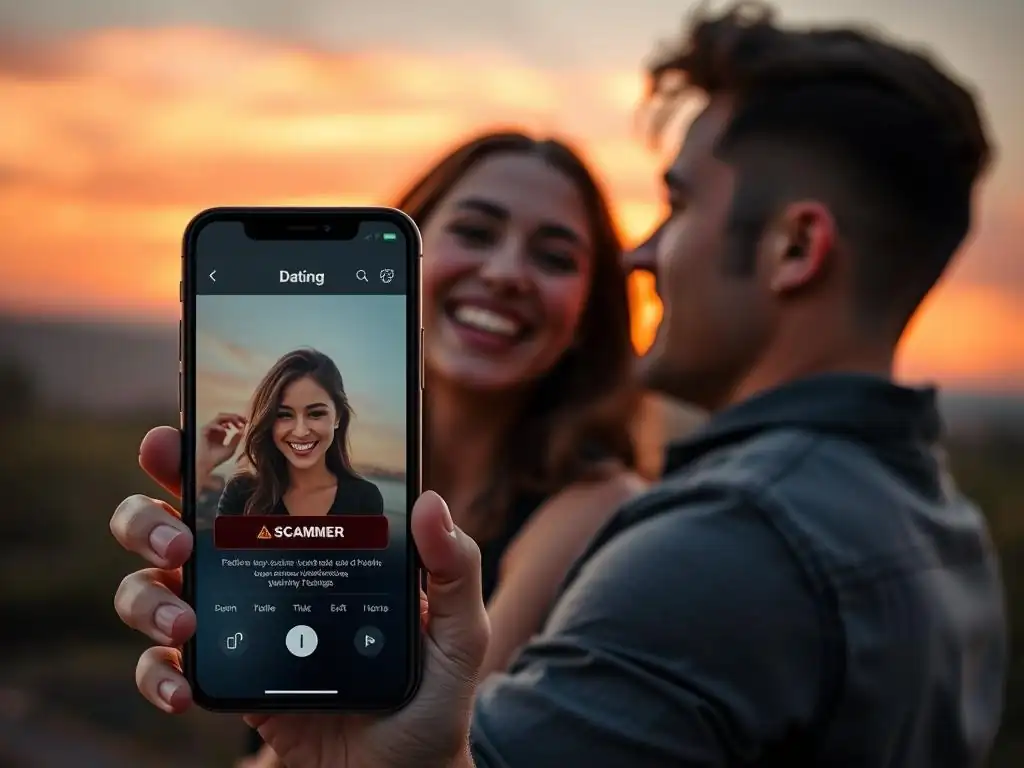
Ready to unlock the secrets to a safer and more successful online dating experience? At OnlineDatingSuccess.org, we're dedicated to helping you navigate the world of online romance with confidence. This isn't just about finding a date; it's about building genuine connections. But first, let's address a crucial element: online dating scam prevention tips. Discover how to protect yourself and avoid falling victim to deceptive tactics, and start your journey to finding meaningful relationships today. Learn more and start building a safer online dating experience now!
- Understanding Online Dating Scams: Recognizing Red Flags
- Effective Online Dating Scam Prevention Tips
- How to Report Online Dating Scams
- Building Trust and Avoiding Scams Through Safe Online Dating Practices
- Resources for Online Dating Safety and Scam Prevention
- Frequently Asked Questions
- Final Reflection: Navigating the Digital Landscape of Love Safely
- Unlock Your Safe & Successful Dating Journey
Understanding Online Dating Scams: Recognizing Red Flags
Online dating, while offering exciting possibilities for connection and romance, unfortunately also presents a breeding ground for scammers. Navigating this digital landscape requires awareness and a proactive approach to safety. This article provides crucial online dating scam prevention tips to help you identify potential red flags and protect yourself from various fraudulent activities. We'll delve into common scam tactics, explore how to spot phishing attempts and fake profiles, and learn how to recognize the signs of catfishing and identity theft.
Understanding these risks is the first step towards building a safe and positive online dating experience. Remember, your safety and well-being are paramount, and being informed is your best defense against online dating scams. Let's equip you with the knowledge to confidently navigate the world of online dating while minimizing your risk.
Common Online Dating Scam Tactics and Techniques
Online dating scams are diverse, but several common tactics repeatedly emerge. Scammers often employ manipulative techniques to gain your trust and extract money or personal information. Some common methods include:
- The "Emergency" Plea: Scammers often create fabricated emergencies, such as a sudden illness, family crisis, or unexpected travel expenses, to pressure you into sending money quickly. They may paint a picture of desperation to elicit sympathy and exploit your generosity. Be wary of any requests for immediate financial assistance, especially from someone you haven't met in person. 💔
- The "Romance" Scam: This involves building a fast and intense emotional connection, often showering you with compliments and promises of a lasting relationship. The goal is to create a strong bond to make you more susceptible to their requests for financial help. They might profess their love quickly and intensely, which is a major red flag. 💕
- The "Investment" Scam: Scammers might lure you with promises of high returns on investments or lucrative business opportunities. They often create fake websites or documents to appear legitimate. Remember, if an investment opportunity seems too good to be true, it probably is. 💰
- The "Gift" Scam: This involves promising you gifts or prizes, often requiring you to pay fees or provide personal information to claim them. These "gifts" are never real and exist only to defraud you. 🎁
- The "Fake Profile" Scam: Many scams start with a fake profile, using stolen photos and fabricated information. These profiles are designed to attract victims and build trust before launching into the scam. Always verify profiles and be cautious of accounts with limited information or inconsistent details. 🕵️♀️
Identifying Phishing Attempts and Fake Profiles
Phishing attempts and fake profiles are often the first steps in many online dating scams. Here's how to spot them:
- Poor Quality Profiles: Fake profiles often contain low-quality photos, grammatical errors, and inconsistent information. Be suspicious of profiles lacking personal details or those with generic stock photos.
- Suspicious Links: Be extremely cautious of links provided by users, especially those leading to external websites that request personal information or financial details. Never click on links from unknown sources.
- Requests for Personal Information: Legitimate dating platforms rarely require extensive personal details outside the initial profile creation. Be wary of users asking for your address, bank details, social security number, or other sensitive information.
- Inconsistent Communication: Fake profiles may exhibit inconsistent communication patterns, such as sudden disappearances or dramatic changes in personality. Pay attention to communication inconsistencies that might signal deception.
- Pressure Tactics: Scammers often use pressure tactics to rush you into making decisions or sending money. Never feel pressured to act quickly or share information you're uncomfortable with.
Recognizing Signs of Catfishing and Identity Theft
Catfishing and identity theft are serious concerns in online dating. Here's what to watch for:
- Inconsistent Photos: If someone's photos seem inconsistent or of questionable quality, they might be using fake images. Reverse image search their photos to verify their authenticity.
- Lack of Video Calls: A reluctance to engage in video calls can be a red flag, especially after a period of communication. Video calls can help confirm the identity of the person you're interacting with.
- Avoidance of Personal Meetings: A consistent unwillingness to meet in person, using excuses such as being busy or traveling, should raise concerns. Legitimate relationships typically progress towards in-person meetings.
- Sudden Requests for Money: Unexpected requests for money, often disguised as loans or investments, are common signs of scams aimed at exploiting financial vulnerabilities.
- Unusual Behavior: Be aware of users who exhibit unusual or inconsistent behavior, such as sudden changes in personality, communication styles, or requests. Trust your instincts if something feels off.
By carefully considering these online dating scam prevention tips and remaining vigilant, you can significantly reduce your risk and enjoy a safer online dating experience. Remember, your safety is your priority.
Effective Online Dating Scam Prevention Tips

This section provides actionable strategies to significantly reduce your risk of becoming a victim of online dating scams. Remember, vigilance and a healthy dose of skepticism are your best defenses. Applying these online dating scam prevention tips can dramatically improve your safety and experience. We'll explore crucial aspects of protecting your personal information, securing your communication, and verifying the authenticity of profiles.
Sharing personal information online, especially on dating platforms, needs careful consideration. Over-sharing can make you vulnerable to various scams, from identity theft to financial fraud. Avoid revealing sensitive data prematurely. Think of it like this: you wouldn't hand your wallet to a stranger on the street; similarly, don't hand over your personal details to someone you haven't thoroughly vetted.
Here's a list of information you should never share with someone you've met online before meeting in person and establishing trust:
- Full legal name: Stick to a nickname or variation until you're confident in their identity.
- Home address: Never disclose your precise location until you've met in a public place and feel safe.
- Financial details: This includes bank account numbers, credit card information, Social Security number, and passwords.
- Place of work: Sharing this information could lead to stalking or harassment.
- Family details: Avoid mentioning details about your family members, especially children.
- Private photos: Be cautious about sharing intimate or revealing photos. These can be misused for blackmail or harassment.
Remember, building trust takes time. Don't rush the process. If someone pressures you to share sensitive information early on, it's a significant red flag.
Secure Communication Practices: Avoiding Data Breaches
Secure communication is paramount in online dating. Avoid sharing personal information through the dating app's messaging system, especially if it doesn't offer end-to-end encryption. Many platforms lack strong security measures, making your messages vulnerable to interception.
Consider these safer communication alternatives:
- Video calls: A video call allows you to verify the person's identity and build trust more quickly.
- Phone calls: A phone call provides a more personal and secure way to communicate than text-based platforms.
- Email: While not as immediate as other methods, email offers a degree of security that some dating apps lack. However, be mindful of phishing attempts.
Furthermore, be wary of suspicious links or attachments sent via messages. Never click on links from unknown senders, as they may lead to malicious websites or malware downloads. Always verify the sender's identity before interacting with any link or attachment. This is crucial for online dating scam prevention.
Verifying Profiles and Background Checks: Tools and Resources
While dating platforms often have verification systems, they're not foolproof. Taking proactive steps to verify a person's identity is crucial. Several tools and resources can help you assess the authenticity of online profiles.
- Reverse image search: Use a reverse image search engine (like Google Images) to check if the profile pictures are genuine or stolen from another source. Inconsistencies or multiple matches on different profiles should raise concerns.
- Social media checks: Try searching for the person on various social media platforms. Look for discrepancies between their online profiles and the information they've shared with you.
- Professional background checks (paid services): For serious relationships, consider using a reputable background check service to verify their identity and criminal history. This is a more advanced step, but it can provide significant peace of mind.
Remember, thorough verification is a key component of online dating scam prevention. Don't hesitate to ask questions and engage in cautious investigation. If something feels off, trust your instincts. Your safety is paramount.
Setting Boundaries and Maintaining Healthy Communication
Setting clear boundaries is paramount in preventing online dating scams and fostering healthy relationships. This involves establishing limits on personal information sharing, communication frequency, and financial interactions early on. Don't feel pressured to reveal sensitive details like your full address, workplace, or financial information to someone you've only met online. Remember, building trust takes time, and rushing the process can make you vulnerable. A scammer will often pressure you to move quickly to a more private communication channel, away from the dating app's built-in safeguards, to avoid detection. Resist this pressure.
Healthy communication is also key. Be wary of individuals who are overly complimentary, showering you with excessive praise or professing deep love within a short period. This is a common tactic used by scammers to manipulate their victims. Pay attention to inconsistencies in their stories or communication style. Do their words match their actions?
Are they evasive when asked direct questions? Maintain a healthy level of skepticism, and don't be afraid to ask probing questions to verify their claims. Remember, a genuine connection develops gradually, built on mutual respect, trust, and open communication. If something feels off, trust your instincts. It's always better to err on the side of caution.
Effective communication also means being upfront about your expectations and boundaries. For instance, clearly state that you're uncomfortable sharing financial information or sending money online, especially to someone you haven't met in person. Establish clear communication preferences – for example, you might prefer to communicate primarily through the dating app initially, rather than immediately switching to text, email, or other platforms. This helps to maintain a level of security and transparency.
Remember, healthy relationships are built on mutual respect and clear communication; scammers often avoid such transparency. By proactively setting boundaries and communicating your expectations, you significantly reduce your risk of becoming a victim of online dating scams. This proactive approach is a crucial element in online dating scam prevention tips.
How to Report Online Dating Scams
Online dating scam prevention is crucial, but knowing how to report scams is equally important. Reporting helps protect others from falling victim and may even lead to the apprehension of scammers. There are several avenues you can pursue, depending on the nature of the scam and the platform involved. Remember, reporting is a vital step in combating online dating fraud and promoting safer online interactions. Taking action not only protects you but also contributes to a safer online dating environment for everyone.
Reporting Suspicious Activity to Dating Platforms
Most reputable online dating platforms have robust reporting mechanisms in place. These mechanisms are designed to quickly identify and address suspicious behavior. Don't hesitate to use them! Reporting suspicious profiles or messages is often a straightforward process, usually involving a button or link clearly marked as "Report," "Flag," or "Block." When reporting, provide as much detail as possible, including:
- Screenshots: Visual evidence is incredibly valuable. Screenshots of suspicious messages, profile information, or payment requests can significantly aid the platform in their investigation.
- Dates and Times: Precise timestamps help investigators trace the activity and identify patterns.
- Specific Details: Describe the scammer's behavior, including any specific requests for money, gifts, or personal information. Note any inconsistencies in their profile or communication style.
- Links and URLs: If the scammer used external links or websites, include those URLs in your report.
Many platforms offer different reporting options depending on the nature of the issue. For example, you might have separate options for reporting inappropriate messages, suspicious profiles, or attempts at financial fraud. Utilize the most relevant option for the situation. While platforms can't guarantee the immediate removal of a scammer, your report contributes to their overall efforts in creating a safer environment for users. The more reports they receive, the better they can identify and address problematic accounts.
Reporting Scams to Law Enforcement Agencies
If you've been a victim of a significant financial scam or experienced threats or harassment, reporting to law enforcement is crucial. The Federal Trade Commission (FTC) is a key resource for reporting online fraud. They maintain a database of reported scams, which helps them track trends and identify perpetrators. Additionally, contacting your local police department is also recommended, particularly if you've suffered financial losses or experienced threats. When reporting to law enforcement, be prepared to provide:
- Detailed Account of the Scam: Provide a chronological account of your interactions with the scammer, including dates, times, and communication methods.
- Evidence: This includes screenshots, emails, transaction records, and any other documentation that supports your claim.
- Personal Information: Be prepared to provide your personal information, including your name, address, and contact details. Law enforcement will use this information to investigate the case.
- Financial Records: If you suffered financial losses, provide copies of bank statements, credit card statements, or any other relevant financial documents.
Remember that even if you feel embarrassed or ashamed, reporting is essential. Law enforcement agencies understand the manipulative tactics employed by scammers and are equipped to investigate these crimes. Your report could help prevent others from falling victim to the same scam. Your cooperation is vital in bringing scammers to justice and protecting future online daters.
Protecting Yourself After a Scam: Steps to Take
Experiencing an online dating scam can be distressing. Taking proactive steps to protect yourself afterward is essential for emotional recovery and future online safety. These steps include:
- Change your passwords: Immediately change your passwords for all online accounts, including your dating profile, email, and social media. Consider using a password manager to create strong, unique passwords.
- Monitor your accounts: Regularly monitor your bank accounts, credit reports, and social media for any unauthorized activity.
- Report to credit bureaus: If you suspect your personal information has been compromised, report it to the three major credit bureaus (Equifax, Experian, and TransUnion) to place a fraud alert or freeze on your credit.
- Seek support: Don't hesitate to reach out to friends, family, or a mental health professional for support. Sharing your experience can help you process your emotions and move forward.
- Learn from the experience: Analyze what happened to identify vulnerabilities in your online behavior. This will help you avoid similar situations in the future. Focus on improving your online safety practices and enhancing your ability to identify red flags.
Remember, being scammed is not your fault. Scammers are skilled manipulators who prey on people's vulnerabilities. By reporting the scam and taking these protective measures, you are taking control and empowering yourself to move forward. Prioritizing your well-being and safety is crucial after such an experience. Take the time you need to heal and learn from what happened. Remember, you are not alone.
Building Trust and Avoiding Scams Through Safe Online Dating Practices
Online dating offers exciting possibilities, but it's crucial to approach it with caution to avoid scams and ensure your safety. Building trust is a gradual process, and rushing into things can be a major red flag. Remember, genuine connections take time to develop. This section provides practical online dating scam prevention tips to help you navigate the complexities of online dating safely and effectively. The key is to prioritize your well-being and make informed decisions throughout your online dating journey.
Establishing Trust Gradually: Red Flags to Watch For
Establishing trust online requires patience and discernment. Don't be swayed by overly enthusiastic or persistent profiles. Scammers often create a sense of urgency to pressure you into making quick decisions. Pay close attention to inconsistencies in their profile or communication. For example, a significant discrepancy between their profile picture and their communication style could be a warning sign. Additionally, be wary of profiles with limited personal information or those who avoid answering direct questions about their lives.
Here's a table summarizing common red flags:
| Red Flag | Description | Example |
|---|---|---|
| Inconsistent Information | Discrepancies between profile information and communication. | Profile says they're a doctor, but their communication suggests otherwise. |
| Overly Enthusiastic | Excessive praise and promises early in the interaction. | Professing undying love after only a few messages. |
| Pressure for Quick Meetings | Urging you to meet in person before establishing a reasonable level of trust. | "I'm only in town for a few days, we need to meet immediately!" |
| Financial Requests | Asking for money, gifts, or financial assistance under various pretexts. | "I'm in a difficult situation and need your help." |
| Vague or Missing Details | Lack of specific information about their life, work, or hobbies. | Avoids answering direct questions about their background. |
| Poor Grammar and Spelling | Suggests a possible fake profile created by someone not fluent in the language. | Frequent grammatical errors and misspelled words. |
Remember, a genuine connection will develop organically over time. Don't let pressure or urgency cloud your judgment. If something feels off, trust your instincts and move on. Your safety is paramount.
Safe Meeting Practices: In-Person Safety Tips
Once you've built a reasonable level of trust and feel comfortable meeting in person, prioritize your safety. Always meet in a public place, such as a busy café or restaurant, for your first meeting. Let a friend or family member know where you're going, who you're meeting, and when you expect to be back. Share their contact information with your trusted person as well. Never reveal your exact address or personal information until you've met and felt confident about the person you're meeting.
Consider these additional in-person safety tips:
- Arrange your own transportation.
- Have a backup plan for leaving if needed.
- Trust your intuition; if something feels unsafe, leave immediately.
- Be mindful of your surroundings and your drink.
Prioritizing your safety doesn't mean you're being overly cautious; it means you're being smart and responsible. Remember, a genuine connection will understand and respect your need for safety.
Utilizing Dating Apps' Safety Features
Most reputable dating apps offer various safety features to protect their users. Familiarize yourself with these features and utilize them to enhance your safety. This includes reporting suspicious behavior, blocking users, and using the app's in-app messaging system to avoid sharing personal contact information prematurely. Many apps also offer verification processes to help ensure you are interacting with genuine profiles.
Actively using these features significantly contributes to online dating scam prevention. Taking advantage of these features demonstrates proactive participation in your own online safety. Remember, the app developers are invested in the security of their users and have built in many tools designed to help you.
Recognizing and Avoiding Romance Scams
Romance scams, sadly, are prevalent in the online dating world. These scams prey on people's emotions and desires for connection, often leading to significant financial and emotional losses. Understanding the tactics employed by romance scammers is the first step towards protecting yourself. They often create elaborate fake profiles, portraying themselves as successful, charming, and deeply interested in you.
They'll shower you with compliments, profess deep feelings quickly, and build a strong emotional connection before asking for financial assistance, often citing emergencies or unexpected hardships. This might involve requests for money to cover medical bills, travel expenses to visit you, or investments in a lucrative business opportunity. Remember, a genuine connection develops gradually; red flags should be heeded when someone you've just met online is asking for significant financial help.
One common tactic is the "catfishing" method, where scammers use stolen photos and fabricated identities. Always be wary of profiles with limited personal information or photos that seem too perfect. Reverse image searching photos can help verify authenticity. Legitimate daters are usually happy to share details about their lives and answer questions, whereas scammers often become evasive or provide inconsistent answers.
Pay close attention to inconsistencies in their stories or communication style. Do they frequently change their story or avoid direct answers? Do their messages seem too good to be true, filled with excessive flattery and promises? These are all warning signs.
Another crucial aspect is recognizing the gradual escalation of requests. The scammer might start with small requests, testing the waters before making larger demands. They might ask for gift cards, money transfers, or access to your bank account. Never provide financial information or send money to someone you've only met online, no matter how compelling their story seems. If you suspect a romance scam, immediately cease all communication and report the profile to the dating platform.
Remember, legitimate relationships don't involve constant requests for financial assistance. Protecting your financial security is paramount in online dating; never compromise your financial well-being for a fleeting online connection. Always prioritize your safety and well-being above all else. The emotional toll of a romance scam can be devastating, so protecting yourself is not just about money, but about safeguarding your emotional health.
Resources for Online Dating Safety and Scam Prevention
This section provides crucial resources to help you navigate the world of online dating safely and effectively, minimizing your risk of encountering scams. Remember, proactive prevention is key to a positive online dating experience. Utilizing these resources empowers you to take control of your safety and well-being.
Reliable Websites and Organizations for Scam Reporting
Reporting scams is vital not only for your personal protection but also for helping prevent others from falling victim. Several reputable organizations are dedicated to collecting and acting upon reports of online fraud, including dating scams. These reports help law enforcement agencies identify and track perpetrators, ultimately making online dating safer for everyone.
Here's a list of places you can report online dating scams:
- [Name of Organization 1]: This organization specializes in [specific area of expertise, e.g., internet fraud]. They offer [description of services, e.g., a detailed online reporting form, a dedicated phone line]. They are known for their [positive attribute, e.g., swift response times, comprehensive investigation process].
- [Name of Organization 2]: Focusing on [specific area of expertise, e.g., cybercrime], this organization provides [description of services, e.g., a secure online portal for reporting, advice on protecting your personal information]. Their reputation is built on [positive attribute, e.g., their commitment to victim support, their collaboration with international law enforcement].
- [Name of Organization 3]: This [type of organization, e.g., government agency] is responsible for [specific area of responsibility, e.g., investigating internet-based crimes]. Reporting to them can trigger [action taken by the organization, e.g., a formal investigation, a warning to other potential victims].
Remember to gather as much information as possible before reporting a scam, including: the scammer's profile details, communication logs (emails, messages), and any financial transactions. The more information you provide, the more effective the investigation will be. This detailed information helps in identifying patterns and bringing scammers to justice. Don't hesitate to report even seemingly minor incidents; every report contributes to a safer online environment.
Educational Materials on Online Dating Safety
Beyond reporting scams, proactive education is vital for online dating safety. Numerous resources are available online that offer valuable insights into identifying and avoiding scams. These resources provide practical tips and techniques to protect yourself and enhance your online dating experience.
Here are some examples of helpful educational materials:
- [Specific Article/Guide Title 1]: This resource focuses on [specific topic, e.g., recognizing red flags in online dating profiles]. It offers [specific advice, e.g., a checklist of warning signs, examples of common scammer tactics].
- [Specific Article/Guide Title 2]: This resource delves into [specific topic, e.g., protecting your personal information online]. It provides [specific advice, e.g., tips on creating strong passwords, advice on safeguarding your financial information].
- [Specific Article/Guide Title 3]: This resource offers comprehensive guidance on [specific topic, e.g., secure communication practices in online dating]. It includes [specific advice, e.g., recommendations for video calls, advice on avoiding sharing personal details too early in the process].
By actively seeking out and utilizing these educational resources, you equip yourself with the knowledge and skills necessary to stay safe and make informed decisions while online dating. Remember, knowledge is your best defense against online dating scams.
Staying Updated on Emerging Scam Trends
The tactics used by online dating scammers are constantly evolving. Therefore, staying informed about the latest trends and techniques is crucial for effective scam prevention. Scammers are innovative, adapting their methods to exploit new technologies and vulnerabilities.
Here's how you can stay updated:
- Follow reputable cybersecurity organizations: Many organizations regularly publish reports and updates on emerging online threats, including dating scams. These reports often highlight new tactics and trends, allowing you to anticipate and avoid potential risks.
- Monitor online dating safety forums and communities: Engaging with online communities dedicated to online dating safety can provide valuable insights into current scam trends. Sharing experiences and learning from others' mistakes can significantly enhance your awareness.
- Be critical of information sources: Not all information online is accurate or reliable. Always verify information from multiple sources before acting upon it. Cross-referencing information helps you determine its credibility and relevance.
Staying vigilant and actively seeking updates on emerging scam trends is an essential part of online dating safety. By remaining informed, you significantly reduce your vulnerability and increase your chances of a positive and secure online dating experience. Remember, knowledge is power in the fight against online dating scams.
Frequently Asked Questions
How can I spot a potential online dating scammer?
Scammers often exhibit red flags such as inconsistent profiles, overly grandiose promises, pressure for quick relationships, and requests for financial assistance. Be wary of anyone who avoids video calls or asks for money.
What information should I avoid sharing on online dating sites?
Never share your full address, place of work, financial details, or social security number. Protect your personal information and avoid revealing details that could compromise your safety. Always meet in public places for first dates.
What are some common online dating scams?
Common scams include romance scams, where scammers build trust to gain money; catfishing, where someone uses a fake profile; and phishing, where scammers try to steal login credentials. Be vigilant and report suspicious activity.
How can I verify someone's identity on a dating site?
While complete verification is difficult, you can use reverse image searches on profile pictures, check for inconsistencies in their story and profile, and conduct online searches using their name and other details. Remember, trust your instincts.
What should I do if I think I'm being scammed?
If you suspect a scam, immediately stop all communication. Report the user to the dating site and consider filing a report with the appropriate authorities. Document all interactions as evidence.
The rise of online dating has revolutionized romance, but it's crucial to remember that this digital landscape harbors hidden dangers. The ease and accessibility of connecting with potential partners online also presents a fertile ground for scams, leaving many vulnerable to emotional and financial exploitation. Understanding the tactics employed by scammers is the first step towards protecting yourself and building healthy, authentic relationships.
The pervasiveness of online dating scams underscores a larger societal shift – our increasing reliance on technology for even the most intimate aspects of life. This reliance, while offering incredible opportunities for connection, also necessitates a heightened awareness of potential risks. As we navigate this new frontier of romance, it's vital to remember the timeless wisdom of caution and discernment. Trust, but verify,
a phrase often attributed to Ronald Reagan, remains profoundly relevant in the context of online dating. We must approach each connection with a healthy skepticism, verifying information and proceeding with caution.
Now, consider your own online dating experiences, or those of friends and family. What measures do you take to ensure your safety? What red flags have you encountered? Take this opportunity to reflect on your own digital footprint and the information you share online. Remember, protecting your personal information and emotional well-being is paramount. By staying informed, practicing vigilance, and prioritizing your safety, you can confidently navigate the world of online dating and find genuine connections without falling prey to scams. Your safety and well-being are worth the extra effort.
Unlock Your Safe & Successful Dating Journey
Thank you for learning about online dating safety! You've gained crucial knowledge to navigate the online dating world confidently. Let's put this knowledge into practice:
- Create a personalized safety plan: Based on what you've learned, identify three key safety measures for every date. This might include meeting in a public place, sharing your location with a trusted friend, or letting someone know your plans. This plan will become your essential guide for every online connection.
- Share your experiences: Have you encountered any unique safety challenges or devised effective solutions? Sharing your insights can help others stay safe. Please comment below and help us build a safer online dating community.
- Learn more: Visit OnlineDatingSuccess.org for more articles and guides on building safe and meaningful connections.
Ready to make your online dating experience safer and more rewarding? What's the first step you'll take today to protect yourself?