
Red Flags in Online Dating: Spotting Scammers Before It's Too Late


Ready to transform your online dating experience from frustrating to fulfilling? At OnlineDatingSuccess.org, we're dedicated to helping you find genuine connections. But first, you need to know how to avoid the pitfalls. This is why we're diving deep into crucial online dating scammer red flags – knowledge that could save you heartache and potential harm. Discover the warning signs and learn how to protect yourself as you navigate the exciting world of online dating. Let's get started!
- Recognizing Online Dating Scammer Red Flags: Early Warning Signs
- Understanding Common Online Dating Scam Tactics
-
How to Protect Yourself from Online Dating Scammers
- Verify Profiles and Information: Simple Steps to Avoid Fake Accounts
- Report Suspicious Activity: Using Online Dating Platforms’ Reporting Mechanisms
- Communicate Cautiously: Protecting Your Personal Information Online
- Never Send Money: The Golden Rule of Online Dating Safety
- Verify Their Identity: Don't Take Their Word for It
- Building Trust and Avoiding Scammers in Online Dating
- Frequently Asked Questions
- Final Reflection: Navigating the Digital Landscape of Love
- Unmask the Mystery: Take Control of Your Online Dating Safety
Recognizing Online Dating Scammer Red Flags: Early Warning Signs
Navigating the world of online dating can be exciting, but it's crucial to be aware of the potential dangers lurking within. This article serves as your guide to identifying red flags associated with online dating scammers, helping you protect yourself and build healthy, genuine connections. We'll delve into the subtle and not-so-subtle signs that someone might not be who they claim to be, empowering you to make informed decisions and avoid becoming a victim. Learning to spot these red flags early on is key to preventing heartbreak, financial loss, and emotional distress.
Understanding the tactics used by online dating scammers is the first step towards creating a safer and more positive online dating experience. Remember, your safety and well-being are paramount. Let's explore the common indicators that should raise your suspicion.
Suspicious Profiles: Identifying Fake Accounts and Catfishing
One of the first places to look for red flags is the profile itself. Many scammers create fake profiles designed to lure unsuspecting individuals. These profiles often display inconsistencies and unrealistic aspects. Look out for:
- Stock Photos: A profile using generic or obviously stock photos is a major red flag. Legitimate daters usually use their own photos.
- Limited or Missing Information: Vague profiles with little personal information or inconsistent details should raise suspicion. A lack of detail suggests an attempt to conceal their true identity.
- Unrealistic Photos: Photos that are overly polished, professionally edited, or appear to be from a photoshoot can indicate a fake profile. Be wary of profiles with images that seem too good to be true.
- Incongruent Information: Pay close attention to details. Do the photos match the description? Are the stated interests consistent with the overall profile presentation? Discrepancies are a clear sign of a potentially fake account.
- Too Perfect: Be cautious of profiles that seem almost too good to be true. Everyone has flaws; a profile that portrays an idealized version of a person may be masking a less desirable reality.
Remember, a thorough profile review is your first line of defense against catfishing and fake accounts. Take your time, scrutinize the details, and trust your intuition. 🎣
Inconsistencies in Communication: Spotting Lies and Deception in Online Dating
Even if the profile seems legitimate, inconsistencies in communication can reveal a scammer's true intentions. Pay attention to:
- Grammar and Spelling Errors: While not always a definitive sign, numerous grammatical errors or inconsistent spelling can suggest a lack of authenticity or a profile created by someone who isn't fluent in the language.
- Evasive Answers: Does the person avoid answering direct questions or change the subject frequently? This could indicate they are hiding something.
- Overly Romantic or Intense Communication: Be wary of individuals who profess deep love or strong feelings very quickly. Genuine connections take time to develop.
- Sudden Changes in Tone or Personality: Significant shifts in communication style without clear explanation should be a cause for concern.
- Lack of Video Calls: A consistent refusal to engage in video calls, despite repeated requests, is a major red flag. Scammers often avoid visual contact to maintain their anonymity.
The key here is to observe patterns and inconsistencies. Trust your gut feeling – if something seems off, it probably is. Maintaining a healthy level of skepticism is essential. 🕵️♀️
Pressure for Personal Information: Protecting Your Data from Online Dating Scammers
Scammers often try to obtain personal information under the guise of romance. This information can be used for identity theft, financial fraud, or other malicious purposes. Never share:
- Financial Information: Never share bank account details, credit card numbers, or social security numbers with someone you've met online.
- Full Address: Avoid revealing your full address, especially early in the relationship.
- Passports or Driver's Licenses: Sharing such documents is extremely risky and can lead to identity theft.
- Passwords or Login Details: Never share login credentials for any online accounts.
- Sensitive Personal Information: Avoid sharing highly personal details, such as family history, medical information, or financial struggles.
Protecting your personal information is crucial. Remember, legitimate daters will understand and respect your boundaries. If someone pressures you to share sensitive information, it's a major red flag. 🔒
Financial Requests: Recognizing Money Scams in Online Dating
Financial requests are a massive red flag in online dating. Legitimate relationships don't revolve around money. Scammers often build rapport quickly, creating a false sense of intimacy to manipulate their victims. They might start with small requests, perhaps claiming a sudden emergency like a sick relative needing medical care or a broken-down car requiring immediate repair. These requests can escalate rapidly, becoming increasingly larger and more frequent.
They might even concoct elaborate schemes involving investments or business opportunities, promising huge returns that never materialize. Remember, if someone you've only met online suddenly needs financial assistance, it's almost certainly a scam. Never send money to someone you haven't met in person and thoroughly vetted. Always be wary of anyone who pressures you for money, especially under duress or with time constraints. This is a classic tactic used to overwhelm your critical thinking and prevent you from seeking second opinions or conducting independent research.
A common variation of this scam involves requests for gift cards, which are untraceable and difficult to recover. Protect yourself by being extremely cautious about any financial requests, regardless of how believable the situation might seem. Your gut feeling is often your best defense. If something feels off, trust your instincts and walk away. Remember, true connections don't hinge on financial transactions.
This is a particularly insidious form of online dating scam because it preys on empathy and generosity. Scammers are often skilled manipulators, weaving compelling narratives to elicit sympathy and financial support. They might share fabricated stories of hardship and misfortune, carefully crafted to evoke compassion and a desire to help. For example, a scammer might claim to be a doctor working in a war-torn country, needing funds to evacuate or to pay for essential medical supplies.
These scenarios are designed to bypass your rational defenses and trigger your emotional response. They are experts at playing on your feelings of kindness and altruism, making it difficult to recognize the deception. The key here is to maintain a healthy skepticism, even when faced with seemingly heartfelt pleas for assistance.
Always verify the information given, if possible, and never rush into making a financial decision. Take your time, research the situation, and consult with trusted friends or family members before sending any money. Your financial security and emotional well-being are far more valuable than any fabricated emergency.
Understanding Common Online Dating Scam Tactics
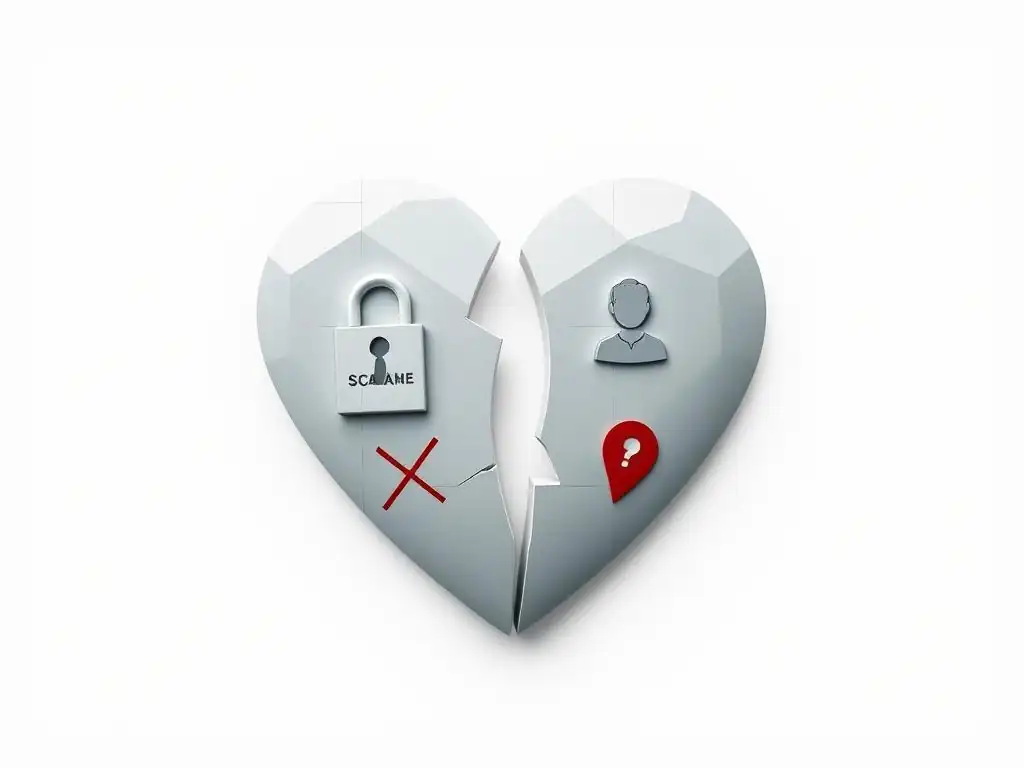
This section delves into the prevalent strategies employed by online dating scammers, providing you with the knowledge to identify and avoid these deceptive individuals. Recognizing these tactics is the first step towards protecting yourself and your financial well-being in the online dating world. Understanding the modus operandi of these scammers allows you to approach online dating with increased awareness and caution. The emotional manipulation and financial exploitation involved are serious issues, and learning to spot these red flags is crucial for online dating safety. Remember, your safety and security are paramount.
Romance Scams: The Classic Online Dating Con
Romance scams represent a significant portion of online dating fraud. These scammers cultivate a seemingly genuine romantic connection, building trust and intimacy rapidly. They often portray themselves as successful, kind, and deeply interested in their victims. The goal? To gain the victim's trust and eventually request financial assistance, often under a fabricated pretense of emergency or investment opportunity.
Several key indicators signal a potential romance scam. For instance, a disproportionately rapid escalation of affection is a major red flag. If someone professes undying love after only a few online interactions, proceed with extreme caution. Similarly, consistent requests for money, regardless of the reason, should raise serious concerns. These requests may range from covering unexpected medical bills to investing in a lucrative business venture. Be wary of individuals who are consistently evasive about personal details or who are unable to provide verifiable information about their lives.
Here's a table summarizing common characteristics of romance scammers:
| Characteristic | Description |
|---|---|
| Rapid escalation of affection | Expresses deep love and commitment very quickly. |
| Financial requests | Frequently asks for money for various reasons (medical emergencies, business ventures, etc.) |
| Vague personal details | Provides inconsistent or unclear information about their life and background. |
| Professional photos | Uses professional-looking photos, often stolen from other sources. |
| Inconsistent communication patterns | Communicates sporadically, often disappearing for periods and then reappearing. |
Remember, legitimate relationships develop gradually. Don't rush into anything, and always be skeptical of anyone who asks for money online. The seemingly perfect profile and charming personality can often mask a dangerous individual.
Investment Scams: Luring Victims with False Promises of Riches
Investment scams on online dating platforms prey on the desire for financial gain. The scammer will often present themselves as a successful investor or entrepreneur, promising high returns on seemingly low-risk investments. They may use sophisticated language and fabricated documents to appear legitimate, enticing victims to invest their money. This is a particularly insidious form of online dating fraud, as it blends romantic interest with financial incentives. The scammer leverages the emotional connection to persuade the victim to invest, often leading to significant financial losses.
These scams often involve cryptocurrency investments, or other poorly regulated markets, making it difficult to trace the money or recover losses. The scammer may also disappear after receiving the investment, leaving the victim with no recourse. Always be suspicious of unsolicited investment opportunities, especially those presented through online dating platforms. Legitimate investment opportunities require thorough due diligence and should never be rushed. If something seems too good to be true, it probably is. Never invest money based solely on information received through an online dating platform.
Fake Charity Scams: Appealing to Compassion to Steal Money
This type of scam leverages the victim's compassion and generosity. The scammer will often create a false persona, portraying themselves as involved in a charitable organization or facing a personal hardship requiring financial aid. They might fabricate stories of natural disasters, medical emergencies, or other crises to solicit donations. These scams are particularly effective because they appeal to people's desire to help others. The scammer uses the established trust from the online dating relationship to make the request seem more credible.
Unlike the previous categories, the goal here isn't necessarily long-term romantic exploitation, but rather immediate financial gain. The scammer may disappear after receiving the donation, or may continue to solicit funds under various pretenses. Always research any charitable organization before donating, and be wary of individuals who solicit donations through online dating platforms. Legitimate charities will have transparent financial information readily available. Never feel pressured to donate money, especially if you are unsure of the legitimacy of the request. Your generosity should be informed, not exploited.
The "Emergency" Scam: Exploiting Compassion and Urgency
This insidious tactic preys on your empathy and good nature. The scammer will craft a believable scenario involving a sudden crisis – a family emergency, a medical issue, a lost wallet, or a sudden travel mishap. They'll paint a picture of desperate need, often embellishing the story with emotionally charged details to tug at your heartstrings.
The urgency is key; they'll pressure you to act quickly, often before you have time to rationally assess the situation. They might claim they need money for a plane ticket home, hospital bills, or to pay for unexpected repairs. The goal is to get you to send money or gift cards before you can question their story.
Remember, legitimate emergencies rarely require immediate financial assistance from someone they've only recently met online. A genuine emergency would likely involve contacting family or friends first, not a stranger on a dating app. Always be wary of requests for money, especially under duress. If someone you've met online suddenly needs a significant sum of money, it's a major red flag that warrants further investigation, or better yet, immediate cessation of contact.
Consider the inconsistencies in their story; do their words match their actions? Are they providing verifiable proof? If not, proceed with extreme caution. The emotional manipulation employed in these scams is sophisticated, but with careful consideration, you can avoid becoming a victim.
Take your time, don't rush into decisions, and always err on the side of caution. Your financial safety and emotional well-being are paramount. Never feel pressured to send money to someone you've only met online, regardless of their story. A genuine connection will not require you to compromise your financial security.
One real-world example involved a woman who received a message from a seemingly charming man on a dating site. He quickly professed his love and then, just as quickly, claimed his grandmother had a medical emergency and he needed money for her hospital bills. He provided a blurry photo of a hospital bill and pleaded for help. Fortunately, she hesitated, did some digging, and discovered the photo was easily found online and unrelated to the man's supposed story.
This prevented her from becoming a victim of this common online dating scam. This highlights the importance of taking a step back, verifying information, and trusting your instincts when faced with such urgent requests for financial assistance. Don't let compassion cloud your judgment; your safety is always the priority.
How to Protect Yourself from Online Dating Scammers
This section delves into practical strategies to safeguard yourself from online dating scammers. Remember, vigilance is your best defense against those seeking to exploit online dating platforms. By implementing these protective measures, you significantly reduce your vulnerability and increase your chances of a positive and safe online dating experience. The goal is not to live in fear, but to be informed and empowered.
Verify Profiles and Information: Simple Steps to Avoid Fake Accounts
One of the most effective ways to avoid online dating scammer red flags is to meticulously verify the information provided in a potential partner's profile. Don't rely solely on what you see; actively seek corroboration. A scammer's profile might look convincingly real, but a closer look often reveals inconsistencies.
Here's a simple checklist to follow:
- Reverse Image Search: Use a reverse image search engine (like Google Images) to check if the profile pictures are genuine. Scammers often use stolen photos. If the image appears on multiple profiles or websites unrelated to dating, it's a major red flag.
- Social Media Check: If they provide social media handles, discreetly check their accounts. Do their online personas align with their dating profile? Look for inconsistencies in their stories or photos. A lack of social media presence, especially for someone who claims to be active in their community, can be suspicious.
- Cross-Reference Information: Compare details from their profile with information they provide in conversations. Do their stories match? Inconsistencies are a major red flag. For example, if they claim to be a doctor but their LinkedIn profile shows a different occupation, proceed with extreme caution.
- Be Wary of Vague Profiles: Profiles lacking detail or containing generic information are often a sign of a fake account. Scammers often avoid providing specifics to avoid being exposed. Look for detailed profiles with specific interests and hobbies.
Report Suspicious Activity: Using Online Dating Platforms’ Reporting Mechanisms
Most reputable online dating platforms provide robust reporting mechanisms to flag suspicious profiles and activities. Don't hesitate to use these tools! Reporting suspicious behavior not only protects you but also helps to create a safer environment for other users.
Here's how to effectively use these reporting mechanisms:
- Familiarize Yourself with the Platform's Policies: Before you even start using the platform, familiarize yourself with their guidelines on reporting suspicious activity. Understanding their process will make reporting easier and more effective.
- Provide Specific Details: When reporting a profile, provide as much detail as possible. Include screenshots of suspicious messages, profile inconsistencies, and any other relevant information. The more information you give, the better the platform can investigate.
- Report Multiple Instances: If you encounter multiple instances of suspicious behavior from the same user, report each instance separately. This underscores the seriousness of the situation.
- Don't Engage Further: Once you suspect someone is a scammer, cease all communication immediately. Continuing to interact with them can put you at greater risk.
Communicate Cautiously: Protecting Your Personal Information Online
Protecting your personal information is paramount when engaging in online dating. Never share sensitive details too early in the process. Scammers often use this information to exploit you financially or emotionally.
Here are some key precautions to take:
- Avoid Sharing Financial Information: Never share your bank account details, credit card numbers, or social security number with anyone you meet online, regardless of how well you think you know them.
- Be Cautious About Sharing Location Information: Avoid revealing your exact address or workplace until you have met in person and feel comfortable. Meet in public places for your first few dates.
- Don't Rush into Intimacy: Scammers often try to rush the relationship to gain your trust and exploit you faster. Take your time, get to know the person, and don't feel pressured to share intimate details.
- Be Aware of Emotional Manipulation: Scammers are skilled manipulators. They may use flattery, empathy, and promises to gain your trust. Be aware of these tactics and trust your instincts. If something feels off, it probably is. 🚩
Remember, your safety is the top priority. By being vigilant and following these guidelines, you significantly reduce your risk of encountering online dating scammers and increase your chances of finding a genuine connection.
Never Send Money: The Golden Rule of Online Dating Safety
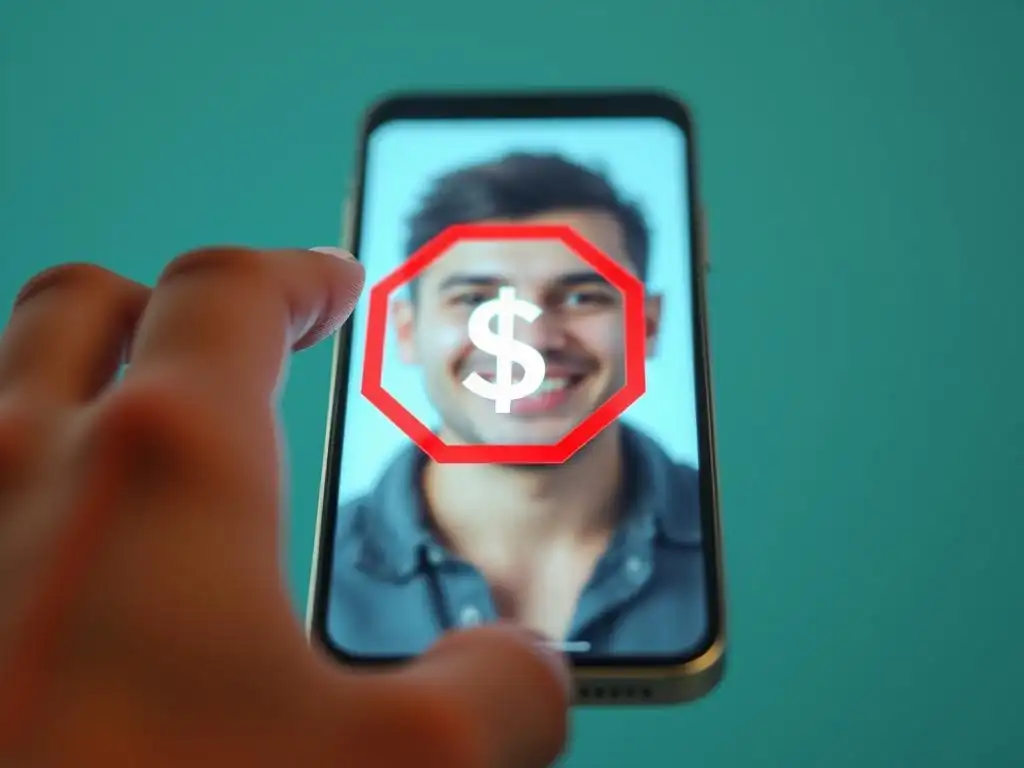
This is perhaps the most crucial piece of advice when it comes to online dating safety and avoiding scammers. Never, under any circumstances, send money to someone you've met online, regardless of how convincing their story may seem. Scammers are masters of manipulation, weaving elaborate tales of hardship, emergencies, or investment opportunities to elicit sympathy and ultimately, your money. They might claim to be stranded abroad, facing a medical emergency, or needing funds for a business venture.
These stories are often carefully crafted to prey on your empathy and generosity. Remember, legitimate relationships don't require financial transactions. If someone asks for money, it's a major red flag—a blatant indicator that you're dealing with a scammer.
Building trust takes time, and genuine connections don't involve sudden, urgent financial requests. A person genuinely interested in getting to know you will not pressure you for money. They will understand your need to proceed cautiously and will respect your boundaries. Instead of immediately asking for financial assistance, a genuine connection will focus on building emotional intimacy through conversations, shared experiences (virtual or in-person, once you're comfortable), and mutual respect.
Always prioritize your financial security; losing money to a scammer can have devastating consequences, far beyond the financial loss itself. The emotional toll of being scammed can be significant, leading to feelings of betrayal, anger, and self-doubt. Protecting yourself financially is the first step in protecting your emotional well-being.
Consider this example: A woman met a charming man online who claimed to be a successful businessman. He gradually built trust by sharing personal details and engaging in thoughtful conversations. After several weeks, he suddenly revealed a "business emergency," needing a significant sum of money to secure a lucrative deal. He promised to repay her generously upon its success. This is a classic scammer tactic.
The woman, fortunately, hesitated, and after doing some research, discovered his profile was fraudulent. She avoided a substantial financial loss and a significant emotional blow. Her caution and skepticism saved her from a potentially devastating situation. Always remember that true connections do not involve financial transactions in their early stages.
Verify Their Identity: Don't Take Their Word for It
While engaging in online dating, it’s crucial to remember that not everything you see is real. Profiles can be easily manipulated with stolen pictures, fabricated details, and convincingly false narratives. Therefore, verifying the identity of your online match is not an optional extra, it's an essential step in protecting yourself from potential harm. Don't simply accept the information presented on their profile at face value; actively seek to verify their claims. This process can help you differentiate between genuine individuals and those with malicious intent.
One effective method is to perform a reverse image search using their profile picture. Several online tools allow you to upload an image and find similar images across the web. This can reveal whether the picture is stolen from another person's profile or social media account. Similarly, you can use the information they provide (name, profession, location, etc.)
to search for them on various social media platforms and professional networks. Look for consistency in the information presented across different platforms. Discrepancies should raise red flags and prompt further investigation. Remember, consistent effort in verification can save you from significant trouble later on.
Always err on the side of caution. If their online presence seems inconsistent or incomplete, or if you cannot independently verify their claims, it's best to proceed with extreme caution, or even discontinue communication altogether. Your safety and security should always come first. Remember, online dating scammers often invest time and effort in creating believable personas, so thorough verification is vital.
By taking these proactive measures, you reduce your vulnerability to online dating scams and increase your chances of establishing genuine connections. Investing a little time in verification can save you a lot of heartache and financial losses in the long run. Don't rush the process; getting to know someone authentically takes time and patience, and thorough verification is an integral part of that process.
Building Trust and Avoiding Scammers in Online Dating
This section focuses on proactive strategies to identify and avoid online dating scammers. Remember, building trust takes time, and rushing the process is a major red flag itself. Being cautious and observant is key to protecting yourself in the online dating world. Learning to spot the subtle signs of deception can significantly reduce your risk of becoming a victim of an online dating scam. Understanding the psychology behind these scams empowers you to make informed decisions and prioritize your safety and well-being. Think of it as developing your online dating scammer radar!
Slow and Steady Communication: Building Genuine Connections
Scammers often try to rush the relationship, pushing for quick commitments and personal information. Genuine connections, however, develop gradually. Pay attention to the pace of communication. Is your potential partner showering you with compliments and professions of love after only a few messages? This could be a tactic to manipulate your emotions and gain your trust quickly. A scammer might also avoid detailed conversations, opting for superficial interactions instead. They might struggle to answer specific questions about their life or provide consistent information across multiple interactions.
Instead of being swept away by intense early affection, focus on building a slow and steady connection. Engage in meaningful conversations, explore shared interests, and allow the relationship to unfold naturally. Take your time to get to know the person, their background, and their values. Don't be afraid to ask probing questions; genuine individuals will be happy to share details about their lives. The key is to prioritize substance over superficial charm. Remember, true connections take time and patience to cultivate. Don't let the pressure of finding "the one" overshadow your need for safety and security.
Video Calls: Verifying Identity and Building Rapport
One of the most effective ways to verify someone's identity and build rapport is through video calls. While text-based communication can be easily manipulated, a video call allows you to see the person you're talking to, observe their body language, and assess their authenticity. This is a crucial step in identifying potential red flags. A scammer might consistently avoid video calls, offering various excuses. They might claim to have a poor internet connection, a broken camera, or other reasons to avoid a visual interaction. This avoidance is a significant warning sign.
Before agreeing to a video call, consider initiating it yourself, rather than waiting for them to suggest it. This puts you in control and helps to assess their reaction. Note their appearance and compare it to their profile pictures. Inconsistencies can be a red flag. Pay attention to their behavior during the call.
Do they seem nervous or evasive? Do their responses match their online persona? A genuine connection should feel natural and comfortable, not forced or strained. A video call provides a much more reliable way to assess compatibility and trustworthiness compared to solely relying on text-based communication. Remember, a refusal to video call should be a serious cause for concern.
Meet in Public Places: Prioritizing Safety on First Dates
Even after extensive online communication and video calls, it's crucial to prioritize safety when meeting in person for the first time. Never agree to meet at someone's home or a secluded location. Always choose a well-lit, public place where other people are present. Inform a trusted friend or family member about your plans, including the time, location, and the person's name and contact information. Share your location with them in real-time, using location-sharing apps if possible. This proactive step can significantly reduce potential risks.
During the date, remain alert and aware of your surroundings. Trust your instincts. If something feels off or makes you uncomfortable, don't hesitate to leave. Have a pre-arranged escape plan, such as having a friend call you at a specific time or having your own transportation. Prioritizing your safety should never be compromised.
Remember, a genuine person will respect your need for caution and will be understanding of your safety concerns. Never feel pressured to compromise your safety for the sake of a date. Your well-being is paramount. By taking these precautions, you can significantly reduce your risk and enjoy safer and more fulfilling online dating experiences.
Trust Your Instincts: Recognizing Red Flags and Acting Accordingly
Your gut feeling is often your best defense against online dating scammers. If something feels off, even if you can't pinpoint exactly what it is, it's crucial to trust your intuition. Many scammers are incredibly skilled at manipulation, but subtle inconsistencies or behaviors can often betray their true intentions. This doesn't mean dismissing every minor detail; instead, it's about paying attention to the overall feeling a potential match evokes.
Are you constantly feeling uneasy or anxious during your interactions? Does their story seem too good to be true, or are there inconsistencies that you can't quite explain? These are all valuable indicators that warrant further investigation or, perhaps, a complete cessation of communication.
Learning to recognize these early warning signs is paramount. Don't feel pressured to continue engaging with someone who makes you feel uncomfortable, regardless of how charming or persuasive they may seem. Remember, building a healthy relationship requires a foundation of trust and mutual respect, and that starts with recognizing and acting upon your instincts. Prioritizing your emotional well-being is never a sign of weakness; it’s a sign of self-respect and intelligence.
Ignoring your intuition can lead to significant emotional and financial harm. Trusting your instincts is a proactive step towards protecting yourself in the online dating world. It's better to err on the side of caution and avoid potentially harmful situations. Your safety and emotional health are always the top priority.
For example, consider a situation where someone showers you with compliments and professes deep feelings very early in your online interactions. While flattering, this can be a red flag. Genuine connections develop gradually, and an overwhelming display of affection too soon can be a tactic to quickly gain your trust and exploit your vulnerability. Another example might be a persistent refusal to video chat or meet in person.
While there can be legitimate reasons for this hesitation, it's often a tactic used by scammers to maintain anonymity and avoid exposure. These are just a couple of examples; the specifics can vary, but the underlying principle remains the same: trust your gut. If something feels wrong, it likely is. Your intuition serves as a valuable early warning system, and heeding its signals is crucial for your safety and well-being in the realm of online dating.
Frequently Asked Questions
How can I spot a scammer on online dating sites?
Scammers often use vague profiles with limited personal information or stolen photos. They may also pressure you for money or personal details early in the "relationship," and their communication may seem too good to be true.
What are some common tactics used by online dating scammers?
Common tactics include love bombing, creating fake emergencies needing financial assistance, and asking for gifts or money under various pretexts. They may also try to isolate you from friends and family.
What should I do if I suspect someone is a scammer?
If you suspect a scam, immediately stop all communication. Report the profile to the dating site and consider blocking the user. Document all interactions and consider reporting to the authorities if you've lost money.
How can I protect myself from online dating scams?
Thoroughly vet profiles before engaging. Never share sensitive personal information or financial details. Video chat early in the process to verify their identity. Trust your instincts – if something feels off, it probably is.
Are there any resources to help me identify online dating scams?
Yes! Many organizations offer resources and advice on identifying scams. You can search online for information from consumer protection agencies and law enforcement. Your dating site may also have safety resources available.
The rise of online dating has revolutionized romance, but it's also created a fertile ground for deception. The ease of connection online unfortunately comes with increased vulnerability to sophisticated scams, leaving many feeling heartbroken and financially drained. Understanding the red flags is no longer optional; it's essential for safe and fulfilling online dating experiences.
The impact of online dating scams extends far beyond individual heartbreak; it erodes trust in digital interactions and perpetuates a climate of fear. The internet has made it easier than ever to connect with people, but it has also made it easier than ever to be deceived.
This quote highlights the double-edged sword of online connection, and it's crucial to approach online dating with a healthy dose of skepticism and self-preservation. The emotional toll of these scams, often coupled with financial loss, can be devastating, underscoring the importance of proactive education and awareness.
You, the reader, now possess the knowledge to navigate the complexities of online dating more safely. Don't let the fear of scams prevent you from finding genuine connection; instead, use this knowledge as your shield. Take the time to verify profiles, trust your instincts, and remember that a healthy relationship should never feel rushed or pressured. By applying the red flags discussed in this article, you can empower yourself to build authentic connections and protect yourself from potential harm. Embrace the possibilities of online dating, but always prioritize your safety and well-being.
Unmask the Mystery: Take Control of Your Online Dating Safety
Thank you for learning about recognizing red flags in online dating! We hope this article has provided valuable insights to help you protect yourself and build healthy relationships. Now, let's put that knowledge into action:
- Create a personalized checklist of red flags: Consider the warning signs discussed and create a simple list to keep handy while online dating. This proactive approach will be your best defense against potential scams.
- Share this article with your friends: Help spread awareness and empower others to navigate online dating safely. You could even start a conversation about your own experiences!
- Explore additional resources on OnlineDatingSuccess.org for more safety tips and advice.
Ready to confidently navigate the world of online dating, knowing how to protect yourself? What's the first warning sign you'll be looking for?