
Reporting Suspicious Activity: How to Keep the Online Dating Community Safe

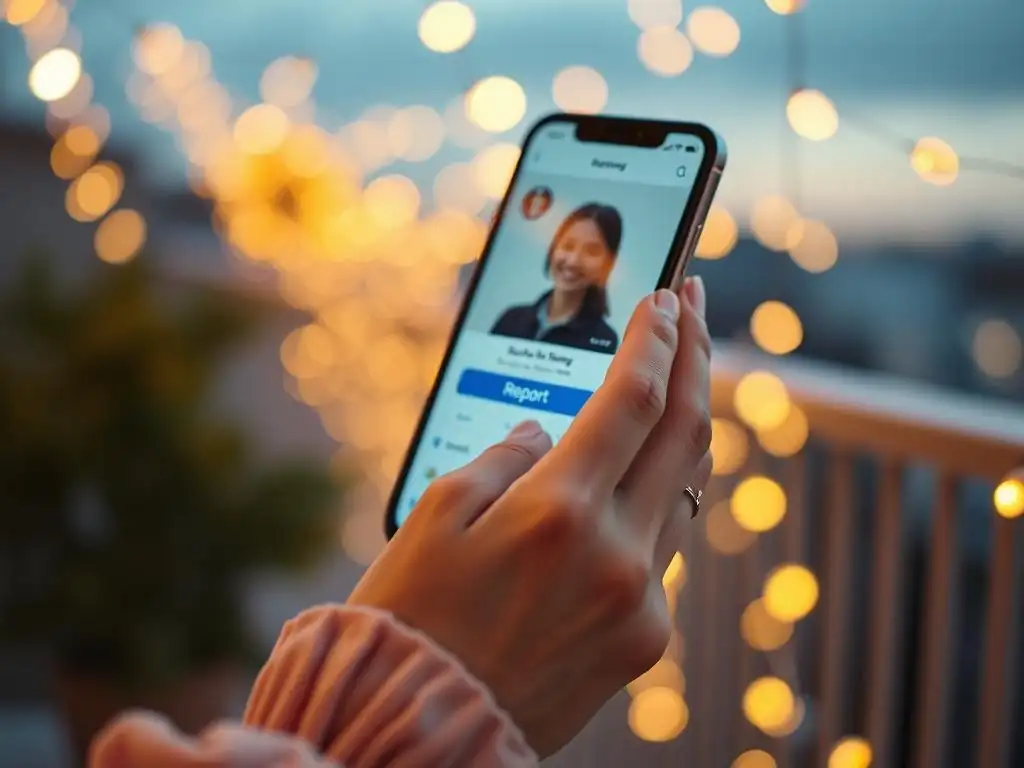
Ready to transform your online dating experience? At OnlineDatingSuccess.org, we're dedicated to helping you navigate the world of online romance with confidence. But navigating the digital dating world also means understanding the risks. Our latest Online dating safety report reveals crucial insights and actionable steps to protect yourself and contribute to a safer online dating community. Discover how to identify and report suspicious activity, ensuring your journey towards meaningful connections is both exciting and secure. Let's dive in!
- Understanding Online Dating Safety Risks and Reporting Procedures
- How to Report Suspicious Activity on Popular Dating Platforms
- Beyond Reporting: Protecting Yourself Online
- Legal and Law Enforcement Resources for Online Dating Safety
- The Importance of Community Reporting in Online Dating Safety
- Maintaining Online Dating Safety: Ongoing Precautions and Best Practices
- Frequently Asked Questions
- Final Reflection: Weaving a Safer Net in the Online Dating World
- Empower Yourself: Take Action for a Safer Dating World
Understanding Online Dating Safety Risks and Reporting Procedures
Navigating the world of online dating offers incredible opportunities to connect with like-minded individuals and build meaningful relationships. However, it's crucial to acknowledge the inherent risks involved and understand how to protect yourself and contribute to a safer online dating community. This article provides practical guidance on recognizing suspicious activity and reporting it effectively, empowering you to take control of your online dating experience and foster a more secure environment for everyone. We'll explore various types of scams and fraudulent behaviors, teaching you how to identify red flags and utilize reporting mechanisms to minimize the potential for harm. Remember, your safety and well-being are paramount, and proactive measures are key to a positive and secure online dating journey. Learning to identify and report suspicious activity is an essential part of responsible online dating. Let's delve into the specifics of safeguarding your online dating experience and protecting yourself against potential threats.
Recognizing Red Flags: Identifying Potentially Dangerous Profiles and Behaviors
Identifying potentially dangerous profiles and behaviors is the first line of defense in online dating safety. Many red flags signal potential problems. These can range from inconsistencies in profile information to overly aggressive or demanding communication styles. For example, be wary of profiles with:
- Vague or Missing Information: Profiles lacking details about the individual's life, work, or interests should raise suspicion. Generic photos or a lack of personal details can be indicative of a fake profile.
- Inconsistencies in Profile Information: Discrepancies between information provided in different sections of the profile, or between the profile and other online presence (e.g., social media), are significant red flags.
- Pressuring for Quick Relationships: Individuals who push for a rapid, intense relationship without taking the time to get to know you should be approached with caution. This can be a tactic used by scammers or those with harmful intentions.
- Requests for Money or Financial Assistance: This is a classic sign of a scam. Legitimate individuals won't ask for money or financial help early in the relationship.
- Overly Vague or Evasiveness: If someone consistently avoids answering direct questions or provides vague, unclear answers, it could be a sign they're hiding something.
- Suspicious Photos: Low-quality or stolen images, or images that seem inconsistent with the rest of the profile, can indicate a fake account.
- Unrealistic Promises: Be cautious of individuals who make exaggerated or unrealistic promises, such as claiming to be extraordinarily wealthy or promising a quick solution to all your problems. These are often used to manipulate victims.
It's crucial to trust your instincts. If something feels off or makes you uncomfortable, it's best to err on the side of caution and discontinue communication.
Understanding Different Types of Online Dating Scams and Fraud
Online dating scams are unfortunately prevalent. Understanding the different types can help you protect yourself. Common scams include:
- Romance Scams: These involve building a false relationship to gain trust and then eventually request money or financial assistance under various pretenses (e.g., medical emergencies, family problems).
- Phishing Scams: These aim to steal personal information, such as usernames, passwords, credit card details, and social security numbers, by pretending to be legitimate dating sites or individuals.
- Fake Profile Scams: These involve creating fake profiles to lure victims into relationships, often with the intention of stealing money or personal information.
- Extortion Scams: These involve blackmailing victims after obtaining compromising information or intimate images through deceptive means.
Understanding these different types of scams enables you to recognize potential threats and react appropriately. Remember, legitimate dating platforms and individuals will never pressure you for money or personal information prematurely.
Recognizing Signs of Catfishing and Identity Theft
Catfishing, where someone creates a fake online persona to deceive others, and identity theft, where someone uses your personal information without your consent, are serious risks in online dating. Key signs to watch out for include:
- Lack of In-Person Meetings: Consistent avoidance of in-person meetings should raise significant concerns. Legitimate individuals are generally willing to meet in person to build a genuine connection.
- Inconsistent Information Across Platforms: Check for consistency in their online presence. Discrepancies across different social media profiles or online platforms can indicate a fake identity.
- Poor-Quality or Stolen Photos: Reverse image search photos to check their authenticity. Stolen photos are a common tactic used in catfishing.
- Unusual Communication Patterns: Be wary of individuals who only communicate through specific channels or avoid video calls.
- Sudden Requests for Personal Information: Legitimate individuals will not suddenly request sensitive personal information, such as your social security number or banking details.
Protecting your personal information and being vigilant about red flags are crucial steps in preventing catfishing and identity theft. Remember, safety should always be your priority. Report any suspicious activity immediately to the platform and authorities if necessary.
How to Report Suspicious Activity on Popular Dating Platforms
This section details how to report suspicious activity on some of the most popular online dating platforms. Remember, reporting suspicious behavior is crucial for maintaining a safe and trustworthy online dating community. Your actions contribute directly to protecting other users from potential harm. It's vital to understand the reporting mechanisms available and to use them effectively.
The goal is to help platforms identify and remove individuals engaging in inappropriate or illegal activities, fostering a healthier online dating experience for everyone. The process may vary slightly between platforms, but the underlying principle remains consistent: prompt reporting increases the chances of positive action being taken. Let's look at specific examples.
Reporting Suspicious Profiles on Tinder: A Step-by-Step Guide
Tinder provides robust tools for reporting concerning profiles. The process is designed to be straightforward and efficient. Here’s a step-by-step guide:
- Identify the Suspicious Profile: Carefully examine the profile for red flags. This could include inappropriate photos, misleading information, aggressive or threatening language, or requests for money or personal information. Note specific details, such as the user's name (or username), profile picture, and any incriminating statements. The more information you provide, the better.
- Navigate to the Reporting Menu: Locate the reporting option within the profile. This is usually represented by a flag icon 🚩 or a three-dot menu (…). The exact location might vary slightly depending on your Tinder app version.
- Select the Reason for Reporting: Tinder offers a range of reporting reasons, allowing you to specify the nature of the suspicious activity. Choose the option that best describes the issue; options typically include "spam," "fraud," "harassment," "unsafe behavior," or similar categories.
- Provide Additional Details (Optional but Recommended): This step is crucial. Provide as much detail as possible about the concerning behavior. Screenshots are invaluable evidence. Clearly and concisely explain why you believe this profile violates Tinder's terms of service or poses a safety risk to other users. Be factual and avoid emotional language.
- Submit the Report: Once you've provided all the necessary information, submit the report. Tinder's team will review your report and take appropriate action, which may include removing the profile or banning the user.
Remember that while Tinder strives to maintain a safe environment, they can't guarantee complete safety. Your vigilance and prompt reporting are essential.
Reporting Suspicious Activity on Bumble: Detailed Instructions
Bumble also prioritizes user safety and offers multiple ways to report suspicious behavior. Their reporting system is structured to allow users to quickly and effectively flag problematic profiles and interactions.
- Reporting Profiles: Similar to Tinder, find the report button (often a flag icon or three dots) on the profile in question. Choose the most accurate reason from the provided options, such as "spam," "harassment," "impersonation," or "inappropriate content." Provide detailed information and any supporting evidence, such as screenshots of messages or concerning profile details.
- Reporting Messages: If you receive inappropriate or concerning messages, you can report them directly from the chat. Bumble usually offers a report button within the message thread itself. Again, including screenshots and a detailed explanation of the issue will help Bumble's moderation team investigate effectively.
- Blocking Users: Blocking a user prevents them from contacting you further. While blocking is not the same as reporting, it's a crucial safety precaution that should be combined with reporting for maximum protection. This prevents further interaction while the report is being processed. Bumble's system allows you to easily block users you deem unsafe or undesirable.
Reporting Concerns on Hinge: A Comprehensive Overview
Hinge, known for its focus on meaningful connections, also emphasizes user safety. Their reporting system is designed to efficiently address concerns and maintain a positive community.
| Reporting Category | Description | Example |
|---|---|---|
| Spam/Scams | Accounts attempting to defraud or mislead users. | Profiles requesting money, fake profiles promoting services, or phishing attempts. |
| Harassment | Accounts engaging in abusive, threatening, or offensive behavior. | Sending abusive messages, making threats, or using offensive language. |
| Inappropriate Content | Profiles containing explicit or offensive images or information. | Nude or sexually suggestive photos, hate speech, or violent imagery. |
| Fake Profiles | Accounts created using false information or impersonating others. | Profiles using stolen images or false identities. |
Remember to always report any suspicious activity you encounter. By doing so, you actively contribute to a safer online dating experience for everyone. Your proactive approach helps protect others and reinforces a community that values respect and trust. The more detailed your report, the more effective the platform's response is likely to be. Don't hesitate to utilize all the available reporting tools to safeguard yourself and others.
Reporting Suspicious Behavior Through Third-Party Resources
Beyond the reporting mechanisms offered directly by dating platforms, several third-party resources can assist in reporting suspicious activity and contributing to a safer online dating environment. These resources often specialize in fraud prevention, online safety, or cybersecurity and can offer support and guidance that complements the platform's internal reporting systems. For example, some organizations track known scammers and their tactics, allowing them to identify and flag potentially dangerous profiles before users even encounter them. This proactive approach can be especially helpful for individuals new to online dating or those who are less tech-savvy.
It's crucial to remember that reporting through these third-party resources doesn't replace reporting directly to the dating platform. These organizations may not have the same level of direct access or influence to take immediate action against a specific profile. However, they can provide valuable information to law enforcement, help compile data on widespread scams, and contribute to broader awareness of online dating safety issues.
They often maintain databases of reported scams, allowing them to identify patterns and trends, which helps in the development of preventative measures and educational materials. This aggregated data is invaluable in protecting the wider online dating community and informing users about emerging threats.
The specific steps involved in reporting through a third-party resource will vary depending on the organization. Some may provide online forms, while others may offer email or phone support. It's essential to gather as much information as possible before making a report – this typically includes the user's profile information, screenshots of suspicious messages, and any other relevant details. Documenting the timeline of events can also be incredibly helpful in supporting your report.
Remember, even if the suspicious activity seems minor, reporting it can still contribute to a larger effort in creating a safer online dating environment. Many organizations value even seemingly insignificant reports as they can contribute to the bigger picture of online dating safety. Think of it as a collective effort toward improving "online dating safety report" effectiveness. Your contribution, no matter how small it may seem, makes a difference.
Beyond Reporting: Protecting Yourself Online
This section focuses on proactive measures you can take to minimize your risk before you ever need to file an online dating safety report. Remember, reporting suspicious activity is crucial, but a robust personal safety strategy is your first line of defense. Taking control of your online presence and practicing safe communication habits significantly reduces your vulnerability to scams and harmful interactions. This empowers you to engage in online dating with greater confidence and peace of mind.
Best Practices for Secure Online Dating: Tips for Safer Communication
Effective communication is key to a positive online dating experience, but it's also crucial for your safety. Here's how to navigate conversations securely:
- Never share Personally Identifiable Information (PII) early on: Avoid revealing your full name, address, workplace, phone number, or other sensitive details until you've met in person and built trust. Even then, proceed with caution.
- Video calls are your friend: Before arranging an in-person meeting, suggest a video call. This helps verify the person's identity and build rapport in a safer environment. Inconsistencies between profile pictures and video appearance should raise red flags.
- Be wary of overly-perfect profiles: Profiles that seem too good to be true often are. Be skeptical of individuals with unrealistic expectations or those who avoid answering direct questions.
- Trust your gut: If something feels off, it probably is. Don't feel pressured to continue communicating with someone who makes you uncomfortable, regardless of how charming they may seem. Your intuition is a powerful tool for online dating safety.
- Report and block suspicious behavior: Don't hesitate to report any concerning activity to the dating platform immediately. Blocking users is also an effective way to protect yourself from further contact. Many platforms have robust reporting mechanisms designed to keep users safe. Consider this part of your regular online dating safety routine.
Protecting Your Personal Information: Avoiding Identity Theft in Online Dating
Identity theft is a serious concern in online dating. Protecting your personal information requires vigilance and proactive measures:
- Use strong, unique passwords: Never reuse passwords across different accounts. Consider using a password manager to generate and securely store complex passwords. This is a crucial aspect of overall online dating safety.
- Be cautious about links: Don't click on links from unknown senders. Phishing scams are common, and clicking on malicious links can compromise your personal data.
- Review privacy settings: Familiarize yourself with the privacy settings of the dating platforms you use. Adjust them to limit the information visible to others.
- Monitor your accounts: Regularly check your bank statements and credit reports for any unauthorized activity. This proactive monitoring can help detect identity theft early.
- Beware of financial requests: Legitimate daters will not ask for money or financial assistance early in the relationship. Any request for funds should be a major red flag. This is a common tactic used by scammers targeting online daters. Remember, your online dating safety is paramount.
Building Healthy Online Relationships: Fostering Trust and Safety
Building healthy relationships online requires patience, clear communication, and a focus on mutual respect.
- Take things slow: Don't rush into meeting in person or sharing personal information. Allow time to get to know someone virtually before progressing to more intimate interactions.
- Meet in public places: When you do decide to meet in person, choose a well-lit, public location for your first few dates. Let a friend or family member know where you're going and when you expect to be back.
- Maintain your independence: Don't let your online dating life consume your entire existence. Maintain your own social circles and interests outside of the dating app. This helps maintain a healthy perspective and reduces dependence on any single online relationship.
- Communicate your boundaries: Clearly communicate your boundaries and expectations to potential partners. Don't be afraid to say no to anything that makes you uncomfortable. Setting healthy boundaries is a key element of online dating safety and overall well-being.
Remember, building healthy relationships takes time and effort, both online and offline. Prioritizing your safety and well-being throughout the process ensures a more positive and fulfilling experience. This proactive approach to online dating safety will allow you to focus on building meaningful connections, free from the fear of scams or harmful interactions.
Legal and Law Enforcement Resources for Online Dating Safety
Navigating the world of online dating requires awareness not only of potential scams and harassment but also of the legal avenues available for recourse. Understanding where to report suspicious activity and what legal protections exist is crucial for maintaining your safety and well-being. This section provides information on reporting cybercrime and accessing resources for victims of online dating fraud and scams, empowering you to take proactive steps to protect yourself.
Remember, reporting suspicious behavior is not just about protecting yourself; it helps build a safer online dating community for everyone. This information is for educational purposes and does not constitute legal advice. Always consult with a legal professional for personalized guidance.
Cybercrime Reporting: Knowing Where to Turn for Help
Reporting suspicious activity online is often the first step in preventing further harm and holding perpetrators accountable. The process can vary depending on the nature of the offense and your location. For example, if you've experienced harassment or threats, you might report this to the platform directly, using their built-in reporting mechanisms. Many dating sites have specific procedures for reporting abuse, including options to block users and flag inappropriate content. Documentation is key – screenshots of messages, profiles, and any other relevant evidence should be preserved.
Beyond platform reporting, consider contacting law enforcement if the activity constitutes a crime. This could include instances of stalking, identity theft, or financial fraud. Your local police department is the usual first point of contact. In cases involving cross-border or international activity, you might need to involve federal agencies or international organizations specializing in cybercrime.
Remember to gather all available information, including timestamps, usernames, and any identifying details of the suspect. The more comprehensive your report, the more effective the investigation is likely to be. Many countries also have dedicated cybercrime units or task forces which can provide specialized assistance.
Example of a Detailed Report
To illustrate, imagine you've been targeted by someone who used a fake profile to solicit money. Your report should include:
- Date and time of initial contact
- Screenshots of messages exchanged
- Details of any financial transactions (e.g., bank statements showing transfers)
- The suspect's profile information (username, photos, etc.)
- The dating platform used
- Any other relevant information, such as IP addresses (if available)
Resources for Victims of Online Dating Fraud and Scams
Falling victim to online dating fraud can be a deeply distressing experience. Fortunately, various resources are available to provide support and guidance. Many victims initially feel shame or embarrassment, hindering them from seeking help. It's crucial to remember that you are not alone and that seeking help is a sign of strength, not weakness. Organizations specializing in fraud victim support offer confidential counseling, financial assistance, and legal advice. These organizations often work with law enforcement to investigate scams and bring perpetrators to justice.
Beyond specialized organizations, consider contacting your bank or financial institution immediately if you've suffered financial loss. They may be able to assist with reversing transactions or recovering funds. Additionally, the Federal Trade Commission (FTC) in the US and similar agencies in other countries offer valuable resources and reporting mechanisms for online fraud.
They can provide guidance on preventing future scams and help you navigate the process of recovering your losses. Remember, thoroughly documenting every interaction and financial transaction is essential for reporting and potential legal action. Seeking support from friends, family, or a therapist can also be crucial in overcoming the emotional fallout of such experiences.
Understanding Your Rights and Legal Recourse
Knowing your rights as a victim of online dating-related crimes is essential for pursuing legal recourse. This could involve filing a police report, pursuing civil action against the perpetrator, or filing a complaint with the dating platform. The specific legal avenues available will depend on the nature of the offense, the jurisdiction, and the evidence you have. Legal advice from a qualified attorney is highly recommended. They can help you understand your options, assess the strength of your case, and guide you through the legal process.
Remember, even if you're unsure whether the situation constitutes a crime, it's always advisable to document everything and seek professional legal advice. The potential consequences of online dating scams can be severe, ranging from financial losses to emotional distress and identity theft. By understanding your legal options and seeking professional help, you can protect your rights and work towards justice. Staying informed about online dating safety and utilizing available resources empowers you to navigate the online dating world with greater confidence and security. This proactive approach is key to creating a safer and more positive experience for everyone.
The Importance of Community Reporting in Online Dating Safety

Online dating safety isn't solely the responsibility of the platforms themselves; it's a shared responsibility. Active community participation, specifically through reporting suspicious activity, is crucial in creating a safer online dating environment for everyone. Think of it like a neighborhood watch, but for the digital world. Each report, no matter how seemingly insignificant, contributes to a larger picture that helps platforms identify and address problematic users and behaviors.
This collective effort significantly impacts the overall safety and trustworthiness of the online dating experience. Ignoring suspicious activity allows potentially harmful individuals to continue their behavior, putting others at risk. By reporting, you're not just protecting yourself; you're actively contributing to the safety and well-being of the entire online dating community.
This proactive approach fosters a culture of responsibility and accountability, making online dating a more positive and secure experience for everyone involved. The more reports received, the better equipped dating platforms are to implement effective preventative measures and improve their safety protocols. This is why reporting suspicious activity is not just a good idea, it's a vital step in ensuring the continued safety and success of online dating.
Collective Action: How Reporting Helps Keep Everyone Safe
Reporting suspicious activity isn't a solitary act; it's a collective effort that strengthens the online dating community's defenses against harmful individuals. Each report contributes to a larger database of information that enables platforms to identify patterns, track suspicious behavior, and ultimately take action against perpetrators. For example, multiple reports about a single user engaging in catfishing or soliciting explicit content can lead to a swift investigation and account suspension.
This proactive measure prevents further potential harm to other users. Furthermore, aggregated data from user reports helps dating platforms improve their algorithms and safety features. This might involve enhancing profile verification processes, implementing better content moderation tools, or developing more sophisticated systems for detecting and preventing fraudulent activity.
The power of collective reporting lies in its ability to create a ripple effect – one report might not seem significant, but hundreds or thousands of reports paint a clear picture, leading to tangible improvements in online dating safety. It's a powerful example of how individual actions can combine to create a significantly safer online environment. The data collected through reporting is invaluable in identifying trends and vulnerabilities, allowing platforms to proactively address potential threats before they escalate.
Encouraging Others to Report Suspicious Activity: Spreading Awareness
Encouraging others to report suspicious activity is just as important as reporting yourself. Spreading awareness about the importance of reporting helps foster a culture of safety and responsibility within the online dating community. You can do this in several ways: Start by sharing information about reporting mechanisms on your social media platforms. Highlight the ease and importance of reporting through posts and stories.
Engage in conversations with fellow daters, emphasizing the collective responsibility to create a safer environment. Additionally, you can encourage open communication within your social circles, fostering a culture where reporting suspicious activity is viewed as a positive and necessary action, rather than something to be ignored or downplayed. Remember, a safe online dating experience benefits everyone. By openly discussing the importance of reporting and encouraging others to participate, you contribute significantly to creating a more trustworthy and secure online dating environment for all.
This proactive approach not only enhances personal safety but also contributes to the overall well-being of the online dating community. The more people who understand and embrace the value of reporting, the safer and more positive the experience will be for everyone. This collaborative effort is vital in building a safer online dating community for all.
Maintaining Online Dating Safety: Ongoing Precautions and Best Practices
This section focuses on proactive measures you can take to maintain your online dating safety beyond simply reporting suspicious activity. Remember, prevention is key to a positive and secure online dating experience. Consistent vigilance is crucial for mitigating risks and protecting your well-being. This isn't just about avoiding scams; it's about fostering a healthy and respectful online environment for everyone.
Regularly Reviewing Your Online Dating Profile Settings for Security
Regularly reviewing your profile settings is a critical aspect of online dating safety. Many platforms offer a range of privacy controls that you should actively manage. Think of it as a security checkup for your digital self. Don't just set it and forget it!
Consider these points:
- Privacy Settings: Are your photos only visible to those you've matched with? Have you limited who can message you? Do you have location sharing enabled? Regularly check and adjust these settings to minimize unwanted contact. Remember, even small adjustments can significantly impact your safety.
- Account Security: Have you enabled two-factor authentication (2FA)? This adds an extra layer of protection, making it much harder for unauthorized individuals to access your account, even if they obtain your password. It's a simple yet incredibly effective measure.
- Profile Information: Review the information you've shared publicly. Is there anything that could potentially reveal too much personal information – your exact address, workplace, or even your children's names and ages? Be mindful of what you share and consider removing details that could compromise your safety.
- Photo Review: Regularly review your profile pictures. Ensure that none of them inadvertently reveal identifying information about your home or workplace. Consider using pictures that don't show your license plate, house number, or other easily identifiable details.
Many platforms provide detailed guides on managing privacy settings. Taking the time to understand and utilize these features is an investment in your online dating safety. Think of it as preventative maintenance for your digital well-being.
Staying Informed About Emerging Online Dating Scams and Threats
The landscape of online dating scams is constantly evolving. New tactics and strategies are constantly emerging, making it crucial to stay informed. Don't rely solely on your initial knowledge; make staying updated a regular practice. Think of it like a continuous learning process.
Here's how to stay ahead of the curve:
- Follow Security Blogs and News: Many reputable websites and organizations dedicated to online safety regularly publish articles and reports on emerging threats. Stay informed about new scams and techniques used by fraudsters.
- Engage with Online Communities: Participate in online forums or communities dedicated to online dating safety. Sharing information and experiences with others can be invaluable in identifying and avoiding potential risks.
- Report Suspicious Activity: If you encounter something suspicious, report it immediately to the dating platform. This helps the platform identify and address emerging threats effectively. Your report could help protect others.
- Regularly Update Apps: Keep your dating apps updated to the latest version. Updates often include security patches that address vulnerabilities and improve protection against scams.
Staying informed is a crucial part of online dating safety. It empowers you to identify and avoid potential dangers proactively, thus protecting your personal information and emotional well-being.
Protecting Your Mental Health After a Negative Online Dating Experience
Even with the best precautions, negative experiences can happen. Protecting your mental health after a difficult online dating encounter is just as important as preventing scams. Remember, it's okay to feel upset, frustrated, or even hurt. Don't minimize your emotions.
Here are some helpful strategies:
- Self-Care is Crucial: Prioritize self-care activities that help you relax and de-stress. This could include spending time in nature, engaging in hobbies, or connecting with supportive friends and family.
- Seek Support: Don't hesitate to reach out to a trusted friend, family member, therapist, or counselor. Talking about your experience can help you process your emotions and develop healthy coping mechanisms.
- Limit Exposure: Take a break from online dating if you need to. Allow yourself time to heal and regain your confidence before returning to the platform. There's no rush.
- Remember Your Worth: Negative experiences don't diminish your worth or value. Focus on your positive qualities and remember that you deserve a healthy and respectful relationship.
Remember, online dating safety is an ongoing process. By combining proactive measures with a focus on your mental well-being, you can create a safer and more positive experience. Prioritizing your safety and mental health is essential for a fulfilling online dating journey.
Frequently Asked Questions
What should I report in an online dating safety report?
You should report any suspicious or inappropriate behavior, including harassment, scams, fake profiles, or threatening messages. Report anything that makes you feel uncomfortable or unsafe.
How do I submit an online dating safety report?
Most dating sites have a reporting mechanism within their app or website. Look for a "report," "flag," or "block" button on individual profiles or messages. Follow the platform's specific instructions.
What happens after I submit a safety report?
The dating site's safety team will review your report. They may take action such as suspending or banning the reported user, or contacting law enforcement if necessary. You may or may not receive a direct response.
Is my identity kept confidential when submitting a safety report?
Your privacy is usually protected, but the specifics depend on the platform's privacy policy. Review the site's policies to understand how they handle reported information and user privacy.
What if the dating site doesn't respond to my safety report?
If you don't receive a response or feel your report wasn't adequately addressed, consider contacting customer support directly or reporting the issue to the relevant authorities, like the FTC or local law enforcement, depending on the severity of the situation.
Final Reflection: Weaving a Safer Net in the Online Dating World
The ease and accessibility of online dating have brought unprecedented connection, but also a stark increase in the need for vigilance. The potential for exploitation and harm remains a significant threat, demanding a proactive and informed approach from all users. Ignoring this reality is not an option; our collective safety depends on it.
The impact of online dating safety, or the lack thereof, ripples far beyond individual experiences. It shapes the very fabric of how we connect, influencing trust, intimacy, and the overall perception of online interactions. The internet is a powerful tool, but it's a tool that can be used for good or ill. We must be vigilant in protecting ourselves and others from those who would misuse it.
This quote underscores the responsibility we all share in fostering a safer online dating environment. The ongoing conversation surrounding consent, healthy boundaries, and responsible reporting is crucial for creating a culture of respect and accountability.
You, the reader, hold the power to make a difference. Consider the information presented here – not just as a checklist, but as a framework for critical thinking and proactive self-protection. Don't hesitate to report suspicious activity; your action could prevent harm and empower others to do the same. Let's collectively build a more secure and trustworthy space for connection, where genuine relationships can flourish without the shadow of fear or exploitation.
Empower Yourself: Take Action for a Safer Dating World
Thank you for learning about reporting suspicious activity. You've gained valuable knowledge to help keep our online dating community safe and positive. Let's put that knowledge to use!
- Report suspicious profiles immediately: Don't hesitate—if something seems wrong, report it through the platform's reporting tools. This is the most effective way to protect others.
- Share this article with your friends: Help spread awareness and empower others to stay safe online. A safer community benefits everyone.
- Join the conversation in the comments below: What other steps can we take, as a community, to improve online dating safety?
What small act of vigilance can you take today to contribute to a more secure online dating experience for everyone?