
Dating App Alert: Learn How to Spot and Report Scammers and Harassers

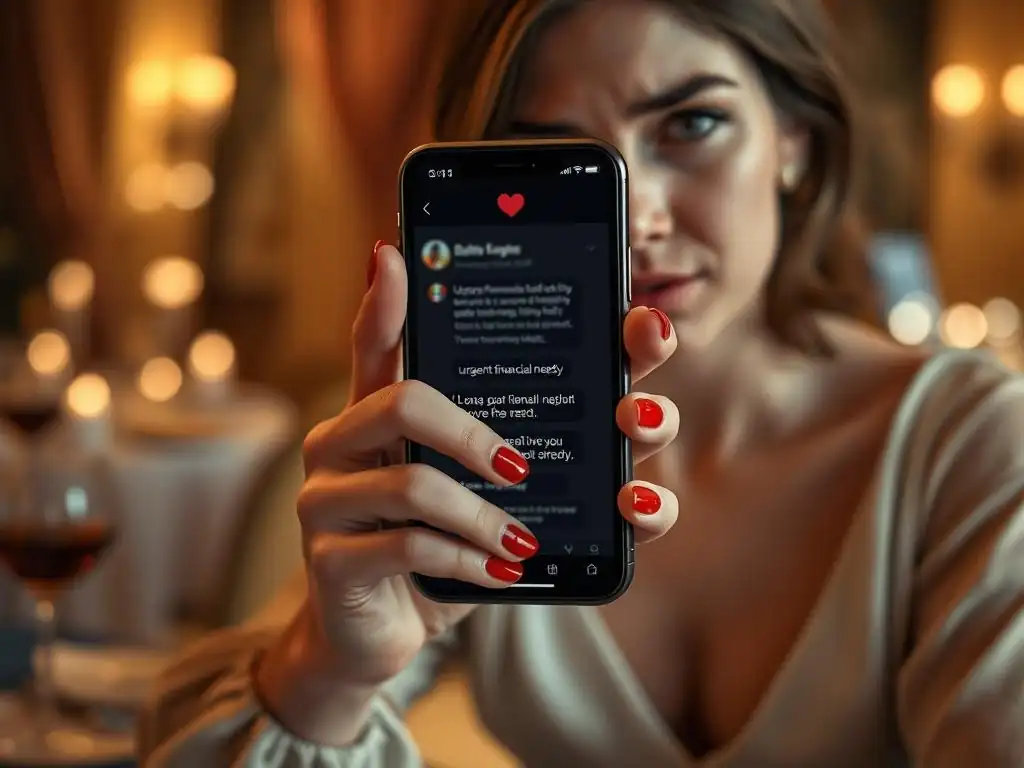
Welcome to OnlineDatingSuccess.org, your guide to navigating the exciting—and sometimes treacherous—world of online dating. Are you ready to find genuine connections but concerned about the risks? We understand. That's why we've created this resource, packed with practical advice to help you build your best profile, communicate confidently, and most importantly, stay safe. Learn how to identify and report those attempting to exploit the system with our comprehensive Dating app scammer report—your first step toward a safer and more rewarding online dating experience. Dive in and discover the secrets to success!
- Recognizing Red Flags: Identifying Dating App Scammers and Harassers
- How to Protect Yourself: Safety Tips for Online Dating
- Reporting Scammers and Harassers: A Step-by-Step Guide
- Understanding Dating App Policies: Reporting Procedures and User Agreements
- Taking Control: Moving Forward After a Negative Experience
- Frequently Asked Questions
- Final Reflection: Navigating the Digital Dating Landscape Safely
- Unmask the Truth: Take Control of Your Online Dating Safety
Recognizing Red Flags: Identifying Dating App Scammers and Harassers
Navigating the world of online dating can be exciting, but it's crucial to be aware of the potential dangers lurking within. This article provides essential guidance on identifying and reporting scammers and harassers on dating apps, helping you protect yourself and build a safer online dating experience. We'll explore common scam tactics, harassing behaviors, and warning signs of fake profiles, equipping you with the knowledge to make informed decisions and prioritize your safety and well-being.
Learning to recognize these red flags is the first step toward a more positive and secure online dating journey. Remember, your safety is paramount, and reporting suspicious activity is vital in creating a healthier online dating community for everyone. This guide focuses on practical steps you can take to protect yourself from those seeking to exploit or harm you using dating apps, directly addressing the crucial keyword "Dating app scammer report" and its variations.
Common Scam Tactics: Love Bombing, Financial Requests, and Fake Profiles
Dating app scammers often employ a range of manipulative tactics to gain your trust and ultimately exploit you. One common method is love bombing, where they shower you with excessive affection and compliments in a short period. This intense, overwhelming attention aims to quickly create a strong emotional connection, making you more susceptible to their schemes. Be wary of anyone who professes deep love or commitment after only a few interactions.
Another significant red flag is the sudden request for financial assistance. Scammers may concoct elaborate stories involving emergencies, debts, or unexpected expenses, pressuring you to send money. They may also subtly suggest investing in a "lucrative opportunity" or a "guaranteed return scheme". Never send money to someone you've only met online, regardless of how compelling their story may seem.
Finally, many scammers utilize fake profiles to lure victims. These profiles often feature stolen photos, inconsistent information, and a lack of genuine personal details. They might be overly vague about their life or work, or their profile may contain grammatical errors and inconsistencies. Always be critical and cautious when assessing a new profile. Remember, if something feels too good to be true, it probably is.
Identifying Harassing Behavior: Aggressive Messaging, Unwanted Advances, and Threats
Harassment on dating apps takes many forms, ranging from subtle to overtly aggressive. Aggressive messaging can include persistent, unwanted communication, despite your attempts to set boundaries. This might involve repeated messaging even after you've indicated disinterest, or sending messages of a sexually suggestive or inappropriate nature. It's crucial to establish clear boundaries early on and to report any persistent unwanted communication.
Unwanted advances can range from inappropriate comments to explicit requests for sexual encounters. This type of behavior is unacceptable and should never be tolerated. Remember, you have the right to feel safe and comfortable, and you are not obligated to respond to or engage with any unwanted advances.
In the most serious cases, harassment can escalate into direct threats. These threats can be physical, emotional, or financial in nature and should be reported immediately to the dating app and, if necessary, law enforcement. Never hesitate to seek help if you feel threatened or unsafe. Your safety is paramount.
Warning Signs of Fake Profiles: Inconsistent Information, Stock Photos, and Lack of Personal Details
Identifying fake profiles is a crucial step in protecting yourself from scams and harassment. One of the most obvious signs is inconsistent information. This can include discrepancies in their stated age, location, profession, or other biographical details. Cross-reference information provided if possible, and be wary of profiles with vague or contradictory information.
Another common indicator is the use of stock photos. Many fake profiles use images readily available online, often featuring professional models or images taken from other sources. Reverse image search tools can be helpful in identifying these stock photos and confirming the authenticity of the profile.
Finally, a lack of personal details is a significant warning sign. Genuine profiles usually share some personal information, hobbies, and interests, giving potential matches a glimpse into their personality. If a profile lacks specific details or seems overly generic, it may be fake. A profile that is suspiciously perfect or lacks any flaws could also be a warning sign. Trust your instincts—if something seems off, it probably is.
How to Protect Yourself: Safety Tips for Online Dating
This section focuses on proactive measures you can take to minimize your risk of encountering scammers and harassers on dating apps. Remember, prevention is key when it comes to online safety. Being vigilant and employing these strategies significantly reduces your vulnerability. Taking control of your online dating experience is empowering and essential for a positive and safe journey.
Secure Your Personal Information: Avoid Sharing Sensitive Data Early On
Sharing personal information too early in an online interaction is a major red flag for attracting scammers. They often use this information for identity theft, financial fraud, or even more sinister purposes. Think before you share – is this information truly necessary at this stage of the relationship?
Here's a breakdown of what to avoid sharing prematurely:
- Full Name: Stick to a first name until you've met in person and feel comfortable.
- Address: Never share your home address, even if you feel you know the person well online. Meet in public places for initial dates.
- Financial Information: This includes bank account details, credit card numbers, social security numbers, etc. Never share this information, under any circumstances, with someone you've only met online.
- Place of Work: While sharing your profession is generally acceptable, avoid specifics like your exact workplace address or internal company information.
- Detailed Personal Information: Avoid oversharing details about your family, children, or other vulnerable aspects of your life until you've established a strong, in-person connection.
Remember, building trust takes time. Don't rush the process, and don't feel pressured to share sensitive information before you're ready. Red flags include requests for financial assistance or overly personal questions early in the interaction. Trust your instincts – if something feels off, it probably is.
Dating app profiles can be deceiving. Scammers often use fake photos and fabricated information to lure victims. Verifying profiles is crucial to ensure you're interacting with a genuine person.
Here's how to verify profiles effectively:
- Reverse Image Search: Use Google Images or a similar tool to reverse search the profile pictures. This helps identify if the photos are stolen from another source. If the image appears on multiple websites unrelated to the person's profile, it's a strong indicator of a fake profile.
- Social Media Checks: Try to locate the person on other social media platforms (Facebook, Instagram, LinkedIn, etc.) using the name and information provided in their dating profile. Inconsistencies between profiles should raise a red flag.
- Look for inconsistencies: Pay attention to any discrepancies in the profile information. Do the photos look professionally edited? Does their story seem too good to be true? Trust your intuition; if something seems off, it often is.
- Be aware of overly perfect profiles: Profiles with flawless photos and overly positive descriptions might be too good to be true. Scammers often create idealized profiles to attract victims.
By taking these steps, you can significantly reduce your chances of interacting with a fake profile. Remember, thorough verification is an essential part of online dating safety.
Communicate Safely: Start with Public Platforms and Avoid Sharing Your Location
Once you start communicating with someone, prioritize safe communication practices. Avoid sharing your location prematurely and never meet someone in a private or secluded location for your first date.
Here are some key safety measures for communication:
- Public Platforms: Start conversations on the dating app itself. Only move to other messaging platforms once you've established some trust and verified the person's identity.
- Avoid Sharing Your Location: Never share your precise location until you've met the person in person and feel comfortable. Even then, be cautious about sharing your home address.
- Video Calls: Consider a video call before meeting in person. This can help confirm the person's identity and build a more genuine connection. Discrepancies between the profile picture and the video call should raise concerns.
- Trust Your Instincts: If at any point you feel uncomfortable or unsafe, end the conversation immediately. Your safety is paramount.
Remember, online dating should be a positive and enjoyable experience. By following these safety tips, you can significantly reduce your risk and protect yourself from scammers and harassers. Staying informed and proactive is your best defense.
Reporting Scammers and Harassers: A Step-by-Step Guide
This section details how to effectively report suspicious activity on popular dating apps and, when necessary, to law enforcement. Remember, your safety and well-being are paramount. Taking proactive steps to report inappropriate behavior is crucial in creating a safer online dating environment for everyone. Understanding the reporting processes and knowing when to escalate to law enforcement can significantly reduce your risk and help prevent others from falling victim to scams or harassment. This guide focuses on providing you with the tools and knowledge to effectively handle such situations, empowering you to navigate the world of online dating with confidence.
Reporting on Popular Dating Apps: Tinder Reporting Procedures, Bumble Reporting Procedures, Hinge Reporting Procedures
Reporting mechanisms vary slightly across different dating apps, but the core principles remain consistent. Below, we outline the general procedures for three popular platforms: Tinder, Bumble, and Hinge. Always remember to keep detailed records of your interactions (more on this in the next section).
Tinder: Tinder's reporting system is generally straightforward. Within a chat, usually a three-dot menu appears. Selecting this often reveals options to report the user for various reasons, including harassment, scams, or inappropriate behavior. You'll typically be prompted to select the reason for your report and may be able to provide additional details or screenshots. Tinder's algorithms are designed to detect suspicious patterns, and your report contributes to their ability to identify and ban problematic users. Remember to block the user after reporting, preventing further contact.
Bumble: Similar to Tinder, Bumble provides in-app reporting features. Usually located within the chat interface, you'll find options to report the user for various offenses. Bumble also emphasizes user safety and actively works to remove users who violate their community guidelines. Providing detailed information about the interaction is vital for effective investigation. Just like Tinder, blocking the user is a crucial additional step.
Hinge: Hinge's reporting process is also generally user-friendly. Within the chat or profile section, you'll typically find a reporting option. This will allow you to choose the reason for your report and potentially provide additional context. Hinge's focus on meaningful connections makes them particularly vigilant in addressing inappropriate behavior that could disrupt the user experience. Reporting and blocking remain the key actions in mitigating risk.
Reporting to Law Enforcement: When to Involve the Police and What Information to Provide
While dating apps have robust reporting systems, escalating to law enforcement is sometimes necessary. Consider contacting the police if:
- You've been a victim of financial fraud (e.g., money scams, phishing attempts).
- You've received credible threats of violence or harm.
- You've experienced persistent harassment that extends beyond the app (e.g., stalking, doxxing).
- You have evidence of illegal activity, such as identity theft.
When contacting law enforcement, be prepared to provide the following information:
| Information Type | Details |
|---|---|
| Your Personal Information | Full name, address, phone number, email address |
| Suspect Information | Username(s) on the dating app, any known real names, photos, contact details |
| Date and Time of Incident(s) | Precise dates and times of interactions and concerning events |
| Detailed Description of Events | A clear and concise account of what happened, including screenshots and messages |
| Evidence | Screenshots, messages, transaction records, email correspondence |
Remember to remain calm and factual when interacting with law enforcement. Their assistance is crucial in addressing serious offenses.
Documenting Evidence: Screenshots, Messages, and Transaction Records
Thorough documentation is crucial in any reporting process. Preserve all evidence of suspicious or harmful interactions. This includes:
- Screenshots: Take screenshots of messages, profiles, and any other relevant information. Screenshots provide visual proof of the interaction. Timestamp is key!
- Messages: Save all messages, including deleted ones if possible (check your device's backup options). These messages provide a detailed account of the interaction.
- Transaction Records: If financial transactions are involved, gather bank statements, payment confirmations, and any other relevant financial documentation. This proves financial loss or attempted fraud.
Maintaining a detailed record of interactions helps build a strong case, whether you're reporting to the dating app or law enforcement. This comprehensive documentation significantly increases the likelihood of a successful resolution and contributes to a safer online dating experience for everyone. Remember, preserving this evidence is a proactive measure in protecting yourself.
Understanding Dating App Policies: Reporting Procedures and User Agreements
Dating app safety relies heavily on understanding and utilizing the platform's built-in reporting mechanisms. Each app has its own specific procedures for reporting scams and harassment, often detailed within their Terms of Service and Privacy Policies. Failure to familiarize yourself with these policies could significantly hinder your ability to protect yourself and report inappropriate behavior effectively. Ignoring these policies might also leave you vulnerable to legal repercussions should a serious incident occur. Remember, proactive awareness is your best defense.
Reviewing Dating App Terms of Service: Understanding Your Rights and Responsibilities
Before even creating a profile, thoroughly review the Terms of Service (ToS) of any dating app you plan to use. These documents outline your rights as a user, the app's responsibilities regarding user safety, and, crucially, the steps to take when encountering problematic users. Look for sections dedicated to "Safety," "Reporting," "Harassment," or "Prohibited Conduct." These sections typically detail the types of behavior the app considers unacceptable and the process for reporting violations.
Pay close attention to the types of evidence the app requires to process a report – screenshots, message logs, etc. – as gathering this evidence promptly is vital for a successful report. For example, Tinder might require screenshots of explicit messages, while Bumble might prioritize reports of threatening or abusive behavior. Failing to understand these nuances can lead to your report being dismissed or ignored.
Take notes, highlight key sections, and save a copy of the ToS for future reference. This proactive approach will empower you to navigate the app safely and confidently. Consider creating a checklist to ensure you've covered all the essential points before starting your dating app journey. Knowing your rights and responsibilities empowers you to take control of your online safety.
If you've encountered a scammer or harasser, reporting through the app's internal system is the first step. Most dating apps provide a reporting button within individual profiles or message threads. Follow the app's instructions carefully, providing as much detail as possible, including dates, times, screenshots, and the user's profile information. Remember, clear and concise communication is key. If the app's internal support system fails to respond adequately or the issue persists, don't hesitate to escalate the matter.
Many apps offer multiple contact methods, such as email or a dedicated help center. Explore all available options. If the app fails to address the issue, consider seeking help from external sources. This might include contacting law enforcement if the harassment is severe or involves threats of violence. Remember to document every interaction, including dates, times, and the content of all communications.
This documentation will be invaluable if you need to pursue further action. Remember, you are not alone; many resources are available to assist you in navigating these challenging situations. Consider reaching out to support groups or online communities dedicated to online safety and dating app experiences. Their collective knowledge and empathetic support can be invaluable. The process might feel daunting, but taking proactive steps to report and seek help is crucial for your safety and well-being.
Taking Control: Moving Forward After a Negative Experience
Experiencing a scam or harassment on a dating app can be incredibly upsetting and leave you feeling vulnerable. It's crucial to remember that you are not alone and that taking proactive steps towards recovery is essential. This section focuses on empowering you to regain control and move forward after a negative online dating experience. Many people report feeling a range of emotions, from anger and frustration to shame and self-doubt. It's important to acknowledge these feelings and allow yourself time to process them. Don't minimize your experience; what happened was wrong, and it's okay to feel affected by it.
Building Resilience: Coping Mechanisms and Support Networks
Developing resilience is key to navigating the emotional aftermath of a dating app scam or harassment incident. This involves building a strong support system and adopting healthy coping mechanisms. Lean on trusted friends, family, or a therapist. Talking about your experience can be incredibly cathartic and help you process your emotions. Consider joining support groups, either online or in person, where you can connect with others who understand what you're going through. These groups offer a safe space to share experiences and learn from others' coping strategies.
Remember to prioritize self-care. Engaging in activities that bring you joy and relaxation, such as exercise, spending time in nature, pursuing hobbies, or practicing mindfulness techniques, can significantly improve your emotional well-being. Journaling can also be a powerful tool; writing down your thoughts and feelings can help you gain perspective and identify patterns in your emotional responses.
Prioritize sleep, healthy eating, and limiting alcohol consumption, as these factors directly impact your emotional resilience. Consider incorporating stress-reducing techniques like deep breathing exercises or meditation into your daily routine. These practices can help you manage anxiety and promote a sense of calm.
Protecting Your Mental Health: Seeking Professional Help if Needed
While coping mechanisms and support networks are invaluable, sometimes professional help is necessary. If you're struggling to cope with the emotional impact of your experience, don't hesitate to seek professional support. A therapist or counselor can provide a safe and confidential space to explore your feelings, develop healthy coping strategies, and work through any trauma you may have experienced. They can also help you identify underlying issues that may have contributed to your vulnerability to scams or harassment.
Many mental health professionals specialize in trauma and abuse, offering specific techniques to help you process your experience and rebuild your sense of self. Remember, seeking professional help is a sign of strength, not weakness. Prioritizing your mental health is crucial for your overall well-being and recovery. Don't let the stigma surrounding mental health prevent you from getting the support you deserve.
Preventing Future Encounters: Developing Safer Dating Habits
Learning from past experiences is crucial for preventing future negative encounters. Review your online dating habits and identify areas where you might have been vulnerable. Were you too quick to share personal information? Did you ignore red flags in someone's profile or behavior? By critically examining your past experiences, you can develop safer dating habits that will protect you from future scams and harassment.
Here are some proactive steps you can take:
- Verify Profiles: Take the time to verify profiles, looking for inconsistencies or red flags. Be wary of profiles with limited information or those that seem too good to be true.
- Slow Down: Don't rush into relationships. Take your time getting to know someone before sharing personal information or meeting in person.
- Meet in Public: Always meet in a public place for your first few dates. Let a friend or family member know where you're going and when you expect to be back.
- Trust Your Instincts: If something feels off, trust your gut. Don't be afraid to end communication with someone who makes you feel uncomfortable.
- Report Suspicious Activity: If you encounter a scammer or harasser, report them to the dating app immediately. This helps protect other users and holds perpetrators accountable. Remember, reporting is a crucial step in preventing future incidents. Your report contributes to a safer online dating environment for everyone. Utilizing the "dating app scammer report" function is vital.
This section provides practical guidance on managing the aftermath of a negative online dating experience, emphasizing self-care, support systems, and preventative measures for future safety. Remember, your safety and well-being are paramount.
Frequently Asked Questions
How can I identify a potential scammer on a dating app?
Be wary of profiles with limited information, poor-quality photos, or inconsistent details. Scammers often avoid video calls and rush into serious conversations or requests for money. Look for red flags like overly romantic messages early on.
What are common tactics used by dating app scammers?
Common tactics include catfishing (using fake photos), love bombing (overwhelming you with affection), and financial requests under various pretenses (e.g., medical emergencies, travel expenses). They may also try to isolate you from friends and family.
How can I report a scammer or harasser on a dating app?
Most dating apps have a built-in reporting system. Use this feature to flag suspicious profiles and activity. Provide as much evidence as possible, including screenshots of messages and profile details. You can also report to law enforcement if you feel threatened or have suffered financial loss.
What should I do if I suspect I'm being scammed?
Stop all communication immediately. Do not send money or personal information. Document all interactions and report the user to the dating app and potentially law enforcement. Consider seeking support from friends, family, or a support group.
What steps can I take to protect myself from dating app scams?
Verify profiles independently, be cautious about sharing personal information, and avoid rushing into relationships. Use video calls to confirm identities and always trust your instincts. If something feels off, it probably is.
The rise of dating apps has revolutionized romance, but it's also created a breeding ground for scammers and harassers. This unfortunately means that navigating the exciting world of online dating requires vigilance and a proactive approach to safety. We've explored the common tactics used by these individuals, the importance of verifying profiles, and the crucial steps to take when encountering suspicious behavior.
The impact of online harassment and scams extends far beyond individual experiences; it erodes trust in online communities and discourages genuine connection. The internet can be a powerful tool for good, but it also amplifies the negative, and we need to be aware of that.
This quote highlights the duality of the digital world, a space that offers incredible opportunities but also presents significant challenges that demand our attention and responsible engagement. We must actively work to create safer online spaces for everyone.
Now, it's your turn. Take what you've learned here and apply it to your own online dating experiences. Don't hesitate to report suspicious activity, and remember that your safety and well-being are paramount. By being informed and proactive, you can empower yourself and contribute to a more positive and secure online dating environment for all. Let's work together to make the digital dating world a safer and more enjoyable place for everyone.
Unmask the Truth: Take Control of Your Online Dating Safety
Thank you for taking the time to learn about online dating safety! You've gained crucial knowledge to navigate the digital dating world confidently. Let's put this knowledge into action.
- Report suspicious profiles immediately: Don't hesitate to report profiles that seem fake or raise concerns – your report helps protect others and is the most impactful action you can take.
- Share this article with your friends: Help spread awareness and empower your network to stay safe online.
- Join our online forum: Connect with others to discuss experiences and learn from one another's insights. (Consider replacing "OnlineDatingSuccess.org" with the actual forum name or link if applicable).
Ready to make a difference in the online dating community? What other safety measures have you found most effective?